Take Our Orthorexia Quiz To Assess Your Relationship With Healthy Eating
Medical Reviewer: Lindsay Cohen, RDN, LDN, CDCES, NBC-HWC
Author: Julia Zakrzewski, RD
Summary
- Orthorexia nervosa is defined as having an intense preoccupation with “healthy” foods.
- People with orthorexia may feel distressed or anxious after eating something that isn’t “pure” or “clean.”
- Take our quiz to understand better if your thoughts about food could be linked to orthorexia.
Choosing nutritious, health-conscious foods can be an excellent way to care for your health.
But sometimes, preferences for “pure” or “clean” foods can escalate to an unhealthy preoccupation.
For some people who are susceptible to disordered eating, this obsession may develop into orthorexia nervosa.
Keep reading to learn more about orthorexia, and take our quiz to determine if your relationship with food and eating would benefit from individualized counseling.
{{splash}}
What is Orthorexia?
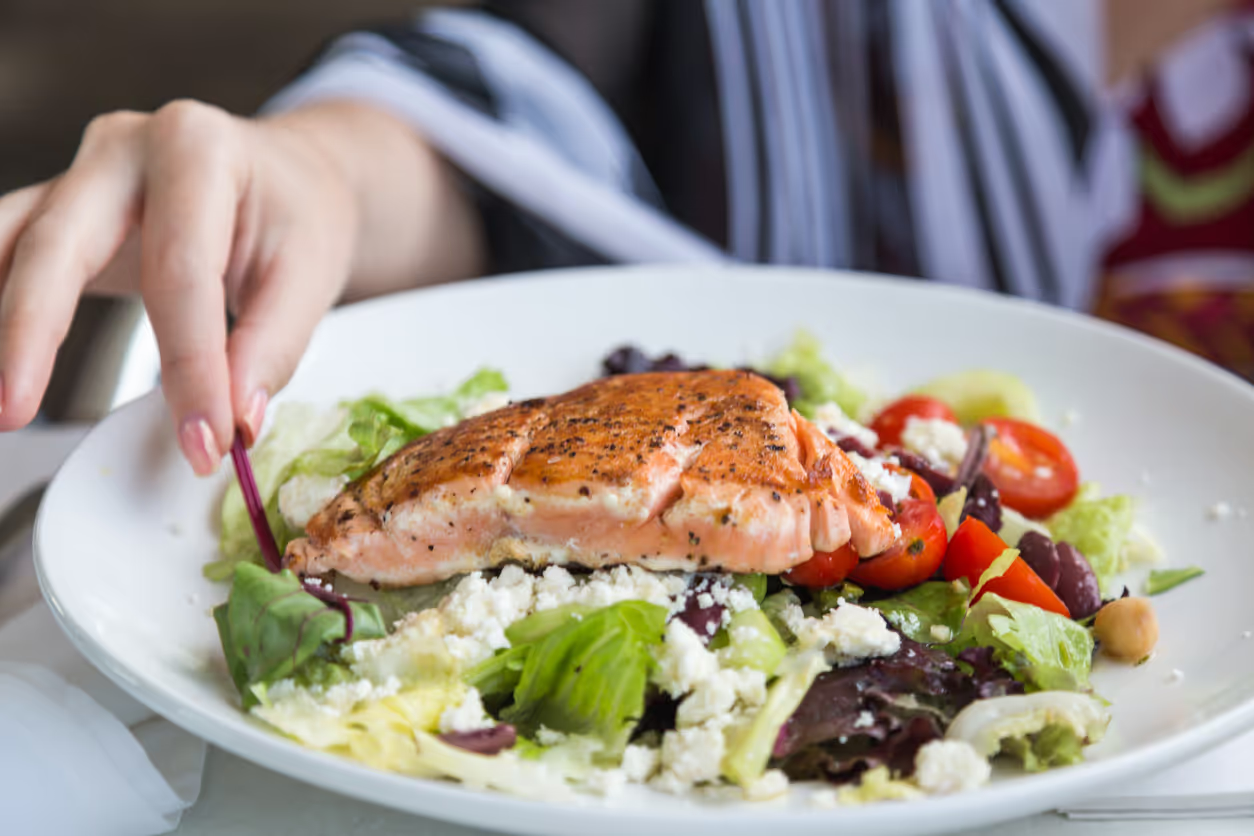
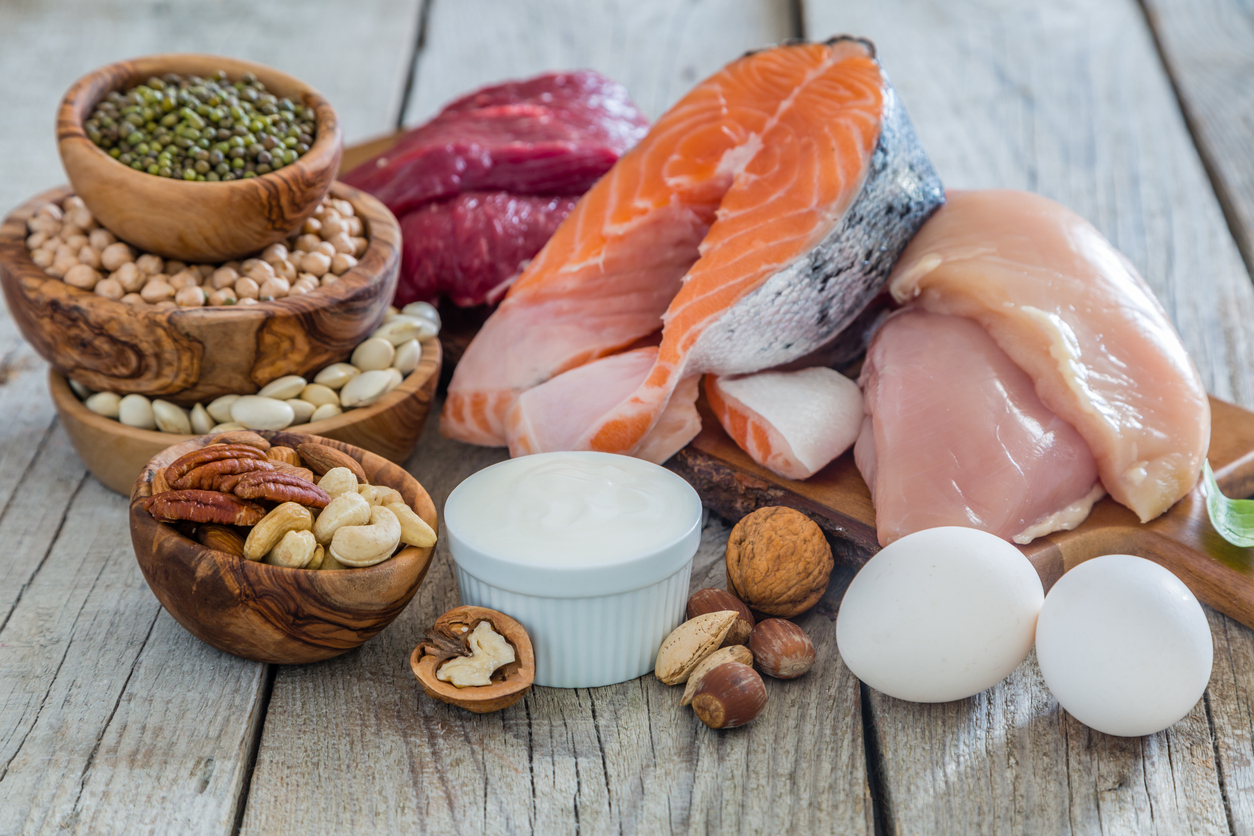
Orthorexia nervosa is a mental health disorder characterized by having an intense preoccupation with “healthy” foods.
Products labeled with catchy buzzwords may also be perceived as superior, including superfoods, GMO-free products, all-natural, etc.
In addition to these preferences, someone with orthorexia may adamantly avoid specific products that are perceived as being harmful or unhealthy.
These may include ultra-processed food, foods that contain preservatives, non-organic produce, etc.
What Causes Orthorexia?
Researchers don’t know what causes orthorexia, but some personality traits appear to be more prevalent in orthorexia cases:
- Perfectionism.
- Obsessive-compulsive.
- Psychopathology (existing mental illness).
- Disordered eating.
- History of an eating disorder.
- History of dieting.
- Drive for thinness.
Signs and Symptoms of Orthorexia
It’s important to be assessed by a reputable healthcare professional if you suspect you may have orthorexia.
Some signs and symptoms linked to this condition include:
- Restrictive eating: Avoiding some foods or food groups because you believe they are unhealthy or harmful.
- Fear of getting sick from eating: You have an intense belief that eating “unclean” foods can make you ill.
- Preoccupation with planning meals: You spend hours making dishes (or thinking about it) that fit your health standards.
- Food beliefs spread to other areas of your life: You start to buy specific cleaning products, ice packs, water bottles, makeup, etc., because you’re afraid other products contain harmful ingredients that could harm your health.
Another unique factor that’s linked to orthorexia is the intense mental distress that’s caused by eating something “unhealthy.”
Researchers describe these emotions as “an exaggerated fear of disease, sense of personal impurity, accompanied by shame or guilt.”
7-Question Orthorexia Quiz to Assess Your Relationship with Healthy Eating
We’ve developed a brief questionnaire you can complete to assess your relationship with health and eating.
You can keep your answers private or share them with your dietitian at your next appointment.
This quiz is not meant to replace medical care and can not be used to diagnose any health conditions.
Seek medical support from your healthcare team if you have any concerns.
1. Do you spend over three hours daily thinking about healthy foods?
Spending extended periods of time thinking about healthy foods may be a sign of disordered eating or orthorexia.
While thinking about healthy foods, you may ruminate on thoughts of:
- “What can I eat or drink to stay healthy?”
- “What should I avoid eating or drinking?”
- “Can I have this meal, or does it have unhealthy ingredients?”
- “I’m scared that if I eat something processed, I will get sick.”
- “I can only eat foods that are organic or clean.”
- “I avoid nonorganic fruits or vegetables because they’re bad for my health.”
These are just a few examples—disordered eating thoughts are highly personalized and can sound different in your brain.
However, if you constantly think (or worry) about your nutritional intake and health, it’s time to speak with an expert.
They can recommend evidence-based strategies to help you address your concerns.
2. Do you frequently feel guilty or anxious when you eat something that's not considered "clean" or "pure"?
Labeling food or beverages as good or bad, clean or unclean, healthy or unhealthy can create a black-and-white relationship with eating.
If you feel anxious, guilty, or distressed after eating something you don’t believe is “clean” or “pure,” you may benefit from reevaluating your understanding of nutrition.
There are many layers to food and well-being, and working with a dietitian can deepen your understanding of nutrition and soften your relationship with food.
3. Have your food choices become more restrictive over time?
Being afraid to eat certain foods can restrict or limit your dietary choices.
If orthorexia is left unaddressed, your food choices may continue to dwindle as it’s common for the number of food restrictions to increase over time.
Look back at what you ate three months or even one month ago.
Has there been a reduction in food choices?
If yes, you may want to explore the rationale behind this decision with your healthcare provider to understand this decision better.
4. Do you avoid social events or meals with others to maintain your strict eating habits?
When you have strong nutrition beliefs, it can feel unpleasant to dine with others because they may ask questions about your food choices or give you unwanted attention while eating.
Constantly eating alone to avoid commentary from others isn’t fun and can strain your relationship with eating (which historically is meant to be social, especially amongst humans!)
If you’re constantly avoiding eating with others, you may want to ask yourself: why?
If you need support discerning these thoughts, a mental health professional can help.
5. Do you feel like your self-worth is based on the quality of the foods you eat?
Associating your self-worth with the quality of your diet may occur if you believe that certain foods or drinks are better than others.
Working with a mental health counselor can help you unwrap these thoughts and untangle what values truly reflect your self-worth (p.s. Your diet isn’t one of them!).
Other traits that make you unique and special can include your sense of humor, ability to support friends and family, and more.
6. Has your relationship with food negatively affected other areas of your life, such as relationships or work/school performance?
People with orthorexia may follow a very restrictive diet and be at risk of undernourishment.
Understandably, it’s hard to socialize, perform well, and feel your best without having enough energy.
If your eating habits aren’t helping you feel your best, consult a professional for guidance.
7. Have friends or family expressed concern about your intense focus on healthy eating?
Your closest friends and family can tell when something changes in you.
They will probably express their concerns if they notice that you’ve developed an intense focus on eating and health.
Know that these comments come from a place of love, and they are not judging you or your decisions.
If you feel comfortable, discuss your feelings with your family or seek external support from a professional therapist or healthcare provider.
Interpreting Your Results
Don’t worry—this isn’t a pass-or-fail quiz! Instead, think of these questions as reflective prompts to uncover thoughts and behaviors that might be linked to orthorexia.
If any of these questions resonate with you, meeting with a registered dietitian specializing in orthorexia can be worthwhile.
They can help you understand the motivations behind your eating practices and suggest ways to heal your relationship with food.
Also, you can still work with a dietitian even if this quiz didn’t resonate with you.
A dietitian can support anyone with nutrition questions, and at Nourish, you can easily find someone who fits your needs by browsing our online directory.
Takeaway
Orthorexia nervosa is a complex mental health condition.
People with this disorder often have an intense preoccupation with healthy eating and a deep fear of getting sick from eating “the wrong foods.”
We’ve created a self-guided quiz to help you reflect on your eating behaviors.
If any of your responses make you feel unsure that your habits are genuinely helping you feel your best, ask your physician and dietitian for support.
{{splash}}
How a Dietitian Can Help
Trying to optimize your health through food and beverage choices is commendable, but sometimes, the best efforts can turn into unhealthy behaviors.
If you suspect your relationship with food and eating has taken an unwanted turn, consider contacting a registered dietitian at Nourish.
Every online appointment at Nourish is covered by insurance.
At every visit, you will receive unconditional support and strategies to help you heal your relationship with food.
If you want more support, you can also download the Nourish app.
It has tons of helpful content and free resources and is an easy way to stay connected with your dietitian between appointments.
Find a dietitian who accepts insurance through Nourish.
Frequently Asked Questions
What is the psychology behind orthorexia?
A psychological trait linked to orthorexia is the intense fear that eating “bad” food will lead to illness (or have other physical consequences).
This deep-rooted fear can make someone with orthorexia develop an obsession with “clean” or “pure” eating, which can contribute to dietary restrictions.
What are the most common disorders that may coexist with orthorexia?
Anxiety is another mental health disorder that can overlap with orthorexia.
Other personality traits that can be linked to orthorexia include perfectionism and having a fearful or dismissive attachment style.
What mental disorder is directly correlated with eating disorders?
Some mental health disorders linked to eating disorders can include:
- Mood and anxiety disorders.
- Obsessive-compulsive disorder.
- Alcohol and substance use disorders.
Personality disorders may also be correlated with some eating disorders.
References
View all references
On orthorexia nervosa: A review of the literature and proposed diagnostic criteria - ScienceDirect
Orthorexia Nervosa: An Obsession With Healthy Eating - PMC.
On orthorexia nervosa: A review of the literature and proposed diagnostic criteria - ScienceDirect
Orthorexia Nervosa: An Obsession With Healthy Eating - PMC.
Nourish has strict sourcing policies and prioritizes primary sources, including medical organizations, governmental agencies, academic institutions, and peer-reviewed scientific journals. Learn more about our medical review process and editorial guidelines.












.jpg)




















.avif)

.avif)





























.avif)


%20(1).webp)