How To Stop Sneak Eating

Author: Julia Zakrzewski, RD

Summary
- Sneak eating is a form of disordered eating that includes secret eating and feeling shame about food intake.
- People with secretive eating tendencies are at a higher risk of developing an eating disorder, which can have serious health consequences if left untreated.
- Embracing intuitive eating by giving yourself permission to enjoy foods can alleviate feelings of shame around eating.
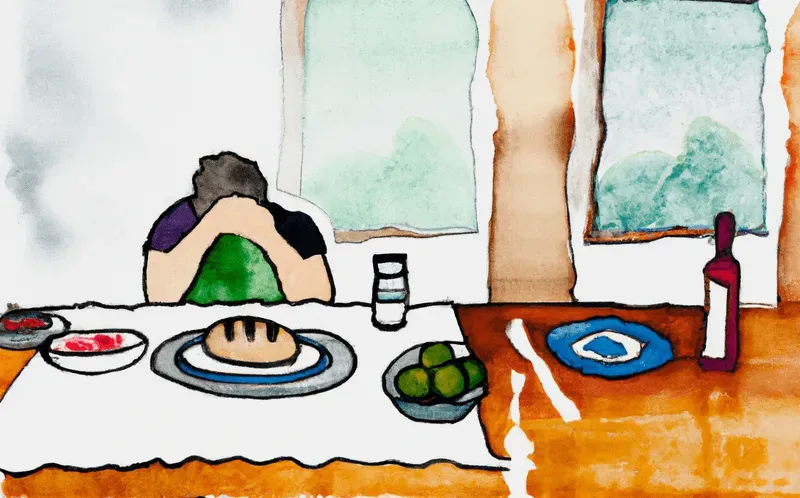
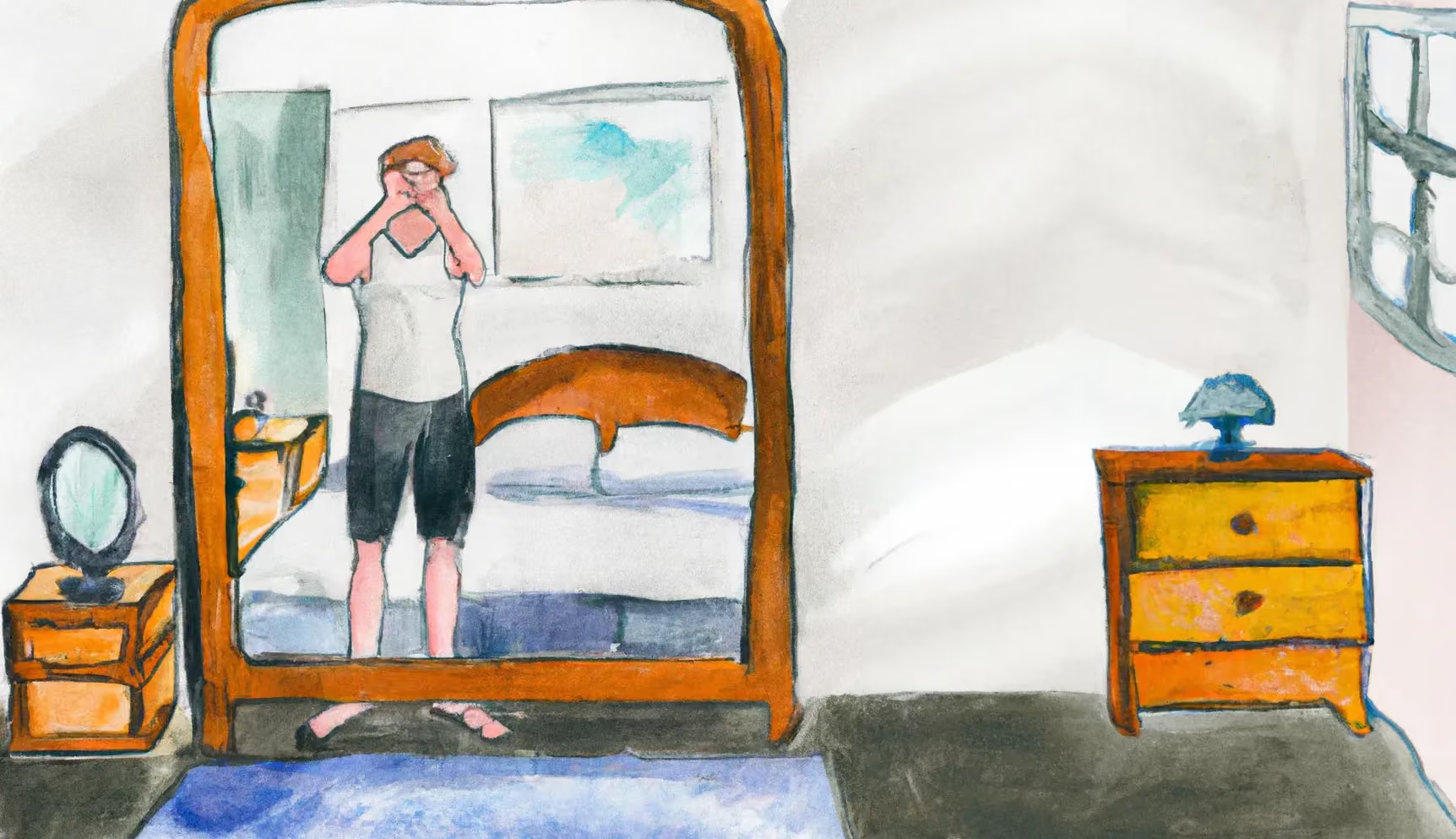
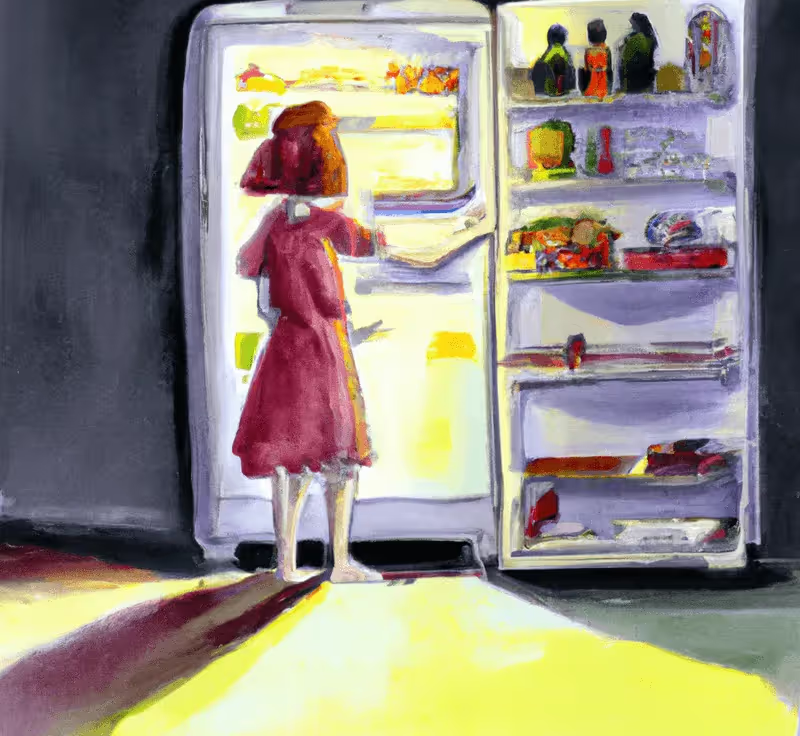
Sneak eating is a form of disordered eating where a person eats a portion of their food privately. They might eat in their bedroom, car, or any nonpublic location. A sneak eater will hide their eating because they feel ashamed of what they eat, how much they eat, or how they look when they eat certain foods.
Associating shame with eating can occur after traumatic events, like being a victim of bullying and unwelcome criticism about portion sizes.
In this article, you’ll learn how to recognize the signs of a sneak eater, three tips to help you feel less ashamed about eating, and how a dietitian can help you mend your relationship with food.
{{splash}}
How to Tell If I’m a Sneak Eater
Sneak eating is not a medical condition but a disordered behavior around eating. It can present by eating in secrecy or sneaking portions to eat later. The food is usually eaten without anyone else present, and the “evidence,” such as wrappers or dishes, can be hidden or discarded afterward.
The reasons for sneak eating will vary per individual. Someone may have been shamed for eating, and now they prefer to eat away from others. Even well-intended comments about people’s appetites and eating frequency can change how a person views food.
Not wanting people to know what you eat or how much can be signs of sneak-eating behaviors. Other symptoms include:
- Hiding your favorite snacks in your room or personal space.
- Stashing food in your purse or bag to eat later.
- Waiting until family members go to bed so you can return to the kitchen to eat.
- Denying eating.
- Fearing judgment from others if they see you eating certain foods.
- Feeling guilty for eating something not allowed in a “diet plan.”
Growing up in a household with food restrictions can result in labeling foods as good or bad. A sneak eater might eat “bad” foods in secret to avoid repercussions or feelings of guilt.
Who Can Be Affected?
Adults and youth can engage in secretive eating behaviors. A study from 2017 discovered that youth ages 10 through 12 who endorsed secretive eating habits were likelier to binge than those who did not engage in secret eating. The study also noted that secret eating increased the risk of developing eating disorders, which can be dangerous if left untreated.
Nourish offers personalized nutrition counseling and accepts popular insurance carriers. If you suspect you have an eating disorder, book a virtual appointment with a Registered Dietitian.
3 Tips for Sneak Eating
Being secretive about your eating habits can feel stressful. There is always a fear you may get caught and be shamed for eating.
- Implement intuitive eating strategies by giving yourself permission to enjoy all foods. Your body needs nourishment to function, and you should feed yourself when you are hungry. If you struggle to identify when you are hungry or if you are reaching for food out of habit, you can spend time reconnecting with your hunger and satiety cues.
- Journaling can help you identify when you feel hungry and full and any emotions attached to eating. An example of food journaling your hunger cues could look like this:
- Documenting how hungry you feel before you sit down to eat, rate your hunger on a scale from 1 to 10.
- A score of 1 indicates that you are famished. For most people, a score of 3-4 is the right time to eat.
- After your meal, rate your fullness.
- A score of 10 indicates you are uncomfortably full. Most people will feel comfortably full when they score 6 or 7 after eating.
- Include relevant details: your mood, stress levels, and eating time.
- Letting go of food rules and embracing an all-foods-fit philosophy can help you address sneak-eating tendencies. Loosening tight restrictions on food can decrease cravings, which may reduce the urge to sneak food and eat it later.
Treatment for Sneak Eating
Therapy for secretive eating may include dialectical behavior therapy, but it will vary per individual. This type of psychotherapy is effective for people who would benefit from learning how to manage their emotions and actions. This treatment addresses binge eating tendencies, which are also known for secrecy and sneak-eating eating habits.
Certain events that took place in childhood can affect how you view food as an adult. You might have a scarcity mindset about food if you grew up in a home with food insecurity. Another person may fear that food will not be available because they grew up with locks on the kitchen cabinets and doors.
In both these situations, a person may sneak food because they fear it will not be available later. Understanding the root cause of your fears or habits can help you seek proper treatment.
Binging
Occasional overeating can be part of a normal lifestyle, but you should learn to recognize the signs of binge eating. Common symptoms include eating to the point of discomfort or pain, eating despite not feeling hungry, and feelings of guilt after overeating.
Frequent binging and feeling out of control while binging can be signs of disordered eating. It could develop into a binge eating disorder (BED) if left unaddressed.
All eating disorders should be taken seriously because they can affect your physical and mental health. Treatment for BED includes therapy and sometimes medication if appropriate. A specialized dietitian in binge eating can help you improve your relationship with eating. They can teach you mindfulness techniques which are proven to help.
Who Can I Talk to About Sneak Eating?
Any shame around eating should be addressed by a therapist or a dietitian specialized in disordered eating. Some people may benefit from seeing both professionals simultaneously.
If you feel comfortable, you may consider bringing a trusted friend or family member to your appointments. Having unconditional support from loved ones can help immensely during treatments, and they can be a source of accountability between visits.
Your family and loved ones will likely benefit from the appointments because, although they want to help you, they may not know how. While you learn how to address sneak eating, they can also learn how to support you.
How an RD Can Help
It’s possible that some sneak eating can occur because you are hungry. A 2013 study found that adults who work full time (forty hours or more) face eating challenges because of work demands and busy schedules.
A dietitian can review your intake and help you meet your daily energy requirements. They can help you meet your goals by offering nutritious snack ideas to help you stay full throughout the day. This can moderate your hunger and fullness levels and reduce the chance of sneak-eating or overeating later.
How a Dietitian Can Help
Working with a Registered Dietitian can help you address sneak-eating behaviors and shame around eating. They can teach you how to embrace intuitive eating practices, which can help reduce uncontrolled eating. A fundamental belief of intuitive eating is knowing that your body deserves nourishment; you should not feel guilty, ashamed, or anxious about feeding yourself.
Find a dietitian near you to get started today for as little as $0—94% of our patients pay nothing out of pocket.
{{splash}}
Frequently Asked Questions
References
View all references
- Lydecker, J. A., & Grilo, C. M. (2019). I didn't want them to see: Secretive eating among adults with binge-eating disorder. The International journal of eating disorders, 52(2), 153–158.
- Copeland, W. E., Bulik, C. M., Zucker, N., Wolke, D., Lereya, S. T., & Costello, E. J. (2015). Does childhood bullying predict eating disorder symptoms? A prospective, longitudinal analysis. The International journal of eating disorders, 48(8), 1141–1149.
- Kass, A. E., Wilfley, D. E., Eddy, K. T., Boutelle, K. N., Zucker, N., Peterson, C. B., Le Grange, D., Celio-Doyle, A., & Goldschmidt, A. B. (2017). Secretive eating among youth with overweight or obesity. Appetite, 114, 275–281.
- Meule A. (2020). The Psychology of Food Cravings: the Role of Food Deprivation. Current nutrition reports, 9(3), 251–257.
- Hazzard, V. M., Telke, S. E., Simone, M., Anderson, L. M., Larson, N. I., & Neumark-Sztainer, D. (2021). Intuitive eating longitudinally predicts better psychological health and lower use of disordered eating behaviors: findings from EAT 2010-2018. Eating and weight disorders : EWD, 26(1), 287–294.
- Royer, M. F., Ojinnaka, C. O., Zhang, X., Thornton, A. G., Blackhorse, K., & Bruening, M. (2022). Food insecurity and adverse childhood experiences: a systematic review. Nutrition reviews, 80(10), 2089–2099.
- Hay P. (2020). Current approach to eating disorders: a clinical update. Internal medicine journal, 50(1), 24–29.
- Sala, M., Shankar Ram, S., Vanzhula, I. A., & Levinson, C. A. (2020). Mindfulness and eating disorder psychopathology: A meta-analysis. The International journal of eating disorders, 53(6), 834–851.
- Klein, D. A., Sylvester, J. E., & Schvey, N. A. (2021). Eating Disorders in Primary Care: Diagnosis and Management. American family physician, 103(1), 22–32.
- Escoto, K. H., Laska, M. N., Larson, N., Neumark-Sztainer, D., & Hannan, P. J. (2012). Work hours and perceived time barriers to healthful eating among young adults. American journal of health behavior, 36(6), 786–796.
Nourish has strict sourcing policies and prioritizes primary sources, including medical organizations, governmental agencies, academic institutions, and peer-reviewed scientific journals. Learn more about our medical review process and editorial guidelines.
























.avif)









.avif)


.avif)
.avif)
.avif)