Does Endometriosis Cause Weight Gain? An RD Explains

Medical Reviewer: Christine Russell, MS, RD, LD, CDCES

Author: Sarah Glinski, RD

Summary
- Hormonal changes and endometriosis treatments can cause weight gain.
- Fluid retention caused by inflammation can cause temporary weight gain.
- An anti-inflammatory diet like the Mediterranean diet may help with endometriosis pain and aid weight loss.
Endometriosis is a condition where tissue similar to the lining of the uterus grows elsewhere in the body, such as on the ovaries.
It affects 10% to 15% of reproductive-age women and people assigned female at birth.
The most common symptoms are chronic pelvic pain and difficulty getting pregnant.
Since endometriosis involves hormonal changes, such as excess estrogen, it can lead to weight gain in some cases.
Additionally, certain treatments for endometriosis, such as hormonal treatments or hysterectomy (surgical removal of the uterus), can lead to weight gain.
Read on to learn about the link between endometriosis and weight gain and nutritional and lifestyle strategies for managing weight gain with endometriosis.
Does Endometriosis Cause Weight Gain?
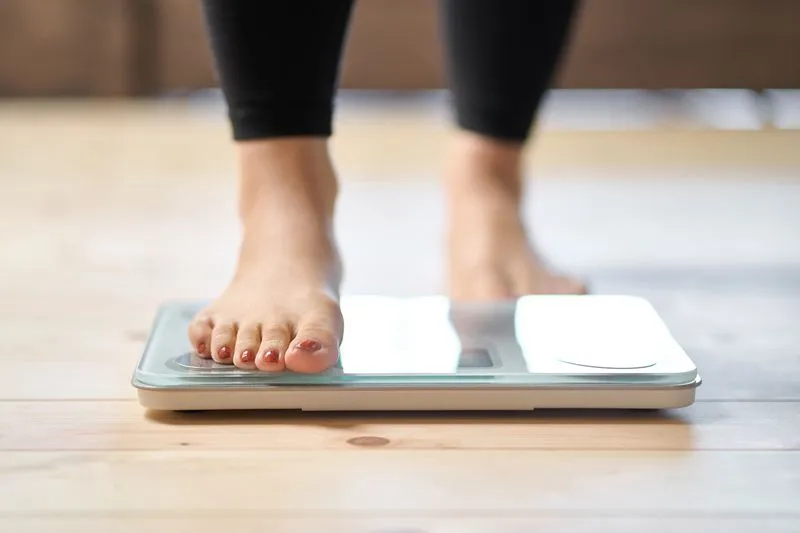
While weight gain is not a typical symptom of endometriosis, endometriosis can lead to weight gain.
This is primarily due to excess estrogen and certain endometriosis treatments, such as hormonal therapies and hysterectomy.
What is Endo Belly, and How Does it Relate to Weight Gain?
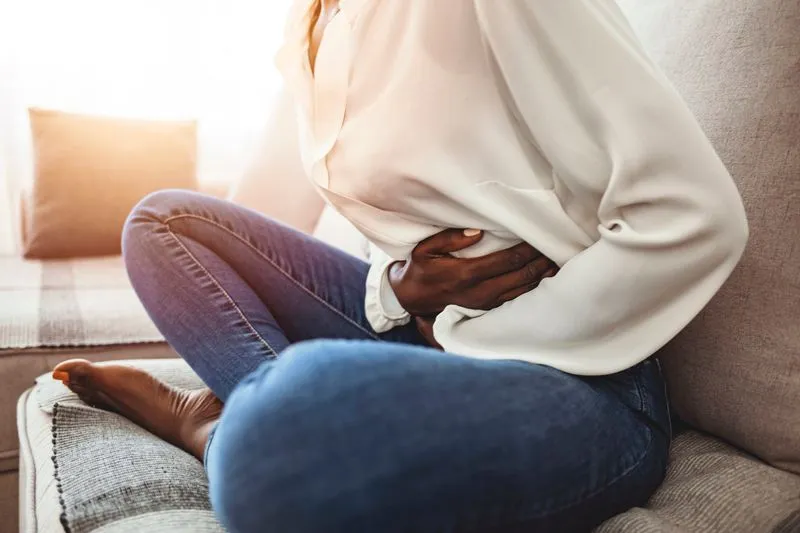
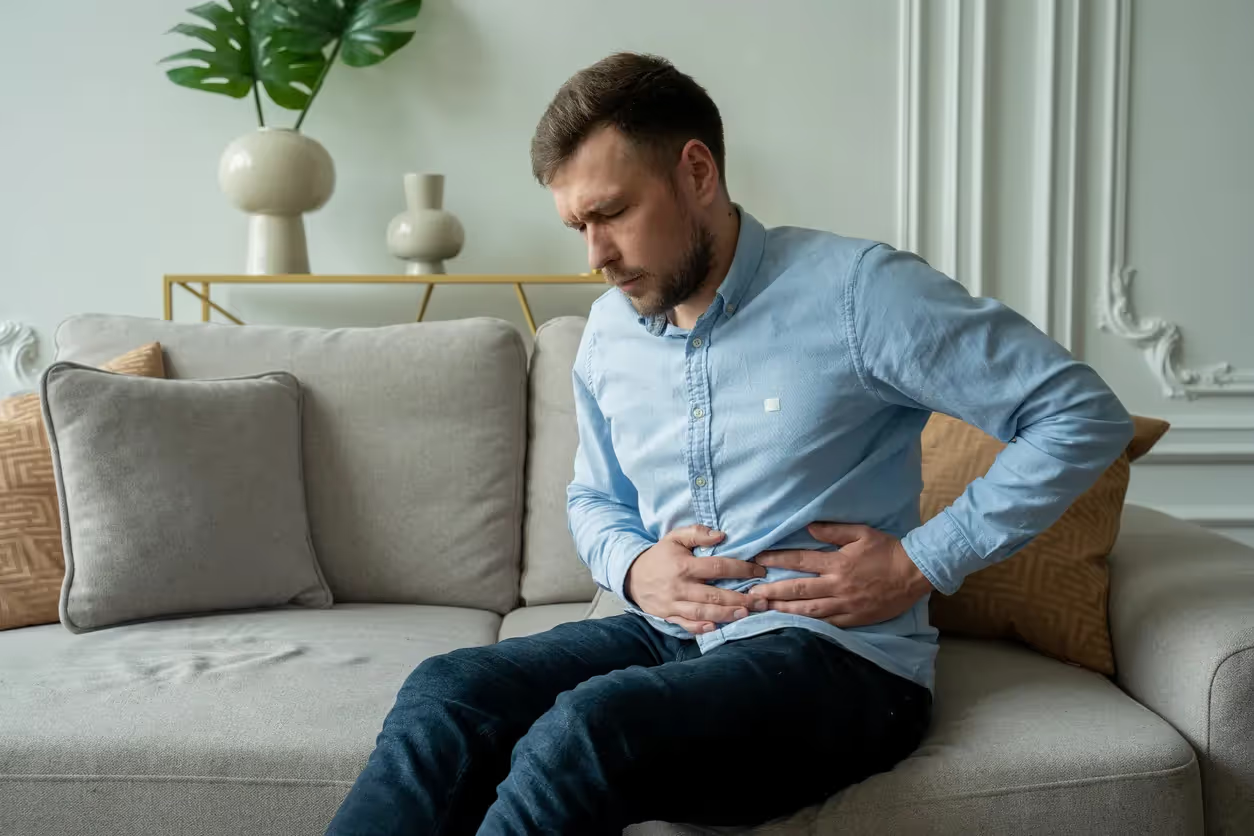
If you have endometriosis, you’ve likely experienced “endo belly” – the severe bloating that can lead to a swollen, distended abdomen.
However, while the bloating and swelling associated with endo belly may cause a temporary increase in weight or changes in how your clothes fit, it’s typically related to factors like inflammation, fluid retention, and digestive problems rather than an actual increase in body fat.
Factors Contributing to Endometriosis Weight Gain
There are several factors that may contribute to endometriosis weight gain, including hormonal changes, chronic pain and inflammation, digestive problems, medications, and a lack of physical activity.
Hormonal Changes
Endometriosis is linked to hormonal imbalances, particularly estrogen dominance.
Having too much estrogen maycan lead to increased fat storage and weight gain.
Chronic Pain and Inflammation
One of the main drivers of weight gain related to endo belly is fluid retention in the abdomen caused by inflammation, which can lead to temporary weight gain.
Digestive Problems
Another cause of weight fluctuations with endometriosis is digestive issues like constipation, diarrhea, and gas.
These symptoms may cause bloating and discomfort that mimics weight gain.
Medications and Other Treatments
Some treatments for endometriosis, such as hormonal therapies, can cause weight gain or changes in body composition.
In severe cases of endometriosis, surgical treatment such as a hysterectomy may be the best treatment option.
People who have had a hysterectomy may be at a higher risk of gaining weight, especially in the first year after surgery.
Lack of Physical Activity
Endometriosis can be a very painful condition to live with. When you’re struggling with a flare-up of symptoms, you may be in too much pain to exercise or be physically active. Over time, this could lead to weight gain because you’re not expending as much energy.
Nutritional Strategies for Managing Weight with Endometriosis
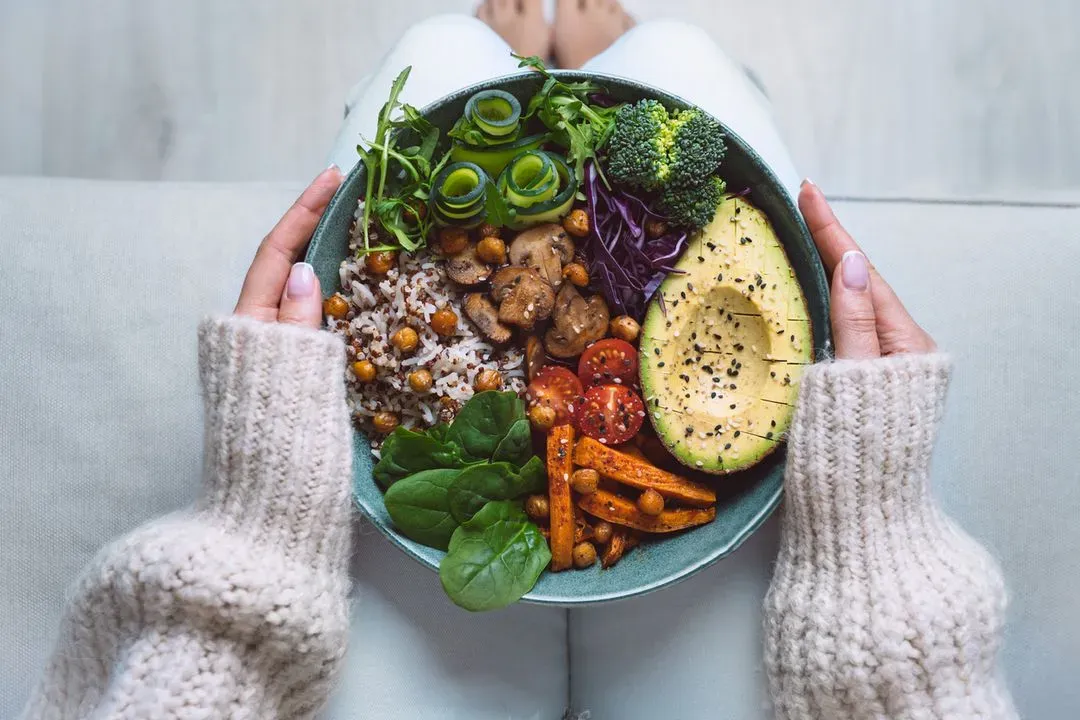
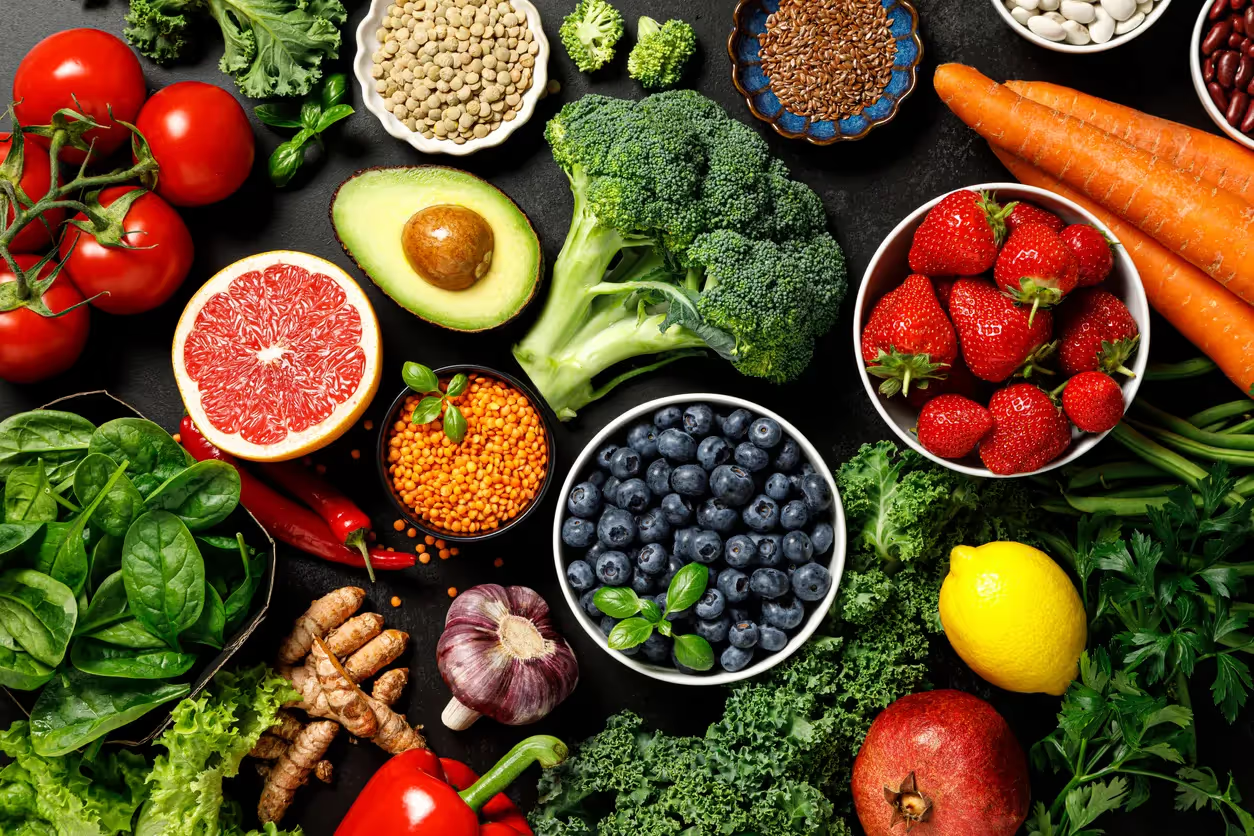
While there is no specific “endometriosis diet,” several nutritional strategies may help manage endometriosis symptoms and promote weight loss.
Anti-Inflammatory Diet
Since inflammation is a significant component of endometriosis, eating foods that reduce inflammation may be beneficial.
Studies show that the Mediterranean diet, a popular anti-inflammatory diet, may also relieve endometriosis pain.
Additional sStudies demonstratealso show that the Mediterranean diet maycan help with weight loss.
The Mediterranean diet includes:
- Fruits.
- Vegetables.
- Whole grains.
- Legumes.
- Nuts.
- Seeds.
- Olive oil.
- Fish.
It also includes small amounts of poultry, dairy, and eggs. Red meat is not typically eaten; when it is, it’s in small portions.
Balancing Hormones Through Nutrition
A 2020 systematic review found that fiber may help reduce estrogen levels in the body.
Since excess estrogen can lead to weight gain, reducing estrogen levels may help with weight loss.
Here are some high-fiber foods to include in your eating plan:
- Fruits (such as apples and pears with the skin, berries, avocados, bananas, and oranges).
- Vegetables (such as broccoli, Brussels sprouts, carrots, sweet potatoes with the skin, spinach, beans, cucumbers, bell peppers, and green peas).
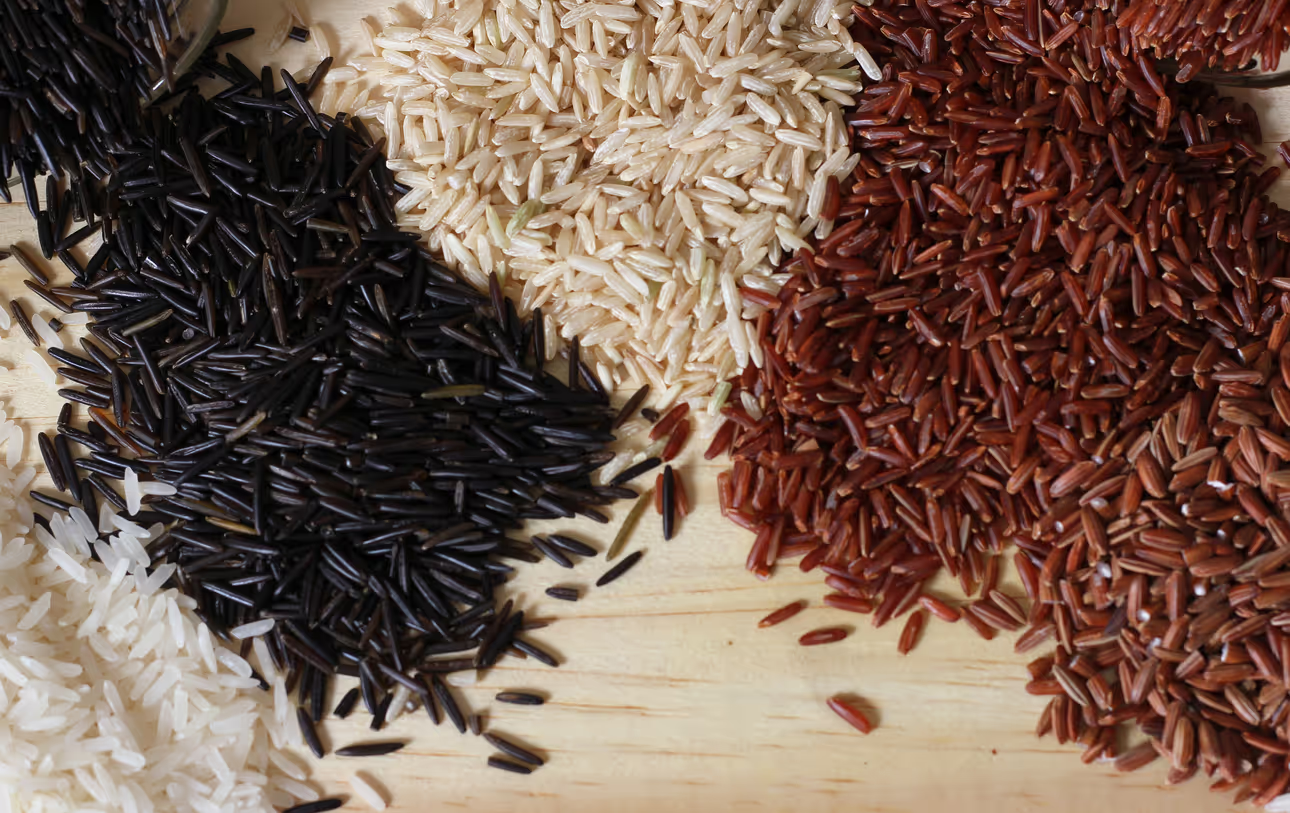
- Whole grains (such as oats, barley, quinoa, brown rice, whole wheat bread and pasta, farro, bulgur, and popcorn).
- Legumes (such as lentils, chickpeas, black beans, kidney beans, and split peas).
- Nuts and seeds (such as chia seeds, flaxseeds, almonds, pistachios, sunflower seeds, walnuts, and pumpkin seeds).
Supporting Gut Health
People with endometriosis often experience digestive issues like constipation, diarrhea, and bloating.
Therefore, eating foods to support gut health may be beneficial.
Eating foods high in prebiotics (a type of fiber that feeds your good gut microbes) is one way to improve your gut health.
Here are some foods that contain prebiotics:
- Garlic.
- Onions.
- Asparagus.
- Leeks.
- Dandelion greens.
- Underripe bananas.
- Apples (with skin).
- Berries.
- Avocado.
- Oats.
- Barley.
- Wheat bran.
- Lentils.
- Chickpeas.
- Kidney beans.
- Black beans.
- Flaxseeds.
- Chia seeds.
Fermented foods can also support gut health, and regularly eating fermented foods is associated with weight loss.
Here are some fermented foods to try:
- Yogurt (with live cultures).
- Kefir.
- Sauerkraut.
- Kimchi.
- Pickles (fermented).
- Tempeh.
- Miso.
- Natto.
- Kombucha.
Fermented foods can have a strong flavor.
If you’re not used to eating them, try adding them to another food you enjoy.
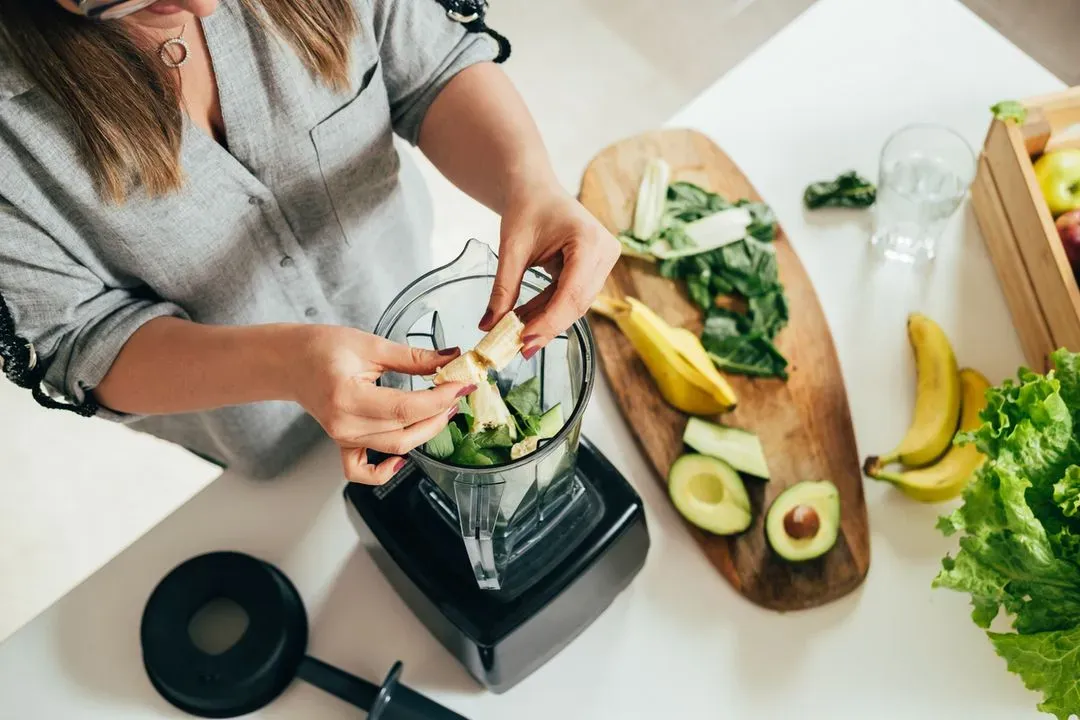
For example, add kefir to a smoothie or sauerkraut to a sandwich or wrap.
Adequate Hydration
Getting enough fluids maycan help with constipation, which is common with endometriosis.
Since constipation can lead to bloating, which can mimic weight gain, managing constipation can be beneficial.
Some sStudies also demonstrateshow that increased water intake is associated with weight loss.
Lifestyle Tips for Managing Weight with Endometriosis
In addition to nutritional strategies to manage weight with endometriosis, several lifestyle changes may also be beneficial.
Gentle Exercise and Movement
While high-intensity exercise may be challenging for people with endometriosis, gentle exercises can still provide benefits.
Here are some low-impact exercises to try incorporating into your routine:
- Yoga, especially restorative or Hatha yoga.
- Swimming.
- Walking.
- Gentle stretching.
- Low-impact strength training using resistance bands.
- Stationary cycling.
- Water aerobics.
If you haven’t been exercising regularly, start slowly and gradually increase the frequency and intensity as your fitness levels increase.
Stress Management
Stress can significantly impact eating habits, with some people tending to eat more when they experience stress.
Guidelines for adult weight management suggest that stress management should be a key component of any weight management plan.
If you’re experiencing significant stress, speaking with a therapist who can help you develop positive coping strategies may be helpful.
Quality Sleep
Some studies suggest that not getting enough sleep or having poor sleep quality is associated with weight gain.
The CDC recommends that most adults sleep between seven and nine hours each night.
The following strategies may improve your sleep quality:
- Go to bed and wake up at the same time each day.
- Keep your bedroom at a comfortable temperature.
- Switch off your electronic devices at least 30 minutes before bedtime.
- Avoid caffeine after lunch.
- Exercise regularly.
When to Seek Professional Help
If you have endometriosis, it’s important to seek professional help if you experience any of the following symptoms:
- Severe pelvic pain.
- Heavy or irregular periods.
- Pain during sex.
- Painful bowel movements.
- Painful urination.
- Difficulty getting pregnant.
- Chronic fatigue.
- Worsening symptoms.
- Mental health concerns.
- Lack of relief from medications.
Takeaway
Hormone imbalances and certain endometriosis treatments may lead to weight gain.
In addition, fluid retention caused by inflammation and digestive issues can lead to temporary weight gain.
Fortunately, there are many strategies to help manage these weight changes, such as the Mediterranean diet, eating more fiber, eating more fermented foods, and drinking enough water.
Lifestyle changes like incorporating gentle movement, managing stress, and getting good quality sleep can also help with weight management.
If you’re struggling with the symptoms of endometriosis, it’s important to seek professional help to ensure your condition is managed properly.
How a Dietitian Can Help
A registered dietitian can play a key role in helping you manage endometriosis symptoms and weight gain.
They can recommend anti-inflammatory foods, help you identify and manage food intolerances, and provide guidance on balancing hormones through nutrition.
A dietitian can also help you develop a weight management plan that considers your goals, preferences, symptoms, and lifestyle.
You can find a dietitian who accepts insurance through Nourish
Frequently Asked Questions
Is it harder to lose weight with endometriosis?
Some people with endometriosis may find it difficult to lose weight.
This is because endometriosis is associated with having too much estrogen, which can lead to weight gain.
Additionally, certain endometriosis treatments, such as hormonal therapies and hysterectomy, are associated with weight gain.
Finally, the pain associated with endometriosis may make it difficult to be physically active, which is an important part of losing weight.
Does endometriosis affect metabolism?
Some studies suggest that endometriosis affects energy metabolism.
However, more research is needed to determine how this influences body weight.
What hormone is lacking in endometriosis?
Rather than a hormone lacking, endometriosis is associated with increased levels of the hormone estrogen.
References
View all references
- Tsamantioti E.S., Mahdy, H. (January 23, 2023). Endometriosis. In: StatPearls [Internet]. Treasure Island (FL): StatPearls Publishing. Retrieved September 20, 2024, from https://www.ncbi.nlm.nih.gov/books/NBK567777/
- Grantham, J. P., & Henneberg, M. (2014). The Estrogen Hypothesis of Obesity. PLOS ONE, 9(6), e99776. https://doi.org/10.1371/journal.pone.0099776
- Chantalat, E., Valera, M., Vaysse, C., Noirrit, E., Rusidze, M., Weyl, A., Vergriete, K., Buscail, E., Lluel, P., Fontaine, C., Arnal, J., & Lenfant, F. (2020). Estrogen Receptors and Endometriosis. International Journal of Molecular Sciences, 21(8), 2815. https://doi.org/10.3390/ijms21082815
- Foti, P. V., Farina, R., Palmucci, S., Agata Vizzini, I. A., Libertini, N., Coronella, M., Spadola, S., Caltabiano, R., Iraci, M., Basile, A., Milone, P., Cianci, A., & Ettorre, G. C. (2018). Endometriosis: Clinical features, MR imaging findings and pathologic correlation. Insights Into Imaging, 9(2), 149-172. https://doi.org/10.1007/s13244-017-0591-0
- Viganò, D., Zara, F., & Usai, P. (2018). Irritable bowel syndrome and endometriosis: New insights for old diseases. Digestive and Liver Disease, 50(3), 213-219. https://doi.org/10.1016/j.dld.2017.12.017
- Vannuccini, S., Clemenza, S., Rossi, M., & Petraglia, F. (2022). Hormonal treatments for endometriosis: The endocrine background. Reviews in Endocrine & Metabolic Disorders, 23(3), 333-355. https://doi.org/10.1007/s11154-021-09666-w
- Sandström, A., Bixo, M., Johansson, M., Bäckström, T., & Turkmen, S. (2020). Effect of hysterectomy on pain in women with endometriosis: a population-based registry study. BJOG : An International Journal of Obstetrics and Gynaecology, 127(13), 1628–1635. https://doi.org/10.1111/1471-0528.16328
- Moorman, P. G., Schildkraut, J. M., Iversen, E. S., Myers, E. R., Gradison, M., Warren-White, N., & Wang, F. (2009). A Prospective Study of Weight Gain after Premenopausal Hysterectomy. Journal of Women's Health, 18(5), 699-708. https://doi.org/10.1089/jwh.2008.1019
- Farvid, M. S., Spence, N. D., Holmes, M. D., & Barnett, J. B. (2020). Fiber consumption and breast cancer incidence: A systematic review and meta-analysis of prospective studies. Cancer, 126(13), 3061-3075. https://doi.org/10.1002/cncr.32816
- Cirillo, M., Argento, F. R., Becatti, M., Fiorillo, C., Coccia, M. E., & Fatini, C. (2023). Mediterranean Diet and Oxidative Stress: A Relationship with Pain Perception in Endometriosis. International Journal of Molecular Sciences, 24(19), 14601. https://doi.org/10.3390/ijms241914601
- Guasch-Ferré, M., & Willett, W. C. (2021). The Mediterranean diet and health: A comprehensive overview. Journal of Internal Medicine, 290(3), 549-566. https://doi.org/10.1111/joim.13333
- Markowiak, P., & Śliżewska, K. (2017). Effects of Probiotics, Prebiotics, and Synbiotics on Human Health. Nutrients, 9(9). https://doi.org/10.3390/nu9091021
- Ek, M., Roth, B., Ekström, P., Valentin, L., Bengtsson, M., & Ohlsson, B. (2015). Gastrointestinal symptoms among endometriosis patients—A case-cohort study. BMC Women's Health, 15. https://doi.org/10.1186/s12905-015-0213-2
- Jalili, M., Nazari, M., & Magkos, F. (2023). Fermented Foods in the Management of Obesity: Mechanisms of Action and Future Challenges. International Journal of Molecular Sciences, 24(3), 2665. https://doi.org/10.3390/ijms24032665
- Liska, D., Mah, E., Brisbois, T., Barrios, P. L., Baker, L. B., & Spriet, L. L. (2019). Narrative Review of Hydration and Selected Health Outcomes in the General Population. Nutrients, 11(1), 70. https://doi.org/10.3390/nu11010070
- Thornton, S. N. (2016). Increased Hydration Can Be Associated with Weight Loss. Frontiers in Nutrition, 3. https://doi.org/10.3389/fnut.2016.00018
- Schutz, D. D., Busetto, L., Dicker, D., Farpour-Lambert, N., Pryke, R., Toplak, H., Widmer, D., Yumuk, V., & Schutz, Y. (2019). European Practical and Patient-Centred Guidelines for Adult Obesity Management in Primary Care. Obesity Facts, 12(1), 40-66. https://doi.org/10.1159/000496183
- Häusler, N., Heinzer, R., Haba-Rubio, J., & Marques-Vidal, P. (2019). Does sleep affect weight gain? Assessing subjective sleep and polysomnography measures in a population-based cohort study (CoLaus/HypnoLaus). Sleep, 42(6), zsz077. https://doi.org/10.1093/sleep/zsz077
- CDC. (n.d.). About Sleep. Retrieved September 20, 2024, from https://www.cdc.gov/sleep/about/index.html
- Kobayashi, H., Matsubara, S., Yoshimoto, C., Shigetomi, H., & Imanaka, S. (2023). The role of mitochondrial dynamics in the pathophysiology of endometriosis. Journal of Obstetrics and Gynaecology Research, 49(12), 2783-2791. https://doi.org/10.1111/jog.15791
Nourish has strict sourcing policies and prioritizes primary sources, including medical organizations, governmental agencies, academic institutions, and peer-reviewed scientific journals. Learn more about our medical review process and editorial guidelines.
More articles
%201%20(1).jpg)


.avif)












.avif)















.avif)















.avif)







.avif)
.avif)







.avif)
.avif)