The Ultimate Weight Loss Grocery List for Beginners

Medical Reviewer: Renae Khalil RD, LDN

Author: Sarah Glinski, RD

Summary
- There’s no “best diet” for weight loss. Successful weight loss typically requires a comprehensive approach, including balanced meals, regular physical activity, and stress management.
- When creating a weight loss grocery list, include a variety of nutritious foods, such as fruits, vegetables, whole grains, lean proteins, low-fat dairy products, legumes, nuts, and seeds.
- While all foods can fit into a weight loss plan, certain foods should be eaten in moderation. This includes ultra-processed foods, sugar-sweetened beverages, certain fast foods, refined carbohydrates, and alcoholic beverages.
There’s no “best diet” for weight loss. What works for one person may not work for another.
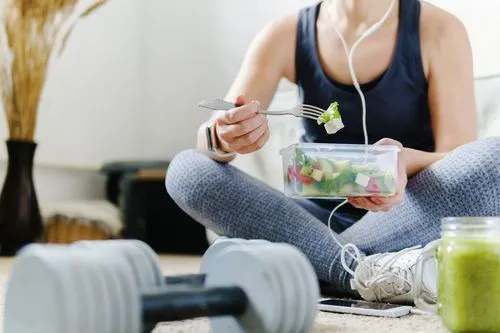
The Centers for Disease Control and Prevention recommend a comprehensive approach to weight management that includes a balanced diet, regular exercise, and stress management.
In addition, it’s best to lose weight slowly (at a rate of one to two pounds weekly) rather than rapidly. People who lose weight slowly are more likely to maintain their weight loss.
Many fad diets promote restricting certain foods, like foods high in carbohydrates or fats. However, this approach can backfire, and you may end up craving these foods more if you try to restrict them.
Plus, restricting certain foods from your diet can lead to nutrient deficiencies. Instead of focusing on what you can’t eat for weight loss, focus on all the nutritious foods you can add to your diet.
Read on to learn about the principles of a weight-loss diet, a weight-loss grocery list, and tips for grocery shopping for weight loss.
{{splash}}
Weight Loss Grocery List Basics
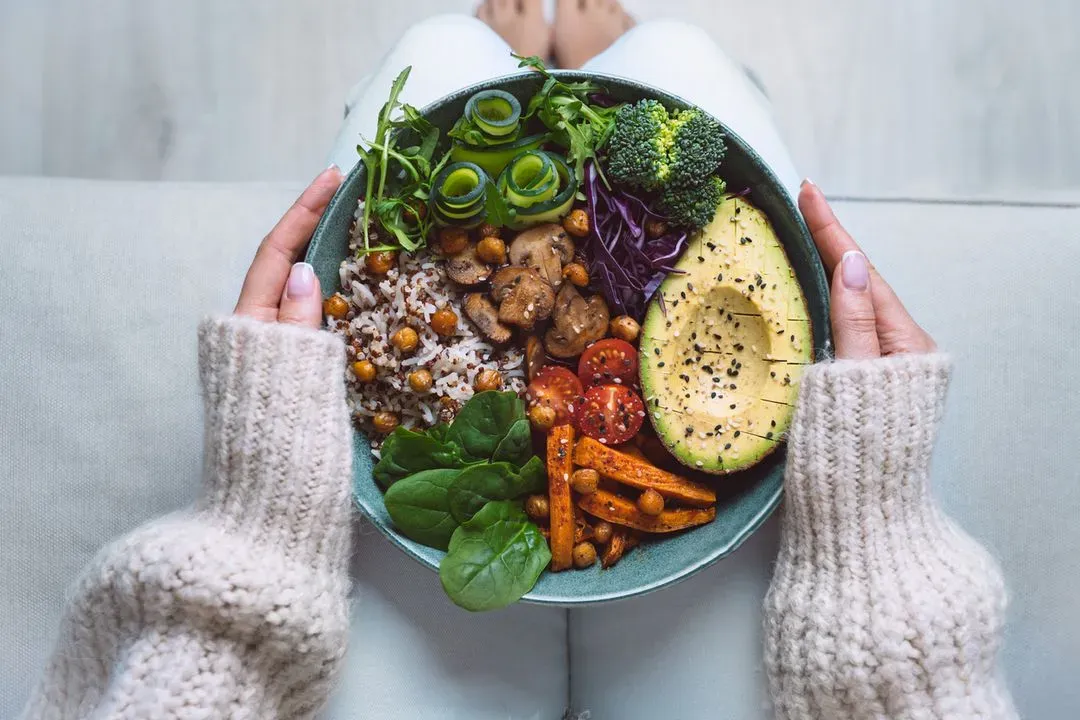
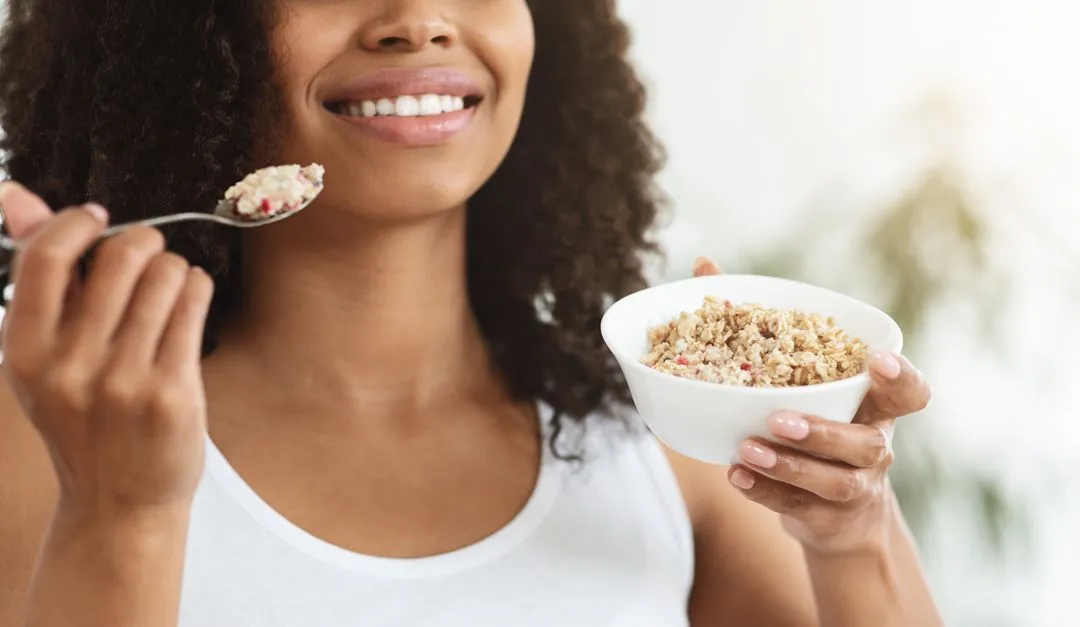
When it comes to weight loss, having a varied diet that includes nutrient-rich whole foods is best.
The Dietary Guidelines for Americans (2020-2025) recommends the following components of a healthy eating plan:
- Eat a variety of fruits, vegetables, whole grains, and fat-free or low-fat dairy products.
- Include lean proteins such as seafood, poultry, lean meats with the fat trimmed, eggs, legumes, soy products, nuts, and seeds.
- Limit added sugars, saturated and trans fats, sodium, and cholesterol.
- Stick to your daily calorie needs.
While it’s best to work with a registered dietitian to determine your calorie needs, you can also use online tools.
The NIH Body Weight Planner is a free online tool that calculates your calorie needs based on weight, sex, age, height, and physical activity level.
Foods to Include for Weight Loss
While all foods can be included in a weight loss diet, certain foods can enhance weight loss efforts.
Protein and fiber are two nutrients of particular importance during weight loss.
Protein is an important part of a weight loss diet because it keeps you full between meals.
Studies demonstrate that eating enough protein is associated with better weight loss outcomes.
These studies suggest that eating about 25 to 30 grams of protein per meal is effective for body weight management.
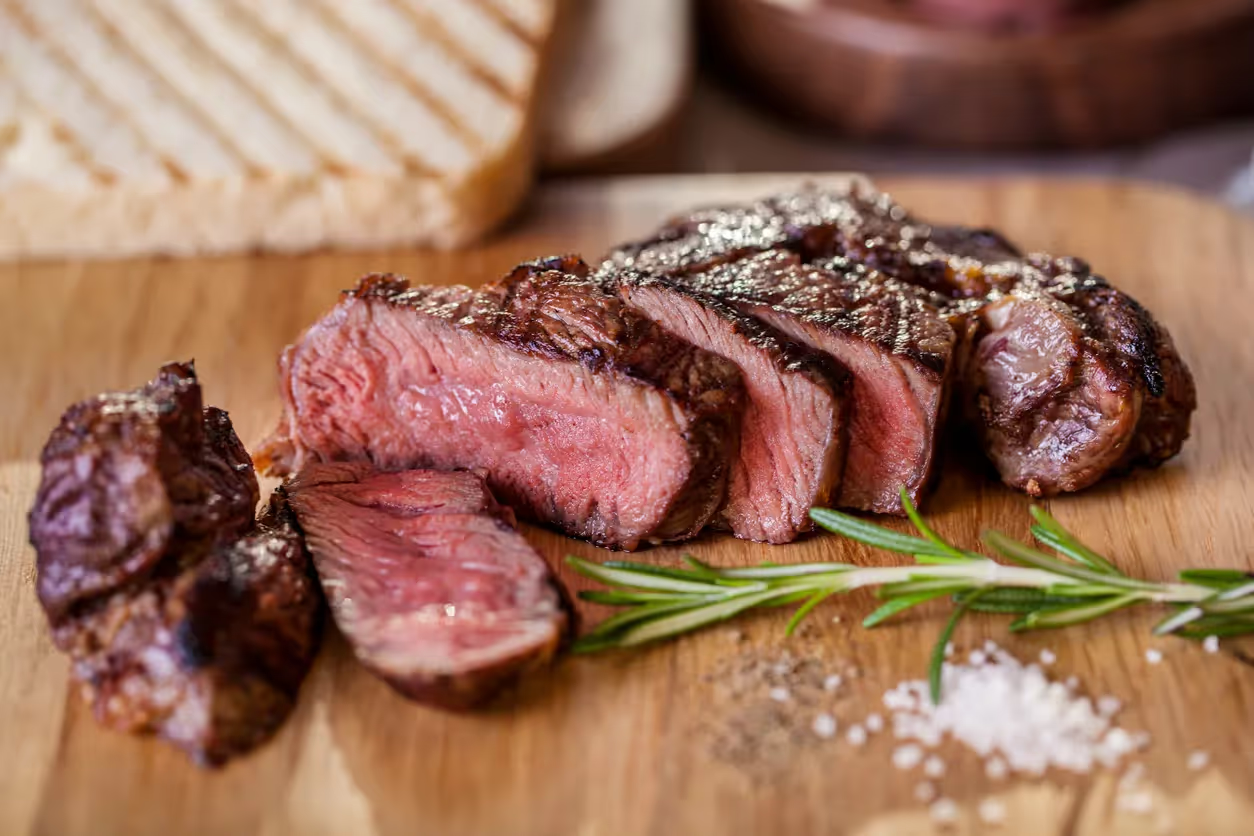
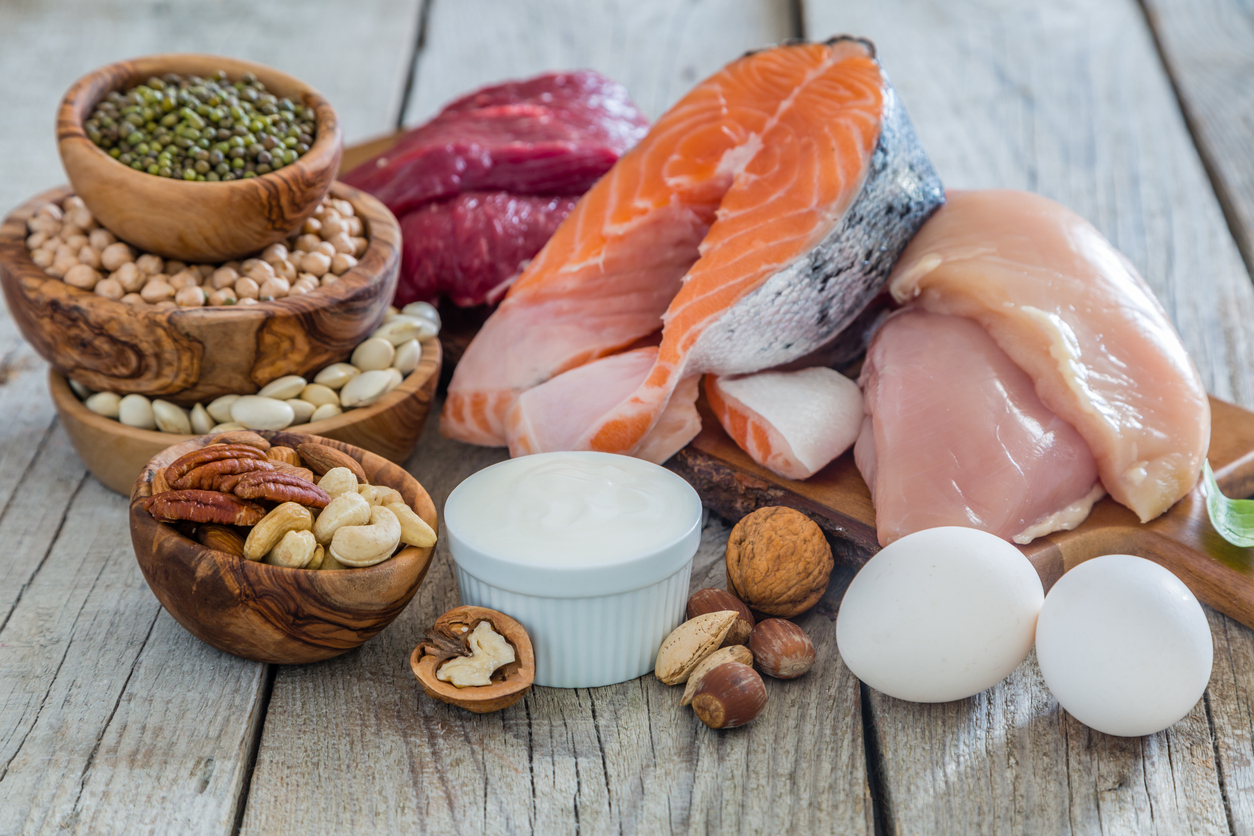
Protein is found in a variety of foods, including poultry, meat, seafood, legumes, and dairy products.
Fiber is also important for weight loss. It slows down digestion, keeping you fuller between meals.
This may lead to a lower calorie intake, which in turn leads to weight loss. Fiber is found in plant foods like fruits, vegetables, whole grains, and legumes.
Below is a list of foods to include for weight loss.
Lean Protein
- Skinless chicken breast.
- Skinless turkey breast.
- Lean ground chicken.
- Lean ground turkey.
- Fish (such as salmon, tuna, cod, or tilapia).
- Shrimp.
- Lean cuts of beef (such as sirloin or tenderloin).
- Lean cuts of pork (such as tenderloin or loin chop).
- Eggs.
- Tofu.
- Tempeh.
Healthy Fats
- Avocado oil.
- Olive oil.
- Canola oil.
- Sunflower oil.
Fruits
- Strawberries.
- Blueberries.
- Raspberries.
- Blackberries.
- Apples.
- Oranges.
- Bananas.
- Kiwi.
- Grapefruit (if you’re taking medications, check to ensure they do not interact with grapefruit).
- Pineapple.
- Mango.
- Papaya.
- Peaches.
- Plums.
Vegetables
- Spinach.
- Kale.
- Lettuce.
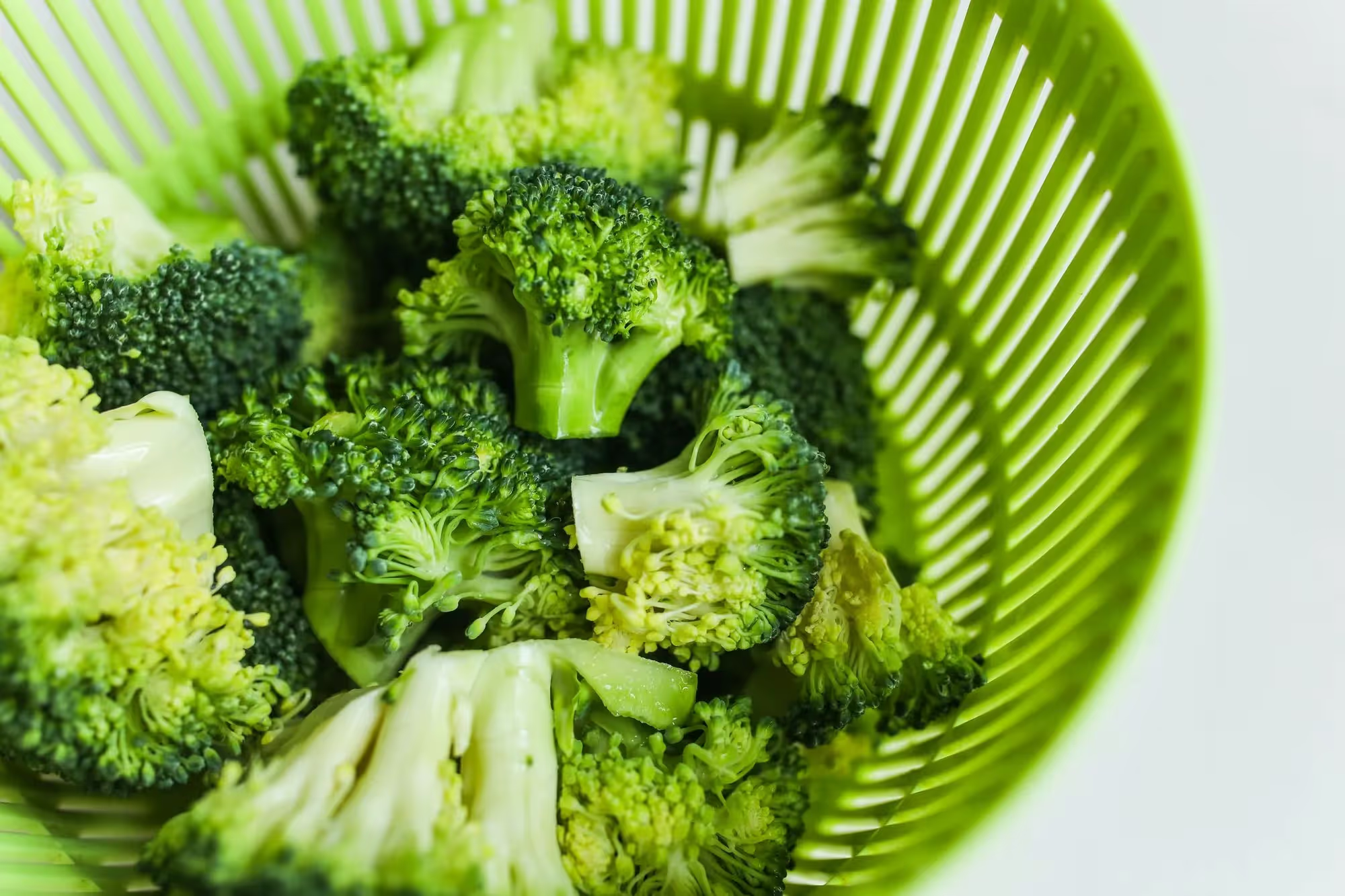
- Broccoli.
- Cauliflower.
- Bell peppers.
- Cucumber.
- Tomatoes.
- Carrots.
- Zucchini.
- Brussels sprouts.
Dairy and Alternatives
- Skim or low-fat milk.
- Non-fat or low-fat Greek yogurt (Greek yogurt has more protein than regular yogurt. This may be beneficial for weight loss, as protein keeps you full between meals and may help you eat smaller portions. A Nourish dietitian can help you determine the best dairy options for you).
- Cottage cheese.
Nuts and Seeds
Choose unsalted nuts and seeds, as excessive salt intake can have a negative effect on your blood pressure.
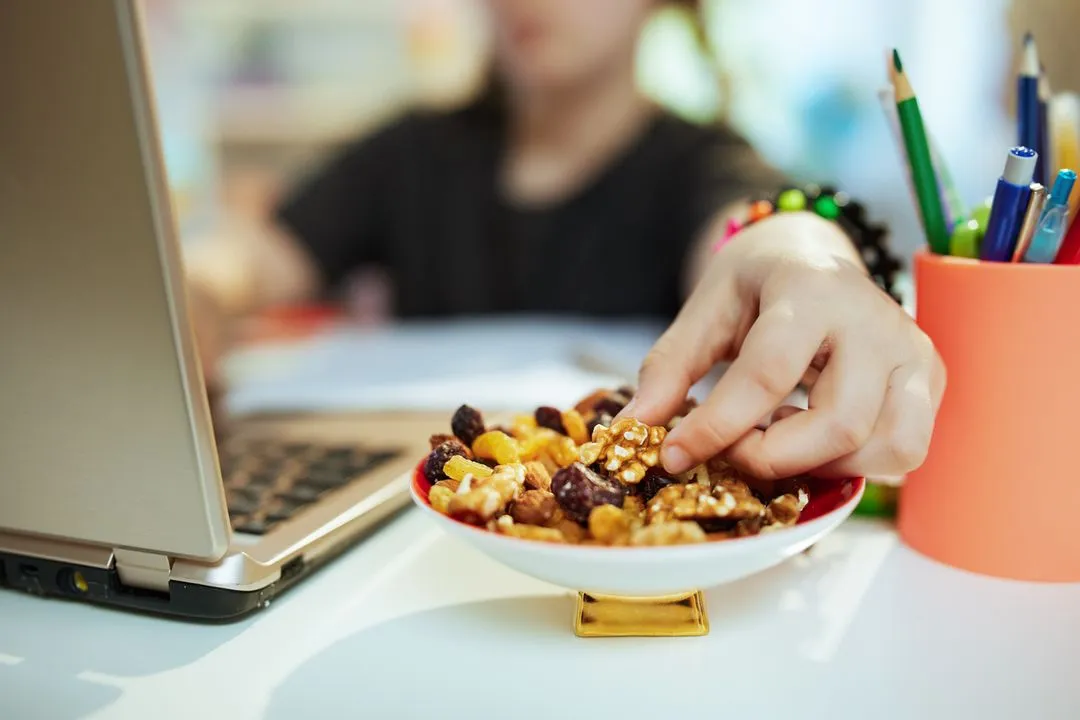
Be mindful of the portion size of nuts and seeds. Although they contain healthy fats, fiber, and protein, they are more calorie-dense than other foods.
Eating large portions could cause you to exceed your daily calorie needs.
- Almonds.
- Walnuts.
- Cashews.
- Chia seeds.
- Ground flaxseeds.
- Pumpkin seeds.
- Sunflower seeds.
- Hemp seeds.
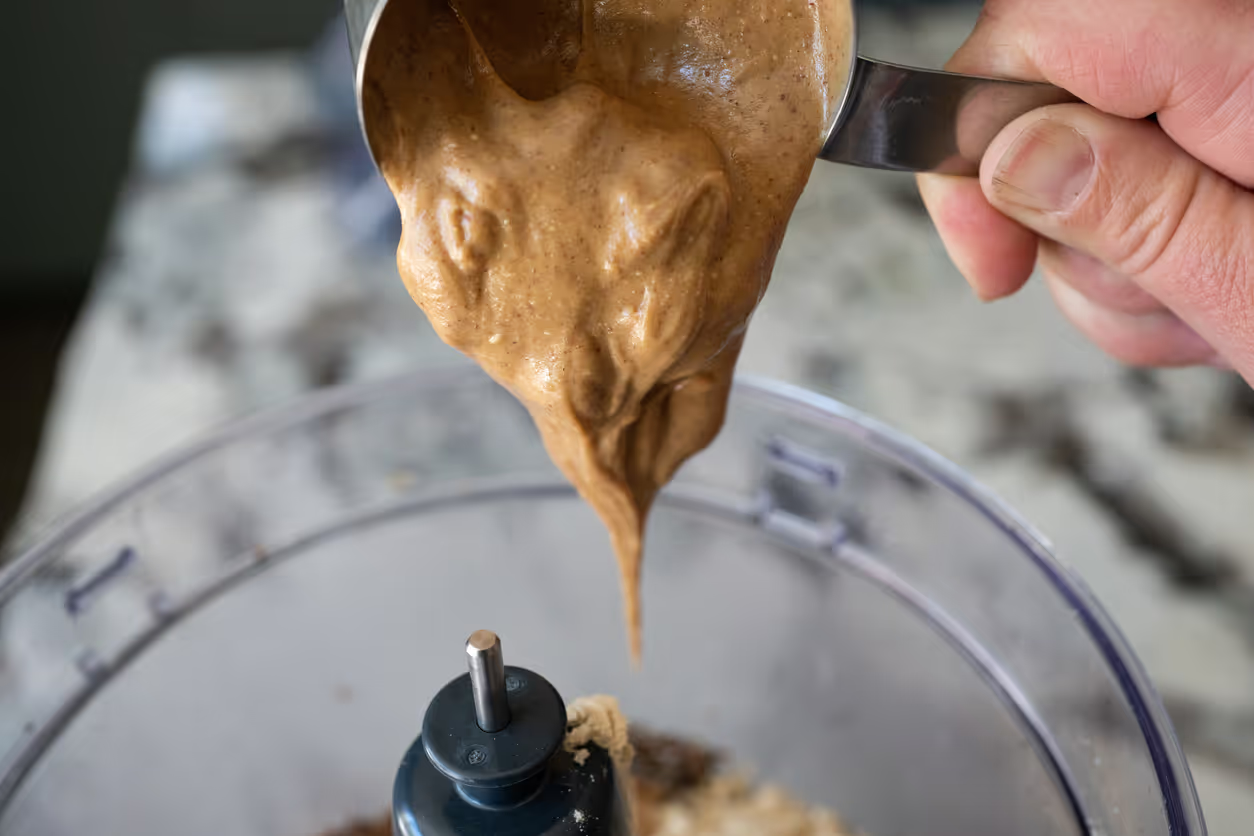
- Peanut butter.
- Almond butter.
Carbohydrates
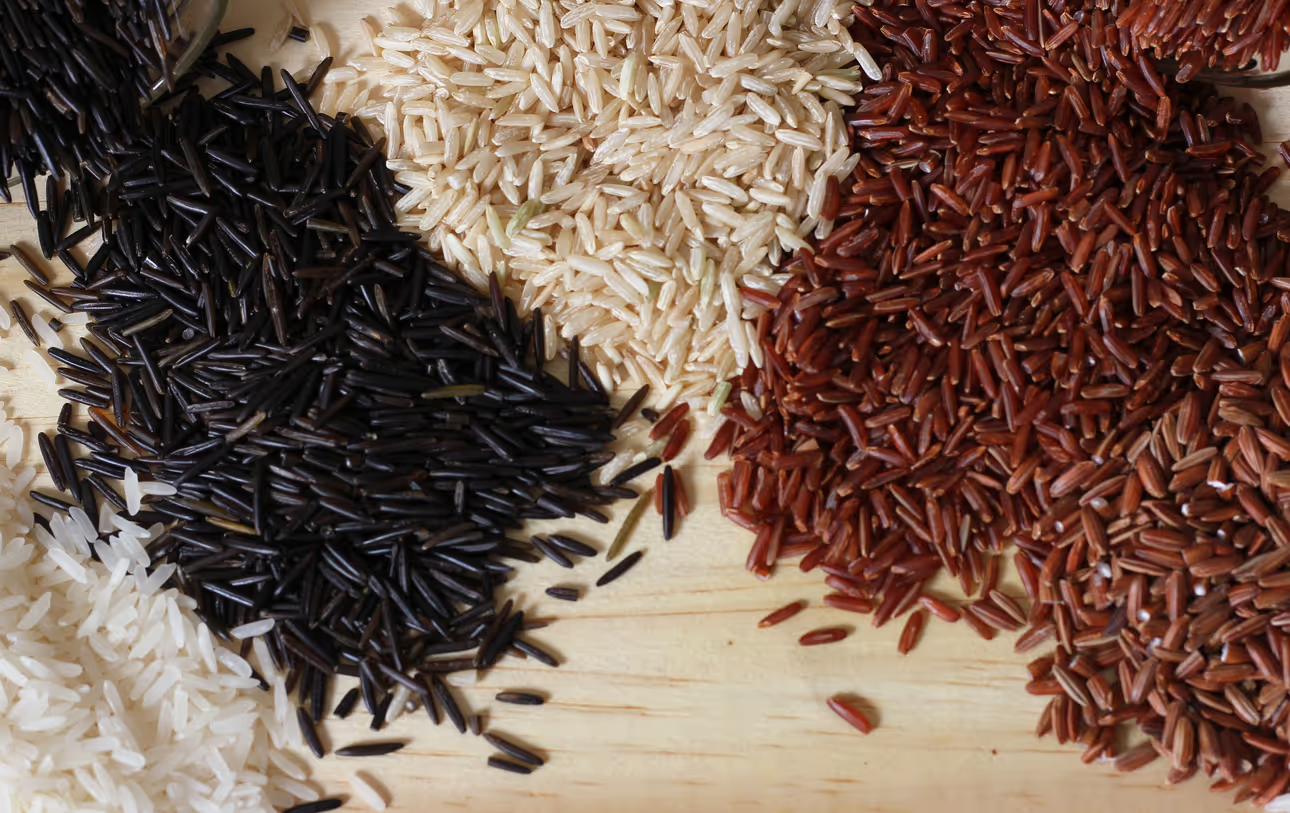
When choosing carbohydrates, choose whole grains more often. These are higher in fiber and may help keep you fuller between meals, leading to less snacking and a reduced calorie intake.
- Quinoa.
- Brown rice.
- Farro.
- Bulgur.
- Barley.
- Sweet potatoes.
- White potatoes.
- Oats.
- Whole wheat bread.
- Whole wheat pasta.
Pantry Staples
When choosing canned foods, choose the low-sodium or no salt added options.
- Canned lentils.
- Canned black beans.
- Canned white beans.
- Canned kidney beans.
- Canned chickpeas.
- Canned tomatoes.
- Low-sodium vegetable or chicken broth.
- Spices and herbs (such as garlic powder, onion powder, cumin, paprika, oregano, and basil).
- Vinegars (such as balsamic, apple cider, and red wine vinegar).
- Low-sodium soy sauce.
- Mustard.
- Tomato paste.
- Whole grain flour (for baking).
Foods to Avoid for Weight Loss
There’s no single food you need to avoid for weight loss. All foods can be part of a healthy weight-loss diet. However, certain foods, such as those high in added sugars and trans and saturated fats, may need to be eaten in moderation for weight loss. Here are some foods you may wish to limit on a weight loss eating plan.
Ultra-Processed Foods
Ultra-processed foods like chips, cookies, cakes, candies, and other snack foods are often high in added sugars, unhealthy fats, and calories. While eating them occasionally is okay, being mindful of your portion sizes and frequency of eating them may help with weight loss.
Sugar-Sweetened Beverages
Sodas, fruit juices, energy drinks, sweetened teas, and sugary coffee beverages can contribute a significant amount of calories without providing much nutritional value. Choose water, herbal teas, or sparkling water instead.
Fast Foods
Fast food items like burgers, fries, fried chicken, and pizza are often high in calories, unhealthy fats, and sodium. Eating these foods regularly may hinder your weight loss efforts.
Refined Carbohydrates
Foods made with refined grains, such as white bread and pasta, lack fiber and essential micronutrients. Since fiber helps keep you full between meals, choosing higher-fiber carbohydrates like whole wheat bread and pasta, brown rice, quinoa, farro, and barley, may assist with weight management.
Alcoholic Beverages
Alcoholic drinks are often high in sugar and calories and provide little nutritional value. While studies show that light to moderate drinking does not cause weight gain, heavy or binge drinking is associated with increases in weight and waist circumference. If you’re trying to lose weight, consider reducing your alcohol intake. If you do choose to drink, choose lower-calorie options like light beer or wine in moderation.
Tips for Grocery Shopping for Weight Loss
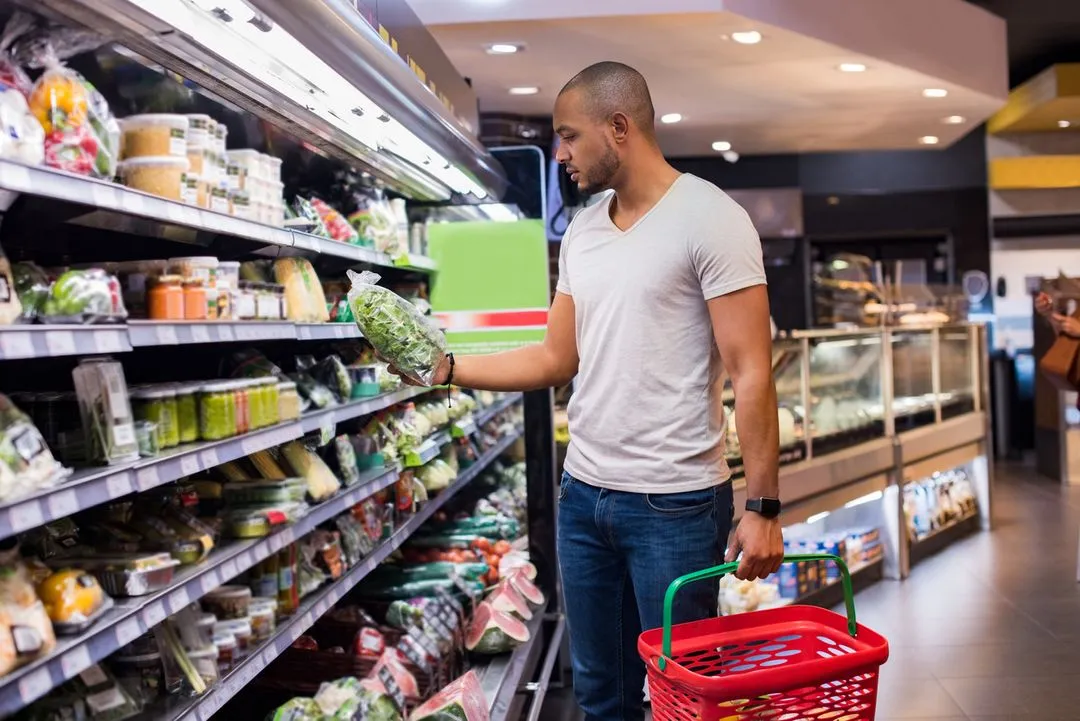
Grocery shopping for weight loss doesn’t need to be complicated. Here are some practical tips for making the most of your grocery shopping trips.
Plan Ahead
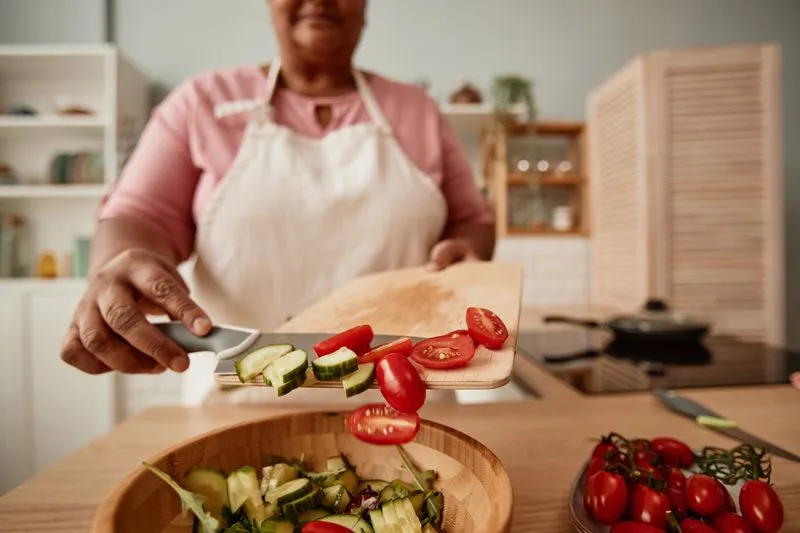
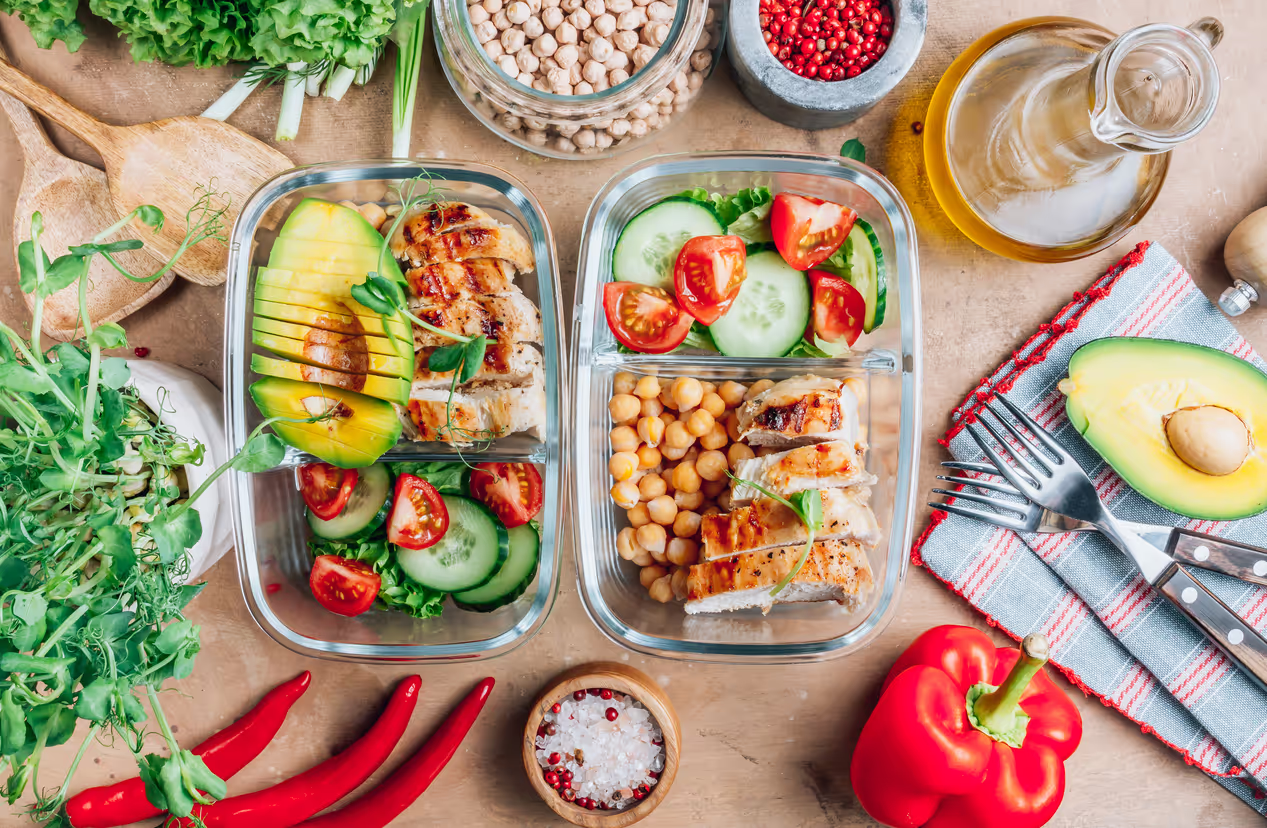
Planning your meals ahead of time is key to grocery shopping success. Once you’ve planned your weekly meals, make a grocery list containing all the necessary ingredients. This not only helps prevent impulse buys – it also helps you stick to a budget while ensuring you have everything you need.
Choose Whole Foods
Generally, whole, minimally processed foods are lower in salt, added sugars, unhealthy fats, and calories. This includes fruits, vegetables, lean proteins, whole grains, and healthy fats. Stocking up on fruits and vegetables is especially helpful because they’re high in fiber, vitamins, and minerals and can help you feel full and satisfied while managing your calorie intake.
Read Labels
When purchasing packaged foods, read the nutrition label carefully. Pay attention to serving sizes, calories, fat content, sugar content, and the ingredient list. Whenever possible, choose options with fewer added sugars, sodium, and unhealthy fats (like trans and saturated fats).
Choose Lean Proteins
Choose lean protein sources, such as skinless poultry, fish, shellfish, tofu, legumes, and low-fat dairy products. Protein is essential for muscle growth and repair, and it can help keep you feeling full between meals, which can be beneficial when you're managing your calorie intake.
Avoid Shopping When Hungry
Shopping on an empty stomach can lead to impulse buys and unhealthy choices. Eat a balanced meal or snack containing fiber and protein before heading to the grocery store to curb cravings and help you make better food choices. Here are some high-protein, high-fiber snacks to try:
- Low-fat Greek yogurt with berries.
- Hummus and veggie sticks.
- Hard-boiled eggs with whole wheat crackers.
- Edamame.
- Cottage cheese with pineapple.
- Roasted chickpeas.
- Chia seed pudding.
What’s the Best Grocery Store for Weight Loss?
There is no specific grocery store that’s best for weight loss. However, certain elements can make a grocery store more weight-loss friendly. Here are some grocery store traits to look out for.
Fresh Produce Section
Since fresh produce is a key component of a healthy weight loss plan, a wide variety of fresh fruits and vegetables should be prominently displayed at the grocery store. This encourages customers to include more plant-based foods in their diet.
Whole Grains
Whole grains, which are high in fiber, are also a key component of a healthy weight loss plan. The store should provide a selection of whole-grain options, including whole-grain bread, brown rice, quinoa, oats, and whole-grain pasta. Having these foods available promotes healthier carbohydrate choices.
Lean Proteins
Protein keeps you full between meals and is important in a healthy weight loss plan. A good grocery store should include a variety of lean protein options such as skinless poultry, lean cuts of beef and pork, fish, tofu, tempeh, legumes, and low-fat dairy.
Healthy Meal Kits
Sometimes you just don’t have time to prepare a meal from scratch. Good grocery stores offer pre-packaged meal kits with nutritious ingredients and easy-to-follow recipes. Some grocery stores also offer fresh, premade meals that you don’t need to prepare.
Supportive Staff
Good grocery stores have staff members who can provide knowledgeable assistance to customers seeking information about healthy food options, cooking techniques, and dietary preferences.
{{splash}}
Having trouble losing weight? Take the weight loss quiz to understand your next steps and reach your goals.
Takeaway
Weight loss is a challenging process that requires a comprehensive approach, including a healthy diet, frequent exercise, and stress management.
When creating a weight loss grocery list, it’s important to include a variety of healthy foods, such as lean proteins, fruits, vegetables, healthy fats, low-fat dairy products, whole grains, nuts, seeds, and legumes.
While all foods can fit into a weight-loss diet, limiting certain foods can assist with weight loss.
Foods to limit include ultra-processed foods, sugar-sweetened beverages, certain fast foods, refined carbohydrates, and alcoholic beverages.
How a Dietitian Can Help
While you can use online tools to calculate your calorie requirements, working with a weight loss dietitian can help with weight loss.
A dietitian will help create a weight loss plan tailored to your unique needs and lifestyle.
You may not know what to expect if you’ve never worked with a dietitian before. Here are questions to ask:
- Why am I not losing weight in a calorie deficit?
- How can I stay motivated to lose weight?
- Is protein powder good for weight loss?
- Do stretch marks go away when you lose weight?
You can find a dietitian who accepts insurance through Nourish.
Frequently Asked Questions
References
View all references
- Centers for Disease Control and Prevention. (June 15, 2023). Losing Weight. Retrieved March 22, 2024, from https://www.cdc.gov/healthyweight/losing_weight/index.html
- Centers for Disease Control and Prevention. (March 8, 2023). Healthy Eating for a Healthy Weight. Retrieved March 22, 2024, from https://www.cdc.gov/healthyweight/healthy_eating/index.html
- NIH National Institute of Diabetes and Digestive and Kidney Diseases. (n.d.). Body Weight Planner. Retrieved March 22, 2024, from https://www.niddk.nih.gov/bwp
- Leidy HJ, Clifton PM, Astrup A, Wycherley TP, Westerterp-Plantenga MS, Luscombe-Marsh ND, Woods SC, Mattes RD. 2015. The role of protein in weight loss and maintenance. Am J Clin Nutr. 101(6):1320S-1329S. doi: 10.3945/ajcn.114.084038.
- Miketinas DC, Bray GA, Beyl RA, Ryan DH, Sacks FM, Champagne CM. 2019. Fiber Intake Predicts Weight Loss and Dietary Adherence in Adults Consuming Calorie-Restricted Diets: The POUNDS Lost (Preventing Overweight Using Novel Dietary Strategies) Study. J Nutr. 149(10):1742-1748. doi: 10.1093/jn/nxz117.
- Robinson AT, Edwards DG, Farquhar WB. 2019. The Influence of Dietary Salt Beyond Blood Pressure. Curr Hypertens Rep. 21(6):42. doi: 10.1007/s11906-019-0948-5.
- Traversy G, Chaput JP. 2015. Alcohol Consumption and Obesity: An Update. Curr Obes Rep.;4(1):122-30. doi: 10.1007/s13679-014-0129-4.
Nourish has strict sourcing policies and prioritizes primary sources, including medical organizations, governmental agencies, academic institutions, and peer-reviewed scientific journals. Learn more about our medical review process and editorial guidelines.
More articles
%201%20(1).jpg)


.avif)











.avif)










.avif)












.avif)







.avif)
.avif)








.avif)
.avif)