Is Protein Powder Good for Weight Loss?

Medical Reviewer: Christine Russell, MS, RD, LD, CDCES

Author: Jennifer Huddy, MS, RD, LD

Summary
- Protein powder may aid weight management by reducing appetite, increasing fat loss, and preserving muscle mass.
- Certain populations, like those with kidney disease, should use extra caution with protein supplements.
- If you choose to supplement your diet with protein powder, select a product with high-quality protein tested by third-party companies, and avoid overuse.
High-protein diets are commonly recommended for weight management to boost metabolism and help with cravings. Because of this, many people take supplements like protein powder to meet their protein goals.
Studies show high protein diets may help reduce appetite and contribute to weight loss. While protein powder can be a convenient tool for achieving this type of eating pattern, it’s not for everyone.
Continue reading to learn more about the pros and cons of using protein powder for weight management.
{{splash}}
Is Protein Powder Good for Weight Loss?
Including protein powder in your diet is an easy way to sustain a high-protein diet commonly recommended for people with elevated body weights. Research shows a high-protein diet may aid in weight management efforts by reducing fat mass, preserving muscle, and controlling appetite.
However, it’s important to remember that excess protein is burned for energy and stored as fat, meaning that too high of a protein intake may counteract your weight management goals.
What is Protein Powder?
Protein powders are supplements that dissolve in liquid to make protein shakes. They’re made by processing food sources of protein, like milk, eggs, or peas, into a powdered form.
Protein powders are typically flavored with sugar or artificial sweeteners and may have added vitamins and minerals.
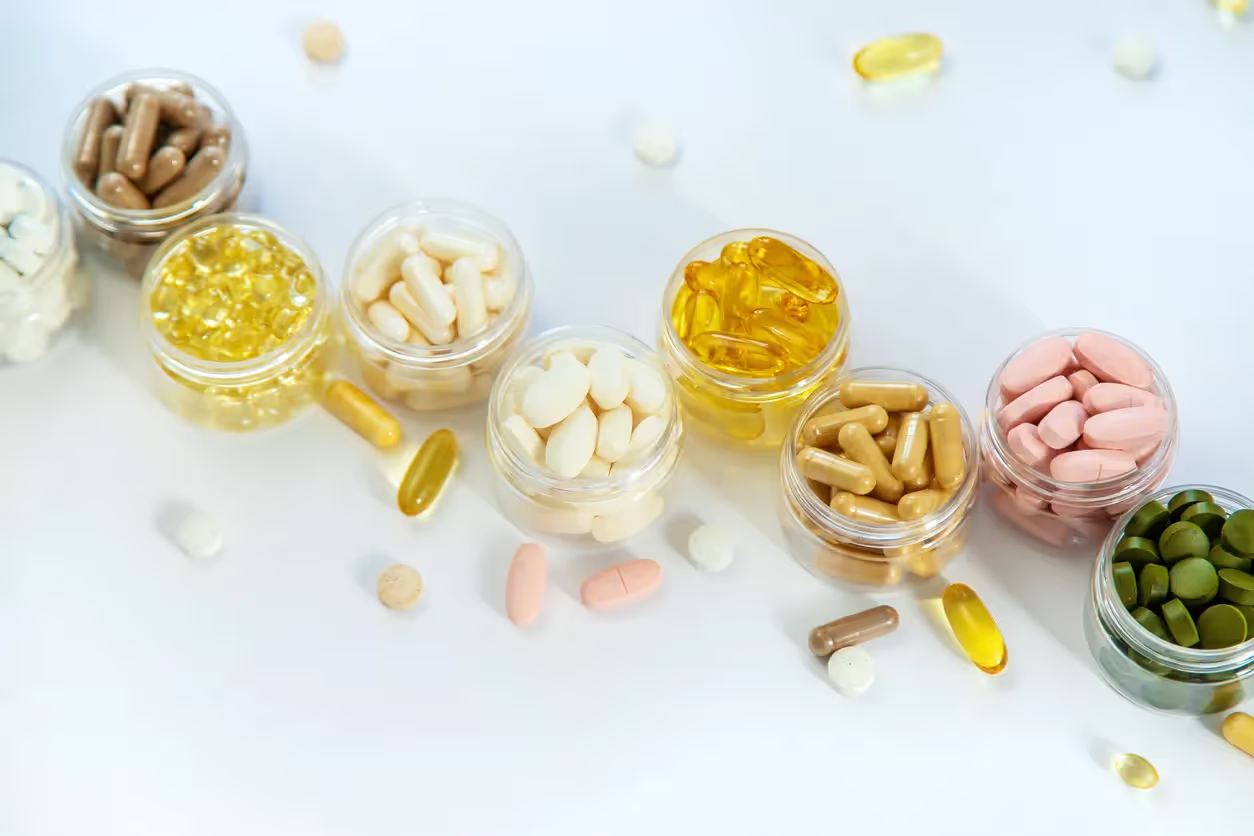
Like other dietary supplements in the United States, the Food and Drug Administration does not closely regulate protein powder. This means the product you purchase may not have been tested for purity, quality, or effectiveness.
Nutritional Value of Protein Powder
Though the nutritional value of protein powder varies significantly across brands, on average, two scoops of whey protein powder contains:
- 150 calories.
- 26 grams of protein.
- 2 grams of fat.
- 7 grams of carbohydrates.
- 0 grams of fiber.
- 2 grams of sugar.
In addition, many protein powder supplements contain various amounts of vitamins and minerals, such as calcium, iron, and potassium.
Benefits of Protein Powder for Weight Management
Research has linked high-protein diets to improved weight management outcomes, with a few studies specific to protein powder use.
It’s common for some muscle mass to be lost during weight management efforts, and a high-protein diet may help minimize this. Studies show that consuming adequate protein prevents the breakdown of lean body mass.
Preserving muscle mass during weight loss has been linked with improved metabolism along with better muscle and bone strength.
A 2008 study compared two groups of people with and without the use of a whey protein supplement. Results found that the protein supplement group lost more body fat and had greater preservation of lean body mass than the control group.
Drawbacks
Protein powder can make it easy to consume too much protein, and there are health risks associated with very high-protein diets in the long term, including impacts on bone health, kidney and liver function, and heart disease. Certain populations, like those with kidney disease, should use extra caution with protein supplements.
Some evidence has identified negative impacts on gut health with excess protein intake. This is thought to result from unused protein moving into the large intestine, where the gut bacteria digest it. In addition, many protein powders contain artificial sweeteners, which may harm gut health.
Though more research is needed to fully understand the health impacts of these changes on the gut microbiota, some studies suggest an increased risk of metabolic disease.
If you experience digestive symptoms like abdominal pain, bloating, or urgent bowel movements after adding a protein supplement to your diet, it may be a sign you’re consuming too much protein.
In addition, some protein powder supplements have been found to be contaminated with heavy metals like lead and arsenic. However, more research is needed to determine any adverse health effects from the levels found in the powders.
How Much Protein Should I Have Each Day?
Though protein is important for weight management and general health, most Americans consume adequate protein, often exceeding their protein needs.
The Dietary Guidelines for Americans recommend between 46 and 56 grams of protein per day for healthy adults. However, a person’s protein needs vary greatly depending on height, body mass, age, and activity level.
Calculating Daily Protein Intake
The recommended dietary allowance (RDA) for protein for healthy adults is 0.8 grams per kilogram of body weight per day. Below are a couple of examples of what this might look like for different body weights.
- 150 pounds (68.2 kilograms): 54.5 grams of protein per day
- 200 pounds (90.9 kilograms): 72.7 grams of protein per day
- 250 pounds (113.6 kilograms): 90.9 grams of protein per day
Certain populations, like older adults, athletes, and people with obesity, may have higher protein requirements than average. For example, extremely active individuals may need 1.4-2.0 grams of protein per kilogram per day, while elderly individuals may require 1.5 grams per kilogram per day to maintain muscle mass.
Types of Protein Powders
There are numerous types of protein powders, which can mainly be divided between plant-based and animal-based. You may also find products containing a mixture of protein sources.
Some of the most common protein powder supplements include:
- Milk protein from whey or casein.
- Egg white protein.
- Pea protein.
- Soy protein.
- Hemp seed protein.
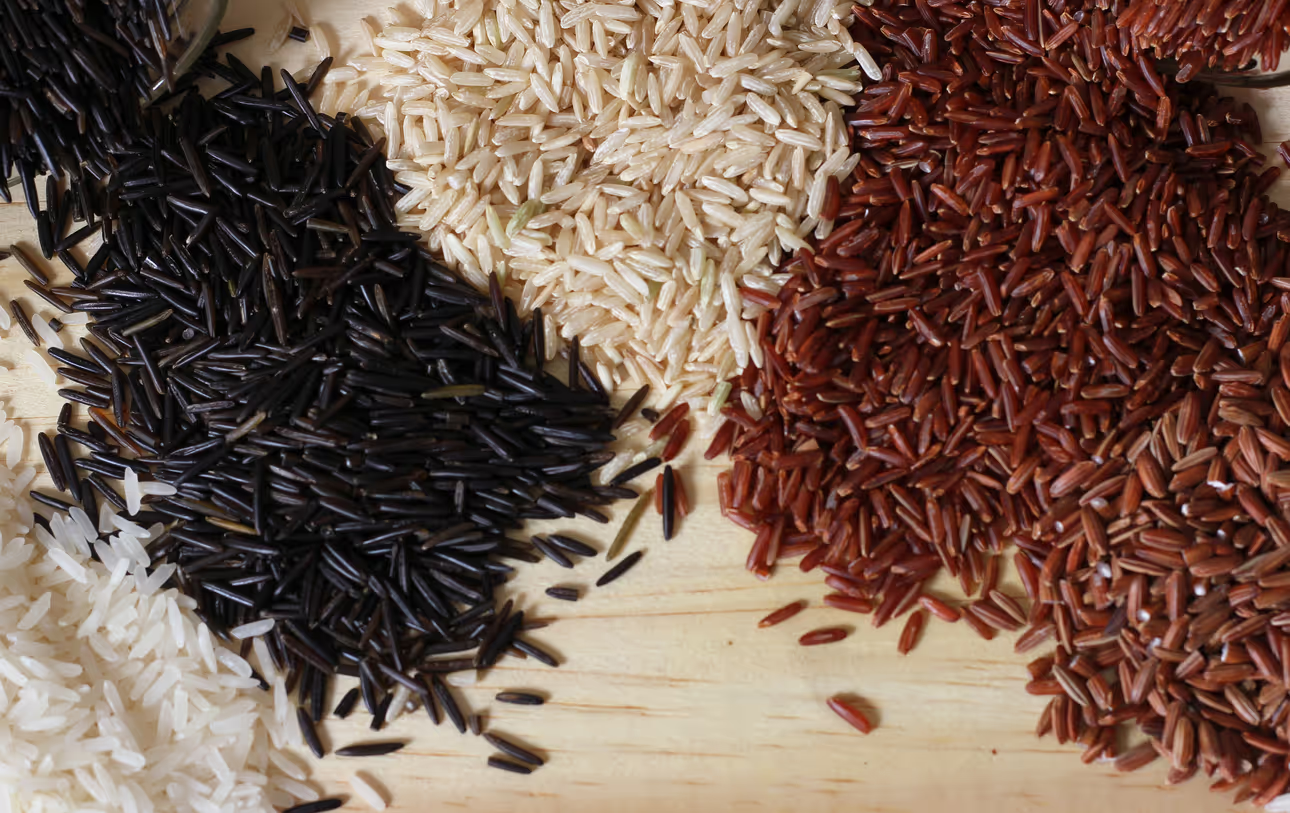
- Rice protein.
Tips for Choosing the Best Protein for Your Body
When choosing a protein powder, the first step is to consider any dietary restrictions, food allergies, or intolerances. Closely examine the ingredient list to ensure you will tolerate the product.
Second, consider the quality of the protein. Not all proteins are created equal; some are missing essential amino acids.
A “high biological value” protein means it has adequate amounts of the amino acids essential for human health. Animal and dairy-based proteins tend to fall under this category, with whey protein being one of the highest quality.
Soy protein is a plant-based example of a complete protein, and pea protein also has a high biological value.
Lastly, consider choosing products tested for quality by third-party organizations to ensure the ingredients marketed are present and there aren’t any heavy metals.
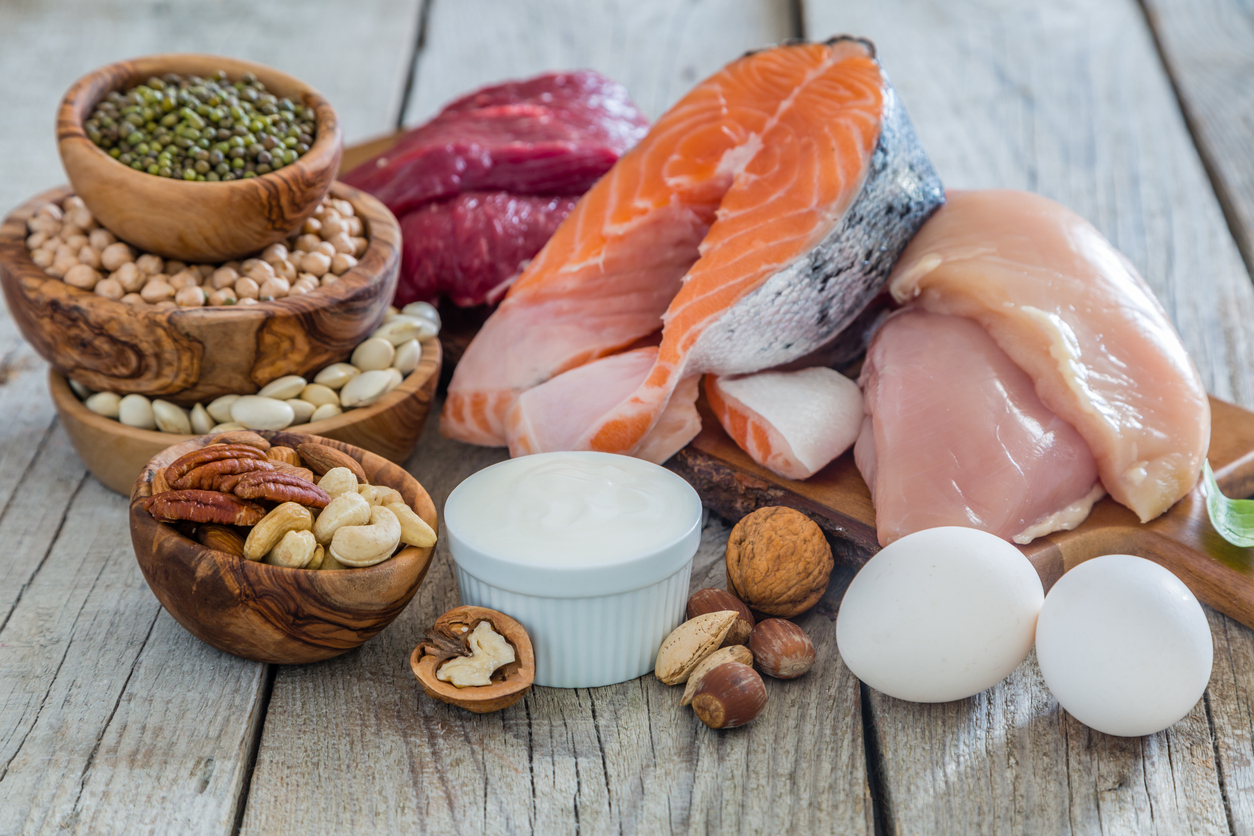
Benefits of Eating Protein-Rich Foods vs. Protein Supplements
Research shows that both protein supplements and high-protein foods can effectively improve health. However, replacing too many meals with protein supplements can result in a decreased intake of nutrient-dense foods.
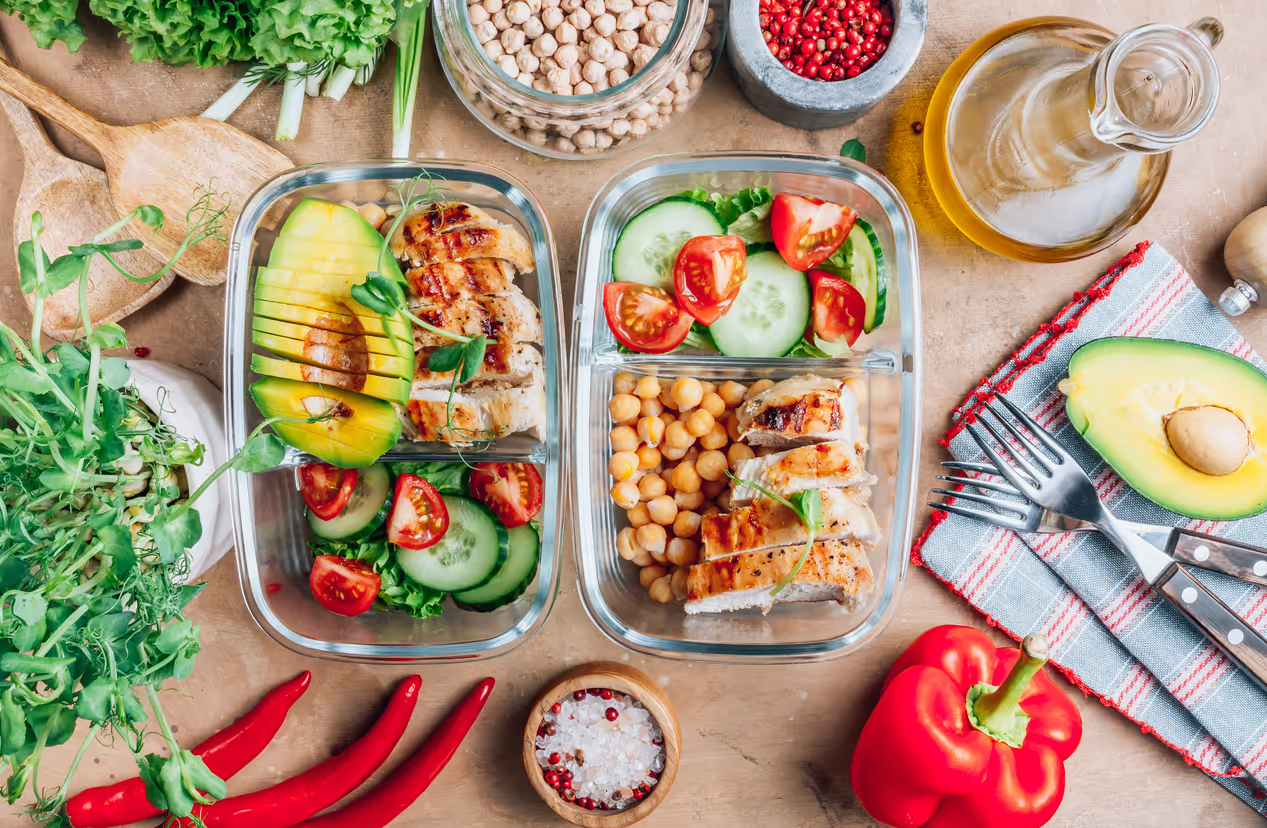
If you’ve been told by your doctor or dietitian you need to increase your protein intake, consider focusing on plant protein sources that have been associated with decreased risk of chronic diseases, such as:
- Beans and lentils.
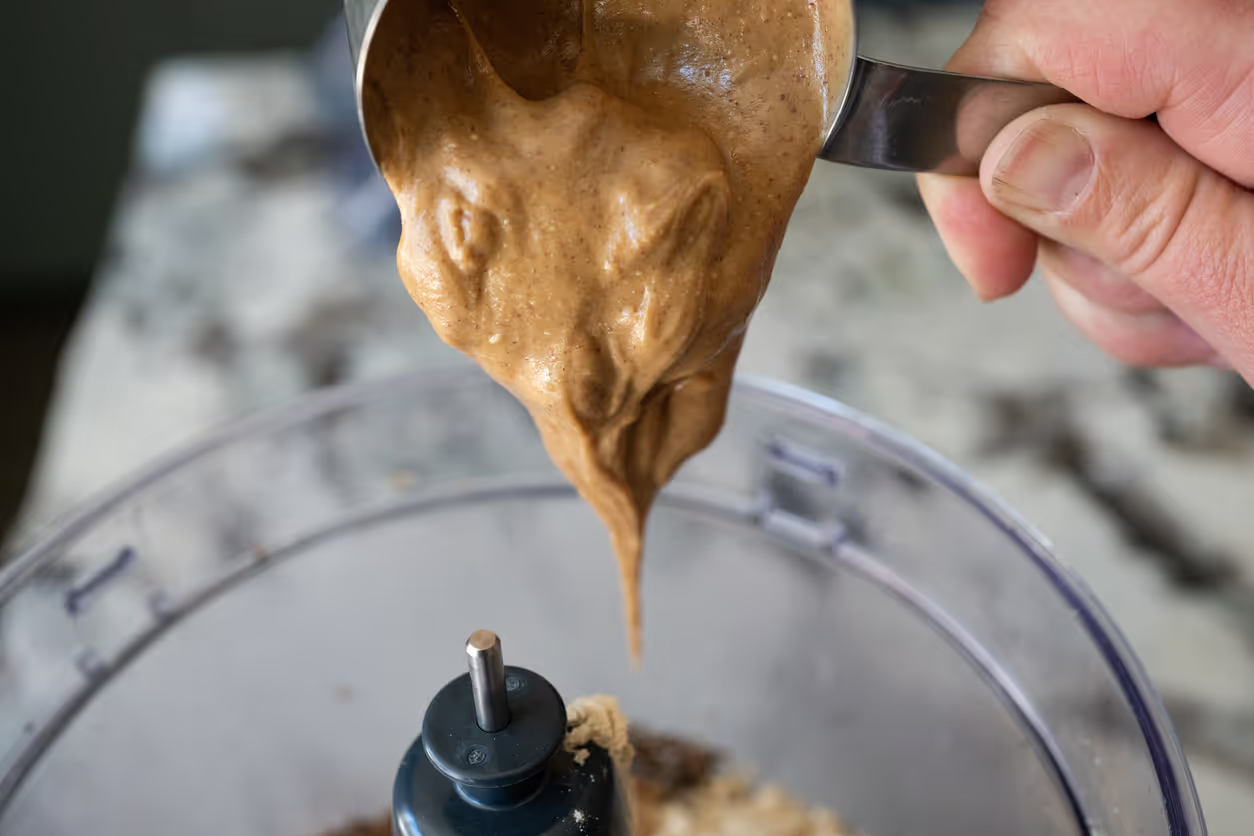
- Nuts, nut butters, and seeds.
- Tofu and edamame.
- Quinoa.
If you struggle to meet your protein needs due to food preferences, dietary restrictions, or your lifestyle, supplementing your diet with protein powder can be a convenient way to ensure adequate intake. Talk to a registered dietitian for information on how to safely incorporate this.
Takeaway
High-protein diets can be effective for weight management, and utilizing protein powder is a convenient way to do this. However, most people in the United States meet or exceed their protein needs, and too much protein may have negative long-term health impacts.
While it’s best to get most of your protein from food sources, it may be appropriate to supplement your diet with a high-quality protein powder. Talk to a registered dietitian and doctor for information on safely using protein supplements for weight management.
Having trouble losing weight? Take the weight loss quiz to understand your next steps and reach your goals.
{{splash}}
How a Dietitian Can Help
Consider establishing care with an online registered dietitian through Nourish for individualized guidance on protein needs for weight management, supplements, and more. We’ll support you every step of the way in meeting your health goals while maximizing insurance coverage.
Find a dietitian near you that accepts insurance using Nourish.
Frequently Asked Questions
References
View all references
Nourish has strict sourcing policies and prioritizes primary sources, including medical organizations, governmental agencies, academic institutions, and peer-reviewed scientific journals. Learn more about our medical review process and editorial guidelines.
More articles
%201%20(1).jpg)


.avif)













.avif)















.avif)















.avif)







.avif)
.avif)










.avif)
.avif)