How To Get Your Period Back After Weight Loss

Medical Reviewer: Christine Russell, MS, RD, LD, CDCES

Author: Sarah Bullard, MS, RD
Summary
- Amenorrhea (absence of menstruation) can be caused by rapid weight loss, stress, excessive exercise, or other medical conditions, like polycystic ovary syndrome.
- Amenorrhea is a reversible condition, and lifestyle changes related to exercise and nutrition can help you regain your period.
- Working with a registered dietitian nutritionist can help you address the root causes and develop an actionable plan to regain your period.
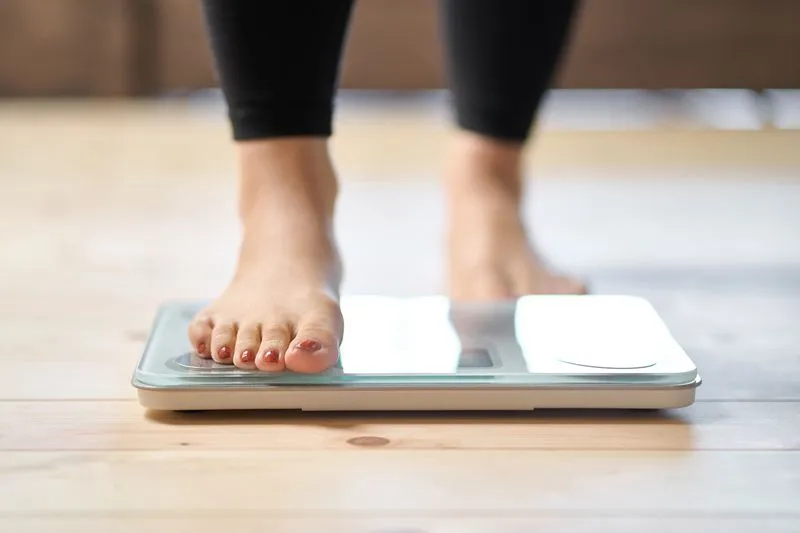
Weight loss affects the body in many ways, including your period.
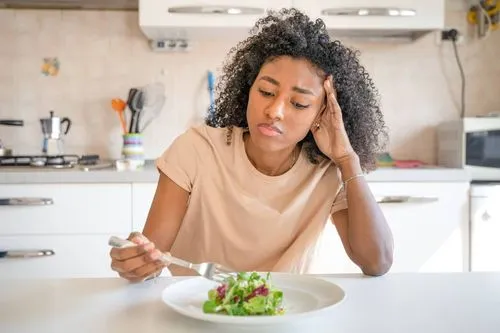
Your period may stop if you rapidly lose too much weight, maintain a low body weight, experience stress, or over-exercise.
While it might sound enjoyable not to worry about a period, it’s a change in your health that should be addressed.
The normal function of several body systems (hormonal, reproductive, etc.) is off, which could increase your risk of long-term health issues.
Keep reading to learn more about amenorrhea, the importance of nutrition and body composition, and the steps to support your body in getting your period back.
{{splash}}
What is Amenorrhea?
Amenorrhea (or functional hypothalamic amenorrhea) is the term used to describe the stopping of menstrual periods for more than six months due to hormonal changes.
Your healthcare provider will rule out other reasons (pregnancy or other medical conditions) for losing your period before diagnosing you with amenorrhea.
Amenorrhea can be caused by rapid weight loss, stress, or excessive exercise.
Sometimes, the three causes overlap, but weight loss is a common symptom of all three.
Why Did I Lose My Period After Weight Loss?
Rapid and significant weight loss can disrupt communication between various systems in the body.
In this situation, the normal function of the hypothalamus, pituitary gland, and ovaries is suppressed, leading to the cessation of menstrual periods.
This can happen after a rapid weight loss of 10 to 15% of baseline body weight.
How Nutrition Plays a Role
Energy intake (or calories) and balance are closely linked to the reproductive system.
Suppose you aren’t consuming enough food or burning too much energy with exercise.
In that case, the body will suppress or stop “less critical” energy-using systems (like your period) and prioritize life-sustaining systems like blood circulation or breathing.
Losing your period is a symptom of a big change in the body and should be investigated further for optimal health.
Potential Causes of Amenorrhea Due to Weight Loss
Low energy intake over time can change the release of the gonadotropin-releasing hormone (GnRH) from the hypothalamus.
GnRH suppresses activity within the hypothalamus, pituitary gland, and ovary (HPO) system, which doesn’t allow for normal follicular creation, ovulation, and estrogen production.
Other reduced hormones include follicle-stimulating hormone (FSH) and luteinizing hormone (LH), which can lead to anovulation (no release of egg from an ovary), infrequent or light periods, and, over time, amenorrhea.
Low energy intake causes weight loss and decreased body fat.
Adequate body fat is critical in sustaining typical reproduction systems, including a regular period.
Some research indicates maintaining a lower body weight can be an underlying cause of amenorrhea without recent weight loss or intense exercise.
This weight range is calculated based on height.
How to Get Your Period Back After Weight Loss
Lifestyle changes are the first step in getting your period back after weight loss.
Since low energy intake leads to amenorrhea, increasing how much you eat and reducing how much energy you use from physical activity and exercise will help restore the energy balance within your body.
A common recommendation is a one to two kilogram (or 2.2 to 4.4 pounds) weight gain or a 5% increase in body weight, resulting in getting a period back within 6 to 15 months using an intensive education and managed exercise program.
Each person is unique and may need to gain more weight to regain their monthly cycle.
Work With Your Healthcare Team
When individuals with amenorrhea worked with a registered dietitian nutritionist (RDN) for at least six months, over half of the women resumed periods with an average recovery time of 19 months.
Working with an RDN can help you understand how much energy (or calories) your body needs to run optimally, ways to boost nutrient intake, and strategies to make changes to restore your period gradually.
Suppose you don’t recover a period within six to twelve months after making these changes.
In that case, healthcare professionals may recommend hormone replacement therapy (HRT) and professional counseling to address the behavior that preceded the loss of your period.
Research indicates small doses of HRT are sometimes needed to prevent long-term issues stemming from lost periods and hormonal changes in the body.
Long-term amenorrhea can lead to other health issues, including:
- Infertility.
- Bone loss or lower bone density, which can lead to potential fractures.
- Heart disease.
- Reduced mental health.
Can Losing Weight Cause a Lighter Period?
Losing weight can cause a lighter period. As mentioned earlier, gradual hormonal reductions are related to low energy intake, excessive exercise, or low body weight.
The hormonal reductions lead to a lack of ovulation and infrequent or light periods.
Progression to full amenorrhea or stopping of periods occurs as the hormone levels continue to decline and no longer stimulate the normal HPO system.
Changes in periods, the amount of blood and frequency, are symptoms of changes in your body.
Paying attention to these markers can help you monitor your health and seek proactive treatment.
Having trouble losing weight? Take the weight loss quiz to understand your next steps and reach your goals.
Can Weight Gain Cause Period Loss?
On the other hand, weight gain can cause period loss, too.
Women with polycystic ovary syndrome (PCOS) often struggle with losing weight and gain weight easily.
Hormonal disruptions caused by PCOS result in a host of issues ranging from weight gain, blood sugar irregularities, infrequent or light periods, and amenorrhea.
The hormonal changes common with PCOS affect the HPO system in a different way than amenorrhea – but can result in period loss.
Working with your healthcare professional and an RDN to find the root cause of your period loss is essential for treating any health conditions you have and helping you to feel your best again.
Lifestyle Changes to Promote Menstrual Health
Below are evidence-based lifestyle changes that may promote menstrual health, including more regular periods.
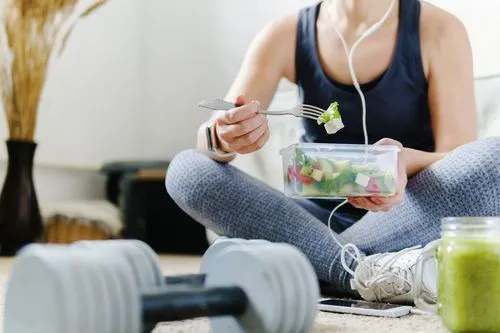
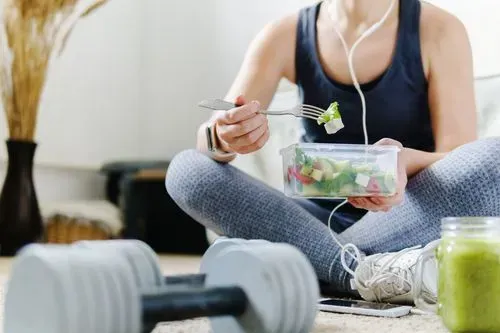
Adopt a Balanced Diet
It's incredible how starting a balanced diet can help promote menstrual and overall health.
Fueling your body appropriately supports your body's everyday work to breathe, think, repair, and create new tissues, cells, and hormones.
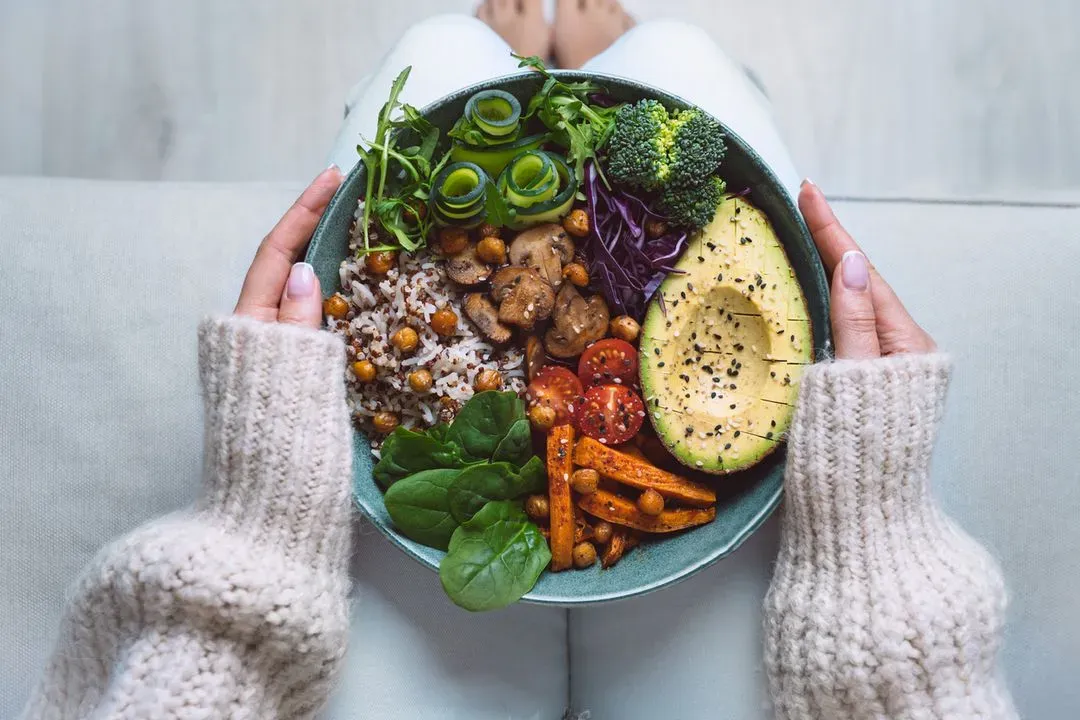
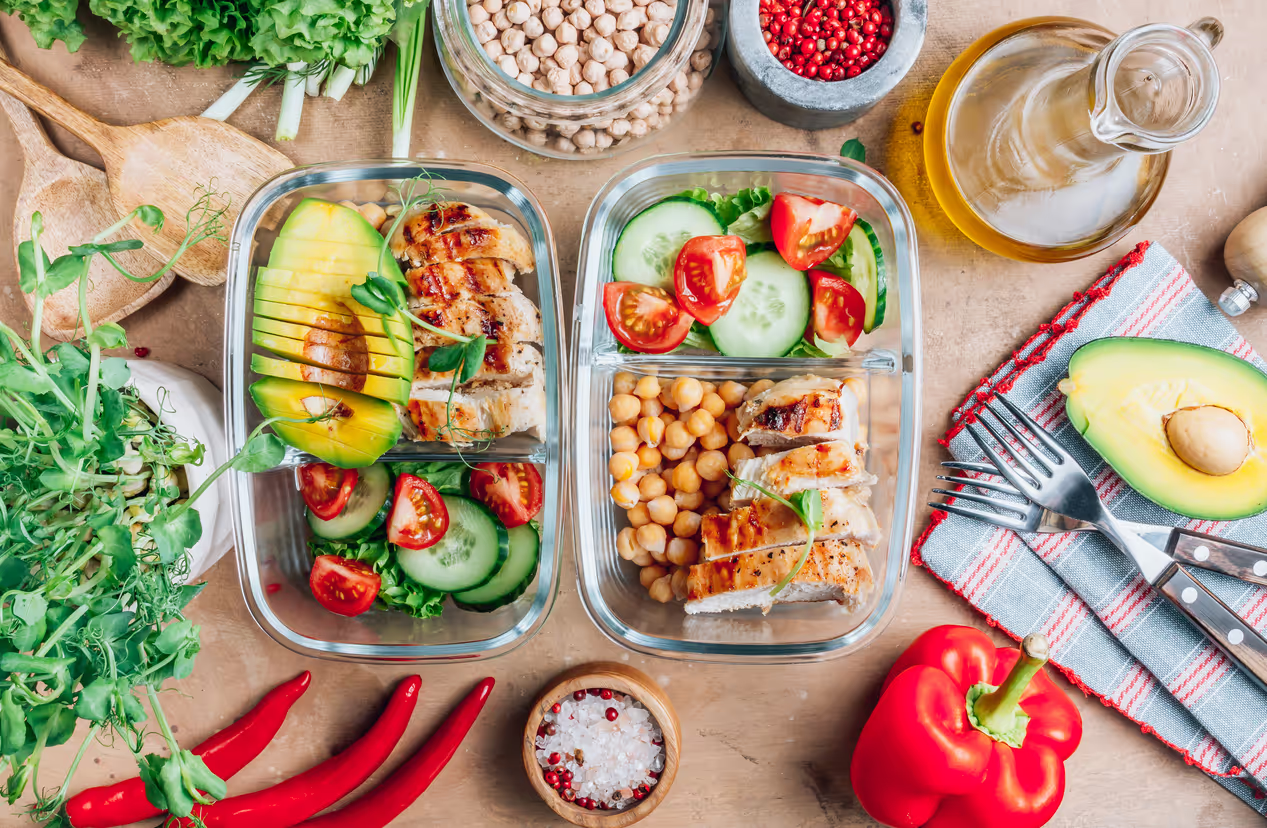
Start by adopting a healthy eating plan modeled after the Dietary Guidelines for Americans:
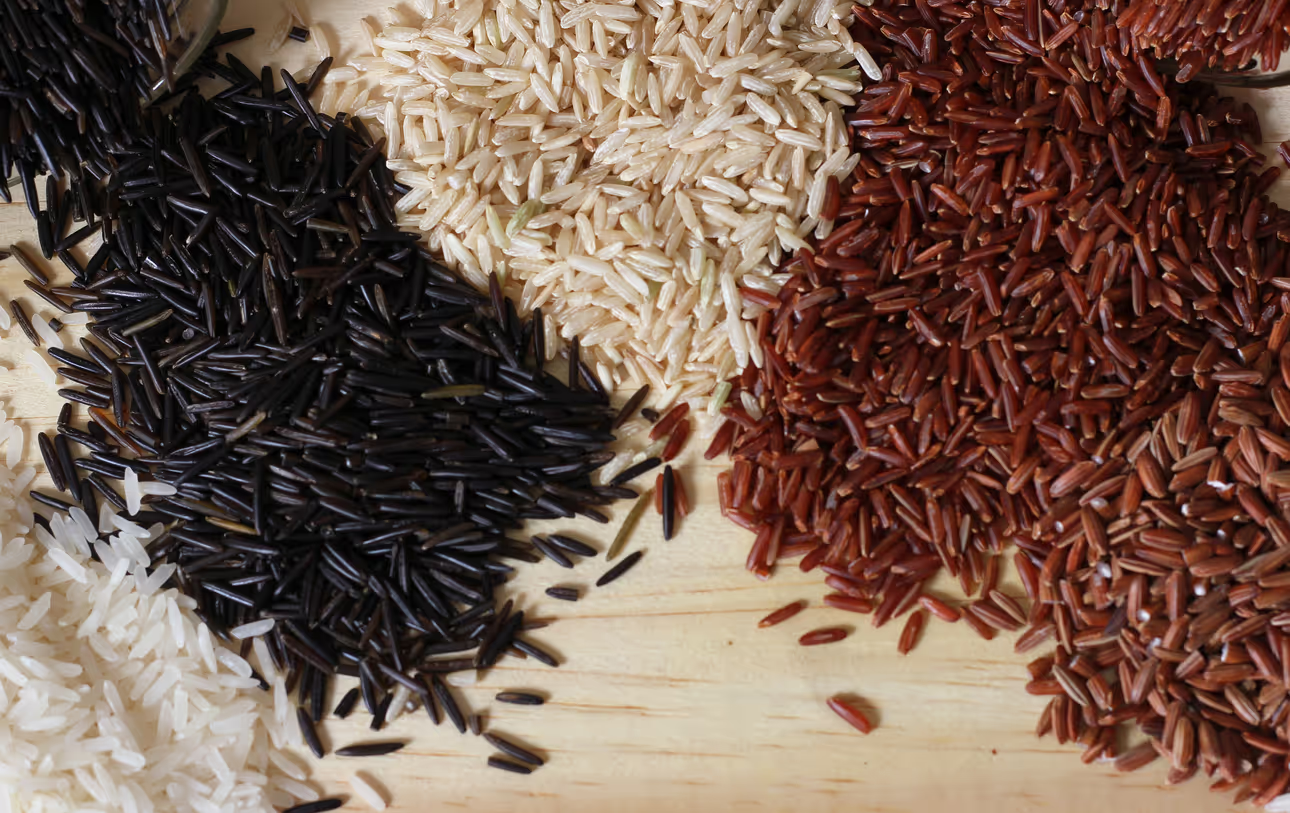
- Prioritize fruits, vegetables, whole grains, and low-fat milk or milk products like yogurt or cheese.
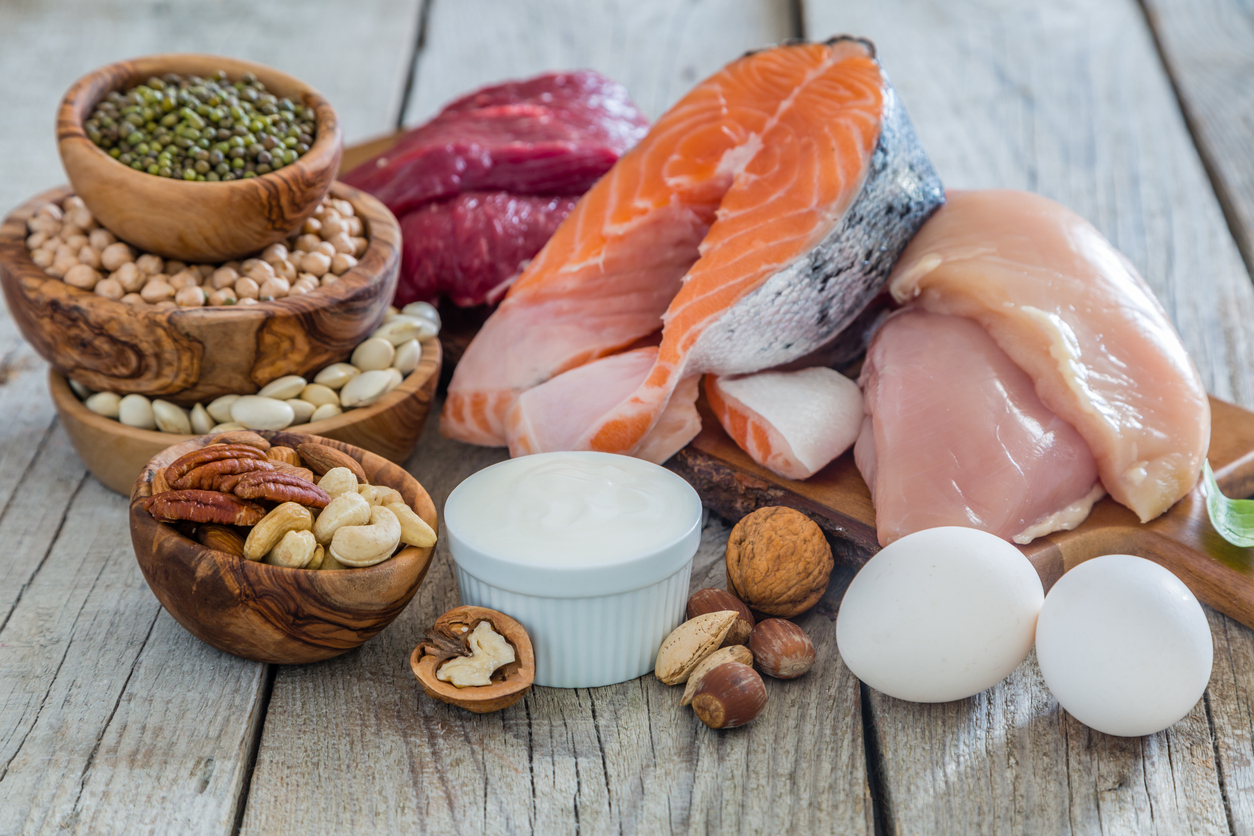
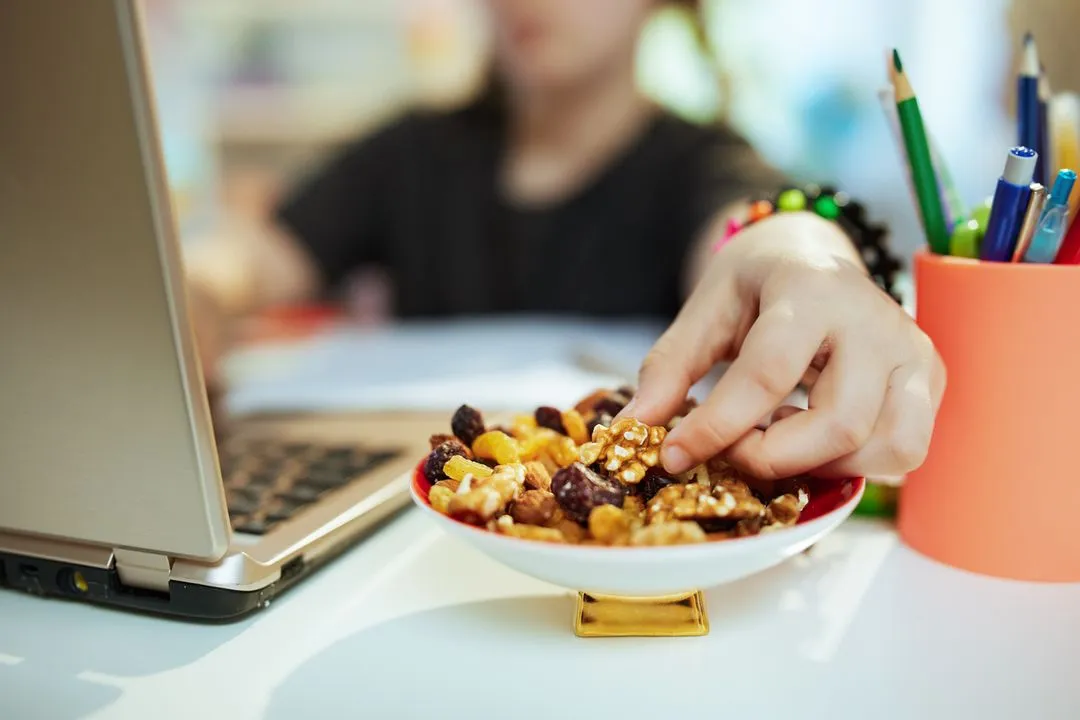
- Include protein options like seafood (salmon or tuna), lean meat or poultry, eggs, legumes and beans, soy products, nuts, and seeds.
- Consume foods with added sugar and processed foods (soda, desserts, sweetened beverages) in moderation.
- Listen to your hunger and fullness cues to fuel your body within its needs.
Incorporate Strength Training
Strength training is also called resistance training or weight training.
This type of training uses weights, body weights, or resistance to build muscle strength.
Some examples include squats, push-ups, pull-ups, lunges, or using resistance bands.
Strength training builds bone density and content in young and older men and women.
Hormonal changes from amenorrhea can reduce bone density.
Adding strength-building exercises helps build stronger bones and offset any bone density reductions from hormonal changes.
Research shows improvements in bone density after six months of resistance training, regardless of age or gender.
Bone density improved more so in younger people.
Prioritize Self Care
Self-care helps you function well and feel good.
Self-care looks different to each person.
For some, taking time to prepare nourishing meals is self-care.
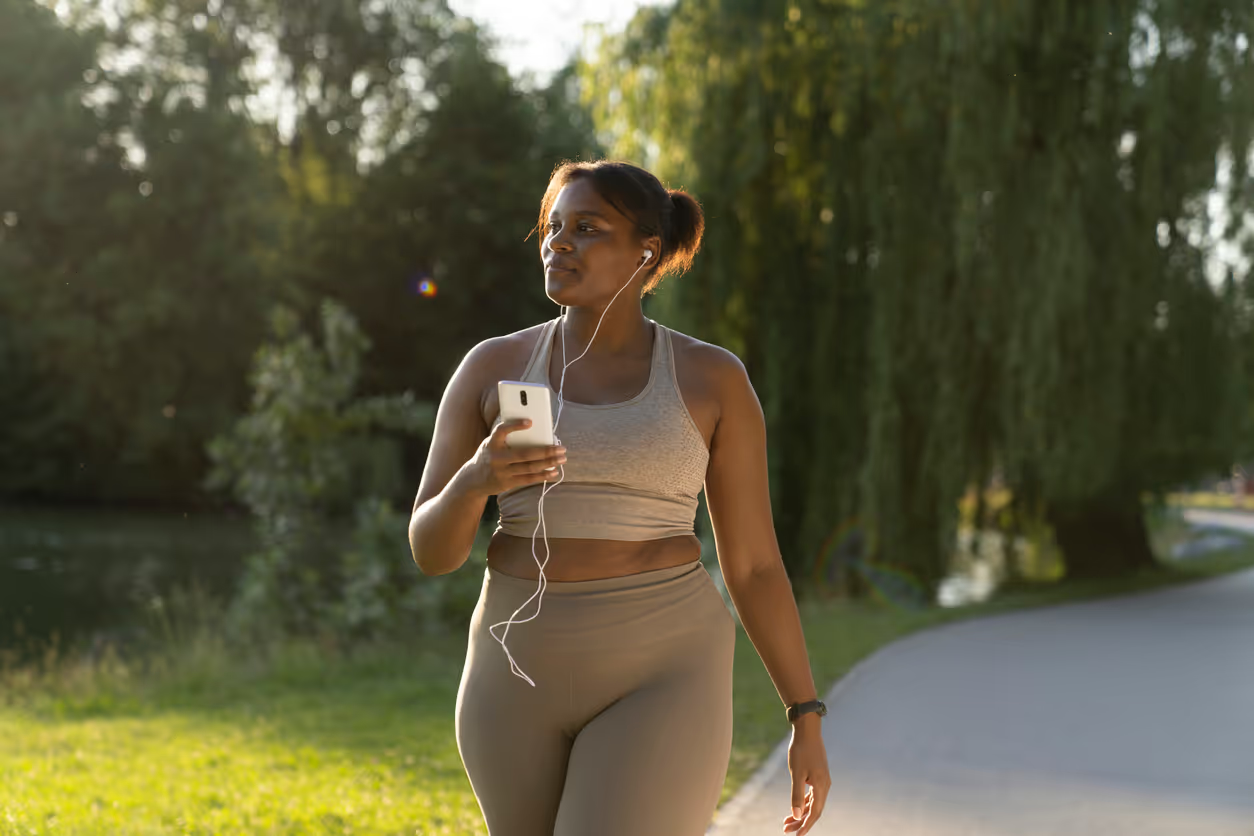
For others, walking with a friend through nature with coffee is helpful.
Start with your basic needs: food, rest, hydration, clean clothes, and expand to other needs like belonging and friendship.
Be intentional with your time to make room for self-care.
Monitoring Your Progress
Restoring your period is a multi-faceted process spanning across your whole lifestyle.
These changes will take time to implement and regain balance in your body.
Set daily, weekly, and monthly goals.
Track goals and progress on paper or by phone.
Little steps each day will help you restore your health and period.
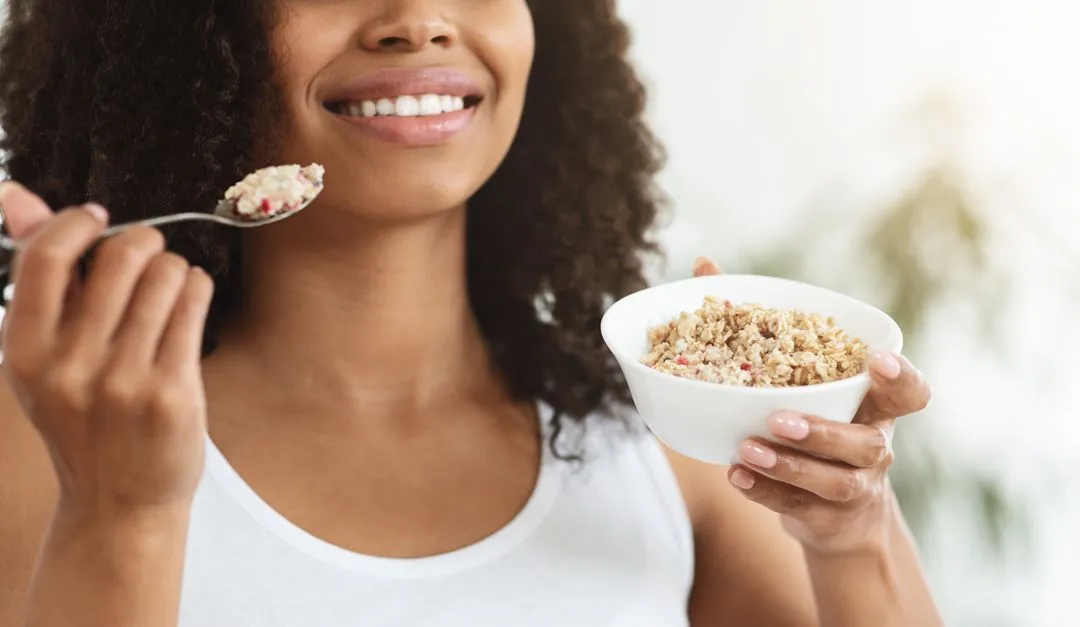
This week’s goal could be to prioritize breakfast five days this week and then come up with three or four breakfast ideas to make that week.
{{splash}}
Seeking Professional Help
Often, amenorrhea is related to behaviors that preceded the loss of your period, such as excessive exercising, stress, or untreated eating disorders.
These behaviors were likely present for several months or years, which eventually led to amenorrhea.
Professional counseling can address those behaviors for you to have holistic, long-term healing beyond just a return of your period.
Other medical conditions, like PCOS, could be related to the loss of your period.
Seeking care from healthcare professionals can guide you on the right path for treatment.
Takeaway
Amenorrhea can be caused by rapid weight loss, stress, or excessive exercise.
Weight loss is a common symptom among the three causes.
Weight gain in women with PCOS can also lead to period loss.
Addressing the root cause behind your period changes will help you seek actionable steps to restore your health and feel good.
Sometimes, nutrition and professional counseling are needed to help you maintain a healthy body weight.
How a Dietitian Can Help
A registered dietitian nutritionist is uniquely qualified to assess your current nutrition situation and provide several strategies to help regain your period.
Through comprehensive counseling, you’ll receive a personalized nutrition care plan that includes goals, recipes, weight gain meal plans, and other valuable tools to help you achieve your goals.
Appointments are 55 minutes long and always completed remotely.
Find a dietitian who accepts insurance through Nourish.
Frequently Asked Questions
Can you get your period back after losing weight?
You can get your period back after losing weight. Amenorrhea is a reversible condition with lifestyle changes, possible counseling, or medical treatment.
How can I regain my period?
Increasing how much you eat and reducing how much energy you burn will help restore the energy balance within your body and help you regain your period.
The time frame can vary depending on each person but expect several months or over a year.
How many calories should I eat to get my period back?
Each person requires a different amount of energy (or calories) for daily life and will require varying amounts of extra calories to get their period back.
A common recommendation is a one to two kilogram (or 2.2 to 4.4 pounds) weight gain or a 5% increase in body weight.
A registered dietitian nutritionist can calculate how many extra calories you need, but a good starting point is 250 to 500 additional calories daily.
References
View all references
- Chen, L., Lu, Y., Zhou, Y. F., Wang, Y., Zhan, H. F., Zhao, Y. T., Wang, Y. L., Zhang, F. F., Chen, H., & Li, X. (2023). The effects of weight loss-related amenorrhea on women's health and the therapeutic approaches: a narrative review. Annals of translational medicine, 11(2), 132.
- Sophie Gibson, M. E., Fleming, N., Zuijdwijk, C., & Dumont, T. (2020). Where Have the Periods Gone? The Evaluation and Management of Functional Hypothalamic Amenorrhea. Journal of clinical research in pediatric endocrinology, 12(Suppl 1), 18–27.
- Szczuko, M., Kikut, J., Szczuko, U., Szydłowska, I., Nawrocka-Rutkowska, J., Ziętek, M., Verbanac, D., & Saso, L. (2021). Nutrition Strategy and Life Style in Polycystic Ovary Syndrome-Narrative Review. Nutrients, 13(7), 2452.
- Zhang, J., Bao, Y., Zhou, X., & Zheng, L. (2019). Polycystic ovary syndrome and mitochondrial dysfunction. Reproductive biology and endocrinology: RB&E, 17(1), 67.
- Snetselaar, L. G., de Jesus, J. M., DeSilva, D. M., & Stoody, E. E. (2021). Dietary Guidelines for Americans, 2020-2025: Understanding the Scientific Process, Guidelines, and Key Recommendations. Nutrition today, 56(6), 287–295.
- Ryan, A. S., Ivey, F. M., Hurlbut, D. E., Martel, G. F., Lemmer, J. T., Sorkin, J. D., Metter, E. J., Fleg, J. L., & Hurley, B. F. (2004). Regional bone mineral density after resistive training in young and older men and women. Scandinavian journal of medicine & science in sports, 14(1), 16–23.
Nourish has strict sourcing policies and prioritizes primary sources, including medical organizations, governmental agencies, academic institutions, and peer-reviewed scientific journals. Learn more about our medical review process and editorial guidelines.
More articles
%201%20(1).jpg)

.avif)










.avif)










.avif)












.avif)






.avif)
.avif)







.avif)
.avif)