Are Potatoes Good For Weight Loss?

Medical Reviewer: Sarah Hormachea, MS, RD, CDCES, BC-ADM

Author: Heather Smith, RN, BSN

Summary
- Potatoes can be part of a balanced weight-loss eating pattern when prepared nutritiously.
- Proper portion size and pairing potatoes with nutritious foods like lean proteins and vegetables may aid with weight loss.
- Lean potato recipes include baking, grilling, steaming, or roasting with herbs.
When it comes to weight loss, few foods spark as much debate as the humble potato.
For centuries, potatoes have been an affordable and accessible food source for many cultures. However, people sometimes wonder if they should eat them while trying to shed some pounds.
In this article, we’ll look at this root vegetable and its relationship with weight loss, explore its nutrient content, and share some new recipes to try.
{{splash}}
Are Potatoes Good For Weight Loss?
The age-old question of whether white or russet potatoes are "good" or "bad" for weight loss largely depends on how you cook them.
While we know they are delicious, fried potatoes like french fries and hash browns are not the best for weight loss as they are cooked in oil and are high in fat, which adds calories and makes it harder to lose weight.
Boiling, baking, or steaming potatoes is best as it avoids using too much oil and is lower in calories.
Interestingly, one study suggests that boiled potatoes are more satiating than rice and pasta.
This finding means they can help you feel fuller for longer between meals, which is especially helpful for weight management.
Also, a dietary recall study of 16,633 adolescents between the ages of 9–18 found that adolescents who included potatoes in their diet, prepared in various ways like baking, boiling, and mashing, had better overall diet quality.
This finding suggests that potatoes can be part of a balanced and nutritious diet that supports healthy weight management when prepared healthily.
However, before you stick that potato in the oven to bake, keep reading as there are some potential drawbacks to potatoes, which we will discuss.
But first, let’s look at the nutritional benefits of potatoes.
Nutritional Benefits
Potatoes are naturally packed with beneficial nutrients that support your overall health.
Low In Calories
A medium-sized potato, cooked without any additions, contains around 147 calories, making them a potentially calorie-conscious choice.
High In Fiber
Potatoes are a great source of fiber, providing about 1.4 grams per cooked potato.
Fiber plays a crucial role in weight management by promoting satiety and regulating blood sugar levels.
Rich In Vitamins And Minerals
Potatoes are packed with essential nutrients, including:
- Calcium.
- Magnesium.
- Phosphorus.
- Potassium.
- Vitamin C.
- Folate.
These vitamins and minerals are vital for your overall health and well-being.
Antioxidant Properties
While the amount of antioxidants in potatoes is not as high as in some other vegetables, they contain some, which can help protect against damage from free radicals.
Contain Resistant Starches
Potatoes contain resistant starch. Resistant starch is a type of fiber the enzymes in your small intestines cannot digest.
Instead, beneficial organisms in your large intestines digest these starches, helping to strengthen your microbiome.
Having a healthy microbiome can have a positive effect on digestion, blood sugar control, and potentially help with weight management.
Potential Drawbacks Of Potatoes For Weight Loss
While potatoes offer several nutritional benefits, there are a few potential drawbacks to be mindful of when it comes to weight loss:
High Glycemic Index
The glycemic index (GI) measures how your blood sugar level responds to foods.
Potatoes, especially mashed and baked potatoes, tend to have a high GI, meaning they can cause a rapid increase in your blood sugar levels.
For people with diabetes, this can be a problem as it’s important to keep their blood sugar in a healthy range.
However, eating potatoes that tend to have a lower GI, like a boiled red potato, Marfana, or Charlotte potato, may help keep blood sugar in a healthy range.
Easy To Overconsume
We’ve all done it, eaten the whole french fry container even though we were full, or scraped up that last bit of that cheesy potato soup after we were stuffed.
Potatoes can be a comfort food, making it easy to mindlessly overeat them.
In restaurants, they also tend to be served in large side portions or with high-fat toppings like butter, cheese, full-fat sour cream, and bacon.
What Types Of Potatoes Are Best For Weight Loss?
While there are several different types of potatoes, such as the russet potato, sweet potato, red potato, and purple potato, their nutritional content is very similar.
The best potato for your diet is the one you enjoy cooking in a healthy manner as part of a balanced diet.
6 Ways To Eat Potatoes For Weight Loss
Here are six delicious and weight-management-friendly ways to incorporate potatoes into your diet:
1. Baked
Baking a potato with the skin on helps retain nutrients and fiber.
Keep it simple with a dollop of plain Greek yogurt or a sprinkle of herbs instead of loading it up with butter, cheese, and sour cream.
Consider adding some grilled chicken for some lean protein.
2. Roasted
Roasting potatoes with a small amount of healthy oil, like olive oil, can enhance their flavor and create a satisfyingly crispy texture.
Consider roasting them with garlic cloves, peppers, and onions for added flavor, and toss them with herbs and spices.
Serve with a side of baked fish for a balanced meal.
3. Steamed Or Boiled
Steam and boiled potatoes are great as side dishes, or you can make a delicious potato salad.
To make a salad, toss the potatoes with some celery, radishes, chives, fresh dill, low-fat Greek yogurt, mayonnaise, Dijon mustard, and a dash of lemon juice.
To add protein, toss in some sliced boiled eggs.
4. Mashed
While it may be tempting to load your mashed potatoes with butter and cream, try using low-fat milk or plain Greek yogurt for a twist that’s better for your waistline.
You can also add flavor with herbs, spices, or roasted garlic.
5. Air-Fried
Air-frying potatoes requires minimal oil, making it a healthier alternative to deep frying.
Use this method if you are looking for that crispy exterior with a soft, fluffy inside.
Season with some paprika, garlic powder, and a dash of salt.
6. In Soups And Stews
Adding potatoes to soups and stews can add satiety and nutrients.
Choose broth-based soups over creamy ones for a lighter option.
What To Keep In Mind
Here are some essential things to remember when incorporating potatoes into a weight-loss diet:
Pay Attention To Your Portion Sizes
Even when prepared healthily, proper portion control is crucial.
Stick to a serving size of about one medium-sized potato or one cup of cooked potatoes.
Be Mindful Of The Toppings And Accompaniments
It's easy to turn a potato into a high-fat dish with toppings like full-fat cheese, sour cream, butter, bacon, or gravy.
Opt for nutrient-rich additions like Greek yogurt, salsa, herbs, spices, or a small amount of avocado instead.
Balance Potatoes With Other Nutrient-Dense Foods
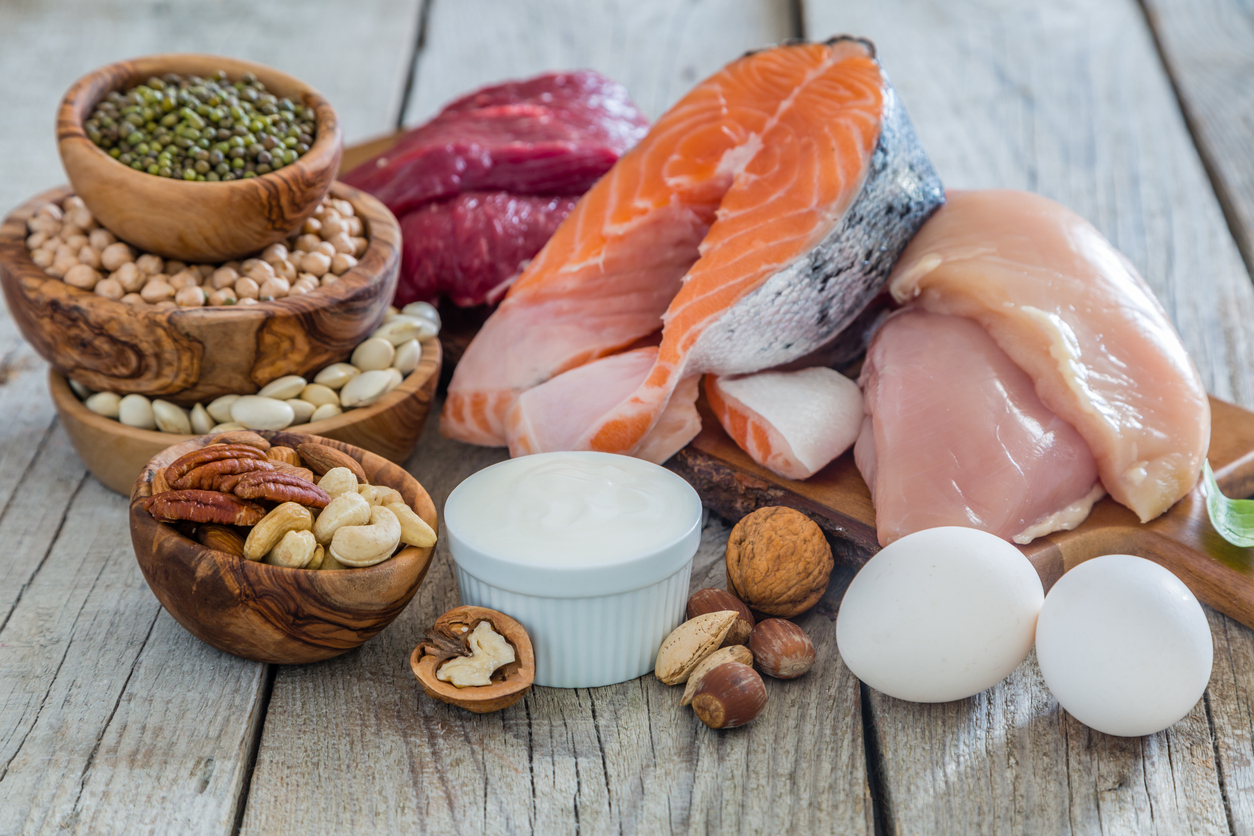
Pair your potatoes with lean protein sources such as chicken, fish, soy protein, or quinoa.
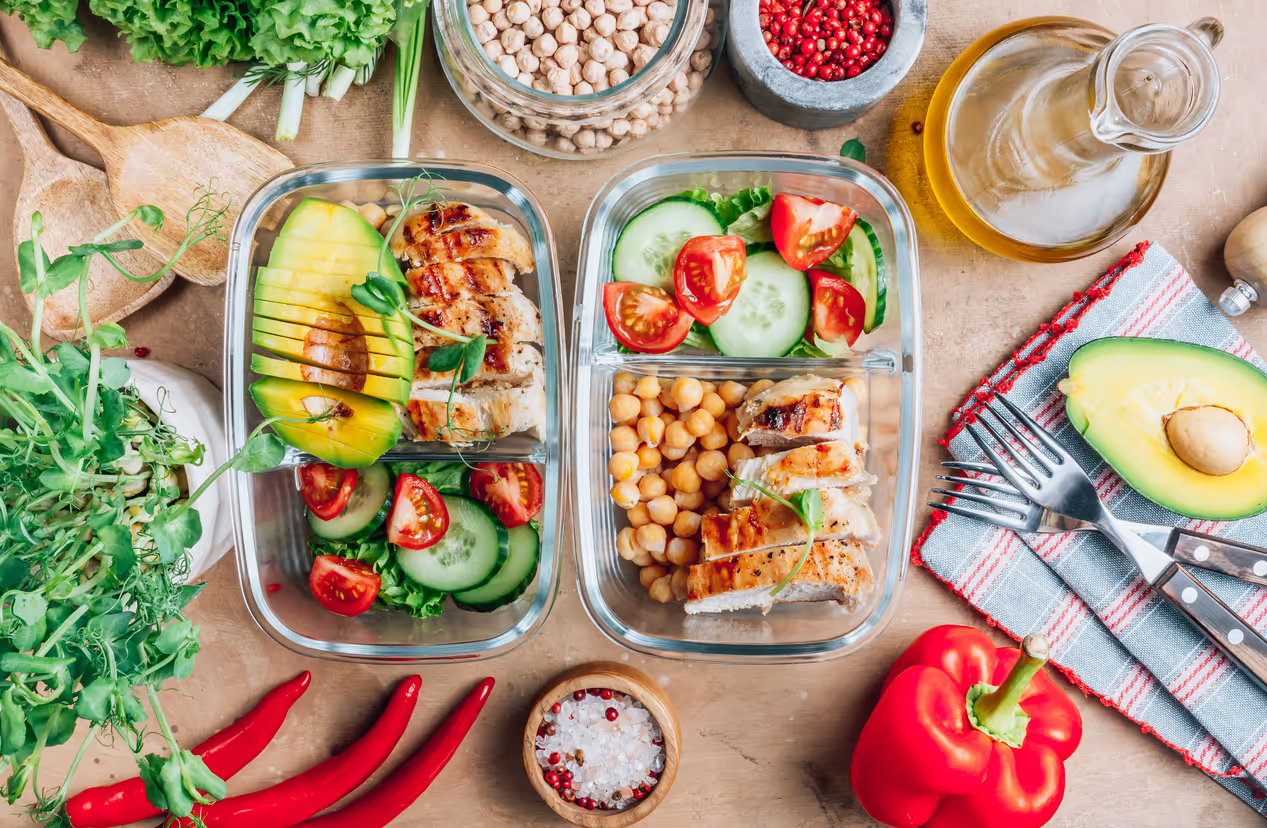
Incorporate plenty of healthy vegetables, such as a side salad of lettuce, tomatoes, cucumbers, or roasted veggies like peppers, Brussels sprouts, or summer squash.
Include healthy fats like olive oil or avocado to create balanced and satisfying meals that support weight loss.
{{splash}}
Take Pre-Existing Health Conditions Into Consideration
If you have diabetes or other health conditions that affect blood sugar control, talk to your doctor or a registered dietitian about the best ways to incorporate potatoes into your diet.
Takeaway
The answer to whether potatoes are good for weight loss is not a clear-cut answer.
Potatoes themselves aren't inherently fattening, but their preparation methods, portion sizes, and popular toppings all play a role.
By choosing healthier cooking methods like steaming, boiling, and roasting, being mindful of toppings and portion size, and enjoying them as part of a balanced diet, potatoes can be a nutritious and satisfying part of a weight-loss journey.
How A Dietitian Can Help
A registered dietitian (RD) can provide personalized guidance and support tailored to your individual needs and weight loss goals.
Here are some specific ways they can help:
- Create a personalized meal plan: An RD can work with you to develop a meal plan that incorporates potatoes in a healthy and enjoyable way, while considering your dietary preferences, allergies, and weight loss goals.
- Provide education and support: An RD can educate you about portion control, healthy cooking methods, and smart food choices to help you make sustainable changes for long-term weight management.
- Address individual needs: If you have underlying health conditions, such as diabetes or food sensitivities, an RD can provide tailored advice to ensure your diet supports both your weight loss and overall health goals.
Find a Nourish dietitian who accepts your insurance.
Frequently Asked Questions
Can you eat potatoes while losing weight?
Yes, you can eat potatoes while losing weight.
The key is to prepare them in a healthy way (baked, roasted, steamed, or boiled) and watch your portion sizes.
Pair them with other nutrient-rich foods like lean protein and vegetables for a balanced meal.
Should I avoid potatoes to lose belly fat?
There's no need to avoid potatoes entirely to lose belly fat.
Spot reduction of fat isn't possible.
Focus on eating a balanced diet and getting regular exercise.
If you enjoy potatoes, incorporate them into your meal plan in a healthy way.
Is pasta or potatoes better for weight loss?
Both foods are carbohydrates that can be incorporated into a balanced diet in proper portion sizes.
However, research suggests that potatoes may help you feel full for longer periods than pasta or rice.
When eating pasta, opt for whole-grain options for added fiber and nutrition.
References
View all references
Nourish has strict sourcing policies and prioritizes primary sources, including medical organizations, governmental agencies, academic institutions, and peer-reviewed scientific journals. Learn more about our medical review process and editorial guidelines.
More articles
%201%20(1).jpg)


.avif)









.avif)














.avif)















.avif)







.avif)
.avif)










.avif)
.avif)