Can Inositol Help with Weight Loss? Benefits, Effects, And More

Medical Reviewer: Renae Khalil RD, LDN

Author: Jennifer Huddy, MS, RD, LD
Summary
- Inositol is a naturally occurring sugar that can improve insulin resistance and blood sugar control when taken in supplement form.
- Some studies have linked inositol with weight loss, though it is more effective when paired with other interventions, like diet changes.
- Inositol may also benefit other conditions, including PCOS, type 2 diabetes, gestational diabetes, dyslipidemia, high blood pressure, and depression, but more research is needed.
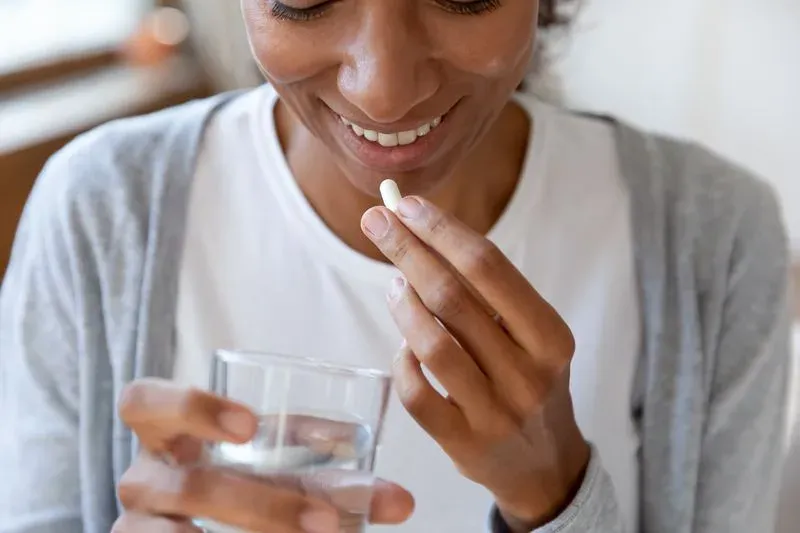
You may have heard of inositol, a supplement commonly advertised for weight management in people with polycystic ovary syndrome (PCOS).
Inositol is naturally occurring in the human body and in many plant foods.
When taken in a supplement form, it can improve insulin resistance and possibly lower body weight.
Continue reading to learn whether inositol is effective for weight management, as well as dosage, risks, and other benefits.
{{splash}}
What is Inositol?
Inositol is a sugar produced in the body that plays a role in many metabolic and hormonal processes, including blood sugar regulation.
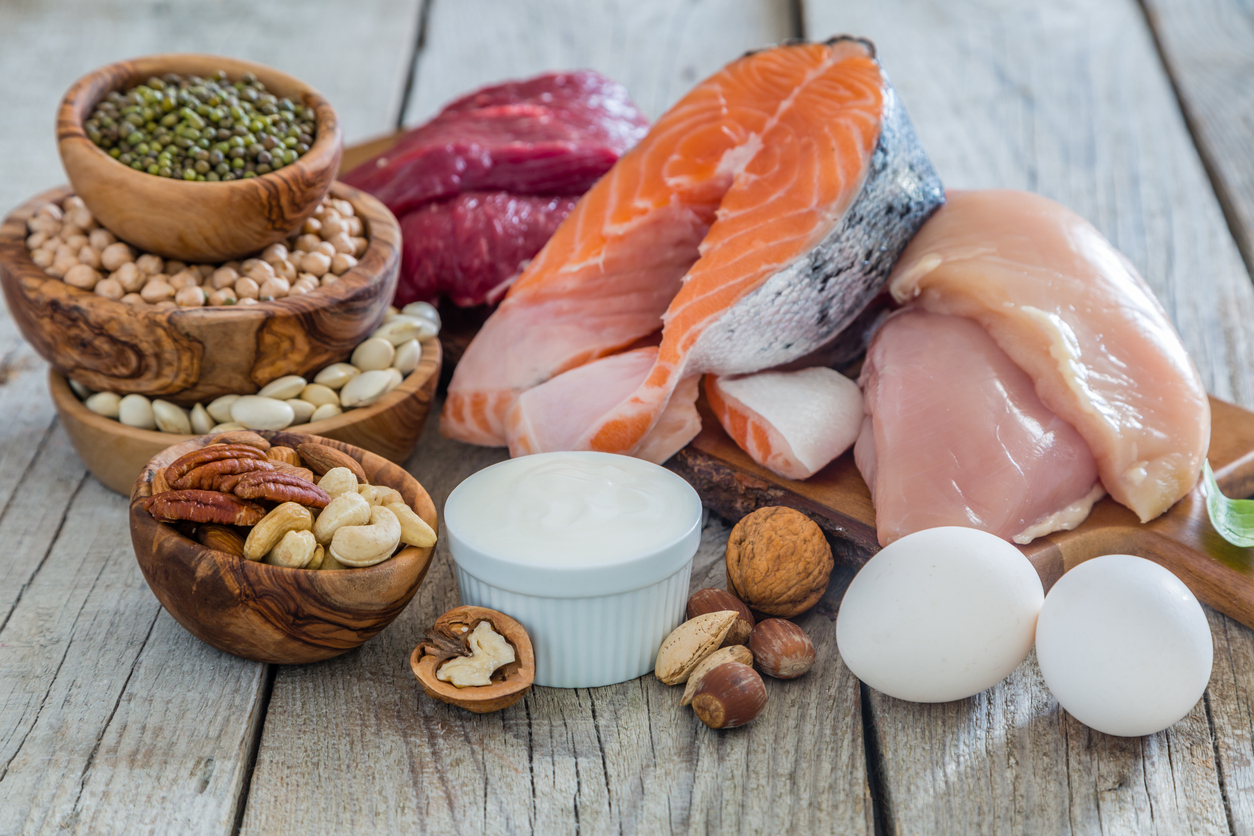
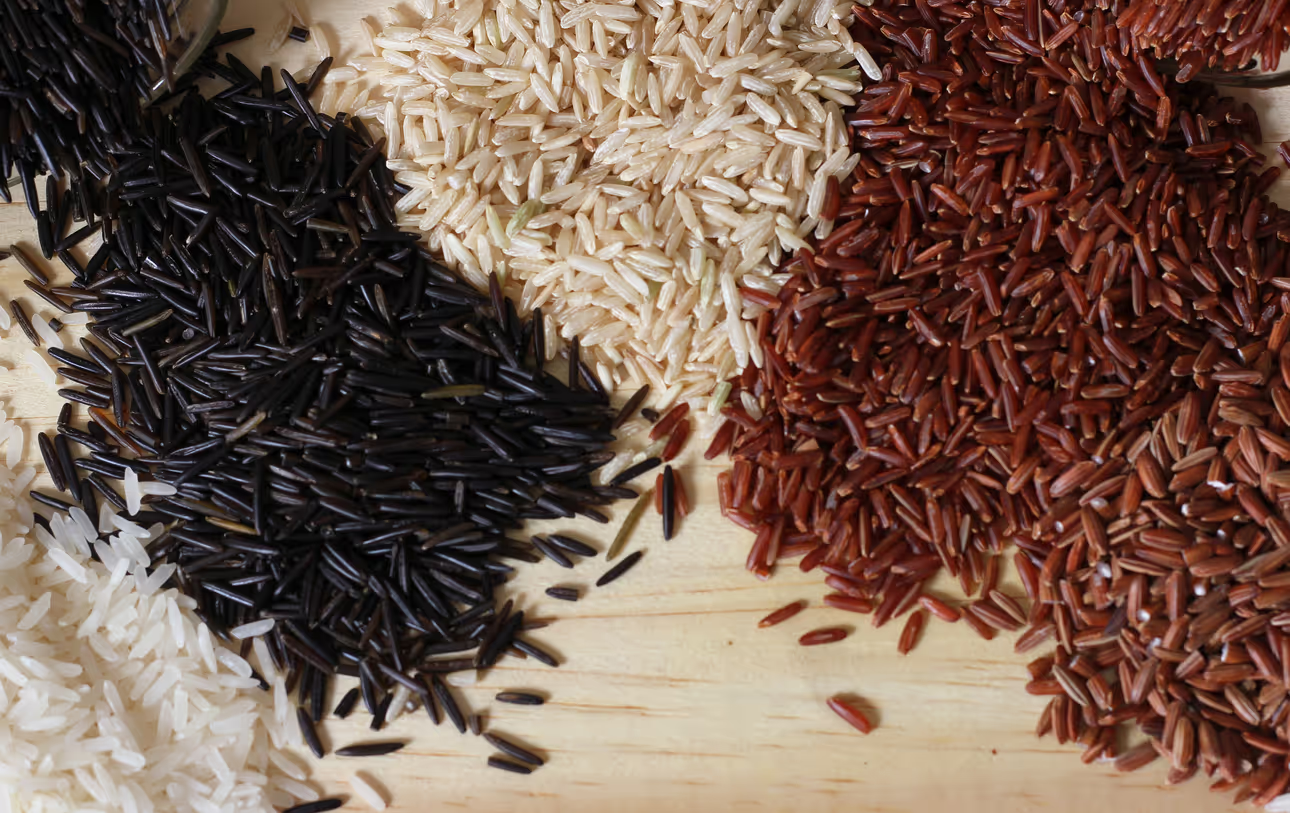
It’s also naturally present in certain plant foods, like fruits, vegetables, beans, grains, and nuts.
Inositol is available as a dietary supplement, typically in the form of myo-inositol.
These supplements contain inositol in much more concentrated doses than what is provided naturally by a person’s diet.
Because of how inositol functions in supporting a healthy metabolism, researchers are working to understand how inositol supplements may help treat conditions like polycystic ovary syndrome (PCOS), obesity, and type 2 diabetes.
How Does Inositol Work for Weight Loss?
Inositol is thought to benefit weight management because of how it helps with insulin resistance.
When you eat, your body breaks down carbohydrates into sugar (glucose), which is absorbed into the bloodstream.
Your pancreas releases insulin, which helps deliver this glucose to the rest of your body to be used for energy.
When insulin resistance occurs, your body still produces insulin, but it’s not as effective at clearing the glucose from your bloodstream.
This can sometimes result in high blood sugar levels, weight gain, and type 2 diabetes over time.
Inositol supplements work by mimicking the action of insulin.
It improves insulin sensitivity by helping your cells use the glucose from your bloodstream more effectively.
Improved insulin sensitivity is thought to be the primary reason inositol supplements can help with weight loss.
Still, more research is needed to fully understand the mechanism and how it can be applied in the clinical setting.
Benefits of Taking Inositol for Weight Loss
A 2022 meta-analysis found that inositol supplements were associated with weight loss.
This was achieved at doses under 1 mg per day over three months.
Inositol was shown to be most effective in specific populations, including people:
- Over 40 years old.
- With polycystic ovary syndrome (PCOS.)
- With overweight or obesity.
- Who took myo-inositol (a specific form of inositol.)
However, the amount of weight lost in these studies is small, meaning inositol may need to be combined with other interventions to achieve clinically meaningful weight loss.
For example, a study from 2019 found that overweight people with PCOS lost more weight when taking inositol along with dietary changes when compared to diet alone.
Another study from 2019 treated PCOS patients with a combination of inositol (myo-inositol and D-chiro-inositol) and glucomannan (a natural fiber).
Results showed a significant improvement in body mass index (BMI) after three months.
Though early studies are promising, more research is needed to understand the effectiveness of inositol for weight management in people with and without PCOS.
{{splash}}
Having trouble losing weight? Take the weight loss quiz to understand your next steps and reach your goals.
Dosage and Supplement Options
Many different dosages of inositol have been studied.
Typical supplement regimens provide between one and four grams of inositol per day.
This is shown to be most effective for improving metabolism.
However, some studies on inositol supplementation and mental health conditions have shown effectiveness with higher doses of up to 18 grams per day.
Inositol is available in different forms, including myo-inositol and D-chiro-inositol.
Researchers continue working to identify the type of inositol that can be absorbed and utilized in the body most effectively.
Currently, supplements containing a mixture of myo-inositol and D-chiro-inositol at a ratio of 40:1 are thought to be most effective.
This ratio mimics the composition of inositol naturally occurring in the bloodstream.
Inositol supplements often contain other compounds and vitamins, such as:
- Folic acid.
- Melatonin.
- Vitamin D.
- Vitamin E.
- Alpha linolenic acid (ALA).
Be sure to read the labels of inositol supplements and talk to your doctor about the appropriate dosage, composition, and other ingredients.
Potential Side Effects
Inositol supplements are generally well tolerated with minimal side effects, especially at lower doses.
The most common side effects of taking inositol supplements include:
- Nausea.
- Flatulence (gas).
- Soft stools or diarrhea.
- Mild abdominal pain.
These side effects typically only occur with high doses of inositol.
In one study, all of the participants who experienced side effects improved after their dose was lowered to 12 grams of inositol daily.
{{splash}}
Risks and Contraindications
Inositol supplements are generally recognized as safe (GRAS) by the Food and Drug Administration (FDA).
However, specific populations should be cautious when taking it.
Because inositol can lower blood sugar levels, be cautious if you are on any glucose-lowering medications, as it could result in a low blood sugar reaction.
Research on the use of inositol in preventing and treating gestational diabetes has identified that up to four grams of inositol supplementation daily is safe and well tolerated during pregnancy.
Talk to your doctor before taking inositol during pregnancy or lactation to understand the safest dose for you.
Other Benefits of Inositol
Inositol supplementation has been extensively studied in individuals with PCOS.
It's also being studied in the context of type 2 diabetes and cardiovascular health.
Polycystic Ovary Syndrome (PCOS)
95% of people with PCOS have insulin resistance, one of the primary targets of inositol.
In addition to improving insulin resistance and possibly reducing weight, inositol may offer other benefits for PCOS, such as improvements in:
- Menstrual cycle regularity.
- Hyperandrogenism (elevated testosterone levels).
- Fasting insulin and glucose levels.
- Egg quality and possibly fertility.
- Hirsutism (hair growth on the face, chest, or back).
- LDL cholesterol.
Type 2 Diabetes
Inositol is being studied as a treatment option for type 2 diabetes because the condition typically results from insulin resistance.
One study from 2016 found that participants who took an inositol supplement in addition to their diabetes medications experienced significant improvements in fasting blood sugar levels and A1c (a three-month blood sugar average).
Preliminary research also shows that inositol may be a preventative therapy for people at risk of developing gestational diabetes during pregnancy.
More studies are needed to understand how inositol might help prevent and treat diabetes.
Other Conditions
In addition to helping insulin resistance in PCOS and type 2 diabetes, inositol has been associated with improvements in other health markers and conditions, such as:
- Elevated triglycerides.
- High cholesterol.
- High blood pressure.
- Mood disorders.
Because inositol can improve cholesterol and blood pressure levels, it may reduce a person’s cardiovascular risk.
This benefit has been primarily demonstrated in those with type 2 diabetes, PCOS, or dyslipidemia.
There is mixed evidence on how inositol may impact mood disorders, with some studies showing no improvements and others demonstrating benefits for conditions like:
- Depression.
- Anxiety.
- Premenstrual dysphoric disorder (PMDD).
- Bulimia nervosa.
- Binge eating disorder.
Many of the studies on this subject are small and preliminary, emphasizing the need for more research in the future to determine clinical guidelines for the use of inositol.
{{splash}}
Takeaway
Inositol is a sugar produced in the body and found in certain plant foods.
It’s available in supplement form, typically as a combination of myo-inositol and D-chiro-inositol.
Inositol supplements have gained popularity for their benefits on insulin resistance and possible effects on weight loss.
Studies show that while inositol alone may result in only a small weight decrease, it may produce clinically significant weight loss when combined with other interventions, like diet changes.
Inositol has also been linked with improvements in other health conditions, including gestational diabetes, depression, and dyslipidemia.
How a Dietitian Can Help
Research shows that inositol is more effective for weight management when combined with dietary changes.
A weight loss registered dietitian can identify a healthy and sustainable eating plan to help you meet your health goals.
Find a dietitian near you that accepts insurance using Nourish.
{{splash}}
Frequently Asked Questions
Can inositol help you lose weight?
Inositol may result in weight loss, though more research is needed to determine the most effective supplement formulation and dosage.
Some studies show that inositol can be effective for weight management in people with PCOS because of the way the supplement improves insulin resistance and other symptoms of PCOS.
Other research shows that inositol is more effective for weight loss when combined with interventions like dietary changes.
Talk to your doctor to understand if inositol is appropriate for you.
What are the side effects of inositol weight loss?
Inositol supplements are generally safe and well tolerated but can cause side effects including:
- Nausea.
- Gas.
- Diarrhea.
- Abdominal pain. .
These side effects tend to occur at doses of inositol over 12 grams per day.
For reference, daily doses between one and four grams of inositol are recommended for metabolism and weight management.
Talk to your doctor about the appropriate dose for you before starting inositol.
Is metformin or inositol better for weight loss?
Inositol and metformin can both improve insulin resistance and may cause weight loss.
In one study from 2017, researchers compared the difference between three treatments on people with PCOS:
- Metformin alone.
- Myo-inositol alone.
- A combination of myo-inositol and metformin.
The study found that the people who took inositol or the metformin/inositol mixture had greater weight loss results when compared with those who took metformin alone.
It also found improved PCOS symptoms and hormone levels.
Talk to your doctor about the best option for you.
References
View all references
Nourish has strict sourcing policies and prioritizes primary sources, including medical organizations, governmental agencies, academic institutions, and peer-reviewed scientific journals. Learn more about our medical review process and editorial guidelines.
More articles
%201%20(1).jpg)


.avif)













.avif)
















.avif)















.avif)







.avif)
.avif)









.avif)
.avif)