The Best Foods To Eat On Mounjaro

Medical Reviewer: Ellie Stamerjohn, MS, RDN, LD

Author: Heather Smith, RN, BSN
.avif)
Summary
- Mounjaro is a prescription medication approved for treating type 2 diabetes.
- Eating nutrient-dense foods can help maximize the benefits of the medication.
- There are no strict food restrictions while taking Mounjaro, but eating certain foods may counteract its positive effects.
Mounjaro (tirzepatide) is an injectable medication that works alongside diet and exercise to improve blood sugar control for people with type 2 diabetes.
Mounjaro may also help people with type 2 diabetes achieve their weight loss goals.
While taking Mounjaro, it’s important to consider which foods will help you achieve your health goals and which may hinder your progress.
Keep reading to learn which foods are best to eat while using Mounjaro and which you may want to avoid while taking the medication.
How Does Mounjaro Work?
Mounjaro is an injectable medication approved for treating type 2 diabetes. Its active ingredient is tirzepatide, a dual agonist for the glucagon-like peptide-1 (GLP-1) and glucose-dependent insulinotropic polypeptide (GIP) receptors.
Tirzepatide is a second-line diabetes medication that works similarly to GLP-1 medications, like semaglutide, to improve blood sugar control and weight management.
Specifically, it acts on both the glucagon-like peptide-1 (GLP-1) and glucose-dependent insulinotropic polypeptide (GIP) receptors to increase the effects of these hormones.
GLP-1 and GIP are hormones that promote insulin secretion and reduce the speed at which food leaves the stomach.
Emerging research indicates that tirzepatide yields clinically significant improvements in blood sugar control and weight loss when compared with other type 2 diabetes medications, including semaglutide (Ozempic and Wegovy) and dulaglutide (Trulicity).
{{splash}}
Can You Take Mounjaro For Weight Loss?
Mounjaro is only approved for the treatment of type 2 diabetes.
But the same active ingredient, tirzepatide, has also been approved by the FDA for chronic weight management. This medication is known by its brand name, Zepbound.
Adults with obesity or overweight and at least one weight-related condition, including high blood pressure, type 2 diabetes, or high cholesterol, may be able to take Zepbound for weight loss.
Foods To Eat On Mounjaro
Mounjaro works best when combined with lifestyle changes, including diet and exercise.
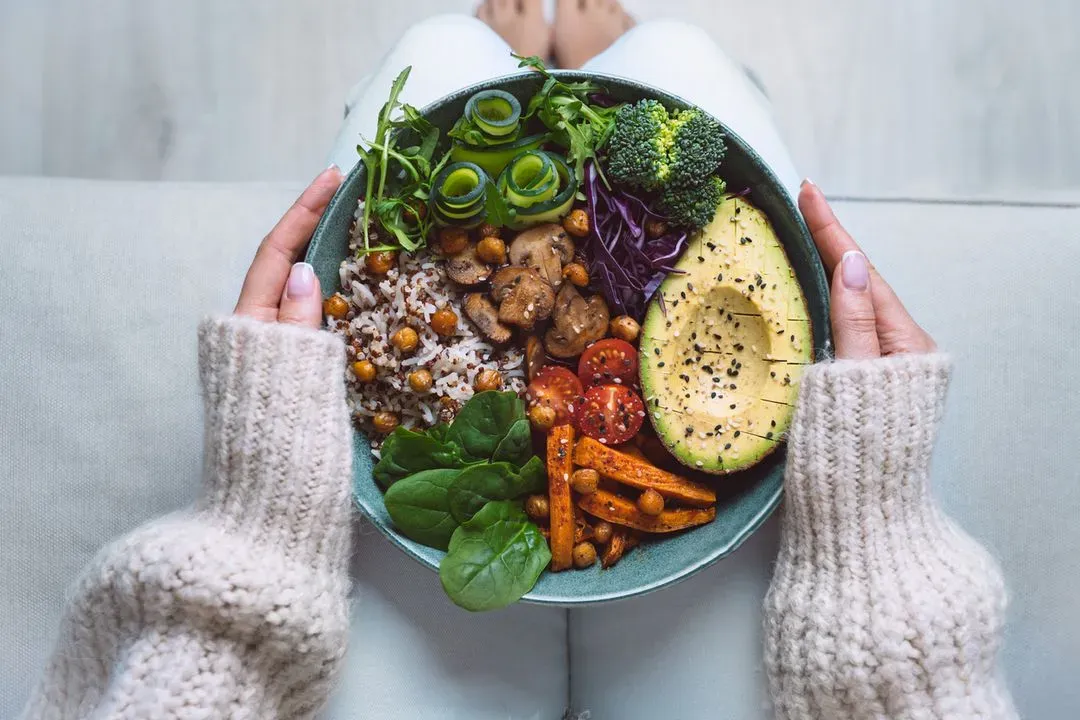
To maximize the benefits of Mounjaro, consider prioritizing a diet of nutrient-dense foods, including lean proteins, high-fiber fruits and vegetables, complex carbohydrates, and healthy fats.

Lean Protein
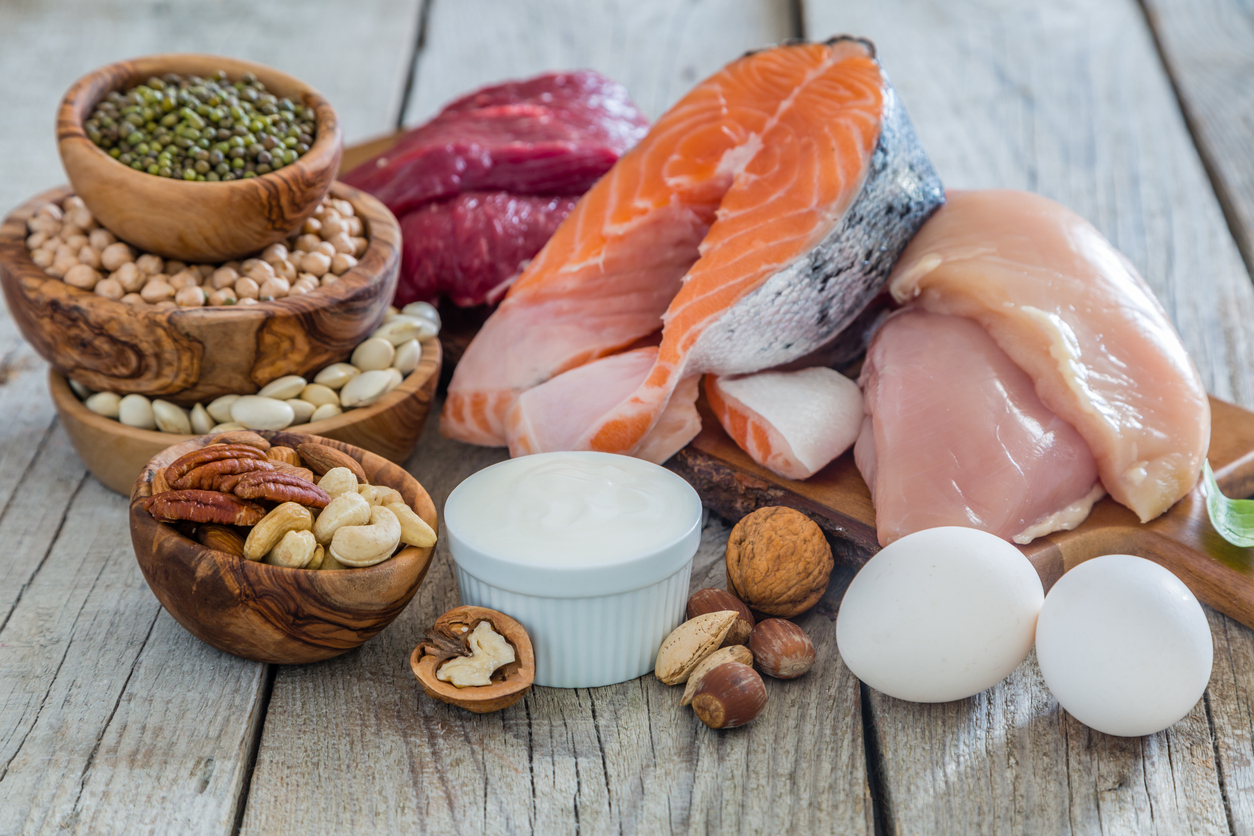
It’s important to include plenty of protein-rich foods in your diet when taking Mounjaro.
Protein is an essential nutrient your body needs for growth and tissue repair.
Eating proteins, such as lean meats, legumes, poultry, tofu, and fish, plays a vital role in preserving your lean muscle as you start losing weight.
These foods are also low in carbohydrates and sugars, which can help to keep your blood sugar stable.
High-Fiber Fruits and Vegetables
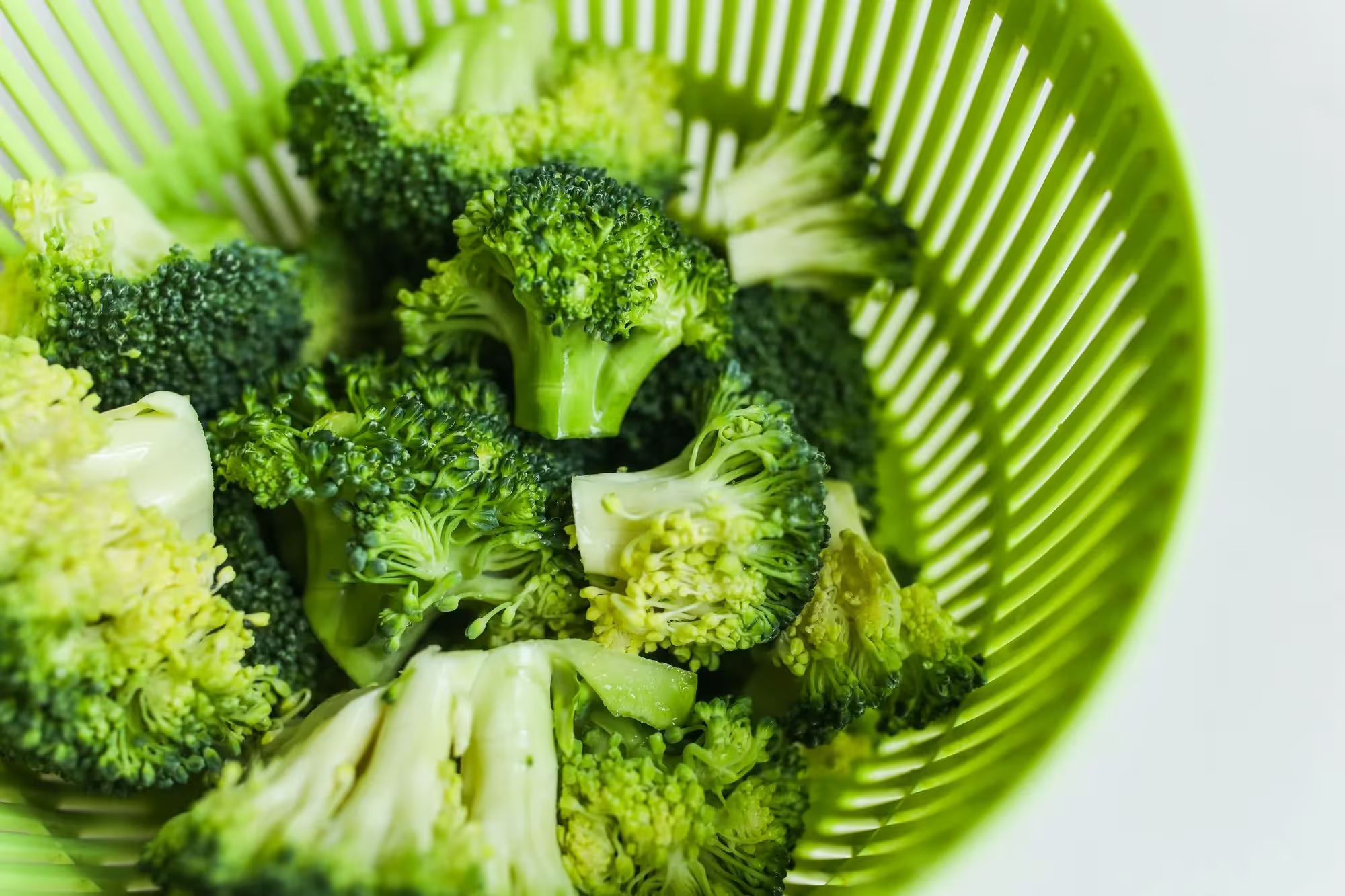
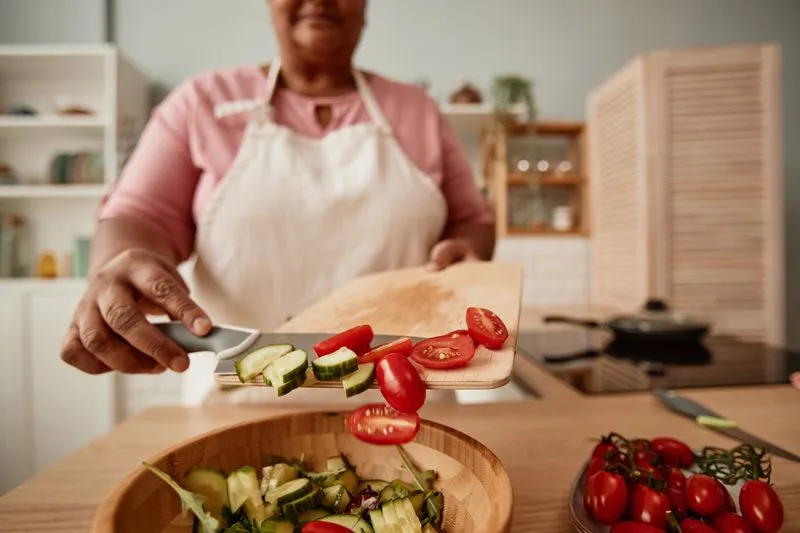
Eating fruits and vegetables is a vital part of any healthy eating pattern. These foods are rich in essential vitamins and minerals and they add delicious flavor to meals.
Fruits and vegetables are also high in fiber, which can slow down digestion rate and leave you feeling satiated for longer periods in between meals.
Importantly, Mounjaro can cause some gastrointestinal (GI) side effects, like nausea, vomiting, and indigestion.
If you’re experiencing GI side effects while taking Mounjaro, you may want to temporarily limit high-fiber foods in your diet, then consider gradually incorporating them again to see how you tolerate it.
Complex Carbohydrates
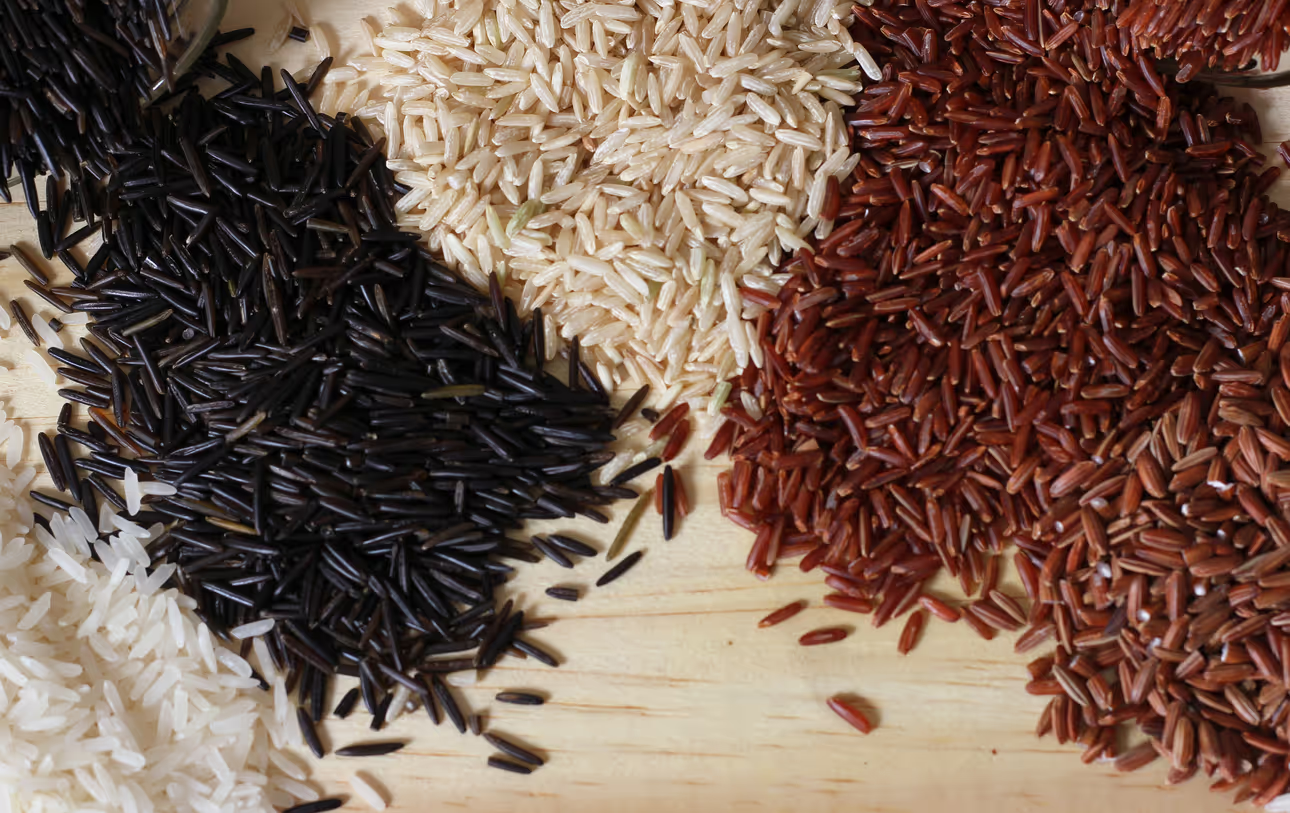
Complex carbohydrates contain minerals, vitamins, and fiber that benefit your overall health.
They can also be a rich source of fiber.
Examples of foods that are complex carbohydrates include:
- Beans.
- Legumes.
- Peas.
- Whole grains.
- Vegetables.
- Fruits.
Unlike refined sugars and processed carbohydrates, complex carbohydrates contain nutritional benefits that can also help improve blood sugar levels.
Healthy Fats
Consuming healthy fats can support your heart health, increase your energy, and help your body absorb vitamins.
Foods with healthy fats include:
- Nuts (including almonds, walnuts, and cashews).
- Seeds (including pumpkin, sunflower, and sesame).
- Plant oils (including olive, canola, and walnut).
- Fatty fish (including salmon, tuna, and sardines).
- Avocado.
Probiotic-Rich Foods
Eating probiotic-rich foods can help enhance your gut microbiome and support your overall digestive health.
Examples of probiotic-rich sources include:
- Yogurt.
- Probiotic supplements.
Some fermented foods like kimchi, kombucha, sauerkraut, miso, and raw apple cider vinegar do contain live cultures but have not been proven to contain probiotic microorganisms.
Spices and Herbs
Spices and herbs add flavor, aroma, and color to your dishes, but they may also benefit your health.
Research suggests that some spices and herbs with antioxidant properties may help to decrease inflammation, blood sugar, and cholesterol levels.
Spices and herbs rich in antioxidants include:
- Clove.
- Rosemary.
- Sage.
- Oregano.
- Cinnamon.
Foods And Beverages To Limit On Mounjaro
There aren’t any foods you have to avoid while taking Mounjaro.
However, some foods may interfere with your blood sugar control and make it harder to meet your health and weight loss goals.
High-Sugar Foods
Monitoring your carbohydrate intake—including sugars—is a key component of type 2 diabetes management.
Even when taking type 2 diabetes medication like Mounjaro, it’s crucial to limit your intake of high-sugar foods that will cause spikes in your blood sugar levels.
Examples of high-sugar foods include:
- Sodas and other sugary drinks.
- Candy.
- Cake.
- Cookies.
- Sweetened Cereals.
- Canned fruits with added sugar.
- White and brown sugar.
- Many baked goods.
- Corn syrup, honey, maple syrup, and agave nectar.
Fried and High-Fat Foods
Many fried dishes, like fried chicken or fried mozzarella sticks, are typically coated in batter, which adds extra carbohydrates to your meal.
If you’re following a type 2 diabetes meal plan, it’s important to take these carbohydrates into account when monitoring your overall carbohydrate intake.
Fried foods can also contain high amounts of unhealthy fats, like saturated or trans fats.
These foods, like butter, whole-fat cheese, chicken with the skin on, or processed meats like sausage or bacon, may also work against the weight loss benefits of Mounjaro.
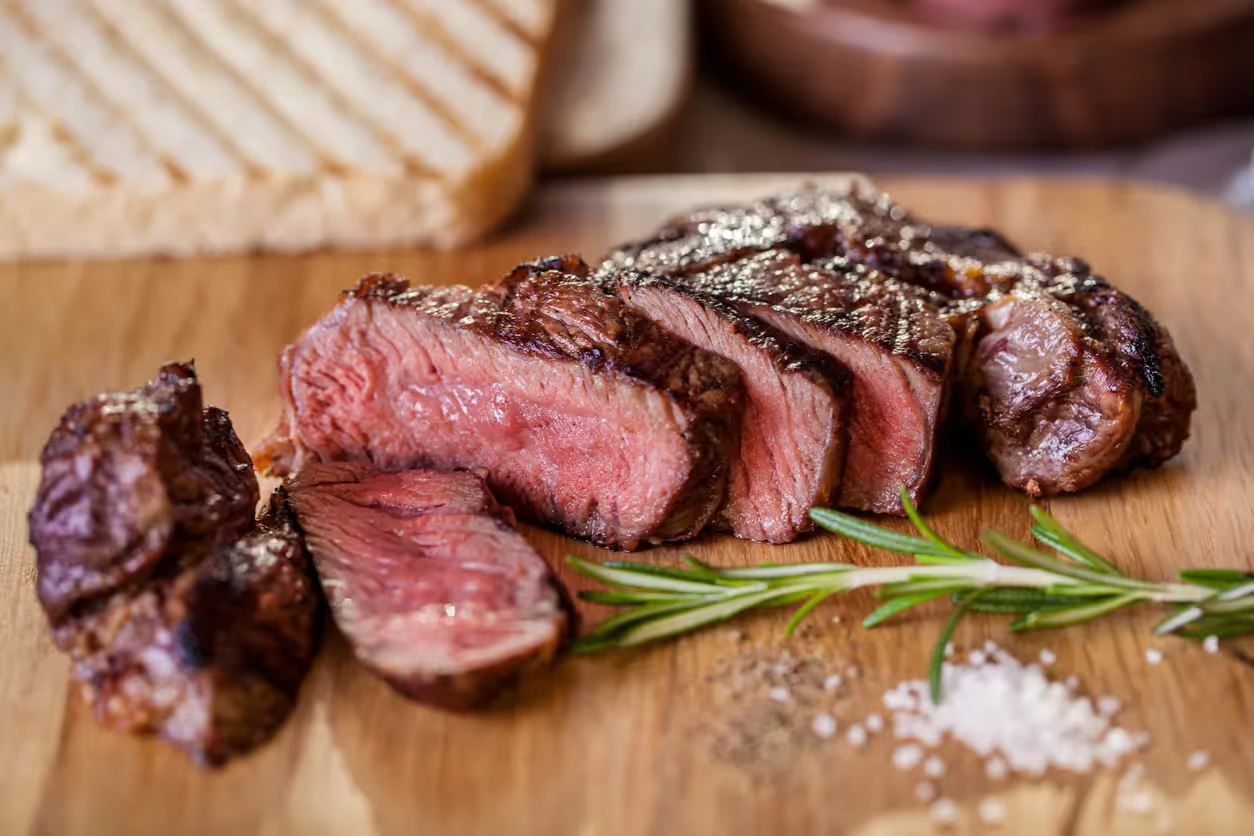
Red Meat
There is some evidence suggesting that higher red meat consumption is associated with higher fasting blood sugar and insulin levels in white adults without diabetes.
Additional research suggests that red meat consumption may be associated with an increased risk of developing type 2 diabetes.
However, more evidence is needed to determine how red meat consumption affects blood sugar levels in people with type 2 diabetes.
Alcohol
Alcohol can interfere with some diabetes medications and change how your body processes sugar, causing your blood sugar to drop too low (also known as hypoglycemia) or rise too high (also known as hyperglycemia).
This can make it difficult to keep your blood sugar in a healthy range.
Many alcoholic beverages are also high in sugar and carbohydrates, which can work against the benefits of Mounjaro.
Artificial Sweeteners
Artificial sweeteners, like sucralose, aspartame, and saccharin, can disrupt how your body absorbs sugar and produces insulin.
Some research shows that some artificial sweeteners can change the balance of good bacteria in your gut and make you less sensitive to the taste of sugar.
However, more research on this subject needs to be done to provide more direction for consumers.
Consuming artificial sweeteners may also increase your risk of health problems like heart disease and stroke, although more human studies are needed
Excess Sodium
Consuming foods high in sodium puts you at higher risk for high blood pressure, stroke, and heart attack.
According to the CDC, more than 70% of the sodium Americans eat come from processed and pre-packaged foods, like deli meats, chips, and pizza.
When preparing food for yourself at home, try using no-salt spice blends to decrease your sodium intake.
Spicy Foods
Many people with type 2 diabetes can enjoy spicy foods as part of a healthy diet.
But if you’re experiencing any GI side effects associated with Mounjaro (like nausea, indigestion, or vomiting), you may want to avoid spicy foods while taking the medication.
How Long Does It Take To Lose Weight On Mounjaro?
Weight loss while taking Mounjaro will vary from person to person.
Many factors can affect this process, including genetics, lifestyle, diet, and health history.
However, data from one 2022 study shows that people taking the lowest dosage of tirzepatide for weight loss lost an average of 15% of their body weight after 18 months.
How Many Calories Should I Eat While Taking Mounjaro?
It’s important to consult with your registered dietitian about how many calories you should eat per day according to your health history, activity level, and individualized health goals.
Sample Meal Ideas
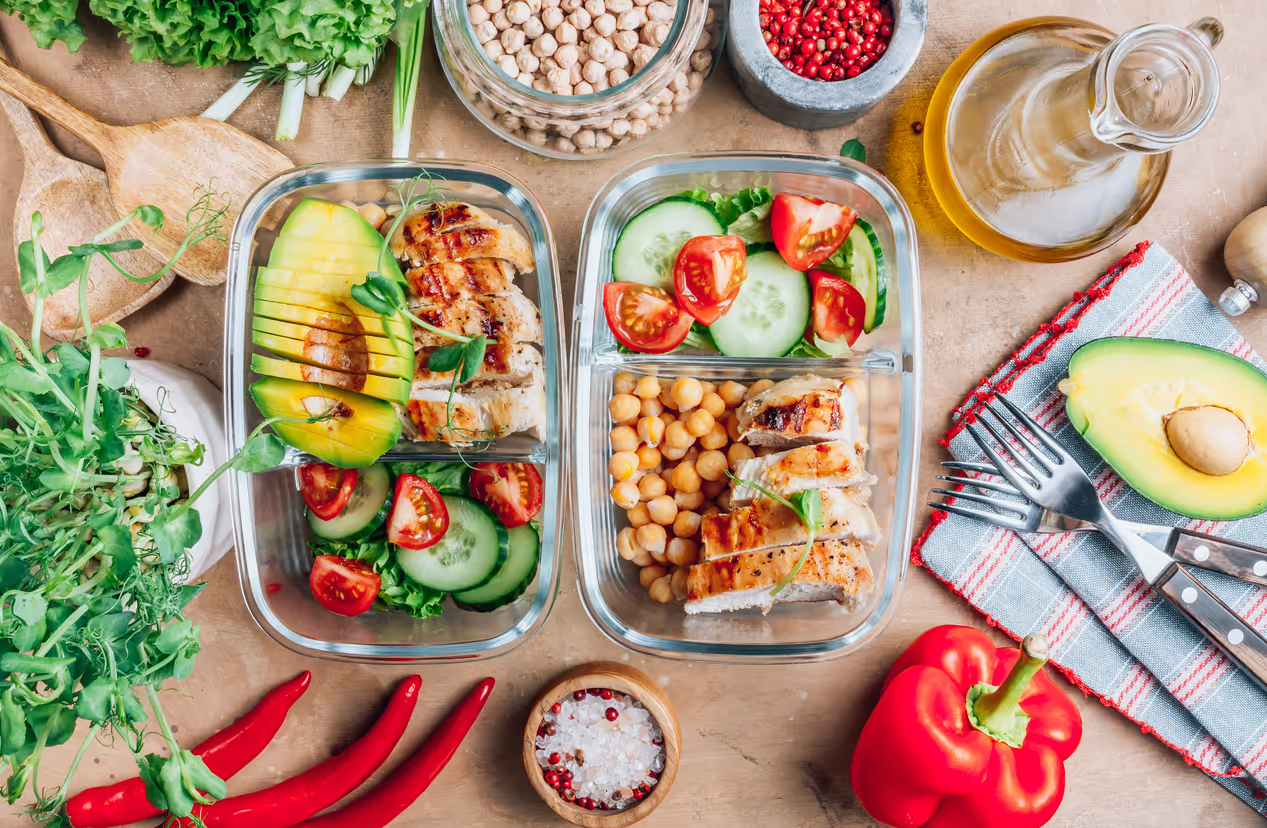
There are many ways to eat nutrient-dense and satisfying meals while taking Mounjaro. Below are some sample menus to get you started.
Breakfast
- Option 1: Unsweetened Greek yogurt with fruit and nut butter.
- Option 2: Scrambled eggs with spinach and goat cheese.
- Option 3: 100% whole wheat bagel with tomato and low fat cottage cheese.
Lunch
- Option 1: Kung pao tofu with red and green bell pepper, cashews, and brown rice.
- Option 2: Tuna salad on mixed greens.
- Option 3: Roasted turkey and avocado sandwich on whole wheat bread with a side caesar salad, lightly dressed.
Dinner
- Option 1: Grilled chicken and greek salad with cucumber, tomato, red onion, bell pepper, oregano, feta, olive oil.
- Option 2: Roasted halibut with lemon and rosemary and a side of roasted potatoes with paprika and sage and sauteed asparagus.
Snacks
- Option 1: Trail mix with roasted almonds, pumpkin seeds, and dried, unsweetened cranberries.
- Option 2: Hard boiled eggs.
- Option 3: Hummus with crackers, red pepper, carrot, and cucumber.
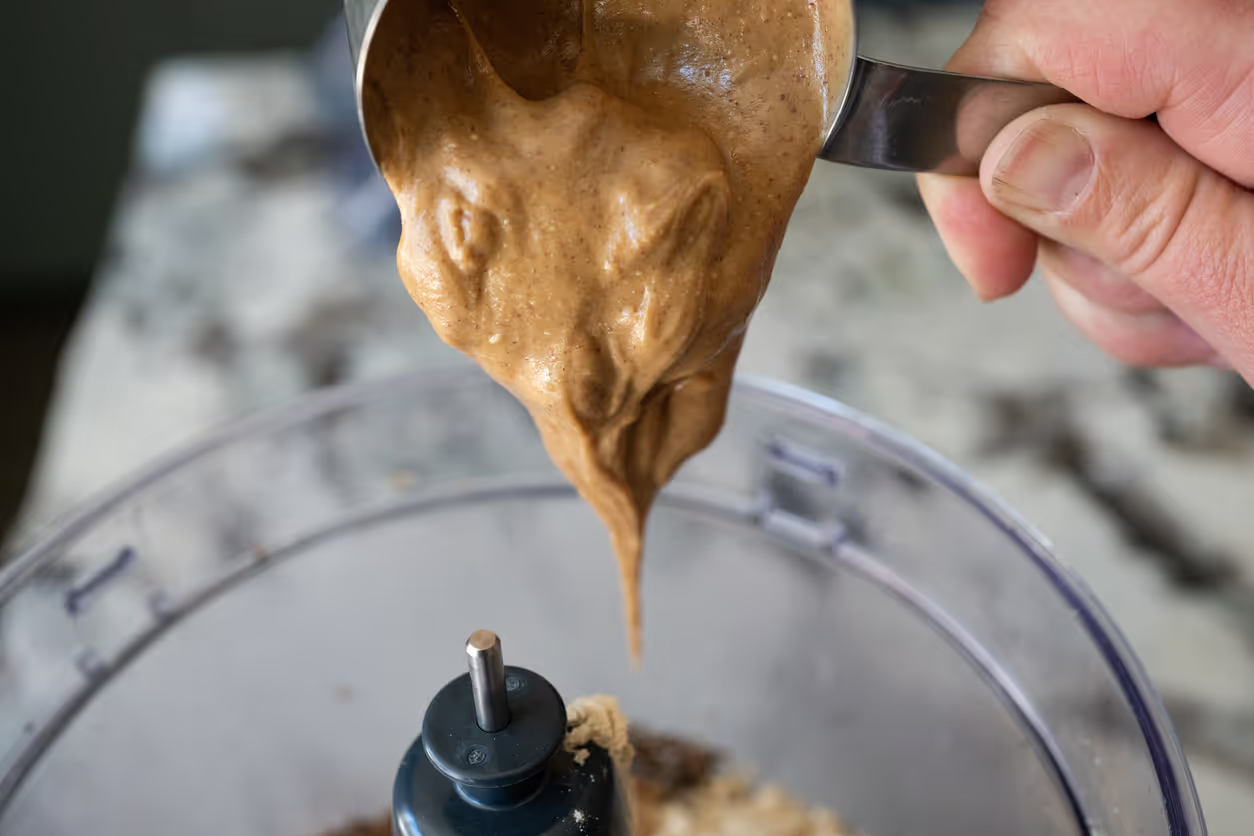
- Option 4: Apple with unsweetened, natural nut butter.
Manage Weight With a Dietitian
Making informed food choices can enhance the effectiveness of Mounjaro and help you reach your blood sugar and weight loss goals.
At Nourish, all appointments are done online to make it easier to accommodate your schedule.
In addition to individual counseling, you can also download the Nourish app to access free resources like meal plans and other helpful handouts.
Find a dietitian near you that accepts insurance using Nourish.
Frequently Asked Questions
What foods should I avoid with Mounjaro?
While taking Mounjaro, it's best to limit or avoid processed and high-sugar foods, fried and high-fat foods, alcohol, artificial sweeteners, excess sodium, and simple carbohydrates.
These foods can counteract the effects of Mounjaro and slow your weight loss progress.
How many calories should you eat on Mounjaro?
Rather than focusing on the number of calories you should consume while taking Mounjaro, it's better to focus on consuming foods that support the benefits of Mounjaro.
Throughout your day eat foods like lean proteins, fruits and vegetables, and complex carbohydrates
How do I keep my weight off after Mounjaro?
To maintain your weight after Mounjaro, it’s important to continue eating foods that support healthy blood sugar maintenance and to continue participating in regular exercise.
References
View all references
Farzam, K., & Patel, P. (2024, February 20). Tirzepatide. StatPearls - NCBI Bookshelf.
USDA MyPlate Protein Foods Group – one of the five food groups. (n.d.).
Tips for eating healthy | AGLaB. (n.d.).
Complex carbohydrates: MedlinePlus Medical Encyclopedia Image. (n.d.).
Healthy eating tips. (2023, June 7). Centers for Disease Control and Prevention.
Rethink Fats | MyPlate. (n.d.).
Office of Dietary Supplements - Probiotics. (n.d.).
National Library of Medicine. (n.d.-b). Diabetic diet. MedlinePlus.
Saturated fat. (2024, April 8).
Diabetes and alcohol: MedlinePlus Medical Encyclopedia. (n.d.).
Nourish has strict sourcing policies and prioritizes primary sources, including medical organizations, governmental agencies, academic institutions, and peer-reviewed scientific journals. Learn more about our medical review process and editorial guidelines.
More articles
%201%20(1).jpg)


.avif)













.avif)















.avif)















.avif)







.avif)
.avif)










.avif)