Can Undereating Cause Weight Gain?

Medical Reviewer: Christina Harris, RDN

Author: Julia Zakrzewski, RD

Summary
- To lose weight, experts recommend decreasing your energy intake, choosing higher-quality foods, and increasing your level of physical activity.
- Undereating may slow down your metabolism and contribute to plateauing, but it’s unlikely to cause weight gain.
- You can achieve your goals by working with a registered dietitian specializing in weight management.
After years of researching sustainable weight loss strategies, scientists confirmed that reducing energy intake is one factor in helping you lose weight.
For most people, a modest reduction of 250-500 calories per day is enough when combined with other evidence-based practices, such as increasing physical activity and choosing high-quality foods.
It’s confusing to hear that undereating can cause weight gain because the standard advice for weight loss is to decrease energy intake to lose weight.
Keep reading to clarify how weight changes affect metabolic function and whether undereating can impact your weight goals.
{{splash}}
Can Undereating Cause Weight Gain?
Many people decrease their caloric consumption and increase their physical activity to lose weight.
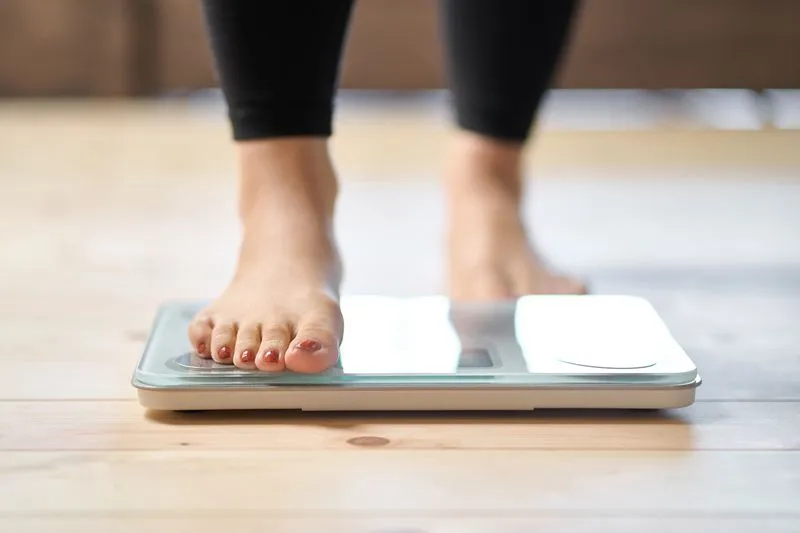
Although these changes promote rapid initial weight loss, the pace will eventually slow down, resulting in a plateau.
Hitting a plateau is frustrating, but it’s a normal part of the weight-loss journey.
Around this point (approximately 3-4 months into your journey), your metabolism responds to weight change by slowing down and conserving energy.
This metabolic response was passed down from our ancestors, whose survival depended on preserving body weight during food shortages and bouts of famine.
The weight loss industry argues this mechanism can even lead to weight gain.
However, a modest calorie deficit (approximately 500 calories or less daily) shouldn’t cause weight gain in most people.
It might contribute to a plateau that could make weight loss more challenging, but no high-quality research demonstrates undereating causes weight gain.
A more common scenario is when people gain weight when they stop undereating.
This frequently occurs in fad diets because they’re overly restrictive and unsustainable.
After halting the fad diet, a person eats more food, which can lead to weight gain—what’s frequently called weight cycling.
The Relationship Between Calories and Weight Gain
Calories are a source of energy, and consuming more than you need may contribute to weight gain.
The CDC recommends reducing excess caloric consumption, eating high-quality foods as often as possible, increasing physical activity, and managing stress levels to decrease weight.
Although the relationship between calories and weight is well-researched, we still don’t fully understand how calories influence metabolic rate.
This relationship is complex because several factors affect your metabolism.
These include:
- Age.
- Gender.
- Medical history.
- Genetics.
- Hormones.
- Medications
- Sleep quality.
Interestingly, the CDC states that the quality and consistency of your eating patterns are more likely to impact your metabolic rate than the amount of calories you consume.
This information highlights the need for comprehensive weight loss plans that teach you how to eat well by developing healthy food behaviors.
{{splash}}
Am I Undereating?
It can be hard to tell if you’re undereating because portion sizes are subjective, but there are physical signs that indicate you need to eat more.
Grumbling Stomach
Your stomach will tell you when it’s ready for food by grumbling.
And although some may feel embarrassed by these sounds, they’re your body’s way of communicating, “I’m hungry.”
When you hear these sounds, try eating as soon as possible to ease stomach pangs and stay in tune with your hunger and fullness cues.
Feeling Dizzy or Lightheaded
You may need more nutrition if you feel dizzy or lightheaded when standing up.
These could be signs of hypoglycemia (low blood sugar), which can affect people with and without diabetes.
Eating more regularly throughout the day or eating more portions of your meals can help you manage these symptoms.
Low Mood
Feeling irritable or angry when you’re hungry (sometimes called feeling hangry) are signs your body needs fuel.
It’s incredible how regularly eating can help you feel more energized, productive, and more like yourself.
Feeling out of Control at Meals
Waiting too long to eat can make recognizing your fullness or satiety cues at your next meal challenging.
You’re more likely to overeat during these times, which could make you feel distended and uncomfortable.
Fatigue
Experiencing brain drain or fatigue in the middle of the day could indicate you’re undereating.
Bring more healthy snacks to work, or increase your portion sizes to satisfy your hunger.
If you still feel tired, ask your doctor for a blood test to rule out possible deficiencies contributing to low energy levels.
Decreased Immune Function
Without enough energy, your cells and immune system can’t protect you from harmful pathogens, bacteria, and viruses.
If you notice you’re constantly ill, review your daily intake to ensure you get enough nutrition. A dietitian can help with this, too.
Severe calorie restriction
Prolonged calorie restriction, which can occur in some eating disorders—like anorexia nervosa, can cause additional symptoms. These include:
- Hair thinning or hair loss.
- Gastrointestinal symptoms include cramping, pain, or reflux.
- Sleep disturbances.
- Nutrient deficiencies.
{{splash}}
How to Prevent Undereating
Making food accessible can prevent undereating.
Keep snacks close by and include non-perishable items that are quick and easy to eat.
Examples include mixed nuts, whole grain crackers, dried fruits, and roasted chickpeas.
Store complementary snack items in a fridge, including freshly chopped vegetables, hummus dip, leftovers from the night before, and yogurt cups.
Remembering to eat is essential, too.
Getting sucked into work tasks and meetings can distract you from your hunger cues, and setting the alarm on your phone or work calendar can remind you when it’s time to eat.
Tips for Balancing Food Intake and Weight Goals
Food and nutrition are important elements in a weight loss plan, but you don’t need to count calories and track your intake to achieve long-term results.
It’s better to avoid these behaviors because they can strain your relationship with food and influence meal choices.
For example, you may choose food solely based on its energy value instead of its nutritional quality.
Instead of focusing on your food intake and weight goals, celebrate non-weight outcomes such as having more energy and becoming more skilled in the kitchen.
Dietitians often refer to these wins as non-scale victories.
More examples include:
- Feeling stronger during workouts.
- Walking further than before.
- Improved quality of sleep.
- Having a more positive mindset.
- Having a better relationship with food.
- Being consistent with your nutrition plan.
Celebrating your achievements is an essential part of behavior change.
It feels good to acknowledge your accomplishments; these moments can help you stay motivated.
If you ever feel stuck or hit by an unexpected curveball, remember the positive changes you’ve already made.
Learning to overcome mental setbacks is crucial for long-term compliance with your nutrition plan, and the sooner you develop these skills—the easier it gets to manage surprises.
Takeaway
Your metabolism is robust and can manage a few changes to your diet.
Reducing your calorie intake shouldn’t slow down your metabolic rate, and it’s doubtful you’ll gain weight from undereating.
To successfully lose weight, you must follow a plan encompassing more than calorie restrictions.
Focus on adding nutrient-dense foods to your weekly menu and being consistent with your exercise routine.
If you’re not getting your desired weight loss or weight gain results, consider meeting with a registered dietitian.
Certain weight-related factors, including genetics, age, and medical history, are outside your control.
Even if the number on the scale doesn’t change, you’re still improving your health by adopting healthy behaviors.
How a Dietitian Can Help
A registered dietitian is a licensed healthcare professional specializing in nutrition.
They offer comprehensive and compassionate nutrition counseling to help you achieve your health goals.
You may not know what to expect if you’ve never met with a dietitian. Here are questions to ask:
- How can I achieve my weight goals safely?
- How can I make better choices while dining out?
- Why do I feel guilty after eating certain foods?
- Can you help me create a meal plan to reach my goals?
Find a dietitian near you to get started today for as little as $0—94% of our patients pay nothing out of pocket.
{{splash}}
Frequently Asked Questions
Can eating too little cause weight gain?
Undereating shouldn’t cause weight gain.
After losing weight, you’ll enter the plateau stage, and weight loss can stagnate.
This is a regular occurrence in a weight loss journey, and it’s important to continue following your nutrition plan to maintain results.
Does undereating cause belly fat?
Undereating doesn’t cause belly fat.
Your genetics dictate where your body holds mass (including muscle and fat), and your eating patterns won’t influence your shape.
Why am I putting on weight but not eating more?
You may be eating more than you realize.
After losing weight, your metabolism slows down slightly, but your appetite increases.
This could lead to eating more significant portions than before and may lead to unplanned weight gain.
If you feel stuck, you can book an online appointment with a dietitian to complete a diet review.
References
View all references
Nourish has strict sourcing policies and prioritizes primary sources, including medical organizations, governmental agencies, academic institutions, and peer-reviewed scientific journals. Learn more about our medical review process and editorial guidelines.
More articles
%201%20(1).jpg)


.avif)













.avif)
















.avif)















.avif)






.avif)
.avif)










.avif)
.avif)