Can a Nutritionist Help Me Gain Weight?

Medical Reviewer: Christina Harris, RDN

Author: Jennifer Huddy, MS, RD, LD

Summary
- Unintentional weight loss can stem from certain medical conditions.
- A dietitian can help you gain weight with a personalized high-calorie, high-protein diet plan.
- Be sure to choose a nutrition provider who is a registered dietitian (RD/RDN) specializing in your specific condition.
Updated by: Ashley Petrie
There are many reasons why a person may need to gain weight.
However, gaining weight is not always straightforward, especially if you have barriers to eating, like experiencing appetite loss, nausea, or having dietary restrictions.
A registered dietitian nutritionist can help you overcome these barriers and make sustainable changes to gain weight.
Continue reading to learn how a nutritionist can help you gain weight, along with easy meal planning tips.
Can a Nutritionist Help Me Gain Weight?
A registered dietitian nutritionist (RDN) can help you gain weight at a safe and healthy rate.
Specifically, your dietitian can create a balanced weight gain eating plan for you by understanding the root cause of your weight loss and identifying possible barriers.
Additionally, dietitians have training in Medical Nutrition Therapy, a type of nutrition counseling that targets various nutrition-related health conditions.
So, while working towards your weight gain goals, your dietitian may also recommend other evidence-based dietary changes to help you manage pre-existing health conditions.
What Can Someone Trying to Gain Weight Expect from a Registered Dietitian?
A registered dietitian will create a personalized plan to help you gain weight based on your individual health history, lifestyle, and food preferences.
During your appointments, you and your dietitian will work together to:
Understand your eating behaviors and preferences
Your dietitian will learn about you and your current eating habits, food choices, and lifestyle.
This allows them to tailor their recommendations to suit your personal tastes and routine.
Build a customized meal plan for weight gain
You’ll collaborate with your registered dietitian to create a personalized meal plan that includes high-calorie, high-protein, and nutrient-dense foods to ensure you’re gaining weight in a safe and sustainable way.
Review practical tips for adding energy to meals and snacks
Your dietitian will provide practical tips on how to sneak extra calories into your meals and snacks.
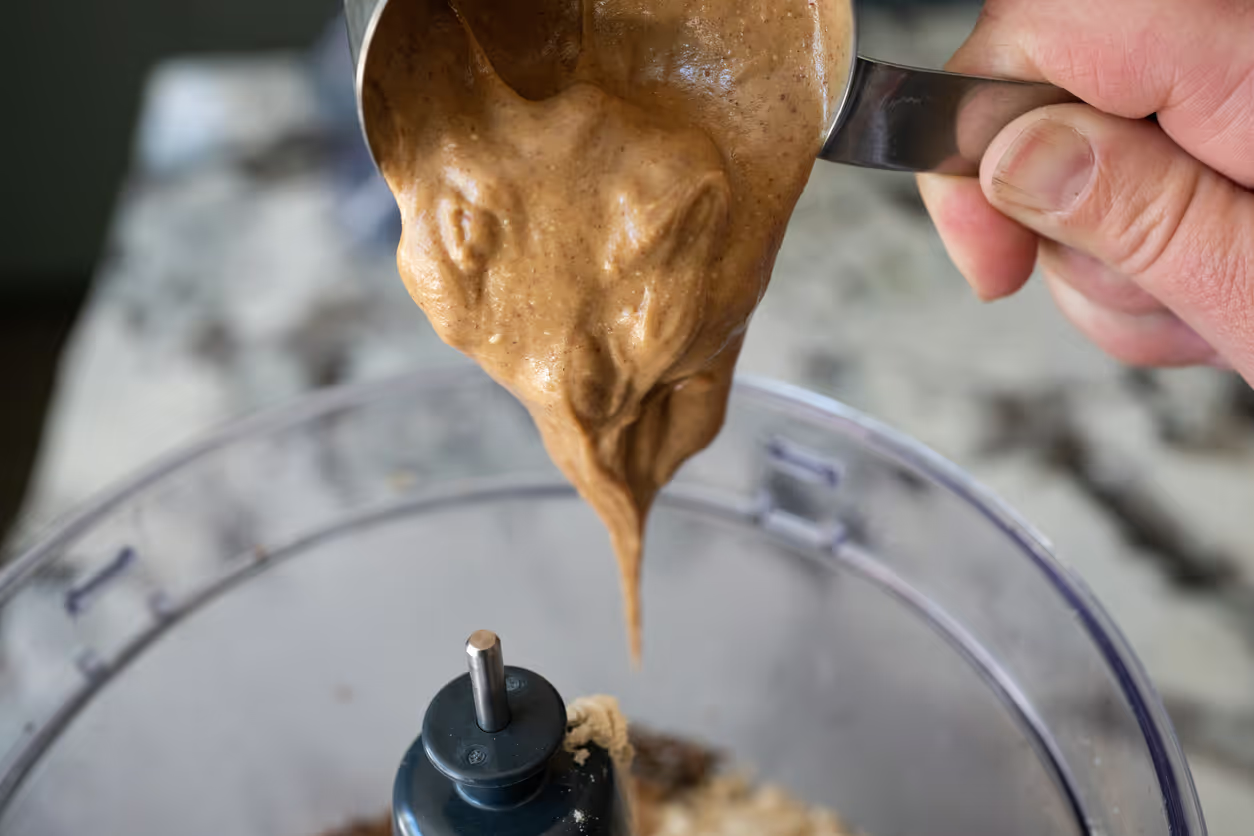
Examples might include adding nut butter to smoothies or oatmeal, using olive oil or butter to cook vegetables, and snacking on calorie-dense foods such as trail mix, cheese, and nuts.
Monitor your progress and adjust accordingly
Regular follow-ups will help you and your dietitian track your progress and make adjustments to your meal plan as needed.
Reasons You May Need to Gain Weight
If you’ve experienced unintentional weight loss or are underweight, your doctor may advise you to gain some weight to improve your health and nutritional status.
A body mass index (BMI) under 18.5 is considered underweight, with the normal range between 18.5 and 25.
However, your doctor will also consider your typical body weight and other health markers when assessing weight changes.
Unintentional weight loss is defined as losing at least 5-10% of your body weight over 3-12 months without trying.
Many factors can contribute to this, but it is often the result of an underlying medical condition, such as:
- Cancer.
- Eating disorders.
- Appetite loss.
- Digestive diseases.
- Psychiatric conditions.
- Medication side effects.
- Substance abuse.
- Hyperthyroidism.
- Undiagnosed diabetes.
Benefits of Working with a Nutritionist to Gain Weight
Muscle loss and weakness commonly occur alongside unintentional weight loss as the body burns fat and muscle stores.
In addition, low body weight increases the risk of health concerns like malnutrition.
Research shows that working with a registered dietitian for weight gain helps prevent and reduce malnutrition and related health effects.
It’s best to establish care early before you lose significant weight (more than 5% of your body weight without trying).
A dietitian can create a high-calorie, high-protein meal plan for weight gain or muscle gain based on your food preferences and lifestyle.
They will help you optimize your eating schedule to ensure adequate eating opportunities.
In addition, your dietitian will troubleshoot factors that may make it difficult for you to gain weight.
Tips for Finding the Right Nutritionist
You may be unsure where to start when it comes to finding a dietitian who can meet your needs.
As you begin your search, it can be helpful to understand the difference between a dietitian and a nutritionist.
Dietitian vs. Nutritionist
A registered dietitian (RD) or registered dietitian nutritionist must undergo extensive schooling, complete practice hours, and pass a national exam to earn their credential.
They also participate in continuing education activities to stay current on the latest research.
On the other hand, anyone can use the “nutritionist” title.
While many nutritionists have degrees or certifications in nutrition, no regulatory body monitors their qualifications.
Types of Nutritionists
Registered dietitian nutritionists (RDNs) work in many fields, from clinical nutrition to public health and food service.
Within clinical nutrition, dietitians may specialize in a specific area, such as:
- Oncology (cancer.)
- Renal (kidney.)
- Weight management.
- Diabetes.
- Sports.
- Cardiac.
- Bariatric (weight loss) surgery.
- Geriatric (older adults.)
- Pediatric (children.)
While all dietitians can help you safely gain weight, you may prefer to find a provider who specializes in the area related to your health condition.
A weight gain plan for a person who has lost weight due to undiagnosed type 1 diabetes will be very different from a plan for someone with anorexia nervosa.
Questions to Ask Your Nutritionist About Gaining Weight
Before your first appointment with a dietitian, start writing down your questions about getting to a healthy weight.
This may include things like:
- Is there a goal weight range I should aim for?
- What are the best foods for managing nausea?
- I have type 1 diabetes. How can I gain weight without spiking my blood sugar levels?
- What are strategies for eating when I don’t want to eat?
Think about your barriers to gaining weight, and be sure to explain these to your dietitian.
The goal of your appointment will be not only to create a realistic meal plan but to learn strategies to work around the things getting in your way of eating enough.
Common barriers to weight gain may include:
- Low appetite.
- Early satiety (fullness.)
- Digestive symptoms like nausea, diarrhea, and constipation.
- Food preferences or allergies.
- Busy schedule.
- Low mobility.
- Food insecurity.
- Depression.
- Changes in taste and smell.
Creating a Meal Plan for Weight Gain
Experts typically recommend a high-calorie, high-protein diet consisting of small, frequent meals for weight gain.
You may be given a specific calorie and protein goal in some cases.
Especially if you have a low appetite or get full quickly, you’ll likely need to eat more frequently throughout the day to get enough nutrition to gain weight.
Eating five to six times per day (or every two to four hours) is effective for most people.
Additionally, choosing liquid nutrition options, such as protein shakes and fruit smoothies, can be helpful in reaching your daily calorie goals.
Foods to Gain Weight
Focus on including high-calorie and high-protein foods every time you eat, and make swaps to boost the nutrition content of your meals and snacks.
Avoid low-fat, sugar-free, and low-calorie foods.
For example, choose full-fat Greek yogurt instead of nonfat yogurt and regular pudding over sugar-free.
Include high-calorie foods, such as:
- Avocado.
- Nuts, seeds, and nut butter.
- Olive oil.
- Full-fat dairy.
- Dips, like guacamole and hummus.
- Full-fat salad dressings.
- Mayonnaise.
- Butter.
- Ice cream.
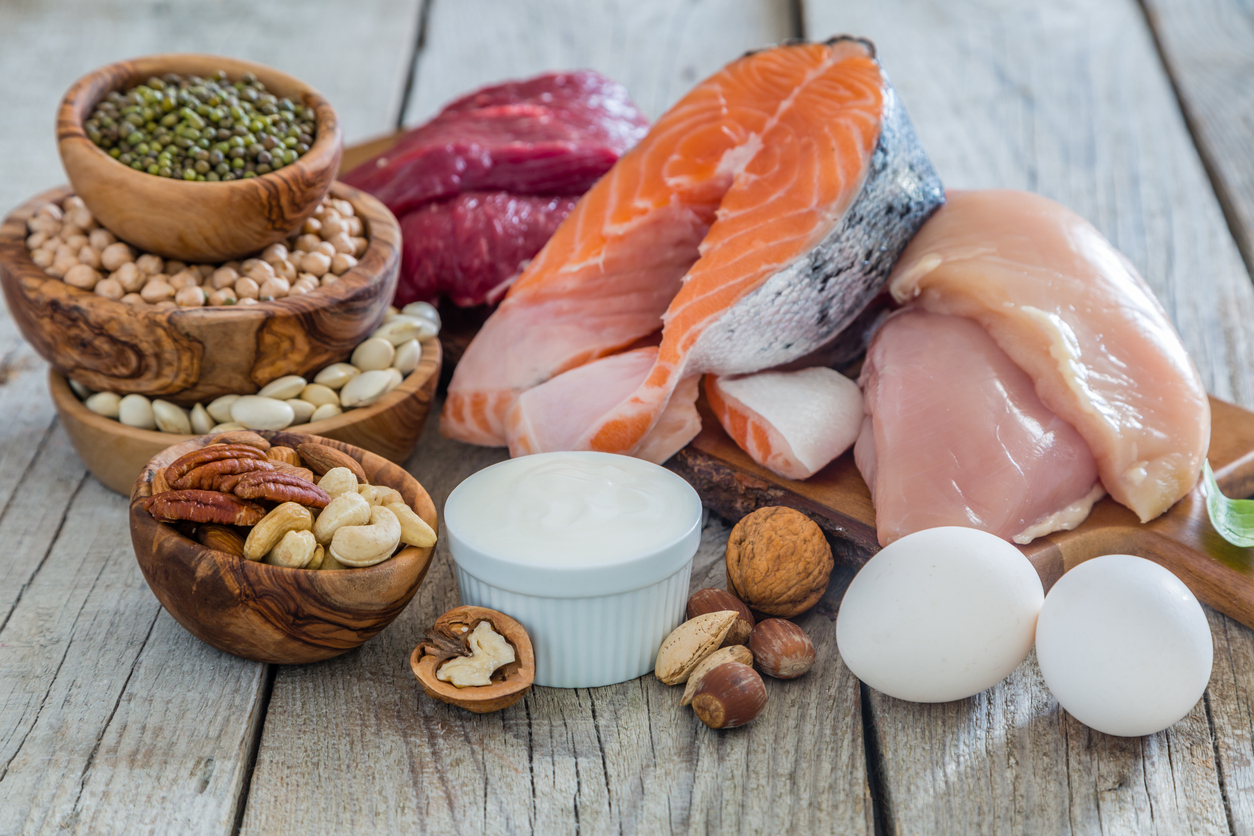
Focus on including a protein source with every meal, including:
- Eggs.
- Poultry.
- Beef.
- Pork.
- Fish and shellfish.
- Soy protein, like tofu or edamame.
- Beans, lentils, and peas.
You may notice some of the foods on this list are not considered “health foods.”
However, if you are at a low weight and struggle with appetite or nausea, sometimes highly palatable foods like ice cream can make it easier to get the calories you need.
You might need to be more mindful of your food choices if you have a condition like diabetes or high cholesterol.
Talk to your dietitian for guidance on the best options for you to gain weight.
{{splash}}
Other Strategies for Gaining Weight Healthily
In addition to meal planning, there are other strategies you can try to help you gain weight.
If you find it hard to remember to eat frequently, consider setting alarms or enlisting friends and family to remind you.
Consider batch cooking or preparing meals and snacks in advance, so you have quick options to grab and go.
Ready-to-eat meal delivery services can be a great way to reduce the amount of cooking you must do.
In many cases, liquid nutrition can be a helpful tool for weight gain.
You may feel overly full when you eat more than you’re used to, so sometimes, it can be easier to supplement your calories in a drink.
This can be a milkshake, a high-calorie smoothie, or a ready-to-drink oral nutrition supplement.
Takeaway
If you’ve lost more than 5% of your body weight over three or more months without trying, talk to your doctor to find the underlying cause and consider working with a registered dietitian who can help you safely gain weight.
While there are many benefits to working with a dietitian, the right provider will specialize in your primary health concern, such as oncology or digestive diseases.
Eating small, frequent meals and including high-calorie and high-protein foods with every meal can help you gain weight and improve your health status.
How a Dietitian Can Help
A registered dietitian can help you manage your weight by creating a healthy weight-gain eating plan focused on nutritionally dense, nourishing foods.
Talk to a registered dietitian through Nourish for evidence-based nutrition advice on gaining weight safely.
Find a dietitian near you that accepts insurance using Nourish.
Frequently Asked Questions
Can a nutritionist help you gain weight?
Yes, a registered dietitian nutritionist (RDN) can provide you with an individualized eating plan high in protein and calories to help you gain weight in a safe and healthy way.
Your dietitian can also explore the underlying cause of your weight loss and give you tips for moving any past barriers to weight gain, like nausea or low appetite.
What kind of doctor do I consult to help me gain weight?
Depending on the underlying cause of your unintentional weight loss, you may need to work with a specialist.
For example, if you are losing weight because of cancer treatment side effects, you should work with an oncologist.
If your weight loss results from an eating disorder, like anorexia nervosa, an eating disorder treatment center will be the best fit for you.
A registered dietitian can also be a valuable member of the healthcare team for helping you gain weight.
They can give you a realistic eating plan for achieving safe weight gain.
What can help you gain weight fast?
Many dietitians recommend small, frequent meals consisting of high-calorie and high-protein foods for effective weight gain.
Focus on including high-calorie condiments, like guacamole, mayonnaise, and nut butter, and avoiding low-calorie, fat-free, and sugar-free foods.
You may also consider liquid nutrition, like milkshakes or oral nutrition supplements, to add a dense source of calories to your day.
References
View all references
Nourish has strict sourcing policies and prioritizes primary sources, including medical organizations, governmental agencies, academic institutions, and peer-reviewed scientific journals. Learn more about our medical review process and editorial guidelines.
More articles
%201%20(1).jpg)


.avif)













.avif)

















.avif)















.avif)







.avif)
.avif)










.avif)
.avif)