Does Diarrhea Cause Weight Loss?

Medical Reviewer: Taylor Hawkins, RD, LD

Author: Julia Zakrzewski, RD

Summary
- Diarrhea refers to loose or watery stools that are urgent and unpleasant.
- Diarrhea causes you to lose large amounts of fluid, and this may temporarily change the number on the weighing scale, but it does not mean your body is truly losing mass.
- Working with a registered dietitian can help you build a safe and effective weight management plan.
Diarrhea is a sign that something is aggravating your digestive system. A bacterial or viral infection can cause it, or sometimes it is a secondary symptom of living with a digestive disorder.
In this article, you’ll learn if there is any link between diarrhea and weight loss, how to manage diarrhea, and why working with a registered dietitian can bring you closer to your health goals.
{{splash}}
Does Diarrhea Cause Weight Loss?
Diarrhea may cause a temporary, superficial weight loss, but this often doesn’t indicate a true weight loss.
On average, the human body can fluctuate approximately 1.0-1.5kg per day (or 2.2 - 3.2 lbs.) Several lifestyle factors can influence this weight change, including recently eating any ultra-processed foods. These types of foods are typically high in fat and salt, which can cause your body to hold onto more water, resulting in a small increase in weight. This weight change is considered normal and temporary.
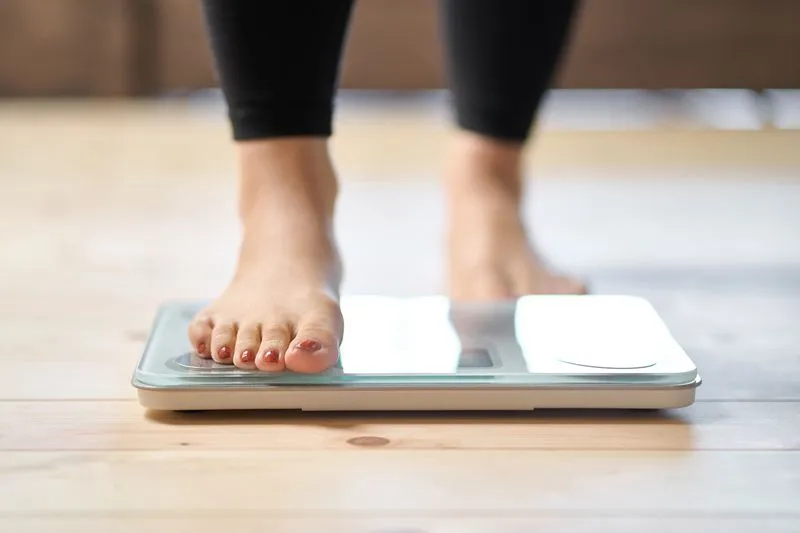
Going to the bathroom to pass a bowel movement or having an episode of diarrhea can also lead to minor changes in your weight. This is because loose stools, which are typical for diarrhea, result in a significant loss of fluids.
Chronic or ongoing diarrhea can increase your risk of dehydration and might lead to a superficial weight loss called water weight. Although the number on the scale might be lower after a day of loose bowel movements, it’s unlikely to present an accurate measurement of your weight and body composition.
If you want weight management support from a reliable and knowledgeable source, consider booking a virtual appointment with a registered dietitian today. They can teach you sustainable approaches to weight management and help you stay accountable to your health goals.
Digestive disorders
Some people who have received a diagnosis of a digestive disorder can be more susceptible to diarrhea. Not everyone with these conditions will have diarrhea, but it is wise to be informed of the possibility so you can take preventative measures. Examples of digestive conditions at high risk for diarrhea are listed below:
- Microscopic Colitis.
- Ulcerative Colitis.
- Irritable Bowel Syndrome
- Chron’s Disease
- Small Intestinal Bacterial Overgrowth (SIBO)
- Celiac Disease
- Malabsorption secondary to Pancreatitis or Bile Acid Diarrhea
Related Symptoms
An upset digestive system can result in diarrhea, but it can also lead to other symptoms:
- Nausea.
- Vomiting.
- Decreased appetite.
- Lethargy.
Living with chronic gastrointestinal disorders and managing symptoms such as diarrhea can leave you feeling mentally and physically drained. Fortunately, you have many options to improve your health, including working with a registered dietitian. They can assess your food intake and make unique suggestions to help you feel your best. Research has shown that making dietary changes can significantly improve digestive health. This includes gradually introducing more fiber-rich foods and moving away from processed and ultra-processed foods.
What Causes Diarrhea?
There are a few reasons why you might experience diarrhea. Mental stress can trigger diarrhea, especially in people with a digestive disorder because they are already at high risk.
The other two common culprits of diarrhea are known as infectious or noninfectious diarrhea. Common symptoms of diarrhea include bathroom urgency (either immediately after a meal or a few hours later), pain in the abdomen, and sometimes fever.
Infectious Diarrhea
Infectious diarrhea refers to loose bowel movements caused by a bacterial or viral infection.
Examples of this include unknowingly eating food that carries harmful bacteria (typically referred to as food poisoning), or you catch the “stomach flu” from a child who attends daycare or a co-worker.
These acute bouts of diarrhea should resolve within two weeks when properly treated with antibiotics and a mild diet to allow the gut to heal. You may also want to take a probiotic supplement that is proven to help improve infectious diarrhea, such as Biogaia ProtectisⓇ.
Non-infectious Diarrhea
Non-infectious diarrhea refers to chronic or long-lasting bouts of diarrhea, usually caused by inflammatory bowel disease, a side effect from an essential medication, or malabsorption after eating.
A dietitian can help you identify any foods that may be triggering the onset of diarrhea, so you can avoid them in the future and decrease diarrhea frequency.
Is Pooping an Effective Weight Loss Strategy?
No, passing a bowel movement or having frequent loose, watery stools is not an effective weight-loss strategy. Any noticeable changes in body weight are most likely caused by losing fluids or water weight, which isn’t an accurate picture of how much you weigh or your body composition.
If you are interested in weight management, you may benefit from improving your eating and physical activity behaviors. You don’t need to track every calorie, but you should try to eat balanced meals that are made with whole ingredients as often as possible.
The USDA MyPlate tool can help you build nutritious meals that are rich in vitamins, minerals, and energy. Fill half your plate with vegetables, a quarter of your plate with lean protein (animal or plant-based), and the final quarter with carbohydrates.
Having trouble losing weight? Take the weight loss quiz to understand your next steps and reach your goals.
Laxative Abuse
Different products on the market are sometimes abused for weight loss purposes, such as laxatives used for weight loss. These practices should be avoided because they do not lead to long-term results.
Instead of trying to lose weight through pooping or having diarrhea, focus on daily activities that help your metabolism function at its best. These activities include regular physical activity, staying hydrated, and regularly eating throughout the day.
Dealing with Diarrhea
Identifying the root cause of diarrhea should be the number one priority. After you identify the cause, you and your healthcare team can make modifications to help ease diarrhea and bring it to a stop.
Losing a significant amount of weight loss, which is classified as more than 5% of your body weight in the last 6-12 months, due to diarrhea, is a reason to be assessed. There could be unknown medical reasons that are causing the weight loss, and it’s important to be aware of the full picture of your health.
While managing diarrhea, you should focus on hydrating regularly with water, or your physician may recommend an electrolyte solution such as PedialyteⓇ. Try to avoid foods that exacerbate diarrhea and follow the bland BRAT diet, which stands for bananas, rice, applesauce, and toast, until your symptoms improve. Other appropriate foods include oatmeal and soups or broth.
One-on-one nutrition support can give you a better idea of the types of foods that you should eat while having diarrhea and experiencing weight loss. Consider booking a virtual appointment today!
Takeaway
Diarrhea is unpleasant and a sign that your digestive system is unhappy. You should try to identify the cause of your diarrhea and manage your symptoms by increasing fluids and making diet changes.
You are at an elevated risk of diarrhea if you have been diagnosed with a digestive disorder, such as irritable bowel disease or celiac disease. If you know you have a condition, you can learn strategies to help decrease the severity and frequency of diarrhea.
Pooping more often and having diarrhea are not effective strategies for weight management. You should never take laxatives or similar substances to induce diarrhea for weight loss purposes; they do not work and can be dangerous.
Maintaining a healthy and happy gut is important for your overall health. When your gut feels well, you can focus on improving other areas of your health.
Weight Management with a Dietitian
You can learn how to lose weight safely with a registered dietitian's help. They are expertly trained in nutrition and digestive health and can answer all your questions to help you achieve your weight loss goals.
Find a dietitian near you that accepts insurance using Nourish.
{{splash}}
Frequently Asked Questions
References
Nourish has strict sourcing policies and prioritizes primary sources, including medical organizations, governmental agencies, academic institutions, and peer-reviewed scientific journals. Learn more about our medical review process and editorial guidelines.
More articles
%201%20(1).jpg)


.avif)














.avif)
















.avif)















.avif)







.avif)
.avif)










.avif)
.avif)