How To Test Diabetes At Home Naturally Without a Machine

Medical Reviewer: Christina Harris, RDN

Author: Jennifer Huddy, MS, RD, LD

Summary
- There are currently no accurate options to test for diabetes at home naturally without a machine.
- The best practice is to get a blood test screening for diabetes with your healthcare provider, which will likely include an A1c test and a fasting plasma glucose test.
- If you have diabetes, the most common tools for monitoring your blood sugar levels at home are glucometers and continuous glucose monitors.
Whether you’ve been diagnosed with diabetes or are concerned you might have it, pricking your finger or going to the doctor for a blood test can feel daunting.
However, it’s important to monitor your blood sugar levels to reduce the risk of complications of diabetes, such as kidney disease, heart disease, and neuropathy.
Continue reading to learn about how to test diabetes at home and when you should see a doctor.
{{splash}}
Can I Test for Diabetes At Home?
Diabetes is a condition characterized by elevated blood glucose (sugar) levels.
You can monitor your blood sugar levels at home with tools such as a glucose meter or continuous glucose monitor (CGM).
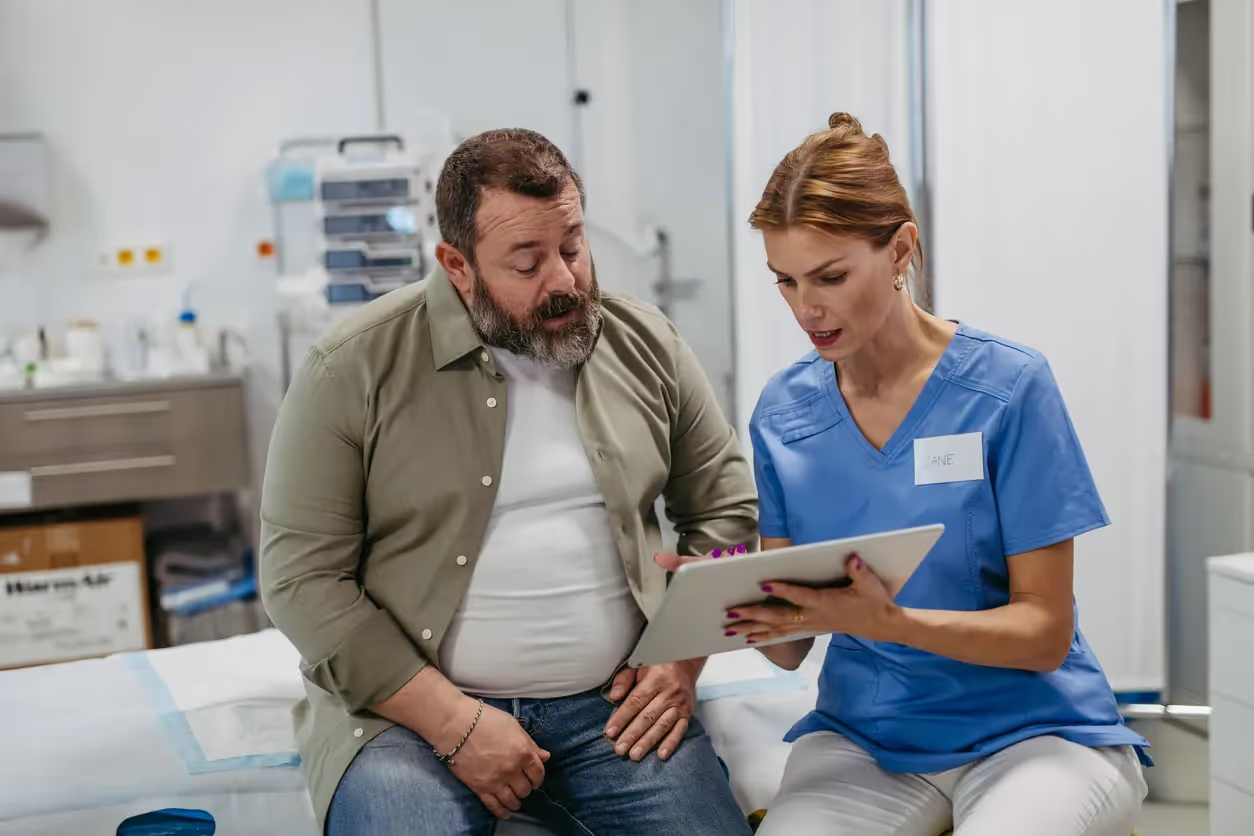
If you haven’t been diagnosed with diabetes but suspect you may have it, the best practice is to see your doctor for a blood test to screen for the condition.
Though you can purchase a glucose meter over the counter and check your blood sugar at home with a finger prick, you will still need to see a doctor for blood work to confirm the diabetes diagnosis and receive treatment.
How to Test Diabetes at Home Naturally Without a Machine
If you feel wary of pricking your finger or going to the doctor for a blood test, you may wonder if there are ways to test for diabetes naturally at home without using machines like a glucose monitor.
Currently, the most accurate way to test for diabetes is to see your doctor for a blood test.
In the event you are found to have a diagnosis of diabetes, you will receive the proper treatment to prevent diabetes-related health complications.
At-home diabetes test kits are available, but the accuracy of these is highly variable, and user error is common.
The following symptoms are common in people who have diabetes but haven’t been diagnosed or treated yet.
If you identify these symptoms, contact your doctor for a diabetes screening.
- Excessive thirst.
- Frequent urination.
- Unintentional weight loss.
- Fatigue.
- Increased appetite.
- Blurry vision.
The Most Accurate Ways to Get Tested for Diabetes
There are several tests that doctors use to diagnose diabetes.
A standard diabetes screening will likely include a blood test that checks hemoglobin A1c and fasting plasma glucose levels.
Most doctors confirm a diabetes diagnosis using two abnormal test results.
A1C Test
The hemoglobin A1c test is run as part of your blood draw.
It’s reported as a percentage that reflects a three-month average of your blood sugar levels.
It can help doctors understand the long-term trend of your blood glucose levels.
Plasma Glucose Test
Your doctor will test for fasting or random plasma glucose as part of the same blood draw.
Fasting plasma glucose (FPG) is done first thing in the morning after fasting overnight.
It reflects your current blood sugar level at the time of the blood draw.
A random glucose test is not fasting and also identifies your blood sugar level at a single point in time.
Oral Glucose Tolerance Test
An oral glucose tolerance test (OGTT) is common when testing pregnant individuals for gestational diabetes.
It involves getting your fasting blood sugar tested, then drinking a sugary liquid and having more blood draws to check your blood sugar at different points in time.
How to Monitor Blood Sugar Levels at Home
If you’ve been diagnosed with diabetes, your doctor will most likely recommend monitoring your blood sugar levels at home to help you manage the condition.
Glucose Meter
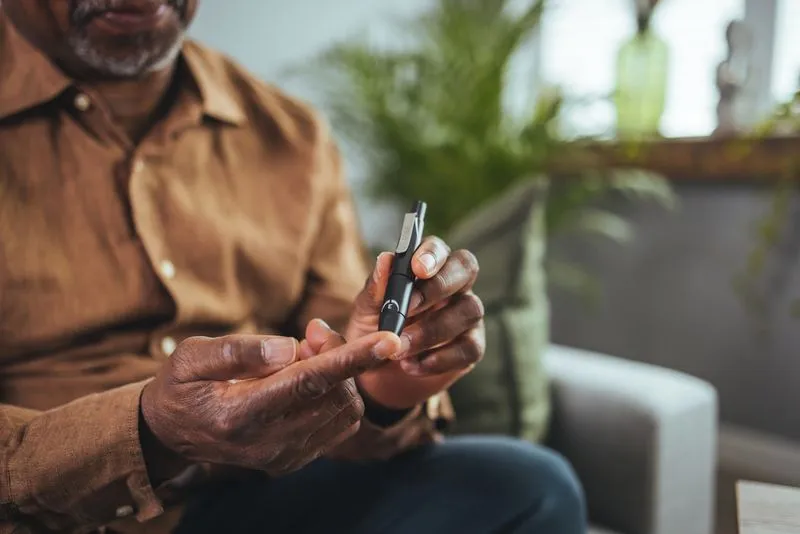
A glucose meter, also known as a glucometer, is the most common tool for monitoring blood sugar levels outside of the doctor’s office.
It involves a finger prick to produce a small amount of blood for a test strip.
The handheld glucometer machine then analyzes the test strip to determine your current blood sugar levels.
Many glucometers are connected with smartphone apps to help you monitor blood sugar trends and track other data, such as medications and diet.
Continuous Glucose Monitors (CGM)
A continuous glucose monitor (CGM) involves a small disposable sensor you insert under your skin, on your upper arm or abdomen.
A waterproof patch that sticks to the skin holds the sensor in place.
Then, a small wireless machine reads the information from the sensor about your blood sugar level throughout the day and night.
It’s usually connected to a smartphone app to make monitoring your results easy.
If you are on insulin therapy, some CGM devices can link with an insulin pump to automatically adjust dosing based on blood sugar readings.
Future Technologies
Because many people dislike finger pricks and inserting CGM sensors under the skin, researchers are working to develop less invasive glucose monitors.
These devices utilize technologies such as electromagnetic radiation or ultrasound.
However, many of these are still in development or are yet to be approved by the FDA for widespread use in the US.
Interpreting Your Test Results
When you get a blood test done with your doctor to screen for diabetes, the following results indicate a diabetes diagnosis:
- A1c: 6.5% or higher.
- Fasting plasma glucose: 126 mg/dL or higher.
- Random plasma glucose test: 200 mg/dL or higher.
- Oral glucose tolerance test: 200 mg/dL or higher.
An A1c under 7% is the goal of treatment for most people with diabetes.
When monitoring your blood sugar levels at home, your doctor will give you target ranges for your fasting and post-meal blood sugar readings.
You will also be told how many times per day to take a reading.
These goals can vary from person to person, but standard target blood sugar ranges are:
- Fasting: 80-130 mg/dL
- Two hours post-meal: <180 mg/dL
Overcoming a Fear of Needles
Many people with diabetes have anxiety about finger pricks and insulin shots.
For some people, a fear of needles can be a barrier to seeking proper diagnosis and management of their diabetes.
It can be intimidating to prick your finger or give yourself an injection if you’ve never done it before.
When you’re getting started, make sure you get detailed instructions from your doctor’s office about how to do it safely and minimize pain.
Common strategies for overcoming a fear of needles include:
- Distraction.
- Calming environment.
- Deep breathing.
- Presence of a loved one.
Ways to Get Affordable or Free Diabetes Testing Supplies
Between the cost of a glucometer, test strips, medications, and doctor’s visits, managing your diabetes can be expensive, depending on your health insurance.
Luckily, there are ways to access discounted or free supplies for diabetes monitoring.
Through Insurance
Many private health insurance plans cover some or most of the costs of diabetes care, but they are not required to cover blood sugar testing supplies.
Out-of-pocket costs vary greatly between plans.
When choosing your plan, check the coverage for things like:
- Medications.
- Testing supplies.
- Lab tests.
- Healthcare appointments.
Medicare covers diabetes screening tests and supplies like glucose monitors and test strips.
It also covers continuous glucose monitors when deemed necessary by a healthcare provider.
However, Medicare only covers certain brands of devices, and the number of glucose test strips you’ll receive is limited.
Community Health Clinics
Government-funded community health centers in your area may offer discounted diabetes supplies and healthcare services.
You can search the database to find a center near you and find more information.
Non-Profit Organizations
If you don’t have insurance or your benefits are limited, there are non-profit organizations dedicated to helping people pay for their diabetes care.
For example, the American Diabetes Association and the Patient Advocate Foundation partnered to fund the Co-Pay Relief program to help cover medical costs for low-income individuals with diabetes.
Supply Manufacturers
Many diabetes supply manufacturers offer programs where you can get a free glucometer and discounted blood glucose test strips.
Some manufacturers offer discounts when you have a prescription from your doctor for their products.
{{splash}}
Takeaway
It can be intimidating to go to your doctor for a blood test to screen for diabetes.
However, this is the most accurate way to diagnose the condition.
If you have diabetes, your doctor will likely instruct you to monitor your blood sugar levels at home, using a glucometer or a continuous glucose monitor.
If cost is a barrier, resources are available to help you obtain the necessary testing supplies to monitor your diabetes.
How a Dietitian Can Help
Once you start monitoring your blood sugar levels at home, learning how different food choices impact your readings can feel overwhelming.
A registered dietitian can identify trends between your food log and blood glucose results to help you optimize your diet for diabetes management.
Find a registered dietitian specializing in diabetes to learn how self-glucose monitoring can help guide your eating habits.
Frequently Asked Questions
Can I get a blood sugar monitor for free?
Many manufacturers of diabetes supplies offer a one-time free blood sugar monitor (glucometer).
Keep in mind that the recurrent cost of blood glucose test strips can be high and are not always included in these discount programs.
Can I get a continuous glucose monitor for free?
Many diabetes supply manufacturers offer limited free trials for continuous glucose monitors (CGM), but there will likely be associated costs depending on your insurance coverage.
Is there a way to get free diabetic supplies?
Some manufacturers offer discounted or free supplies for monitoring blood sugar levels.
Depending on your income, you can also get free services and supplies from community health centers and non-profit organizations.
References
View all references
Nourish has strict sourcing policies and prioritizes primary sources, including medical organizations, governmental agencies, academic institutions, and peer-reviewed scientific journals. Learn more about our medical review process and editorial guidelines.










.avif)


%20(1).webp)

.avif)


.avif)









.avif)










































.avif)

.avif)