Does Drinking Water Lower Blood Sugar?

Medical Reviewer: Christine Russell, MS, RD, LD, CDCES

Author: Maya De La Rosa-Cohen
Summary
- Water is an essential component of everyone’s daily diet.
- People with diabetes are at higher risk of dehydration, and drinking water can help to treat and prevent dehydration.
- Though research is inconclusive as to whether drinking water will lower blood sugar, it will help to keep you hydrated and keep blood sugar levels stable.
Drinking enough water every day is important for everyone’s health. Getting plenty of water can help regulate body temperature, lubricate joints, and get rid of waste in the body.
If you have diabetes, drinking plenty of water can help to keep blood sugar levels stable and prevent dehydration. In this article, you’ll learn about how drinking water can support your health if you have diabetes and which alternative beverages you may want to limit or avoid.
{{splash}}
The Role of Water in the Body
Water is essential for life. In infants, water makes up roughly 75% of their body weight. For older adults, the number is closer to 55%. Regardless of age, water is crucial to our nutritional well-being and overall health.
The body uses water for many of its essential functions, including filtering waste from the blood and excreting it through urine, reducing heart rate, increasing blood pressure, and preventing dehydration.
Not drinking enough water can lead to an increase in blood sugar levels, especially in higher temperatures. When blood sugar levels get too high in people with diabetes, excess blood sugar is excreted through the urine, which can lead to dehydration and an increased feeling of thirst.
Does Drinking Water Lower Blood Sugar?
There is insufficient evidence to support that drinking water can lower blood sugar in people with diabetes. One study of 40 patients with type 2 diabetes from 2021 found that people who drank one liter of water every day before main meals had lower fasting blood sugar rates than people who didn't drink any water before mealtimes.
Another study of 1,035 participants found that an increase in daily water intake by 240mL reduced the risk of elevated blood sugar levels in non-diabetic men, but not women.
However, more research is needed to support these claims.
How Much Water Should I Drink With Diabetes?
Though drinking water may not lower your blood sugar levels, it can help to keep them stable and stave off dehydration. According to the Centers for Disease Control and Prevention (CDC), most adults should drink between six and ten cups of water per day.
Tips for Increasing Water Intake
Most people are able to meet their daily fluid needs through water and beverage intake as well as through the foods that they eat. Foods with high water content, including many fruits and vegetables, can help you to meet your daily water requirements.
However, if a healthcare professional recommends that you increase your water intake, there are some strategies you can implement, including:
- Start your day with a glass of water. Drink one 8oz glass of water before you make your tea, coffee, or breakfast.
- Drink at least one 8oz glass of water with every meal.
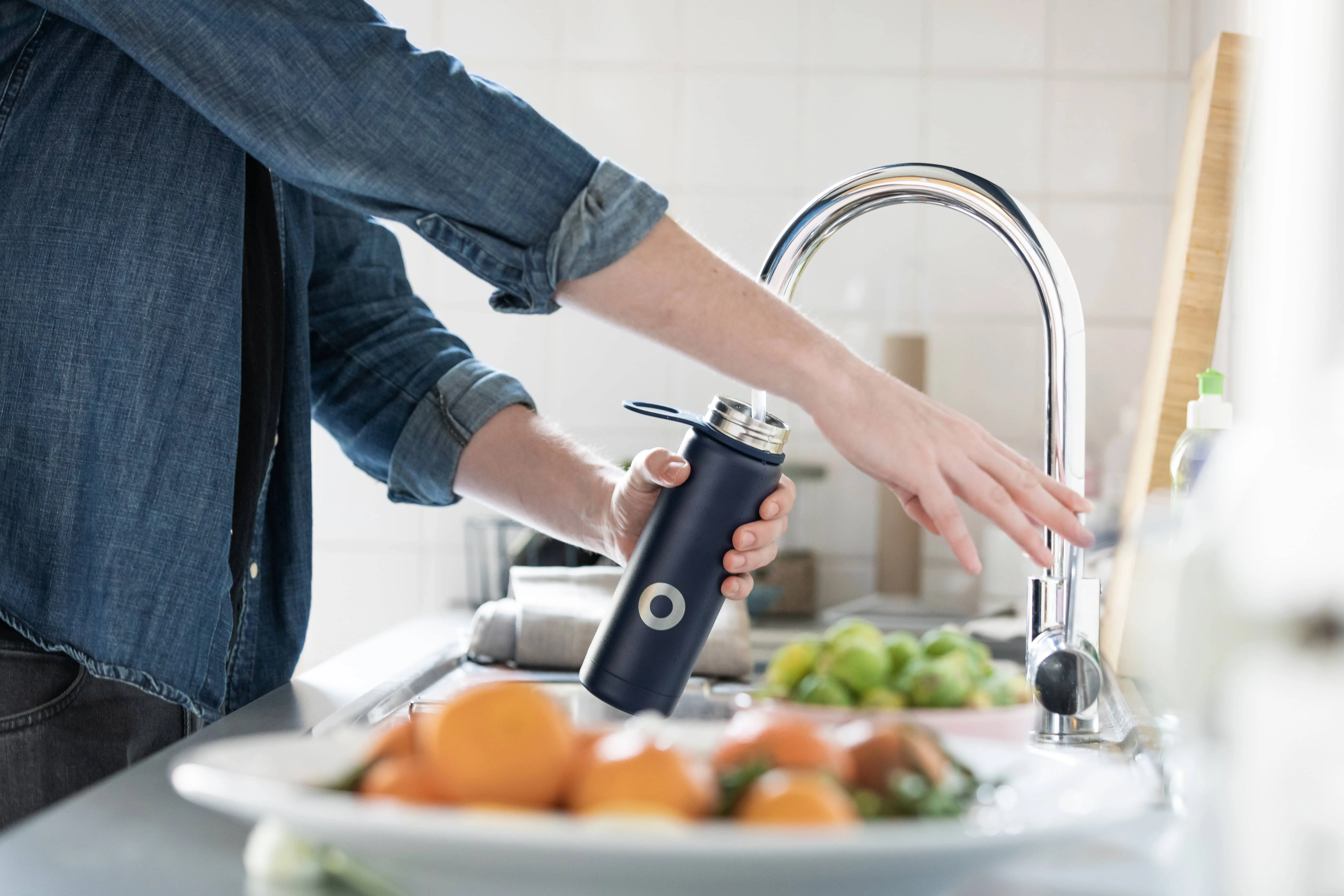
- Carry a reusable water bottle with you throughout the day.
- If you don’t like the taste of plain water, consider adding a wedge of lime or lemon to your water or choosing a non-sweetened flavored water instead.
- If it’s a particularly hot day or if you’re engaging in moderate-to-intense exercise, increase your regular water intake to make up for the extra loss of fluids.
Water Alternatives for Diabetes
Drinking water is the best way to keep your body hydrated and maintain stable blood sugar levels. But if you’re interested in incorporating additional beverages into your diet that can help to keep you hydrated, consider these alternatives:
- Flavored waters, including flavored seltzers or sparkling waters.
- Non-caffeinated, unsweetened teas.
- Prebiotic sodas.
- Milk, including non-dairy alternatives.
- Diet sodas.
Beverages to limit
Monitoring carbohydrate and sugar intake is important when it comes to blood sugar management. For that reason, limiting beverages that are higher in sugars can be a beneficial strategy when you have diabetes. These include:
- Juice: Most types of juice contain very little to no fiber, protein, or fat and high amounts of sugars and carbohydrates. When consumed on its own or in large quantities, juice can spike blood sugar levels, which is why people with diabetes should monitor their consumption of the drink.
- Soda and other sweetened drinks: Avoiding sodas and other sweet drinks can help to keep your blood sugar levels stable.
In addition to limiting sweetened beverages, you may want to consider limiting your intake of coffee and other caffeinated beverages too. Drinking too much caffeine on a regular basis can increase your risk of dehydration, especially on warmer days. In people who are extra-sensitive to caffeine, coffee may also trigger a spike in blood sugar levels. The CDC recommends limiting your intake of caffeine to 3-5 cups per day.
Other Ways to Manage Blood Sugar
There are several strategies you can try to keep your blood sugar levels stable when you have diabetes. These include:
- Getting regular exercise (be sure to check with your healthcare provider beforehand to make sure ketones are not present in your urine).
- Use medication as directed by your healthcare provider and/or pharmacist.
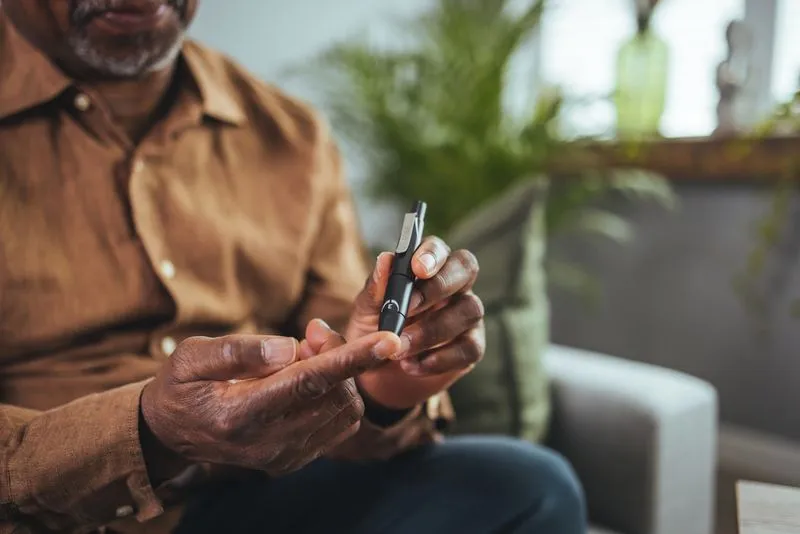
- Regularly check your blood sugar levels.
- Don’t drink alcohol on an empty stomach.
- Get regular, adequate sleep.
- Eat regular, balanced meals.
- Work with a registered dietitian to come up with a satisfying and health-supporting diabetes meal plan.
Takeaway
Water is important for your health, regardless of whether or not you have diabetes. Though research is inconclusive as to whether or not it will help lower your blood sugar levels, it can help to keep your blood sugar levels stable.
Managing Diabetes with an RD
Optimizing your diet when you have diabetes is a helpful way to manage your blood sugar levels. If you’re not sure if you’re getting enough water on a daily basis, working with a registered diabetes dietitian can help you to incorporate the right amount of fluids and other foods that can support your health and diabetes management.
{{splash}}
Frequently Asked Questions
References
View all references
Water and Healthier Drinks. (2022, June 6). Centers for Disease Control and Prevention.
Manage Blood Sugar. (2021, April 28). Centers for Disease Control and Prevention.
Managing Diabetes in the Heat. (2022, July 27). Centers for Disease Control and Prevention.
Diabetes symptoms: When diabetes symptoms are a concern. (2021, June 3). Mayo Clinic.
Diabetes and Digestion. (2022, July 28). Centers for Disease Control and Prevention.
Get Smart On Carbs | ADA. (n.d.-e).
National Library of Medicine. (n.d.). Caffeine.
Nourish has strict sourcing policies and prioritizes primary sources, including medical organizations, governmental agencies, academic institutions, and peer-reviewed scientific journals. Learn more about our medical review process and editorial guidelines.










.avif)




%20(1).webp)

.avif)



.avif)










.avif)











































.avif)

.avif)