Insulin Resistance Mediterranean Diet: Facts, Meal Plan, And More

Medical Reviewer: Christina Harris, RDN

Author: Sarah Glinski, RD

Summary
- Insulin resistance occurs when the body becomes less sensitive to insulin. This can cause high blood glucose levels, and left untreated, insulin resistance can progress to type 2 diabetes.
- Research shows that following the Mediterranean diet reduces the risk of several diseases, including type 2 diabetes. This is because it improves insulin resistance.
- The Mediterranean diet is primarily a whole-food, plant-based diet that focuses on a high intake of fruits, vegetables, whole grains, legumes, nuts, seeds, and olive oil, with a low to moderate intake of poultry, dairy products, eggs, and fish.
Insulin is a hormone released after eating that signals cells to take up glucose from the blood for energy.
Insulin resistance is a health condition that occurs when cells become less sensitive to insulin and blood sugar levels can start to rise.
If left untreated, insulin resistance can progress to type 2 diabetes.
Fortunately, there are evidence-based lifestyle modifications you can make to treat insulin resistance.
A cornerstone is dietary changes to reduce insulin demand.
Decades of research suggest that following the Mediterranean diet reduces the risk of several diseases, such as heart disease, cancer, brain disorders, and type 2 diabetes.
Recent research also shows that the Mediterranean diet improves insulin resistance.
Read on to learn how to implement an insulin resistance Mediterranean diet, a five-day meal plan, and other nutritional strategies for managing insulin resistance.
{{splash}}
Is the Mediterranean Diet Good for Insulin Resistance?
Following the Mediterranean diet is associated with a lower risk of developing type 2 diabetes.
However, less is known about the Mediterranean diet’s impact on insulin function.
A recent study examined the Mediterranean diet's effect on insulin resistance in individuals taking an oral glucose tolerance test.
This test involves drinking a small cup of sweet liquid containing 75 grams of glucose.
The study found that individuals who were following a Mediterranean diet had decreased HOMA-IR, an indicator of insulin resistance.
In particular, fish consumption was associated with reduced insulin resistance in study participants.
This study suggests that following the Mediterranean diet benefits people with insulin resistance.
Key Components of the Mediterranean Diet
While it contains some animal products, such as fish, poultry, eggs, and dairy, the Mediterranean diet is primarily a whole, plant-based diet incorporating healthy fats like olive oil.
Whole Foods
A pillar of the Mediterranean diet is choosing whole, minimally processed foods as often as possible.
However, this shouldn’t deter you from eating processed foods like canned vegetables and legumes or frozen fruits and vegetables.
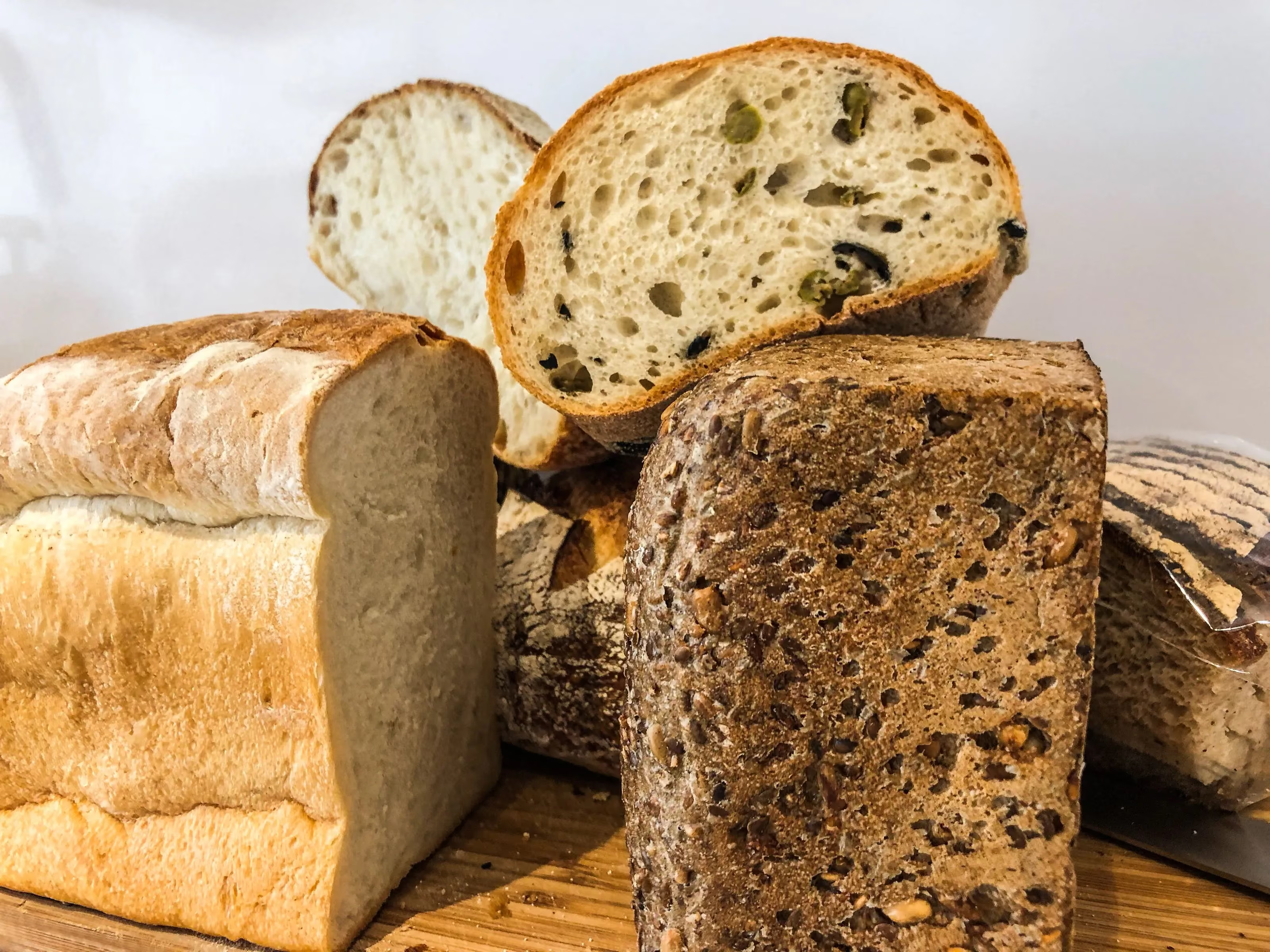
While processed, these foods are still encouraged on the Mediterranean diet, while other highly processed foods, like bread and pasta made from refined white flour may have lower levels of fiber compared to whole grain options, and should be consumed less frequently.
Plant-Based Focus
The Mediterranean diet is characterized by a high intake of plant-based foods, such as fruits, vegetables, cereals and breads (typically minimally refined), potatoes, pulses, nuts, and seeds.
Healthy Fats
Cold-pressed, extra-virgin olive oil is the fat of choice on the Mediterranean diet.
The Mediterranean diet isn’t a low-fat diet; instead, liberal use of olive oil is encouraged.
Lean Proteins
The Mediterranean diet also encourages the consumption of lean proteins.
Fish and poultry are consumed in low to moderate amounts.
Eggs and dairy products (mostly cheese and yogurt) are also consumed in moderation.
Red meat is rarely eaten on the Mediterranean diet.
Legumes, such as chickpeas, lentils, and beans, are highly encouraged in the Mediterranean diet.
Moderate Alcohol Intake
It may surprise you to hear that moderate alcohol intake is also part of the Mediterranean diet.
This is typically red wine consumed with meals.
However, if you don’t currently drink alcohol, you don’t need to start to correctly follow the Mediterranean diet.
While moderate alcohol consumption can be consistent with a healthy lifestyle, the Centers for Disease Control and Prevention (CDC) recommends that a person should not start drinking alcohol for its supposed health benefits.
Benefits for Prediabetes and Insulin Resistance
The Mediterranean diet has many potential benefits for prediabetes and insulin resistance. They include:
- Improved fasting glucose.
- Improved HbA1C (a measurement of your blood glucose levels over a three-month period).
- Reduced risk of developing type 2 diabetes.
- Improved satiety (feeling full after meals).
The Mediterranean diet also has many other benefits, such as a reduced incidence of non-alcoholic fatty liver disease, reduced heart disease risk factors, and a protective effect on the brain.
Sample Meal Plan for an Insulin Resistance Mediterranean Diet
Not sure where to start with your insulin resistance Mediterranean diet? Try this five-day meal plan!
Day 1
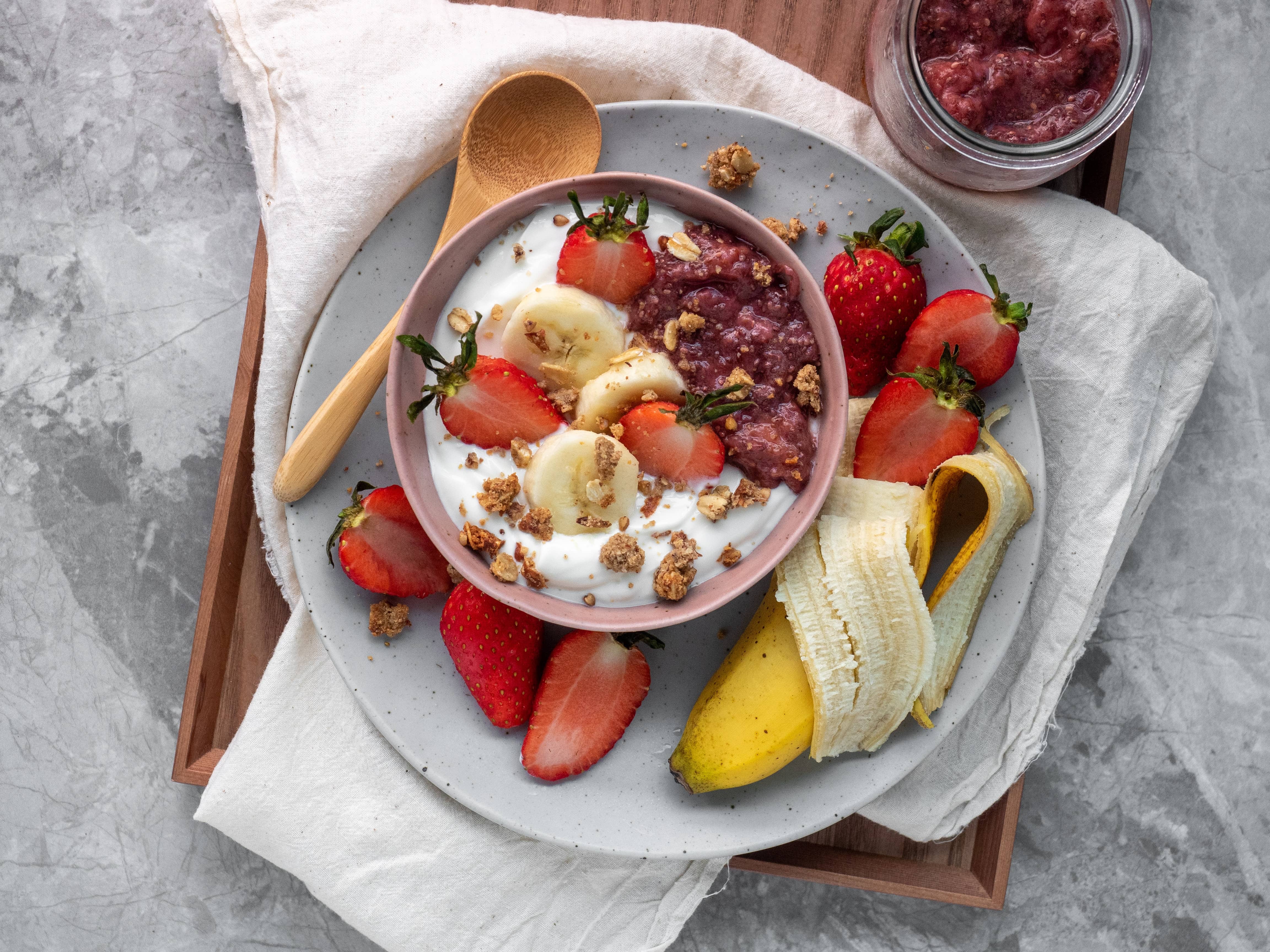
Breakfast: Plain Greek yogurt with mixed berries topped with a sprinkle of chia seeds and rolled oats.
Snack: Handful of mixed unsalted almonds and walnuts.
Lunch: Grilled chicken salad with mixed greens, cherry tomatoes, cucumber, olives, and feta cheese, drizzled with olive oil and lemon vinaigrette dressing and topped with whole wheat croutons.
Snack: Sliced apple with a tablespoon of almond butter.
Dinner: Baked salmon with lemon and herbs, served with quinoa and a side of roasted vegetables (zucchini, bell peppers, and cherry tomatoes).
Day 2
Breakfast: Whole-grain toast with sliced avocado and sliced boiled eggs.
Snack: Hummus with carrot and cucumber sticks.
Lunch: Whole grain wrap with turkey, hummus, spinach, and red peppers.
Snack: Greek yogurt with a handful of grapes.
Dinner: Vegetable and lentil soup served with whole-grain toast.
Day 3
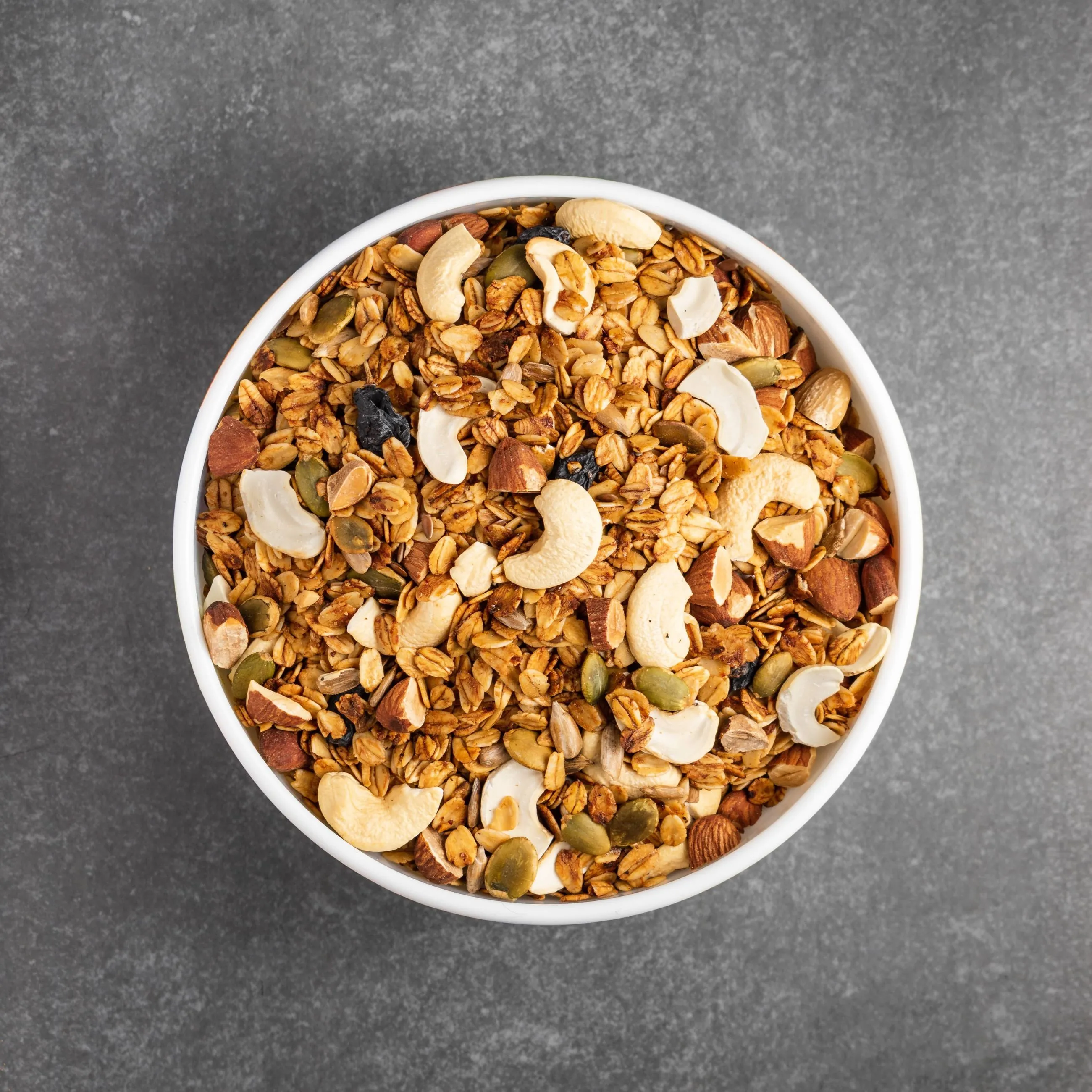
Breakfast: Oatmeal topped with sliced banana, cinnamon, a dollop of plain Greek yogurt and topped with crushed walnuts.
Snack: Mixed berries and a small handful of almonds.
Lunch: Quinoa salad with chickpeas, cherry tomatoes, olives, feta cheese, and a drizzle of olive oil.
Snack: Celery sticks with hummus.
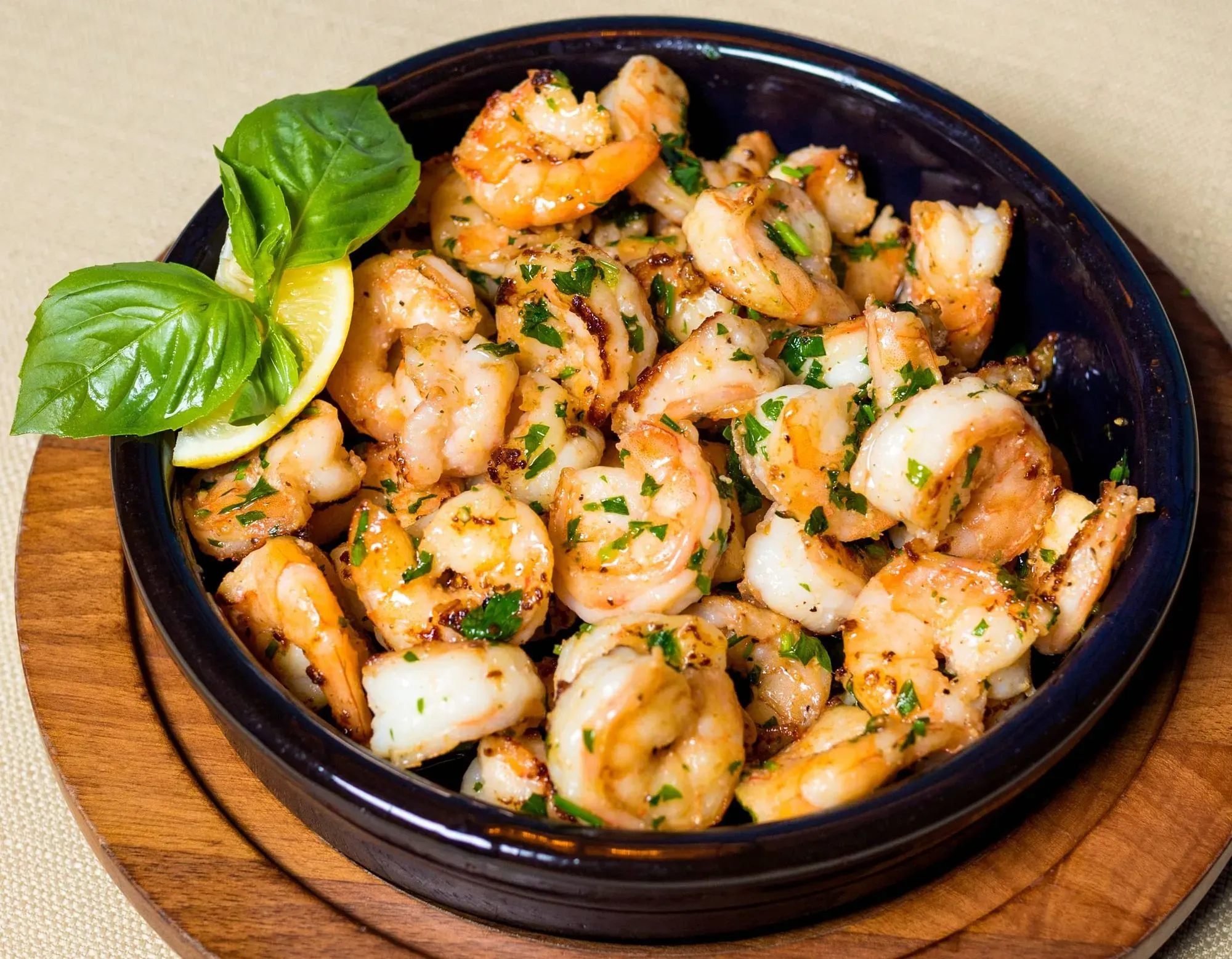
Dinner: Grilled shrimp with garlic and lemon, served with roasted sweet potatoes, steamed broccoli, and brown rice.
Day 4
Breakfast: Smoothie with spinach, banana, plain Greek yogurt, and a handful of berries, served with a slice of whole-grain toast with peanut butter.
Snack: Cottage cheese with sliced pineapple.
Lunch: Whole-grain pasta with cherry tomatoes, capers, spinach, and grilled chicken, topped with olive oil and basil dressing.
Snack: Handful of mixed nuts (unsalted).
Dinner: Baked cod with tomatoes and Italian herbs, served with quinoa and grilled asparagus.
Day 5
Breakfast: Scrambled eggs with spinach, tomatoes, and feta cheese, served with whole-grain toast.
Snack: Apple slices with a tablespoon of peanut butter.
Lunch: Lentil and vegetable stew served with a whole-grain roll or toast.
Snack: Greek yogurt with a sprinkle of oats and chia seeds.
Dinner: Grilled chicken served with vegetable skewers (bell peppers, onions, and zucchini) and brown rice.
Tips for Staying On Track
Once you’ve decided to follow an insulin resistance Mediterranean diet, it’s a matter of staying on track.
Here are some tips for making your Mediterranean lifestyle a success.
Plan and Prep Ahead
Planning your meals at the beginning of the week makes ensuring you have the right ingredients on hand easier.
Plus, preparing your meals ahead of time can be a lifesaver on busy days when you’d rather not cook.
To make this easier, keep a well-stocked pantry full of Mediterranean diet staples such as olive oil, whole grains, legumes, and canned tomatoes.
Experiment with Mediterranean Flavors
If you’ve never eaten Mediterranean-style, the traditional herbs and spices may be new to you.
Experiment with herbs and spices such as basil, oregano, rosemary, and garlic.
Use lemon juice, balsamic vinegar, and olive oil for delicious dressings and marinades.
It’s all about learning how these herbs and condiments can bring out the best flavors in your meals.
Include a Variety of Foods
Incorporating variety into your meals is an important way to ensure you stick to the Mediterranean diet.
To avoid meal-fatigue, commit to trying at least one new recipe per week or using an ingredient you’ve never tried before.
Socialize and Enjoy Meals
The Mediterranean diet isn’t just about food—it also emphasizes the social aspect of eating. Invite your friends and family over to try a new Mediterranean recipe.
Slow down and take the time to savor the meal you’ve created.
This can enhance the enjoyment factor of your meal, making it easier to stick to your meal plan.
{{splash}}
Other Dietary Considerations for Insulin Resistance
While following an insulin resistance Mediterranean diet is a good first step, it’s not the only dietary strategy for managing blood glucose.
Here are some other dietary habits that can help balance blood glucose.
Have Balanced Meals and Snacks
Making sure your meals and snacks contain a mix of carbohydrates, proteins, and healthy fats can prevent blood sugar spikes that may happen if you eat carbohydrates alone.
Be Mindful of Portion Sizes
Even highly nutritious carbohydrate-rich foods can cause blood sugar spikes when consumed in large amounts.
If you’re struggling to manage portion sizes, consider using smaller bowls and plates to make reducing your portion sizes easier.
Establish Regular Meal Timing
Skipping meals, such as breakfast, can lead to unstable blood glucose.
Try to have a regular meal schedule of at least three meals per day, with snacks as needed.
You may also wish to spread your carbohydrate intake evenly throughout the day to keep your blood glucose balanced.
Takeaway
Insulin resistance can lead to the development of type 2 diabetes, but there are nutritional changes you can make to reduce the likelihood of this progression.
By following an insulin resistance Mediterranean diet and avoiding certain foods, you may be able to better control your blood glucose levels and improve insulin sensitivity.
How a Dietitian Can Help
If this is your first time trying the Mediterranean diet, meeting with a diabetes dietitian can be helpful.
They can help you devise a plan to manage insulin resistance that works for you and your lifestyle.
If you’re ready to improve your insulin resistance, you can find a dietitian who accepts insurance through Nourish.
Frequently Asked Questions
Is the Mediterranean diet good for insulin resistance?
A recent study showed that people following the Mediterranean diet had decreased markers of insulin resistance following an oral glucose tolerance test.
Therefore, following a Mediterranean diet appears to be beneficial for individuals with insulin resistance.
What diet reverses insulin resistance?
Whole-food, plant-based diets like the Mediterranean diet may help reverse insulin resistance.
This diet emphasizes pulses, vegetables, fruits, whole grains, nuts and seeds, and olive oil as the fat of choice.
These dietary components have been found to be protective against developing type 2 diabetes.
Is the Mediterranean diet high in sugar?
Being low in highly processed foods and sweets, the Mediterranean diet is typically lower in sugar than other diets.
References
View all references
- Freeman AM, Acevedo LA, Pennings N. Insulin Resistance. [Updated 2023 Aug 17]. In: StatPearls [Internet]. Treasure Island (FL): StatPearls Publishing; 2024 Jan-. Available from https://www.ncbi.nlm.nih.gov/books/NBK507839/
- Davis C, Bryan J, Hodgson J, Murphy K. 2015. Definition of the Mediterranean Diet; a Literature Review. Nutrients. 5;7(11):9139-53. doi: 10.3390/nu7115459.
- Vetrani C, Verde L, Colao A, Barrea L, Muscogiuri G. 2023. The Mediterranean Diet: Effects on Insulin Resistance and Secretion in Individuals with Overweight or Obesity. Nutrients. 25;15(21):4524. doi: 10.3390/nu15214524.
- Rishor-Olney CR, Hinson MR. Mediterranean Diet. [Updated 2023 Mar 27]. In: StatPearls [Internet]. Treasure Island (FL): StatPearls Publishing; 2024 Jan-. Available from https://www.ncbi.nlm.nih.gov/books/NBK557733/
- Guasch-Ferré M, Willett WC. The Mediterranean diet and health: a comprehensive overview. 2021. J Intern Med. 2021 Sep;290(3):549-566. doi: 10.1111/joim.13333.
- Centers for Disease Control and Prevention. Dietary Guidelines for Alcohol. Retrieved February 8, 2024, from https://www.cdc.gov/alcohol/fact-sheets/moderate-drinking.htm
- Mirabelli M, Chiefari E, Arcidiacono B, Corigliano DM, Brunetti FS, Maggisano V, Russo D, Foti DP, Brunetti A. 2020. Mediterranean Diet Nutrients to Turn the Tide against Insulin Resistance and Related Diseases. Nutrients. 12;12(4):1066. doi: 10.3390/nu12041066.
- Medina FX. 2021. Looking for Commensality: On Culture, Health, Heritage, and the Mediterranean Diet. Int J Environ Res Public Health. 5;18(5):2605. doi: 10.3390/ijerph18052605.
- Diabetes Food Hub. What is the Diabetes Plate Method? Retrieved February 9, 2024, from https://www.diabetesfoodhub.org/articles/what-is-the-diabetes-plate-method.html#:~:text=The%20Diabetes%20Plate%20Method%20is,you%20need%20is%20a%20plate!
- Hashimoto Y, Kaji A, Sakai R, Osaka T, Ushigome E, Hamaguchi M, Yamazaki M, Fukui M. 2020. Skipping breakfast is associated with glycemic variability in patients with type 2 diabetes. Nutrition. 71:110639. doi: 10.1016/j.nut.2019.110639.
- McMacken M, Shah S. A plant-based diet for the prevention and treatment of type 2 diabetes. J Geriatr Cardiol. 2017 May;14(5):342-354. doi: 10.11909/j.issn.1671-5411.2017.05.009.
Nourish has strict sourcing policies and prioritizes primary sources, including medical organizations, governmental agencies, academic institutions, and peer-reviewed scientific journals. Learn more about our medical review process and editorial guidelines.










.avif)




%20(1).webp)

.avif)



.avif)









.avif)










































.avif)

.avif)