A Complete List of Foods to Eat With Prediabetes

Medical Reviewer: Ellie Stamerjohn, MS, RDN, LD

Author: Heather Smith, RN, BSN

Summary
- Prediabetes is when blood sugar levels are higher than normal but not yet in the diabetes range.
- Eating more fruits, vegetables, whole grains, and lean proteins can help regulate blood sugar levels.
- Diet and lifestyle changes can decrease the risk of developing type 2 diabetes.
Prediabetes is when your blood sugar levels are higher than normal but not high enough to be diagnosed as type 2 diabetes.
Fortunately, research shows that making specific diet and lifestyle changes can lower blood sugar levels to a healthy range and prevent type 2 diabetes.
Continue reading to learn more about prediabetes and the best foods for managing it.
{{splash}}
What Is Prediabetes?
Prediabetes is a sign that your body is starting to have difficulty regulating your blood sugar levels.
Prediabetes is diagnosed when a person’s A1C is between 5.7% and 6.4% or the fasting blood sugar level is 100 to 125 mg/dL.
Having irregular blood sugar levels can lead to type 2 diabetes over time and, if not addressed, can contribute to health complications including organ and tissue damage.
There are two common reasons why you might develop prediabetes:
- Insulin resistance: your body’s resistance to the insulin hormone.
- Insufficient insulin: your insulin production is impaired.
Insulin Resistance
Insulin is a hormone that helps guide sugar from the blood into the cells.
Insulin resistance occurs when your body’s cells do not respond appropriately to insulin.
This makes it harder for glucose (sugar) to enter your cells to be used or stored for energy.
Instead, the sugar builds up in the blood, leading to higher-than-normal blood sugar levels.
Over time, this can cause prediabetes.
Insufficient Insulin
Another cause of prediabetes is when the pancreas does not produce enough insulin.
The pancreas releases insulin in response to food consumption.
As carbohydrates are digested, sugar is released into the bloodstream. Insulin then helps the sugar get into your cells.
Without enough insulin production, blood sugar levels stay elevated.
Symptoms of Prediabetes
Prediabetes is a condition you may not know you have. Often, prediabetes does not have any symptoms.
However, some people with prediabetes may experience symptoms related to having high blood sugar.
These may include:
- Increased thirst.
- Frequent urination.
- Fatigue or weakness.
- Blurred vision.
- Slow-healing wounds or cuts.
- Tingling or numbness in the hands or feet.
- Unexplained weight loss.
If you’re experiencing any of these symptoms, it is important to let your doctor know.
Other medical conditions can also cause these symptoms, and seeing your doctor can help you get an accurate diagnosis and treatment plan.
List of Foods for Prediabetes
If you’ve been diagnosed with prediabetes, making changes to your food choices is an important step in managing your condition and reducing your risk of type 2 diabetes.
The good news is that plenty of delicious and nutritious foods can help you maintain stable blood sugar levels and support your overall health.
You can still enjoy your favorite foods; you may just need to decrease the portion size and how often you eat them.
A registered dietitian can help you develop a plan that meets your needs and preferences.
Fruits and Vegetables
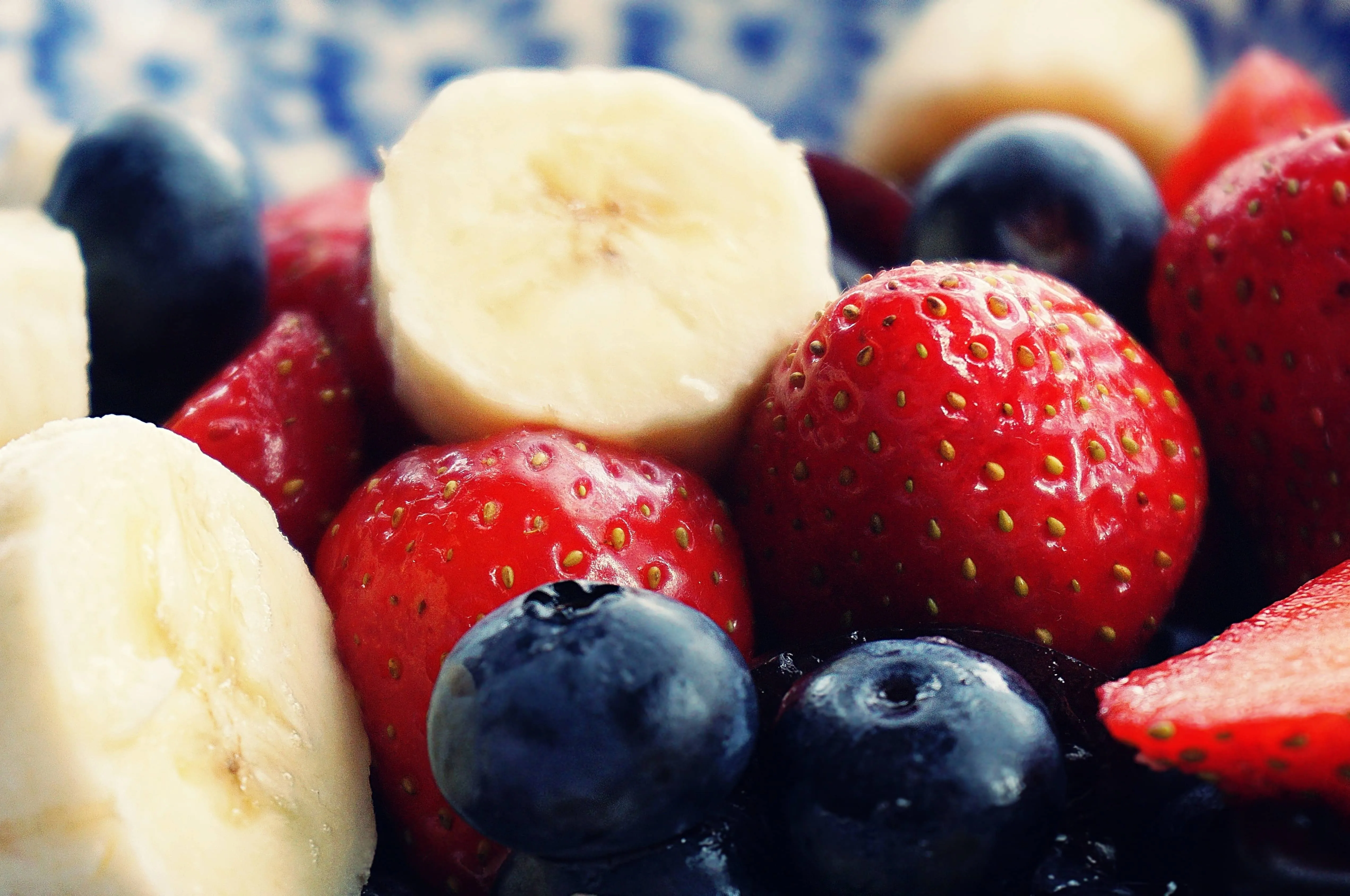
Eating plenty of fruits and vegetables is an essential part of a balanced diet and is vital for people with prediabetes.
Fruits and vegetables are low in calories and high in nutrients. They’re also high in fiber, which can help you feel satisfied after eating and manage your blood sugar levels.
When possible, it may be best to reach for minimally processed fresh or frozen produce since canned, dried, and juiced varieties could contain added sugars and can cause a blood glucose spike.
Whether canned without added salt or sugar, fresh, or frozen, here are some examples of fruits and veggies you can incorporate more into your meals:
Aim to get a variety of fruits and vegetables in your diet each day as part of balanced meals or snacks to meet your nutritional needs.
Whole Grains
Whole grains are a good source of fiber and other nutrients, including B vitamins, complex carbohydrates, and minerals.
Unlike refined grains, whole grains digest slower and prevent a sudden increase in your blood sugar.
Some good options for whole grains include:
- Whole grain bread.
- Quinoa.
- Brown rice.
- Oats.
- Barley.
- Whole grain pasta.
- Farro.
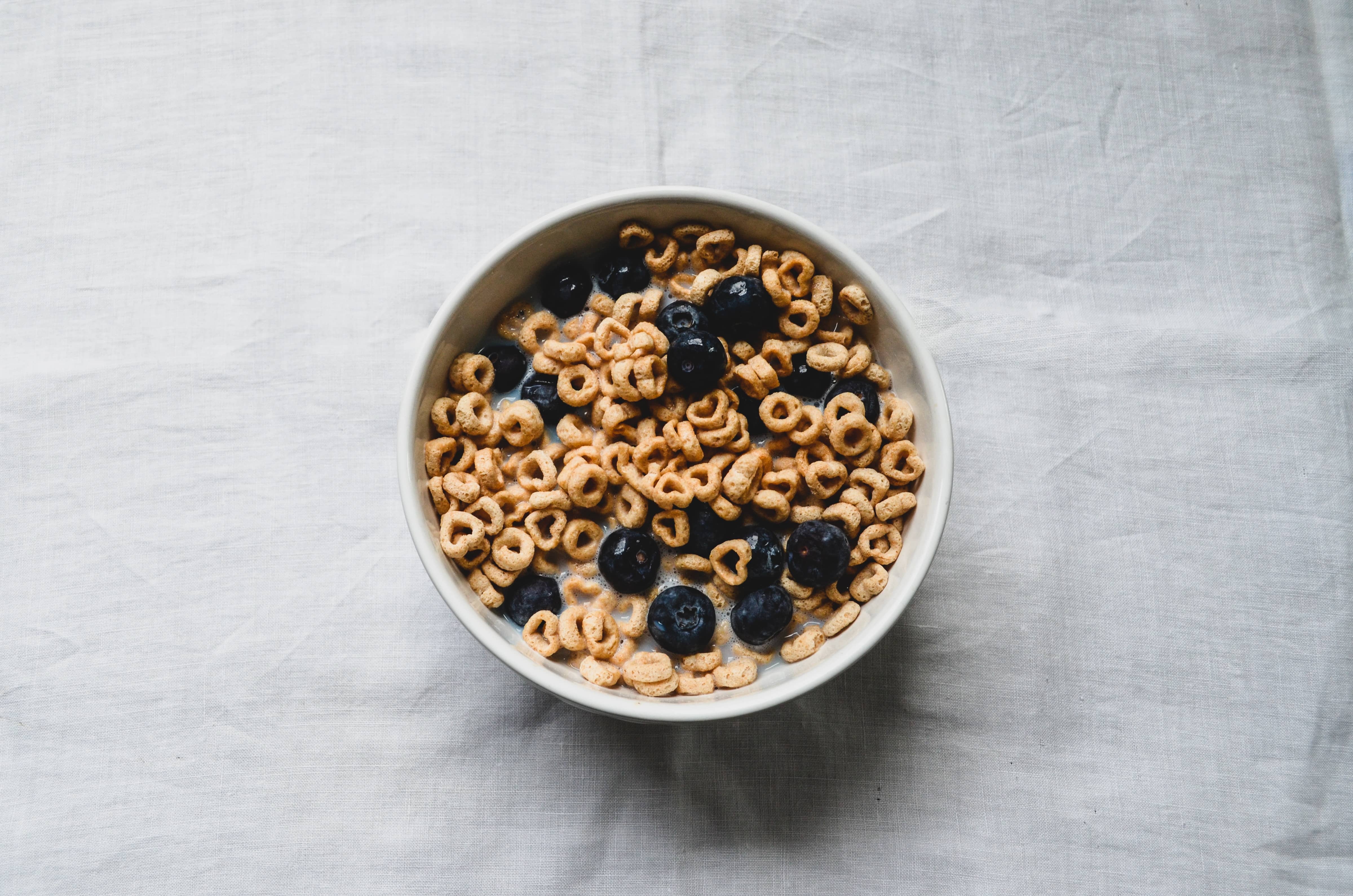
Look for whole-grain versions of your favorite breads, pastas, and cereal products when shopping.
Try experimenting with whole-grain recipes like quinoa salads and stir-fried brown rice.
Read labels for added sugars as many cereal and bread products (even whole-grain varieties) contain added sugars.
Nuts and Seeds
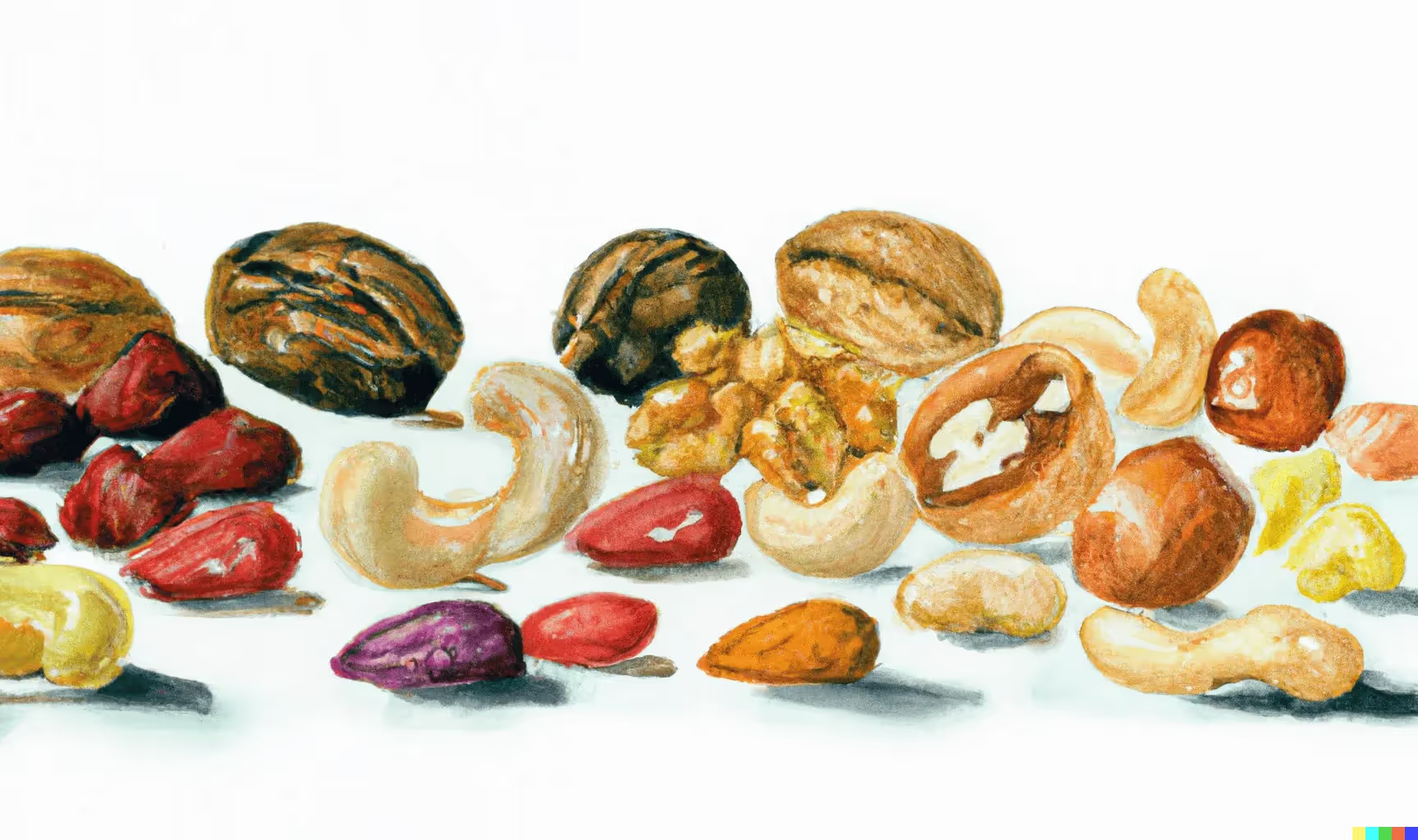
Nuts and seeds are rich in healthy fats, protein, and fiber.
They are also low on the glycemic index, meaning they likely won’t spike your blood sugar levels.
Try adding them to some of your meals and snacks throughout the day.
Eating them can help you feel full and can also reduce the chances of mindless snacking.
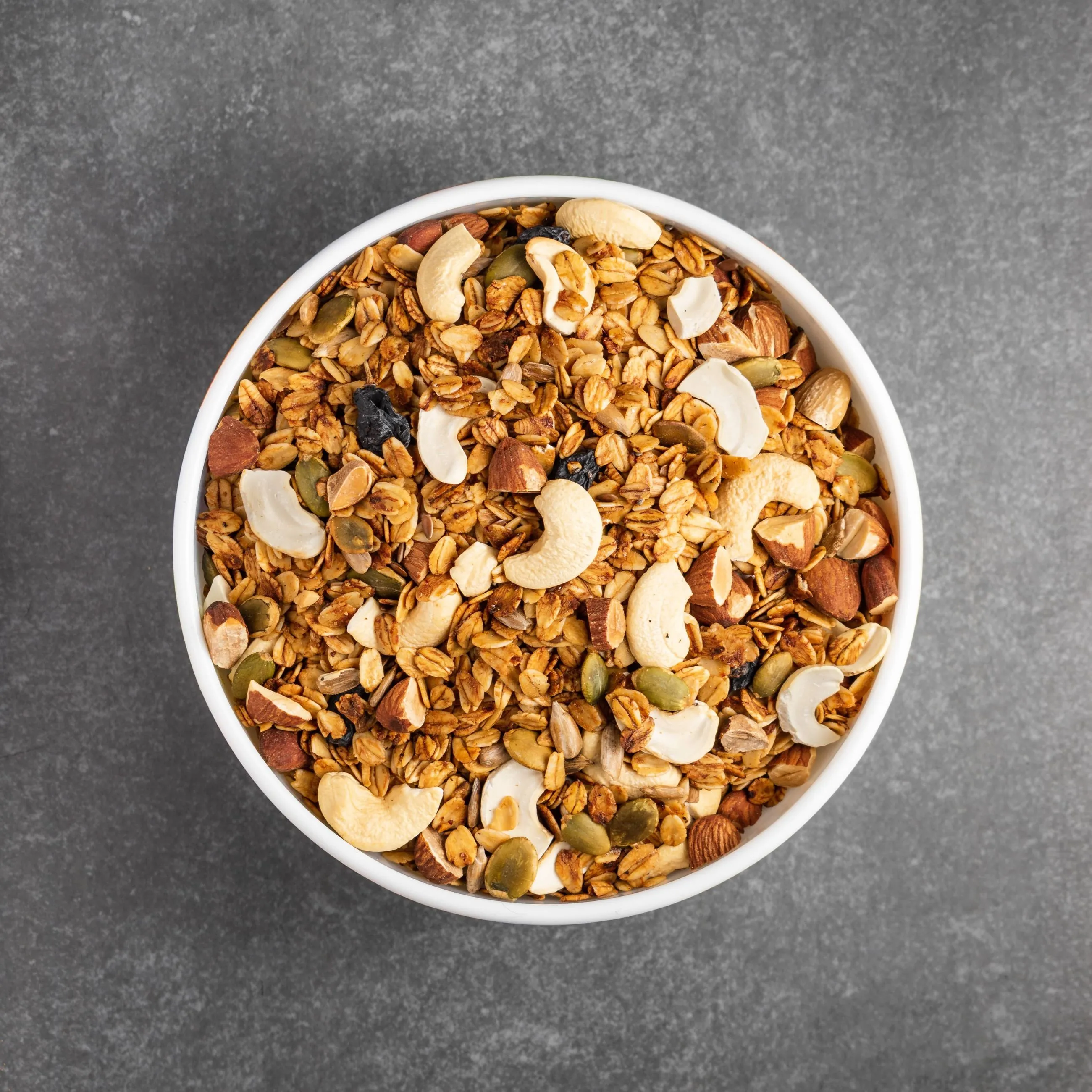
Some examples of nuts and seeds that are good for prediabetes include:
- Almonds.
- Walnuts.
- Chia seeds.
- Flax seeds.
- Pumpkin seeds.
Protein
Proteins are essential for proper immune functioning and muscle repair and growth.
Adding proteins to your meals can help regulate your blood sugar levels and help you feel full and satisfied between meals.
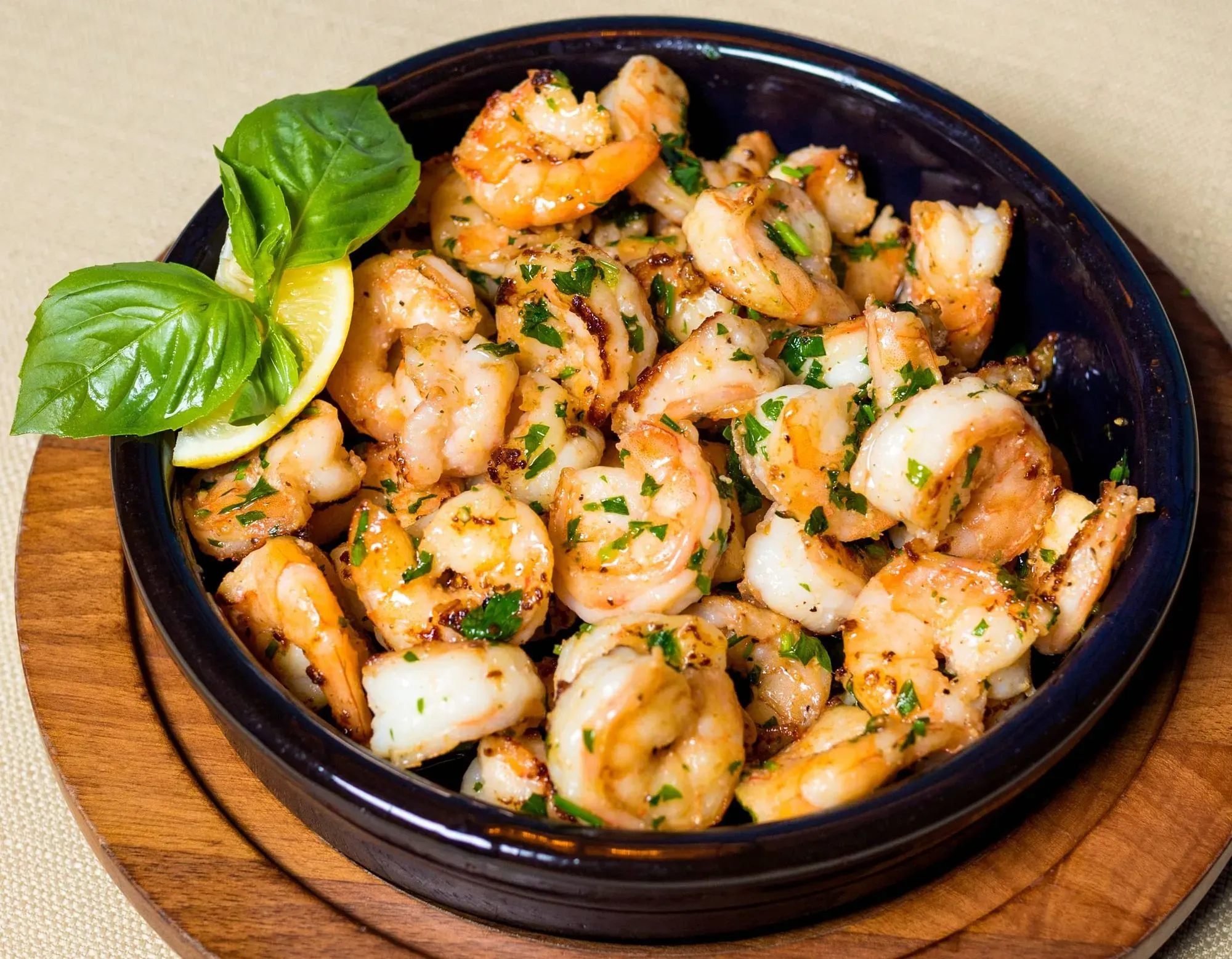
Some lean proteins to consume if you have prediabetes include:
Choose a variety of protein sources throughout your week to fulfill your body’s nutritional needs.
Foods to Avoid With Prediabetes
Certain foods can contribute to irregular blood sugar levels in prediabetes.
While you don’t need to avoid these foods completely, it can help to be mindful of your portion size and how frequently you eat them.
Foods to limit with prediabetes include:
- Refined carbohydrates, like white bread and white pasta.
- Sugar-sweetened beverages, such as soda and fruit juice.
- Processed meats, including hot dogs and sausage.
- Desserts, like ice cream and cookies.
- Fast food.
Foods and drinks high in added sugars can cause your blood sugar levels to spike and contribute to insulin resistance.
People with prediabetes and type 2 diabetes are at an increased risk of developing heart disease.
Foods high in saturated fat, like processed meats and fast food, can also increase this risk.
How Much Sugar Is Too Much With Prediabetes?
Experts recommend minimizing added sugars as part of a treatment plan for prediabetes, which looks like:
- Less than 36 grams (9 teaspoons) of added sugar per day for men.
- Less than 25 grams (6 teaspoons) of added sugar per day for women.
Reading nutrition labels can help you identify which foods are high in added sugars.
Limiting these foods can help you support stable blood sugar levels.
Other Tips for Prediabetes
In addition to incorporating specific foods into your diet, other lifestyle factors can help you manage your prediabetes and reduce your risk of developing type 2 diabetes.
Following these tips can help you create a healthy and sustainable lifestyle that supports stable blood sugar levels.
Don’t Skip Breakfast
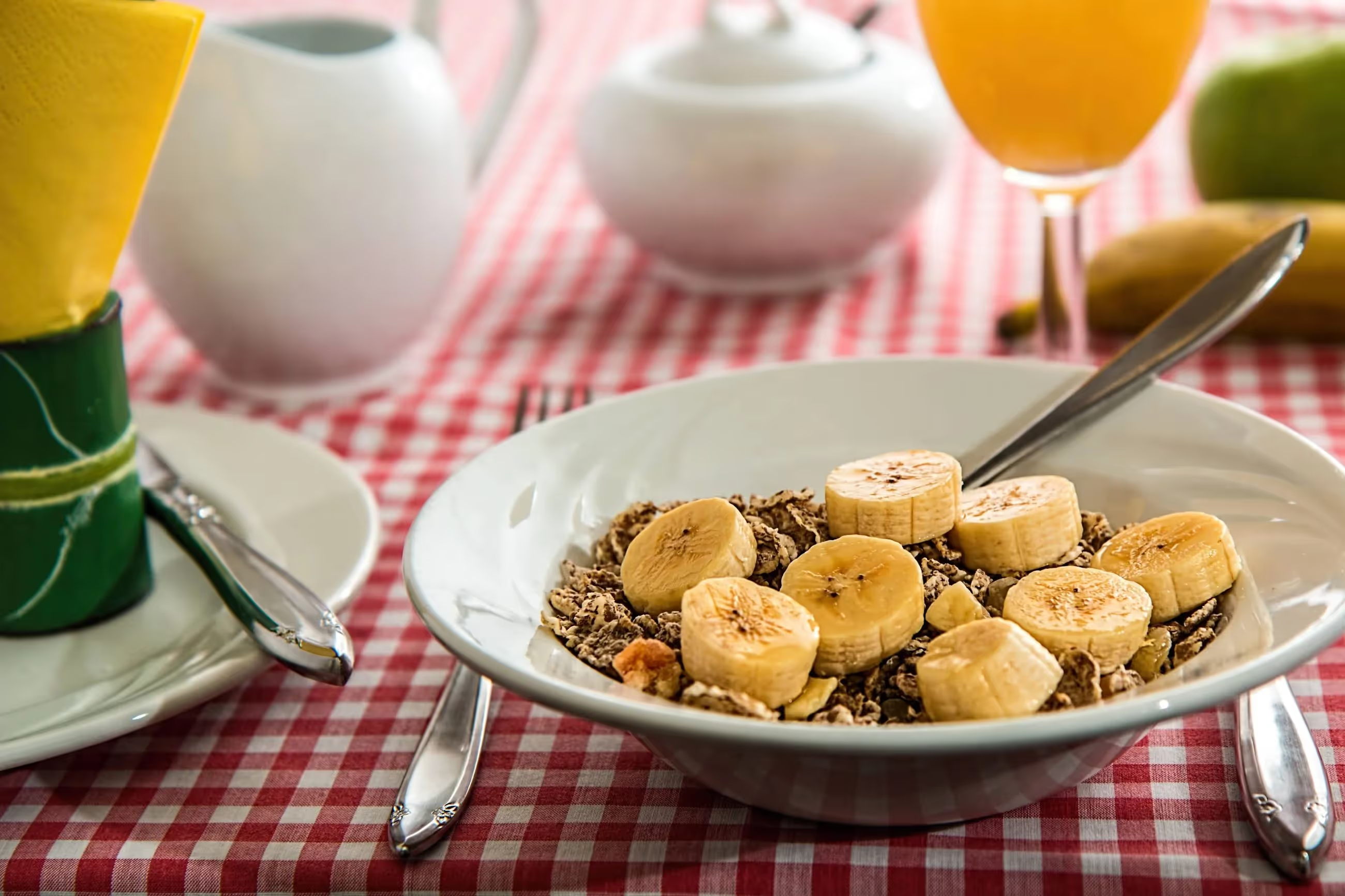
Eating breakfast can be especially important if you have prediabetes.
A balanced breakfast can help you manage your appetite and cravings throughout the day and may prevent your body from becoming more insulin-resistant.
Some good breakfast options include:
- Oatmeal cooked with nonfat milk and topped with chopped nuts.
- A vegetable omelet with whole-grain toast.
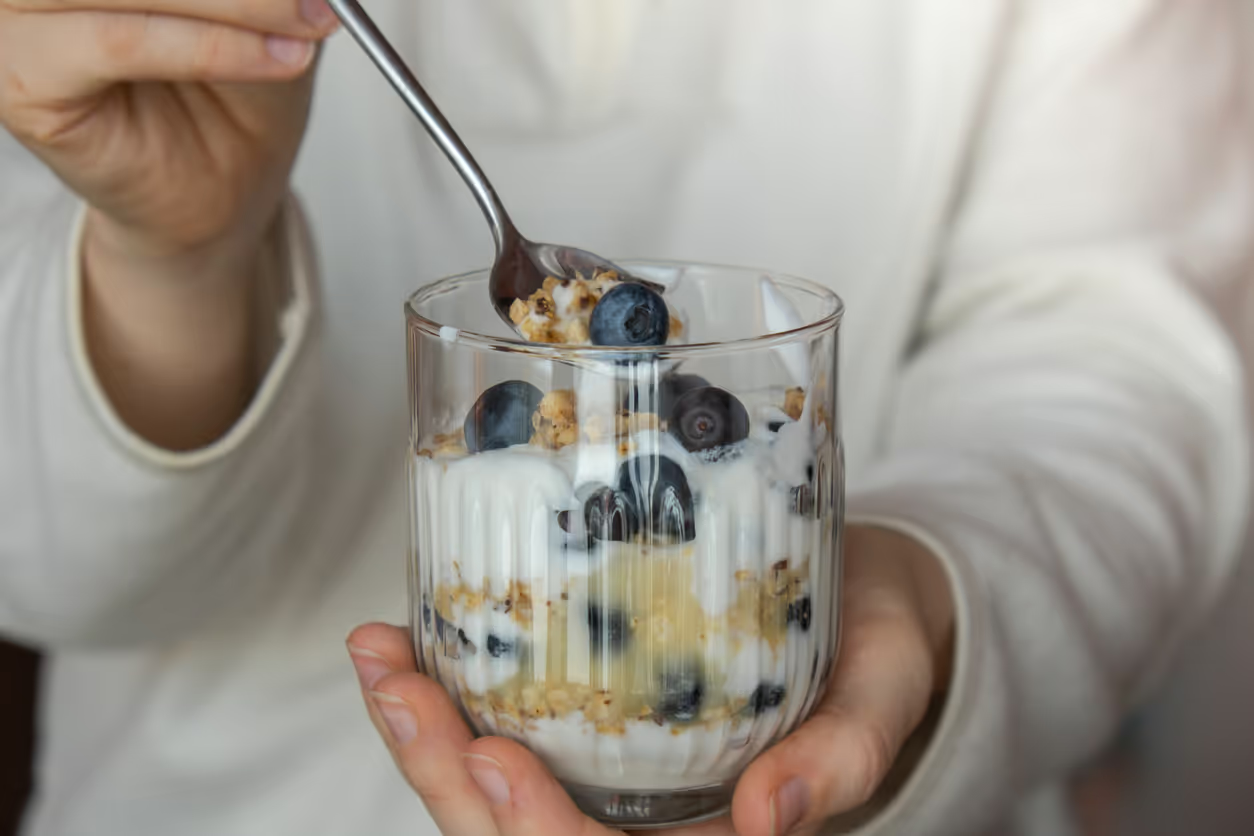
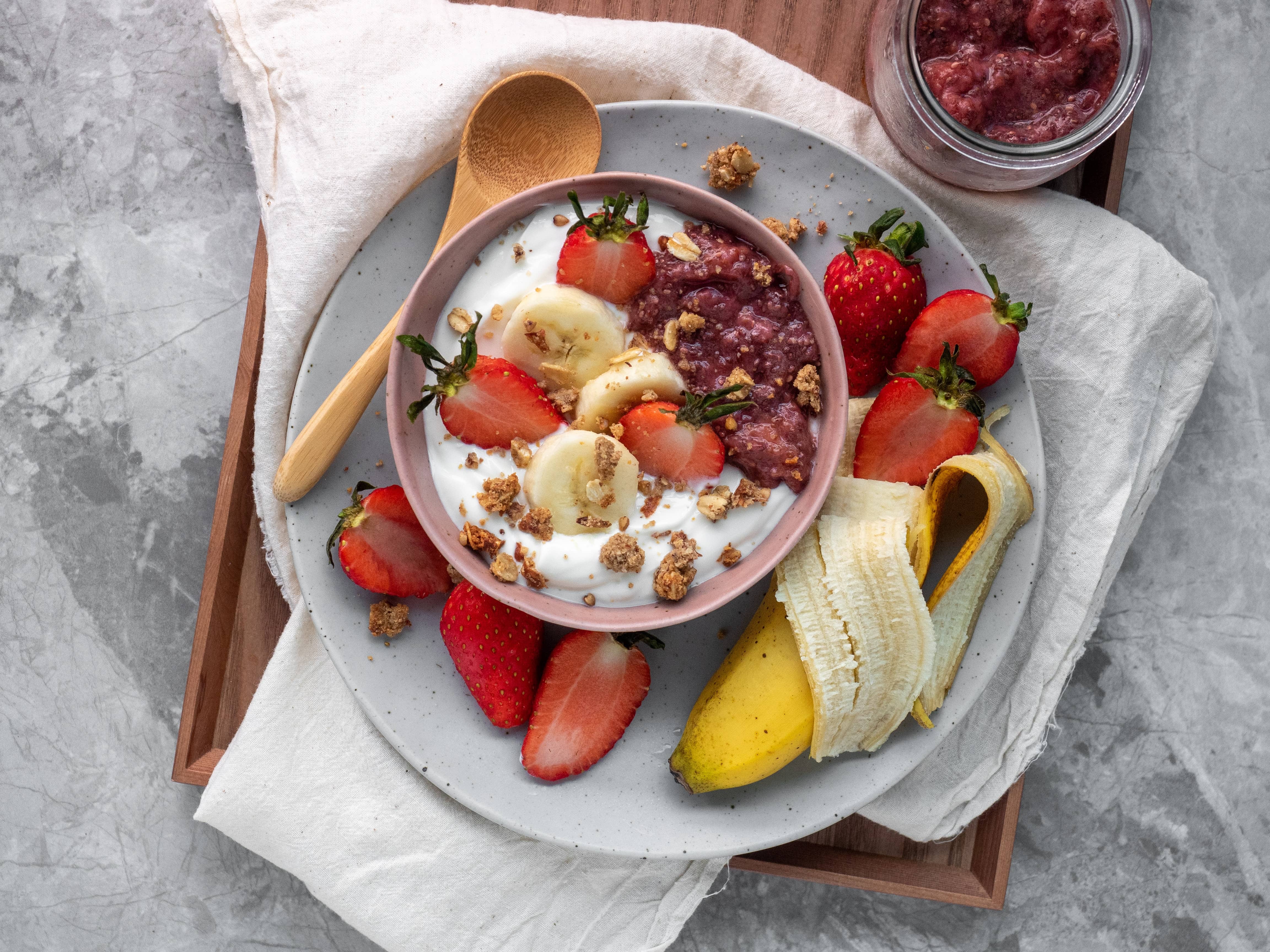
- Nonfat Greek yogurt with fruit and nuts.
When preparing your breakfast, choose options that have no or low added sugars and higher fiber and protein to help you feel satisfied and regulate your blood sugar.
Practice Portion Control
All foods can be included in a prediabetes diet in moderation.
Rather than thinking of certain foods as “off limits,” work with a dietitian to learn how to enjoy smaller portions of your favorite foods without negatively impacting your blood sugar goals.
For example, if you love pasta, you can balance your plate with lean proteins and non-starchy vegetables instead of only eating pasta.
Exercise Regularly
Research shows that regular exercise can improve insulin sensitivity in people with insulin resistance, reducing the risk of developing type 2 diabetes.
Experts recommend 30 minutes of physical activity at least five days per week. It is beneficial to include both aerobic and resistance exercises in your routine.
Risk Factors of Prediabetes
Several risk factors can increase your chance of developing prediabetes. Some of the most common factors include:
- Having overweight or obesity.
- Being physically inactive.
- Having a family history of diabetes.
- Being over age 35.
- Having a personal history of gestational diabetes.
- Having high blood pressure.
- Being of African American, American Indian, Asian American, Hispanic/Latino, or Pacific Islander heritage.
If you have one or more of these risk factors, it’s important to get regular blood sugar screenings to check for prediabetes and regular care from your doctor and primary care team.
Healthy lifestyle and diet choices can help decrease your risk of developing prediabetes.
Can Prediabetes Be Reversed?
Being diagnosed with prediabetes doesn’t always mean you’ll get type 2 diabetes in the future.
Research shows that early diagnosis and intervention, in the form of intensive diet and lifestyle changes, can reverse prediabetes and return blood sugar levels to normal.
Talk with your doctor for regular screenings and get support on lifestyle changes from your healthcare team.
{{splash}}
How a Dietitian Can Help
A registered dietitian is a nutrition expert and licensed health care professional.
Your dietitian can help you:
- Understand how different foods, nutrients, and eating patterns affect your blood sugar levels.
- Provide guidance on portion sizes and overall dietary balance.
- Set realistic and personalized goals and build on them over time.
- Establish strategies for being more physically active.
After working with a dietitian, you'll feel confident that you are making the best choices for your health and are taking proactive steps to reverse your prediabetes.
Find a dietitian specializing in prediabetes for evidence-based guidance on preventing diabetes.
Frequently Asked Questions
What foods can pre-diabetics eat freely?
Experts recommend that people with prediabetes emphasize lean proteins, non-starchy vegetables, and healthy fats, as these should not significantly raise blood sugar levels.
Examples include:
- Skinless poultry and fish.
- Eggs.
- Broccoli.
- Spinach.
- Zucchini.
- Avocado.
- Nuts and seeds.
Foods high in carbohydrates don’t need to be avoided; instead, try to choose high-fiber options like beans and whole grains and pay attention to portion sizes.
What is the fastest way to reverse prediabetes?
The most effective way to potentially reverse prediabetes is to implement the following three lifestyle changes:
- Follow a balanced and nutritious diet with guidance from a registered dietitian.
- Engage in at least 150 minutes of physical activity weekly, especially with strength training and aerobic exercise.
- Lose weight if living with overweight (ideally 7-10% of your body weight).
What fast food can I eat as a prediabetic?
If you have prediabetes, look for the following options when eating out at restaurants or fast-food establishments:
- Grilled proteins instead of fried.
- Whole wheat bun instead of white.
- Side of steamed vegetables or salad instead of fried options.
For example, you can try a Chick-fil-A Cool Wrap with a small fruit cup on the side. Another option is the spinach, feta & egg white wrap from Starbucks.
References
View all references
Type 2 Diabetes. National Institute of Diabetes and Digestive and Kidney Diseases. (2017).
Prediabetes. American Diabetes Association. (N.D.)
Fiber: The Carb that Helps You Manage Diabetes. CDC. (2022).
Prediabetes. (n.d.) American Diabetes Association.
Type 2 Diabetes. (2017, May) National Institute of Diabetes and Digestive and Kidney Diseases.
Prediabetes. (2021, May 5). Medline Plus.
Fiber: The Carb that Helps You Manage Diabetes. (2024, May 15). CDC.
Aasheim, E. T., Sharp, S. J., Appleby, P. N., Shipley, M. J., H. Lentjes, M. A., Khaw, T., Brunner, E., Key, T. J., & Wareham, N. J. (2015). Tinned Fruit Consumption and Mortality in Three Prospective Cohorts. PLoS ONE, 10(2).
Protein Foods. (n.d.) MyPlate.
How Much Sugar Is Too Much? (2024, May 23). American Heart Association.
Prediabetes. (2022, January 18). Medline Plus.
Make Healthy Choices at a Fast-Food Restaurant. (n.d.) American Diabetes Association.
Nourish has strict sourcing policies and prioritizes primary sources, including medical organizations, governmental agencies, academic institutions, and peer-reviewed scientific journals. Learn more about our medical review process and editorial guidelines.









.avif)




%20(1).webp)

.avif)



.avif)










.avif)







































.avif)

.avif)