How To Calculate A1C At Home (Easy Conversion Formula)

Medical Reviewer: Christine Russell, MS, RD, LD, CDCES

Author: Julia Zakrzewski, RD

Summary
- Elevated blood sugar levels can be a sign of prediabetes or diabetes. A simple blood test measuring hemoglobin A1c can show your levels over the last three months.
- Although lab testing results are more accurate, you can calculate A1c at home using the easy conversion formula.
- A registered dietitian specializing in blood sugar management can help you stabilize glucose levels through diet and lifestyle changes.
Hemoglobin A1c is a blood marker to assess blood sugar health.
It’s a percentage representing average blood glucose levels over the last 90 days.
Completing blood work at a formal lab is the only way to measure your A1c accurately, but you can estimate your value using blood glucose readings.
Keep reading to learn more about blood glucose tests and how to calculate A1c at home.
{{splash}}
What is A1C?
Hemoglobin is a protein found in red blood cells that binds to oxygen.
The cells live for approximately three months and deliver oxygen and essential nutrients to vital organs.
While in transit, red blood cells are exposed to sticky blood sugar molecules and become glycolated (coated in sugar).
Labs analyze the amount of sugar stuck to hemoglobin, and healthcare providers use this data to assess blood sugar control.
Remember, A1c levels are one of many ways to measure blood sugar health, and it’s not a perfect test.
Having a low red blood cell count, anemia, or chronic drinking can skew your results by appearing falsely elevated or low.
Checking your A1c in a lab every three months is the best way to ensure an accurate reading.
How A1C Differs From Blood Glucose Levels
Unlike A1c, a long-term data point, blood glucose levels represent a snapshot of your blood sugar levels at the time of testing.
A lab can measure fasting blood glucose levels (your blood sugar levels without eating) or a random glucose test at any point during the day.
Handheld devices, which include finger-pricking glucometers or wearable implants called continuous glucose monitoring devices (CGMs), can measure your glucose levels.
This data is nearly instant and provides valuable insight into how your body metabolizes foods and beverages.
Knowing how your body responds to foods can help you develop a customized eating plan.
You may be surprised to learn that some “high-sugar” foods, such as white rice or fruits, may not impact your blood glucose levels as much as you thought.
The Importance of Monitoring A1C Levels
Your doctor may use the A1c marker to assess your risk of developing prediabetes and diabetes or gestational diabetes in pregnant women.
Rising A1c levels can be addressed through dietary and lifestyle changes, including more fiber-rich foods and physical activity.
{{splash}}
Can You Calculate A1C at Home?
You can calculate A1c at home using your glucometer or CGM device data; however, you’ll need at least three months of data.
A1c test kits are available, but research suggests they aren’t accurate.
A 2022 study analyzed the accuracy of three popular test kits against lab testing, and all three were below the accuracy requirement outlined by the National Glycohemoglobin Standardization Program.
It’s possible users tested incorrectly, but ultimately, these test kits should be considered an estimation of your blood values and can’t replace formal lab testing.
Conversion Methods for Calculating A1C
You can calculate your A1c at home using the easy conversion formula.
Before you start, convert any mmol/L units to mg/dL; you can follow our instructions in the table below to complete this step.
You’ll also need your estimated average glucose, which your glucometer or CGM device can provide.
This information is calculated from months of stored data from your self-tests. The final A1c calculation will give an estimate of your levels.
Understanding Your Results
The American Diabetes Association has defined A1c ranges by these cut-offs:
One high A1c test result isn’t enough to diagnose diabetes unless there are other clear symptoms.
If you have concerns about your results, follow up with your medical team.
An Important Difference
Your A1c is calculated differently than your blood glucose levels, which can be confusing when reviewing your results.
For example, a blood glucose reading of 106mg/dL (6mmol/L) two hours after eating is considered healthy, but an A1c of 6% is above average and may suggest prediabetes.
Knowing the different cut-offs for each blood sugar test is vital for interpreting your results.
Contact your healthcare team if you need help understanding your values.
5 Tips for Maintaining Healthy Blood Sugar Levels
Maintaining healthy blood sugar levels can decrease the risk of illnesses and help you have more energy.
Here are tips to help you achieve healthy levels.
1. Increase your physical activity
Glucose molecules fuel your muscles and vital organs, and being active can lower blood sugar levels.
The CDC recommends at least 150 minutes per week of aerobic exercise plus two days of resistance training.
Choose an activity that makes you excited to exercise.
This could be dancing or attending a new workout class; it’s easier to be consistent when enjoying yourself.
2. Choose blood-sugar-friendly foods
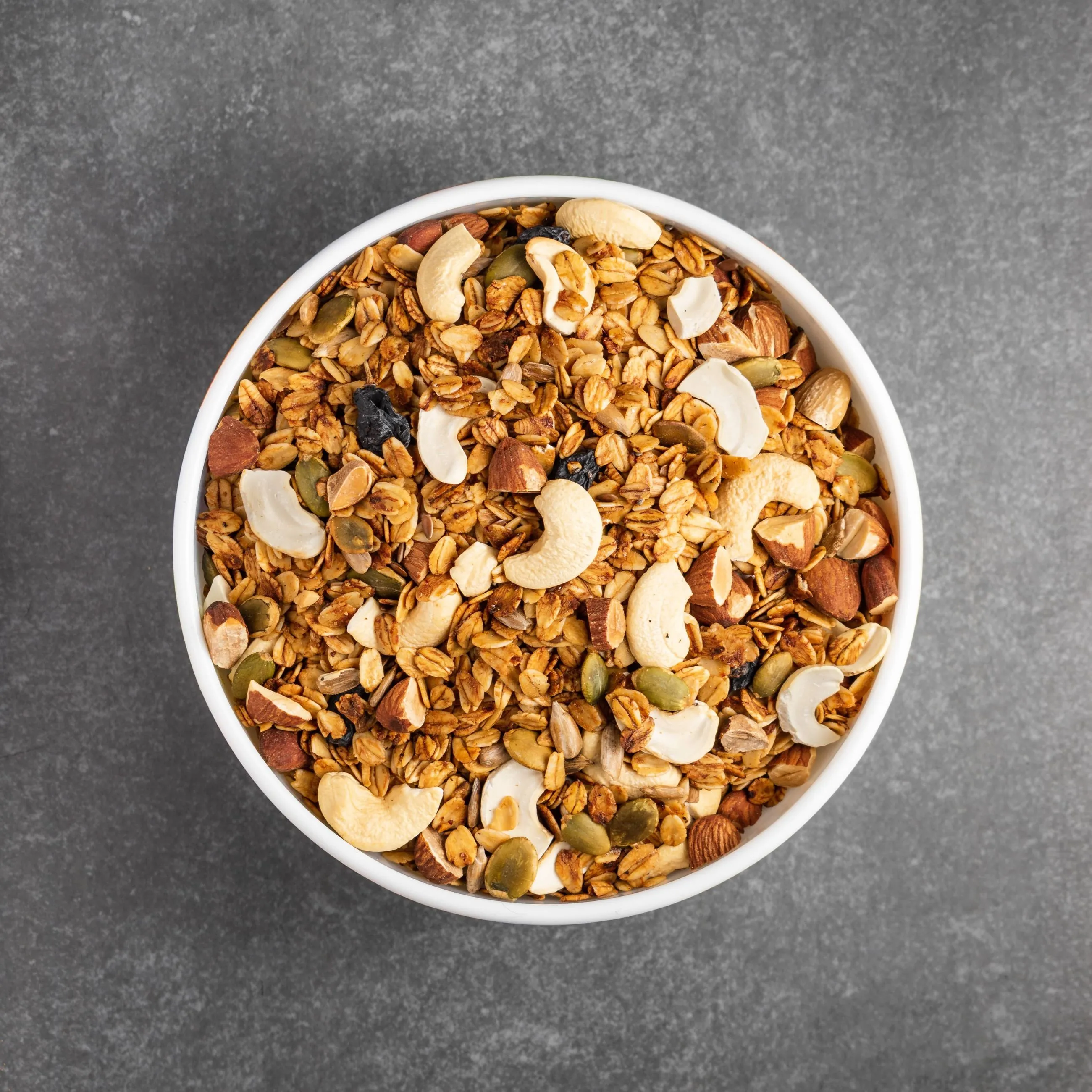
Foods rich in fiber are known to support healthy blood sugar levels.
These include whole grains, fruits and vegetables, beans, nuts, and seeds.
If you have prediabetes, making changes to your food choices is an important step in managing your condition and reducing your risk of type 2 diabetes.
3. Eat at regular times
Eating throughout the day helps regulate appetite and blood sugar levels.
If you skip a meal, there’s a greater chance of overeating later, which may cause a blood sugar spike.
{{splash}}
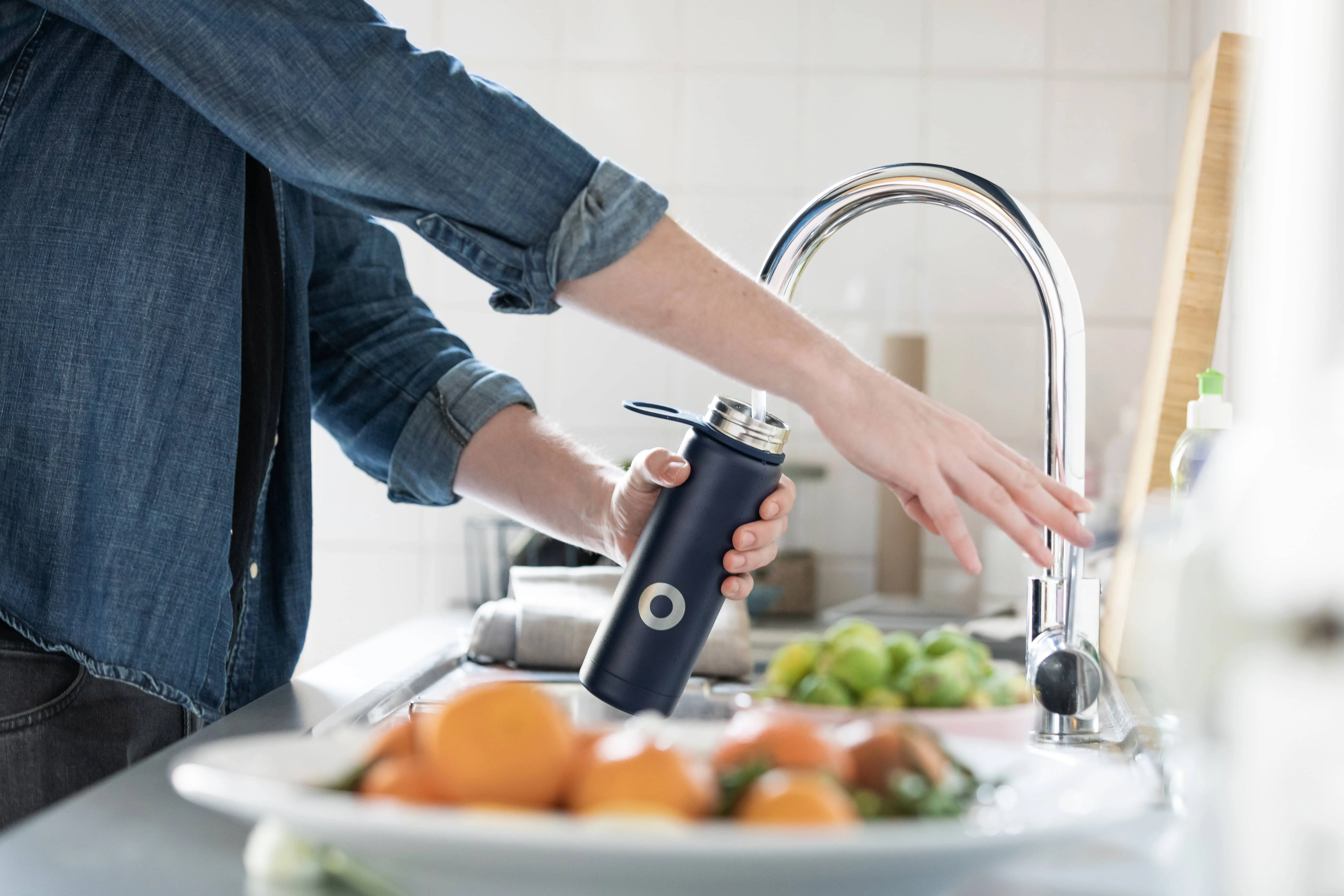
4. Choose water whenever possible
Sugar-sweetened beverages rapidly enter your bloodstream, making it harder to control your blood sugar levels.
To improve glycemic response, choose water or sparkling water more often.
You can add natural flavor enhancers, such as fresh mint or sliced cucumber, to increase the appeal without elevating your sugars.
5. Manage stress
Chronic high stress levels are linked to metabolic dysfunction, which includes your body’s ability to regulate blood sugar levels.
It’s also much more challenging to take care of yourself if you feel tired and burnt out.
Evidence-based practices that lower stress include being more active, doing yoga, practicing mindfulness, and seeking professional counseling.
How a Dietitian Can Help
A registered dietitian is a nutrition expert and licensed healthcare professional.
They provide compassionate nutrition counseling to help you achieve your goals and lower your blood sugar levels to a healthy range.
You may not know what to expect if you’ve never met with a dietitian.
Here are questions you can ask during your appointment:
- Which foods elevate blood sugar levels?
- Can supplements help?
- Do I need to follow a low-carbohydrate diet to see improvements?
- Can I still eat sugar and dessert?
Frequently Asked Questions
How do I find out my A1c at home?
There are several ways you can find out your A1c at home.
- Use your glucometer or CGM device to calculate an estimated average automatically.
- Manually calculate your A1c using the easy conversion formula.
- Try an at-home test kit, although they vary in accuracy and reliability.
What is the formula for A1c average glucose?
The formula to calculate your A1c is = (46.7 + estimated average glucose in mg/dL) / 28.7
Before calculating, you must ensure your estimated average glucose is in mg/dL.
If you have a glucose reading in mmol/L, convert it to mg/dl by multiplying it by 18.015.
Can you give yourself an A1c test?
At-home A1c test kits are available over the counter but consistently fail accuracy tests.
They are FDA-approved; therefore, they’re considered safe to use, but you shouldn’t rely on them to assess your blood sugar health.
References
View all references
Nourish has strict sourcing policies and prioritizes primary sources, including medical organizations, governmental agencies, academic institutions, and peer-reviewed scientific journals. Learn more about our medical review process and editorial guidelines.










.avif)




%20(1).webp)

.avif)


.avif)










.avif)













































.avif)

.avif)