How Long Does Blood Sugar Stay Elevated After Eating?

Medical Reviewer: Blair Kott, MDA, RD, LD

Author: Heather Smith, RN, BSN

Summary
- A rise in your blood sugar level after eating is a normal part of digestion, and your body will use these sugars. as energy.
- Factors such as the types of foods you eat, your portion sizes, and physical activity level all play a role in determining how long your blood sugar stays elevated after eating.
- Making lifestyle changes and food choices that promote gradual blood sugar changes throughout your day will improve your overall health.
How long your blood sugar stays elevated after eating depends on several factors, such as the types of food you eat, your overall health, and how well your body can decrease your blood sugar.
In general, blood sugar typically peaks one to two hours after eating a meal and is back to a premeal level within three hours.
This article explores how long blood sugar stays elevated after eating, when it is typically at its highest after a meal, and when it tends to drop after eating.
Also, learn about factors that may influence your blood sugar levels after eating and tips for keeping your blood sugar stable throughout the day.
{{splash}}
How Long Does Blood Sugar Stay Elevated After Eating?
The rise and fall of your blood sugar levels is a natural and important part of your body’s metabolism following a meal.
When you eat, your body breaks down the foods into various components, including glucose—a simple sugar.
Glucose is absorbed through your intestines into your bloodstream, where the rise of blood sugar triggers your pancreas to release insulin—a hormone that helps your cells absorb glucose for energy or storage.
In general, your blood sugar rises shortly after eating and remains elevated for one to two hours.
When is Blood Sugar Highest After a Meal?
The peak of your blood sugar level typically occurs around 90 minutes or 1.5 hours after eating a meal.
This spike is directly related to the glucose your body absorbed from your meal.
Foods that are high in simple sugars or refined carbohydrates cause a faster and higher blood sugar spike compared to foods rich in protein, fiber, or healthy fats.
Examples of simple sugar and refined carbohydrates include
- Table sugar.
- Fruit juice and sodas.
- Candy.
- Pastries, cookies, and cakes.
When Does Blood Sugar Drop After Eating?
After reaching its peak, your blood sugar level gradually declines as your cells absorb the glucose.
Your cells use glucose or store it to make energy in the future.
Most of the time, blood sugar levels return to premeal levels within three hours after eating.
Blood sugar returning to baseline is necessary as having prolonged elevated blood sugar levels can lead to various health issues, including insulin resistance, type 2 diabetes, and other disorders.
It’s important to note that this blood sugar timeline can vary from person to person based on overall health and individual health conditions such as diabetes.
{{splash}}
Factors That Influence Post-Meal Blood Sugar Levels
While there are general blood sugar trends that health professionals follow, it’s important to note that each person has their own set of factors influencing their blood sugar levels.
These variations are influenced by many physical factors, such as how quickly a person digests their food, the health of their pancreas, and how well their cells respond to insulin.
Other factors affecting blood sugar include the types of foods you consume, the size of your meal, if you are active after eating, and the types of medications or supplements you take.
Type of Food Consumed
The type of food you eat has a large impact on your post-meal blood sugar levels.
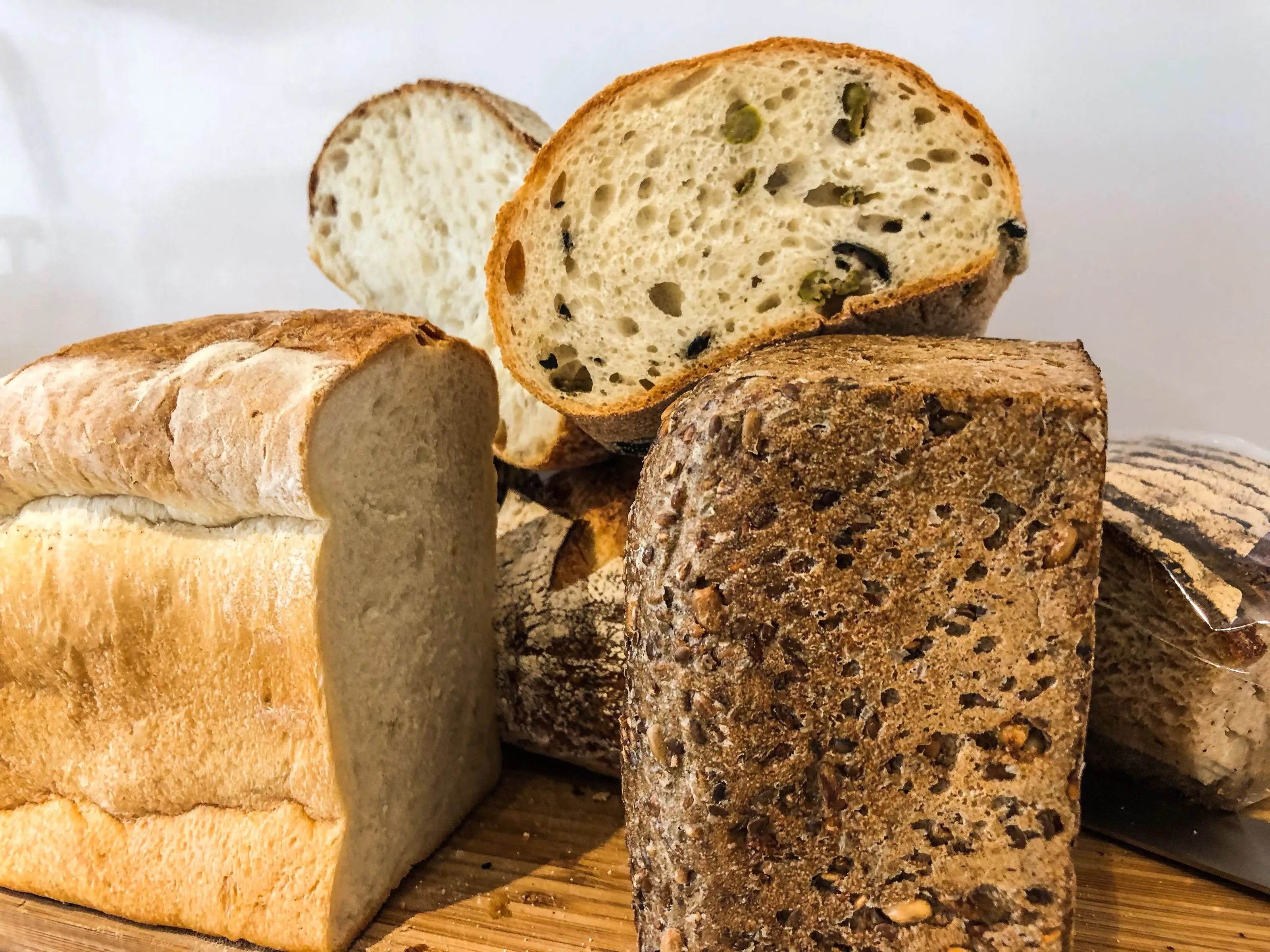
Foods that are high in simple carbohydrates, like sugar and white bread quickly break down into glucose and lead to rapid and high spikes in blood sugar.
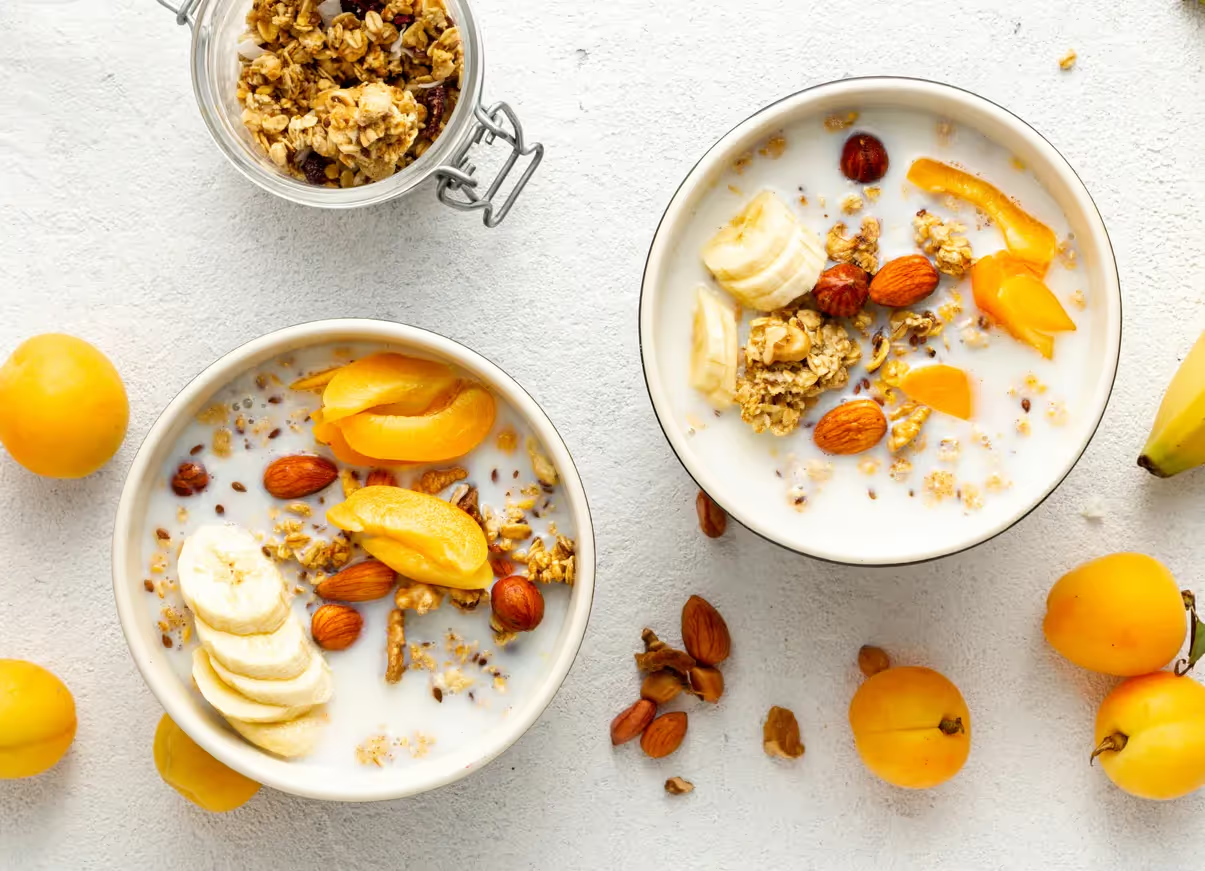
On the other hand, foods rich in fiber, healthy fat, and protein digest slower and result in a more gradual increase in blood sugar.
The glycemic index (GI) measures how quickly a food will increase your blood sugar.
Foods that contain carbohydrates are the only foods that have GI.
Foods low in GI cause a slower and more gradual rise in blood sugar.
Examples include:
- Quinoa.
- Oatmeal.
- Bulgur and barley.
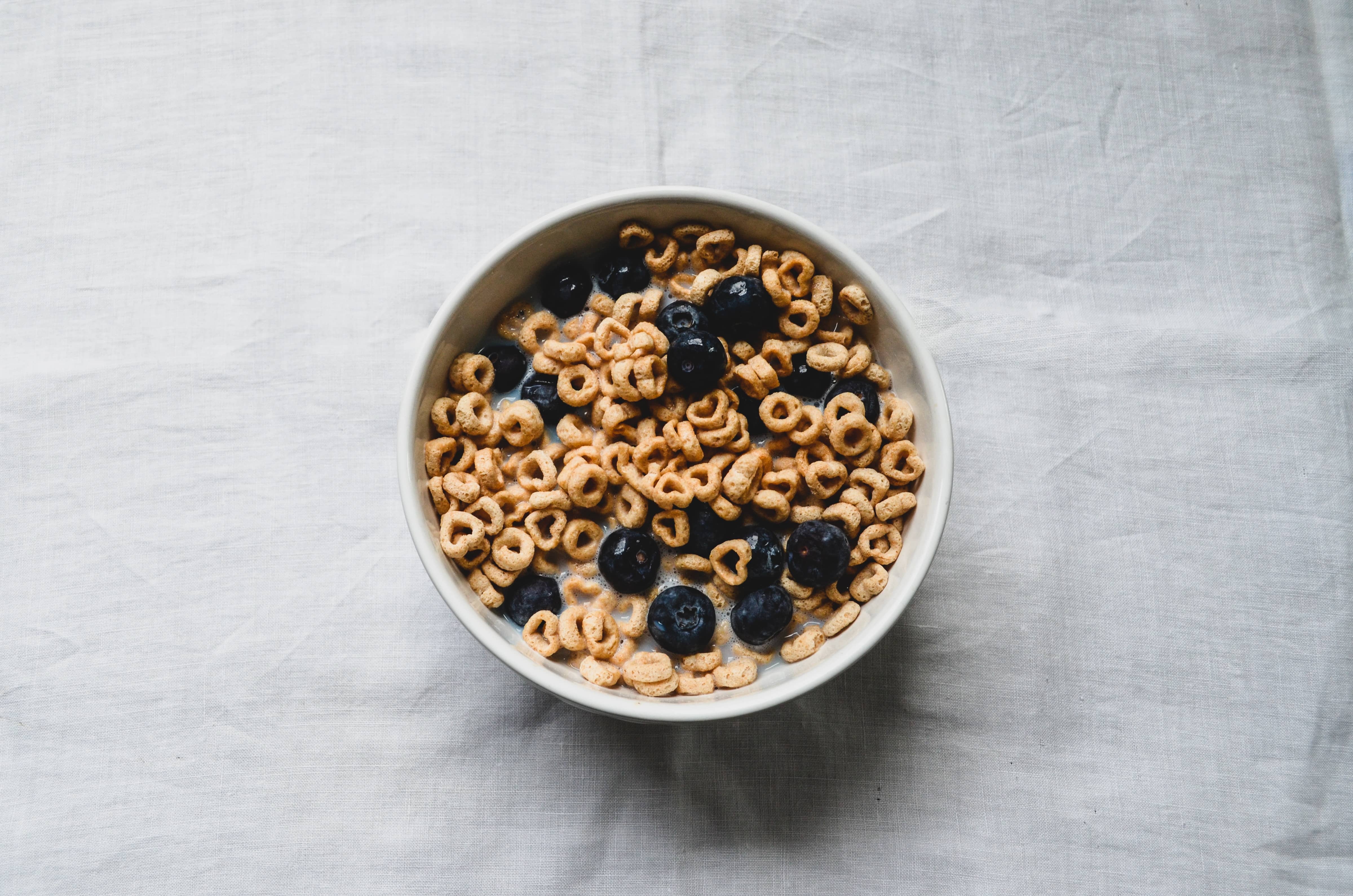
- High-fiber bran cereal.
- Carrots and other non-starchy vegetables, such as leafy greens.
- Apples, grapefruit, oranges, and several other fruits.
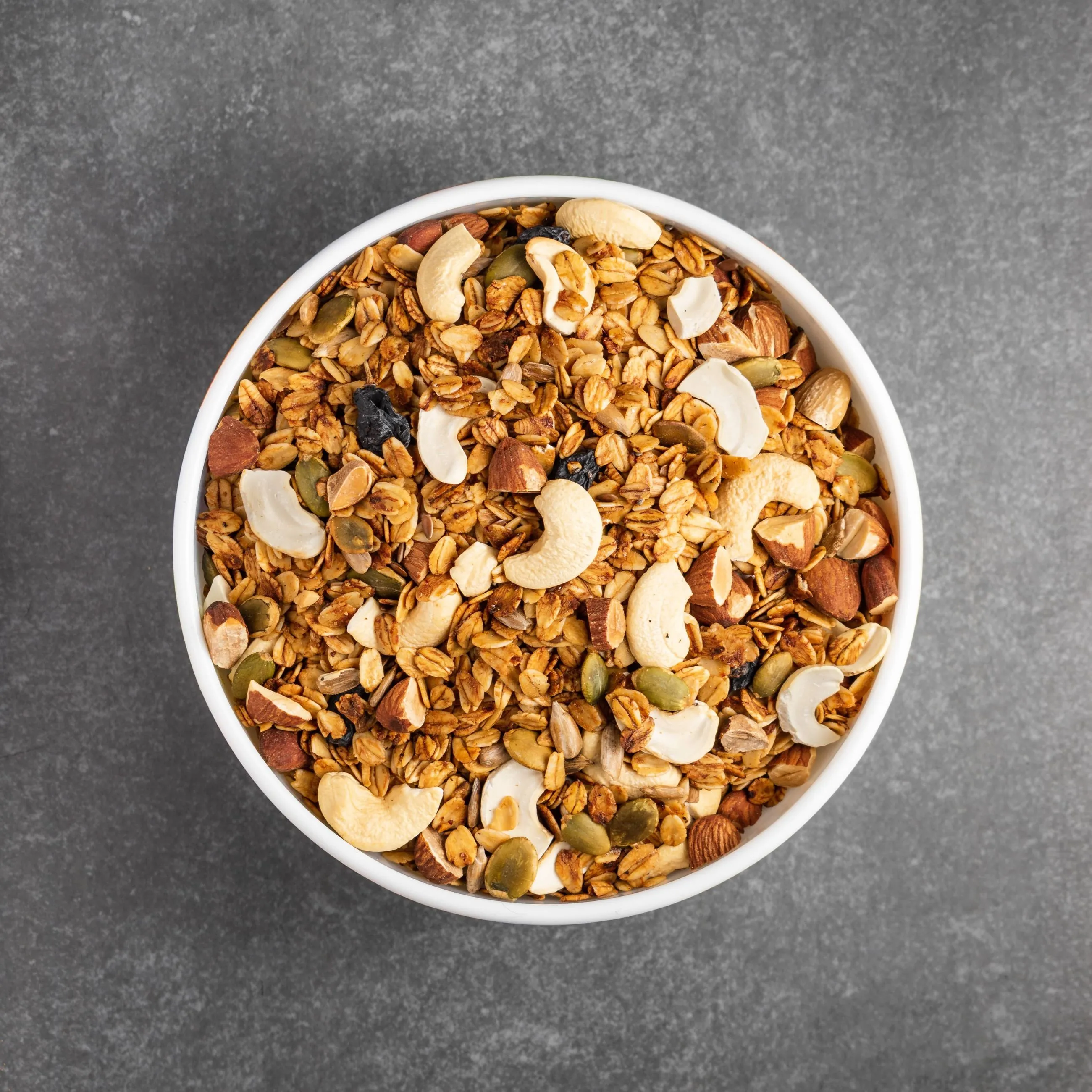
- Most legumes, nuts, and beans.
- Milk and yogurt.
Foods high in GI cause a rapid spike in your blood sugar.
Foods with high GI include:
- White rice.
- Honey.
- Potatoes.
- Most processed snack foods.
- White bread and bagels.
- Watermelon and pineapple.
It’s best to avoid or limit foods high in GI.
{{splash}}
Portion Size
Your portion size also has an effect on your blood sugar level.
Even if you eat foods that are lower on the glycemic index, consuming large amounts may cause your blood sugar to spike due to the increased quantity of carbohydrates.
Learning to prepare appropriate portion sizes and how to pair carbohydrates with protein, fat, and non-starchy vegetables is key to maintaining healthy post-meal blood sugar levels.
Physical Activity Level
How much exercise you get affects how well your body handles blood sugar.
Exercise plays an important role in how well your cells respond to insulin – a response health professionals call insulin sensitivity.
When your cells remain sensitive to insulin, your body can appropriately handle your blood sugar when it rises after a meal.
In one study, researchers found that moderate-intensity activity in the morning helped people with type 2 diabetes have better blood sugar control throughout the day.
Another study found that light activity during the blood sugar peak after a meal helped bring blood sugar levels down faster and lower than not doing activity.
Medications or Supplements Taken
Medications and supplements can affect your blood sugar levels.
Some medications, such as steroids or antipsychotic medications, can make your blood sugar levels higher than usual.
Insufficient insulin or an incorrect dose of your diabetes medication can also cause high blood sugar levels.
On the other hand, having too much diabetes medication can make your blood sugar drop too low.
Several supplements and herbs have been known to lower blood sugar levels. Examples include:
- Garlic supplements.
- Aloe vera.
- Ginseng.
- Ginger.
- Berberine.
Managing Your Blood Sugar Levels After Eating
Managing your blood sugar levels after eating starts with decisions you make before eating.
Your activity level for the day and the types of foods you eat will determine your blood sugar level after you eat.
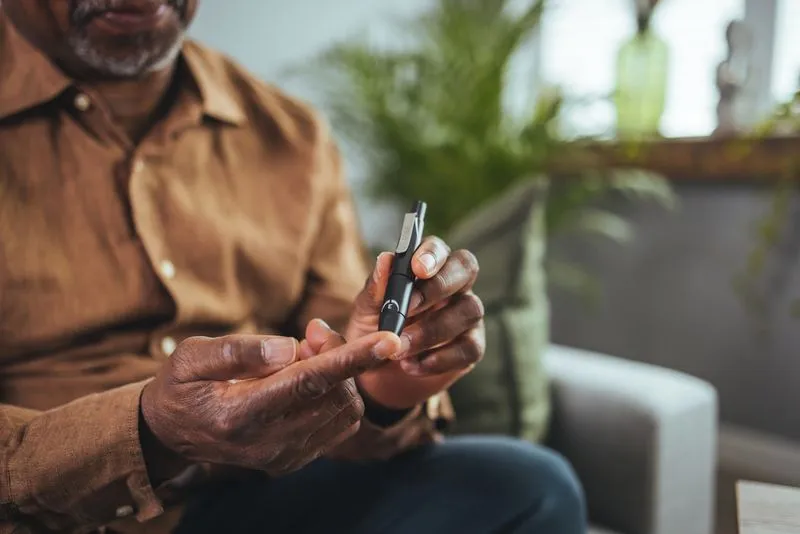
If you or your doctor has concerns about your blood sugar levels, you can use a glucose meter to test your blood sugar before and after meals.
This can give you an idea of what range your blood sugar level is in.
Experts recommend working to keep your blood sugar in the following range:
- 80 to 130 mg/dL before a meal.
- Less than 180 mg/dL two hours after eating.
Tips for Keeping Blood Sugar Levels Stable Throughout the Day
Keeping your blood sugar stable throughout the day is important for your overall health.
While you should expect gradual rises and falls in your levels, you want to avoid dramatic spikes or low drops in your blood sugar levels.
Here are some practical tips for keeping it stable:
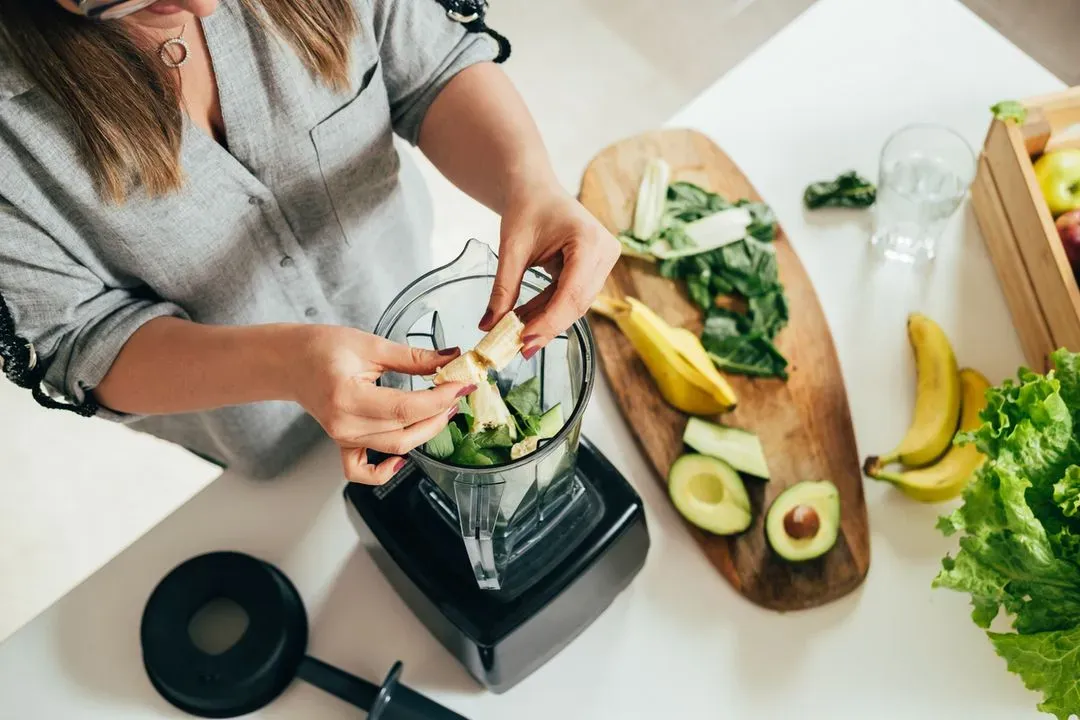
- Eat meals and snacks that contain fiber, proteins, and healthy fats.
- Choose low glycemic index foods.
- Monitor your portion sizes.
- Eat at regular intervals throughout the day.
- Incorporate physical activity into your day.
- Monitor your blood sugar levels.
- Talk with a nutritionist about the best foods to eat for blood sugar levels.
Takeaway
Managing your blood sugar is an important part of maintaining your overall health and preventing long-term complications.
How long your blood sugar stays elevated after eating depends on many factors but in general, your blood sugar will peak around 90 minutes after eating and return back to its pre-meal level about three hours after eating.
Lifestyle choices and the foods you eat greatly influence your blood sugar levels throughout the day.
Small, consistent changes in your daily habits can profoundly impact your overall health.
How a Dietitian Can Help
A diabetes dietitian can play an important role in helping you achieve your blood sugar goals.
They can provide you with personalized dietary advice based on your health conditions, dietary preferences, and lifestyle.
{{splash}}
Frequently Asked Questions
How many hours after eating is your blood sugar the highest?
Typically, your blood sugar reaches its highest level one to two hours after you start eating.
However, the peak time can vary depending on the types of foods you eat.
How high should blood sugar be 30 minutes after eating?
Your blood sugar typically rises 30 minutes after eating, but there isn’t a specific target level as it depends on factors such as the foods you eat and your overall health.
Why is my blood sugar still high two hours after eating?
There can be several reasons why your blood sugar is still high two hours after eating.
If you ate a large meal high in sugar or carbohydrates, your blood sugar may still be coming down from a high spike.
It may also mean your body is having trouble removing the sugar from your bloodstream.
If your high blood sugar persists, it’s a good idea to talk with your doctor.
References
Nourish has strict sourcing policies and prioritizes primary sources, including medical organizations, governmental agencies, academic institutions, and peer-reviewed scientific journals. Learn more about our medical review process and editorial guidelines.









.avif)




%20(1).webp)

.avif)



.avif)









.avif)



































.avif)

.avif)