6 Insulin Resistance Natural Treatment Options

Medical Reviewer: Christina Harris, RDN

Author: Sarah Glinski, RD

Summary
- Insulin resistance is when your cells become less sensitive to insulin. Over time, it can lead to high blood glucose levels and type 2 diabetes.
- There are several natural treatments for insulin resistance, including dietary changes, exercise, supplements and herbal remedies, acupuncture, and stress management.
- Other lifestyle factors that may have an effect on insulin resistance include sleep habits and smoking.
Insulin resistance occurs when your cells become less sensitive to insulin, the hormone that signals cells to take up glucose from the blood for energy.
Over time, this can lead to high blood glucose levels.
Insulin resistance is a risk factor for type 2 diabetes and is thought to occur about 10 to 15 years before the development of type 2 diabetes.
If you have insulin resistance, it’s important to treat it to reduce the likelihood of it progressing to type 2 diabetes.
Several insulin resistance natural treatment options exist.
They include diet and exercise changes, over-the-counter (OTC) supplements and herbal remedies, acupuncture, and stress management.
Read on to learn about these insulin resistance natural treatment options, how to incorporate them into your life, and other lifestyle factors that may impact insulin resistance.
{{splash}}
6 Insulin Resistance Natural Treatment Options
Lifestyle modifications like changes to diet and exercise habits are typically the primary focus for managing insulin resistance.
Other natural treatment options include OTC supplements, herbal remedies, acupuncture, and stress management.
1. Dietary Changes
Dietary changes are one of the first-line treatments for insulin resistance.
High consumption of sweetened drinks, juices, and sweets is associated with developing insulin resistance.
Therefore, reducing these foods in the diet is often recommended as a treatment for insulin resistance.
Certain dietary patterns are also recommended for treating insulin resistance.
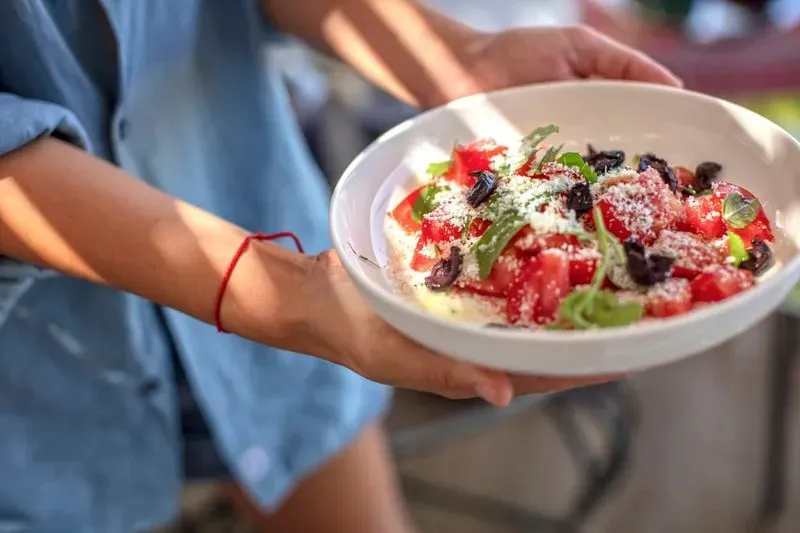
These include the Mediterranean diet, the Dietary Approaches to Stop Hypertension (DASH) diet, and a vegetarian diet.
Low-carbohydrate diets are also sometimes recommended.
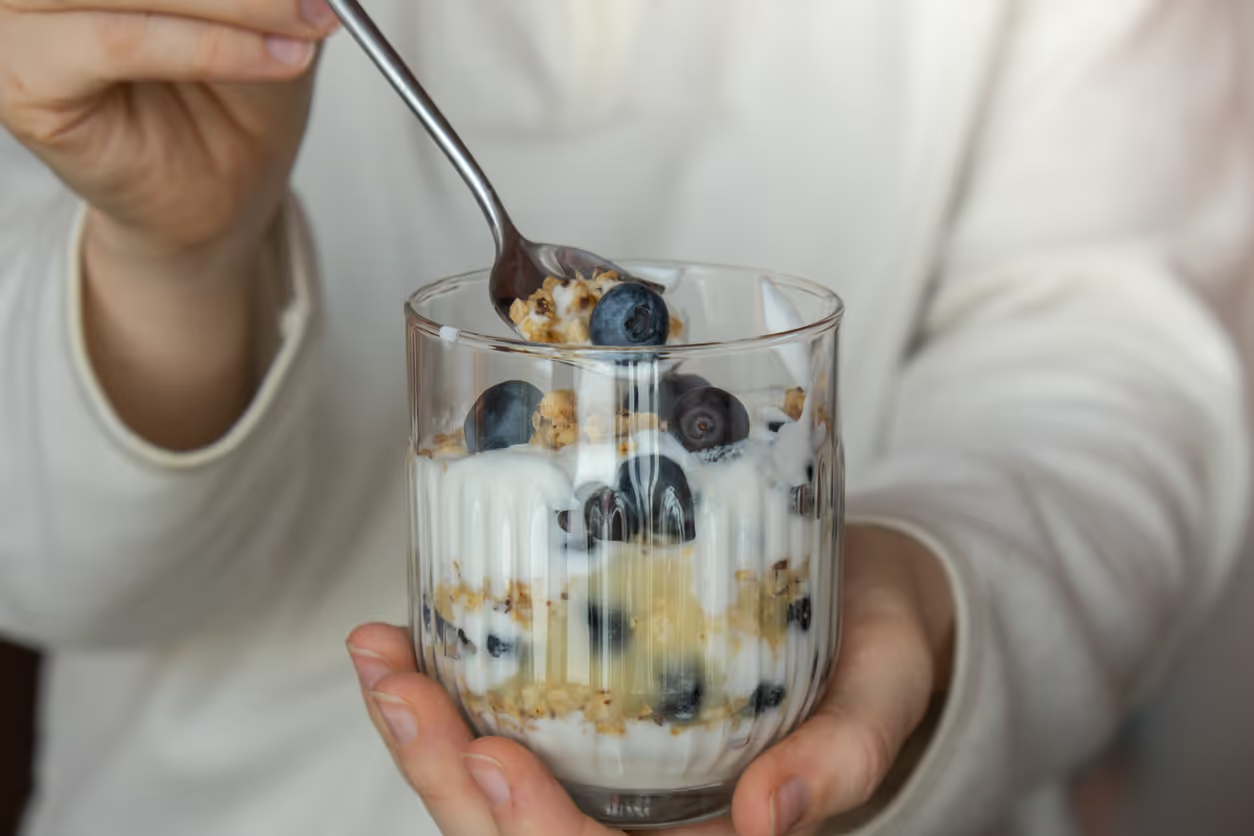
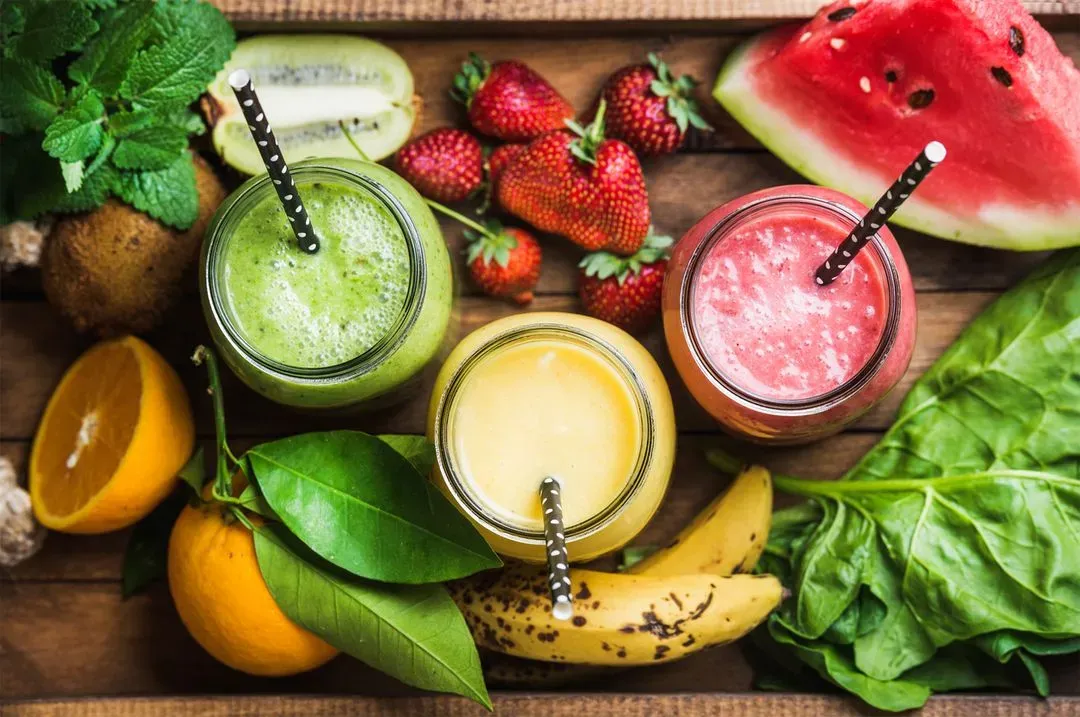
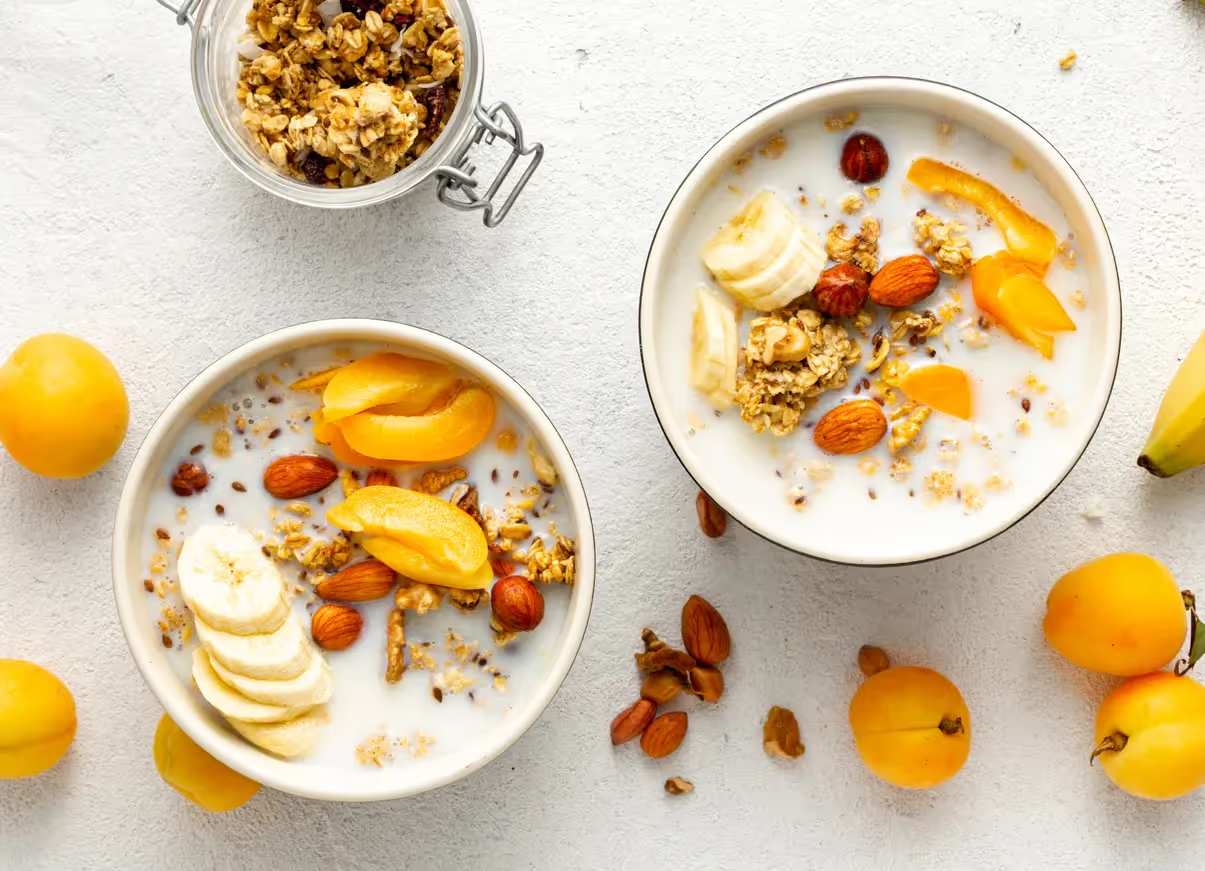
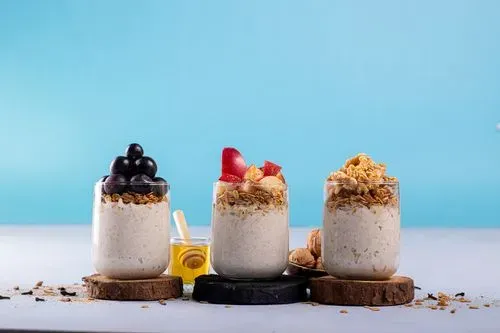
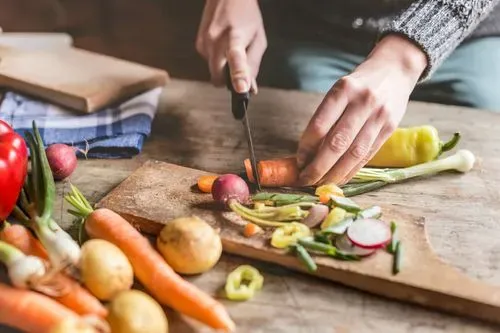
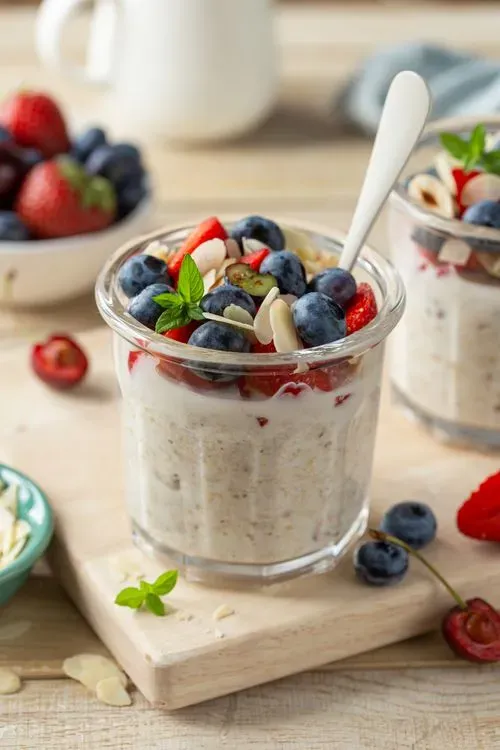
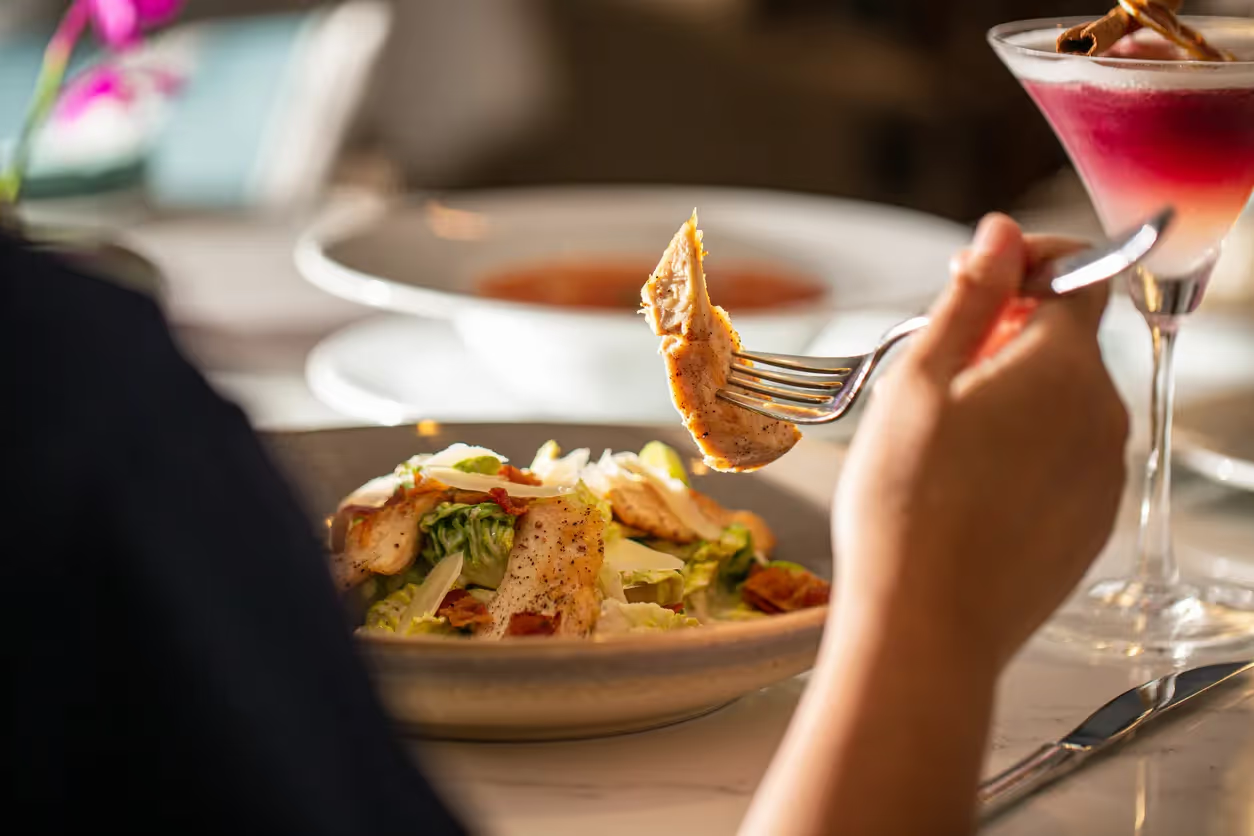
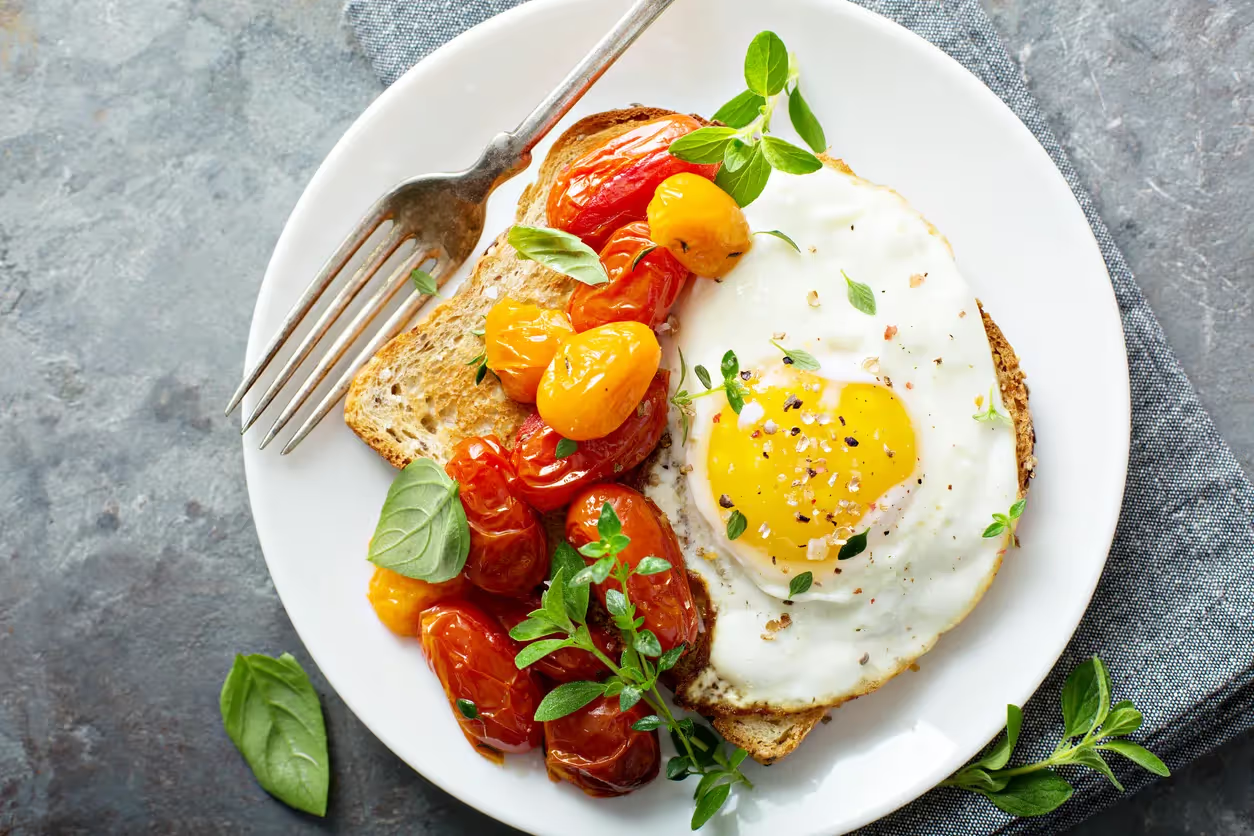
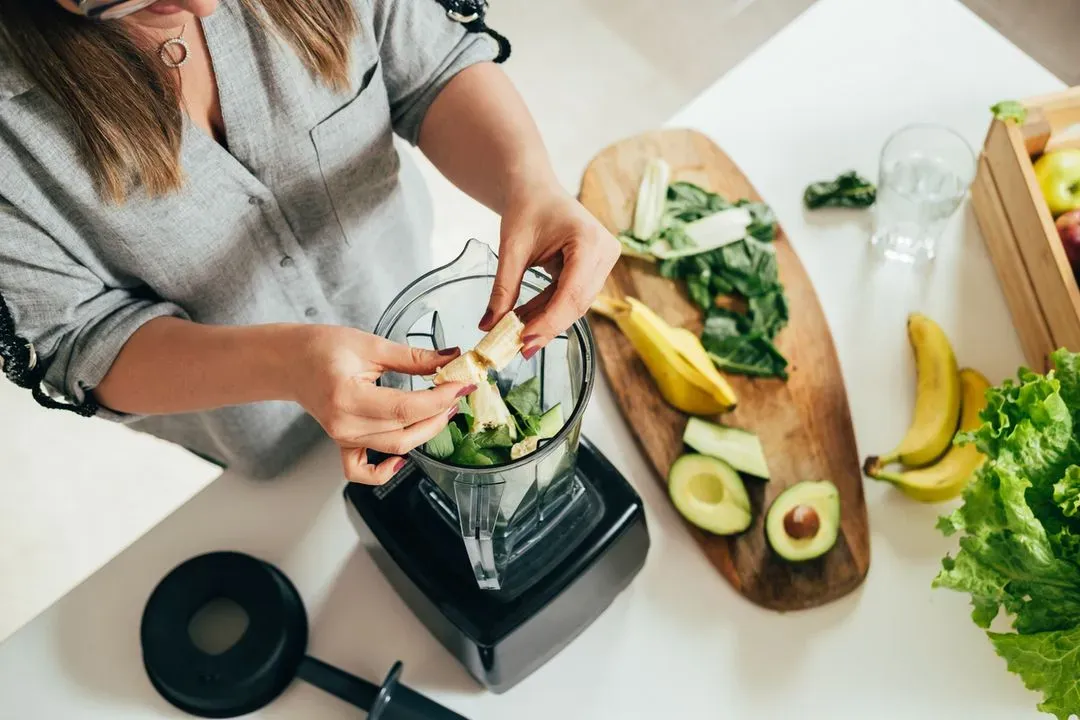
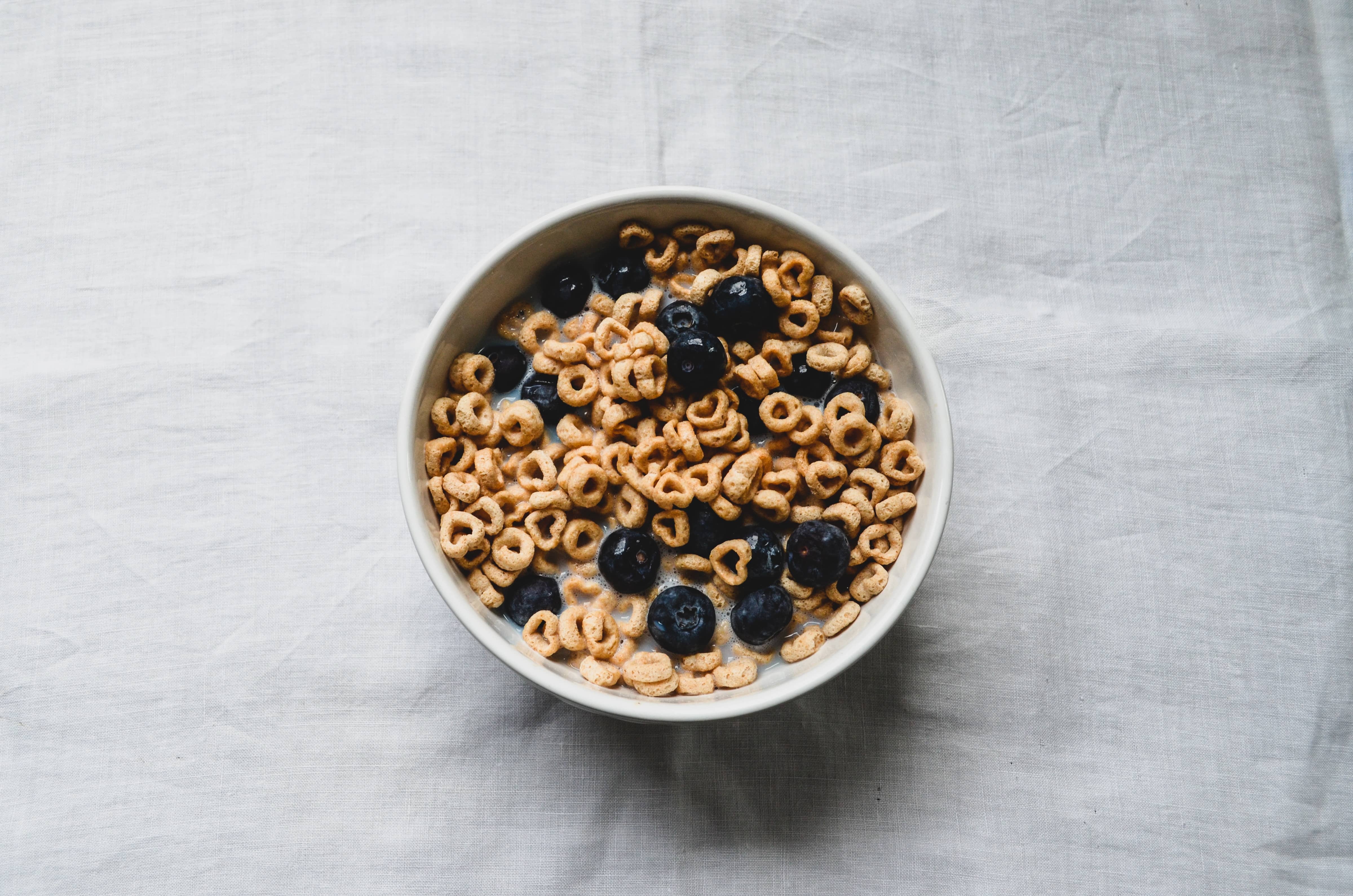
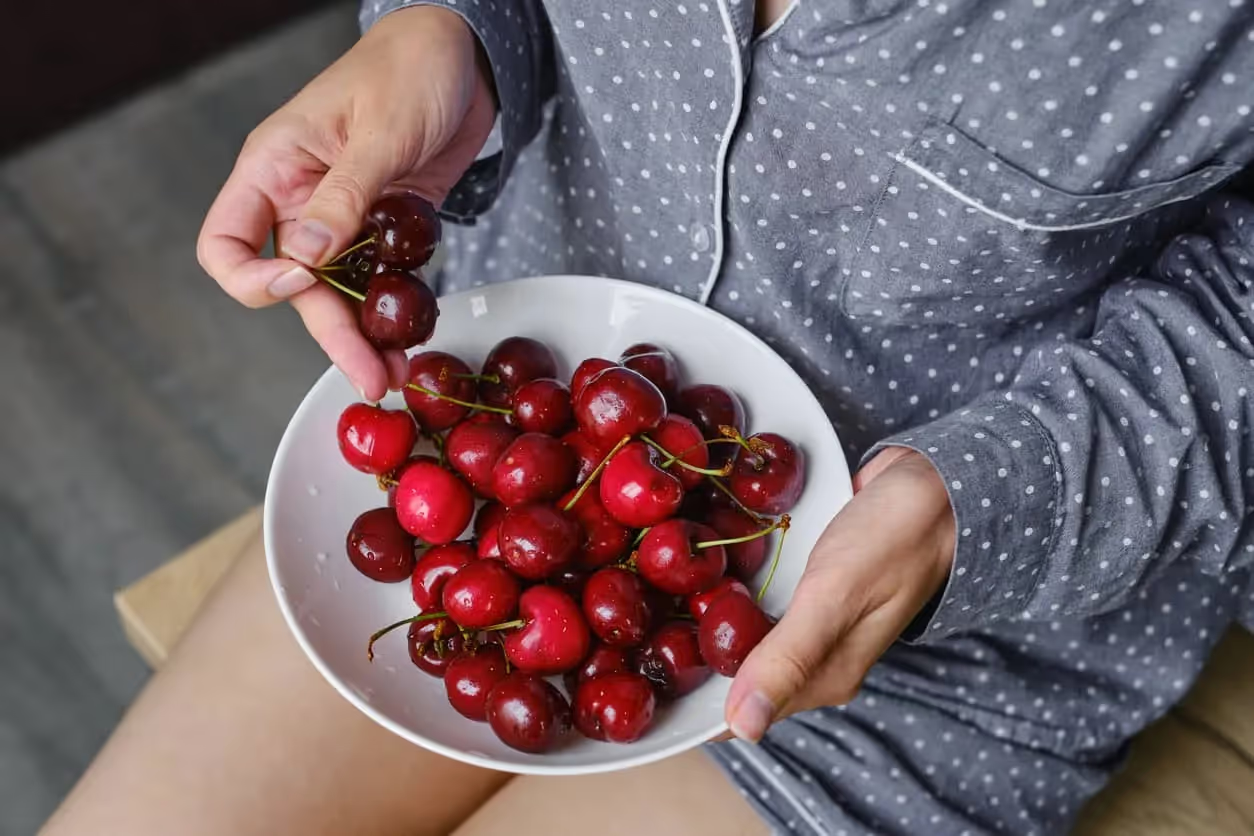
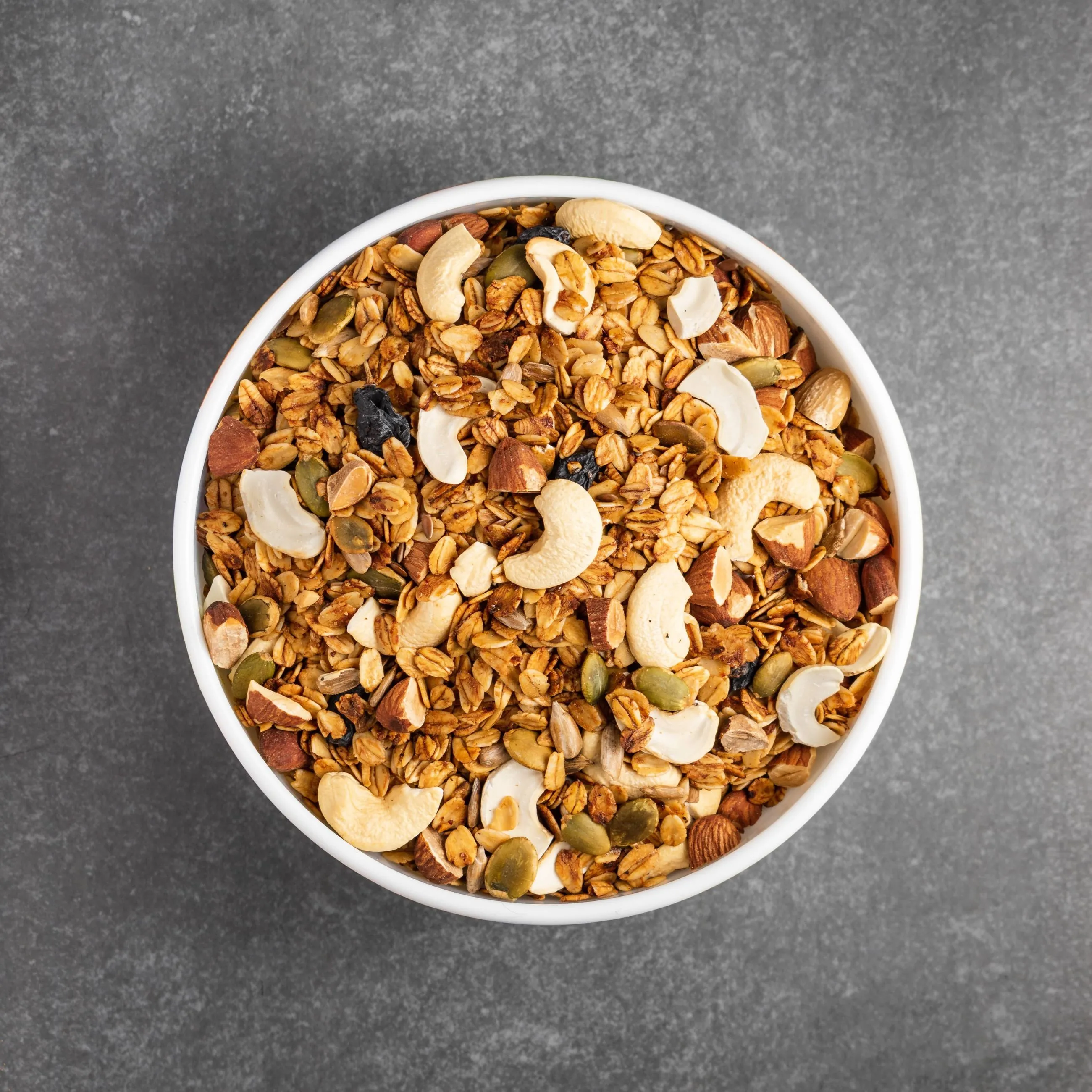
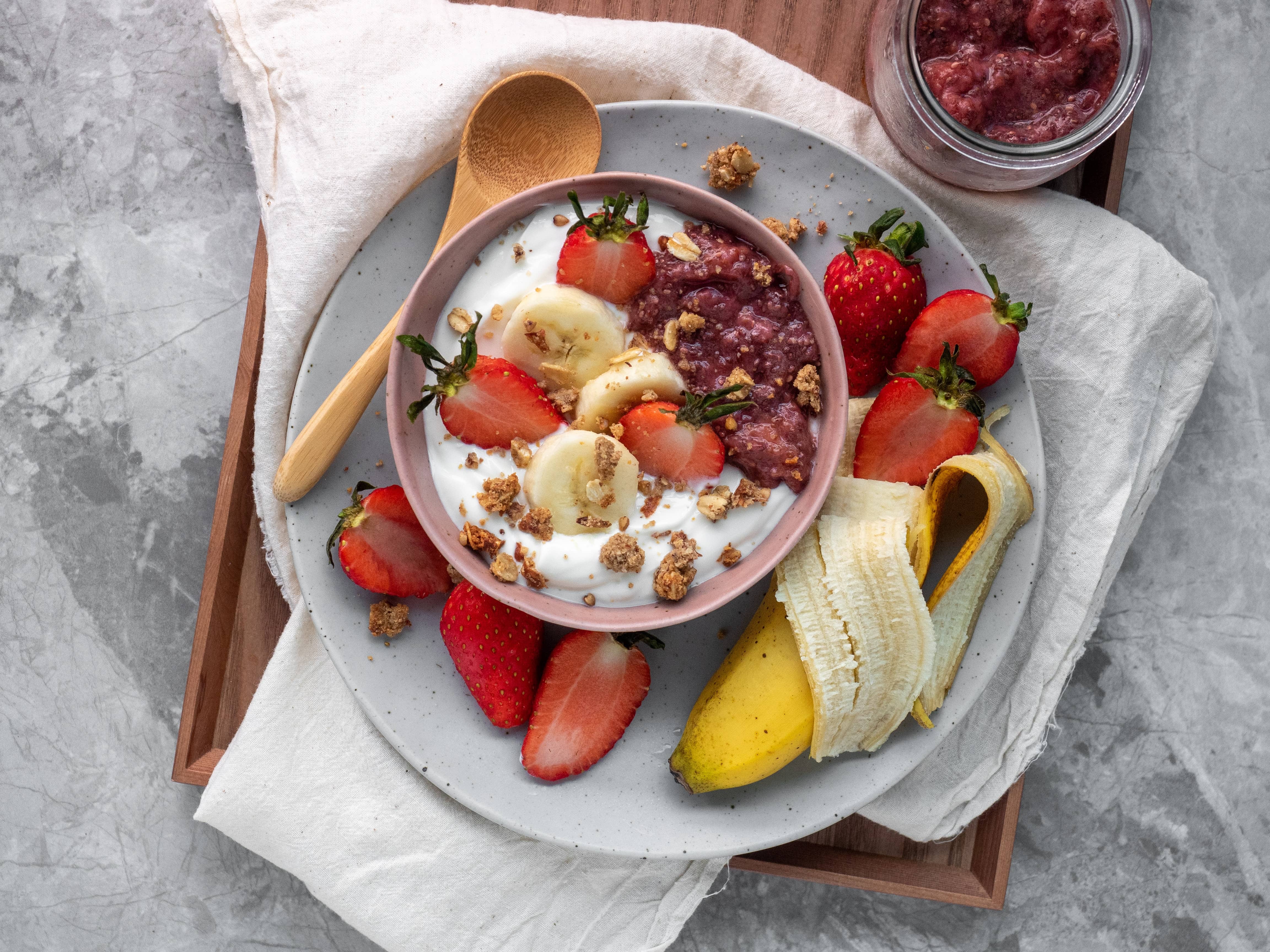
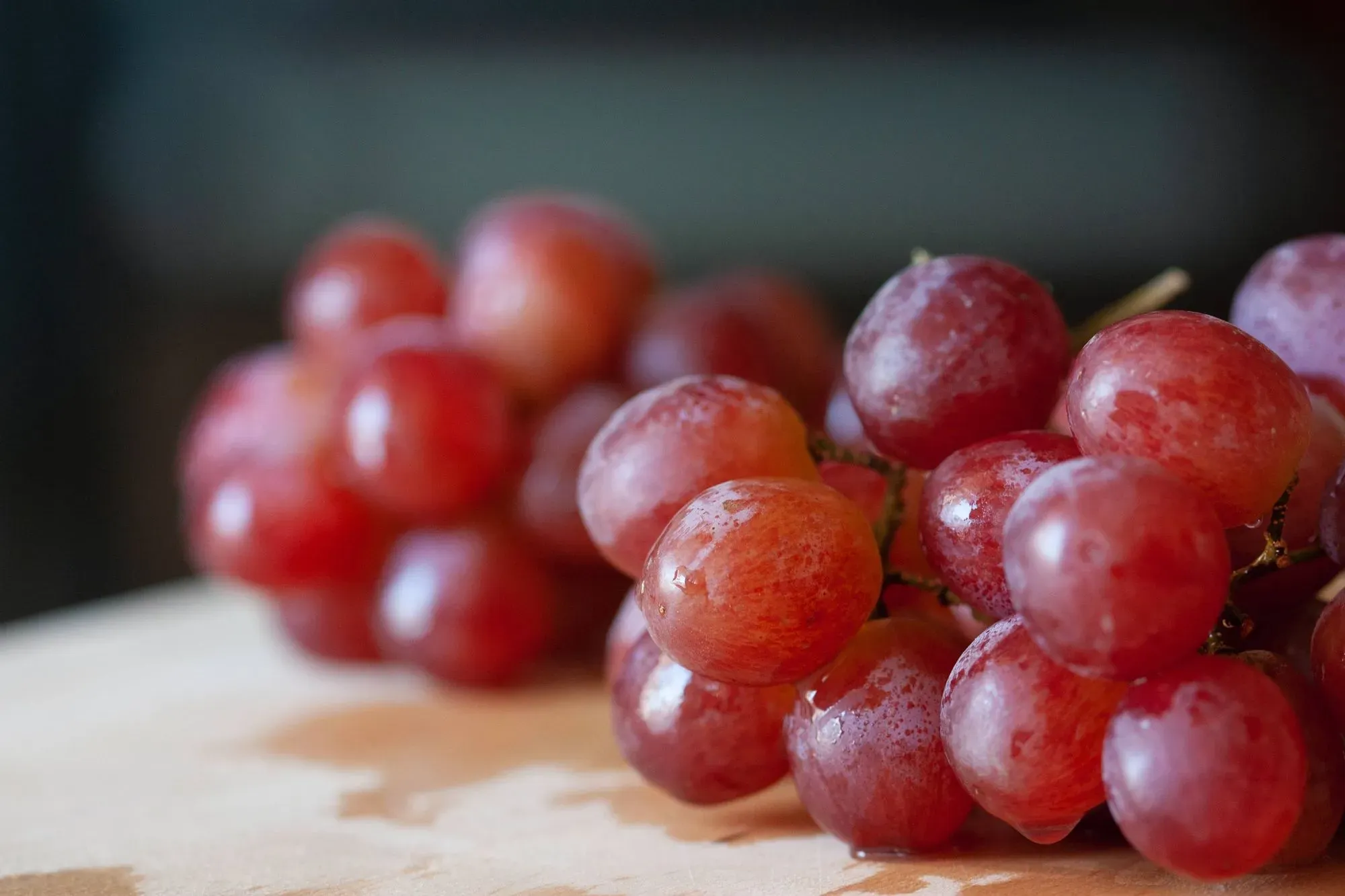
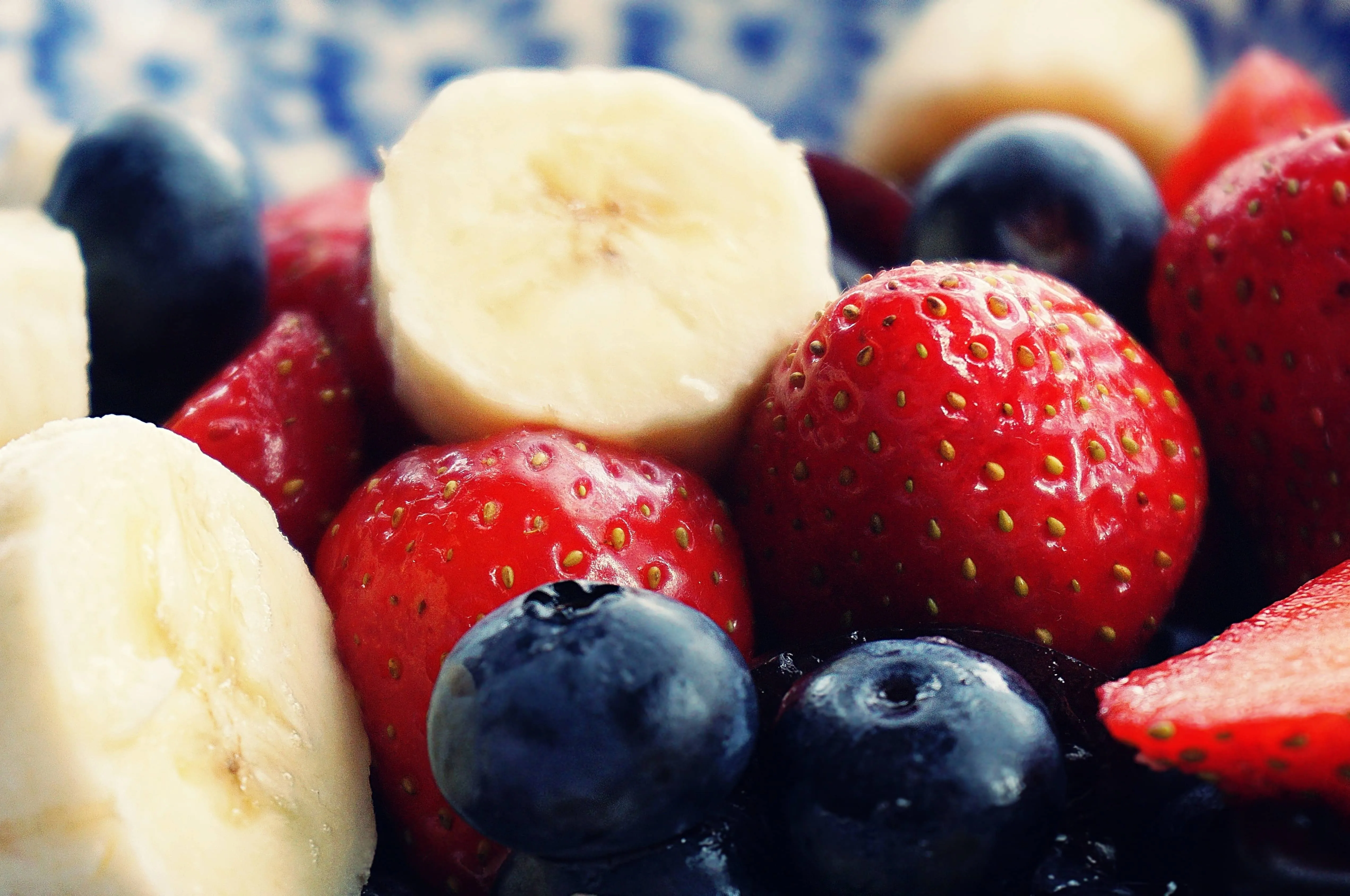
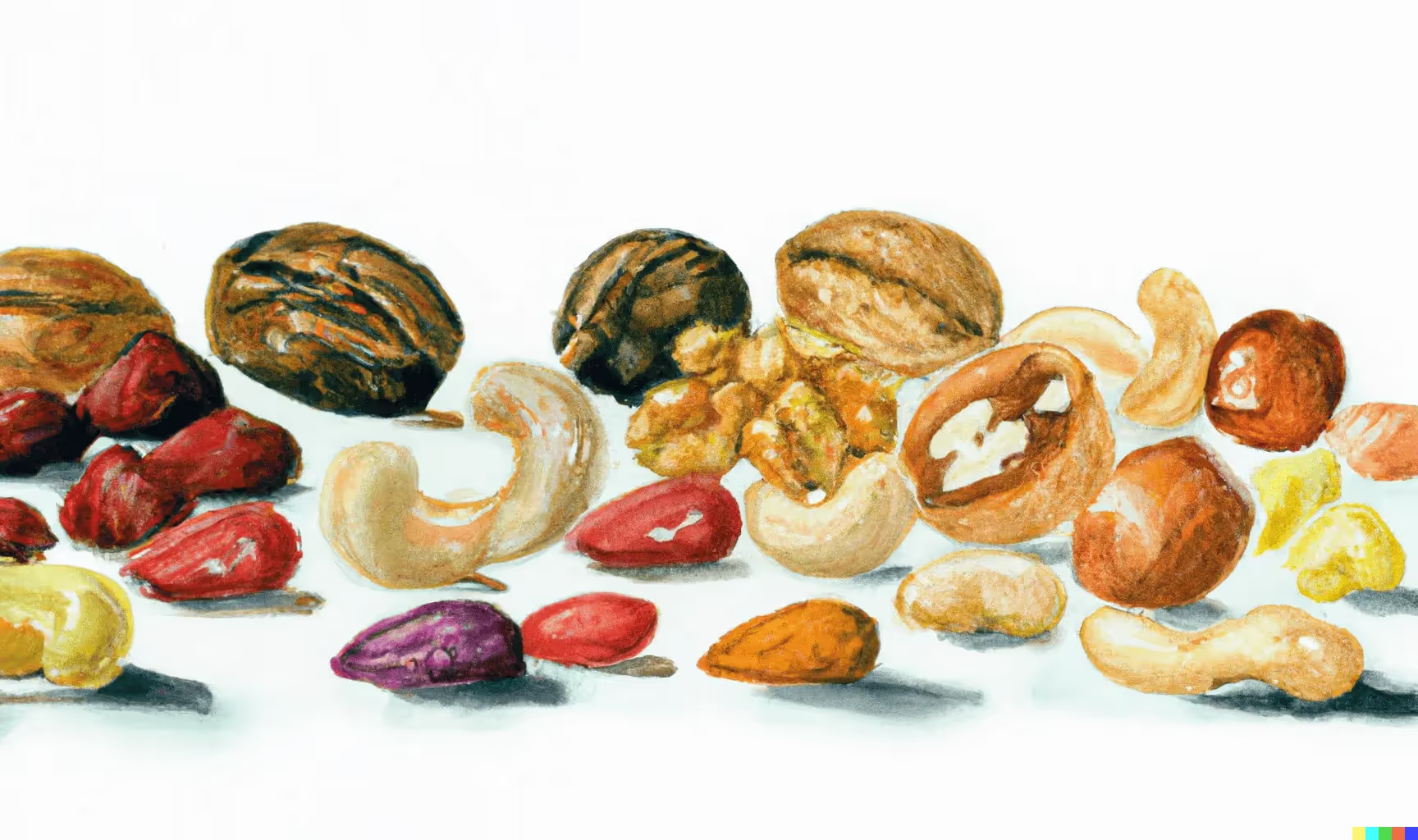
Overall, diets recommended for insulin resistance are rich in fruits and vegetables, whole grains, pulses, nuts, seeds, and olive oil, and low-to-moderate in lean proteins, eggs, and low-fat dairy products.
In addition, the quantity and quality of carbohydrates are key factors in treating insulin resistance.
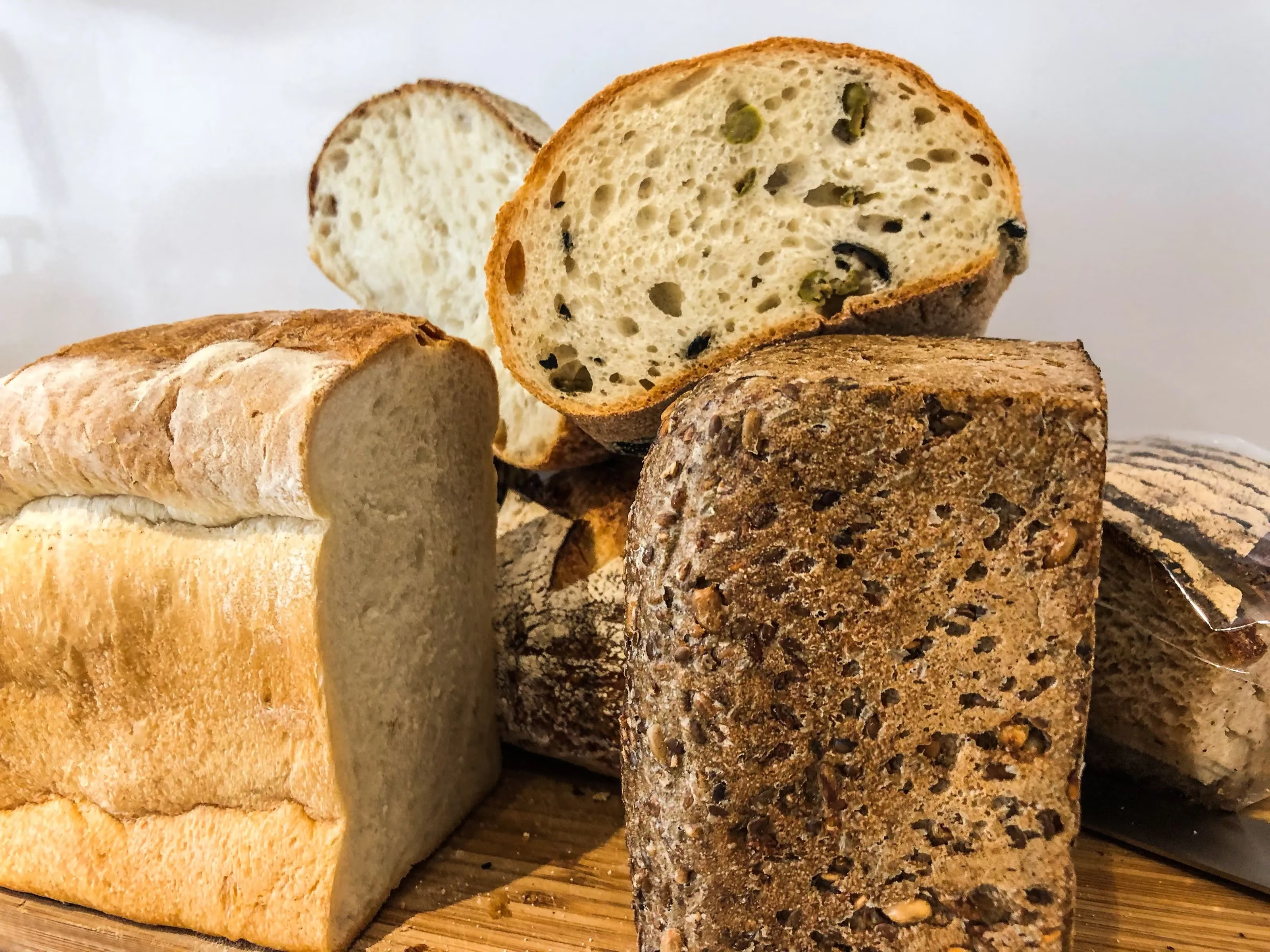
Many studies support reducing simple sugar intake (such as those in sugar-sweetened beverages and sweets) while promoting the intake of slowly-digested carbohydrates rich in fiber, like fruits, vegetables, and whole grains.
2. Exercise Routine
Increasing physical activity levels is another first-line treatment for insulin resistance.
Many studies indicate that the more energy you expend, the better the improvements in insulin sensitivity (how well your body responds to insulin).
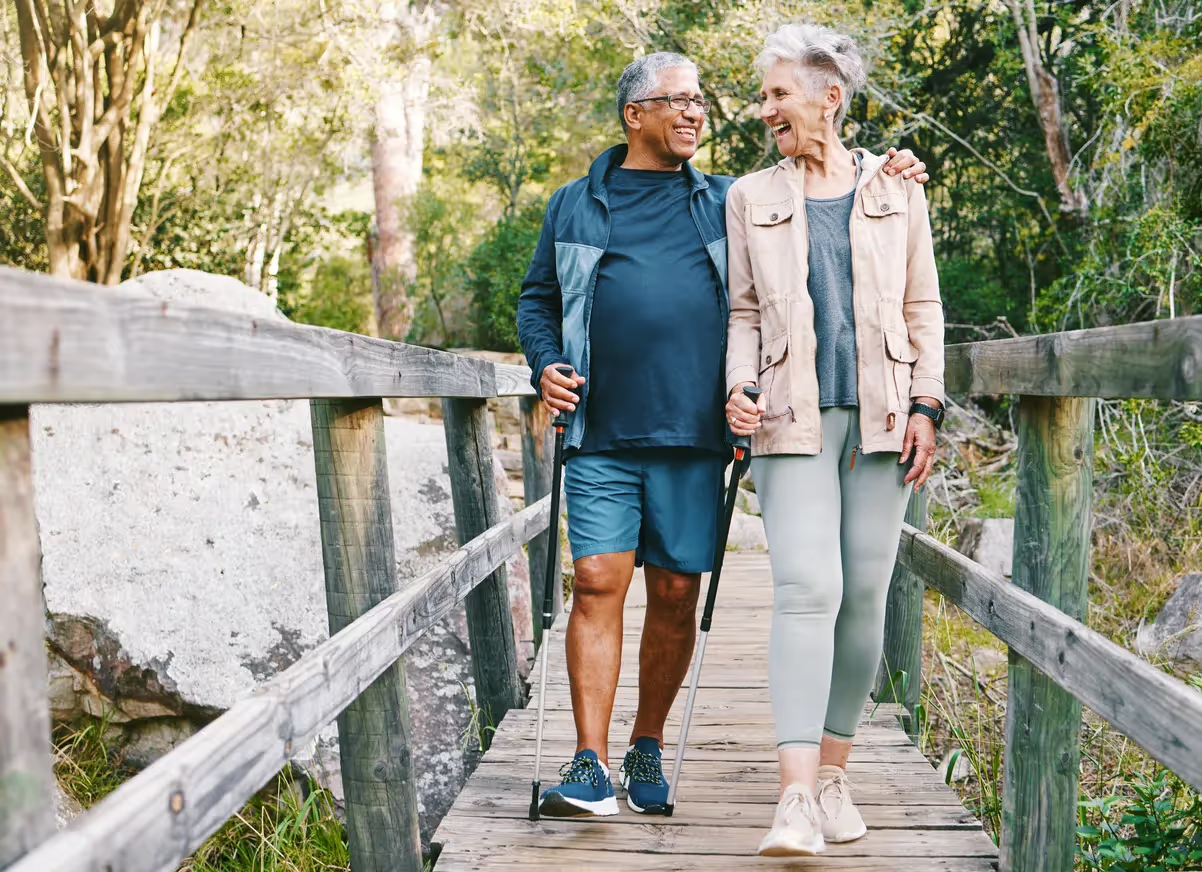
Both aerobic activity (like walking, swimming, or jogging) and resistance exercise (like lifting weights) effectively improve blood glucose regulation.
Current recommendations suggest getting at least 150 minutes of moderate-intensity physical activity weekly.
One way to do this is to aim for 30 minutes of activity five days a week. It’s also important to do muscle-strengthening exercises at least two days a week.
If you’re not currently physically active, start small to avoid injury.
This could include parking further away from the store or taking the stairs instead of the elevator.
As your fitness increases, you can increase the duration and intensity of your physical activity until you meet the recommended 150 minutes weekly.
3. OTC Supplements
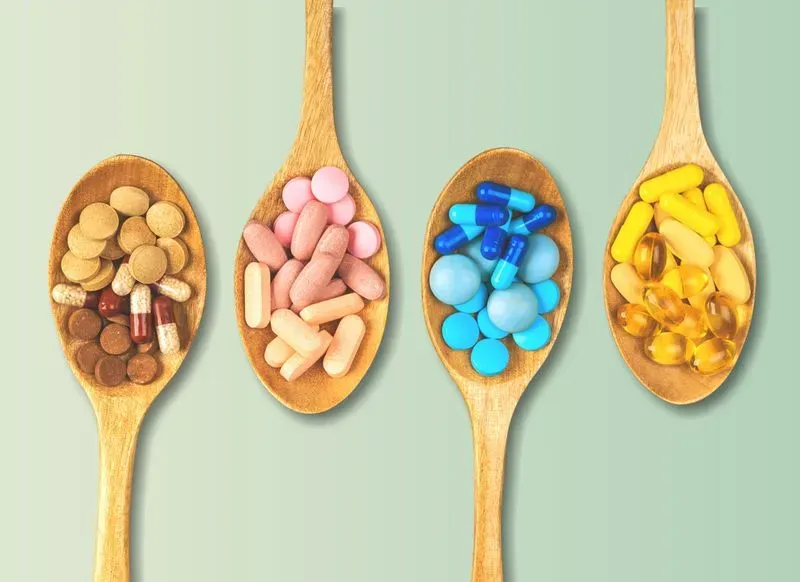
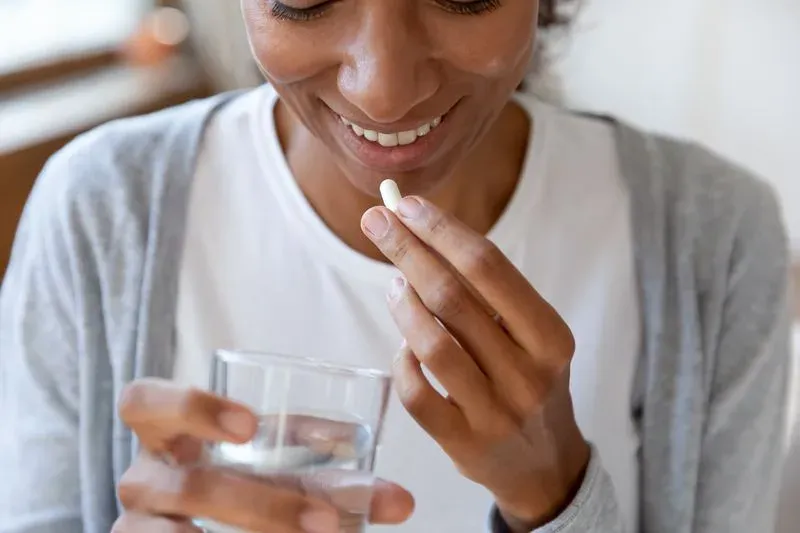
There are several over-the-counter (OTC) supplements that may help with insulin resistance.
These include vitamin C, chromium, and inositol.
Vitamin C
Some studies show that vitamin C supplementation reduces blood glucose in people with type 2 diabetes when taken for longer than 30 days.
It was also found to have a greater effect on fasting blood glucose, as well as in older individuals.
While there are no studies looking at the effect of vitamin C on insulin resistance in people without type 2 diabetes, it could be an effective natural treatment that is relatively safe and inexpensive at doses of less than 2,000 milligrams daily.
Chromium
Chromium is an essential trace metal that has been shown to reduce insulin resistance in some studies.
A study in people with polycystic ovary syndrome (PCOS), a condition where insulin resistance is common, found that six months of chromium picolinate supplementation was associated with a significant reduction in insulin resistance.
Inositol
Inositol, also known as myo-inositol, is a carbohydrate that can be made from glucose.
While the body can make inositol, having insulin resistance increases the need for inositol.
This is likely because insulin uses compounds made from inositol as secondary messengers that control glucose uptake into the cells.
Given the relationship between inositol and insulin resistance, studies have looked at the effect of myo-inositol supplementation on insulin sensitivity.
Several studies have found that inositol supplementation reduces insulin resistance in people with PCOS.
Other studies have found that inositol supplementation reduces the incidence of gestational diabetes by up to 87%.
Finally, studies in post-menopausal women have found that inositol supplementation improved blood glucose and insulin levels.
4. Herbal Remedies
Certain herbal remedies, such as berberine and cinnamon, may work as insulin resistance natural treatments.
Cinnamon
The phytochemicals in cinnamon have been shown to reduce insulin resistance.
While the mechanism of action remains unclear, some studies suggest it works by activating insulin receptors and increasing cellular glucose uptake.
More robust studies are needed, but the link between cinnamon and insulin resistance looks promising.
While cinnamon supplementation is generally safe, Cassia cinnamon contains coumarin, a chemical that can harm the liver.
While there typically isn’t enough coumarin to be concerned about, prolonged use could be harmful for people with liver disease.
Berberine
Berberine is a naturally occurring compound found in various medicinal plants.
Human and animal studies show that berberine may improve glycemic control and insulin resistance, possibly through changes to the gut microbiota. The time it takes to see results while taking berberine varies.
5. Acupuncture
Acupuncture is a treatment where a trained practitioner inserts fine needles into the skin at specific points on the body.
It originated from traditional Chinese medicine and has been used for at least 2,500 years.
While it’s typically used for pain management, studies also show that it may be effective for treating insulin resistance.
A systematic review and meta-analysis of 20 studies found that acupuncture effectively reduced fasting blood glucose, 2-hour post-meal blood glucose, and HOMA-IR (a measure of insulin resistance).
However, these studies showed that acupuncture should be used as a complementary therapy for insulin resistance rather than a replacement.
6. Stress Management
Stress can be a key driver of insulin resistance, which is evidenced by the fact that diabetes is more common among people with a stressful lifestyle.
While stress is an inevitable part of life, chronic stress can seriously impact blood glucose control and induce insulin resistance.
This is partially because when you’re stressed, your body releases hormones like cortisol and adrenaline.
These hormones make it more difficult for insulin to work, leading to high blood glucose levels.
Therefore, stress management is a key part of treating insulin resistance.
Some stress management techniques to consider include:
- Deep breathing exercises.
- Progressive muscle relaxation.
- Mindfulness meditation.
- Yoga.
- Exercise.
- Journaling.
- Seeking social support.
- Aromatherapy.
- Cognitive behavioral therapy (CBT).
If you’re struggling to get your stress levels under control, speaking with a therapist may be beneficial.
Other Lifestyle Factors to Consider
Other lifestyle factors, such as sleep habits and smoking, may also impact insulin sensitivity.
Sleep
While the exact mechanism is unclear, numerous studies show that there is a relationship between sleep deprivation and the development of insulin resistance.
It’s thought that sleep deprivation may promote insulin resistance by increasing inflammation in the body.
The American Academy of Sleep Medicine recommends that adults get seven hours or more sleep per night.
If you’re currently getting less than this, it may be worth evaluating your sleep habits to increase your sleep duration.
Smoking
Smoking increases your risk of developing type 2 diabetes by 30%-40%.
This is because nicotine changes your cells and makes them less responsive to insulin.
The chemicals in cigarettes also cause inflammation, which also makes cells less responsive to insulin.
If you currently smoke, quitting can be an important step in treating insulin resistance and improving your overall health.
{{splash}}
Incorporating Natural Treatments Into Your Treatment Plan
Developing a plan to treat insulin resistance involves addressing numerous lifestyle factors, such as dietary choices and physical activity.
Here are some tips for incorporating natural treatment into your treatment plan:
- Consult with a healthcare professional. They can offer personalized advice that accounts for individual risk factors. Plus, they can advise you on how to safely incorporate OTC and herbal supplements.
- Assess your current lifestyle. Try keeping a food and activity journal so you can understand your current patterns and identify opportunities for improvements.
- Set realistic goals. You don’t need to try and change everything all at once. Pick one or two strategies and stick with them.
- Schedule regular check-ins. Check in with your healthcare team to assess progress and make adjustments to your treatment plan.
Takeaway
Insulin resistance is a precursor to developing type 2 diabetes, but there are many insulin resistance natural treatments you can use to reduce this risk.
While diet and exercise are mainstay treatments for insulin resistance, you may also benefit from OTC or herbal supplements, acupuncture, and stress management techniques.
How a Dietitian Can Help
If you’ve been diagnosed with insulin resistance, a diabetes dietitian can help you make sustainable diet and lifestyle changes to treat it and reduce your risk of developing type 2 diabetes.
You can find a dietitian who accepts insurance through Nourish.
Frequently Asked Questions
How do you treat insulin resistance naturally?
There are several natural ways of treating insulin resistance.
They include dietary changes, physical activity, supplements and herbal remedies (such as vitamin C, chromium, inositol,cinnamon, and berberine), acupuncture, and stress management techniques.
Getting at least seven hours of sleep and quitting smoking are also effective natural treatments for insulin resistance.
What vitamin stops insulin resistance?
No vitamin stops insulin resistance completely.
However, some studies show that vitamin C supplementation reduces blood sugar levels in people with type 2 diabetes when taken for longer than 30 days.
What foods "break" insulin resistance?
Diets for treating insulin resistance are rich in fruits and vegetables, whole grains, lean proteins, eggs, nuts, seeds, olive oil, and low-fat dairy.
Reducing your intake of simple sugars (such as what you would find in sugar-sweetened beverages or sweets) and increasing your intake of high-fiber foods with comple
References
View all references
- Freeman AM, Acevedo LA, Pennings N. Insulin Resistance. [Updated 2023 Aug 17]. In: StatPearls [Internet]. Treasure Island (FL): StatPearls Publishing; 2024 Jan-. Available from https://www.ncbi.nlm.nih.gov/books/NBK507839/
- Gołąbek KD, Regulska-Ilow B. 2019. Dietary support in insulin resistance: An overview of current scientific reports. Adv Clin Exp Med. 28(11):1577-1585. doi: 10.17219/acem/109976.
- Bird SR, Hawley JA. 2017. Update on the effects of physical activity on insulin sensitivity in humans. BMJ Open Sport Exerc Med. 2(1):e000143. doi: 10.1136/bmjsem-2016-000143.
- Centers for Disease Control and Prevention. (n.d.). Get Active! Retrieved February 15, 2024 from https://www.cdc.gov/diabetes/managing/active.html
- Ashor AW, Werner AD, Lara J, Willis ND, Mathers JC, Siervo M. 2017. Effects of vitamin C supplementation on glycaemic control: a systematic review and meta-analysis of randomised controlled trials. Eur J Clin Nutr. 71(12):1371-1380. doi: 10.1038/ejcn.2017.24.
- Mount Sinai. (n.d.). Vitamin C (Ascorbic acid). Retrieved February 15, 2024, from https://www.mountsinai.org/health-library/supplement/vitamin-c-ascorbic-acid
- Dubey P, Thakur V, Chattopadhyay M. 2020. Role of Minerals and Trace Elements in Diabetes and Insulin Resistance. Nutrients. 12(6):1864. doi: 10.3390/nu12061864.
- Ashoush S, Abou-Gamrah A, Bayoumy H, Othman N. 2016. Chromium picolinate reduces insulin resistance in polycystic ovary syndrome: Randomized controlled trial. J Obstet Gynaecol Res. 42(3):279-85. doi: 10.1111/jog.12907.
- DiNicolantonio JJ, H O'Keefe J. 2022. Myo-inositol for insulin resistance, metabolic syndrome, polycystic ovary syndrome and gestational diabetes. Open Heart. 9(1):e001989. doi: 10.1136/openhrt-2022-001989.
- Mohsin SN, Saleem F, Humayun A, Tanweer A, Muddassir A. 2023. Prospective Nutraceutical Effects of Cinnamon Derivatives Against Insulin Resistance in Type II Diabetes Mellitus-Evidence From the Literature. Dose Response. 21(3):15593258231200527. doi: 10.1177/15593258231200527.
- National Center for Complementary and Integrative Health. (April, 2020). Cinnamon. Retrieved February 16, 2024, from https://www.nccih.nih.gov/health/cinnamon
- Yue SJ, Liu J, Wang AT, Meng XT, Yang ZR, Peng C, Guan HS, Wang CY, Yan D. 2019. Berberine alleviates insulin resistance by reducing peripheral branched-chain amino acids. Am J Physiol Endocrinol Metab. 316(1):E73-E85. doi: 10.1152/ajpendo.00256.2018.
- Liu D, Zhang Y, Liu Y, Hou L, Li S, Tian H, Zhao T. 2018. Berberine Modulates Gut Microbiota and Reduces Insulin Resistance via the TLR4 Signaling Pathway. Exp Clin Endocrinol Diabetes. 126(8):513-520. doi: 10.1055/s-0043-125066.
- National Center for Complementary and Integrative Health. (October, 2022). Acupuncture: What You Need To Know. Retrieved February 16, 2024, from https://www.nccih.nih.gov/health/acupuncture-what-you-need-to-know
- Wu L, Chen X, Liu Y, Lan J, Wu C, Li Z, Lu L, Yi W. 2019. Role of acupuncture in the treatment of insulin resistance: A systematic review and meta-analysis. Complement Ther Clin Pract. 37:11-22. doi: 10.1016/j.ctcp.2019.08.002.
- Yaribeygi H, Maleki M, Butler AE, Jamialahmadi T, Sahebkar A. 2022. Molecular mechanisms linking stress and insulin resistance. EXCLI J. 21:317-334. doi: 10.17179/excli2021-4382.
- Diabetes UK. (n.d.). Stress and Diabetes. Retrieved February 16, 2024, from https://www.diabetes.org.uk/guide-to-diabetes/emotions/stress
- Singh T, Ahmed TH, Mohamed N, Elhaj MS, Mohammed Z, Paulsingh CN, Mohamed MB, Khan S. 2022. Does Insufficient Sleep Increase the Risk of Developing Insulin Resistance: A Systematic Review. Cureus. 14(3):e23501. doi: 10.7759/cureus.23501.
- Centers for Disease Control and Prevention. (June 20, 2022). Smoking and Diabetes. Retrieved February 16, 2024, from https://www.cdc.gov/diabetes/library/features/smoking-and-diabetes.html
Nourish has strict sourcing policies and prioritizes primary sources, including medical organizations, governmental agencies, academic institutions, and peer-reviewed scientific journals. Learn more about our medical review process and editorial guidelines.







.avif)


%20(1).webp)

.avif)


.avif)




.avif)


























.avif)

.avif)