The Best Diet For Kidney Disease and Diabetes

Medical Reviewer: Christine Russell, MS, RD, LD, CDCES

Author: Sarah Bullard, MS, RD

Summary
- About one-third of people with diabetes also have chronic kidney disease.
- Food and beverage choices are vital for preventing the progression of both conditions.
- Try this five-day meal for kidney disease and diabetes, and consider working with a registered dietitian if you want individualized support.
Chronic kidney disease (CKD) affects about 37 million Americans, or one in seven adults in the United States.
The two most common causes of CKD are diabetes and high blood pressure. About one-third of people with diabetes also have kidney disease.
Diet and lifestyle changes are essential for managing both CKD and diabetes. Making healthful food choices can slow or stop the progression of these conditions.
Keep reading to learn how the two conditions are linked, what foods to eat and avoid for diabetes and CKD, and try our free five-day meal plan.
{{splash}}
Are Kidney Disease and Diabetes Related?
Yes, kidney disease and diabetes are related. However, not everyone with diabetes will have CKD. Genetics, blood sugar control, and blood pressure also play a role.
When we eat protein from foods (like animals, fish, eggs, nuts, and dairy products), our body digests protein and creates some waste products in the process.
The kidneys have millions of blood vessels that filter blood and remove waste products for removal via urine.
Over time, uncontrolled diabetes (high blood sugar levels) damages tiny blood vessels like those in the kidney. Kidney damage leads to less effective removal of waste products and fluid imbalances.
Kidney disease typically has no symptoms until most kidney function has stopped.
Often, fluid build-up occurs, but there also might be general symptoms of loss of sleep, poor appetite, fatigue, or upset stomach.
Regular check-ups with your healthcare provider can catch early symptoms through urine tests.
If you have kidney disease and diabetes, food choices play a pivotal role in preventing the progression of both conditions. Maintaining healthy blood sugar levels can prevent damage to the kidneys and other body systems.
Learn more about foods to eat and avoid.
Foods to Eat for Kidney Disease and Diabetes
A traditional renal (kidney) diet restricts protein, potassium, and phosphorus foods.
Potassium and phosphorus are in many beneficial foods like fruits, vegetables, whole grains, nuts, and beans. Eliminating these foods entirely is not necessary.
According to the research, limiting protein intake to 0.6 grams/kg body weight daily (about 45 grams of protein daily) is recommended in moderate CKD (stage 3). With current research showing the benefits of a plant-based, fiber-rich, lower-protein diet with limited processed foods.
Low-protein, vegetarian-based diets also reduce the risk of kidney failure without increased blood potassium levels. That's because plant protein is less work for the kidneys to filter and process than animal protein.
Additionally, the high fiber in plant-based diets encourages good gut balance and reduces protein waste products.
Also—plant potassium is absorbed at around 50 to 60%, whereas the body absorbs around 80% of potassium from animal foods.
Phosphorus is difficult for the kidneys to filter in later stages of CKD (stages 4 and 5).
Foods high in phosphorus include meat, processed foods, dark-colored sodas, nuts, beans, and whole-grain bread. However, plant-based phosphorus is difficult for humans to absorb compared to animal and additive forms.
Plant-based diets low in processed foods are beneficial for people with diabetes, too. The fiber helps stabilize blood sugar levels and supports overall health.
Work with your healthcare provider and a registered dietitian to determine the appropriate protein, phosphorus, and potassium amount depending on your kidney disease stage.
Below are foods to include for both kidney disease and diabetes.
1. Lower potassium vegetables
- Cauliflower.
- Onions.
- Eggplants.
- Turnips.
- Asparagus.
- Green beans.
- Broccoli.
- Red and green cabbage.
- Carrots.
- Celery.
- Kale.
- Mushrooms.
- Peas.
- Peppers.
- Squash.
- Radishes.
- Water chestnuts.
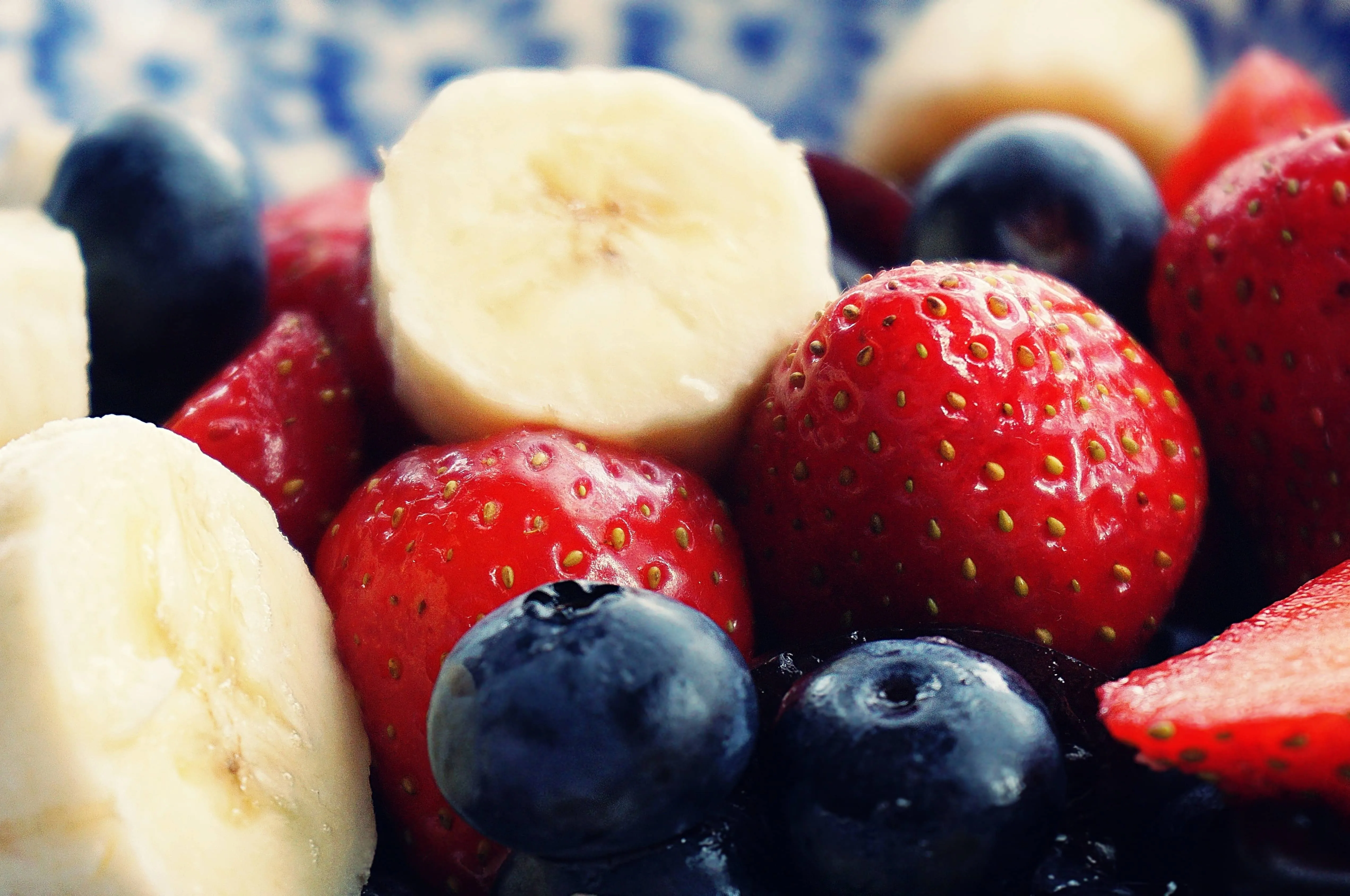
2. Lower potassium fruits
- Apples and unsweetened applesauce.
- Apricots.
- Blackberries.
- Blueberries.
- Strawberries.
- Raspberries.
- Cherries.
- Cranberries.
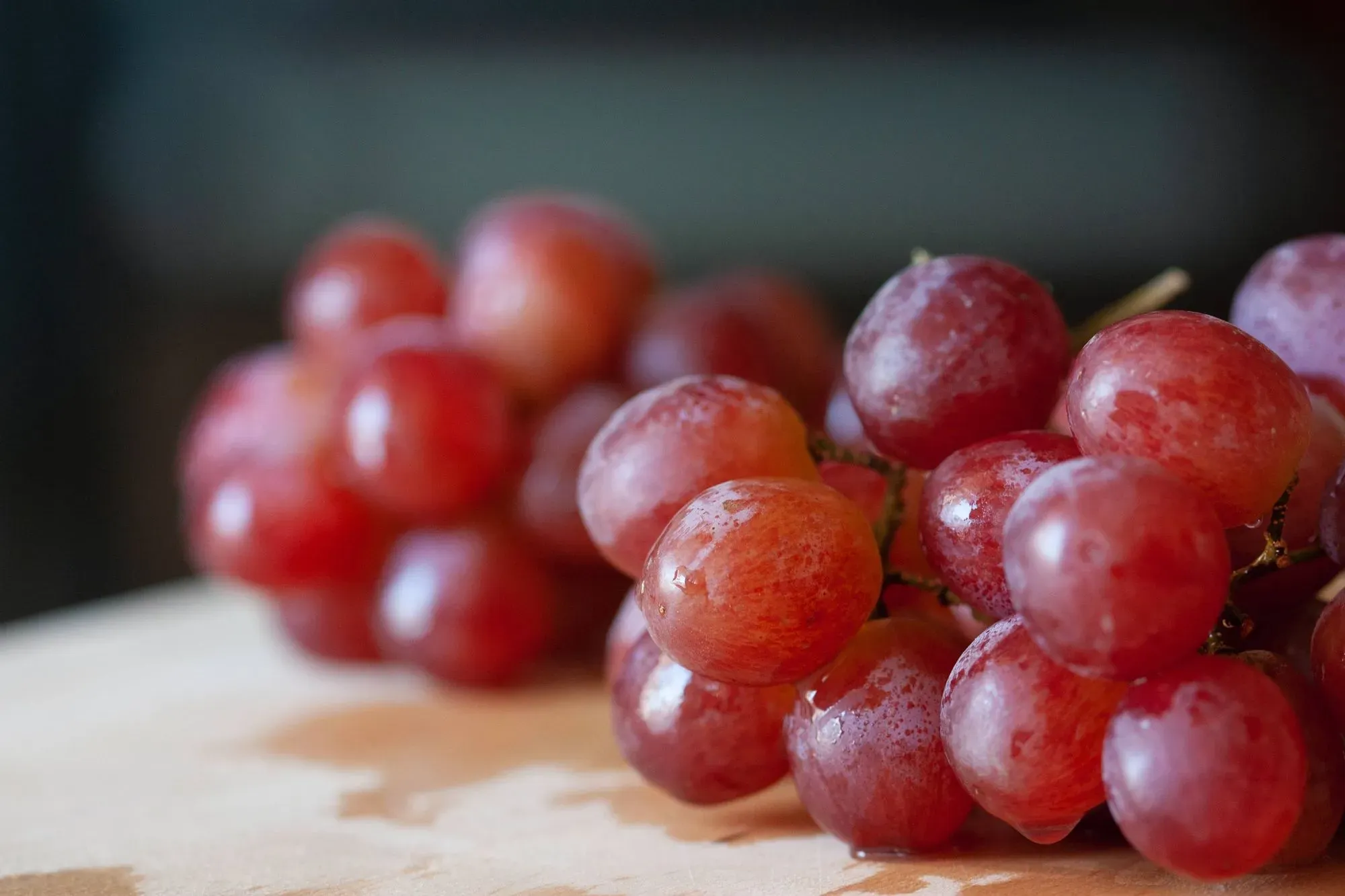
- Grapes.
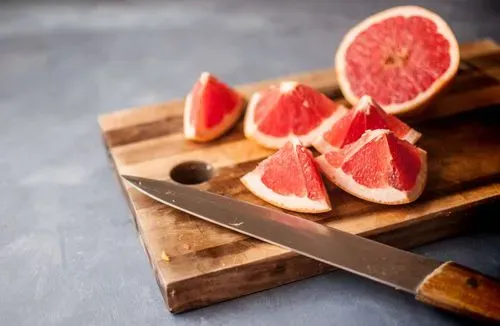
- Grapefruit.
- Mandarin oranges.
- Peaches.
- Pears.
- Pineapple.
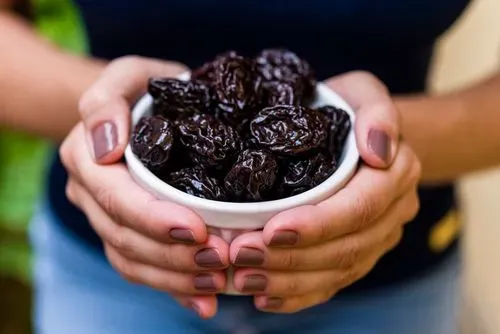
- Plums.
- Tangerines.
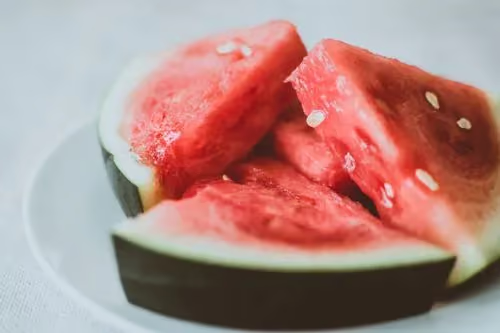
- Watermelon.
3. Grains
- Whole grains like barley, wild rice, and buckwheat.
Limit potassium and phosphorus content to 200mg each per serving for other whole grains like brown rice, oats, quinoa, and wheat.
4. Protein
- Lean meats.
- Poultry.
- Fish.
- Eggs.
- Beans.
- Lentils.
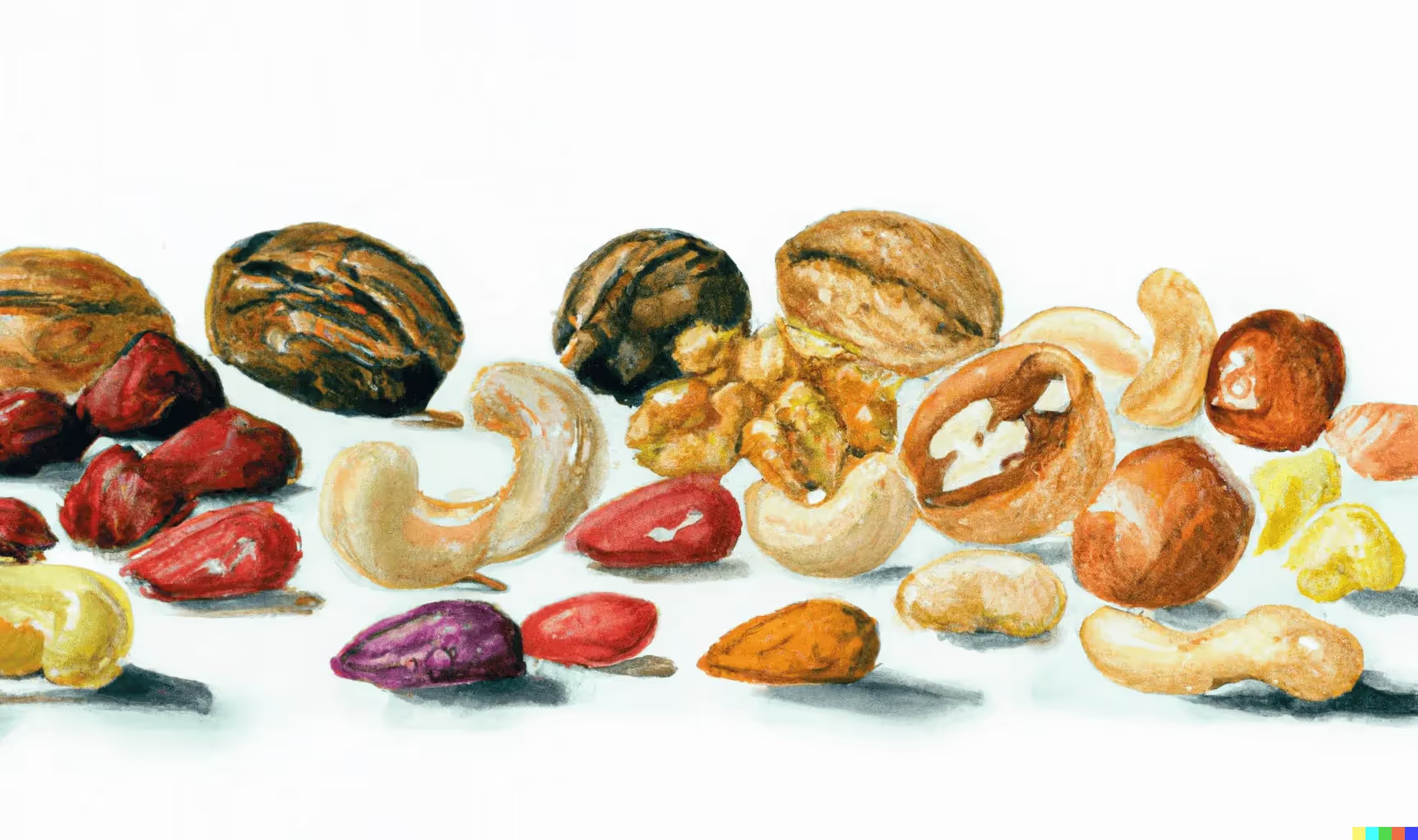
- Nuts and nut butter.
- Seeds.
- Peas.
- Soy foods.
Aim for half animal protein and half plant protein.
5. Oils
- Avocado oil.
- Olive oil.
6. Beverages
- Water.
- Unsweetened tea.
- Unsweetened coffee.
- Look for drinks without added phosphorus or potassium.
Foods to Avoid for Kidney Disease and Diabetes
Individuals should limit added sugars, sodium (salt), processed foods, and sugary drinks.
High sodium intake can increase fluid build-up, which can cause painful swelling.
Look for low-sodium products (5% or less of the daily value) on food labels. Dial up the flavor with herbs, spices, mustard, and flavored vinegar.
But don’t use salt substitutes unless your doctor or dietitian says you can. Many are very high in potassium.
In more advanced stages of CKD, high-protein foods and most forms of dairy should be avoided.
Sample Meal Plan for a Diet for Kidney Disease and Diabetes
Day 1
Breakfast
Microwaved old-fashioned oats with rice milk (or a low-fat dairy alternative if no phosphorus concerns), cinnamon, blueberries, and sweetened with a touch of honey.
Lunch
Roasted chickpeas seasoned with pepper and garlic. Serve over a lettuce salad with cucumbers, broccoli, and carrots. Top with a vinaigrette dressing.
Dinner
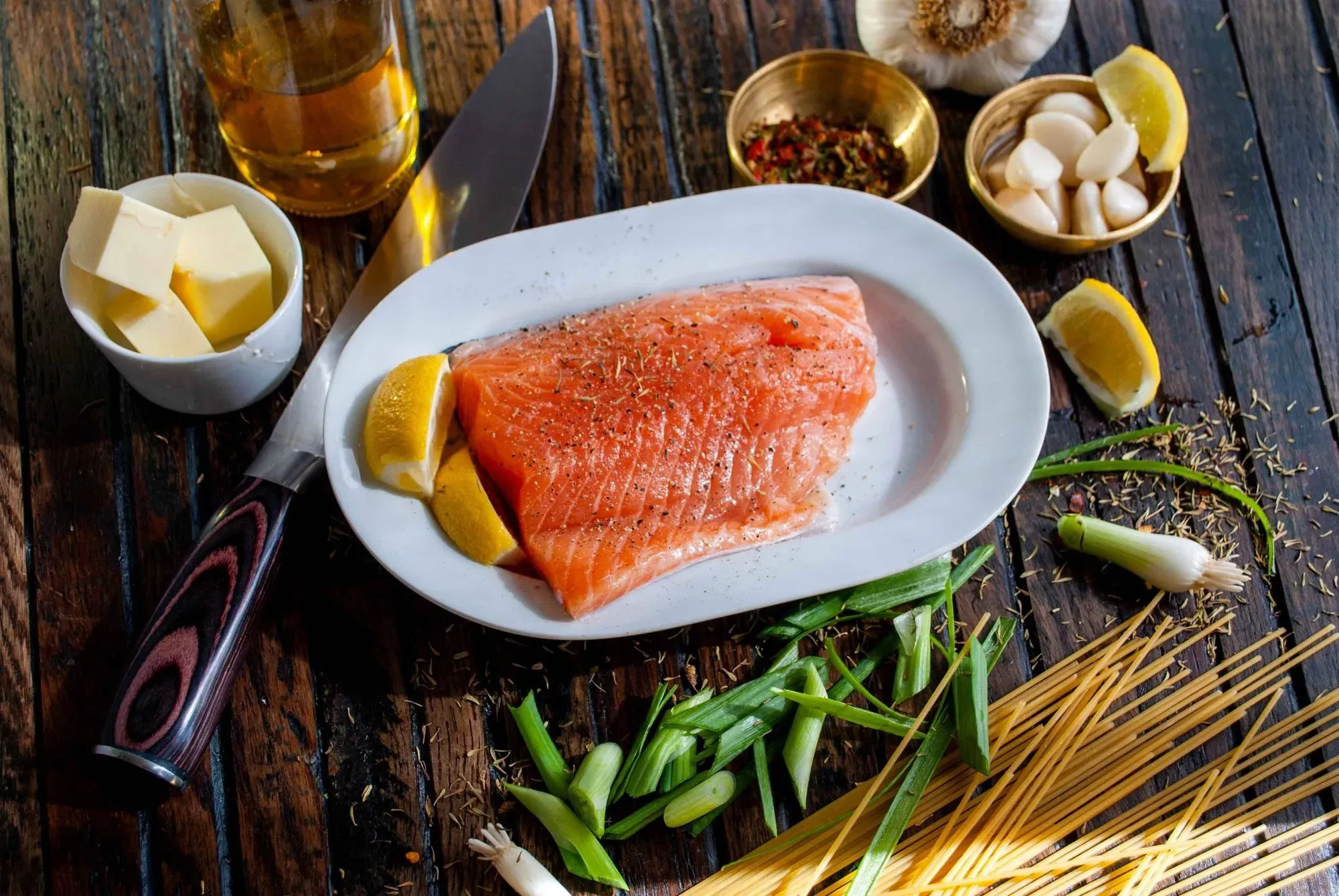
Baked salmon seasoned with lemon juice and pepper. Serve with roasted carrots and cauliflower seasoned with rosemary and thyme.
Snacks
Hard-boiled egg and clementine; raw bell peppers with one handful of almonds.
Day 2
Breakfast
Mixed berry smoothie with flaxseed, kefir, and Greek yogurt. Hot black coffee.
Lunch
Chicken salad made with grapes and celery served with rye bread. Add raspberries and baby carrots.
Dinner
Black bean skillet hash made with a small tomato, ¼ cup of sweet potato, red bell peppers, and garlic. Sautéed green beans with black pepper and olive oil as a side dish.
Snacks
Pita with hummus; nut butter and apple.
Day 3
Breakfast
Egg scramble made with sauteed mushrooms and onions. Serve with apples and grapes.
Lunch
Leftover black bean skillet hash served over white rice. Serve with blackberries and cherries.
Dinner
Autumn harvest soup made with carrots, butternut squash, onions, pumpkin, and apples. Served with toasted bread and top with cheddar cheese.
Snacks
Carrots, celery, and pecans; steamed edamame.
Day 4
Breakfast
Overnight oats made with old-fashioned oats, chia seeds, rice milk, honey, and cinnamon. Top with your choice of fruit (blueberries or raspberries).
Lunch
Grown-up charcuterie plate: olives, mozzarella or cheddar cheese, crackers, boiled egg, a handful of almonds or walnuts, raspberries, grapes, carrots, and raw broccoli.
Dinner
Pasta topped with sauteed asparagus, mushrooms, and baked chicken. Seasoned with olive oil, garlic, black pepper, and salt.
Snacks
One handful of cashews and plums; bell peppers and hummus.
Day 5
Breakfast
Toast with scrambled egg on top. Serve with peaches. Black coffee.
Lunch
Tuna sandwich on rye bread with lettuce, Swiss cheese, and mustard or mayonnaise. Serve with grapes and baby carrots.
Dinner
Grilled fish tacos made with corn tortillas, black beans, salsa, cabbage slaw, and cilantro lime rice.
Snacks
Applesauce and Greek yogurt; nut butter and crackers.
{{splash}}
Tips for Managing Both Conditions with Your Diet
Try these easy tips for managing kidney disease and diabetes.
Follow the plate method for planning meals.
- Fill one-half of your plate with non-starchy vegetables like broccoli, cauliflower, lettuce, sugar snap peas, and green beans.
- Fill one-quarter of your plate with starchy vegetables and grains like corn, green peas, or a small serving of sweet potatoe (¼ cup), rice, and bread.
- Fill the final one-quarter with a lean protein option (animal or plant-based) like beans, tofu, chicken, fish, and eggs.
The plate method is a simple visual for ensuring a filling and nutritious meal.
The breakdown helps you choose enough protein, fiber, and carbohydrates to stay full between meals and regulate blood sugar levels.
If you have more specific potassium or phosphorus restrictions, substitute with those food items.
Preventing Diet-Related Complications
Work with your healthcare provider and attend regular appointments to monitor the status of your kidney function and check how well your body is managing blood sugar levels.
These appointments and tests will ensure you know when to limit certain nutrients if needed.
Communicate any concerns and ask for further guidance to manage your health conditions well.
Resources and Support
Following a diet for CKD is one of the most difficult to follow due to the numerous restrictions.
Add in managing diabetes on top of kidney disease, and it is easy to feel overwhelmed.
Ongoing medical management from your healthcare provider is critical to know what dietary restrictions you need.
Work with a registered dietitian familiar with kidney disease and diabetes to regain confidence and improve your health.
Takeaway
A diet for kidney disease and diabetes is individualized depending on the progression of each disease and personal preferences.
Eating more plant-based foods and less processed items will help you manage your conditions well.
Depending on your kidney disease, you may have restrictions on potassium, phosphorus, and protein.
For diabetes, choosing fiber-rich carbohydrates with lean protein or plant protein can help maintain healthy blood sugar levels.
Avoiding or limiting low-fiber, sugary foods and beverages can help prevent blood sugar spikes.
How a Dietitian Can Help
If you need help with the complex renal diet and managing diabetes, consider working with a registered dietitian specializing in both conditions.
Book an appointment with a kidney or renal dietitian today.
Frequently Asked Questions
What foods can you eat with kidney disease and diabetes?
You can eat a variety of foods with kidney disease and diabetes.
Aim for a plant-based, fiber-rich, lower-protein diet with limited processed foods (fruits, vegetables, beans, grains, and nuts).
What are the ten best foods for kidney disease?
Plant-based foods are helpful for kidney disease.
Add blueberries, blackberries, grapes, cherries, pineapple, cauliflower, broccoli, cabbage, bell peppers, and green beans to your monthly routine.
What foods should you avoid if you have kidney disease?
You should limit added sugars, sodium (salt), processed foods, and sugary drinks.
References
View all references
- Kidney disease statistics for the United States. (2023, December 8). National Institute of Diabetes and Digestive and Kidney Diseases.
- Ikee, R., Sasaki, N., Yasuda, T., & Fukazawa, S. (2020). Chronic Kidney Disease, Gut Dysbiosis, and Constipation: A Burdensome Triplet. Microorganisms, 8(12), 1862.
- Sakaguchi, Y., Kaimori, J. Y., & Isaka, Y. (2023). Plant-Dominant Low Protein Diet: A Potential Alternative Dietary Practice for Patients with Chronic Kidney Disease. Nutrients, 15(4), 1002.
- Fiber. (2023, February 2). The Nutrition Source.
- What is the Diabetes Plate Method? (2020, February 1). Diabetes Food Hub.
Nourish has strict sourcing policies and prioritizes primary sources, including medical organizations, governmental agencies, academic institutions, and peer-reviewed scientific journals. Learn more about our medical review process and editorial guidelines.








.avif)




%20(1).webp)
.avif)



.avif)










.avif)


































.avif)

.avif)