Which Juice is Good for Diabetes?

Summary
- Juice is a higher carbohydrate drink so people with diabetes need to monitor these closely.
- Research recommends limiting your intake to 4 ounces of 100% fruit or vegetable juice daily.
- Tomato, carrot, and pomegranate juice may have positive effects on diabetes.
- Pairing juice with a meal helps to slow glucose absorption.
People with diabetes must monitor their carbohydrate intake closely to control their blood glucose levels and prevent further complications. Dietary carbohydrates can raise blood glucose levels, and juice is a higher carbohydrate source. The American Diabetes Association recommends limiting or avoiding juice to maintain stable glucose levels.
In this article, you’ll learn why drinking excessive juice can make it hard to maintain target glucose levels, which juice options are best, tips for drinking juice safely, and other beverage options that do not adversely affect glucose levels.
{{splash}}
Should I Drink Juice If I Have Diabetes?
Researchers have found that frequent intake of sugar-sweetened beverages like soda, sports drinks, and sugar-sweetened juice is significantly associated with a higher risk of type 2 diabetes.
Several studies have followed people for years to observe any connections between juice intake and type 2 diabetes. These studies have mixed results as it wasn’t always clear if participants were drinking sugar-sweetened juice or 100% juice. This makes it harder to say that everyone would benefit from avoiding juice entirely. The following studies were specifically clarified if the juice was 100% juice or sugar-sweetened.
Interestingly, a study in Japan included 27,585 adults with no history of diabetes and monitored their juice and soda intake and any development of type 2 diabetes. They found that daily soda intake was associated with an increased risk of type 2 diabetes in women. In contrast, no association was found between 100% fruit or vegetable juice for men and women. This juice was not sugar-sweetened.
An extensive review of multiple studies involving 191,866 people looked specifically at links between sugar-sweetened fruit juice and diabetes risk. The researchers also looked at associations between 100% fruit juice and the risk of developing type 2 diabetes among 137,663 people.
People consuming sugar-sweetened fruit juice were 25% more likely to develop type 2 diabetes, while 100% fruit juice intake was not associated with a higher risk.
The portions of daily juice measured in the studies were small, ranging from two to five oz daily, with an average of ½ cup or four ounces. These results should serve as a reminder that large amounts of juice intake (even 100% juice) may have different results that impact diabetes.
Research Summary:
- Sugar-sweetened juice increases your risk of type 2 diabetes.
- 100% juice is not associated with a higher risk of developing type 2 diabetes.
- Portions of daily 100% juice were small (4 ounces).
How Do Carbohydrates Affect Blood Glucose Levels?
When someone eats food with carbohydrates, the carbohydrate is digested or broken down into a simpler version called glucose (or sugar). Glucose is then transferred to the bloodstream and delivered to the body’s cells provid for energy. Insulin, a hormone made in the pancreas, helps transport glucose into the cells and bring the blood glucose level back to normal ranges.
In diseases like diabetes, the body can have issues making enough insulin or the cells also might not respond properly to the insulin which is called insulin resistance. Blood glucose levels can remain high, leading to short-term and long-term diabetes complications.
Specific diet and lifestyle changes are key for preventing and managing diabetes. Monitoring the amount and type of carbohydrates you eat can reduce blood glucose spikes. Consuming food combinations that contain fiber, protein, and fat help slow down how fast glucose is released into the bloodstream. These nutrients help with glucose control and reduce glucose spikes after eating carbohydrates.
The Link Between Juice and Blood Sugar Spikes
Juice contains little to no fiber, protein, or fat. Without these nutrients, the sugars in the juice can lead to rapid blood glucose spikes after drinking.
In the short-term, these spikes lead to energy crashes. Repeated blood glucose spikes can lead to long-term complications with diabetes such as kidney, eyesight, and heart issues. The body is pumping thick, sugary blood through your blood system.
Four ounces of 100% apple juice contains 55 calories, 14 g of carbohydrates, no fiber, no protein, and no fat. For reference, one small apple provides 101 calories, 24 g of carbohydrates, 3.5 g of fiber, 0.3 g of protein, and 0.2 g of fat. The fiber in whole fruit slows the absorption of the carbohydrates.
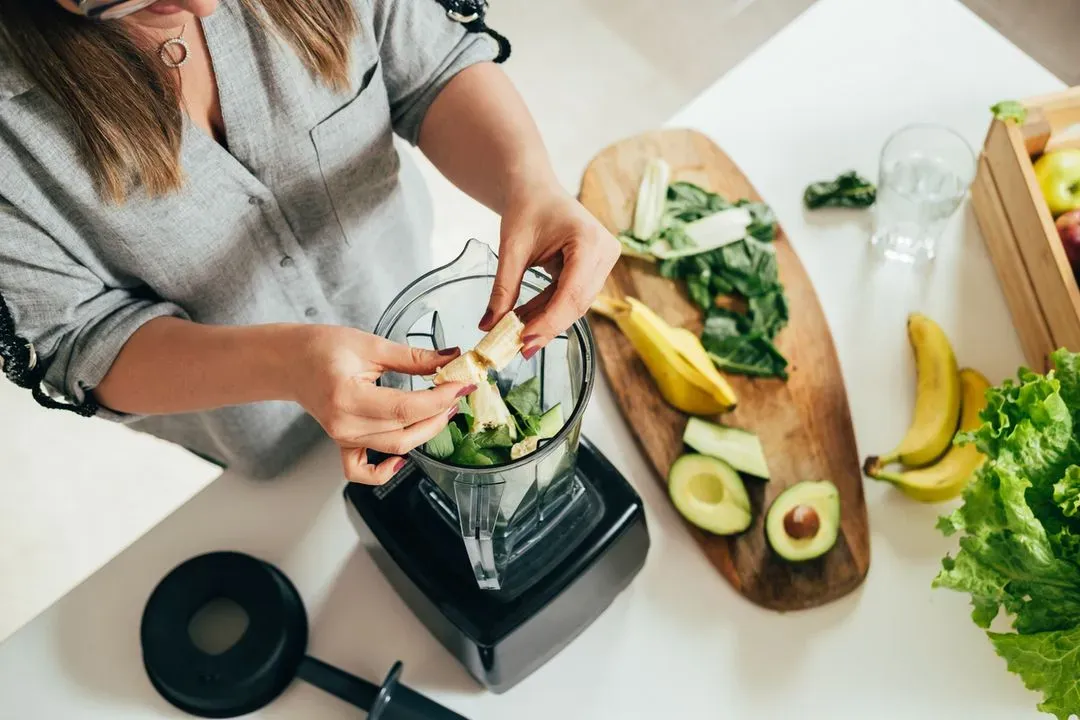
Some juices contain between 80 and 100% of the daily value for vitamin C. Many recipes call for a couple ounces of 100% juice to their smoothies instead of sugar or honey. Blending the juice with protein, fat and fiber-rich foods creates a more balanced smoothie. Incorporating juice sparingly and in limited portions is possible for people with diabetes.
Best Juice Options with Diabetes
Tomato Juice
Tomato juice is a an option that's naturally lower in carbohydrates. Tomatoes are a non-starchy vegetable and an excellent option to try in juice form. Choose no-added sugar tomato juice. Tomato juice retains some of the fiber, unlike many fruit juices. One cup of tomato juice provides 50 calories, 10 g of carbohydrates, 2 g of fiber, and 2 g of protein. Tomato juice also provides all of your daily vitamin C needs and is a good source of vitamin A.
Tomatoes are a rich source of lycopene, a strong antioxidant. A study on 106 overweight or obese women had participants drink 11 ounces of tomato juice or water for 20 days. Afterward, inflammation markers decreased significantly in the women drinking tomato juice. Diabetes and heart disease are inflammatory conditions and could benefit from the effect of lycopene from tomato products.
Carrot Juice
Carrot juice is a lower carbohydrate option due to carrots being a non-starchy vegetable. It's also full of carotenoids which provide the orange color.
One cup of carrot juice has 70 calories, 15.5g of carbohydrates, 1 g of fiber, and 1.6g of protein. Carrot juice is a good source of potassium and niacin and provides almost two times the daily requirement for vitamin A (in the beta-carotene form, which is not worrisome).
Purple carrot juice (rich in the antioxidant anthocyanin) has been studied in the past with the ability to reverse metabolic syndrome in rats, a precursor to type 2 diabetes.
A 2021 study on rats investigated whether orange carrot juice (rich in the antioxidant beta-carotene) could reduce diabetes factors. They found that body weight, body mass index, and body fat percentage were reduced in rats with type 2 diabetes drinking carrot juice. The insulin and HgbA1c stayed the same. Carrot juice (purple or orange) may be beneficial in reducing markers for diabetes.
Pomegranate Juice
Pomegranate fruit is well-known for its high antioxidant levels from various polyphenols. There are many potential ways that pomegranates are thought to lower glucose levels. Some include reducing glucose absorption and increasing the sensitivity of insulin receptors. Research is still limited related to diabetes.
One cup of pomegranate juice has 134 calories, 32 g of carbohydrates, and 0.2 g of fiber and is a good source of potassium.
Tips for Drinking Juice with Diabetes
Consider the tips when drinking juice with diabetes:
Drink juice with a meal
A balanced meal provides protein, fiber, and healthy fats. Pairing juice with a meal slows the absorption of carbohydrates and prevents glucose spikes. Sipping on juice alone may lead to blood glucose spikes.
Choose lower-sugar options
As studies mentioned above, choosing 100% fruit juice with no added sugar is helpful to prevent and manage diabetes. Check the label on the juice and ensure it includes no added sugars. Vegetable juices are generally lower in carbohydrates, and less glucose will be transferred to the bloodstream than fruit juices.
Drink small amounts
The studies showing positive benefits of 100% juice specified portion sizes around 4 ounces. This is a small serving. Pour your juice into a measuring cup to ensure you are not exceeding 4 ounces.
Other Drinks to Consider with Diabetes
Consider trying beverages with no carbohydrates or added sugars. These beverages will not raise glucose levels and adversely affect people with diabetes. Sometimes these drinks are called zero-calorie or very-low-calorie drinks since they have minimal or no calories or carbohydrates.
Drinks to Try:
- Water.
- Carbonated flavored or unflavored water (no added sugar).
- Flavored water (no added sugar).
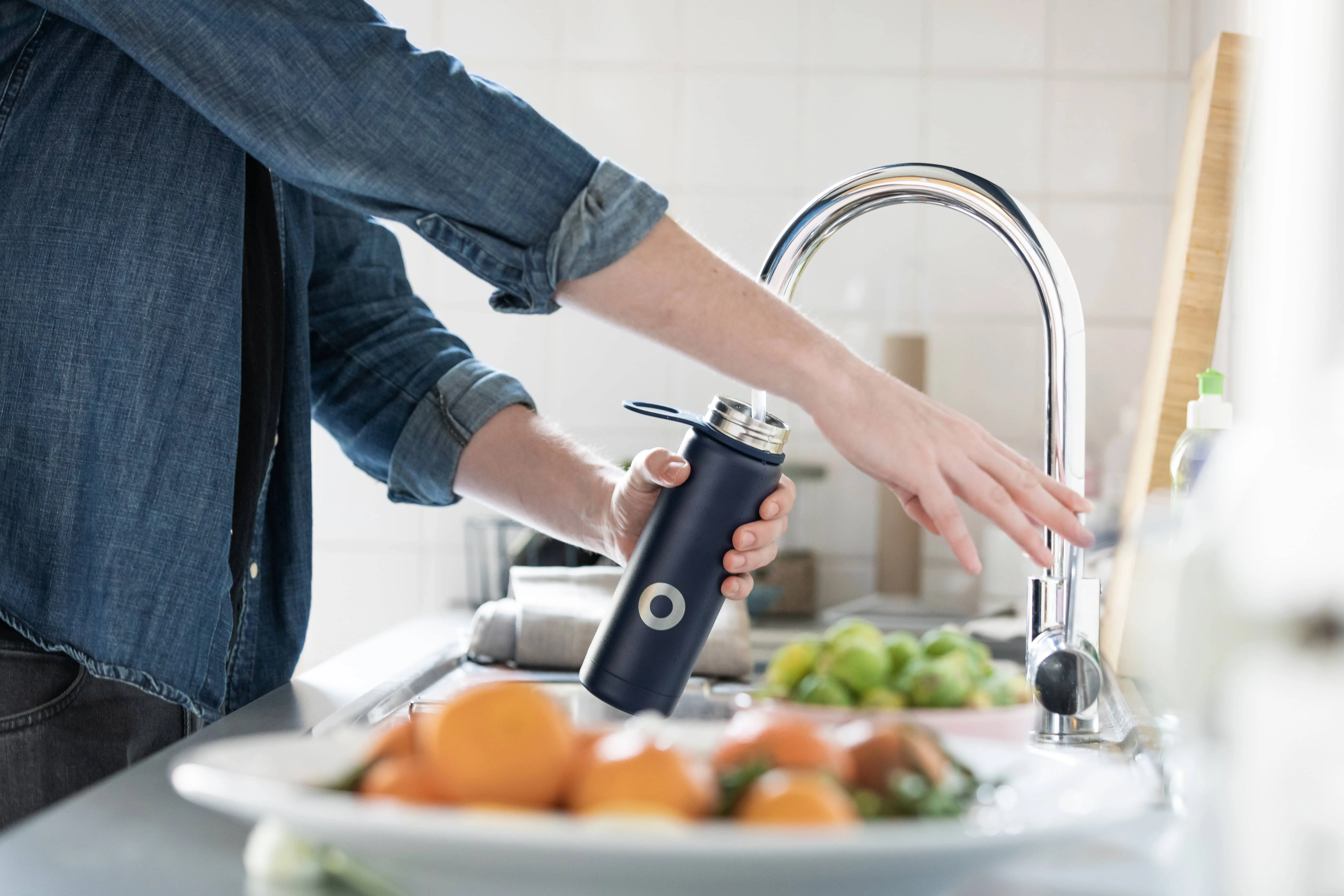
- Infused water (squeezed lemon or mint).
- Unsweetened iced tea.
- Unsweetened herbal, green, or black tea.
- Unsweetened coffee.
- Zero-calorie sports drinks.
- Diet sodas.
Zero-calorie sports drinks, diet soda, and other no-calorie drinks sweetened with artificial sweeteners should be consumed in moderation. Diet drinks can be helpful to manage blood glucose levels, but current research indicates there may be other side effects related to gut bacteria balance and increasing appetite.
Takeaways
People with diabetes should be careful to monitor their intake of all foods high in carbohydrates. Juice is a higher carbohydrate drink and can lead to high blood sugar. Long-term high blood sugar causes diabetes to progress and damage other organs.
Research recommends limiting your intake to 4 ounces of 100% fruit or vegetable juice daily. Tomato, carrot, and pomegranate juice may have positive effects on diabetes due to their antioxidants, lower carbohydrate content, and higher fiber content.
Pairing juice with a meal that includes protein, fiber, and healthy fats helps to slow glucose absorption.
Managing Diabetes with an RD
Switching your drinks to lower or no carbohydrates is one way to help prevent and control diabetes. You can reduce your risk and manage your diabetes with various lifestyle and diet changes.
Find a dietitian near you through Nourish to start making nutrition changes that support healthy blood sugar levels.
{{splash}}
Frequently Asked Questions
References
View all references
- Get Smart On Carbs | ADA. (n.d.).
- Xi, B., Li, S., Liu, Z., Tian, H., Yin, X., Huai, P., Tang, W., Zhou, D., & Steffen, L. M. (2014). Intake of fruit juice and incidence of type 2 diabetes: a systematic review and meta-analysis. PloS one, 9(3), e93471.
- Miller, C., Ettridge, K., Wakefield, M., Pettigrew, S., Coveney, J., Roder, D., Durkin, S., Wittert, G., Martin, J., & Dono, J. (2020). Consumption of Sugar-Sweetened Beverages, Juice, Artificially-Sweetened Soda and Bottled Water: An Australian Populatio
- Eshak, E. S., Iso, H., Mizoue, T., Inoue, M., Noda, M., & Tsugane, S. (2013). Soft drink, 100% fruit juice, and vegetable juice intakes and risk of diabetes mellitus. Clinical nutrition (Edinburgh, Scotland), 32(2), 300–308.
- Insulin Resistance | ADA. (n.d.).
- Alexander, H. (2022, February 14). 4 Helpful Tips to Avoid Blood Sugar Spikes. MD Anderson Cancer Center.
- FoodData Central. (n.d.).
- FoodData Central. (n.d.-b).
- Fruit | ADA. (n.d.).
- FoodData Central. (n.d.-c).
- Ghavipour, M., Saedisomeolia, A., Djalali, M., Sotoudeh, G., Eshraghyan, M. R., Moghadam, A. M., & Wood, L. G. (2013). Tomato juice consumption reduces systemic inflammation in overweight and obese females. The British journal of nutrition, 109(11), 2031–
- Mahesh, M., Pandey, H., Raja Gopal Reddy, M., Prabhakaran Sobhana, P., Korrapati, D., Uday Kumar, P., Vajreswari, A., & Jeyakumar, S. M. (2021). Carrot Juice Consumption Reduces High Fructose-Induced Adiposity in Rats and Body Weight and BMI in Type 2 Dia
- Olvera-Sandoval, C., Fabela-Illescas, H. E., Fernández-Martínez, E., Ortiz-Rodríguez, M. A., Cariño-Cortés, R., Ariza-Ortega, J. A., Hernández-González, J. C., Olivo, D., Valadez-Vega, C., Belefant-Miller, H., & Betanzos-Cabrera, G. (2022). Potential Mech
- Diabetes Food Hub. (2018, September 1). Best Beverages for People with Diabetes.
Nourish has strict sourcing policies and prioritizes primary sources, including medical organizations, governmental agencies, academic institutions, and peer-reviewed scientific journals. Learn more about our medical review process and editorial guidelines.








.avif)



%20(1).webp)

.avif)



.avif)









.avif)



































.avif)

.avif)