Are Nuts Good for Diabetes? What to Know

Medical Reviewer: Ellie Stamerjohn, MS, RDN, LD

Author: Sarah Bullard, MS, RD
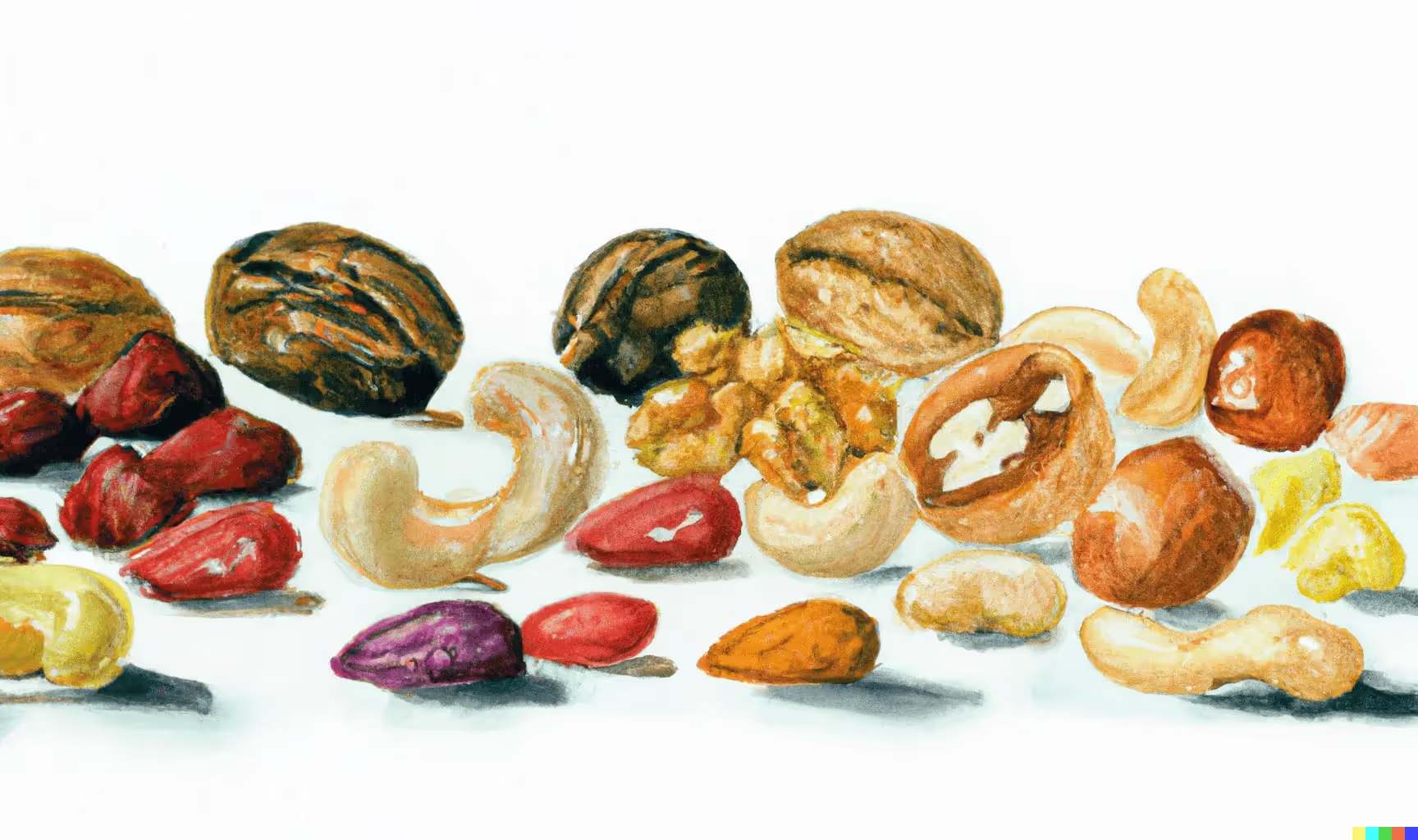
Summary
- Eating nuts can help prevent and manage diabetes.
- Eating five 1-ounce servings of nuts weekly has positive effects for people with diabetes and heart disease.
- If you have diabetes, you may want to focus on eating tree nuts and peanuts.
Nuts are recommended by the CDC as a healthful addition for all people, but especially for those with type 2 diabetes. The American Diabetes Association encourages eating nuts, which contain heart-healthy fats and keep you full.
In this article, you’ll learn why nuts can help you stabilize your blood sugar, which nuts are best, and how much to eat in a day.
{{splash}}
Are Nuts Good for Diabetes?
Type 2 diabetes affects at least 10% of the global population, with another 10% at high risk due to impaired glucose tolerance (pre-diabetes). Research published in 2023 has shown that diabetes can be prevented or managed with diet and lifestyle changes. Nuts are a healthy addition for individuals affected by pre-diabetes or type 2 diabetes.
Nuts contain plant-based protein and fiber. They are a good source of unsaturated fats known for reducing cholesterol and heart disease risk. People with diabetes are twice as likely to have heart disease or strokes than individuals without diabetes. Each nut contains different vitamins, minerals, and antioxidants that support health.
Nourish can connect you with a Registered Dietitian specialized in diabetes management. If you need help optimizing your blood sugars, consider booking a virtual appointment today.
Research Supporting Nut Intake and Diabetes
In a large prospective observational study of 16,217 people, the investigators compared nut intake among individuals with type 2 diabetes and the incidence of cardiovascular (heart) disease and death. The group eating five or more servings of nuts per week had a lower rate of heart disease or death.
One serving is 1 ounce or ¼ cup. The study specifically found greater heart disease prevention in people eating tree nuts compared to other nuts like peanuts.
An extensive narrative review of multiple studies concluded that nuts benefit diabetes management and blood glucose control. The authors highlighted many other large studies.
A study on 16,784 American adults found that higher nut intake (5 or more servings per week) was associated with improved blood glucose control through many markers. These markers included lower fasting blood glucose, insulin, hemoglobin A1c (three month average of blood sugar levels), and inflammation.
A 2017 study following 1,265 adults for over six years found significantly lower fasting glucose levels among people eating at least five servings of nuts per week compared to those consuming less than one serving.
Several small studies compared the addition of nuts to high carbohydrate diets and their glucose numbers. They found that glucose numbers after the meals were lower when eating nuts and high-carbohydrate foods than eating high-carbohydrate food alone. Eating nuts can help control blood glucose numbers despite high carbohydrate intake. You may start seeing better glucose numbers by adding nuts to your weekly routine.
The Importance of Portion Control When Eating Nuts
A trending suggestion throughout the research was that eating approximately five servings of nuts per week was associated with health benefits and no changes in body mass index (BMI). One serving of nuts provides approximately 160 calories, and 14 g of mostly unsaturated and heart-healthy fat. Eating unlimited nuts could significantly increase caloric intake, leading to unintentional weight gain.
Per the CDC, from the Dietary Guidelines for Americans 2020-2025, it is recommended for individuals consuming a 2,000-calorie diet to consume five 1- ounce servings of nuts per week for disease prevention. The American Diabetes Association encourages the same.
The Best Nuts for Diabetes
According to research, these are the best nuts for diabetes:
Almonds
Almonds are versatile and can be added to baked goods, salads and meat dishes, or served whole as a snack. Almonds are a good source of fiber, phosphorus, copper, vitamin E, and riboflavin and an excellent source of magnesium.
Many studies have shown how tree nuts, including almonds, help prevent and manage diabetes. A recent systematic review from 2021 found that almonds help lower hemoglobin A1c, BMI and promote good gut bacteria compared to diets not including almonds.
Walnuts
Walnuts are a nutrient-dense nut: they are an excellent source of copper and manganese, omega-3 fatty acids, and a good source of magnesium and vitamin B6.
Recent research in 2018 used data from the National Health and Nutrition Examination Survey to determine any associations between walnut consumption and diabetes risk. They found that walnut consumers compared to non-nut consumers, had a lower risk for diabetes and lower fasting glucose numbers. The beneficial effect was noted to be higher in women than men.
Pistachios
This green nut is a great option to help improve glucose numbers. One ounce of pistachios is an excellent source of copper, manganese, and vitamin B6 and a good source of fiber, phosphorus, thiamin, and magnesium. It is higher in protein compared to other nuts and provides 6g per ounce.
A meta-analysis in 2020 looked at six studies and the effect of pistachio nuts on glucose and insulin in patients with type 2 diabetes, pre-diabetes, and metabolic syndrome. Fasting blood glucose levels, along with insulin resistance, were significantly reduced.
Peanuts
Peanuts are high in manganese and copper and a good source of magnesium and vitamin B6.
A small study in 2018 on 32 people with type 2 diabetes compared almond intake to peanut intake and the effect on glucose levels. Individuals replaced a starchy item with peanuts or almonds. Fasting and after-meal glucose levels were reduced in both groups. No BMI increase or adverse lipid level changes were seen after three months.
Health Benefits of Nuts
Nuts are a nutrition powerhouse. In a small handful, they provide protein, fiber, and heart-healthy fats and are often a good or excellent source of many vitamins and minerals.
Research has shown that substituting carbohydrates or saturated fats with unsaturated fats like those found in nuts can improve insulin response.
Magnesium is a well-studied mineral for its beneficial effect on glucose control. Nuts provide between 10 and 45% of the daily value for magnesium in an ounce portion.
On top of that, nuts contain various amounts of polyphenols known for reducing inflammation in the body. Currently, only limited research has been done on polyphenols and glucose control. However, any reduction in inflammation is ideal for preventing or managing diabetes.
Although nuts are higher in calories and fat, research shows no increase in weight or BMI, with their addition to a person’s diet. Excess body weight is a risk factor and worsens diabetes outcomes. In fact, nut intake has been associated with weight loss or weight maintenance.
{{splash}}
Takeaways
Aim for five 1-ounce servings of nuts weekly to help prevent and manage diabetes. Nuts contain nutrients helpful for stable glucose levels.
Nuts also keep you full due to their heart-healthy fat, protein, and fiber. Try to incorporate tree nuts and peanuts each week for health benefits.
Managing Diabetes with an RD
Consuming nuts is just one way to help manage diabetes. There are many healthful ways to reduce your risk of diabetes and take control of your glucose levels.
Nourish has a team of compassionate diabetes dietitians available for online appointments. Every dietitian is covered by insurance, and many are specialized in blood sugar management.
Find a dietitian near you through Nourish.
Frequently Asked Questions
References
View all references
- Home | Dietary Guidelines for Americans. (n.d.).
- Diabetes Superstar Foods | ADA. (n.d.).
- Nishi, S. K., Viguiliouk, E., Kendall, C. W. C., Jenkins, D. J. A., Hu, F. B., Sievenpiper, J. L., Atzeni, A., Misra, A., & Salas-Salvadó, J. (2023). Nuts in the Prevention and Management of Type 2 Diabetes. Nutrients, 15(4), 878.
- Diabetes and Your Heart. (2022, June 20). Centers for Disease Control and Prevention.
- Shah, R., Murthy, V., & Freedman, J. E. (2019). Nuts, Cardiovascular Health, and Diabetes. Circulation research, 124(6), 825–826.
- Hosseinpour-Niazi, S., Hosseini, S., Mirmiran, P., & Azizi, F. (2017). Prospective Study of Nut Consumption and Incidence of Metabolic Syndrome: Tehran Lipid and Glucose Study. Nutrients, 9(10), 1056.
- FoodData Central. (n.d.).
- Ojo, O., Wang, X. H., Ojo, O. O., & Adegboye, A. R. A. (2021). The Effects of Almonds on Gut Microbiota, Glycometabolism, and Inflammatory Markers in Patients with Type 2 Diabetes: A Systematic Review and Meta-Analysis of Randomised Controlled Trials. Nut
- FoodData Central. (n.d.-b).
- Arab, L., Dhaliwal, S. K., Martin, C. J., Larios, A. D., Jackson, N. J., & Elashoff, D. (2018). Association between walnut consumption and diabetes risk in NHANES. Diabetes/metabolism research and reviews, 34(7), e3031.
- FoodData Central. (n.d.-c).
- Nowrouzi-Sohrabi, P., Hassanipour, S., Sisakht, M., Daryabeygi-Khotbehsara, R., Savardashtaki, A., & Fathalipour, M. (2020). The effectiveness of pistachio on glycemic control and insulin sensitivity in patients with type 2 diabetes, prediabetes and metab
- FoodData Central. (n.d.-d).
- Hou, Y. Y., Ojo, O., Wang, L. L., Wang, Q., Jiang, Q., Shao, X. Y., & Wang, X. H. (2018). A Randomized Controlled Trial to Compare the Effect of Peanuts and Almonds on the Cardio-Metabolic and Inflammatory Parameters in Patients with Type 2 Diabetes Melli
Nourish has strict sourcing policies and prioritizes primary sources, including medical organizations, governmental agencies, academic institutions, and peer-reviewed scientific journals. Learn more about our medical review process and editorial guidelines.









.avif)




%20(1).webp)

.avif)



.avif)










.avif)












































.avif)

.avif)