7-Day Prediabetes Meal Plan With Easy Prep Tips

Medical Reviewer: Christina Harris, RDN

Author: Julia Zakrzewski, RD
Summary
- Prediabetes is a sign that your blood sugars are rising.
- You can lower your blood sugars by making nutritious meals that include carbohydrates, protein, healthy fats, and fiber.
- This seven-day meal plan for prediabetes can help get you started.
Prediabetes is when your blood sugar levels are higher than normal but not high enough to be diagnosed as type 2 diabetes.
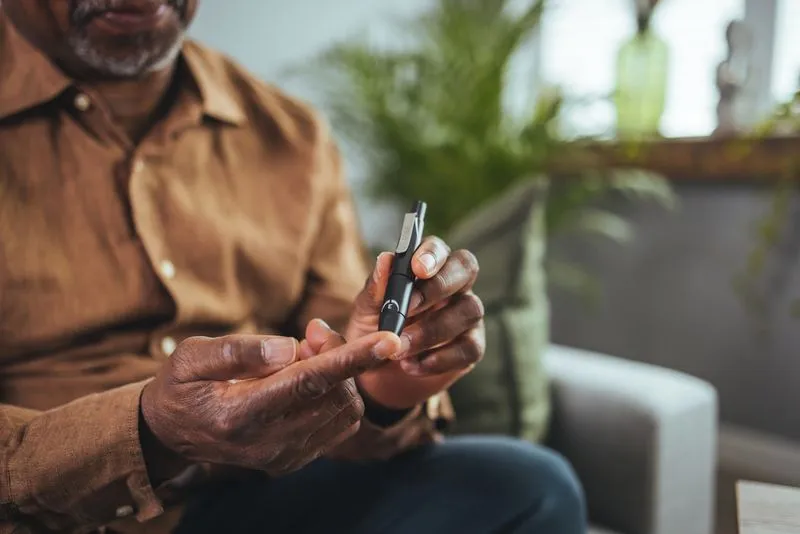
The symptoms can be difficult (if not impossible) to identify, so completing regular blood work is one of the best ways to assess trends in your blood sugar health.
You can take action if your numbers come back higher than you hoped.
Research shows that making diet and lifestyle changes can improve blood sugar levels and delay or decrease the risk of developing diabetes later on.
Keep reading to learn more about the critical link between diet and blood sugar control, and try delicious recipes from our seven-day sample prediabetes meal plan.
{{splash}}
Prediabetes Basics: Getting Started
Cells, tissues, vital organs, and muscles function on simple sugars (called glucose) from the diet.
If you have prediabetes, your body has difficulty accessing this fuel, possibly due to insulin resistance.
This causes the sugars to accumulate in the bloodstream.
Being more selective about the types of carbs you eat, how much, and the foods you pair them with can influence your blood sugar levels.
The USDA MyPlate model demonstrates an easy system to help build balanced meals.
- Fill half your plate with non-starchy vegetables: kale, lettuce, cucumber, bell peppers, eggplant, tomatoes, etc.
- Fill a quarter of your plate with lean proteins: chicken, pork, steak, eggs, salmon, and tofu.
- Fill a quarter of your plate with carbohydrate-rich foods: whole grain bread and pasta, starchy vegetables such as sweet potato, squash, and pumpkin.
- Some plant-based proteins are starchy and could affect your blood sugars, including black beans, chickpeas, etc.
A prediabetes meal plan should include plenty of vegetables, whole fruits, whole grains, healthy fats, and any culturally relevant dishes that excite you.
Who Is at Risk for Prediabetes?
Per the Centers for Disease Control (CDC), some people are at a higher risk for developing prediabetes.
- Anyone with a parent or sibling who has diabetes.
- Women who experienced gestational diabetes during their pregnancy.
- People above the age of 45.
- People who are active less than three times per week.
- Anybody who lives with obesity or is overweight.
- People who are African American, Hispanic, or American Indian.
However, just because you’re at high risk for prediabetes doesn’t mean you will develop the condition.
Taking proactive steps can greatly impact your future health, but if you have any concerns about your risk level, contact your healthcare team for more information.
What to Eat with Prediabetes
A common myth around prediabetes is that you must eliminate all sources of sugar from the diet, including natural sugars in fruits and dairy products.
You don’t need to do this. Instead, focus on adding fiber-rich foods to your diet, choosing water most of the time, increasing physical activity, getting regular sleep, and managing stress levels.
High-fiber foods include:
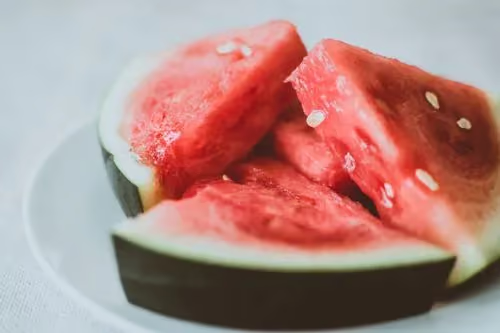
- All vegetables and fruits.
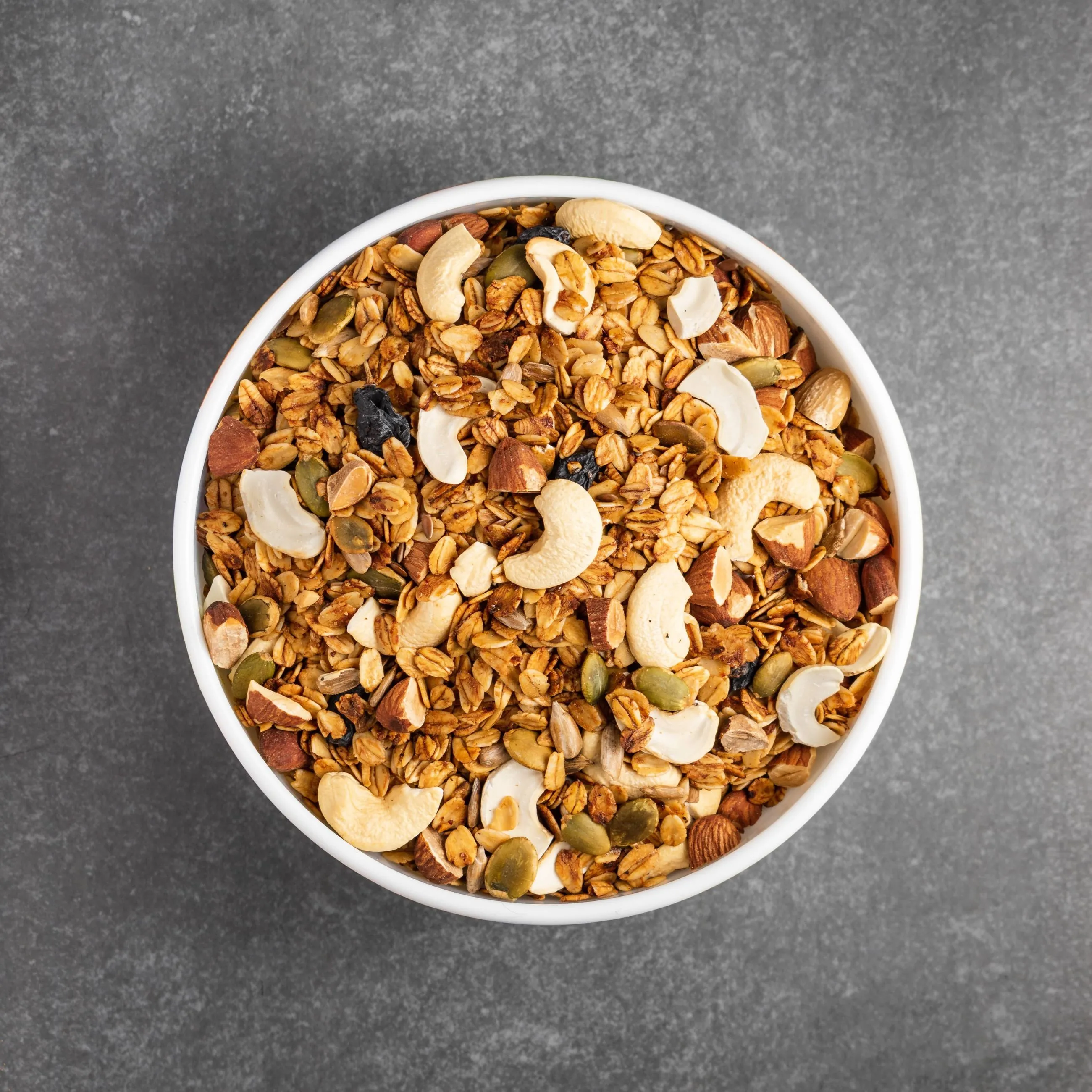
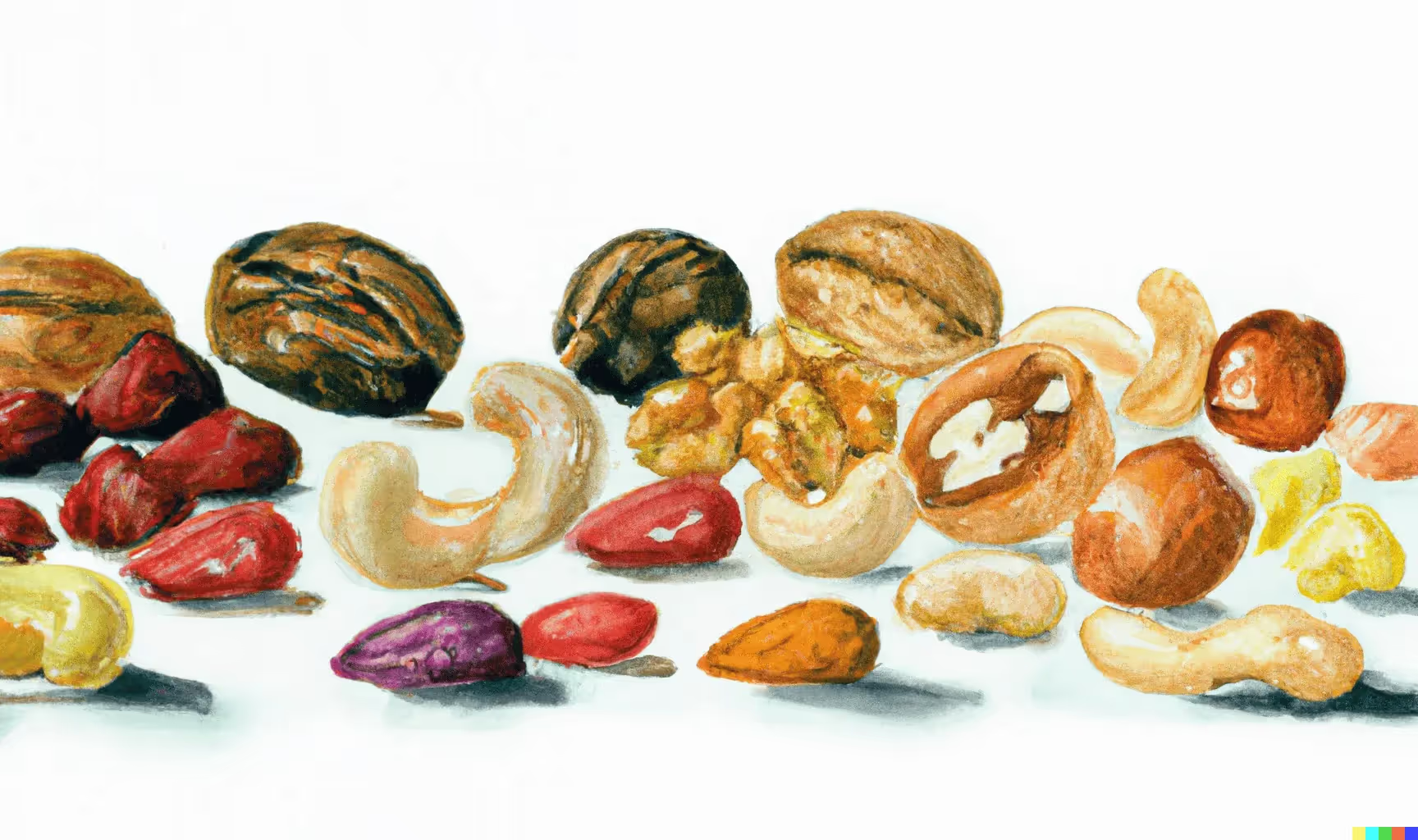
- Nuts and seeds, like cashews, pumpkin seeds, etc.
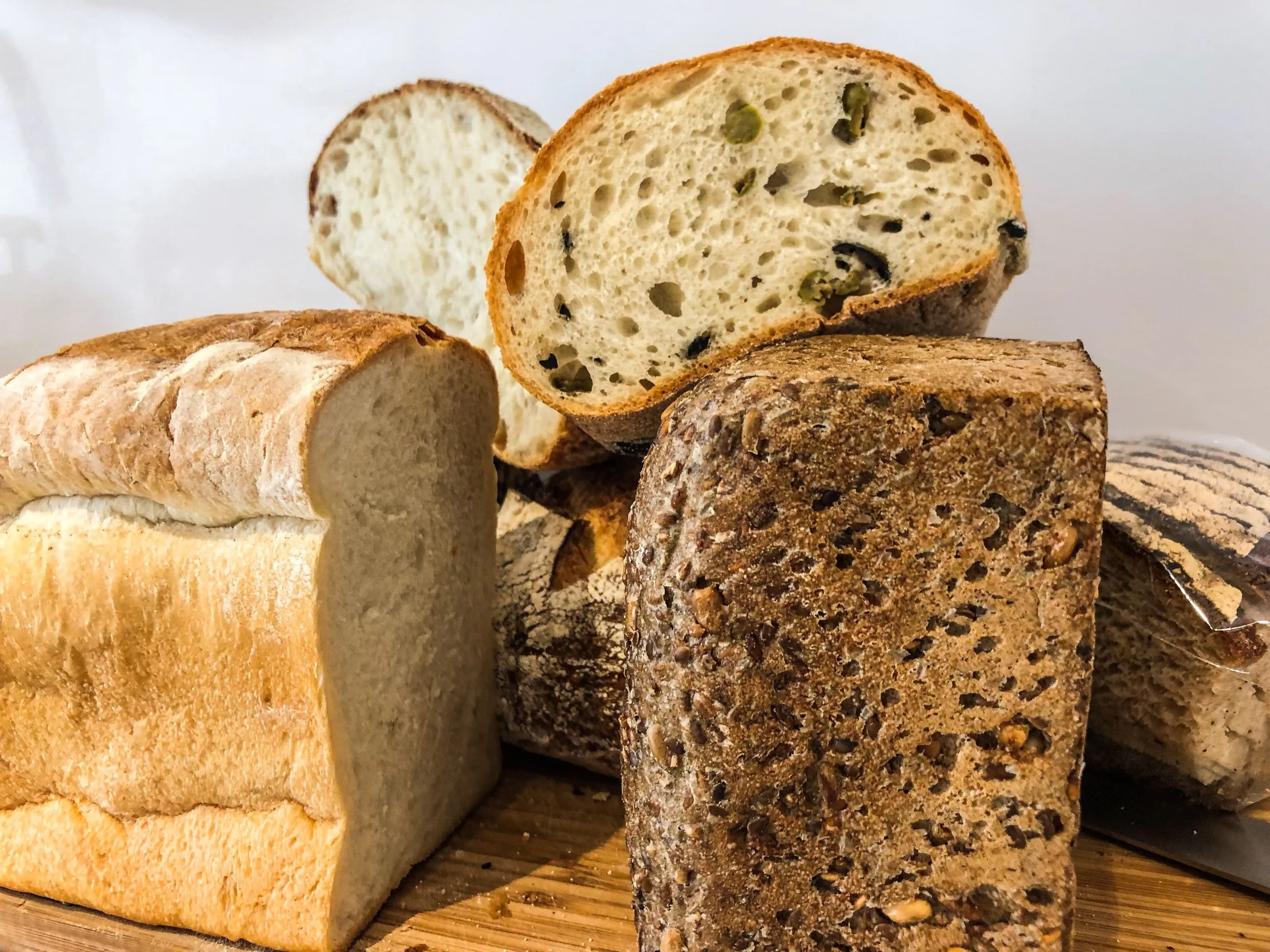
- Whole-grains and whole-grain products, like crackers, bread, air-popped popcorn, quinoa, etc.
- Beans and legumes, including lentils, black beans, chickpeas, etc.
If you want more food inspiration, check out our ultimate grocery list for diabetes (which is also appropriate for prediabetes).
How Much Sugar is Too Much?
Understanding how much sugar is too much is essential for managing prediabetes and maintaining overall health.
The American Heart Association (AHA) and the World Health Organization (WHO) provide guidelines on sugar intake that can help you make an informed decision.
The AHA emphasizes the importance of limiting added sugars to reduce the risk of weight gain. Added sugars are sugars and syrups added to foods and beverages during processing or preparation.
They do not include the naturally occurring sugars found in fruits and dairy products.
Here are the AHA recommendations:
- For Women: No more than 100 calories per day (about 6 teaspoons or 25 grams) of added sugar.
- For Men: No more than 150 calories per day (about 9 teaspoons or 37.5 grams) of added sugar.
Similarly, the WHO recommends reducing the intake of free sugars to help reduce the risk of chronic diseases such as obesity and dental caries.
Free sugars include sugars added to foods and drinks and those naturally found in honey, syrups, and fruit juices.
- For Adults and Children: Free sugars should account for less than 10% of total daily energy intake.
- For Additional Health Benefits: Reducing the intake of free sugars to below 5% of total daily energy intake is suggested. For an average adult consuming 2,000 calories per day, 5% of total daily energy intake equals roughly 25 grams (6 teaspoons) of sugar per day.
Try the 5:20 Rule
The 5:20 rule is a simple guideline to help you quickly assess the nutritional content of packaged foods using the nutrition facts label. Here’s how it works for sugar:
- 5% DV or Less: A product with 5% or less of the Daily Value (DV) for sugar per serving is considered low in sugar. Aim for these options when trying to reduce your sugar intake.
- 20% DV or More: A product with 20% or more of the Daily Value for sugar per serving is considered high in sugar. To manage blood sugar levels effectively, limiting these products is best.
In addition to the 5:20 rule, you should also be sure to check the ingredients list for hidden sugars like dextrose, sucrose, corn syrup solids, or high-fructose corn syrup.
Additionally, be mindful of serving sizes to avoid overconsumption of sugar.
7-Day Meal Plan for Prediabetes
Below is an example of a seven-day meal plan you can follow if you have prediabetes.
Talk to your registered dietitian for serving size recommendations.
Day 1
- Breakfast: Whole grain toast with sliced avocado, tomato, egg, chili flakes, lime juice, and cilantro.
- Lunch: Hearty shredded salad with kale, brussels sprouts, chicken breast, fresh raspberries, slivered almonds, and goat cheese. Dress with olive oil and vinegar.
- Dinner: Vegetarian chili with quinoa, bean medley, carrots, onion, celery, canned tomato, and chili seasoning. Serve with a dollop of sour cream and cheese.
- Snacks: Whole grain crackers with sliced cheese; fresh cut vegetables with hummus and sliced apple.
Day 2
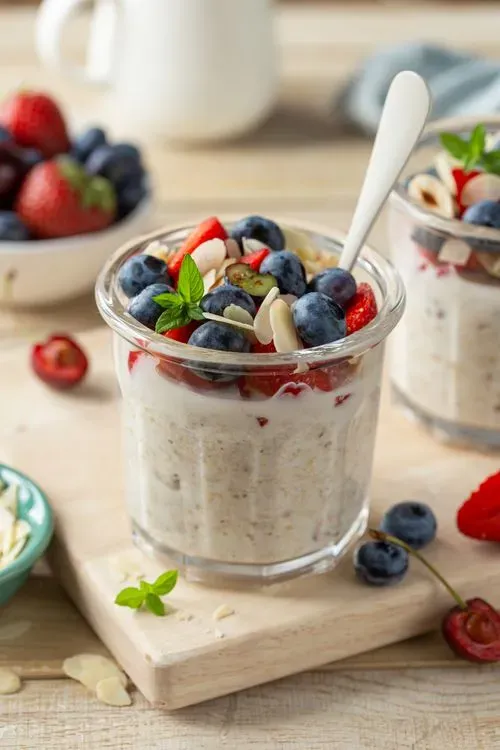
- Breakfast: Overnight oats made with milk, diced apple, cinnamon, a drizzle of honey, chia seeds, and crumbled nuts.
- Lunch: Whole grain tuna wraps with mayo, shredded lettuce, tomato, pickles, onion, fresh dill, and capers. Serve with a side of fresh fruit if desired.
- Dinner: Sheet pan dinner with chicken thighs, squash, asparagus, and broccoli. Drizzle with mixed olive oil and garlic before serving, and sprinkle parmesan on the vegetables.
- Snacks: Plain Greek yogurt with nuts and fruits; fresh-cut vegetables with hummus and orange slices.
Day 3
- Breakfast: Whole grain English muffin with cream cheese, smoked salmon, sliced onion, tomato, and cucumber.
- Lunch: Mediterranean chickpea salad with cucumber, red onion, pepper, olives, and feta cheese. Serve over baby arugula and dress with oil, lemon, salt, and pepper.
- Dinner: BBQ salmon and pineapple served over brown rice. Pair with a fresh green salad with your favorite vegetables and dressing.
- Snacks: Plain yogurt with fruits and nuts; fresh-cut vegetables with hummus and fresh blueberries.
Day 4
- Breakfast: Egg omelet with spinach, sundried tomato, red peppers, onions, a spoonful of feta, and fresh basil. Serve with whole-grain toast.
- Lunch: Chicken noodle soup with a side salad.
- Dinner: Ground turkey meatballs served over whole grain pasta with red sauce. Add onion, kale, peppers, zucchini, and eggplant to your sauce.
- Snacks: trail mix with fresh fruits; fresh-cut vegetables with hummus.
Day 5
- Breakfast: Hot skillet with black beans, sweet potato, avocado, tomato, salsa, and onion. Garnish with a squeeze of lemon and fresh cilantro.
- Lunch: Individual pizza on a whole grain pita. Dress with pesto, cheese, leek, spinach, tomato, and chicken breast.
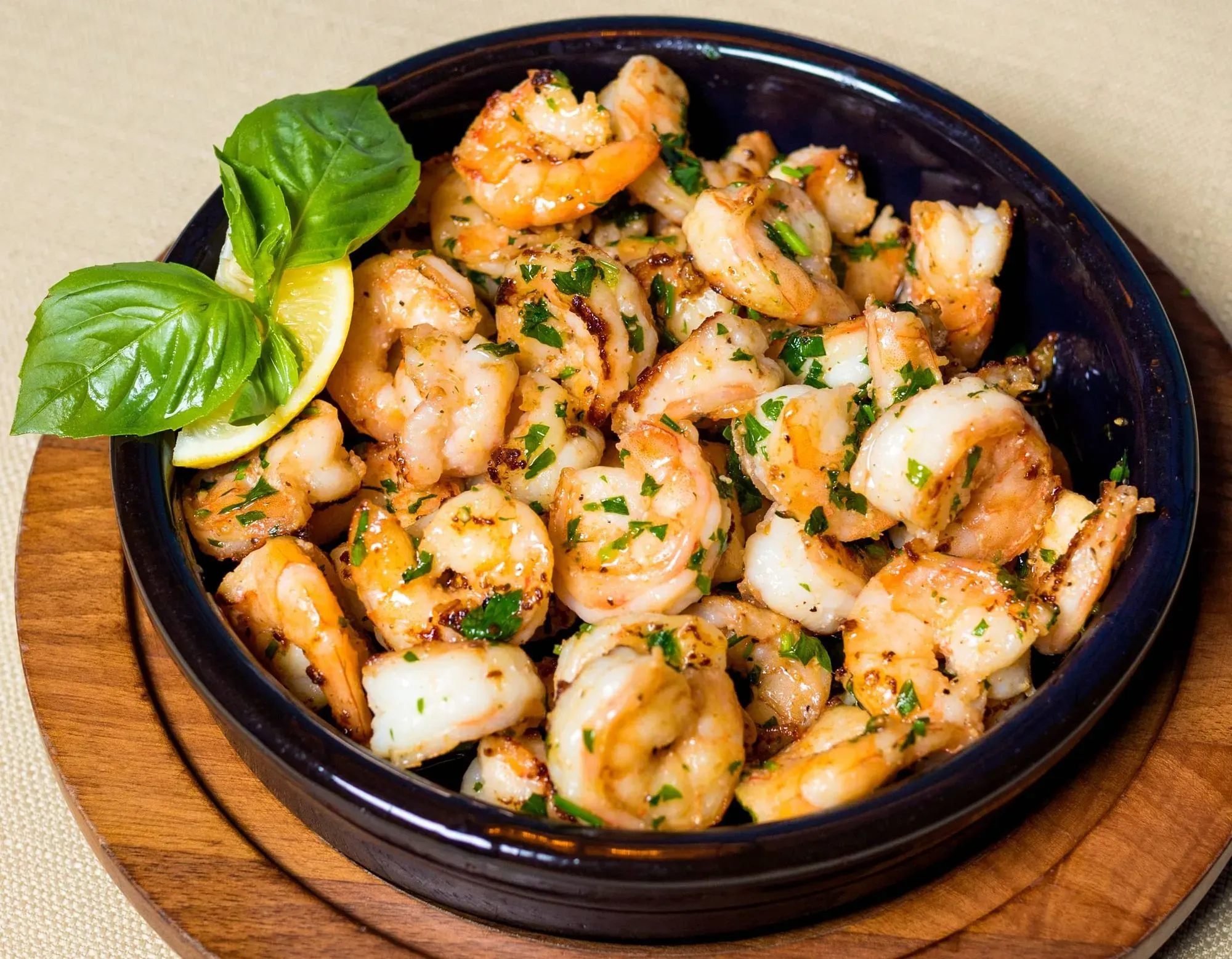
- Dinner: Stir-fried cabbage, peppers, mushrooms, and garlic with shrimp. Serve over brown rice crumble peanuts on top. Dress with homemade sauce: soy sauce, sesame oil, rice vinegar, fresh garlic and ginger.
- Snacks: Plain cottage cheese with blackberries and nuts; fresh-cut vegetables with hummus and sliced pear.
Day 6
- Breakfast: Whole grain toast with almond butter, slices of fresh peach, and sprinkle with cinnamon and hemp hearts.
- Lunch: A brown rice bowl with edamame, shredded carrots, sliced cucumber, seaweed, and cherry tomatoes. Garnish with ginger-sesame dressing.
- Dinner: Spicy pan-fried tofu cubes served with roasted cauliflower, broccoli, beets, and squash. Garnish with toasted cashews and lime juice.
- Snacks: Whole grain crackers with cheese; fresh cut vegetables with avocado dip.
Day 7
- Breakfast: Whole grain English muffin with poached egg, turkey bacon, sliced tomato, mayo, and mustard. Add a serving of fresh fruit on the side.
- Lunch: Minestrone soup with mixed beans, carrots, celery, onion, and shell pasta. Serve with fresh-cut vegetables on the side with your favorite dip.
- Dinner: Leafy greens mixed with fennel, orange slices, cubed sweet potato, almonds, dill, basil, and chives. Serve with sliced steak and dress with olive oil and lemon juice blend.
- Snacks: Whole grain crackers with cream cheese and sliced cucumber; plain cottage cheese with fruits and nuts.
Tips for Meal Preparation with Prediabetes
Learning that your once-healthy blood sugars are starting to rise can cause anxiety, but dietary changes can effectively normalize your levels.
Here are simple meal-prepping tips to make life easier for you in the kitchen:
- Have high-fiber ingredients readily available so it's easy to add them to your meals and snacks.
- Keep a running grocery list so you remember to restock finished products.
- Pick one day of the week to prepare meals and snacks.
- Freeze meals and leftover ingredients to prevent food waste.
- Use coupons and flyers to build a shopping list that fits your budget.
- If you hate cutting vegetables, invest in pre-chopped items to reduce the time spent on tasks you don’t enjoy.
Other Lifestyle Tips to Reverse Prediabetes
In addition to following a balanced meal plan and managing your sugar intake, several other lifestyle changes can help reverse prediabetes. Making these changes can reduce your long-term risk of developing type 2 diabetes.
Stay Active
Engaging in regular physical activity is crucial for managing prediabetes. Exercise helps your body use insulin more efficiently, which can lower blood sugar levels. Here are some tips to stay active:
- Aim for 150 Minutes of Moderate Exercise Per Week: Moderate exercise includes activities like brisk walking, swimming, or cycling.
- Add Strength Training Two Days Per Week: Incorporate resistance exercises, such as lifting weights or using resistance bands, at least two days a week.
- Find Activities You Enjoy: Choose exercises that you find fun and engaging to make it easier to stay consistent.
Manage Your Weight
Achieving and maintaining a healthy weight may help reverse prediabetes. Excess weight, especially around the abdomen, can increase insulin resistance. Consider these strategies for weight management:
- Set Realistic Goals: Make small changes to your diet and aim for a gradual weight loss of 1-2 pounds per week.
- Monitor Your Progress: Track your weight, food intake, and blood sugar levels to monitor your progress and identify patterns.
- Seek Support: Work with your healthcare provider or a registered dietitian to reach your weight and blood sugar management goals safely and effectively.
Get Enough Sleep
Getting enough sleep is an important yet often overlooked way to better manage your blood sugar.
Research shows that not getting enough sleep can lead to overeating, weight gain, and reduced insulin sensitivity. Tips for better sleep include:
- Stick to a Sleep Schedule: Go to bed and wake up at the same time every day, even on weekends.
- Create a Relaxing Bedtime Routine: Engage in calming activities before bed, such as reading, meditating, or taking a warm bath.
- Optimize Your Sleep Environment: Keep your bedroom cool, dark, and quiet to promote restful sleep.
Avoid Smoking and Tobacco Products
Smoking cigarettes and using other tobacco products can increase insulin resistance and lead to higher blood sugar levels. Quitting smoking is one of the best things you can do for your health.
Here are some tips to help you quit:
- Seek Professional Help: Consult with your healthcare provider for resources and support, such as nicotine replacement therapy or medications.
- Join a Support Group: Connect with others who are also trying to quit to share experiences and encouragement.
- Identify Triggers: Recognize situations that make you want to smoke and develop strategies to cope with them.
Manage Stress
Chronic stress can affect your blood sugar levels.
Finding effective ways to manage stress is important for reversing prediabetes. Consider these stress management techniques:
- Practice Mindfulness: Engage in mindfulness practices such as meditation, breathing exercises, or yoga.
- Stay Connected: Maintain strong relationships with friends and family to provide emotional support.
- Schedule Downtime: Make time for hobbies and activities that you enjoy and find relaxing.
Takeaway
No single food causes prediabetes, and your body needs sources of carbohydrates to function.
You can improve your blood sugars by eating balanced meals that contain carbohydrates, proteins, fats, and fiber.
Follow our simple prediabetes meal plan to implement these nutrition recommendations.
{{splash}}
Work With a Registered Dietitian Specializing in Diabetes
Seeing a nutrition expert at the first sign of rising blood sugars can stabilize your blood sugars and help you remain healthy.
A dietitian can help you plan balanced meals for prediabetes and teach you how to find added sugar on a nutrition facts label. They can also help you make other lifestyle changes, such as managing your weight and being more physically active.
By partnering with a registered dietitian, you get personalized advice and practical strategies to manage prediabetes and lower your risk of developing type 2 diabetes.
You can work with a Nourish registered dietitian specializing in prediabetes and blood sugar health.
Find a dietitian near you that accepts insurance using Nourish.
Frequently Asked Questions
What are good foods to eat if you have prediabetes?
If you have prediabetes, focus on eating a balanced diet with fiber-rich carbs from whole food sources like vegetables, fruits, and whole grains. Examples include leafy greens, broccoli, berries, apples, quinoa, and oatmeal. Lean proteins such as chicken and fish and healthy fats from nuts, seeds, and avocados are also excellent choices.
What is the fastest way to reverse prediabetes?
Although there's no quick fix, the fastest way to reverse prediabetes involves a combination of healthy eating, regular exercise, and weight management. Aim for 150 minutes of moderate exercise weekly, add fiber-rich and low-sugar foods to your diet, and maintain a healthy weight.
What are the 5 worst foods for blood sugar?
There is no single food that directly causes prediabetes. All foods can be enjoyed in moderation. However, ultra-processed foods, like sugary drinks, processed snacks with a lot of added sugar, and refined grains such as white bread and pastries, are more likely to lead to an increased risk of diabetes.
References
Nourish has strict sourcing policies and prioritizes primary sources, including medical organizations, governmental agencies, academic institutions, and peer-reviewed scientific journals. Learn more about our medical review process and editorial guidelines.







.avif)




%20(1).webp)

.avif)



.avif)









.avif)

































.avif)

.avif)