The Ultimate Grocery List for Diabetes

Medical Reviewer: John Markell, RDN, LDN, CDN, CPT

Author: Caitlin Beale, MS, RDN

Summary
- Nutrition and meal planning are to blood sugar management for people with diabetes.
- A grocery list for diabetes contains healthy fat, lean protein, fruits, vegetables, and high-fiber foods like whole grains and beans.
- A diabetes dietitian can help you develop a nutrition plan to help you reach your blood sugar goals and manage the condition with ease.
Eating well with diabetes may seem complicated, especially if you are just starting your health journey.
It doesn't help that misinformation on social media or online makes it seem like having diabetes means you can't eat certain foods like potatoes or fruit or must follow a very low carbohydrate diet.
In reality, none of that is true.
Living with diabetes may mean adjusting what, when, and how you eat while considering which foods and beverages can affect your blood sugar levels.
To simplify things, we've created this ultimate grocery list for people with diabetes.
This list is not meant to be exhaustive, as your meals may vary slightly based on health conditions and individual preferences.
However, you can use these options as a starting point to create nutritious meals and snacks that work for your lifestyle.
{{splash}}
Diabetes Basics
Diabetes is a condition that affects blood sugar (glucose) levels.
Carbohydrates, found in some ready-made foods, added sugars, grains, fruits, beans, dairy, and vegetables, break down into glucose, which is then released into the bloodstream, raising blood sugar.
As blood sugar rises, the pancreas releases a hormone called insulin, which triggers your cells to take up glucose to use for immediate energy or store for later.
People with type 2 diabetes either don't make enough insulin or their cells don't respond appropriately (or both), causing glucose to stay in the bloodstream.
Over time, high blood sugar can cause complications and increase the risk for heart and kidney diseases.
What, when, and how you eat makes a significant and lasting impact on diabetes prevention and management.
While all foods fit into a diabetes-friendly diet, including a variety of nutritious foods supports healthy blood sugar levels.
Focus on eating more nutrient-dense foods like fruits, nuts, vegetables, beans, whole grains, and lean proteins and limit foods high in added sugars, refined grains, and saturated fats.
Meal Planning Tips for Diabetes
The simplest way to plan your meals is to follow the Plate Method.
The method recommends your plate to include:
- Half your plate with non starchy vegetables.
- Quarter-plate of protein foods.
- Quarter-plate of carbohydrate-containing foods.
- Make water or a zero-calorie-drink as your drink of choice.
You may need a snack or two throughout the day, depending on your lifestyle, and activity and hunger levels.
Snacks can help manage blood sugar levels throughout the day, but you may not need one if your sugars are stable between meals.
To know if you would benefit from a snack, pay attention to your body signals.
If you feel the urge to eat, assess your hunger cues by asking yourself if you need a snack from hunger or boredom (or any other emotion).
If you want to snack, enjoy the following options to keep your blood sugar levels steady:
- Fruit slices with nut butter.
- Whole-wheat English muffin with sliced egg, cheese, and tomato.
- A cup of chicken soup with whole-wheat noodles.
- Whole-grain toasted bread with avocado.
Speak with a registered dietitian to find out if including a snack is ideal for managing diabetes based on your blood sugar targets, lifestyle, and health goals.
Diabetes Grocery List Basics
Stocking your fridge and pantry with the following items makes choosing nutritious foods easier at meal and snack times.
Surrounding yourself with foods that taste good but also make you feel good can keep you motivated to take charge of your health.
Grab a pen and paper or log on to your favorite grocery delivery site and add these nutrient-dense foods to your shopping list:
High-Fiber Whole Grains
When you have diabetes, paying closer attention to the amount of carbohydrates you eat helps stabilize your blood sugar levels and reduces the risk of sudden spikes or dips.
There are different types of carbohydrates to include in your diet, and some raise blood sugar higher or more quickly than others.
To know which ones have the fastest impact, refer to the glycemic index—a tool that ranks carbohydrates based on how quickly they raise the blood sugar level within a two-hour period.
Foods high in fiber tend to have a lower glycemic rating because they’re digested slowly, so blood sugar rises steadily.
Eating foods rich in fiber may also be linked to a healthier gut, a healthy body weight, better blood sugar management, and a lower risk of heart disease and stroke.
High-fiber grains to add to your grocery list include:
- Whole grain bread.
- Brown rice.
- Quinoa.
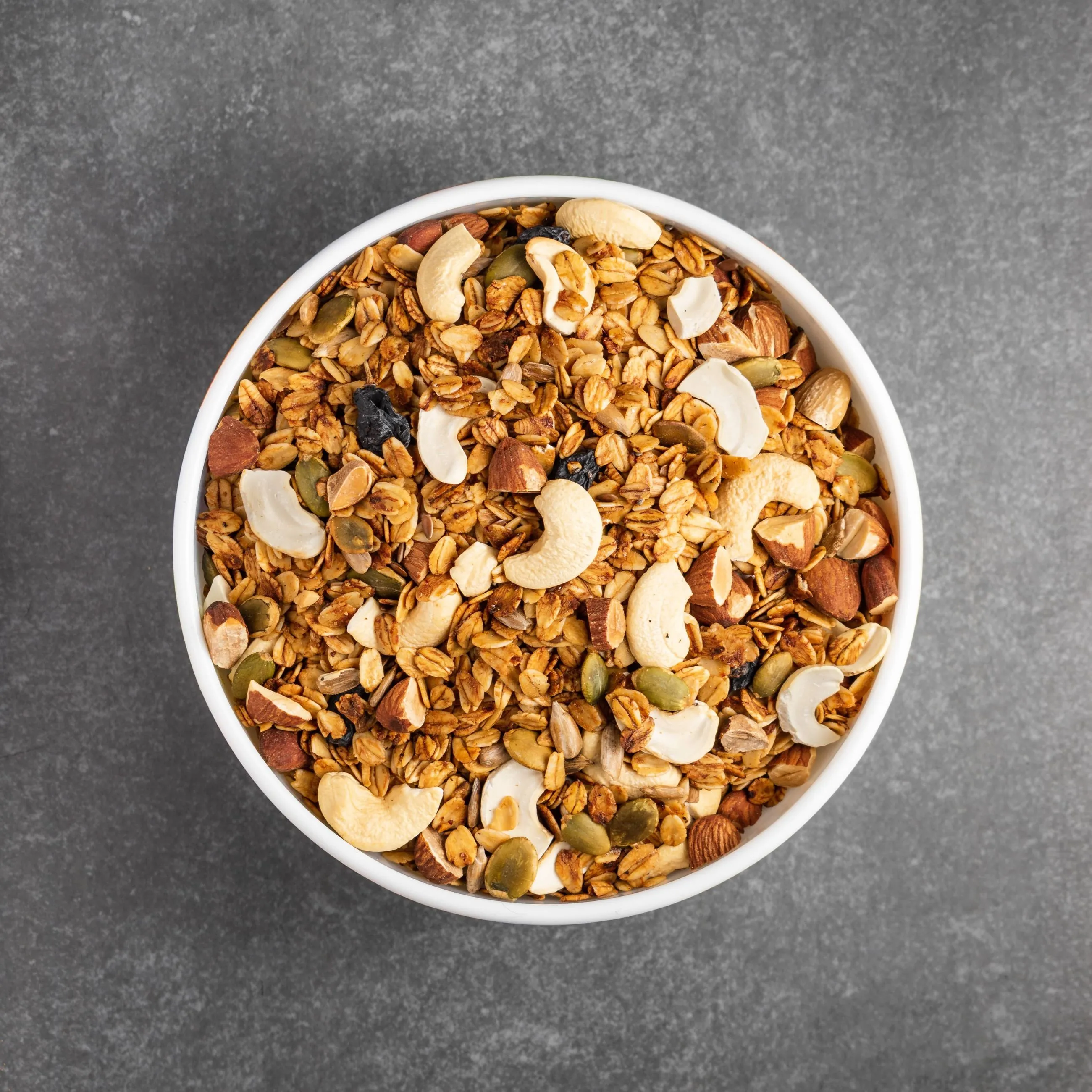
- Oats.
- Corn.
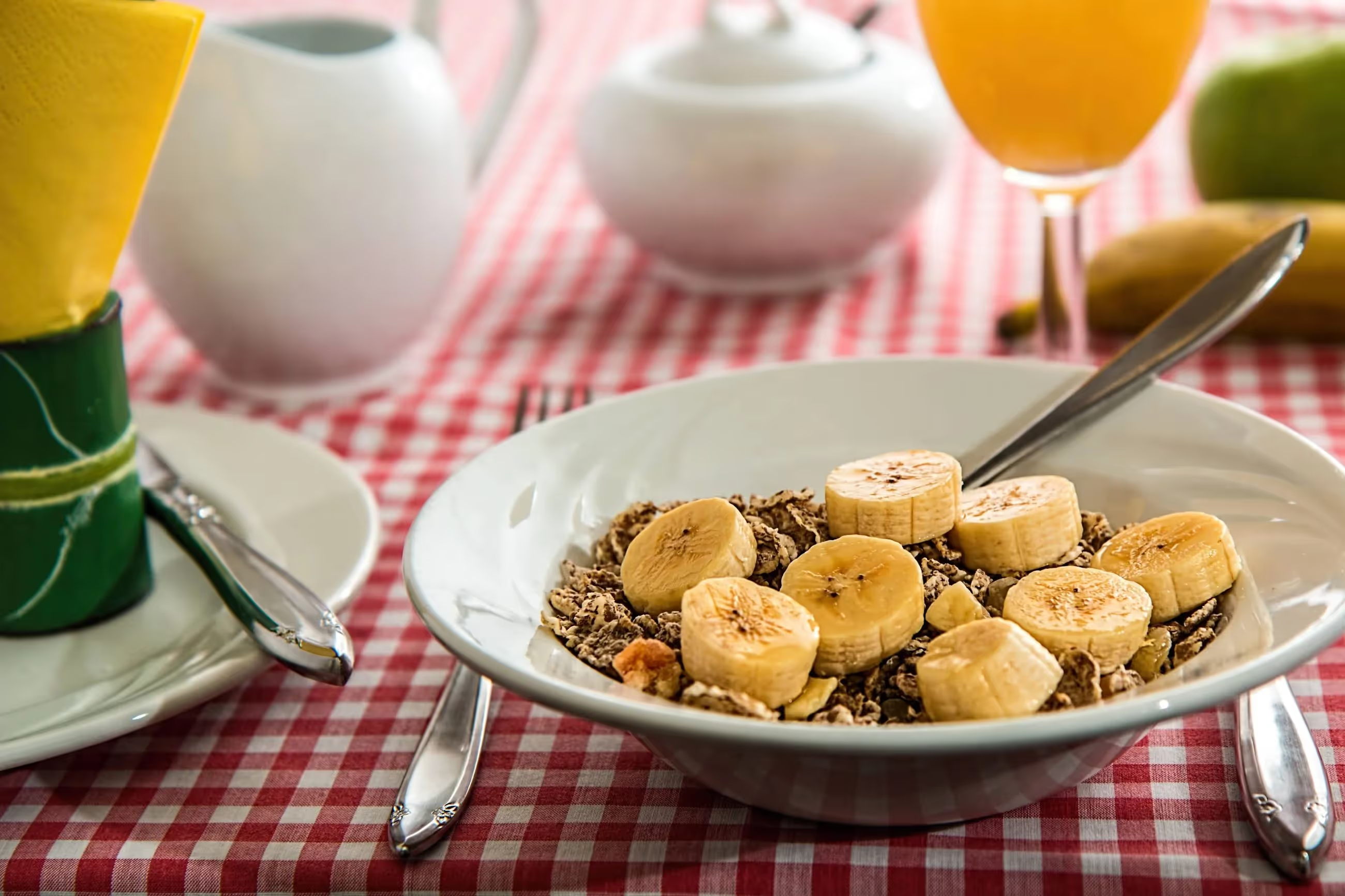
- High-fiber cereals.
- Beans.
If you have diabetes, the amount of carbohydrates you need will depend on your energy needs, activity level, lifestyle, and medications.
A diabetes dietitian (RD) can help you develop an individualized nutrition plan for your needs.
Protein
Many sources of protein have minimal impact on blood sugar, making them a valuable nutritional tool for people with diabetes.
Pairing carbohydrates with higher sources of protein can help stabilize blood sugar levels and can also help you feel full longer.
Foods that contain protein and are a good choice for diabetes include:
- Lean beef.
- Poultry.
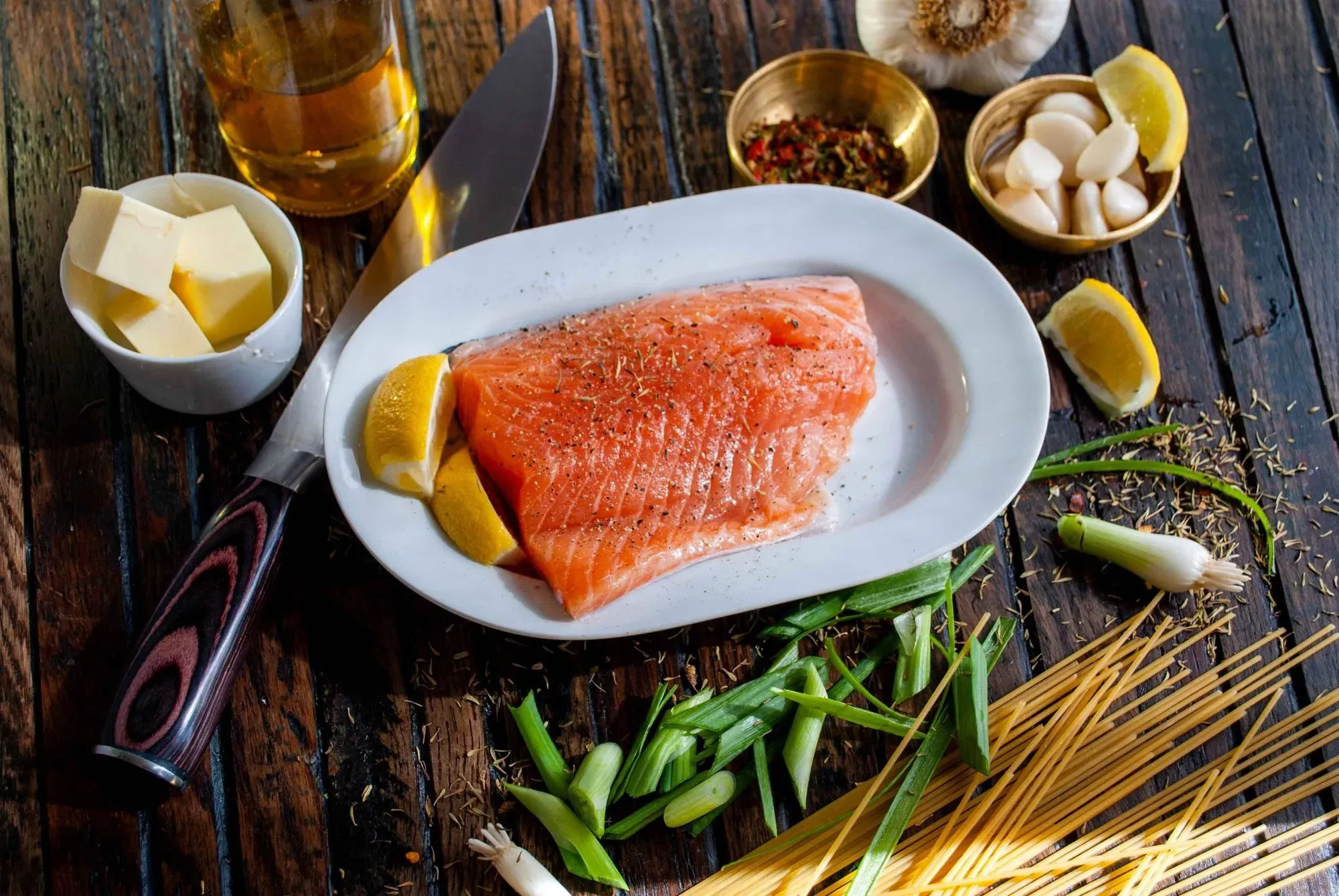
- Fish and shellfish.
- Eggs.
- Unsweetened yogurt.
- Milk.
- Cheese.
- Tofu.
- Beans and legumes.
- Lentils.
- Certain foods and supplements like protein powders or protein bars.
Plant-based proteins like legumes or grains are high in protein and fiber but also contain carbohydrates.
Keep an eye on portion sizes or count them as your carbohydrate and pair them with another protein option.
Healthy Fats
Fat can feel like another overwhelming topic because there are so many choices.
There are two primary types of dietary fat: saturated and unsaturated.
Saturated fats are found primarily in animal products (tropical oils like coconut and palm oil are exceptions) and are solid at room temperature.
Unsaturated fats, on the other hand, are typically liquid at temperature.
These come from plant sources like olive oil and avocados as well as certain types of fish and shellfish.
Consuming unsaturated fats is linked to many positive health outcomes, including lower levels of inflammation, better insulin sensitivity, and decreased risk of heart disease.
You can cook with the following healthy fats and oils or drizzle them over meals as a garnish before serving::
- Olive oil.
- Avocado oil.
- Canola oil.
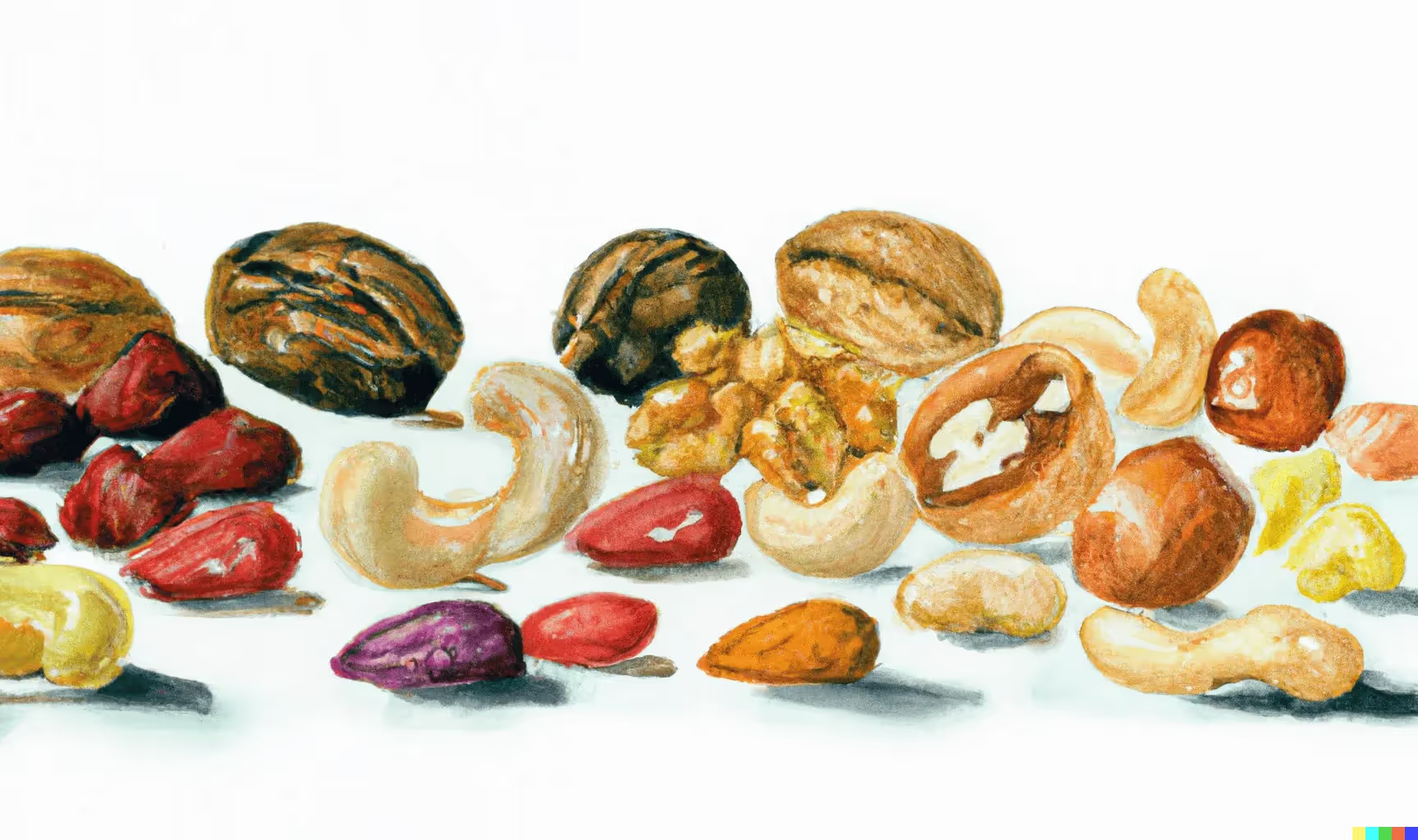
- Nuts and nut butters
- Seeds and seed butters.
- Seeds like chia seeds and flax seeds,
Fruits
Since fruit tastes sweet and contains naturally occurring sugar, there can be confusion about whether it's okay for people with diabetes to eat it.
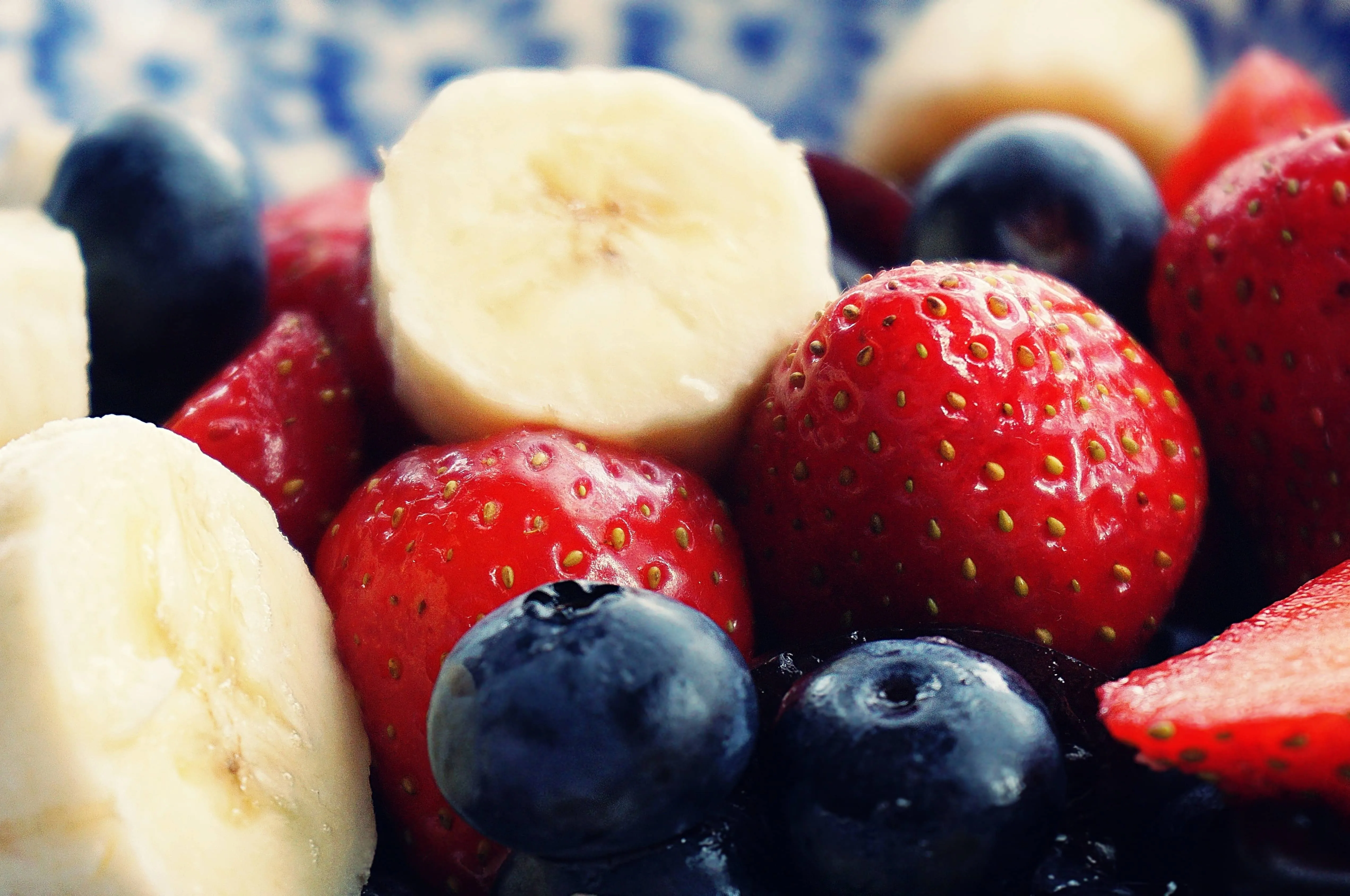
The truth is that fruit is a carbohydrate-containing food and is full of vitamins, minerals, antioxidants, and fiber which can support healthy blood sugar levels.
Some research suggests that people with diabetes who eat fruit regularly have a lower risk of complications.
Fruit juice and dried fruit have a higher sugar concentration, so choose whole or frozen fruits, or canned fruit in water more often when possible.
Serving sizes can also vary—a large piece of fruit can be more than one serving of carbohydrates.
One cup or one medium-sized fruit is equivalent to the size of your fist.
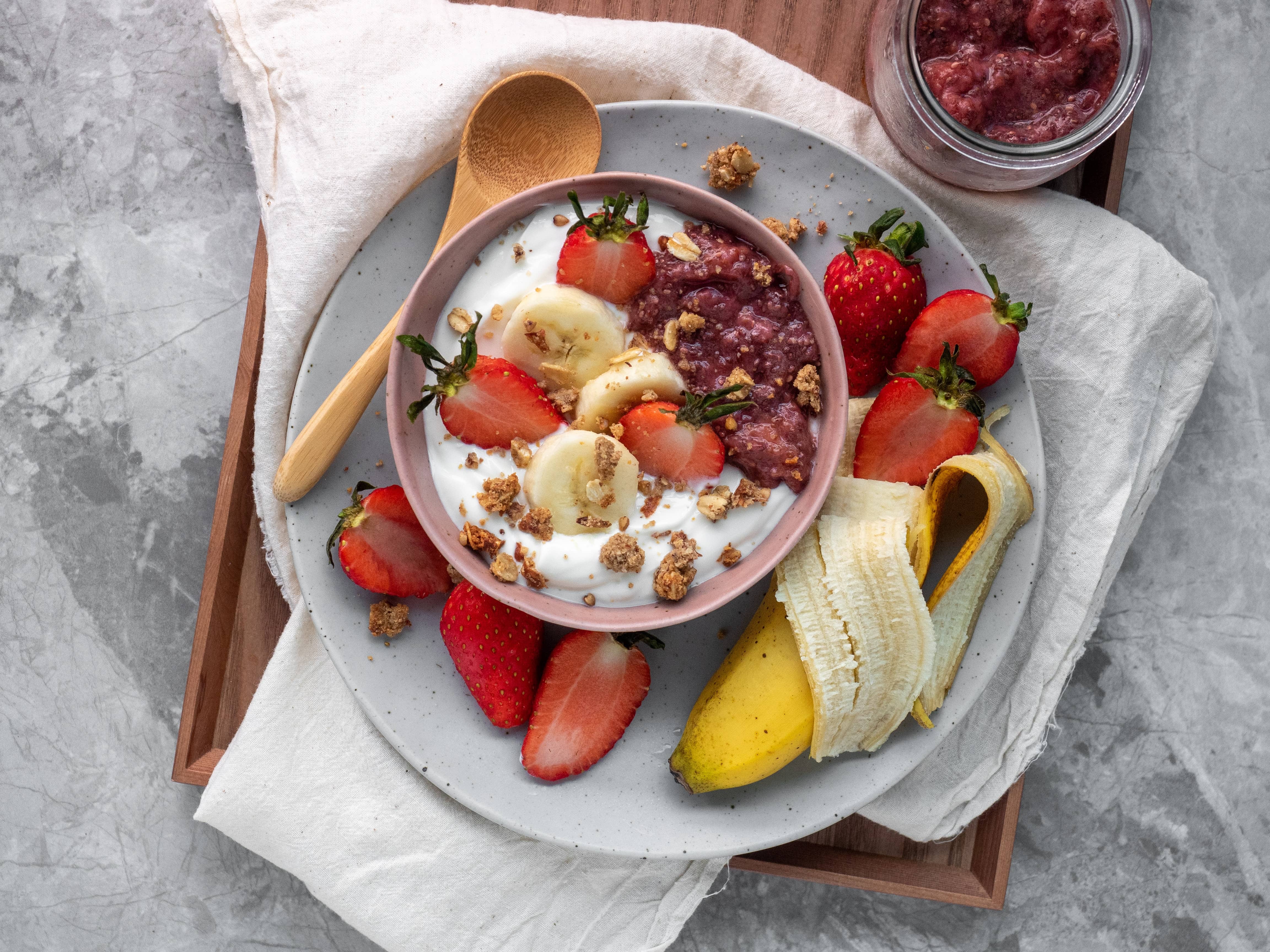
Eating fruit with a protein or fat source like nuts or yogurt can also prevent blood sugar from rising rapidly.
Your diabetes-friendly fruit list includes all fruits, including:
- Apples.
- Oranges.
- Tangerines.
- Clementines.
- Kiwis.
- Strawberries.
- Blueberries.
- Raspberries.
- Blackberries.
- Melons.
- Pears.
- Peaches.
- Plums.
- Bananas.
Vegetables
Some starchy vegetables contain carbohydrates that can increase blood sugar levels, while non-starchy vegetables have minimal carbohydrates.
Some examples of starchy vegetables include:
- Corn.
- Potatoes.
- Peas.
- Certain hard winter squashes like butternut.
- Sweet potatoes.
- Yucca.
- Plantain.
- Yam.
- Taro.
You can still enjoy these foods, but they are usually considered a carbohydrate because of their impact on blood sugar.
On the other hand, you can enjoy non-starchy vegetables freely as often as you'd like, including:
- Broccoli.
- Kale.
- Spinach.
- Cauliflower.
- Carrots.
- Peppers.
- Tomatoes.
- Zucchini.
- Mushrooms.
- Bell Pepper.
- Cucumbers.
Food Items To Keep At Home
Cooking more often at home when possible also allows you to plan your meals and take full control of your food flavors.
Here are some examples of essential food items to keep on-hand.
Pantry Staples
- Unseasoned vinegar.
- Lower sodium soy sauce or tamari.
- Dijon mustard.
- Ketchup or tomato paste (check the label for added sugar).
- Herbs and spices.
- No salt added or low sodium chicken or veggie broths.
- No salt added or low sodium canned fish, such as canned tuna, sardines, or salmon.
- No salt added or low sodium canned beans.
- No sugar added canned fruits and non-starchy vegetables.
- Dried beans.
- Dried whole grains.
- More healthful cooking oils like olive, avocado, canola, sesame.
Dairy and Dairy Alternatives
- Milk or unsweetened fortified plant-based beverage.
- Unsweetened plain Greek yogurt.
- Unsweetened plain yogurt.
- Low or lower sodium Cottage cheese.
Frozen Foods
- Frozen vegetables.
- Frozen fruits.
- Frozen beans, such as edamame.
- Frozen fish, such as salmon, cod, and haddock filets.
- Frozen seafood, such as shrimp and scallops.
- Fresh chicken breasts, chicken thighs, and ground poultry to freeze.
- Fresh lean ground beef, and cubed beef to freeze.
- Fresh pork chops, pork loin, and lean ground pork to freeze.
Be sure to review the nutritional facts label and choose products that are rich in nutrients, and low in added sugars, sodium, and saturated and trans fats.
Foods and Beverages to Limit With Diabetes
While no food is completely "off-limits" with diabetes, eating certain foods less often makes managing your blood sugar easier.
Eating foods high in added sugar or processed carbohydrates (which tend to be low in fiber) can make it harder to meet blood sugar goals.
Eat the following foods less often:
- Cookies, cake, or baked goods.
- Candy.
- Sugar-sweetened beverages like soda and fruit juice.
- Refined-grains found in white bread, pasta, certain crackers and chips.
- Ice cream.
- Deep-fried foods like potato or corn chips, french fries, or donuts and other pastries.
Tips for Grocery Shopping With Diabetes
- Plan ahead. Make a grocery list and stick to it to help you save money. Check store flyers for any on sale items. Stock up on your essential foods as your living space allows.
- Don't over-restrict. Eating with diabetes doesn't mean you have to miss out on the foods you love. Consider portion size and pairing your food with nutrients that slow down blood sugar (like fiber and protein).
- Experiment with new flavors. Try new recipes and dishes to mix up your meals and find something different that you enjoy. Check out our breakfast and other meal ideas for inspiration.
Takeaway
Eating well with diabetes can be easy when you know when and how to eat by incorporating meal planning and recognizing carbohydrate-containing foods.
Use our grocery guide to help you plan your meals and snacks and stock up your pantry, fridge and freezer.
Enjoy a variety of nutritious foods, such as whole grains, starchy and non-starchy vegetables, lean protein, beans, nuts, and healthful sources of fats to maintain a healthy blood sugar level.
How Can a Dietitian Help
A diabetes dietitian is an integral part of your diabetes care team.
They can guide you in managing diabetes by reviewing your dietary pattern and interpreting blood work results, such as your fasting blood sugar level and the hemoglobin A1C—an indicator of your average blood sugar level within three months.
If you also monitor your blood sugar levels regularly using a glucometer, a diabetes dietitian can also interpret your blood sugar readings, based on your food intake.
A diabetes dietitian can support you with identifying foods and developing individualized plans that can keep your blood sugar levels manageable based on your food preferences, lifestyle, and goals.
Work with Nourish
At Nourish, all appointments are online, and you’ll have 55 minutes with your diabetes dietitian.
We’re proud to share that 94% of our users pay zero dollars out of pocket, and we’ll work closely with your insurance provider to help you get paid visits.
Also, download the Nourish app to access free resources and stay connected with your dietitian between visits.
Find a dietitian near you who accepts insurance through Nourish.
{{splash}}
Frequently Asked Questions
Can nutrition and lifestyle impact diabetes?
Yes, nutrition and lifestyle positively impact diabetes and blood sugar. Studies show that nutrition, exercise, and getting enough sleep can help people with diabetes better manage their blood sugar levels.
What foods are best for diabetes?
A nutrient-dense eating pattern low in processed and refined carbohydrates and sugars emphasizing high-fiber fruits, vegetables, whole grains, healthy fats, and proteins is best for diabetes.
What should a person with diabetes eat every day?
Fiber is an essential part of a diabetes-friendly plan. Lean proteins, such as fish, chicken, or tofu, can also support blood sugar levels.
References
View all references
- Holesh, J. E., Aslam, S., & Martin, A. (2022). Physiology, Carbohydrates. In StatPearls. StatPearls Publishing.
- Ley, S. H., Hamdy, O., Mohan, V., & Hu, F. B. (2014). Prevention and management of type 2 diabetes: dietary components and nutritional strategies. Lancet (London, England), 383(9933), 1999–2007.
- Barber, T. M., Kabisch, S., Pfeiffer, A. F. H., & Weickert, M. O. (2020). The Health Benefits of Dietary Fibre. Nutrients, 12(10), 3209.
- Gannon, M. C., Nuttall, F. Q., Saeed, A., Jordan, K., & Hoover, H. (2003). An increase in dietary protein improves the blood glucose response in persons with type 2 diabetes. The American journal of clinical nutrition, 78(4), 734–741.
- Non-starchy vegetables. Non-starchy Vegetables | ADA. (n.d.).
- Forouhi, N. G., Krauss, R. M., Taubes, G., & Willett, W. (2018). Dietary fat and cardiometabolic health: evidence, controversies, and consensus for guidance. BMJ (Clinical research ed.), 361, k2139.
- Rice Bradley B. H. (2018). Dietary Fat and Risk for Type 2 Diabetes: a Review of Recent Research. Current nutrition reports, 7(4), 214–226.
- Du, H., Li, L., Bennett, D., Guo, Y., Turnbull, I., Yang, L., Bragg, F., Bian, Z., Chen, Y., Chen, J., Millwood, I. Y., Sansome, S., Ma, L., Huang, Y., Zhang, N., Zheng, X., Sun, Q., Key, T. J., Collins, R., Peto, R., … China Kadoorie Biobank study (2017). Fresh fruit consumption in relation to incident diabetes and diabetic vascular complications: A 7-y prospective study of 0.5 million Chinese adults. PLoS medicine, 14(4), e1002279.
- Weeratunga, P., Jayasinghe, S., Perera, Y., Jayasena, G., & Jayasinghe, S. (2014). Per capita sugar consumption and prevalence of diabetes mellitus--global and regional associations. BMC public health, 14, 186.
- Galaviz, K. I., Narayan, K. M. V., Lobelo, F., & Weber, M. B. (2015). Lifestyle and the Prevention of Type 2 Diabetes: A Status Report. American journal of lifestyle medicine, 12(1), 4–20.
Nourish has strict sourcing policies and prioritizes primary sources, including medical organizations, governmental agencies, academic institutions, and peer-reviewed scientific journals. Learn more about our medical review process and editorial guidelines.








.avif)




%20(1).webp)

.avif)



.avif)










.avif)






































.avif)

.avif)