Is Corn Good for Weight Loss?

Medical Reviewer: Sarah Hormachea, MS, RD, CDCES, BC-ADM

Author: Jennifer Huddy, MS, RD, LD
Summary
- Corn may be helpful for weight management. It is high in fiber, which provides bulk that is not only good for gut health but also increases one's feeling of fullness.
- It is best to minimize your intake of highly processed forms of corn, like high fructose corn syrup, which has lost all of its nutritional value and may have other unhealthful additives.
- Enjoy corn on the cob, popcorn, and whole cornmeal in recipes to reap their nutritional benefits.
Updated by: Joy Emeh
Corn is a well-liked starchy vegetable and a staple in many cultures’ cuisines, but you may wonder if corn is good for weight management.
Corn can be a beneficial addition to your diet when minimally processed because of its fiber, vitamin, mineral, and antioxidant content.
However, foods containing processed forms of corn, like high fructose corn syrup, are counterproductive for weight management.
When corn is turned into a highly processed ingredient, it loses fiber, vitamins, and minerals, making it far less nutritious than in its whole form.
Learn more about corn's nutritional and health benefits and why corn can be good for weight management below.
{{splash}}
Is Corn Good for Weight Loss?
When minimally processed, corn can be a healthful addition to your diet and can support weight loss.
Corn is low in calories and fat and rich in fiber, which helps keep you full longer. It also contains beneficial nutrients like vitamin C, potassium, and vitamin A.
Corn is technically a whole grain, though it’s often grouped with starchy vegetables like potatoes.
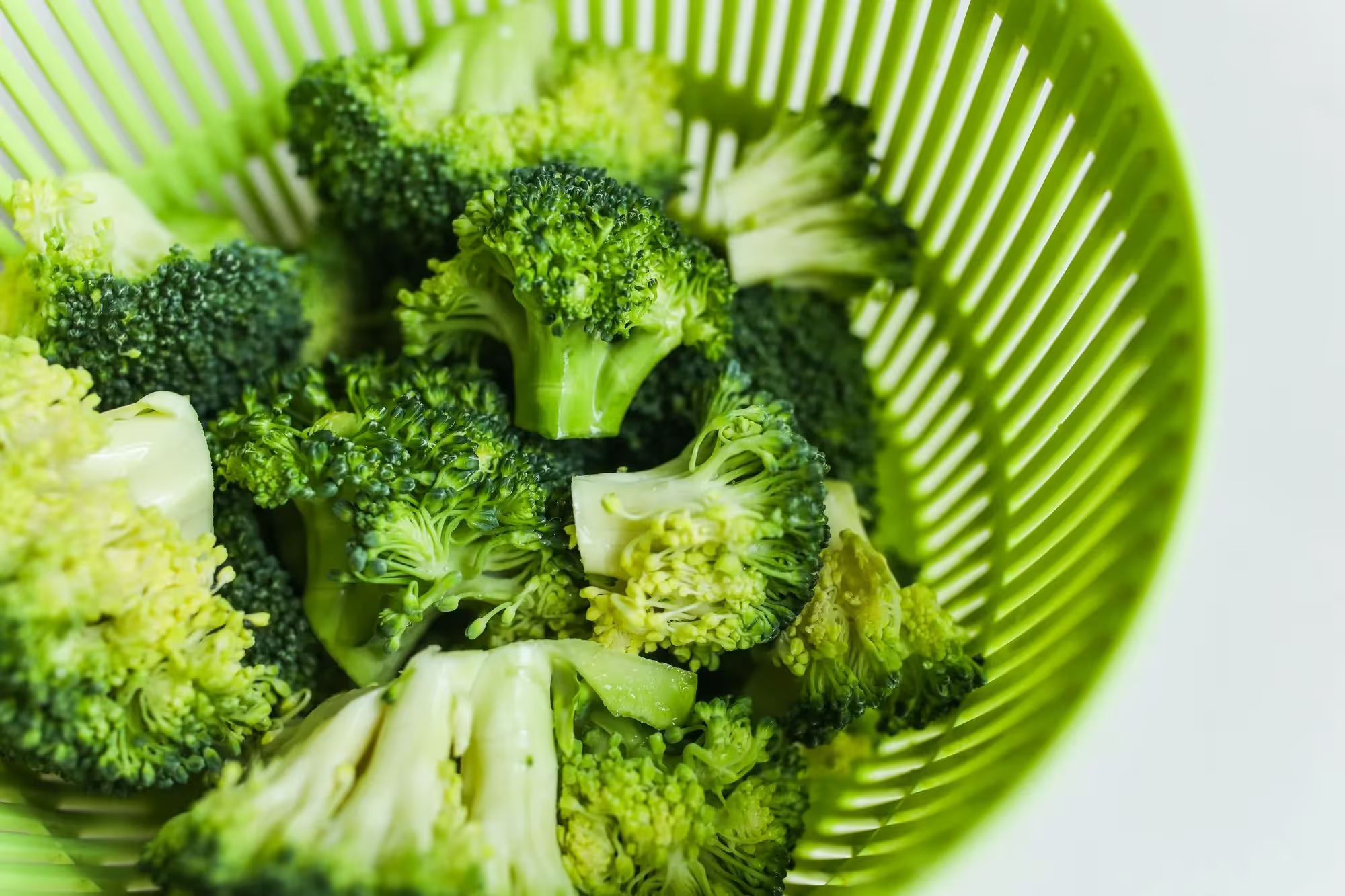
A starchy veggie contains more carbohydrates than other non-starchy vegetables, such as cucumbers, leafy greens, broccoli, and tomatoes.
This higher carb content is often seen as counterproductive in weight management. However, all whole foods can be part of a healthy, balanced plan.
While it’s important to eat plenty of non-starchy vegetables for their nutritional quality, starchy vegetables can serve as a source of high-fiber carbohydrates when eaten in moderation.
How Can Corn Help with Weight Loss?
Here are different ways corn can be beneficial to your weight loss goals when incorporated into your diet.
High in fiber
Corn is a great source of soluble and insoluble dietary fiber, which are both carbohydrates that cannot be digested by your gut.
Soluble fiber is the type of fiber that can dissolve in water and gastrointestinal fluids, forming a gel-like consistency that slows down food and bowel movement through the intestines.
Insoluble fiber, on the other hand, is not soluble and does not absorb water.
It draws water into the colon, adds bulk to stool, and makes it easy to pass stool.
Both types of fiber are beneficial to the gut and metabolic health.
But, studies have indicated that insoluble fiber, particularly, can increase satiety and promote weight loss.
Rich in nutrients
Aside from carbohydrates, corn has an abundance of other nutrients, including protein, magnesium, sodium, potassium, and phosphorus.
This means every cup or cob of corn you eat is nutrient-dense, provides your body with long-lasting energy and vitality, and makes you feel fuller.
Corn also contains water, which can further contribute to feelings of fullness and improve hydration and metabolism.
Low in calories
Corn is rich in nutrients and low in calories—which supports weight management.
One plain ear of unprepared yellow corn, according to the USDA, contains only 122 calories, similar to the amount contained in a medium-sized apple.
Low-calorie foods are more satisfying and help reduce your daily caloric intake (the amount of energy you consume via food in a day).
Since the key component of weight loss is energy deficit, eating low-calorie foods like corn may significantly promote weight loss.
Can aid digestion
Corn fiber acts as a prebiotic, providing a suitable environment for the natural bacterial flora in the gut.
A healthy and balanced gut microbiota is essential for digestion and plays a role in fermenting the non-digestible fibers to release short-chain fatty acids (SCFAs) like propionate and butyrate.
These fatty acids seem to play a role in reducing appetite and food intake.
Conversely, an imbalance in the bacterial composition within the gut has been linked to diet-induced obesity and long-term weight gain.
Nutritional Value of Corn
Corn is primarily carbohydrates, with small amounts of protein and fat.
Corn also contains essential micronutrients, including B vitamins, vitamin C, potassium, and vitamin A.
One medium-sized ear of yellow corn contains:
- 88 calories.
- 3.3 grams of protein.
- 1.4 grams of fat.
- 19 grams of carbohydrates.
- 2 grams of fiber.
- 6.4 grams of sugar.
Corn is a good source of potassium, an important mineral that many American diets lack.
Potassium helps act as a diuretic, which can help lower high blood pressure levels when consumed from dietary sources.
Phytochemicals
Corn is rich in phytochemicals (beneficial plant compounds), which have been linked with health benefits because of their antioxidant properties.
Research shows that people who eat more foods high in phytochemicals have a lower risk of developing chronic diseases like heart disease, type 2 diabetes, and some forms of cancer.
Carotenoids are a type of phytochemical found in corn and other red, orange, and yellow produce.
Beta-carotene is a carotenoid that may reduce cancer risk, while lutein and zeaxanthin are important for eye health, protecting against macular degeneration.
Yellow corn is highest in carotenoids compared to varieties with less pigment, like white corn.
Corn also contains phytosterols, a plant compound that helps lower elevated cholesterol levels by binding to cholesterol in the digestive tract and preventing absorption into the bloodstream.
{{splash}}
Benefits of Corn
Resistant starch
Corn contains a type of carbohydrate called resistant starch, which is “resistant” to digestion in the small intestine, and is instead broken down in the large intestine.
This process yields many health benefits, including boosting healthy gut bacteria, reducing cholesterol levels, and assisting in weight management.
Resistant starch also serves as a fiber source, which slows down digestion and helps you feel full longer.
This can aid in weight management efforts because an increased feeling of fullness may help minimize mindless eating and additional snacking.
Studies have also linked resistant starch intake to reduced insulin resistance, a key factor in diabetes prevention.
Gut health support
In addition, resistant starch may positively impact gut hormones related to metabolism.
The fiber in corn and other whole grains has been shown to help in weight management efforts and other chronic diseases like type 2 diabetes.
Including fiber-rich carbohydrates can help keep your blood sugar and energy levels stable throughout the day.
Drawbacks of Corn
Often used in processed foods
Corn is available in many processed forms, which may be counterproductive to your weight management efforts if you eat them regularly.
Diets high in ultra-processed foods, made with ingredients like high-fructose corn syrup, are linked to adverse health effects.
Foods like soda, candy, and fast food contain high fructose corn syrup.
These items are highly palatable and can override your natural fullness cues.
Corn oil is another processed form of corn. It is primarily made up of unsaturated fats, which can benefit heart health.
It’s also a good source of vitamin E, a potent antioxidant.
Despite its potential health benefits, corn oil, like any oil, can interfere with weight management efforts when used liberally.
Corn-based breakfast cereals are also commonly available. It’s best to look for brands with minimal added sugars and saturated fat.
Having trouble losing weight? Take the weight loss quiz to understand your next steps and reach your goals.
How Much Corn is Too Much?
Though corn is a nutrient-dense food, eating too much of it can interfere with weight management efforts due to its carbohydrate and calorie content.
It’s important to be mindful of your portions when eating corn and corn products.
The following represents one serving of various corn products:
- ½ cup of corn kernels (one small cob).
- 1 small corn tortilla (6 inches across).
- 3 cups of popcorn.
- 1 cup of cornflakes (breakfast cereal).
Best Ways to Eat Corn For Weight Management
When it comes to weight management, the form of the food you eat matters.
For instance, eating whole fruits may be more beneficial than juicing them because juicing eliminates or reduces the fiber content, which is beneficial for weight management.
Likewise, corn is best eaten in certain ways to maximize its weight-management potential:
Unprocessed
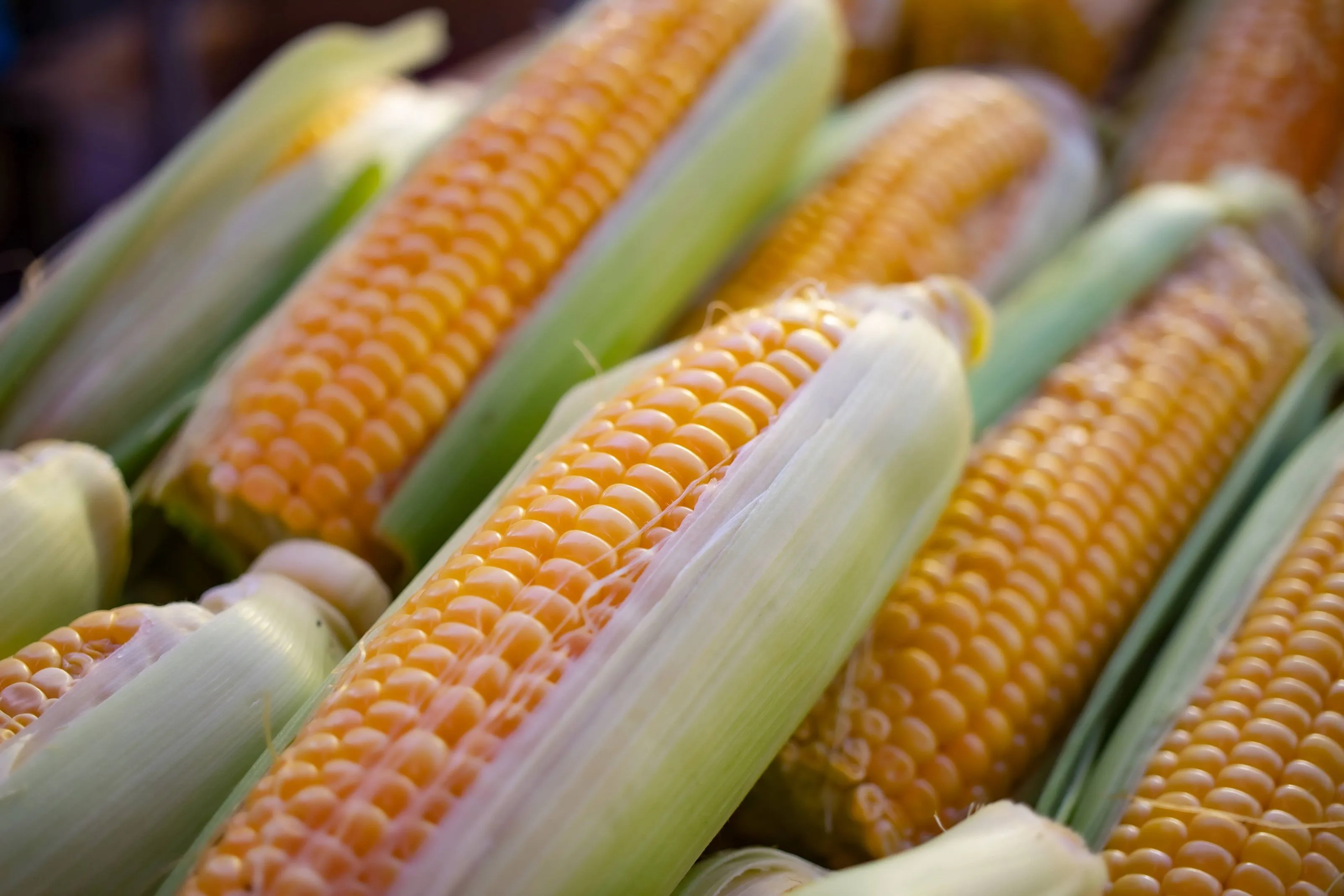
The best way to eat corn is in its whole form, like corn on the cob. Be mindful of toppings like butter, which can add unwanted saturated fat to your dish.
Regarding the type of corn, white corn, and yellow corn have similar flavors and nutritional profiles.
You can try roasted or grilled corn for extra flavor, but simple boiled corn can be a versatile addition to many dishes, like soups, chili, salads, and more.
Popcorn is another fantastic way to eat corn for weight management, but be wary of flavored popcorn products, as these are often high in added salt, fat, or sugar.
The healthiest way to eat popcorn is to air-pop it at home and use light toppings like olive oil spray and garlic powder.
Processed
There are some processed forms of corn that can be a healthful source of whole grains.
These include whole cornmeal (not degermed), corn tortillas, plain grits, and cornflakes without added sugar.
Be mindful of more processed forms of these foods, like tortilla chips and sugary breakfast cereals, as they do not provide the same nutritional value.
Takeaway
Corn can be a healthful addition to many meal plans when eaten in its whole form without high-saturated fat toppings like butter.
Corn's fiber and resistant starch content increase satiety by slowing digestion and may also reduce the risk of developing chronic diseases.
Corn is low in calories and fat and contains vitamins, minerals, and phytochemicals that have numerous health benefits, like improving insulin resistance and supporting eye health.
If you considering including corn as part of your weight management meal plan, be mindful of portion sizes, and eat minimally processed corn, like corn on the cob or air-popped popcorn, to reap its nutritional benefits without interfering with your weight management efforts.
Weight Management with a Dietitian
It can be challenging to know which foods to include in your diet in your weight management efforts.
A weight loss nutritionist can help you develop a realistic diet plan considering your preferences and medical history.
Find a dietitian near you that accepts insurance using Nourish.
Frequently Asked Questions
References
View all references
- Liu, R. H. (2007). Whole grain phytochemicals and health. Journal of Cereal Science, 46(3), 207–219.
- Corn, Sweet, white, frozen, kernels on cob, unprepared. (2019, April 1). USDA FoodData Central.
- P, N. P. V., & Joye, I. J. (2020). Dietary Fibre from Whole Grains and Their Benefits on Metabolic Health. Nutrients, 12(10), 3045.
- Weickert, M. O., & Pfeiffer, A. F. H. (2018). Impact of Dietary Fiber Consumption on Insulin Resistance and the Prevention of Type 2 Diabetes. The Journal of Nutrition, 148(1), 7–12.
- Valdes A M, Walter J, Segal E, Spector T D. (2018). Role of the gut microbiota in nutrition and health. BMJ, 361: k2179
- Corn grain, yellow. (n.d.). US Department of Agriculture: FoodData Central
- Corn, sweet, yellow, frozen, kernels on cob, unprepared. (n.d.). US Department of Agriculture: FoodData Central.
- Apple, raw. (n.d.). US Department of Agriculture: FoodData Central
- Kim J. Y. (2021). Optimal Diet Strategies for Weight Loss and Weight Loss Maintenance. Journal of Obesity & Metabolic Syndrome, 30(1), 20–31.
Nourish has strict sourcing policies and prioritizes primary sources, including medical organizations, governmental agencies, academic institutions, and peer-reviewed scientific journals. Learn more about our medical review process and editorial guidelines.
More articles
%201%20(1).jpg)


.avif)













.avif)
















.avif)















.avif)







.avif)
.avif)










.avif)
.avif)