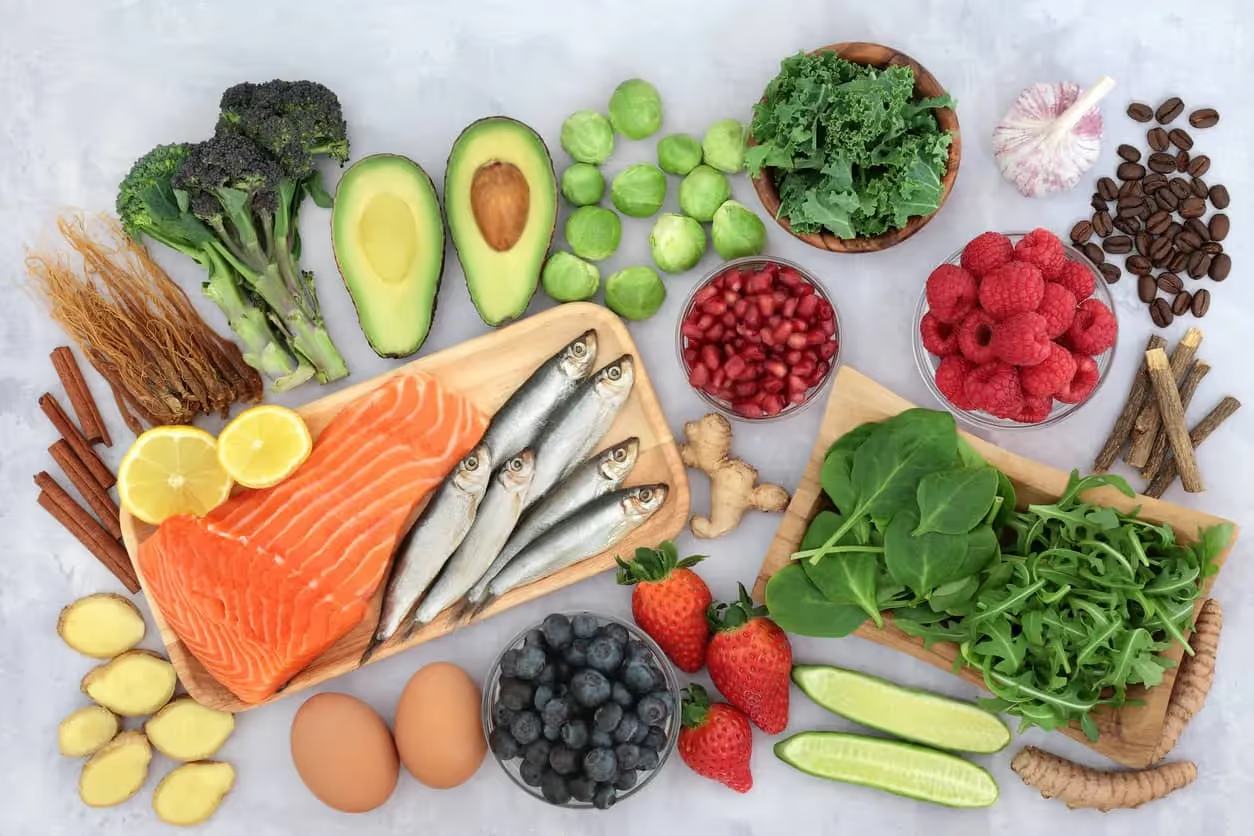
Can a Nutritionist Help Me Gain Muscle?

Medical Reviewer: Ellie Stamerjohn, MS, RDN, LD

Author: Julia Zakrzewski, RD
.jpg)
Summary
- Developing and strengthening your muscles is important for enhancing balance, strengthening bones, and maintaining mobility as you age.
- Meeting your daily protein requirements and completing resistance training exercises can help you gain muscle.
- A registered dietitian nutritionist can offer dietary recommendations to help you satisfy your protein requirements and gain muscle.
You may want to gain muscle mass to improve your balance, change your body composition, or you may want to feel healthier overall by increasing your strength. Muscle tissues also contribute to your metabolic health by helping with blood sugar uptake and decreasing the chances of insulin resistance.
Following a fitness plan and working with a registered dietitian nutritionist (RDN) can help you gain muscle. In this article, you’ll learn about different exercises to help build muscle, how to calculate your protein requirements, and which foods can help.
{{splash}}
What Is Muscle Mass?
Your muscle mass is the total amount of muscular tissue in your body. There are smooth muscles throughout your major systems (digestive, cardiovascular, renal, etc.) that are active without conscious effort. For example, after eating, smooth muscle contractions known as peristalsis push food effortlessly through your digestive tract.
Skeletal muscles are attached to your bones, and they help you move your frame. These muscles are striated and can become stronger through resistance-style activities. There are no miracle workouts or overnight diet programs that will provide instant results - it takes consistency, and working with a nutrition professional such as an RDN can help you meet your muscle mass and weight goals.
Muscle Mass is Important For Your Health
Ensuring you have healthy muscle mass is important for your bone and metabolic health and your quality of life as you age. Your muscles allow you to stay mobile, and developing them can decrease your chances of injury (as long as you exercise within your limit).
Per the CDC, you should aim for 150 minutes of moderate-intensity aerobic exercise weekly, with two additional days of resistance-style training to help you strengthen and gain muscle mass. Examples of muscle-strengthening exercises include:
- Lifting free weights or using a weight machine.
- Swimming.
- Pilates classes.
- Yoga.
- Using exercise bands.
- Exercising at home using your body weight (squats, lunges, pushups, etc.)
A physical therapist (PT) is trained in healthy movement and can teach you how to move your body safely and productively. Connect with a PT before exercising if you have any existing injuries or mobility concerns.
Foods that Help You Gain Muscle
Eating protein-rich foods can help you gain muscle. The amino acids naturally found in different protein sources are used as building blocks in the body to build new tissues and repair existing ones. The greatest chances of gaining muscle are following a two-pronged approach:
1. Completing resistance exercises
Examples include weight lifting, pilates, yoga, using gym machines and exercise bands.
2. Consuming protein-rich foods.
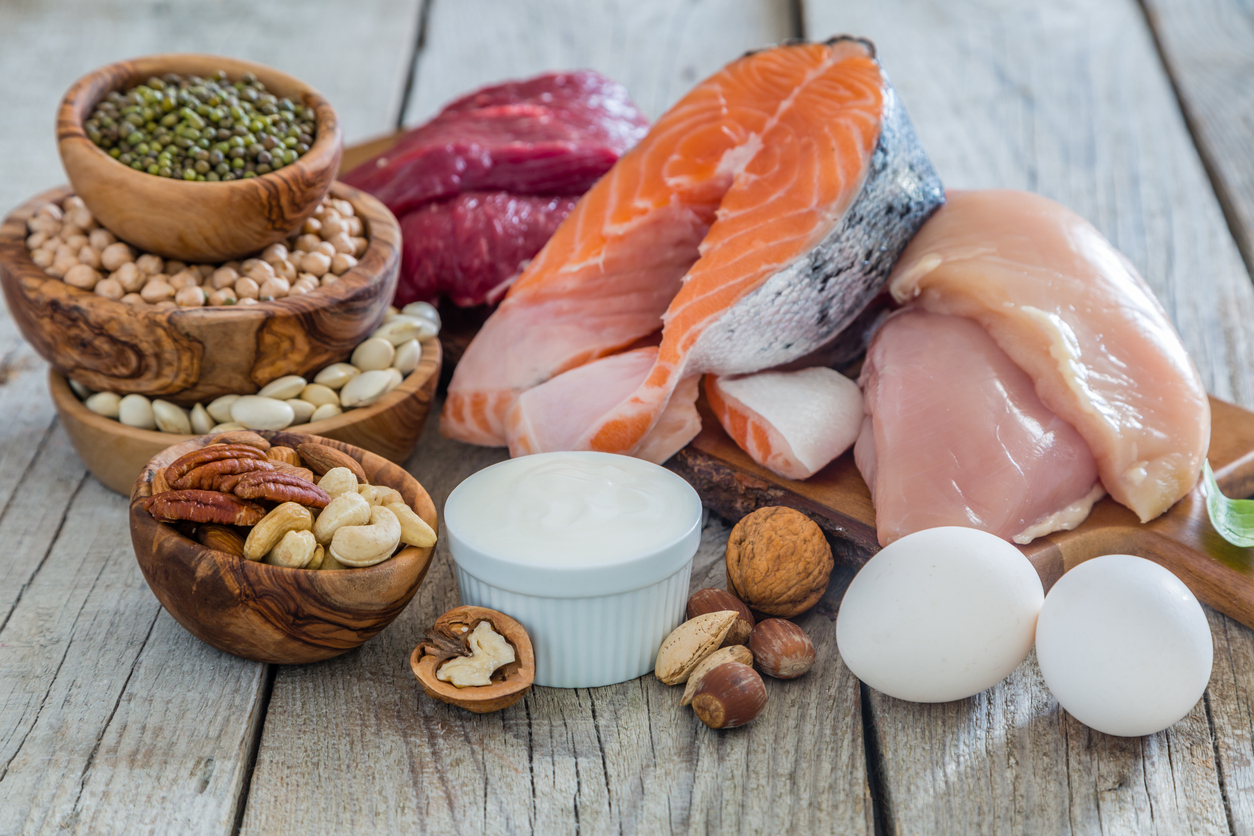
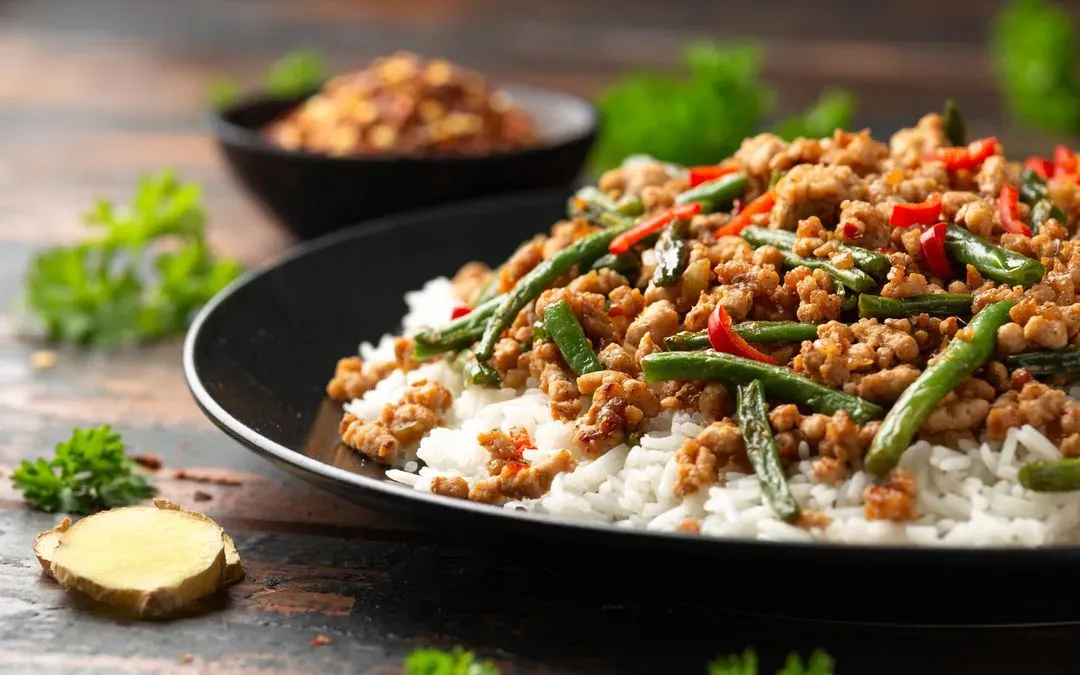
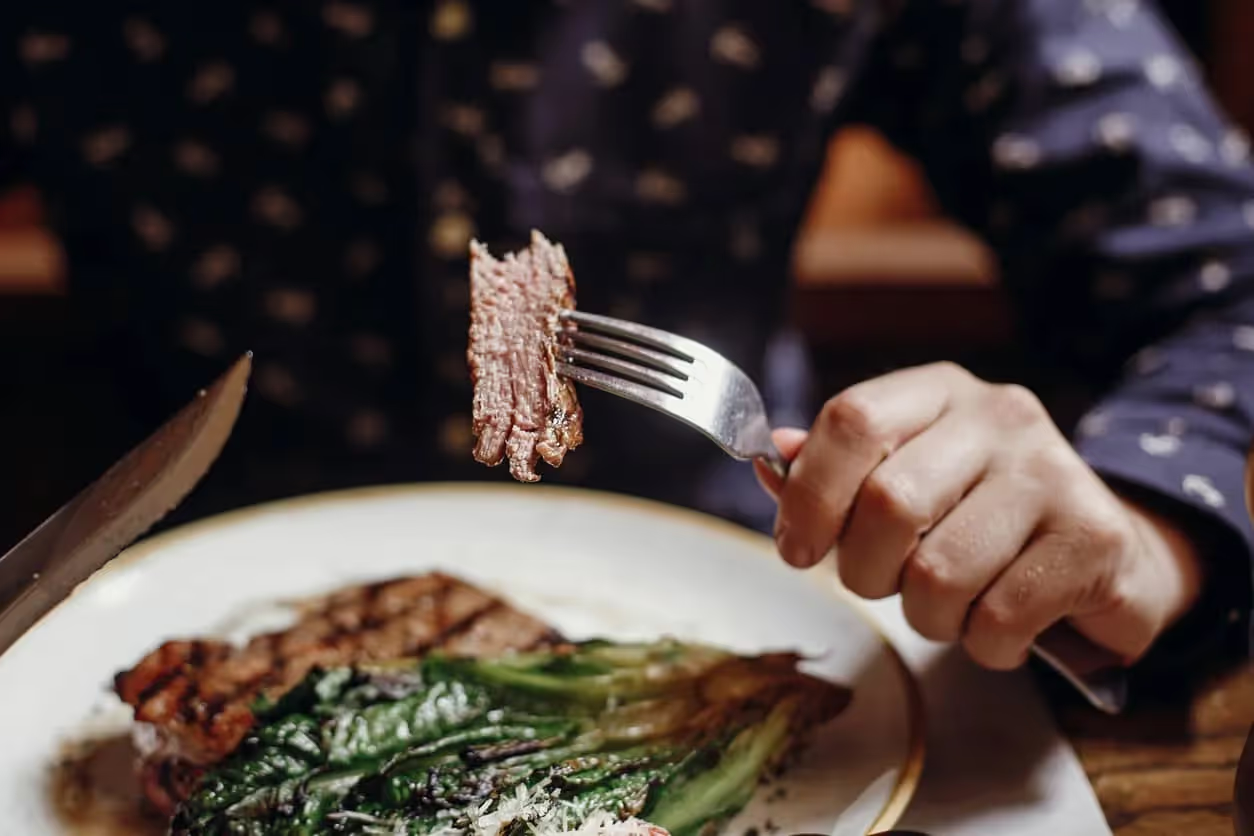
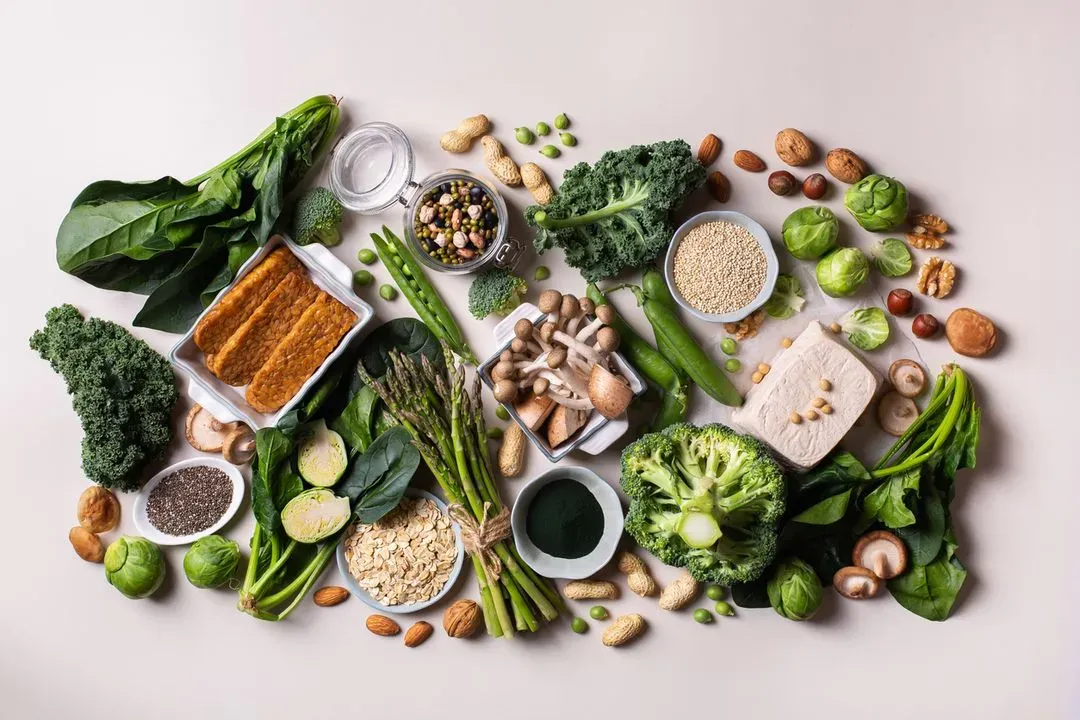
Foods that offer protein include:
- Animal meats.
- Fish and seafood.
- Greek yogurt and other dairy products.
- Legumes (lentils, kidney beans, chickpeas, black beans, etc.)
- Soy products, such as edamame, tofu, and tempeh.
- Eggs.
- Nuts and seeds, including nut butter.
Other high-protein foods include processed meats such as hot dogs and deli meats. However, research suggests that choosing minimally processed options (with a preference for plant and fish-based sources) can be better for your long-term health.
Can a Nutritionist Help Me Gain Muscle?
Yes, a registered dietitian has a deeper understanding of the diet's role in muscle gain because they have educational qualifications, licenses, and expertise in diet-related topics.
Benefits of Working with a Nutritionist to Gain Muscle
Trying to get enough protein and nutrients in your diet on your own can be challenging, and working with an RDN can help. Together you can create a nutrition care plan that will help you meet your dietary requirements and leave you feeling satisfied.
Some benefits of working with an RDN to gain muscle include the following:
- Injecting variety into your diet to keep meals exciting.
- Finding ways to build a diet that includes your cultural preferences.
- Accommodating any allergies and dietary restrictions.
- Ensuring you pick nutritious sources of protein that align with your goals.
Methods Nutritionists Utilize to Help Gain Muscle
An RDN can calculate the approximate grams of protein you should eat daily to help you gain muscle. A common calculation is 1.2-2.0g of protein per kilogram of body weight daily, and several factors can influence your protein requirements:
- Level of physical activity.
- Age.
- Sex.
- Overall health.
- Pregnancy.
Creating a Meal Plan for Building Muscle
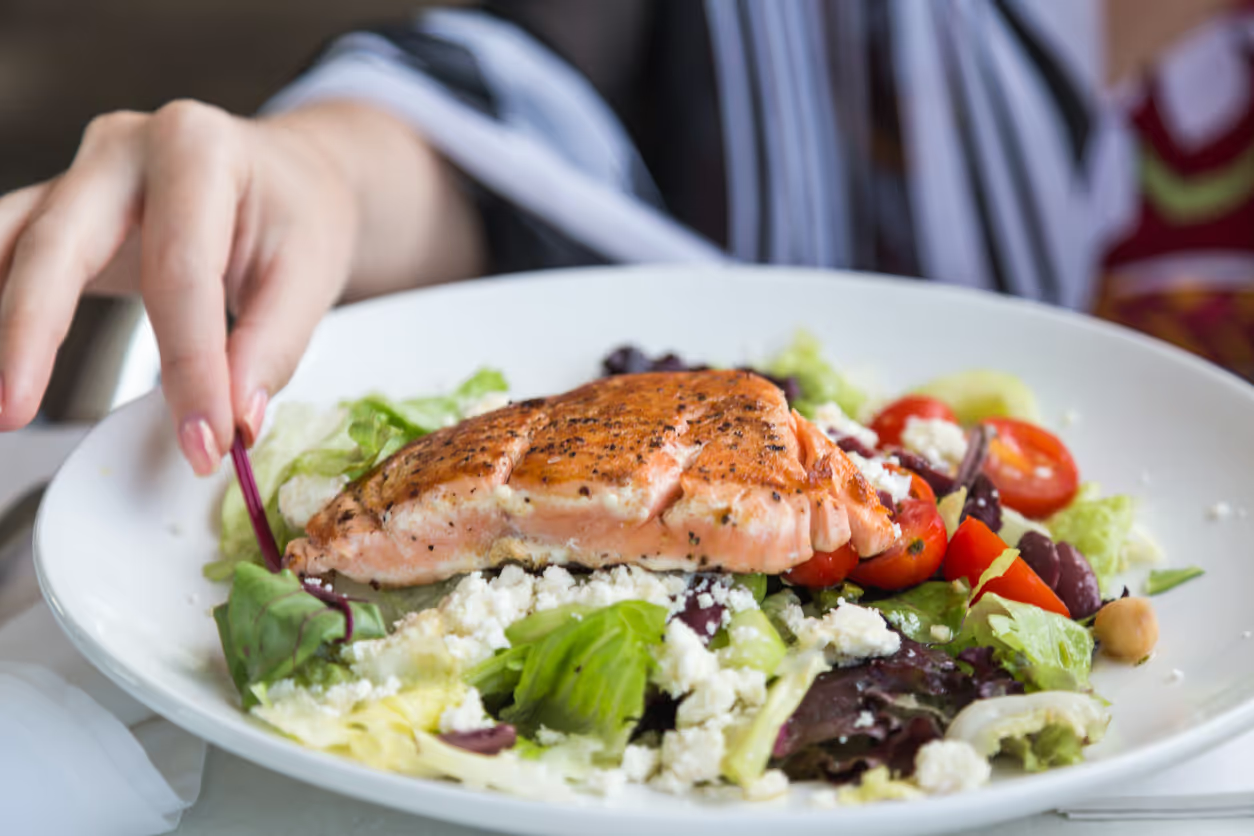
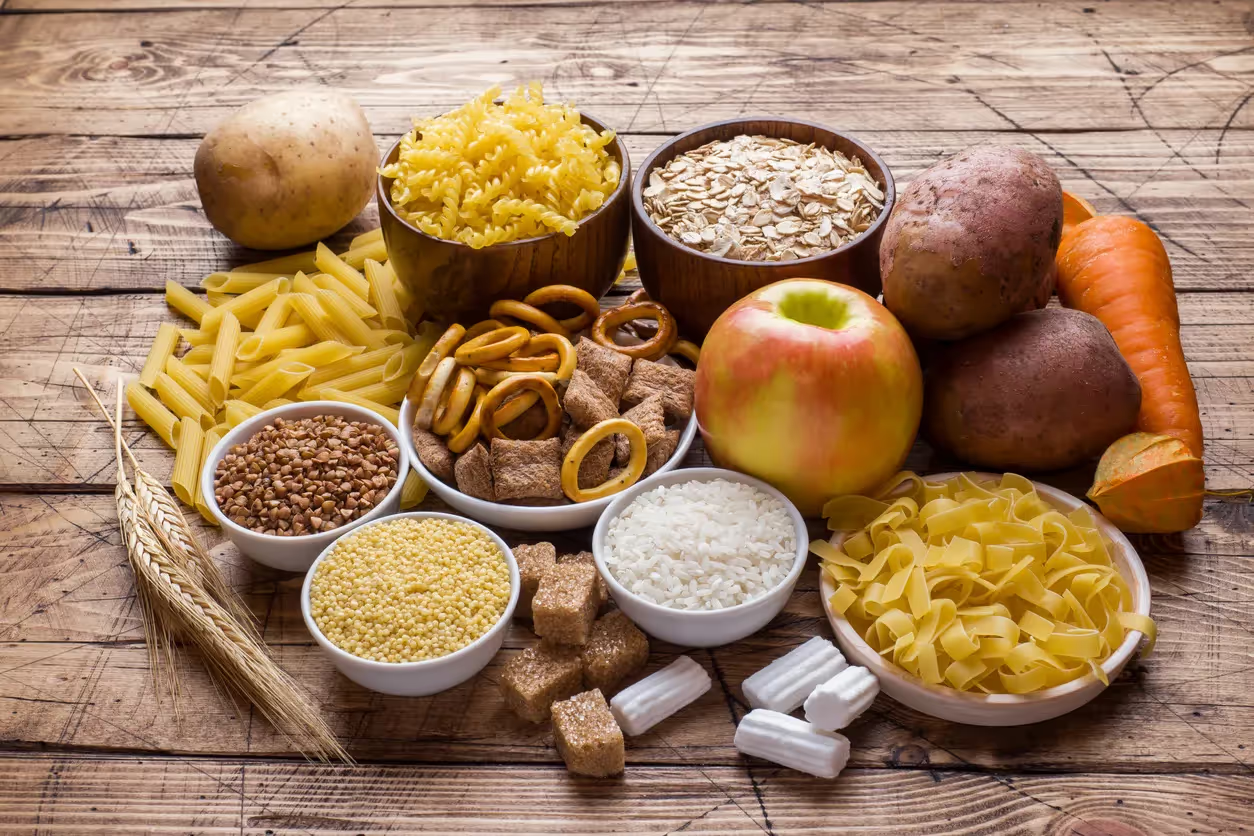
An RDN can work with you to build an enticing eating plan that supports muscle gains. Within the diet, you should prioritize your protein intake, but you’ll also need to include a variety of high-quality carbohydrates to stay energized. Examples of carbohydrates you can consume daily include fresh fruits, starchy vegetables, whole grains, legumes, and dairy products as tolerated.
Below is a three-day sample meal plan that is rich in protein, carbohydrates, and other essential nutrients your body needs to stay healthy (such as fiber, vitamins, and minerals.)
You should consult an RDN to learn the appropriate serving sizes for you.
Day 1
- Breakfast - Egg omelet with spinach, feta cheese, tomatoes, fresh basil, and dried oregano. Serve over whole-grain toast.
- Lunch - Whole grain pita stuffed with tuna salad, pressed cheese, lettuce, tomato, and red onion. Dress with homemade Greek yogurt, Tzatziki, and olives. Serve with a side of fresh fruit salad.
- Dinner - Stir fry with extra firm tofu, bell peppers, sweet onion, cashews, and homemade teriyaki sauce. Serve over brown rice and garnish with fresh cilantro.
- Snacks - whole grain crackers with nut butter; cottage cheese with fresh fruit.
Day 2
- Breakfast - Oatmeal cooked with egg whites and garnished with Greek yogurt, diced peaches, crumbled pecans, and a dash of ground cinnamon.
- Lunch - Extra-lean ground beef chili mixed with kidney beans, corn, carrot, diced tomato, and chili powder. Serve with a whole grain dinner roll and fresh fruit on the side.
- Dinner - Baked chicken thighs with sweet potato, broccoli, and zucchini dressed with lemon, garlic, and parmesan. Add a green side salad for additional fiber and greens.
- Snacks - Greek yogurt with a handful of nuts, fresh fruit slices, and nut butter.
Day 3
- Breakfast - Smoothie with half a banana, blueberries, baby kale, Greek yogurt, chia seeds, and extra soft tofu.
- Lunch - Pasta salad with cucumber, bell peppers, and tinned salmon. Dress with olive oil, lemon juice, and fresh dill. Serve with a side of fresh fruit.
- Dinner - Quinoa bowl with ground turkey, red peppers, avocado corn, cilantro, lime juice, a dollop of Greek yogurt, and shredded cheese.
- Snacks - whole grain crackers with sliced hard-boiled eggs; cucumber slices with bean dip.
Takeaway
Building a meal plan to support muscle gain can be overwhelming, but an RDN can simplify the process. They can teach you how much protein to eat daily and recommend food and meal options to help you meet your target.
Anyone can work with an RDN, but it can be especially beneficial to people with dietary restrictions or allergies who need more support learning what to eat. Building confidence in picking products that align with your health goals and allergy requirements can relieve anxiety around meal planning, making the process more enjoyable.
How a Nourish Dietitian Can Help
Working with an RDN can help you meet your fitness goals safely. Although physical activity is important for building muscle mass, nourishing your body and consuming adequate fuel should not be overlooked.
Find a dietitian near you to get started today for as little as $0—94% of our patients pay nothing out of pocket.
{{splash}}
Frequently Asked Questions
What nutrition helps muscle growth?
Eating a protein-rich diet that satisfies your daily requirement can aid with muscle growth, especially if paired with a resistance training plan.
Should I see a dietitian for bodybuilding?
Yes, you can see a dietitian for bodybuilding. They can offer nutritional tips to help you meet your goals safely before and after an event.
Does a nutritionist help with exercise?
A registered dietitian nutritionist may offer light suggestions for exercise, but unless they are certified personal trainers, their information may only scratch the surface. If you want exercise help, you can meet with an exercise specialist or a physical therapist.
References
Nourish has strict sourcing policies and prioritizes primary sources, including medical organizations, governmental agencies, academic institutions, and peer-reviewed scientific journals. Learn more about our medical review process and editorial guidelines.












.jpg)
























.avif)

.avif)
























.avif)

%20(1).webp)






.avif)
.avif)