Are Frozen Vegetables Healthy?

Medical Reviewer: Lindsay Cohen, RDN, LDN, CDCES, NBC-HWC

Author: Jennifer Huddy, MS, RD, LD
Summary
- Plain frozen vegetables without added sodium, fat, and sugar are a healthy and convenient alternative to fresh vegetables.
- Most frozen vegetables have just as many, if not more, nutrients than fresh produce.
- Frozen vegetables are a cost-effective way to increase your vegetable intake while reducing food waste.
Almost 90% of Americans don’t eat the recommended amount of 2-4 cups of vegetables per day.
If you want to increase your vegetable intake, you may wonder if frozen vegetables are a healthy way to meet this goal.
Not only are frozen vegetables convenient, but they’re just as healthy as fresh vegetables.
For maximum health benefits, be sure to select plain frozen vegetables without added ingredients.
Continue reading to learn more about the differences between fresh and frozen vegetables.
{{splash}}
Are Frozen Vegetables Healthy?
Frozen vegetables packaged without any added sodium, sugar, or fat are a healthy and nutritious alternative to fresh produce.
Frozen vegetables are harvested at the peak of ripeness and flash-frozen shortly after, which helps preserve the nutrients.
They’re also a convenient way to enjoy more vegetables.
The consumer demand for ready-to-eat foods has increased in recent years, but many people choose to avoid frozen vegetables because they perceive them as less healthy than their fresh counterparts.
This may be because many frozen foods (including some vegetable products) are highly processed and often contain added sodium and other ingredients.
However, plain frozen vegetables with no added ingredients are just as nutritious as fresh vegetables.
Additionally, research shows that people who eat frozen vegetables have an overall higher vegetable intake than those who avoid frozen produce.
They also have higher quality diets with:
- More potassium, calcium, and vitamin D.
- Less sodium.
- Greater dietary fiber.
- Lower body mass index.
Are Fresh Vegetables Healthier Than Frozen Vegetables?
Studies show that fresh vegetables aren’t superior to frozen vegetables.
Research even suggests that frozen vegetables may be healthier than fresh vegetables in some contexts.
When vegetables are harvested, there’s a several-week-long storage period while they’re transported from the farm to your grocery store.
Some nutrients, like B vitamins and vitamin C, are lost during this process due to oxidation and light exposure.
Alternatively, the freezing process preserves the vegetables for long periods of time, and it slows this nutrient loss.
Do Frozen Vegetables Retain Their Nutrients?
Many frozen vegetables are blanched, a process that involves quick boiling or steaming before freezing.
This process may result in the loss of certain water-soluble and heat-sensitive nutrients.
A 2015 study tested this theory by measuring the vitamin content of fresh vegetables (refrigerated for 3-10 days) and frozen vegetables (steam blanched, then frozen for 10-90 days).
Researchers tested common vegetables, like corn, carrots, broccoli, spinach, peas, and green beans.
The researchers found that overall, the fresh and frozen vegetables had comparable vitamin contents.
Interestingly, the vitamin C, vitamin E, and vitamin B2 levels were higher in several frozen vegetables. Beta-carotene was the only nutrient that was lower in select frozen vegetable samples.
Nutritional Value of Frozen vs Fresh Vegetables
Plain frozen vegetables have the same amount of calories, carbohydrates, protein, fat, and fiber as fresh vegetables.
Their overall vitamin content is also comparable, but select frozen vegetables may have more or less of certain micronutrients, as discussed above.
The vitamin and antioxidant levels present in frozen versus fresh vegetables can vary greatly depending on factors like:
- Vegetable type.
- Storage time.
- Exposure to light.
- The blanching process.
Because of these slight variations, eating a variety of fresh and frozen vegetables is the best way to maximize the nutrients you get from them.
Benefits of Frozen Vegetables
In addition to being just as nutritious as fresh vegetables, frozen veggies have several other benefits, like cost savings and less food waste.
Affordable
Frozen vegetables often cost less per pound than fresh vegetables, making them a great way to reduce your grocery bill.
This is especially true when compared to out-of-season fresh vegetables, which tend to be marked up considerably.
Less Food Waste
Because you can store frozen vegetables for much longer than fresh produce, you have more time to eat them before they go bad.
This can reduce food waste, which also saves money.
The quality of frozen vegetables can be preserved in the freezer for several months and, in many cases, longer.
Convenient
Finally, frozen vegetables are more convenient because you can stock up on them for weeks or months at a time, allowing you to have easy access to veggies even if you’re behind on grocery shopping.
Frozen vegetables also take less time to prepare because they’re partially cooked during the blanching process before freezing.
Potential Drawbacks
Despite the numerous benefits of eating frozen vegetables, some people dislike the texture or have concerns about food safety.
Texture
The most noticeable difference between fresh and frozen vegetables is the texture.
When vegetables are frozen, the water in the cells of the produce expands, which leads the cell walls to break.
As a result, prepared frozen vegetables will be noticeably softer than fresh cooked vegetables.
Nutrient Loss
As discussed previously, some nutrient loss may occur at greater rates in frozen vegetables depending on the type of vegetable and how it was processed.
However, overall, research shows that fresh and frozen vegetables have comparable vitamin content.
Foodborne Illness
Freezing is one of the safest ways to preserve food for long periods of time because most microbes can’t grow at such low temperatures.
However, research shows that certain foodborne pathogens like Listeria monocytogenes can survive freezing temperatures.
Follow the cooking instructions on the frozen vegetable package to reduce the risk of foodborne illness.
How to Choose Healthy Frozen Vegetables at the Store
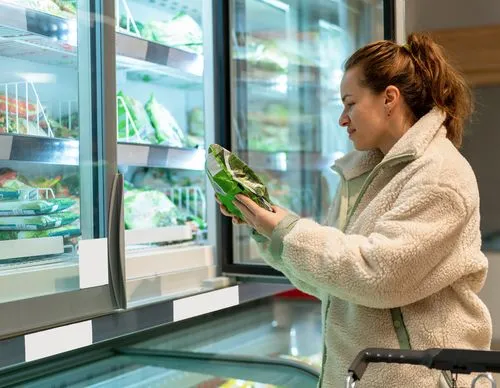
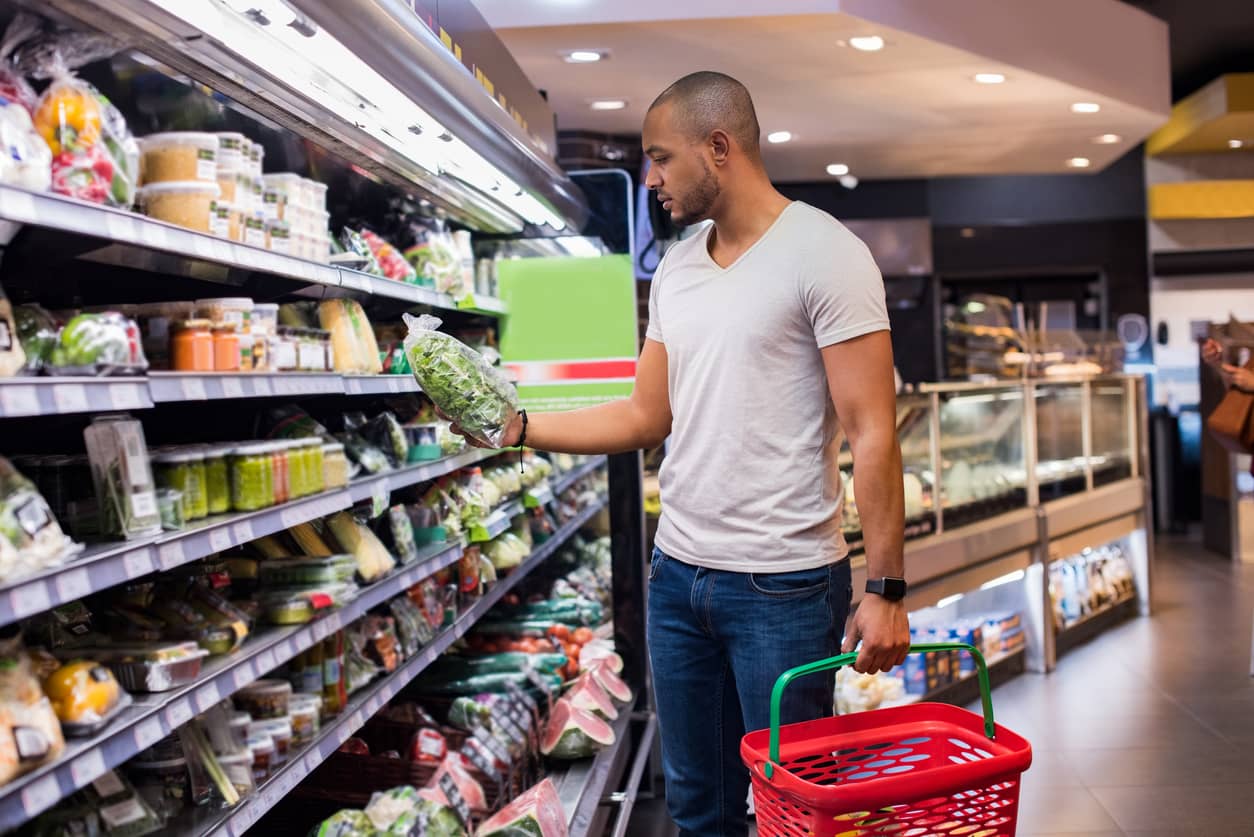
Many frozen vegetable products at the grocery store include sauces and other ingredients to add flavor.
These often contain added salt, saturated fat, and sometimes sugar.
These ingredients don’t “cancel out” the nutrients of the vegetables, but depending on your health history, they can make it more difficult to reach your nutrition goals.
For example, a one-cup portion of a frozen product with mixed vegetables and teriyaki sauce can provide eight grams of added sugars and 640 milligrams of sodium.
This may make it challenging to stay within your daily sodium goal, especially if you have a health condition that limits your salt intake.
Instead, choose plain frozen vegetables and flavor them yourself while cooking.
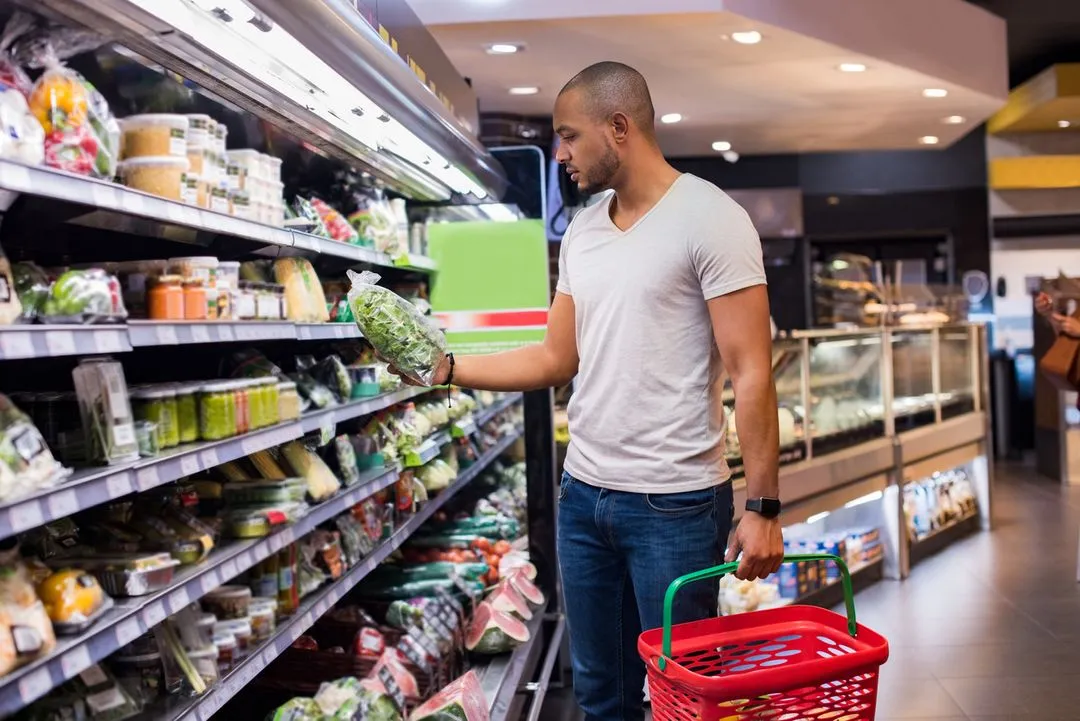
Check the label to ensure there isn’t added sodium, sugar, or fat.
What’s the Best Way to Cook Frozen Vegetables?
There are many ways to prepare frozen vegetables, the most common being boiling or steaming.
However, some frozen vegetables can become too soft or mushy when cooked using these methods.
Try roasting frozen veggies or preparing them in the air fryer to maximize flavor and texture.
They will still be softer than fresh cooked vegetables, but many people find them more palatable.
Lastly, remember that you don’t need to eat frozen vegetables plain.
To keep them interesting, add flavor with olive oil, herbs, and spices.
Takeaway
Though many people perceive frozen vegetables as being less healthy than fresh, research shows they’re just as nutritious.
In some cases, frozen vegetables have higher vitamin levels than fresh vegetables, which lose nutrients during storage and transport.
Frozen vegetables are cost-effective and convenient and can help reduce food waste due to long storage times.
People who include frozen vegetables have a higher diet quality and get more of key nutrients than those who don’t eat frozen veggies.
How a Dietitian Can Help
A registered dietitian can help you make realistic changes to increase your vegetable intake and support your health goals.
This will likely include a variety of frozen and fresh vegetables.
Your dietitian can advise you on:
- How to boost the veggies in your favorite meals.
- The best frozen vegetable products.
- Starchy versus non starchy vegetables.
- How many servings of vegetables you need per day.
- How to season vegetables so they taste great.
Find a dietitian who can help you increase your vegetable intake, improve diet quality, and optimize your health.
Frequently Asked Questions
Is it OK to eat frozen vegetables every day?
Overall, frozen vegetables are just as nutritious as fresh vegetables and are a great option to include daily.
Research shows that people who consume frozen vegetables have a higher vegetable intake and better diet quality than those who only eat fresh vegetables.
In some cases, frozen vegetables have slightly more vitamins than fresh vegetables and vice versa. It’s best to include a variety of frozen and fresh vegetables in your diet.
Which frozen vegetables are the healthiest?
Plain frozen vegetables without added salt, sugar, or saturated fat are the healthiest choices when grocery shopping.
Many frozen vegetable products include sauces and flavorings that add unwanted calories and sodium. Read labels when shopping for frozen vegetables to identify the healthiest options.
Remember, frozen vegetables don’t need to stay plain– season them during preparation with herbs and spices to add flavor and variety.
Are frozen vegetables as healthy as fresh?
Research shows that frozen vegetables are just as healthy and, in some cases, even more nutritious than fresh vegetables.
Frozen vegetables are flash-frozen at the peak of ripeness right after harvesting. This makes them a great way to access out-of-season vegetables or produce that must travel long distances to get to you.
Fresh produce loses nutrients during the weeks it is stored and transported to the grocery store. On the other hand, freezing slows this process significantly, resulting in more nutrients retained.
References
View all references
Nourish has strict sourcing policies and prioritizes primary sources, including medical organizations, governmental agencies, academic institutions, and peer-reviewed scientific journals. Learn more about our medical review process and editorial guidelines.









.jpg)



















.avif)

.avif)




















.avif)

%20(1).webp)






.avif)
.avif)