Can a Nutritionist Help With Food Allergies?

Medical Reviewer: Christine Russell, MS, RD, LD, CDCES

Author: Julia Zakrzewski, RD

Summary
- A food allergy is an immune response that can cause many symptoms, including rashes, hives, changes in respiratory function, and possibly anaphylaxis.
- You should learn how to identify and avoid products that contain food allergens to prevent an allergic reaction.
- A registered dietitian nutritionist can help you build a balanced meal plan around your food allergies so that you can thrive and remain healthy.
A food allergy is commonly diagnosed in children but can develop later in adulthood. The symptoms can range in severity, and if you are allergic, you should avoid consuming these foods indefinitely.
Eliminating a food allergen from the diet while maintaining a robust eating pattern can be challenging, especially if there are other medical conditions to manage. Working with a registered dietitian nutritionist can help make these changes easy to follow.
Nourish offers personalized nutrition counseling and accepts the most popular insurance carriers. If you want to take the next step in your health journey, consider booking a virtual appointment with a registered dietitian.
What Are Food Allergies?
A healthy immune system is constantly active, and your immune cells protect you against possible threats (viruses, bacteria, etc.) that could make you sick. People with food allergies will overreact to specific proteins in foods because their immune system has mistaken them for a threat.
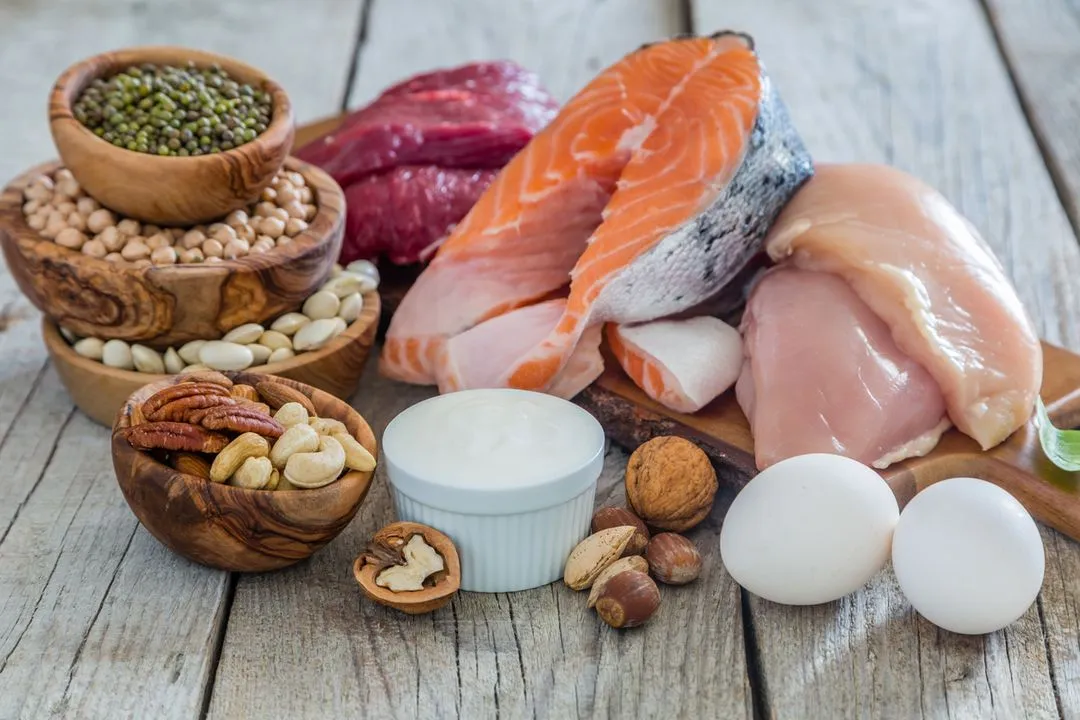
The most common food allergens (foods that cause an allergic reaction) include:
- Milk.
- Eggs.
- Soybeans.
- Fish.
- Crustacean shellfish.
- Wheat.
- Peanuts.
- Tree nuts.
- Sesame.
The FDA requires common food allergens to be clearly labeled on food products to make them easier to identify. Proper labeling is vital for protecting consumers who may have severe allergic reactions.
Symptoms of Food Allergies
The symptoms of food allergies can affect the gastrointestinal tract, respiratory system, skin, and other body areas.
Most food-related symptoms start within two hours of eating and sometimes occur within minutes.
Gastrointestinal tract
- Itching of the mouth
- Nausea
- Abdominal cramping
- Vomiting
- Watery or mucous diarrhea
Respiratory system
- Wheezing
- Repetitive cough
- Difficulty breathing
- Asthma symptoms
Skin
- Itching
- Rash
- Hives
Neurological
- Dizziness
- Change in mental state
- Fainting (if an anaphylactic reaction occurs)
Cardiovascular
- Hypotension (low blood pressure)
- Tachycardia (heart rate over 100 beats per minute)
The severity of symptoms will be individualized, and highly sensitive people may be at risk for an anaphylactic reaction, which can be life-threatening.
Fortunately, you can decrease the severity of symptoms by avoiding food allergens and always carrying an Epi-pen (a single dose of epinephrine that you can inject to block the progression of an allergic reaction.)
If you unintentionally ingest something, you can inject epinephrine into your thigh, and it will open your airway to relieve respiratory symptoms instantly.
Can a Nutritionist Help with Food Allergies?
Anyone can label themselves as a nutritionist because it is not a protected title.
They may have some understanding of nutrition, but a registered dietitian nutritionist (RDN) has expert knowledge in the nutritional management of food allergies.
RDNs have completed rigorous clinical training and passed a state licensing exam to earn their credentials.
They can teach you how to apply evidence-based health recommendations to your diet so that you feel empowered to manage food allergies safely.
Benefits of Working with Food Allergies Nutritionists
A benefit of working with an RDN is the opportunity to receive individualized care. It can be hugely beneficial for people managing a food allergy and several other health conditions affected by diets, such as diabetes or irritable bowel syndrome.
A diet that includes your taste and cultural preferences is essential for long-term health.
An RDN understands the importance of these factors and will help you create a sustainable and allergy-friendly diet that satisfies you.
Questions to Ask When Choosing a Nutritionist for Food Allergies
- Which foods are safe for me to eat?
- Which foods should I avoid?
- What are the common symptoms of a food allergy?
- Does cooking the food impact the severity of the allergy?
- I have kids - should they be tested for allergies?
- Is there a cure for food allergies?
Tips for Successfully Managing Food Allergies
Developing your food literacy skills and getting comfortable reading food labels is vital for managing food allergies.
You should always review canned goods, boxed foods, prepacked meals, and restaurant menus when dining out.
The severity of your allergy can influence how you prepare meals, and you may need to stay away from contaminants (even at trace levels.)
To help reduce the chances of an allergic reaction, you should always cook with a clean cutting board and knives and clean your workstation regularly between ingredients.
Wash your hands regularly while cooking and before eating.
If you have experienced an allergic reaction in the past, you may feel some degree of anxiety about eating new foods.
This is called food allergy anxiety and is common in adults. Addressing these concerns through mental health counseling can help you better manage your health and help you feel your best.
Creating an Eating Plan for Food Allergies
Working with an RDN can help you build an eating plan around food allergies. It might be simple to avoid one allergy, but some people have several food allergies and may benefit from additional guidance.
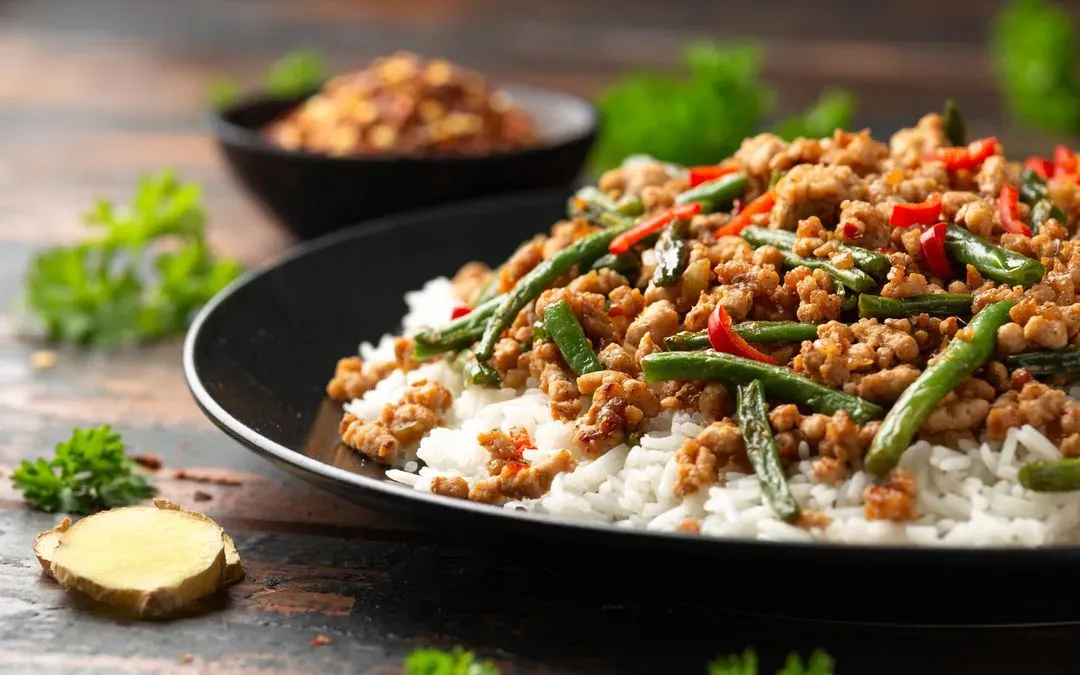
Although you must avoid food allergens, you still want to ensure your eating plan is well-rounded and nutritionally balanced.
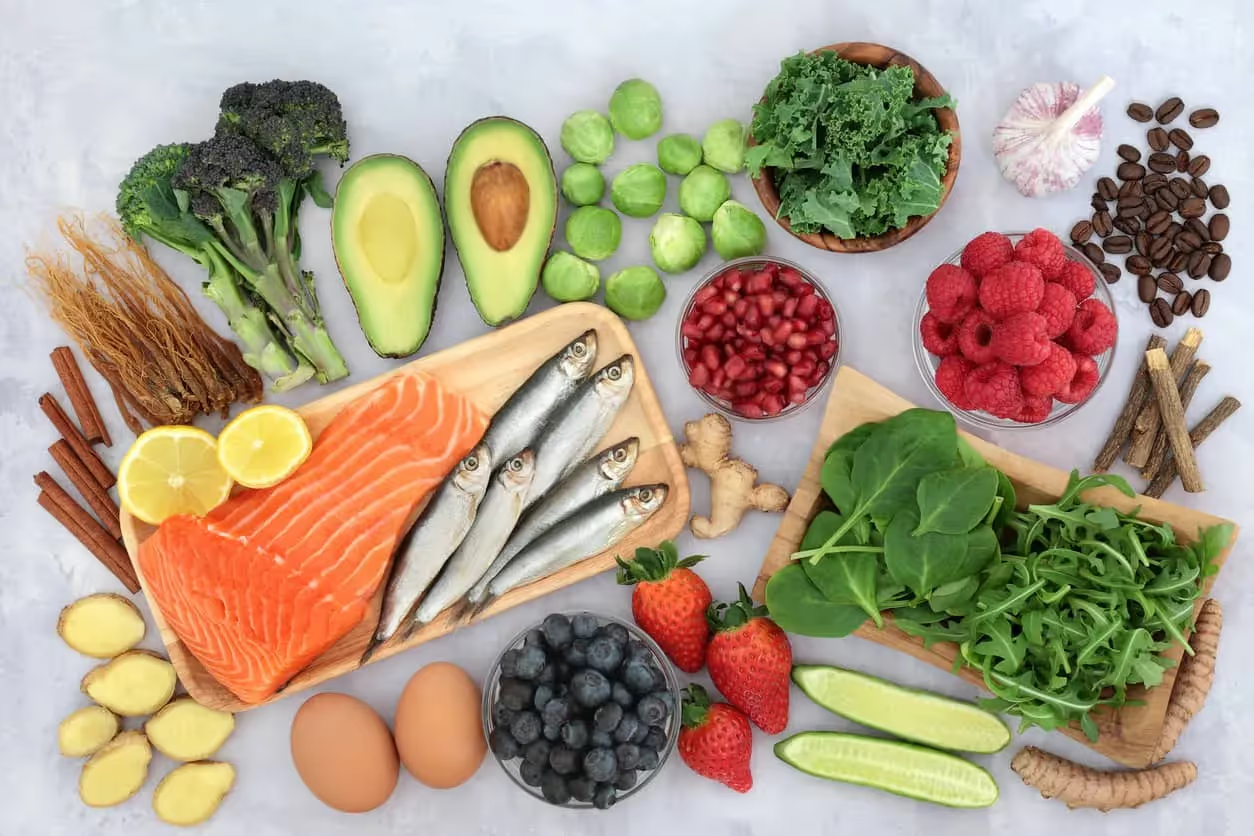
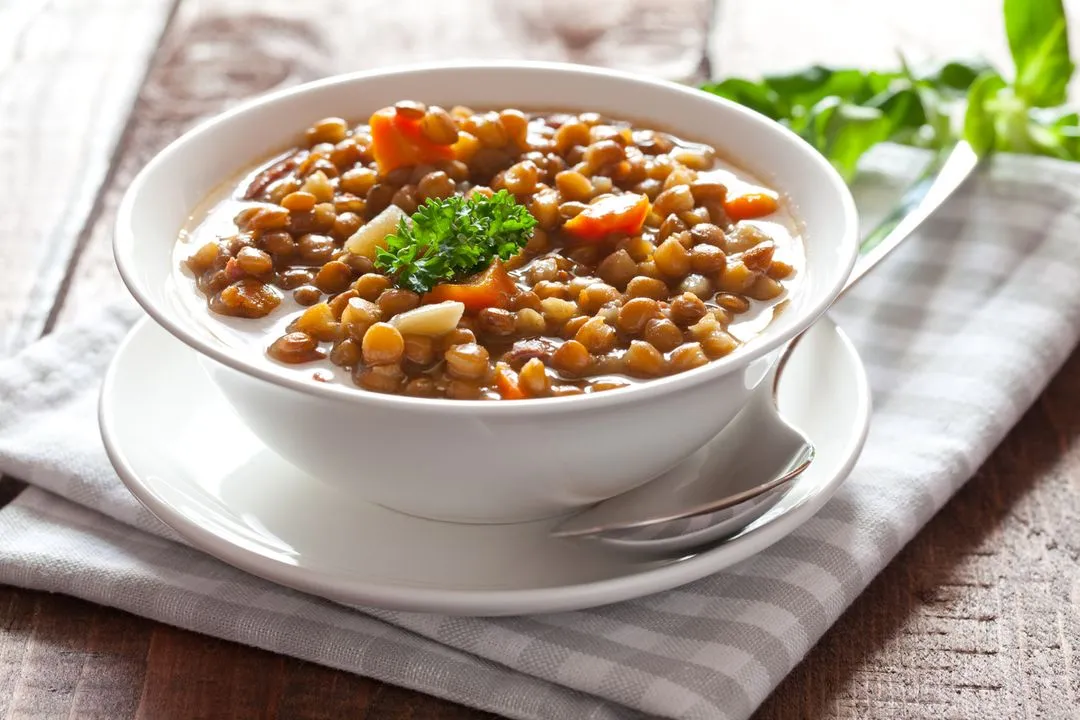
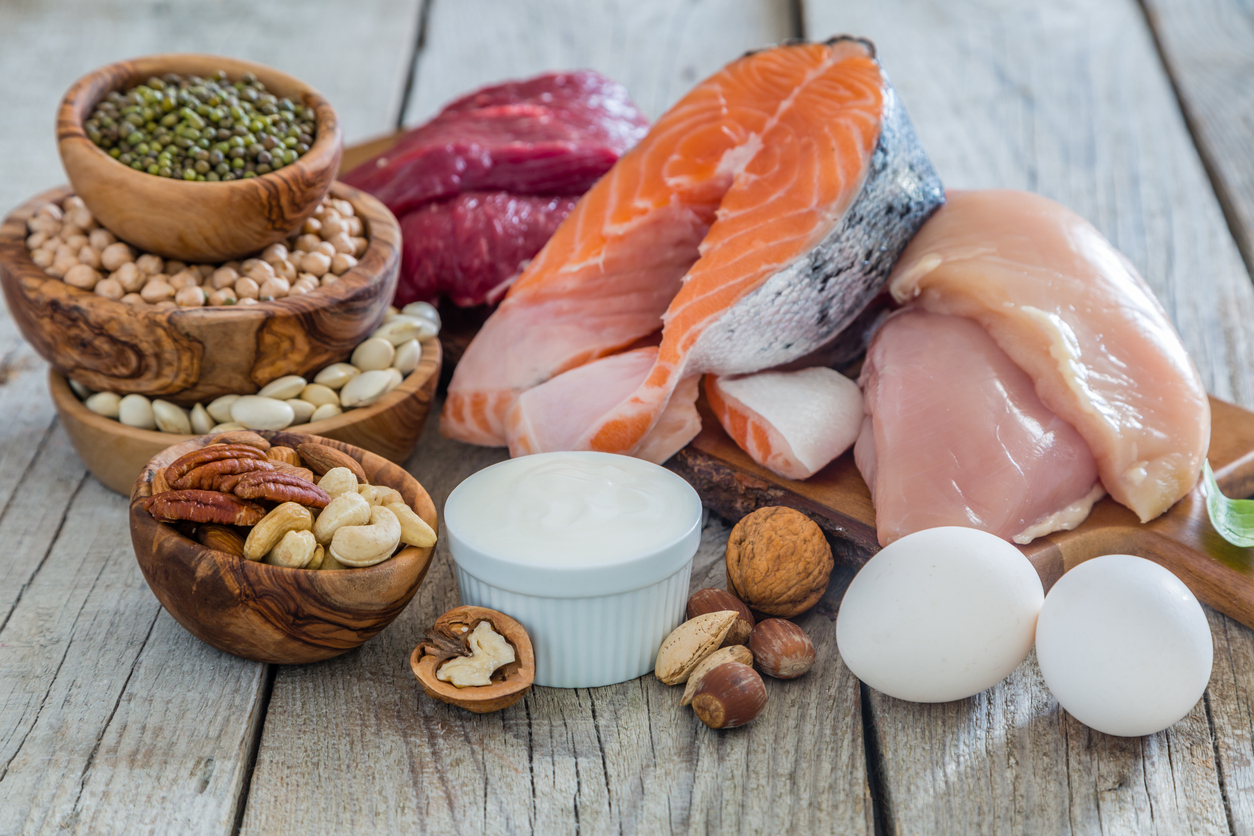
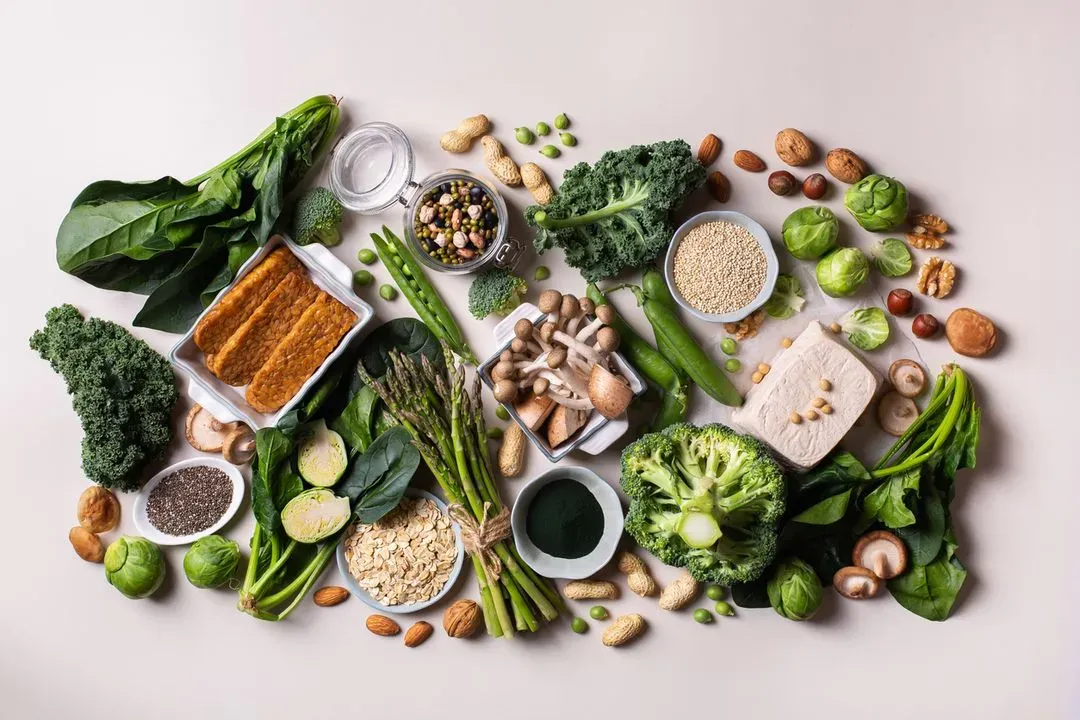
You can achieve this by preparing meals rich in protein, carbohydrates, fiber, vitamins, minerals, and antioxidants.
The USDA MyPlate model provides an excellent visual example of how you can create a balanced meal. The plate has the following sections:
- Half your plate contains vegetables. Enjoy them fresh in a salad or cooked in your favorite method.
- A quarter of your plate has protein. Choose a lean option and avoid foods that could trigger an allergic reaction.
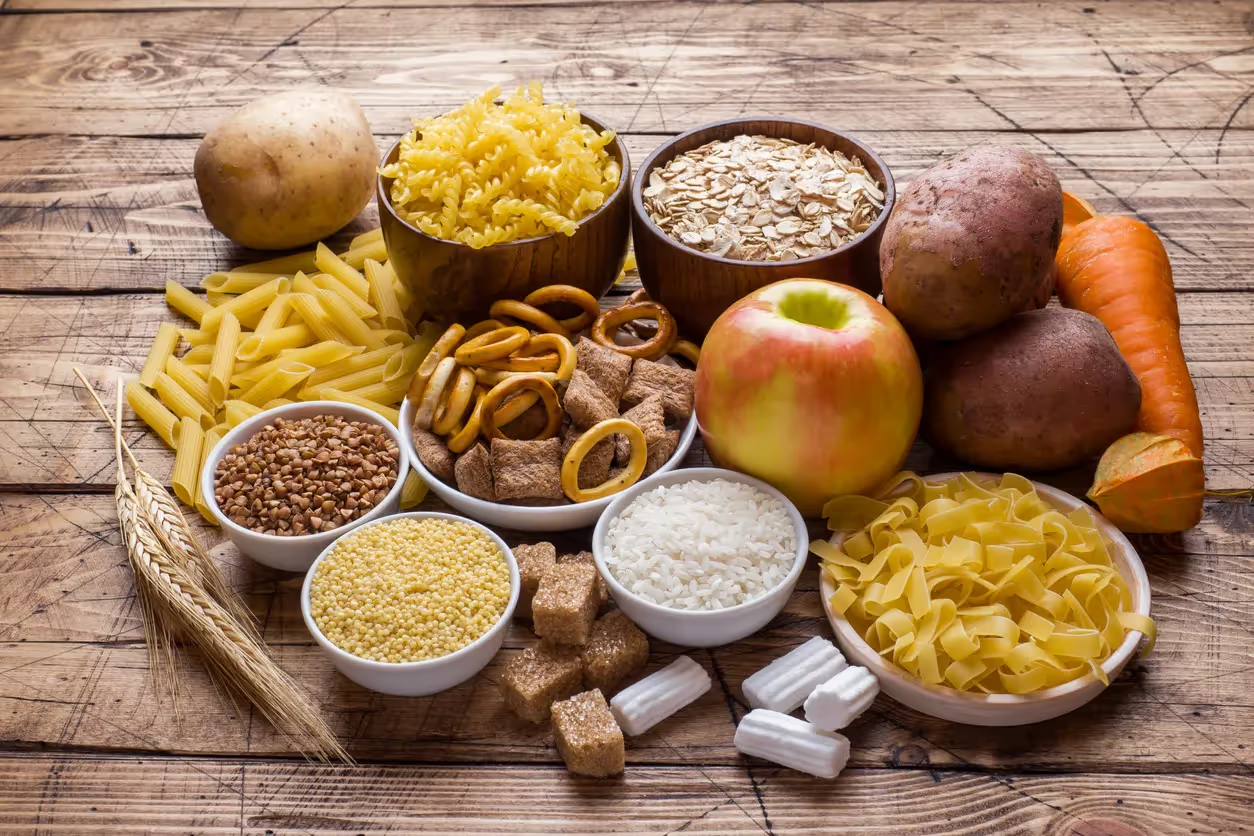
- The final quarter is dedicated to carbohydrates and starches. Try to pick whole-grain options most often because they offer higher levels of fiber.
- You can include fresh fruit on the side and add a beverage.
Other Strategies for Managing Food Allergies Effectively
Wearing an identifiable bracelet to alert others to your food allergy can be helpful. If you ever have a reaction and cannot speak, paramedics may be better able to treat you.
Traveling with a food allergy can be challenging because you have limited meal control. Bringing snacks that you know are allergy-friendly is a great way to stay safe on the road.
{{splash}}
Takeaway
The most common food allergies are seafood, fish, peanuts and tree nuts, soybeans, sesame, eggs, and wheat. These allergens are clearly labeled on food products to help make them easier to identify and avoid.
It is possible to have a food allergy outside the top nine most common food allergies (fish, seafood, peanuts, nuts, wheat, milk, eggs, sesame, and soybeans.) The nutritional recommendation remains the same for all food allergies: avoid consuming it.
If you accidentally eat a food that triggers an allergic reaction, you can use an Epi-pen and follow up with your doctor as needed.
Managing Food Allergies with Nourish
An RDN specializing in food allergies can help you make dietary changes to protect you from an allergic reaction. Together you can review labels and enhance your food literacy skills, protecting you from accidentally eating something that could trigger a reaction.
Find a dietitian near you that accepts insurance using Nourish.
Frequently Asked Questions
Do dietitians diagnose food allergies?
No, a dietitian can not diagnose a food allergy (or any condition). But they can help you manage an allergy through dietary changes.
How do dietitians manage food allergies?
A dietitian can help you identify food allergens to avoid. This can include sauces, premade products, and other high-ingredient foods that may contain an allergen.
What deficiencies cause food allergies?
A nutrient deficiency will not cause a food allergy, although having low Vitamin D levels may make symptoms more severe. The link between vitamins and allergies is still being investigated.
References
Nourish has strict sourcing policies and prioritizes primary sources, including medical organizations, governmental agencies, academic institutions, and peer-reviewed scientific journals. Learn more about our medical review process and editorial guidelines.












.jpg)























.avif)

.avif)




























.avif)

%20(1).webp)







.avif)
.avif)