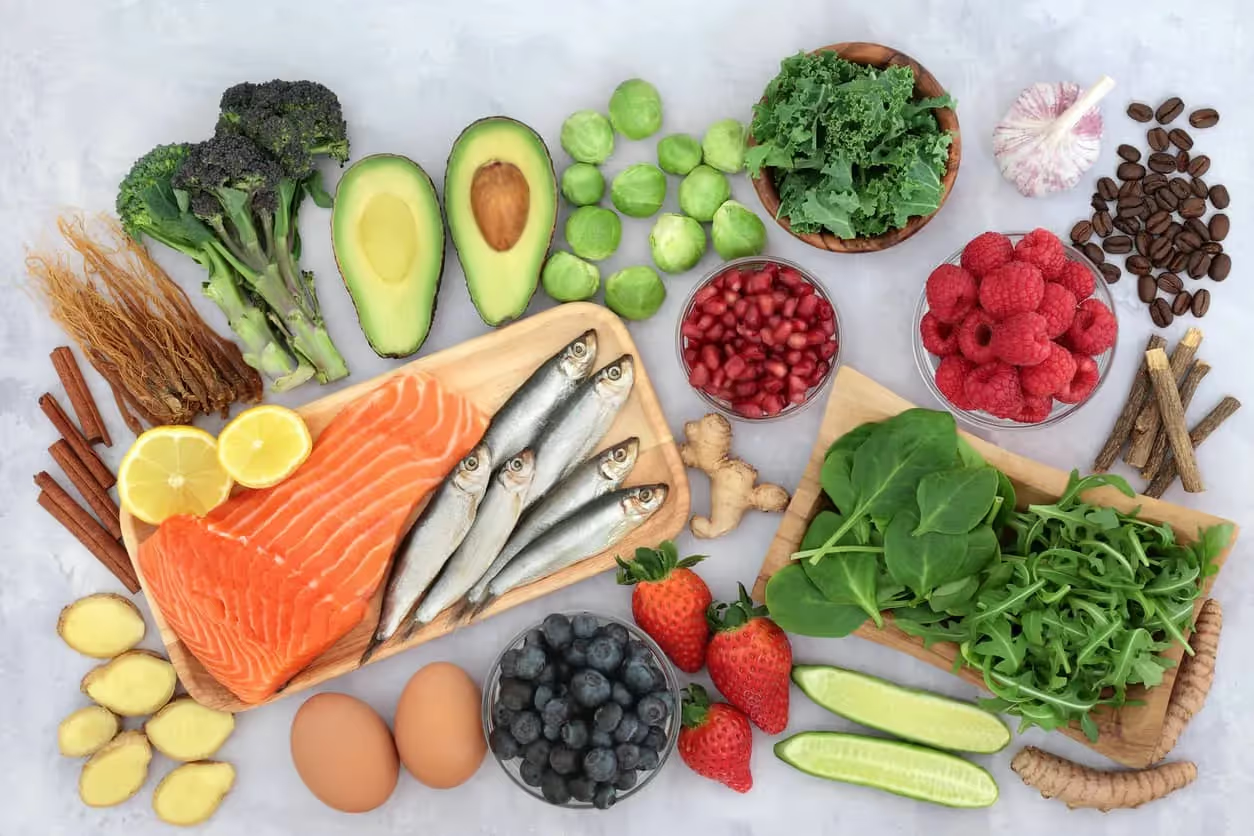
How To Eat More Vegetables: Easy, Simple Ways

Medical Reviewer: Blair Kott, MDA, RD, LD

Author: Ashley Petrie, RDN, LDN

Summary
- Eating more vegetables benefits your health in many ways, such as weight management, better digestion, and a lower risk of chronic diseases.
- The current Dietary Guidelines for Americans recommend that adults eat 2-3 cups of vegetables daily.
- Increase your veggie intake by adding them to sauces, sandwiches, smoothies, soups, and more.
Eating more vegetables is a great way to improve your overall health and well-being.
Vegetables are packed with essential nutrients that are crucial for maintaining overall health.
They can also help support weight management efforts and may prevent certain chronic diseases, among other benefits.
Despite these benefits, many people find eating enough vegetables daily to be challenging.
In fact, a 2019 survey found that only 10% of adults met the 2020-2025 Dietary Guideline for Americans’ recommendation for daily vegetable intake.
If you’re one of the many people struggling to get your daily dose of vegetables, read on to learn some easy, simple ways to include more of them in your diet.
{{splash}}
Benefits of Eating More Vegetables
Vegetables are packed with vitamins, minerals, antioxidants, fiber, and water.
Many of the nutrients provided by vegetables are essential for keeping your body healthy and functioning properly.
Here are some of the benefits of eating more vegetables:
Provide Essential Nutrients
Vegetables are an excellent source of many essential vitamins and minerals that keep our bodies functioning properly.
For example, spinach is rich in vitamin K, calcium, and magnesium, all of which are needed for healthy bones.
Vegetables rich in vitamin A, like sweet potatoes and carrots, support eye health, while vegetables rich in vitamin C are good for your immune system.
Support a Healthy Weight
Studies show that a vegetable-rich diet may protect against weight gain and support overall weight maintenance.
Vegetables are low in calories, allowing you to eat larger portions without exceeding your desired calorie range.
They're also rich in fiber and water, which promote feelings of fullness and satisfaction after meals.
These qualities make vegetables a great choice for maintaining a healthy weight.
Prevent Chronic Diseases
Eating more vegetables is associated with a lower risk of chronic diseases such as heart disease, diabetes, and certain types of cancer.
This may be because a diet high in vegetables tends to be lower in sodium, saturated fats, and added sugars, nutrients that may increase the risk of developing heart disease and diabetes.
Some vegetables, like beans, are also high in soluble fiber. Soluble fiber has been shown to reduce cholesterol levels, which may reduce the risk of heart disease.
Vegetables also contain antioxidants, compounds that help reduce oxidative stress in the body and are thought to have protective effects against chronic diseases.
Improve Digestive Health
The fiber in vegetables promotes healthy digestion by adding bulk to the stool, which promotes regular bowel movements.
Dietary fiber also supports a healthy gut microbiome.
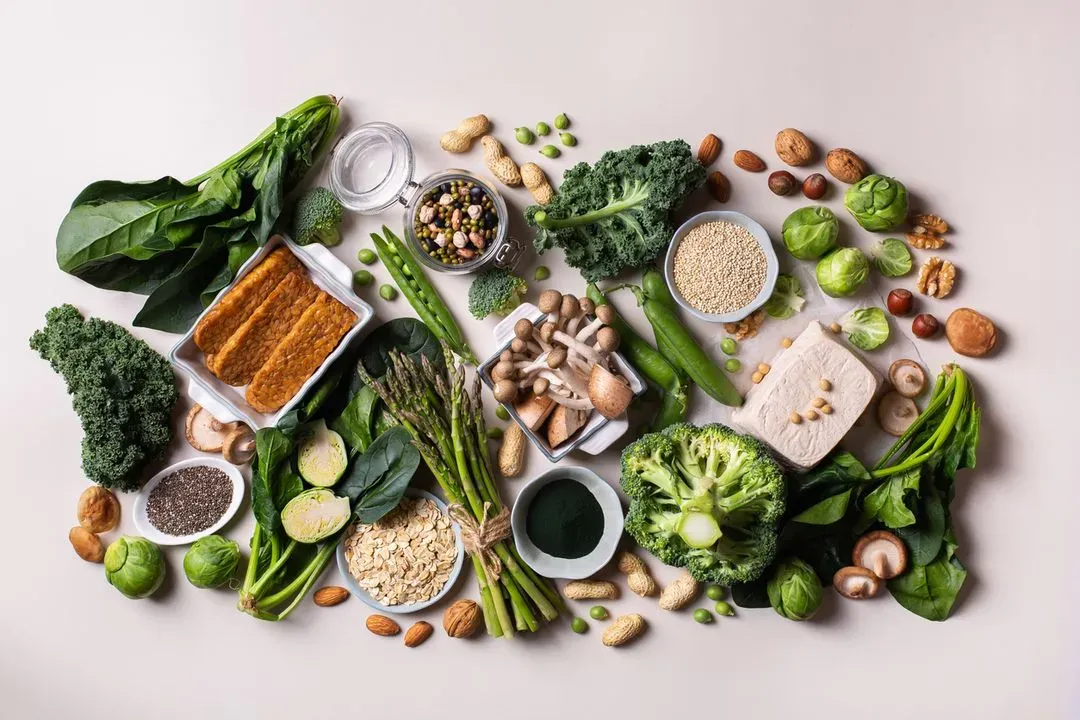
Examples of high-fiber vegetables include lentils, beans, peas, eggplant, and broccoli.
Support the Immune System
Vegetables provide essential nutrients that support a healthy immune system.
An example of this is vitamin C from bell peppers and broccoli. Vitamin C has been shown to support immune health and may help reduce the duration and severity of illnesses like respiratory infections.
Keep You Hydrated
Many vegetables, such as cucumbers, celery, and lettuce, have high water content.
Eating enough of these vegetables contributes to your total daily fluid intake and may help you stay hydrated.
Staying well hydrated is important for supporting proper bodily functions like temperature and blood pressure regulation.
How Can I Eat More Vegetables?
Eating more vegetables can be simple and easy. Here are some strategies to help you include more vegetables in your diet:
Start Small
If you’re not used to eating a lot of vegetables, start by adding just a small serving to each meal.
For example, add a few slices of cucumber to your sandwich or top homemade pizza with diced bell peppers.
Plan Your Meals Around Vegetables First
When planning meals, consider vegetables to be the main event rather than a side dish.
Build your meals around vegetable-based recipes like stir-fries, salads, or vegetable soups.
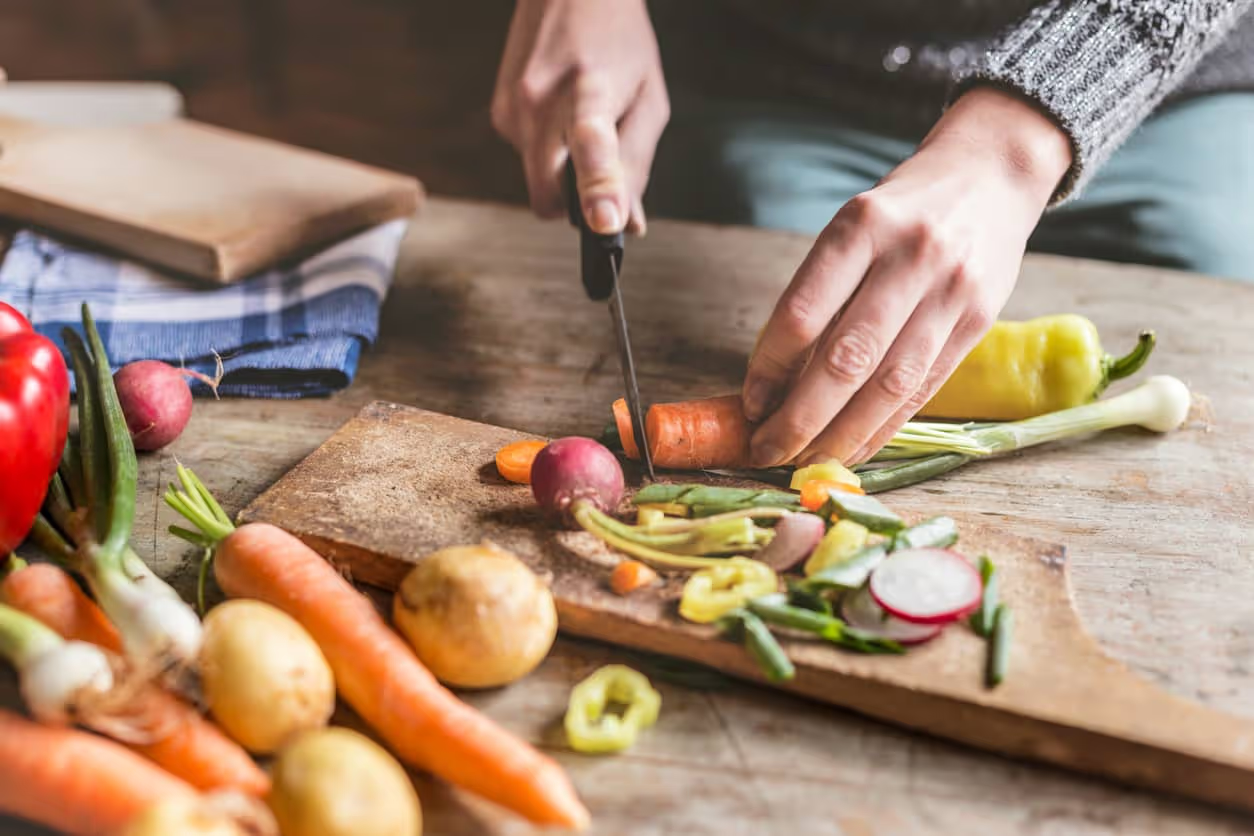
Pre-cut Vegetables to Have Them on Hand
Having pre-cut vegetables ready to go makes adding them to meals and snacks easier.
Buy them pre-cut or spend some time at the beginning of the week washing, chopping, and storing vegetables in the fridge for quick and easy access.
Add Vegetables to Your Cooking
Incorporate vegetables into the dishes you already like to make.
For example, add grated carrots or zucchini to meatloaf, toss a handful of spinach into pasta, or mix chopped bell peppers into scrambled eggs.
Try a Tasty Dip
Vegetables can be more appealing when paired with a flavorful dip.
Try hummus, guacamole, or tzatziki to make snacking on vegetables more exciting.
Make a Smoothie
Smoothies are an easy way to sneak in more vegetables.
Blend leafy greens like spinach or kale with fruits, yogurt, and a liquid of your choice for a nutritious breakfast or snack.
Try a New Soup
Soups are another easy way to eat more vegetables.
Add a variety of vegetables to broth-based soups like chicken noodle soup or minestrone.
Alternatively, experiment with vegetable-based soups such as tomato, butternut squash, or broccoli soup.
Fire Up the Grill
Grilling vegetables brings out their natural sweetness and adds a delicious smoky flavor.
Try grilling summer vegetables like bell peppers, zucchini, eggplant, and mushrooms.
Use Them in Pasta Sauce
You can hide vegetables, like carrots, zucchini, spinach, or bell peppers, in tomato sauce by blending them in.
Alternatively, leave them in chunks for added texture.
Add Them to Taco Meat
Mix finely chopped vegetables like onions, peppers, and mushrooms into taco meat.
Beans and lentils also pair well with taco meat and add lots of dietary fiber.
Roast Them
Roasting vegetables caramelizes their natural sugars, making them taste sweeter.
Try roasting vegetables like Brussels sprouts, broccoli, carrots, and sweet potatoes with a little olive oil and seasoning.
Grow Your Own
Growing your own vegetables can be an exciting and rewarding way to encourage yourself to eat more of them.
Even if you don’t have an outdoor space for gardening, many vegetables can be grown in containers on a balcony or windowsill.
How Many Servings of Vegetables Should I Eat Per Day?
The number of servings of vegetables you need each day depends on your age, sex, height, weight, and physical activity levels.
In general, the 2020-2025 Dietary Guidelines for Americans recommend that adults eat 2-3 cup equivalents of vegetables per day.
Here are some examples of what a one-cup equivalent of vegetables might look like:
- A cup of chopped fresh or frozen broccoli florets.
- Two cups of raw or one cup of cooked spinach.
- A cup of cooked chickpeas.
- One large bell pepper.
- A cup of cooked sliced or diced zucchini.
- Two medium carrots.
What If I’m a Picky Eater?
If you’re a picky eater, gradually introducing vegetables into your diet can help.
Start with foods you already enjoy, like pizza or omelets, and add vegetables.
For instance, add bell peppers and mushrooms to a cheese pizza or mix baby spinach into a cheese omelet.
If you find the texture of vegetables challenging, blend them into pizza sauce or mix them into meatballs or meatloaf to hide them.
Cooking methods can also make a big difference. Roasting or grilling vegetables enhances their natural sweetness, which may make them more appetizing compared to simply steaming or boiling them.
Finally, pairing vegetables with your favorite dips or sauces can also make them more enjoyable to eat.
Dips like hummus, guacamole, or tzatziki add flavor and provide a creamy texture that complements vegetables well.
Keep experimenting with different recipes and preparation methods until you find what works for you.
If you want more support, consider working with a registered dietitian.
Takeaway
Adding more vegetables to your diet has many health benefits, such as helping you manage your weight, improving digestion, and lowering the risk of chronic diseases such as heart disease and diabetes.
According to the 2020-2025 Dietary Guidelines for Americans, adults should aim for 2-3 cups of vegetables daily.
You can easily increase your vegetable intake by making small changes, like adding vegetables to your favorite recipes or trying new cooking methods such as roasting or grilling.
Whether you're new to vegetables or just looking to eat more, finding enjoyable ways to include them in your diet ensures you get the essential nutrients they provide for better long-term health.
{{splash}}
How a Dietitian Can Help
If you’re struggling to include enough vegetables in your diet, a dietitian may be able to help.
A dietitian can offer personalized guidance and support to help you find easy ways to regularly eat more vegetables.
They can create customized meal plans tailored to your preferences and nutritional needs.
Additionally, a dietitian can help you modify recipes you already enjoy to include more vegetables.
They can also offer practical tips to overcome challenges like texture preferences and time constraints.
Find a dietitian who can help you simply and easily incorporate a variety of vegetables into your diet.
Frequently Asked Questions
References
View all references
- Nour, M., Lutze, S., Grech, A., & Allman-Farinelli, M. (2018). The Relationship between Vegetable Intake and Weight Outcomes: A Systematic Review of Cohort Studies. Nutrients, 10(11), 1626.
- Stanaway, J. D., Afshin, A., Ashbaugh, C., Bisignano, C., Brauer, M., Ferrara, G., Garcia, V., Haile, D., Hay, S. I., He, J., Iannucci, V., Lescinsky, H., Mullany, E. C., Parent, M. C., Serfes, A. L., Sorensen, R. J. D., Aravkin, A. Y., Zheng, P., & Murray, C. J. L. (2022). Health effects associated with vegetable consumption: a Burden of Proof study. Nature Medicine, 28(10), 2066–2074.
- Lee, S. H., Moore, L. V., Park, S., Harris, D. M., & Blanck, H. M. (2022). Adults meeting fruit and vegetable intake recommendations — United States, 2019. Morbidity and Mortality Weekly Report, 71(1), 1–9.
- Price, C. T., Langford, J. R., & Liporace, F. A. (2012). Essential Nutrients for Bone Health and a Review of their Availability in the Average North American Diet. The Open Orthopaedics Journal, 6(1), 143–149.
- Office of Dietary Supplements - Vitamin A and carotenoids. (n.d.-b).
- Carr, A., & Maggini, S. (2017). Vitamin C and immune function. Nutrients, 9(11), 1211.
- Miketinas, D. C., Bray, G. A., Beyl, R. A., Ryan, D. H., Sacks, F. M., & Champagne, C. M. (2019). Fiber intake predicts weight loss and dietary adherence in adults consuming Calorie-Restricted Diets: the POUNDS Lost (Preventing Overweight Using Novel Dietary Strategies) study. The Journal of Nutrition, 149(10), 1742–1748.
- Casas, R., Castro-Barquero, S., Estruch, R., & Sacanella, E. (2018). Nutrition and cardiovascular health. International Journal of Molecular Sciences, 19(12), 3988.
- Liu, Y., Cheng, J., Wan, L., & Chen, W. (2023). Associations between Total and Added Sugar Intake and Diabetes among Chinese Adults: The Role of Body Mass Index. Nutrients, 15(14), 3274.
- Ghavami, A., Ziaei, R., Talebi, S., Barghchi, H., Nattagh-Eshtivani, E., Moradi, S., Rahbarinejad, P., Mohammadi, H., Ghasemi-Tehrani, H., Marx, W., & Askari, G. (2023). Soluble fiber supplementation and serum lipid Profile: A Systematic Review and Dose-Response Meta-Analysis of Randomized Controlled trials. Advances in Nutrition, 14(3), 465–474.
- Tan, B. L., Norhaizan, M. E., Liew, W., & Rahman, H. S. (2018). Antioxidant and Oxidative stress: A mutual interplay in Age-Related Diseases. Frontiers in Pharmacology, 9.
- Zujko, M. E., & Witkowska, A. M. (2023). Dietary antioxidants and chronic diseases. Antioxidants, 12(2), 362.
- Fu, J., Zheng, Y., Gao, Y., & Xu, W. (2022). Dietary fiber intake and gut microbiota in human health. Microorganisms, 10(12), 2507.
- Popkin, B. M., D’Anci, K. E., & Rosenberg, I. H. (2010). Water, hydration, and health. Nutrition Reviews, 68(8), 439–458.
- USDA MyPlate Vegetables Group – one of the five food groups. (n.d.).
Nourish has strict sourcing policies and prioritizes primary sources, including medical organizations, governmental agencies, academic institutions, and peer-reviewed scientific journals. Learn more about our medical review process and editorial guidelines.













.jpg)






















.avif)

.avif)



























.avif)

%20(1).webp)







.avif)
.avif)