Can Low Iron Cause Diarrhea? Understanding Iron Deficiency

Medical Reviewer: Christa Brown, MS, RDN, LD

Author: Heather Smith, RN, BSN
.avif)
Summary
- There’s no evidence that low iron levels can cause diarrhea. However, having a digestive disorder may increase your risk of low iron levels.
- Low iron can occur for several reasons, including disorders that affect iron absorption, not eating enough iron-rich foods, or losing a large amount of blood.
- A dietitian can help you discover why you may be frequently experiencing diarrhea and low iron levels. Learn ways to manage these conditions through the foods you eat.
People with digestive problems may have low iron levels alongside diarrhea and other digestive symptoms.
However, having low iron is probably not the cause of the diarrhea.
Rather, the digestive problem at the root of the diarrhea may be causing low iron.
Read on to discover the connection between low iron and the digestive system, what causes low iron levels, tips for managing diarrhea with low iron blood levels, and more.
{{splash}}
Can Low Iron Levels Lead To Diarrhea?
Most people maintain their iron levels through diet (although sometimes a supplement is necessary).
Rather than low iron levels leading to diarrhea, it’s more likely the opposite is happening.
Although iron is one of the most available elements on Earth, it can be a challenging mineral to absorb, particularly if you have a digestive disorder like inflammatory bowel disease.
However, finding ways to meet your iron needs is vital for your overall health.
Iron is essential for making hemoglobin, an iron-dependent protein your body uses to make red blood cells.
Oxygen attaches to hemoglobin in your lungs for transportation to the rest of your body.
Without enough iron, a person can develop iron-deficiency anemia (the most common form of anemia) and experience lower energy levels and quality of life.
What Causes Low Iron?
How your body absorbs and metabolizes iron is a complex process that involves your digestive system and liver.
Iron deficiency can happen if you aren’t eating enough iron-rich foods or if your body is having trouble absorbing iron during digestion.
Celiac disease, a digestive disorder that causes long-term inflammation and damage to the small intestines, can cause a decrease in the body’s ability to absorb iron, as well as diarrhea.
Crohn’s disease, a condition of chronic inflammation and malabsorption, may also cause low iron levels and diarrhea.
Additionally, you’re at a higher risk of having low iron levels if your needs are very high, such as during pregnancy.
Some people may have low iron levels because of blood loss.
If you’re experiencing bowel movements that are black or coffee-ground in texture or have visible blood—you may be experiencing a bleed in your digestive system.
An internal bleed is a medical emergency, and you should seek emergency medical care.
How Diarrhea Affects Iron Absorption
Diarrhea is having stools that are loose or watery.
Some diarrhea only lasts a couple of days, while other times, it may last for several weeks or longer.
Diarrhea can happen for several reasons, including temporary illness (viral or bacterial infections), food allergies, or chronic diseases such as Crohn’s disease, celiac disease, or inflammatory bowel disease (IBD).
Malabsorption is a complication of having diarrhea.
It means your body isn’t absorbing as many nutrients from food as it typically does.
Chronic diseases, such as Crohn’s disease, celiac disease, or inflammatory bowel disease, also cause changes to the mucus in the small intestines, where most absorption of nutrients occurs during digestion.
Changes in the small intestine mucus can decrease how much iron your body is able to absorb from your food.
Managing Diarrhea and Low Iron Levels
Here are some tips for managing diarrhea and low iron levels.
Increase Iron-Rich Foods In Your Diet
Your body increases its iron stores through the foods you eat.
There are two types of iron in food: heme iron and non-heme iron.
Heme iron is more easily absorbed by your body.
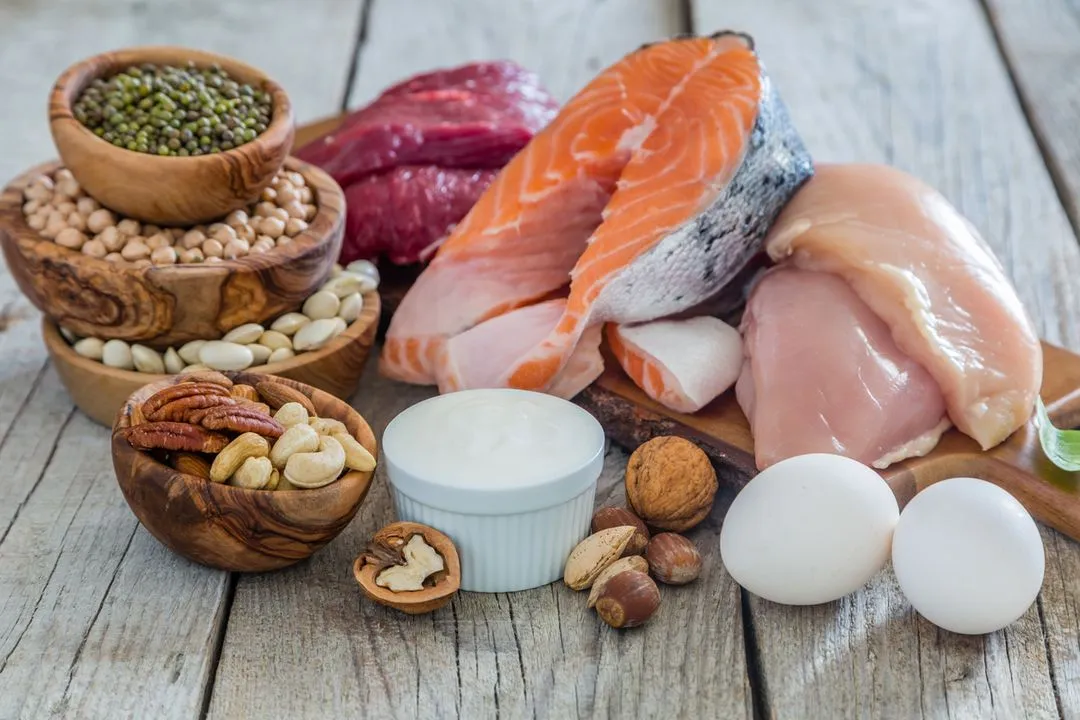
You absorb up to 30% of heme iron, and it is found in meat, poultry, and fish.
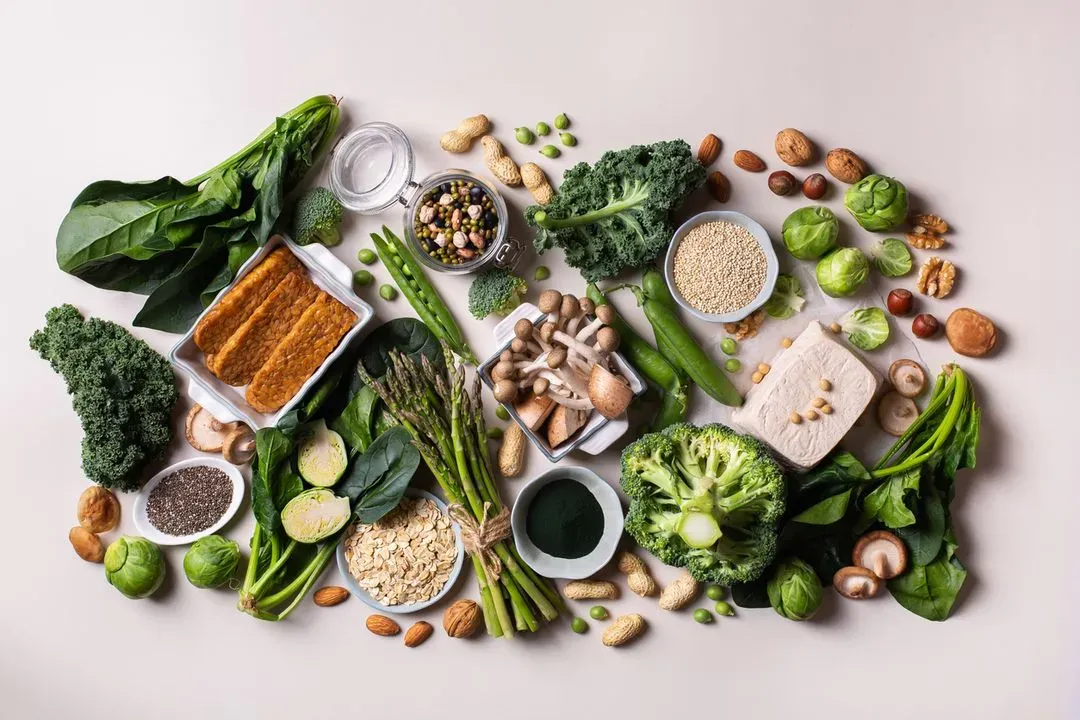
Non-heme iron is found in plant-based foods.
You absorb between 2–10% of non-heme iron.
However, eating heme iron sources with non-heme iron sources helps iron more completely absorb during digestion.
Eating foods high in vitamin C (citrus fruits, tomatoes, red and yellow peppers) also aids iron absorption.
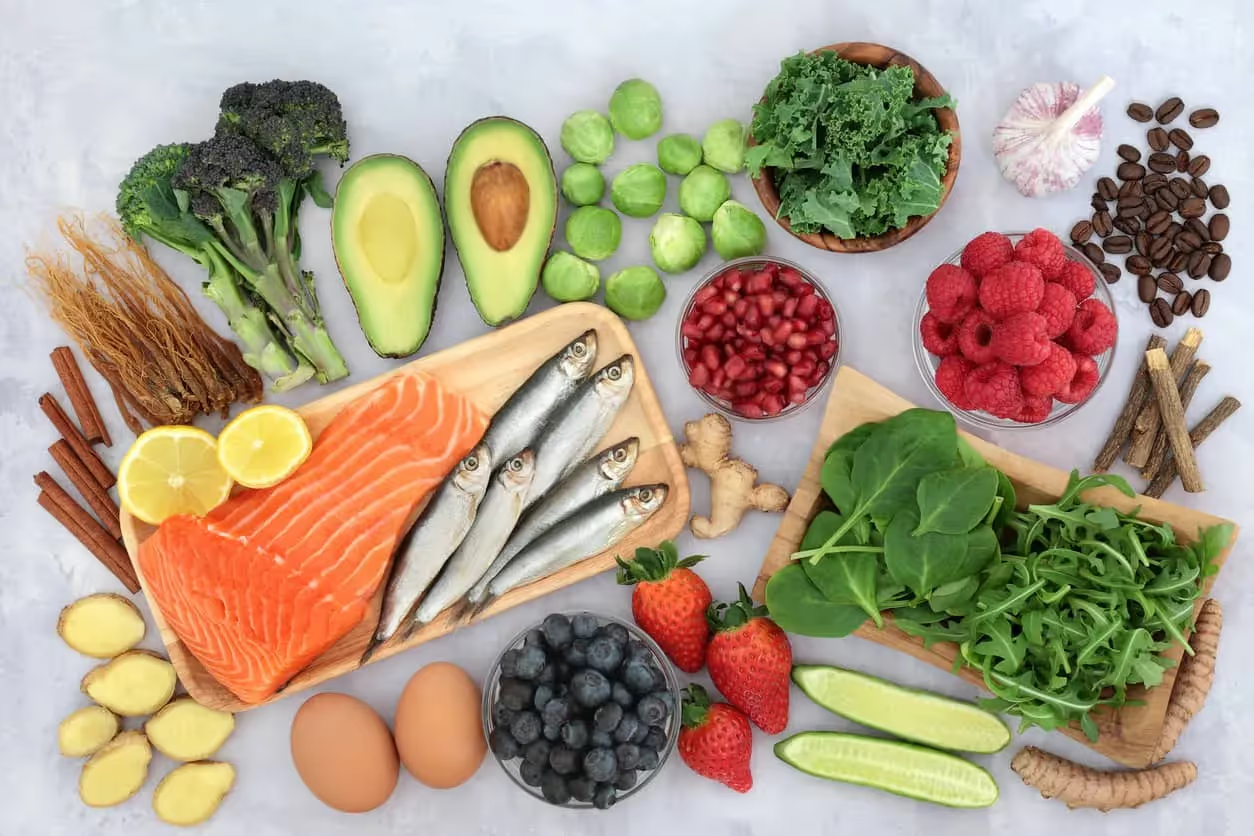
Here is a list of foods the American Red Cross reports are high in iron.
Meat and Eggs
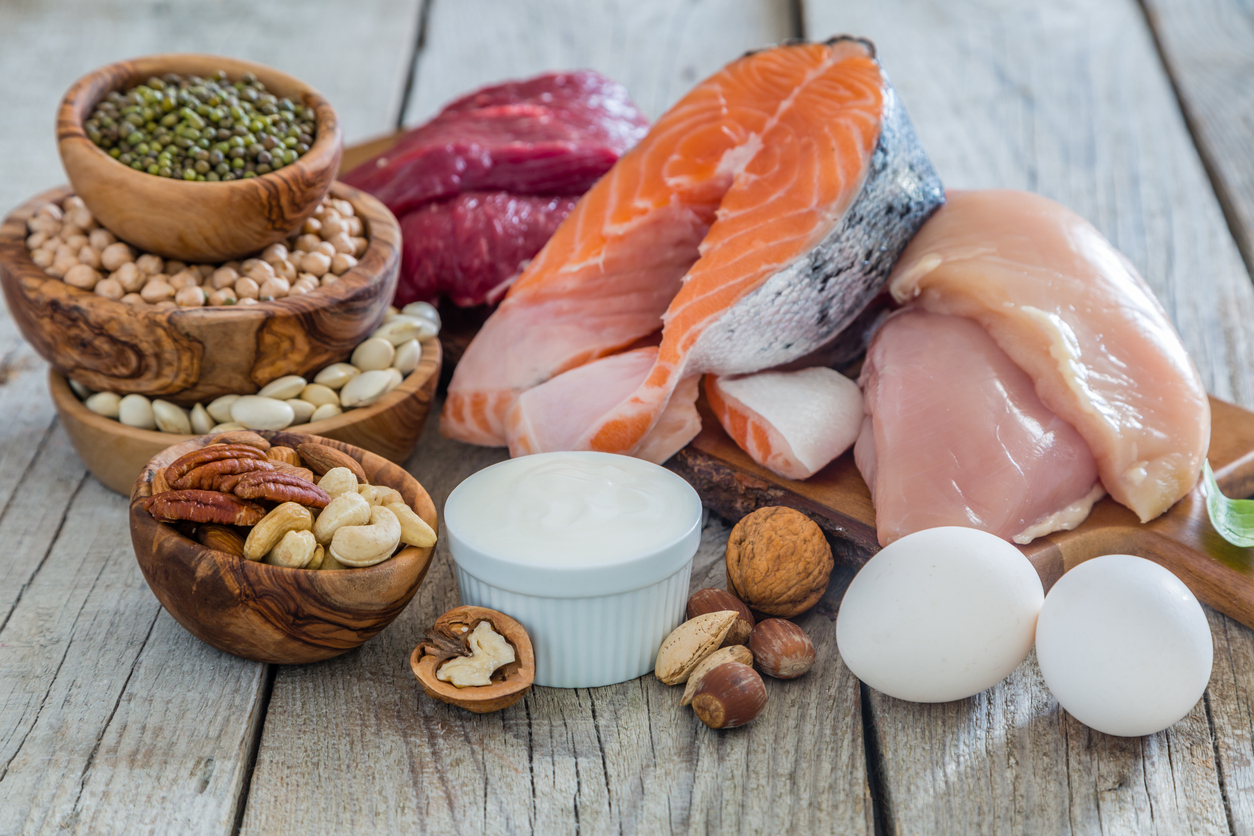
- Beef, lamb, ham, turkey, chicken, veal, pork, dried beef, liver, liverwurst, eggs (any style).
Seafood
- Shrimp, clams, scallops, oysters, tuna, sardines, haddock, mackerel.
Vegetables
- Spinach, sweet potatoes, peas, broccoli, string beans, beet greens, dandelion greens, collards, kale, chard.
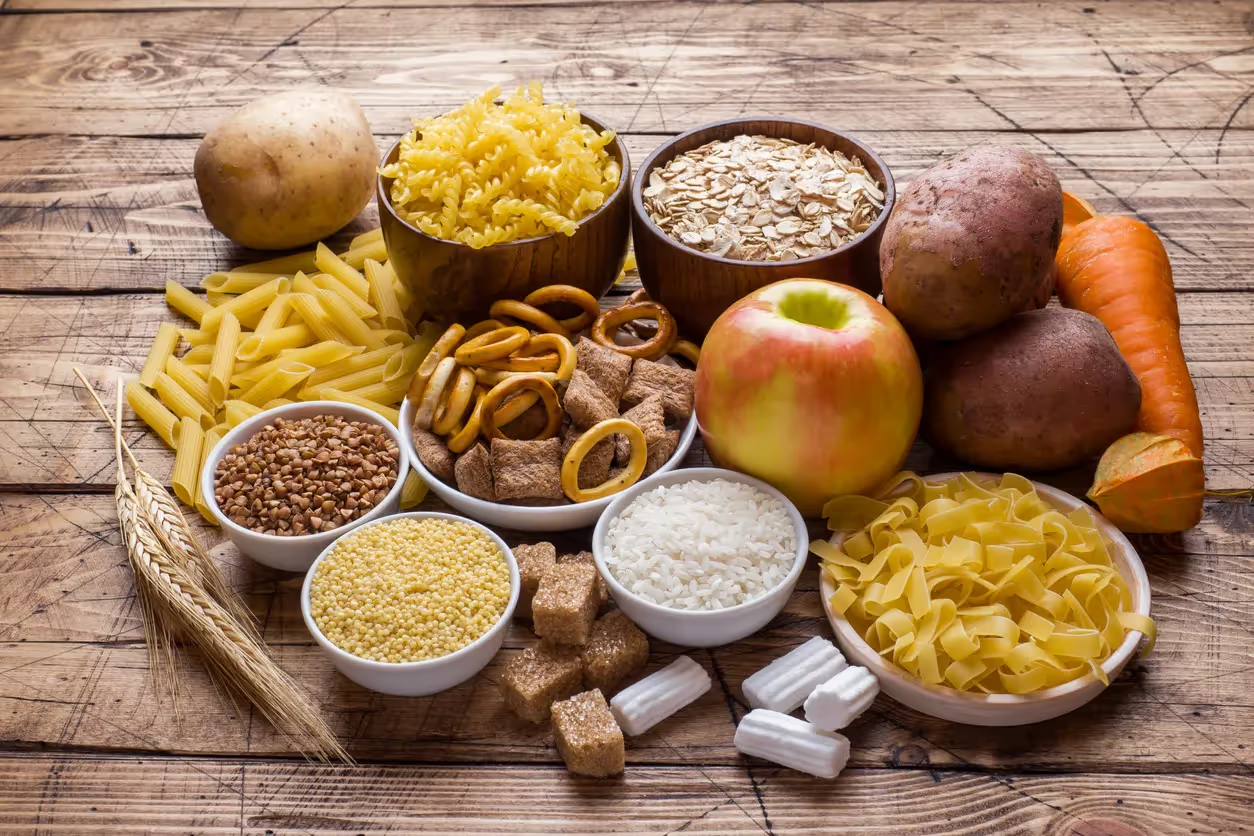
Bread and cereals
- White bread (enriched), whole wheat bread, enriched pasta, wheat products, bran cereals, corn meal, oat cereal, cream of wheat, rye bread, enriched rice.
Fruits
- Strawberries, watermelon, raisins, dates, figs, prunes, prune juice, dried apricots, dried peaches.
Beans and other foods
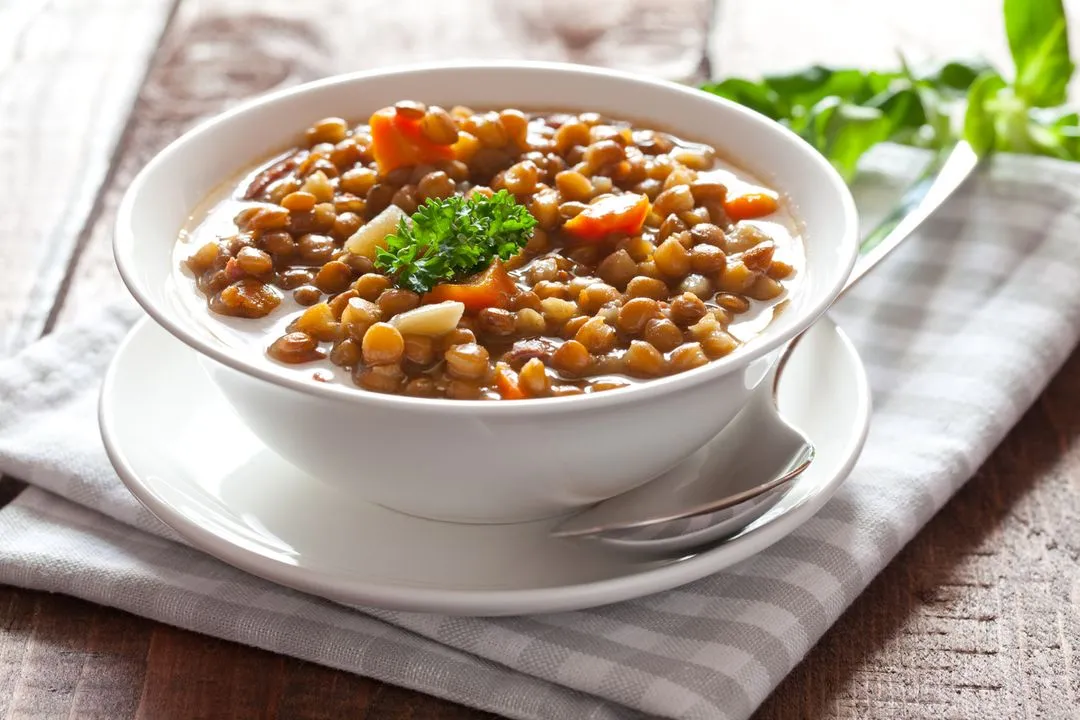
- Tofu, beans (kidney, garbanzo, or white canned), tomato products, dried peas, dried beans, lentils, instant breakfast, maple syrup, molasses.
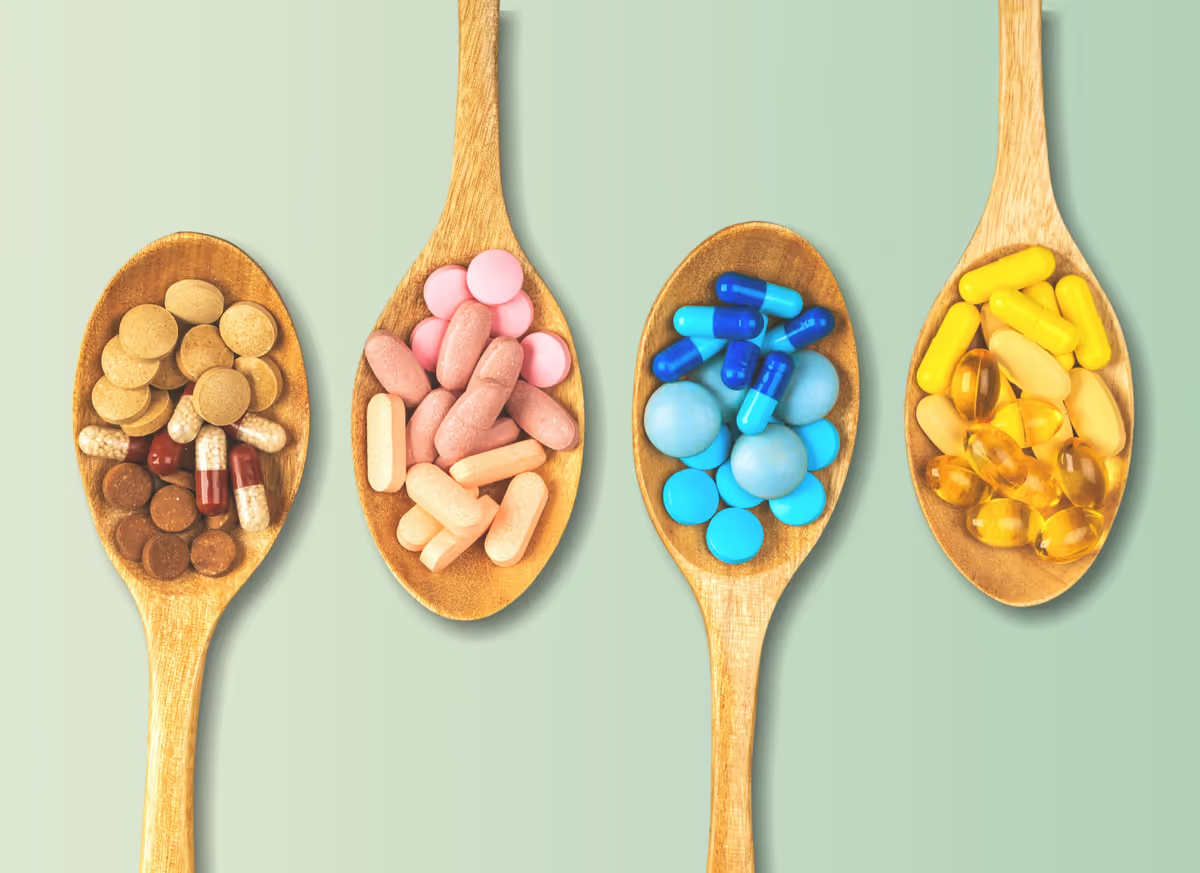
Consider Iron Supplements
Your medical provider can check your iron levels by having blood work drawn.
If your iron levels are low, your medical provider may recommend taking an iron supplement.
Iron supplements can help increase your iron levels over time.
Most of the time, medical providers recommend taking iron supplements for at least six months for best results.
It’s important to note that iron supplements can induce some digestive discomfort and may cause you to have constipation.
Increase Vitamin C Intake
Vitamin C can significantly help increase iron absorption.
Try eating foods high in vitamin C, such as citrus fruits (oranges, mandarins, lemons, limes), drinking orange juice, or taking an ascorbic acid supplement (500 mg).
Drink Plenty Of Water
Becoming dehydrated is a common and sometimes serious complication of diarrhea.
Symptoms of dehydration may include:
- Feeling thirsty.
- Urinating less often.
- Having dark-colored urine.
- Having a dry mouth.
- Feeling tired.
- Sunken eyes or cheeks.
- Feeling light-headed or fainting.
To prevent or treat dehydration from diarrhea, it’s important to drink water and fluids that contain electrolytes.
These can include:
- Broths.
- Fruit juices.
- Sports drinks.
- Caffeine-free soft drinks.
- Pedialyte.
- CeraLyte.
Eat Small, Frequent Meals
While having diarrhea, you may have less of an appetite.
However, studies show that many nutrients are still absorbed while having diarrhea, and it’s important for the overall health of your digestive tract to continue eating.
Rather than eating three larger meals, try eating smaller and more frequent meals and choose foods that are gentle on your stomach (bananas, rice, apples or applesauce, and toast.)
Most experts don’t recommend over-restricting your diet while having diarrhea, but there are several foods that are advisable to limit or avoid as they may make your diarrhea worse.
- Caffeinated beverages.
- Alcoholic beverages.
- Dairy products (milk, cheese, and ice cream).
- Food and beverages containing fructose.
- Fatty and greasy foods.
- Spicy foods.
- Diet drinks and sugar-less gum that contain sorbitol, mannitol, and xylitol.
Consult A Medical Provider
If your diarrhea persists for more than several days, it’s recommended to let your medical provider know.
They’ll want to do an assessment and testing to see what’s causing your diarrhea.
It’s especially important to seek medical care if your diarrhea is causing dehydration.
Seek medical care if you are not able to stay hydrated and are showing signs of dehydration.
If you feel your iron levels are low and are experiencing symptoms such as feeling lightheaded, dizzy, or short of breath, it’s advisable to seek medical care to explore why you may be low on iron.
{{splash}}
Takeaway
While low iron levels aren’t known to cause diarrhea, it’s common for people with digestive problems to also have low iron levels.
Several ways to manage low iron include increasing your intake of foods rich in iron, taking vitamin C, or an iron supplement.
Managing diarrhea involves drinking plenty of water and fluids containing electrolytes to prevent dehydration and eating smaller meals throughout the day.
If symptoms of diarrhea or low iron levels persist, we advise you to speak with your medical provider for further guidance.
How A Dietitian Can Help
If you suffer from chronic low levels of iron and diarrhea, a dietitian may be able to get to the root cause of these conditions.
Some food allergies or intolerances and other digestive conditions can cause diarrhea as well as low levels of iron.
Speak with a Nourish registered dietitian today to start your journey towards better digestive health and learn tips for how to increase your iron levels through your diet.
Frequently Asked Questions
Can low iron cause diarrhea?
No, low iron levels aren’t known to cause diarrhea.
However, the opposite can be true.
Diarrhea may be a symptom of a digestive condition that is causing you to have low iron levels (and possibly other vitamins and minerals).
Can iron levels affect poop?
Your level of iron does not directly affect your stool.
However, the two can be related via certain digestive disorders.
Taking iron supplements is known to affect the digestive system and may cause digestive discomfort or constipation.
What side effects does low iron cause?
Having low iron can cause you to feel tired, have cold hands or feet, or feel lightheaded or dizzy.
If you're experiencing these symptoms, it’s important to seek medical advice.
References
Nourish has strict sourcing policies and prioritizes primary sources, including medical organizations, governmental agencies, academic institutions, and peer-reviewed scientific journals. Learn more about our medical review process and editorial guidelines.












.jpg)























.avif)

.avif)






























%20(1).webp)







.avif)
.avif)