Lectin-Free Diet: What It Is, Possible Benefits, Food Choices, & More

Medical Reviewer: Blair Kott, MDA, RD, LD

Author: Jennifer Huddy, MS, RD, LD

Summary
- Lectins are proteins that are naturally present in raw plant foods like lentils, beans, and whole grains.
- Lectins in uncooked legumes and grains may cause digestive upset and negatively impact gut health, but standard cooking processes destroy the lectins.
- Research shows that high-lectin foods aren’t harmful to the general population when cooked properly. Additionally, whole grains and legumes are well-researched for their health benefits.
You may have heard about lectins if you’re on a journey to improve your gut health.
Lectins are found in high concentrations in certain raw plant foods, and some people claim they negatively impact gut health, cause weight gain, and increase inflammation.
However, human studies proving these claims are lacking, and decades of research support a diet rich in plant foods to support overall health.
Continue reading to learn what the research says about lectins and human health and whether you should eliminate high-lectin foods from your diet.
{{splash}}
What are Lectins?
Lectins are naturally occurring proteins that bind to carbohydrates.
They’re present in most foods in varying amounts, but the highest concentration of lectins is found in plant foods like legumes and whole grains.
Lectins act as a defense mechanism against pests and diseases in these plant foods.
Lectins are sometimes classified as “anti-nutrients” because they’re resistant to digestion in humans and are toxic in some contexts.
For example, eating raw or undercooked kidney beans can result in digestive symptoms similar to food poisoning.
Because of this, several fad diets recommend eliminating lectins to improve overall health.
Proponents of these diets suggest that consuming foods high in lectins blocks nutrient absorption, increases inflammation, and negatively impacts gut health.
However, human studies confirming these claims are lacking.
Additionally, standard cooking methods for legumes and whole grains, like boiling, soaking, sprouting, and fermenting, significantly reduce or eliminate the lectins.
For example, research shows that boiling kidney beans for one hour reduces the lectin content by over 99%.
How Do Lectins Affect the Body?
More than 500 types of lectins have been discovered and have varying effects on the body.
An extreme example is ricin, which is found in the hull of castor beans.
Consuming even small quantities of ricin can be fatal, so whole castor beans aren’t eaten as food.
On the other hand, the type of lectins found in common foods like legumes and wheat have not been shown to have adverse effects on human health when cooked properly.
In fact, a large body of evidence points to the health benefits of high-lectin foods, like beans, lentils, and whole grains.
When consumed in raw or undercooked forms, high-lectin foods can cause symptoms including:
Who Should Avoid Lectins?
Some people, such as those with irritable bowel syndrome (IBS), may not tolerate high-lectin foods, like legumes, well.
However, this is likely more related to legumes being high in FODMAPs, which are types of carbohydrates that are poorly digested in IBS.
Current research shows that when cooked properly, foods high in lectins are safe for the general population and don’t need to be eliminated to improve health.
Rather than avoiding all plant foods that contain lectins, it’s important to cook legumes thoroughly to prevent possible adverse effects.
The World Health Organization and the US Food and Drug Administration have published minimum soaking and cooking times to destroy lectins in dried beans adequately.
The two options are:
- Soak dried beans for at least 12 hours, then boil for at least 10 minutes.
- Soak dried beans for at least five hours, then boil for at least 30 minutes.
Keep in mind that it takes much longer than 30 minutes to fully cook dried beans, so it’s unlikely that you’ll experience any issues as long as you cook the beans until soft.
Because canned beans are completely cooked, they meet the above guidelines and don’t require additional cooking.
Potential Benefits of a Lectin-Free Diet
Proponents of a lectin-free diet suggest it can help with weight management, inflammation, and gut health.
However, this has yet to be demonstrated in human studies.
It’s important to understand that most of the research on lectins has been done on animals, not humans.
In these studies, mice are fed large quantities of “isolated” or “active” lectins (like those found in raw beans).
Because humans don’t generally consume raw beans, these studies don’t reflect typical human consumption of high-lectin foods.
Improved Digestion
In animal studies, isolated lectins have been shown to cause increased intestinal permeability or “leaky gut syndrome.”
This occurs because the lectins can damage the lining of the digestive tract.
Researchers observed a decrease in nutrient absorption as a result.
Other animal studies found that active lectins can cause intestinal dysbiosis, or an imbalance of healthy and harmful gut bacteria.
Because of these findings, some people recommend eliminating high-lectin foods if you have digestive issues.
However, these studies were done on animals given high doses of raw legume flour, so the results can’t be applied to normal human consumption of cooked legumes (where lectins are destroyed).
Reduced Inflammation
Animal studies also show that isolated lectins can bind with the cells that line the digestive tract, causing damage and contributing to leaky gut.
The lectins can then pass through the gut barrier, activating the immune system and causing inflammation throughout the body.
Some researchers theorize that this process may set the stage for the development of autoimmune diseases.
There may be a small percentage of the population who are impacted by undigested lectins, but more research is needed.
The claims around inflammation and lectins have yet to be proven in humans, and extensive research shows the anti-inflammatory benefits of eating plant foods, including those high in lectins.
Weight Management
Research suggests a possible link between leaky gut and obesity.
Because isolated lectins can contribute to a leaky gut in animal studies, some people believe that high-lectin foods contribute to obesity and that eliminating them will result in weight loss.
Like the other health claims around lectins, this link has not been confirmed in human studies.
Additionally, eating more whole plant foods, including whole grains, legumes, and vegetables, is well-studied as a strategy for weight management.
Potential Drawbacks of a Lectin-Free Diet
The primary downside of following a lectin-free diet is that it restricts several highly nutritious foods that have been associated with health benefits.
Legumes Health Benefits
A diet rich in plant foods, including high-lectin foods like beans and lentils can reduce your risk of several chronic conditions, including type 2 diabetes and heart disease.
Legumes are a rich source of fiber, plant protein, vitamins, and minerals. Research shows that including legumes in your diet can help:
- Lower blood pressure levels.
- Improve cholesterol levels.
- Reduce A1c in people with type 2 diabetes.
- Aid weight management.
Whole Grains Health Benefits
Similarly, including whole grains in your diet has several health benefits.
Whole grains are dense in fiber, resistant starch, vitamins, minerals, and phytochemicals.
Studies show that when consumed regularly, whole grains can reduce the risk of:
- Obesity.
- Heart disease.
- Type 2 diabetes.
- Cancer.
Gut Health
Legumes and whole grains are both high in fermentable fiber, which serves as prebiotics for helping beneficial gut bacteria thrive.
When gut bacteria break down this type of fiber, it produces short-chain fatty acids (SCFA), which are anti-inflammatory.
Even though uncooked forms of these foods are high in lectins, a large body of research shows that when fully cooked, these plant foods can support gut health.
{{splash}}
Restrictive Diet
Additionally, avoiding high-lectin foods can be very restricting.
Highly restrictive diets are linked with disordered eating and may increase the risk of eating disorders in some people.
High-Lectin Foods
Lectins are found in almost all plant foods and many animal foods.
However, uncooked legumes and whole grains are the most concentrated sources of lectins. Much of the research on lectins is focused on these foods.
Lectins are also found in the nightshade family of vegetables in lesser amounts.
Here are the foods that contain the most lectins:
- Beans, including red kidney beans, pinto beans, black beans, chickpeas, and white beans.
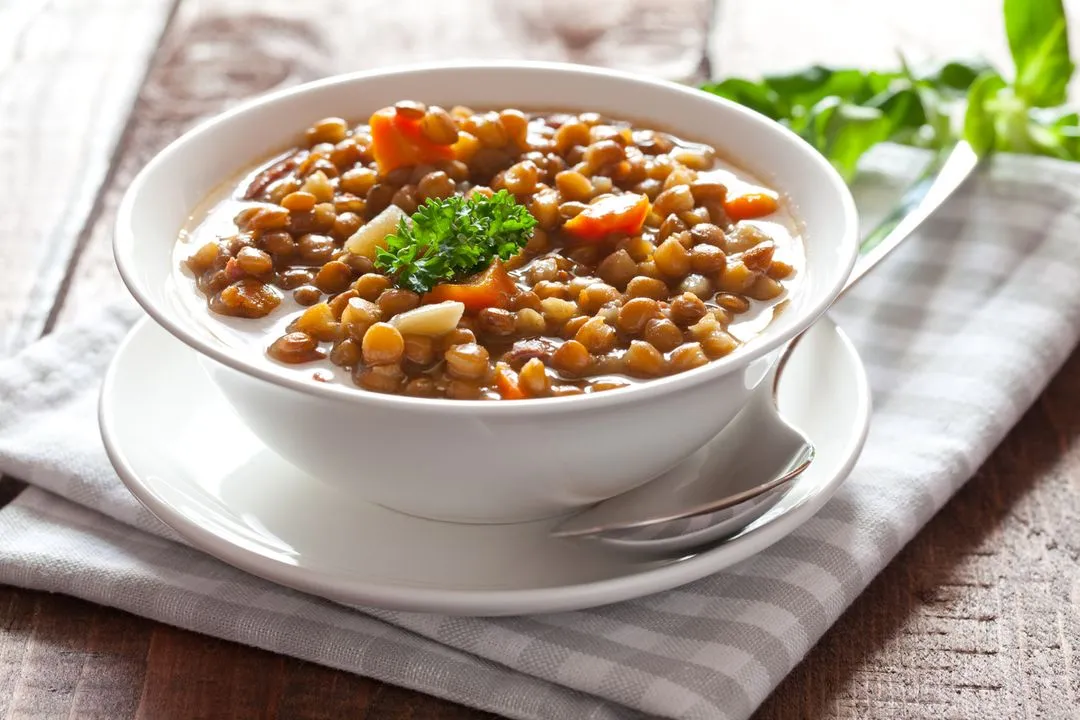
- Lentils, including brown lentils, green lentils, and red lentils.
- Soybeans.
- Peas.
- Whole grains, including wheat, barley, quinoa, and rice.
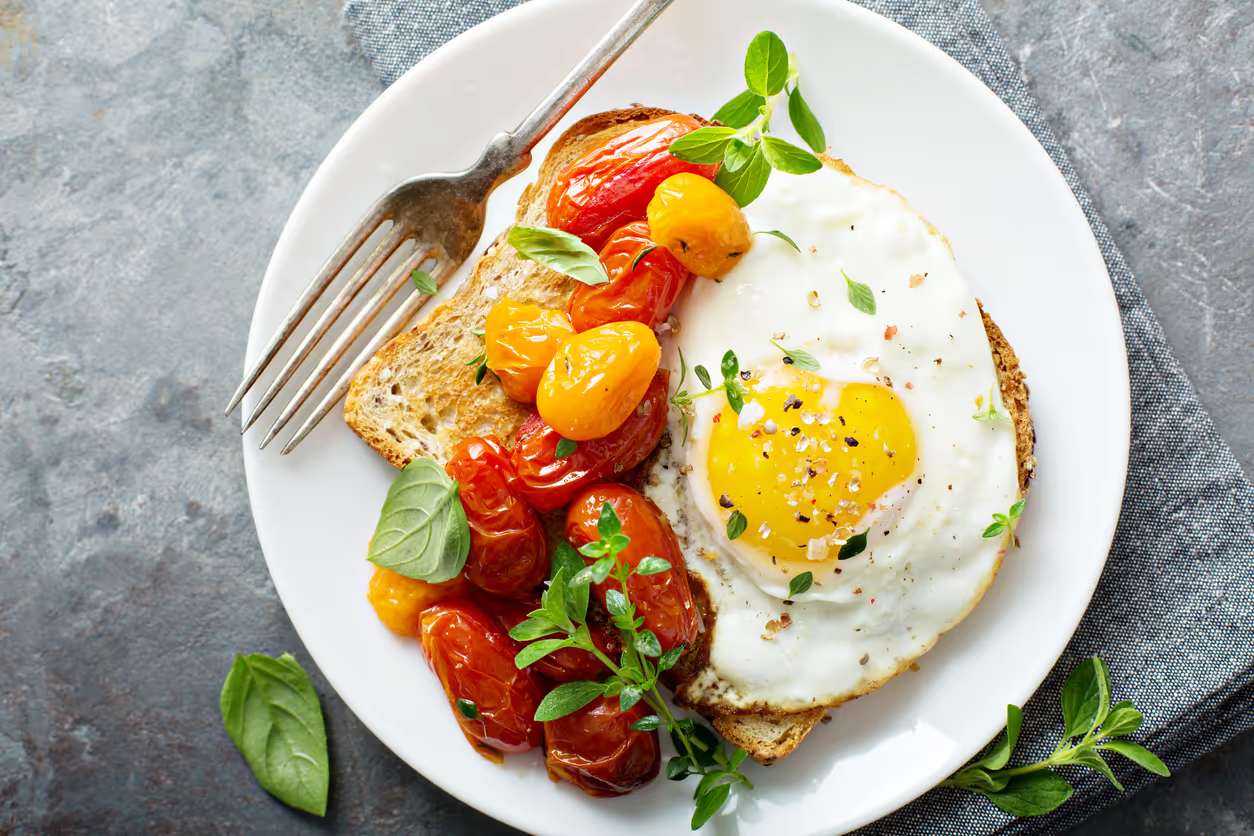
- Nightshade vegetables, like potatoes, bell peppers, and tomatoes.
Though most of the high-lectin foods must be cooked before eating (which destroys the lectins), several vegetables, like bell peppers and tomatoes, can be eaten raw.
The amount of lectins found in these foods is significantly lower than in raw legumes, and the type of lectins are considered to be non-toxic.
If you experience gastrointestinal symptoms when you eat high-lectin foods, talk to your doctor for an evaluation.
It’s important to rule out any underlying digestive conditions before eliminating any foods.
Takeaway
Though some fad diets recommend avoiding lectins, research doesn’t support the claims that lectins are harmful to the average person.
Lectins are highest in raw grains and legumes. Eating undercooked forms of these foods can cause digestive upset and may harm gut health over time.
However, lectins are destroyed during normal cooking practices, making it safe to eat high-lectin foods when cooked properly.
Additionally, high-lectin plant foods, like grains, legumes, and vegetables, are well-researched for their health benefits.
How a Dietitian Can Help
Registered dietitians are nutrition experts who are qualified to help you distinguish facts from fads when it comes to online diet information.
During your appointments with a dietitian, you can ask about popular diet information to determine which changes are best for you to implement. Some sample questions to ask about include:
- Do I need to avoid high-lectin foods?
- Should I eliminate gluten?
- Is dairy pro-inflammatory?
- What is the best diet for weight loss?
Connect with an online dietitian to get answers to your nutrition questions and take steps toward reaching your health goals.
Frequently Asked Questions
What foods have no lectins?
Lectins are present in small amounts in most plant foods and many animal foods.
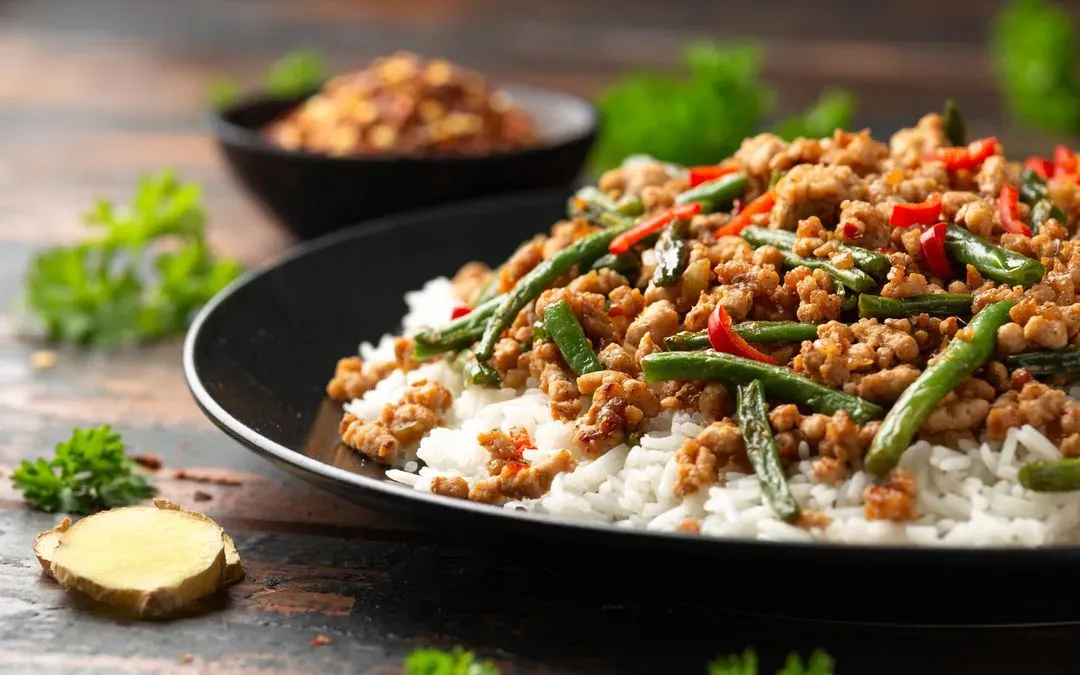
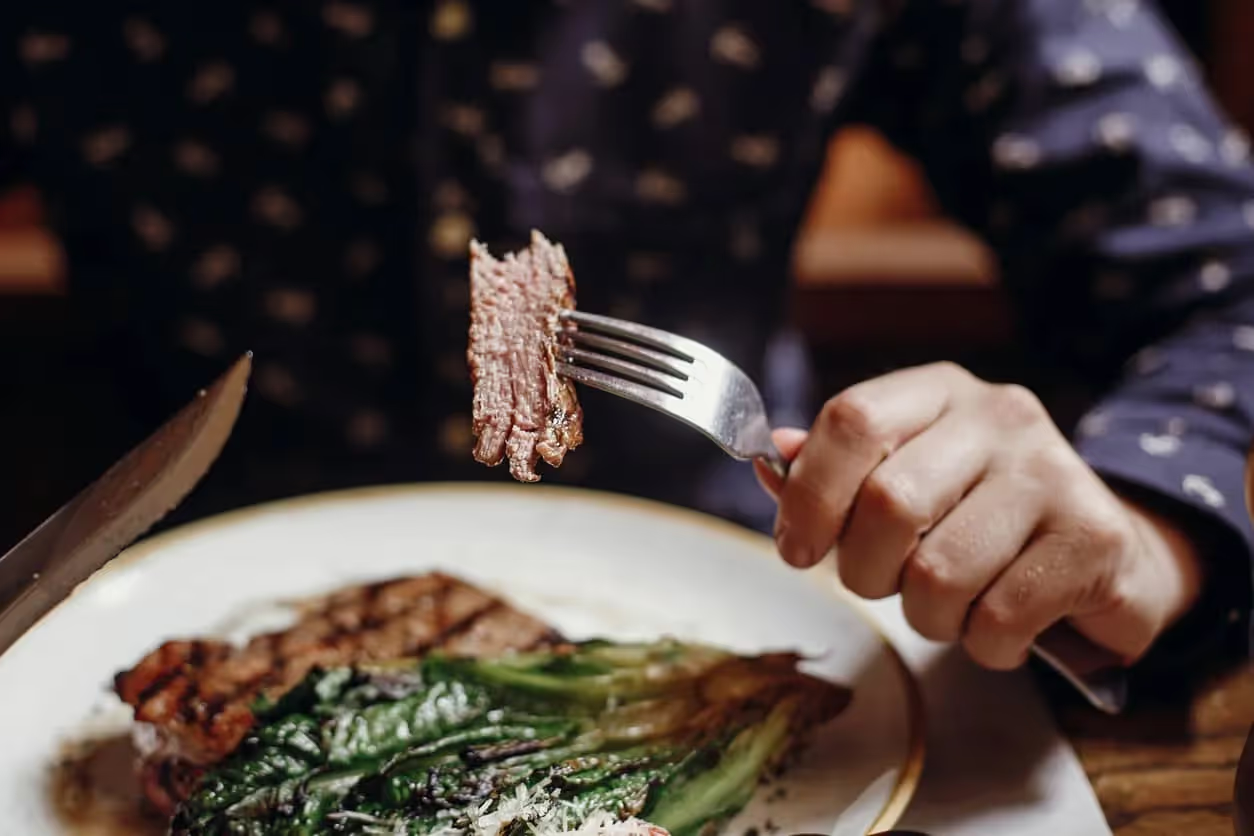
The fad lectin-free diet recommends eating primarily:
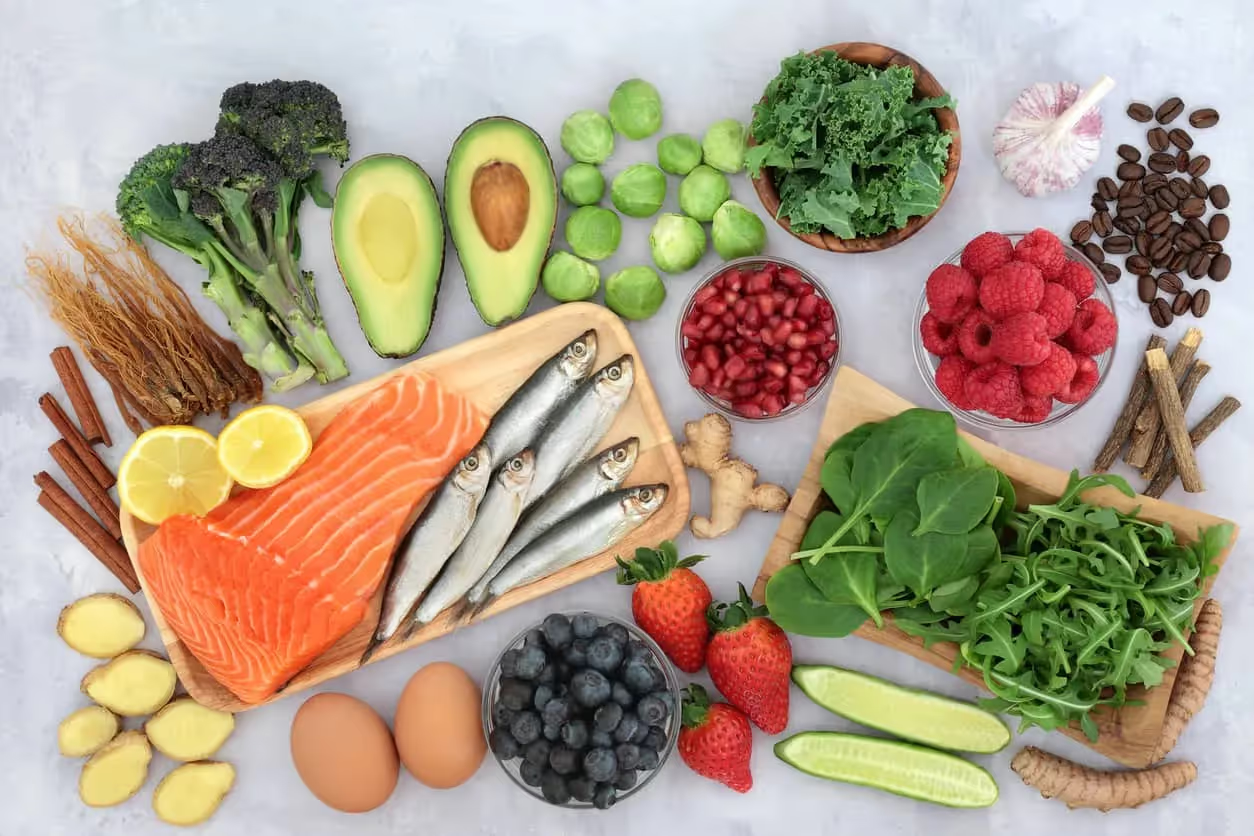
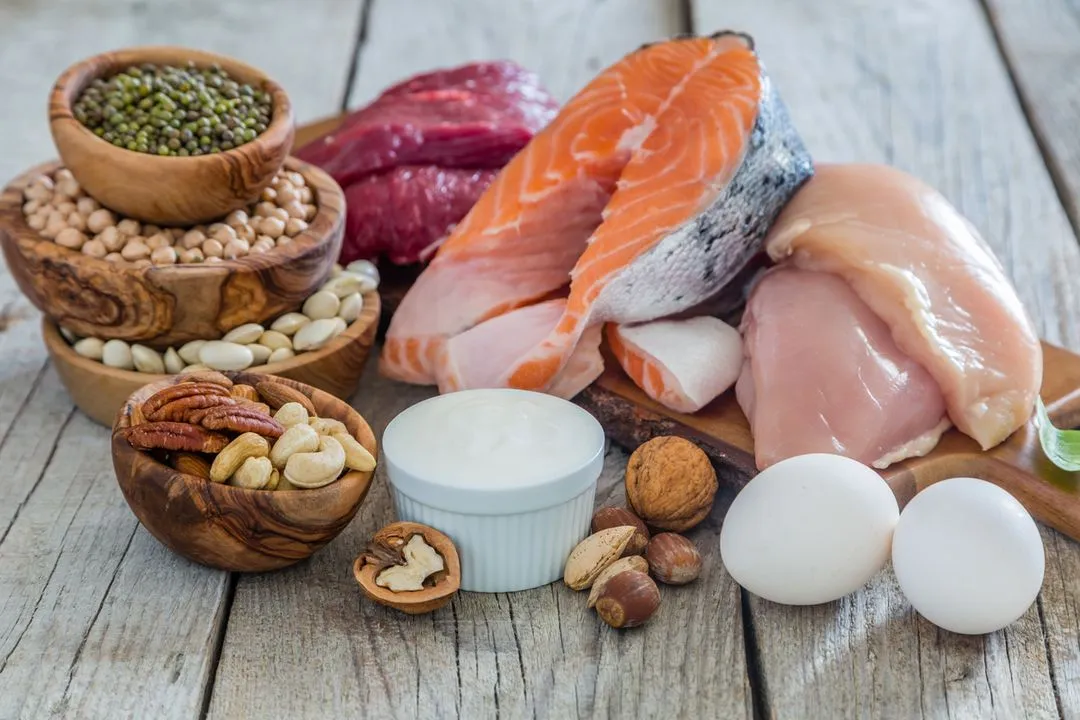
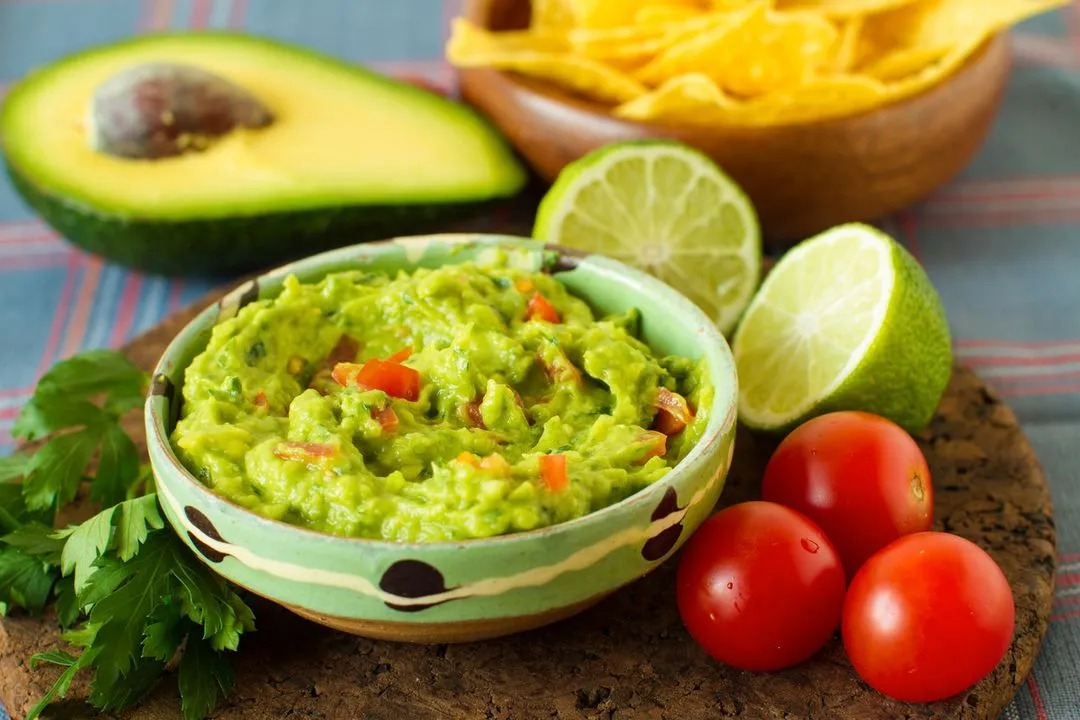
- Grass-fed meat, wild-caught seafood, and pasture-raised poultry.
- Sweet potatoes.
- Avocados.
- Walnuts and pistachios.
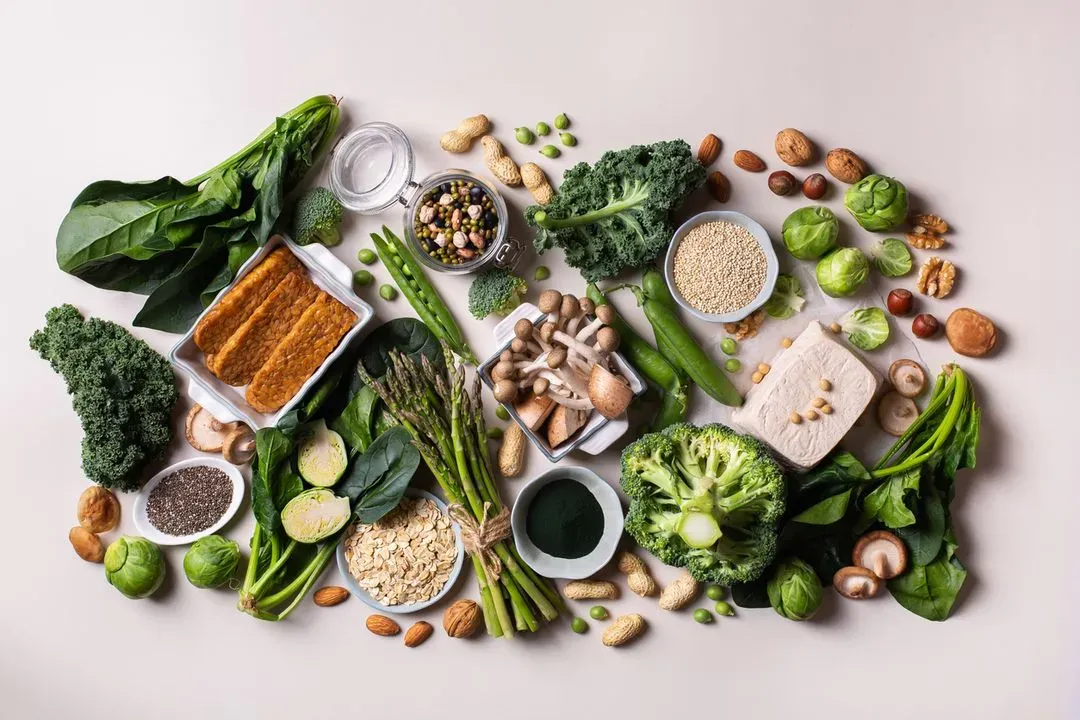
- Leafy greens.
- Cruciferous vegetables, like broccoli and Brussels sprouts.
However, the claims that this diet can boost gut health and reduce inflammation haven’t been proven in humans.
What foods are very high in lectins?
Raw legumes and whole grains are the foods with the highest concentration of lectins.
Nightshade vegetables also contain lectins in smaller quantities.
High-lectin foods include:
- Beans, including red kidney beans, pinto beans, and chickpeas.
- Lentils, including brown lentils, green lentils, and red lentils.
- Soybeans.
- Peas.
- Whole grains, including wheat, barley, and rice.
- Potatoes.
- Tomatoes.
- Bell peppers.
However, when these foods are cooked properly, the lectins are destroyed, making them safe to consume.
Tomatoes and bell peppers are often eaten raw, but these have lower lectin levels than legumes, and the types of lectins present in these foods are not toxic.
What are the symptoms of too much lectin?
When consumed in raw or undercooked forms, high-lectin foods like beans, lentils, and whole grains can cause digestive symptoms including:
- Nausea.
- Vomiting.
- Diarrhea.
- Abdominal pain.
However, cooking these foods destroys the lectins, which eliminates this risk.
Some animal studies show that consuming active lectins (found in uncooked legumes and grains) can cause leaky gut and inflammation, but this has not been proven in humans.
Additionally, these foods aren’t generally eaten in their raw forms.
References
View all references
- Fu, J., Zheng, Y., Gao, Y., & Xu, W. (2022). Dietary Fiber Intake and Gut Microbiota in Human Health. Microorganisms, 10(12).
- Jebeile, H., McMaster, C. M., Johnson, B. J., Garnett, S. P., Paxton, S. J., Seidler, A. L., Jones, R. A., Hill, A. J., Maguire, S., Braet, C., Dammery, G., Wilfley, D. E., Baur, L. A., & Lister, N. B. (2023). Identifying Factors Which Influence Eating Disorder Risk during Behavioral Weight Management: A Consensus Study. Nutrients, 15(5).
Nourish has strict sourcing policies and prioritizes primary sources, including medical organizations, governmental agencies, academic institutions, and peer-reviewed scientific journals. Learn more about our medical review process and editorial guidelines.











.jpg)




















.avif)

.avif)























.avif)

%20(1).webp)






.avif)
.avif)