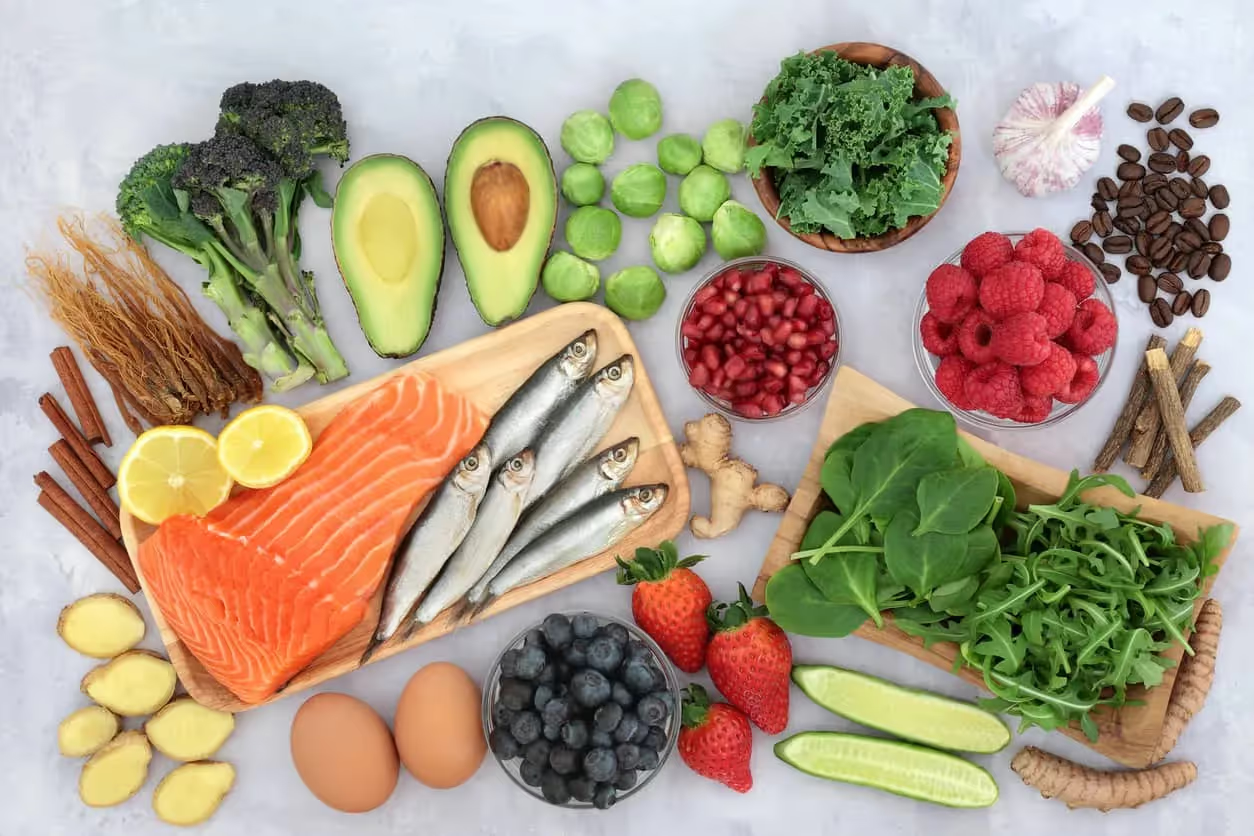
Dysphagia Foods To Avoid, According To An RD

Medical Reviewer: John Markell, RDN, LDN, CDN, CPT

Author: Julia Zakrzewski, RD

Summary
- Dysphagia is the decreased ability to swallow food and beverages safely.
- If you have dysphagia, you should limit your intake of high-risk foods that could cause choking, such as hard, flakey foods, sticky textures, tough meats, stringy vegetables, and whole fruits.
- Your dietitian can teach you how to modify food textures to eat safely.
Dysphagia is the clinical term for swallowing difficulties, and people with dysphagia are more likely to cough while eating or choke on certain foods or drinks.
If you have dysphagia, you may find it easier to consume texture-modified foods and beverages.
For example, you may find swallowing moistened dishes with well-cooked ingredients easier—like puréed vegetables with sauce or finely minced meat with gravy.
Keep reading to learn which foods you may want to avoid if you have dysphagia and what you can eat instead.
{{splash}}}
What is Dysphagia?
Dysphagia can affect your ability to swallow everything! Including food, drinks, medications, and saliva.
If left unaddressed, it can limit your nutrition choices and make it challenging to satisfy your nutrition requirements.
A speech-language pathologist (SLP) typically works with your physician to assess your swallowing abilities and will recommend safe textures for you to consume.
Then, you can work with a dietitian to build a complementary eating plan that keeps you nourished, satisfied, and safe from choking.
Who’s at Risk of Dysphagia?
Older adults may develop dysphagia because muscle and nerve function decreases as a person ages.
Here are other factors that can increase the risk of dysphagia:
- Some medical conditions that affect the nervous system (Parkinson's, etc.)
- Head injuries and stroke.
- Some treatments for throat and esophageal cancer.
- Dementia can make it harder to remember how to chew and swallow.
- Infection or irritation can narrow the esophagus.
- Physiological abnormalities in the mouth or esophagus.
Top Foods to Avoid with Dysphagia
There are different degrees of dysphagia, and a specialist can tell you what textures are safe to consume.
Below are generalized examples of foods that might increase your risk of choking or coughing.
These commonly include crunchy, hard foods or dishes with stringy textures.
Try to limit your intake of these foods and choose softer, easy-to-swallow alternatives more often.
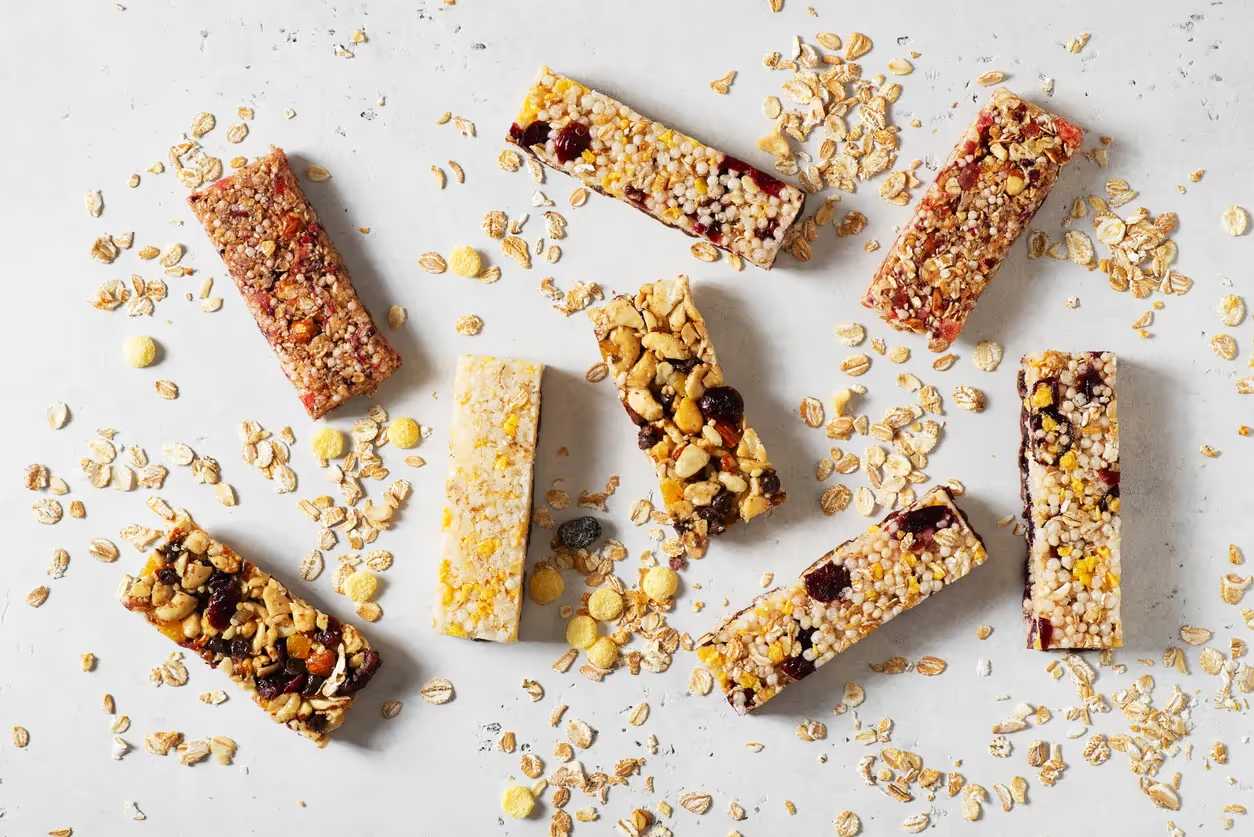
Hard, Crunchy Foods
Hard, crunchy foods can leave behind small pieces in your mouth and throat and can be difficult to swallow.
They can sometimes have jagged or sharp edges, adding discomfort while chewing.
You may want to avoid eating these foods:
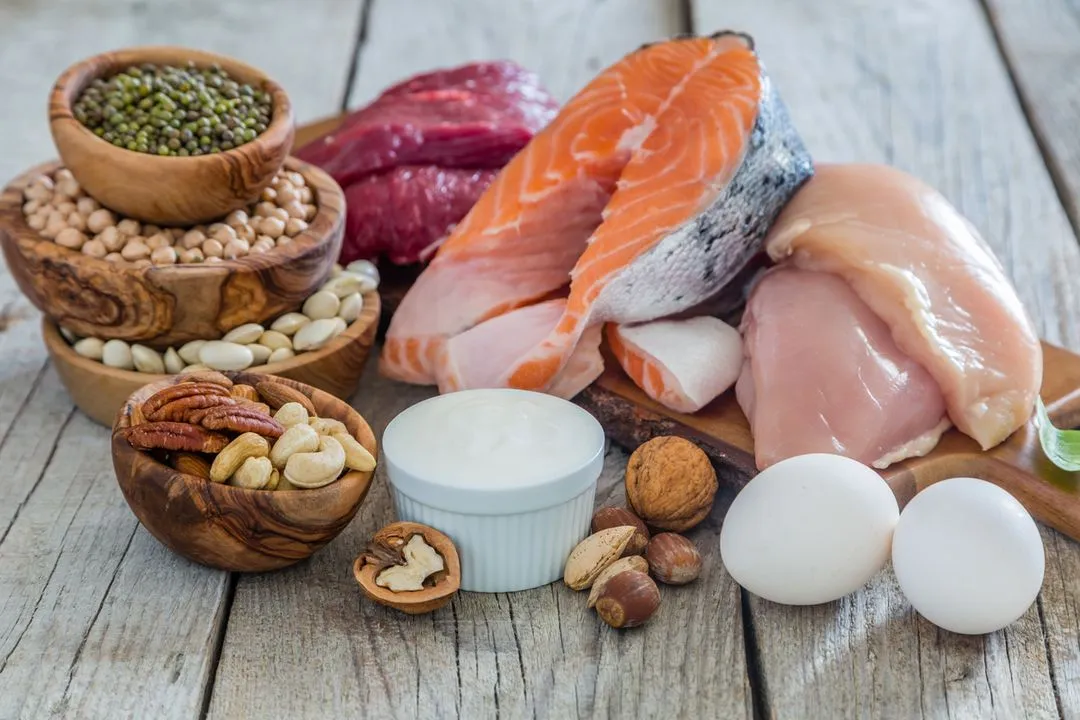
- Nuts.
- Seeds.
- Pretzels.
- Chips.
- Popcorn.
- Nuts.
- Seeds.
- Roasted legumes and corn nuts.
Sticky Foods
Sticky foods can be difficult for anyone to swallow, and it can be especially challenging if you have dysphagia.
Try to avoid eating these sticky foods while managing dysphagia:
- Maple syrup.
- Caramel syrup and caramel-coated foods like popcorn.
- Chewy taffy.
- Many chewy candies, including licorice, gummy bears, tootsie rolls, etc.
- Most nut and seed butter.
- Some sandwich spreads (like marshmallow fluff spread).
- Dried fruits.
- Chewy bread that feels gummy when eating.
Tough Meats
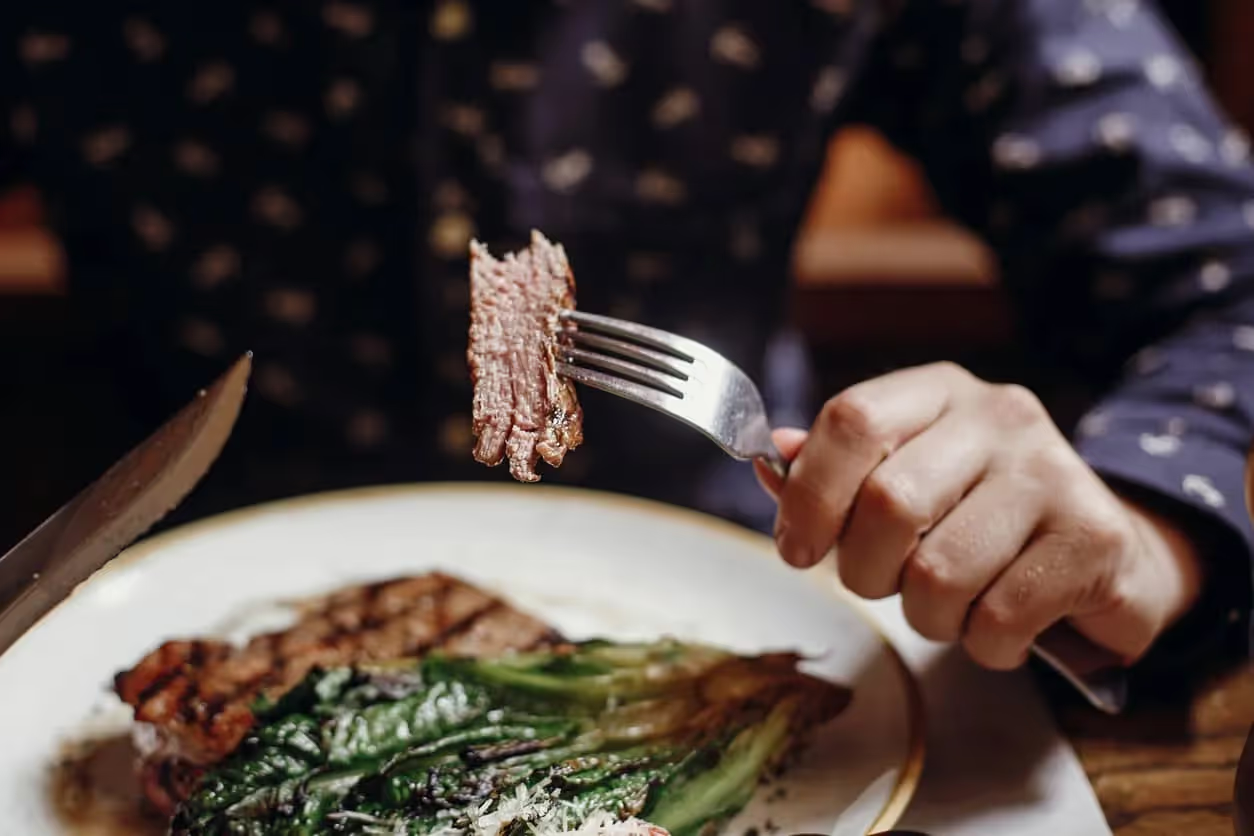
Tough meats can be tiring and challenging to bite.
As a result, you may swallow larger pieces of unchewed food.
To avoid this, try to limit your intake of tough meats, such as:
- Jerky.
- Dried sausage.
- Certain cuts of beef, goat, and mutton.
- Chewy bacon.
Softer, oblong meats like hot dogs and sausages may also be a choking hazard.
Be careful when eating these foods.
Dry, Flakey Foods
Dry, flakey foods can get stuck in your throat and cause choking symptoms.
To prevent choking while eating, try to limit your intake of these foods:
- Flakey pie crusts, including pastries like pop-tarts.
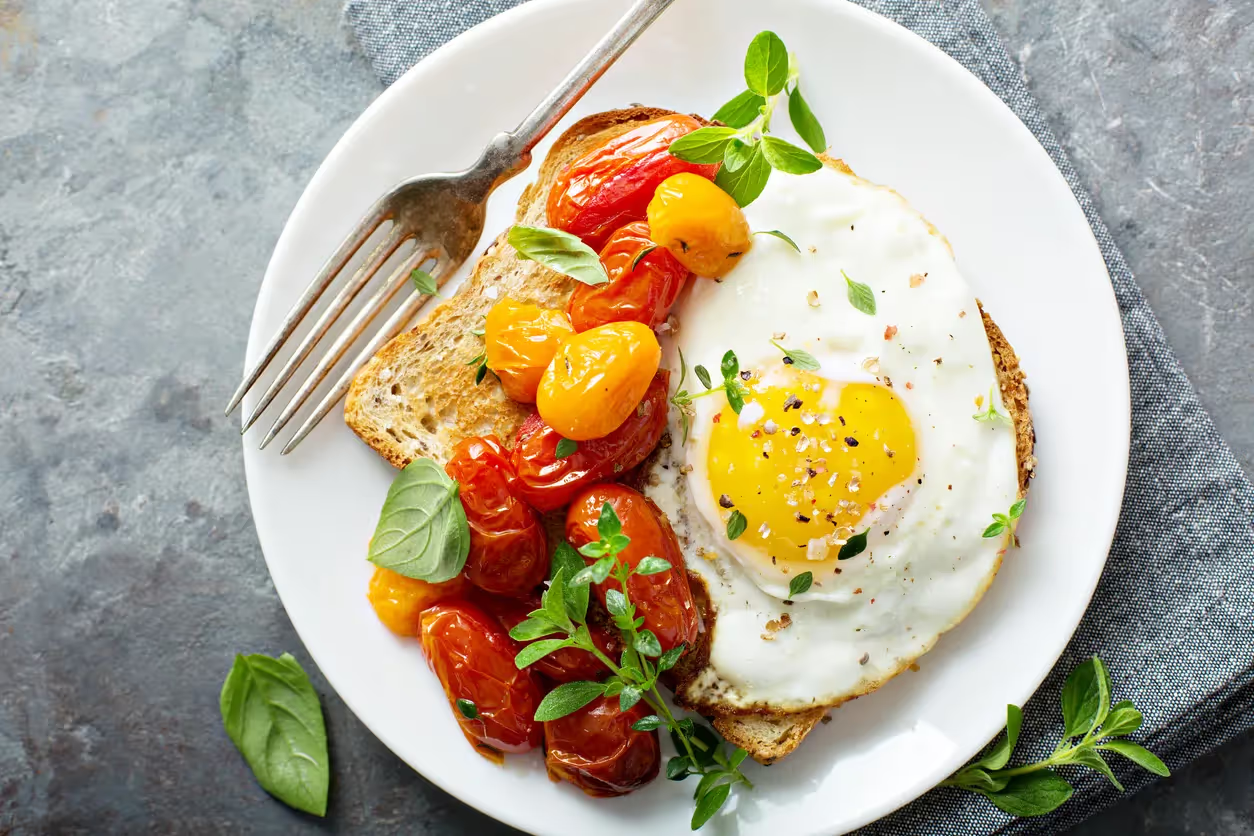
- Plain toast.
- Crackers.
- Battered foods (chicken, fish, shrimp, etc.)
- Dry cookies like biscotti or graham crackers.
Whole Fruit
Whole fruits can be very large, making them difficult to chew and swallow safely.
Try to limit your intake of whole fruits by cutting them into smaller, manageable pieces.
You may also need to remove any peels and fruit skins that could get stuck in your throat and cause you to choke.
Stringy Vegetables
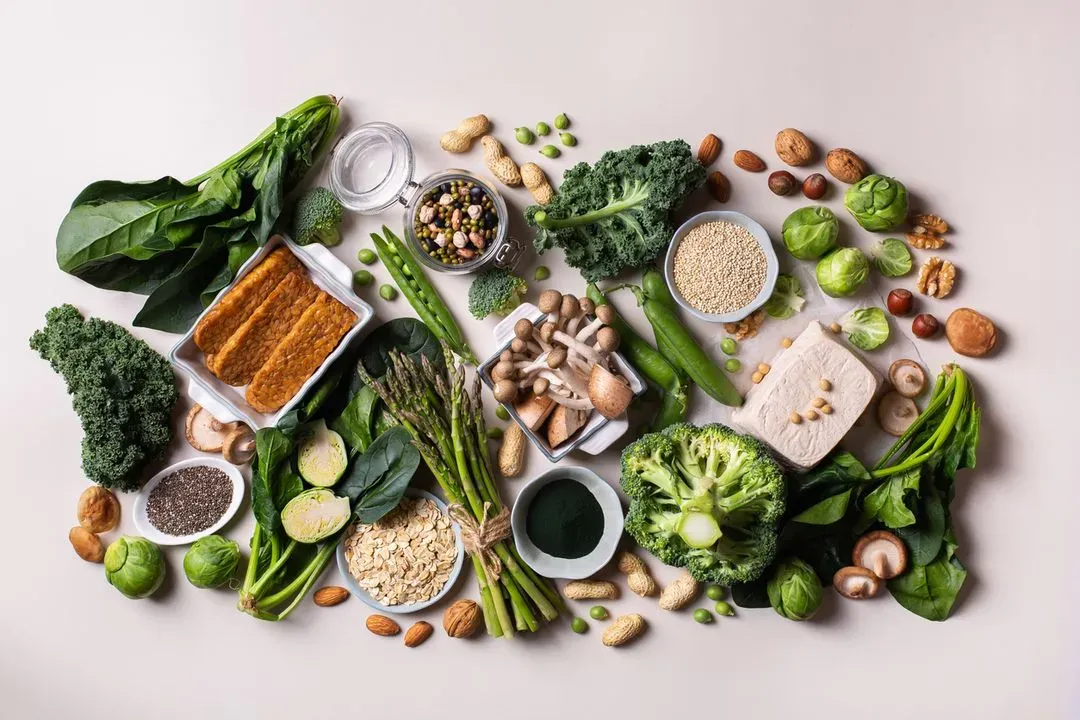
Some vegetables have stringy textures that can be hard to swallow if you have dysphagia.
Try to limit your intake of these foods:
- Celery stalks.
- Broccoli stalks.
- String beans.
- Bean sprouts.
- Asparagus stalks.
- Enoki mushrooms.
- Bok choy (particularly the white part of the stem).
What to Eat Instead
Modifying the texture of some foods may make them safer to eat.
For example, crunchy tough vegetables can be easier to swallow after they’ve been cooked and puréed—the same can apply to meats and other proteins.
Below are more foods that may fit into your eating plan.
Soft or Puréed Fruits and Vegetables
Cooking fruits and vegetables first softens them, making it easier to modify their texture.
Depending on your swallowing assessment from an SLP, you may need to blend them or fully purée into one consistent texture.
Modify these fruits and vegetables:
- Ripe bananas.
- Skinless apple and pear.
- Skinless peaches, plums, and other stone fruits.
- Mango.
- Berries (may need to be strained after blending to remove tiny seeds).
- Carrots.
- Peeled potatoes.
- Squash.
- Peas.
- Spinach.
- Skinless bell peppers.
- Parsnips.
- Cauliflower.
Moist Proteins
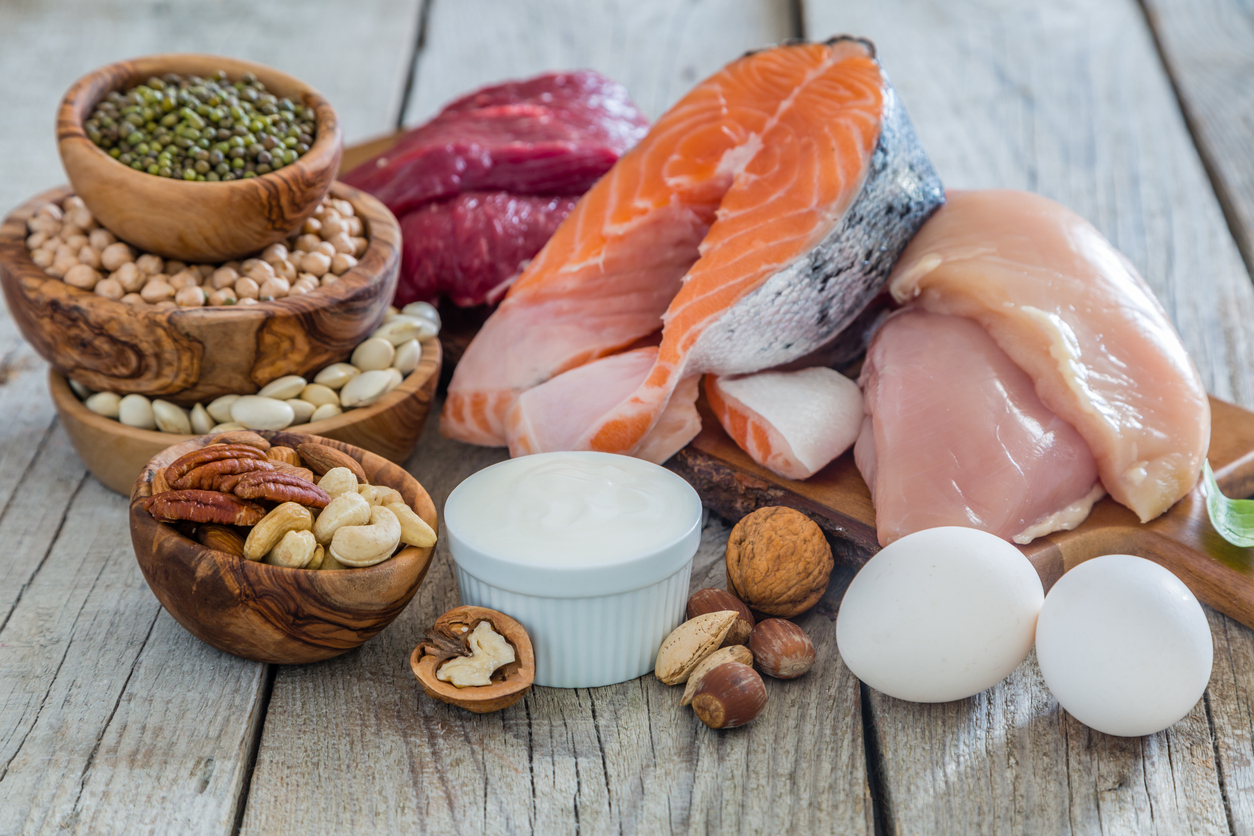
Moist proteins are well-coated with gravies or other sauces and can be easier to swallow.
Protein is essential for maintaining your muscle mass and overall health, so finding ways to eat it safely can be very helpful.
- Soft tofu.
- Tuna fish salad with mayonnaise or olive oil.
- Finely minced chicken salad.
- Moist meatloaf with gravy.
- Plain Greek yogurt (texture may need to be modified).
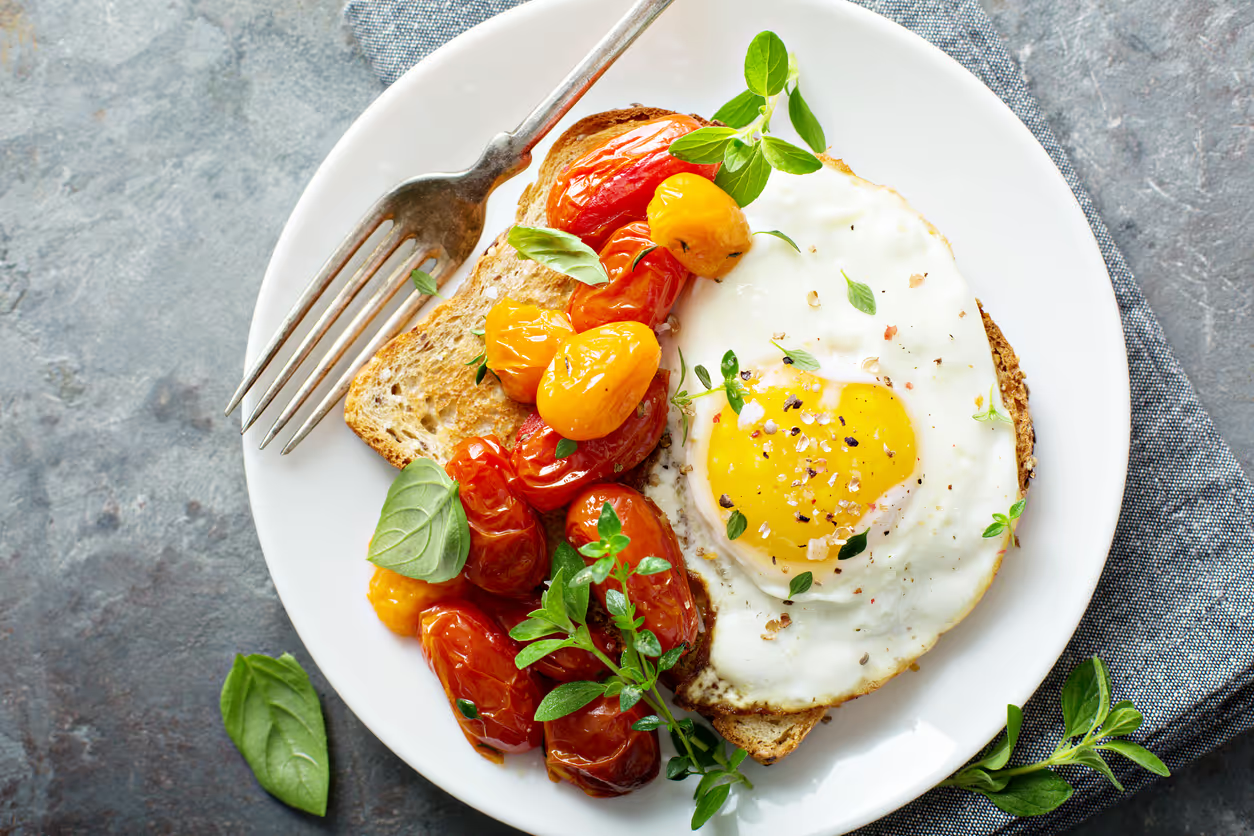
- Poached or soft-boiled eggs.
- Soft cooked beans.
Thick, Liquid-Based Foods
Liquid-based meals should have a uniform texture so they’re easier to swallow.
You may have to thicken the texture to the appropriate viscosity.
Remember to use ingredients that your healthcare team has okayed.
- Smoothies.
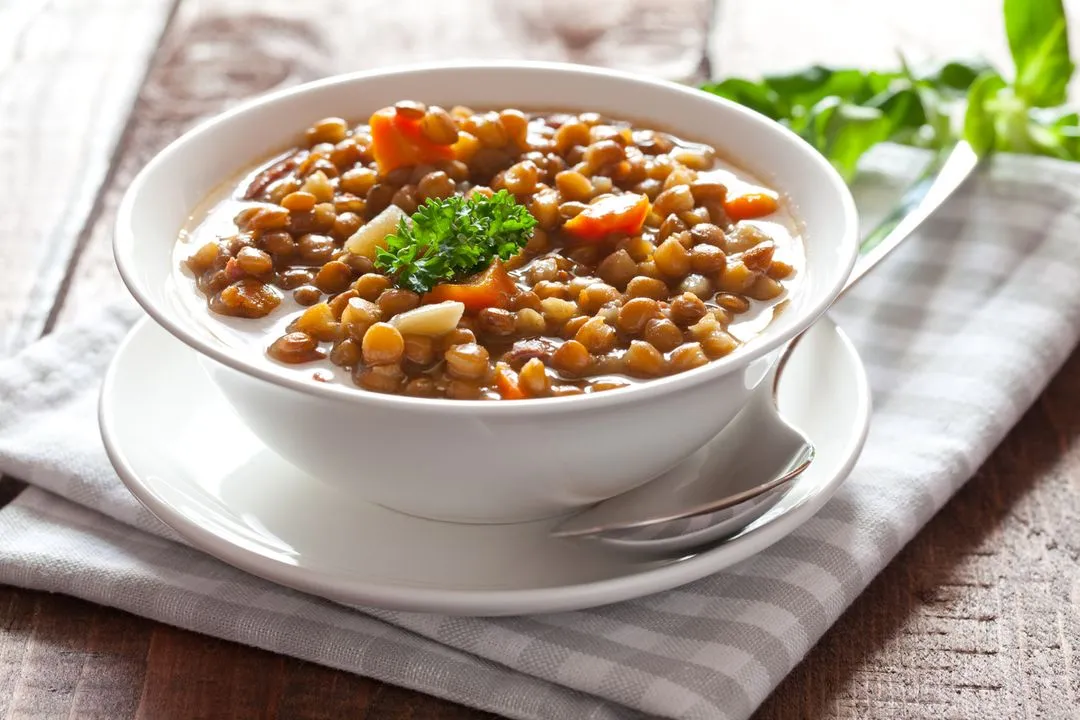
- Soups.
- Stews.
- Chilis.
- Milkshakes for dessert.
- Strained applesauce.
You can also buy meal-replacement beverages and keep them in your pantry for nights when you don’t want to cook.
Other Tips for Managing Dysphagia Symptoms with Diet
Here are some other strategies you can try to decrease dysphagia symptoms:
- Ensure meals and snacks have a uniform texture. Skins, peels, and small bits of food can get stuck in your throat and may cause you to choke.
- Eat several small meals throughout the day to reduce the chances of getting tired after one meal.
- Choose soft foods that require little to no chewing.
- Sit upright while eating and drinking. Slightly tilt your head back to aid with swallowing.
You may find it easier to eat puréed foods that are shaped to look like real food.
For example, puréed vegetables can be molded into their original shape.
The same is true for meats and carbohydrates. You can ask your dietitian for tips to do this.
Takeaway
Dysphagia refers to swallowing difficulties, and you may need to limit your intake of some of these foods to reduce the risk of choking:
- Hard, crunchy foods.
- Whole fruits.
- Stringy vegetables.
- Dry, flakey foods.
- Tough meats.
- Sticky foods.
- Thin liquids.
Modifying the texture of food and beverages may help you eat and drink safely.
For mild dysphagia, try to cook foods so they’re soft enough to be easily pierced with a fork, and serve moist proteins with plenty of sauces and gravies.
Additionally, you can blenderize or purée foods until they have a smooth, consistent texture.
For more advanced dysphagia, you’ll need to work closely with your SLP to create texture-appropriate meals.
{{splash}}
How a Dietitian Can Help
Modifying your diet to suit your swallowing abilities better is more manageable with the proper support.
A registered dietitian is a nutrition expert and licensed healthcare professional who can work with your specialist to ensure you’re well-fed while managing dysphagia.
At Nourish, you can connect with an insurance-covered online dietitian.
At every virtual appointment, you’ll have a chance to ask questions, deepen your nutrition knowledge, and learn practical ways to manage dysphagia.
Book an appointment now with Nourish.
Frequently Asked Questions
What foods should dysphagia patients avoid?
If you have dysphagia, you may want to limit your intake of these foods:
- Hard, crunchy foods.
- Whole fruits.
- Stringy vegetables.
- Dry, flakey foods.
- Tough meats.
- Sticky foods.
- Thin liquids.
What can worsen dysphagia?
Dry mouth may worsen dysphagia symptoms, which can be a side effect of medications.
Ask your healthcare provider for suggestions to reduce dry mouth.
Otherwise, your abilities must continuously be monitored if muscular function changes or declines.
What is food dysphagia?
Dysphagia can affect your ability to swallow foods and beverages.
It can be challenging to get enough nutrition if you have dysphagia, but working with the right support team can be life-changing.
References
View all references
What Is Dysphagia (Difficulty Swallowing)? | NIDCD
Wolf, D. C. (1990). Dysphagia. Clinical Methods - NCBI Bookshelf.
Level 5 Minced & Moist Food for Adults
Level 6 Soft & Bite-Sized for Adults
Level 4 Pureed Food for Adults
Level 3 Moderately Thick Liquids for Adults What is this thickness level?
Nourish has strict sourcing policies and prioritizes primary sources, including medical organizations, governmental agencies, academic institutions, and peer-reviewed scientific journals. Learn more about our medical review process and editorial guidelines.










.jpg)




















.avif)

.avif)



















.avif)

%20(1).webp)




.avif)
.avif)