10 Day High Fiber Rich Meal Plan for Better Digestion

Medical Reviewer: Christine Russell, MS, RD, LD, CDCES

Author: Julia Zakrzewski, RD
Summary
- Fiber is a non-digestible carbohydrate in many foods, including fruits, vegetables, nuts and seeds, and whole grains.
- Eating fiber-rich meals benefits digestion, blood sugar control, and cholesterol levels. It also prevents different forms of cancer.
- Adults between 18 and 50 require a minimum of 28g of fiber per day, according to the 2020-2025 American Nutrition Guidelines. Following our 10-day high-fiber meal plan can help you satisfy your fiber needs.
Fiber is an essential nutrient, and adults should aim for at least 28g of dietary fiber daily to maintain good health.
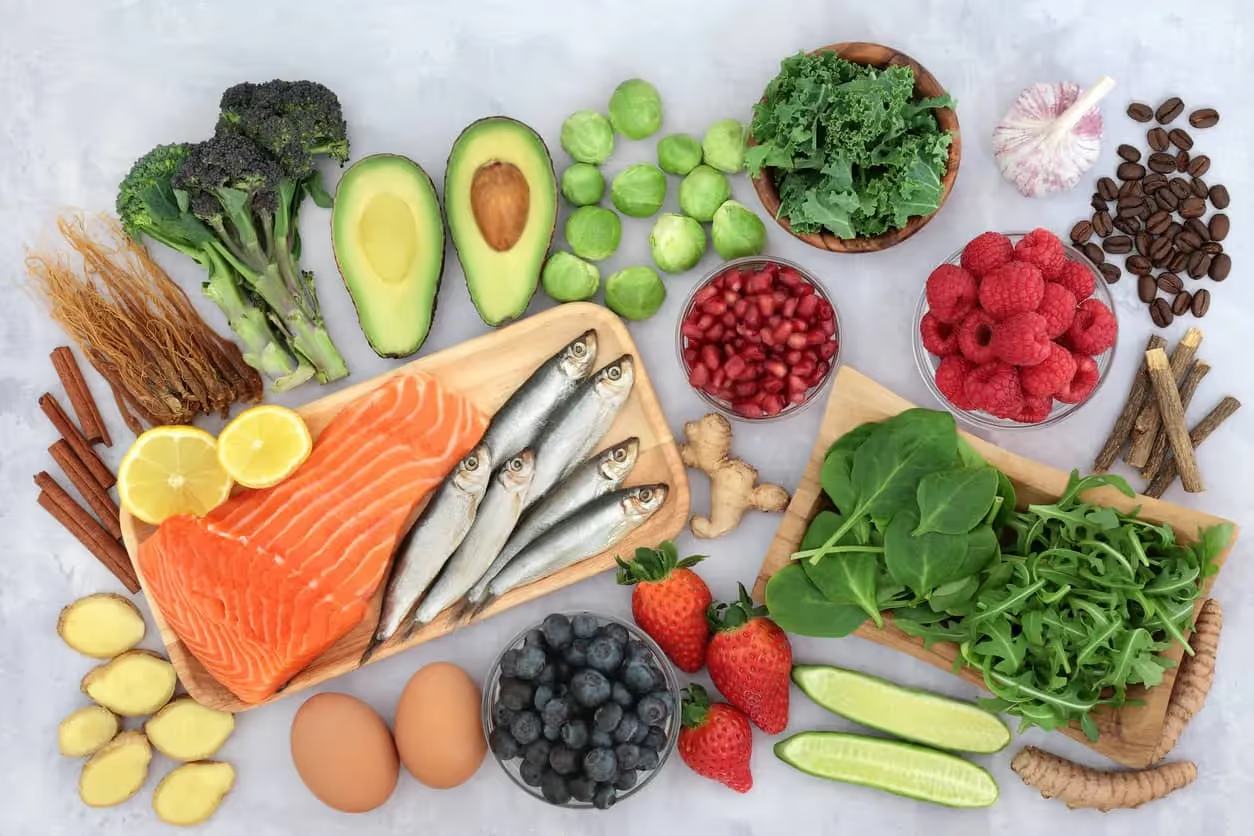
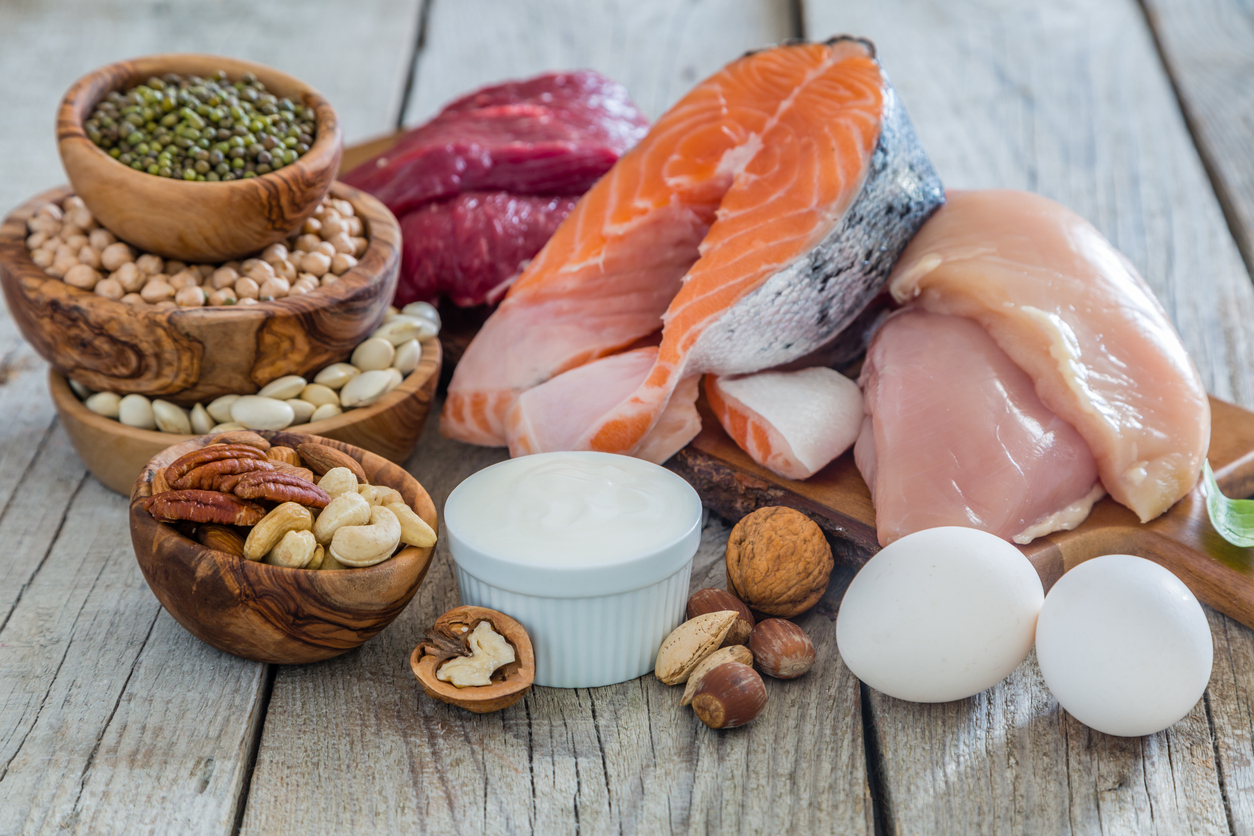
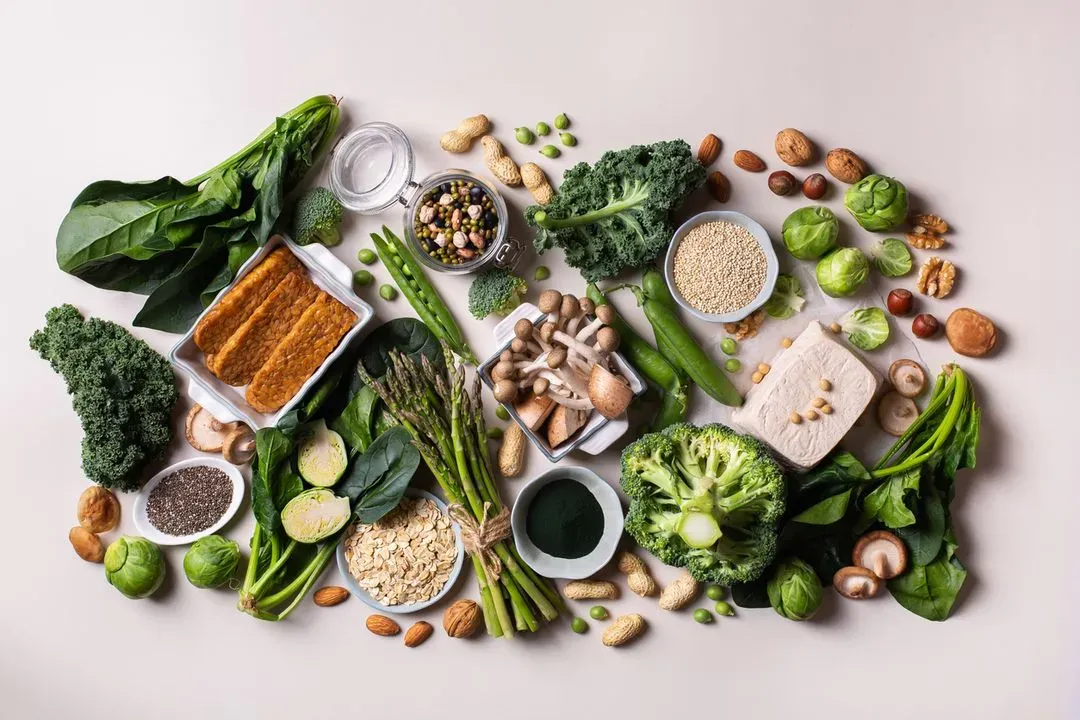
Fiber-rich foods include fruits and vegetables, nuts and seeds, and whole grains.
Regular fiber intake is linked to better digestion because it adds bulk to stool, helps you stay regular, nourishes probiotic bacteria in your gastrointestinal tract, and increases micronutrient availability by eating nutrient-dense foods.
However, you’ll need to gradually increase your fiber intake over a few weeks to minimize the risks of digestive symptoms such as bloating, cramping, or stool changes (which could be diarrhea or constipation).
Keep reading to learn more about the beneficial effects of fiber, and try our 10-day high-fiber meal plan for better digestion.
{{splash}}
Benefits of a High-Fiber Diet
Several health benefits are linked to high fiber intake.
Well-documented health outcomes related to fiber intake include:
- Serves as prebiotics for your healthy gut bacteria (probiotics).
- Reduces your risk of colorectal cancer and possibly breast cancer.
- Supports healthy blood sugar levels by slowing down how quickly glucose molecules from food enter your bloodstream.
- Promotes satiety because fiber is digested slowly. This may contribute to weight management.
- Lowers cholesterol levels through soluble fiber intake (through food sources or supplements).
Some medical conditions may benefit from a high-fiber eating pattern.
For example, people with ulcerative colitis may experience fewer flare-ups following a low-fat and high-fiber diet.
What to Eat on a High-Fiber Diet
There are two types of fiber: insoluble and soluble, and both are essential for a balanced eating pattern.
Most foods naturally contain both fibers, making it easier to satisfy your needs through food.
- Insoluble fiber can’t be digested. It provides bulk to your stool and promotes regular bowel movements. Food sources include:
- Cereals
- Whole grains
- Nuts and seeds
- Vegetables with high cellulose (complex carbohydrate) levels: celery, zucchini, green beans, cauliflower, etc.
- Fruit peels.
- Fruit with edible seeds: raspberries, kiwi, etc.
- Soluble fiber creates a gel-like texture after eating, slowing stool transit time. It aids with bacteria fermentation in the digestive tract, cholesterol uptake, blood pressure, and blood glucose. Food sources include:
- Oats
- Beans
- Peas
- Many fruits and vegetables: apples, bananas, broccoli, and root vegetables, including carrots, potatoes, turnips, etc.
To meet your daily fiber requirements, choose foods that appeal to your taste buds, fit within your budget, and complement your cooking skills.
If you don’t enjoy these foods, ask your dietitian if a fiber supplement is appropriate.
How Much Fiber to Eat
The most recent USDA Dietary Guidelines noted that more than 90% of women and 97% of men aren’t meeting recommended dietary fiber goals.
These numbers are staggeringly high.
You can increase your fiber intake by making small dietary changes, like adding nuts and seeds to your salads or choosing whole grains over refined products.
High-Fiber Meal Plan
Spreading your fiber intake across several meals can make it easier to hit your daily goal.
Aim for 10g at breakfast, lunch, and dinner.
You can also top off nutritional intake by including fiber-rich foods as snacks.
Below is an example of a 10-day meal plan filled with high-fiber foods.
The serving sizes may vary depending on your needs, and a registered dietitian can help you build an eating plan that satisfies your nutrition requirements.
{{splash}}
Day 1
Breakfast
Boiled oats with mixed berries, nuts and seeds, and unsweetened coconut flakes.
Lunch
Tuna salad sandwich (mayonnaise, diced celery, pickles, and onion) on whole grain bread.
Add lettuce, sliced avocado, fresh tomato slices, and a squirt of grainy mustard.
Enjoy fresh fruit on the side.
Dinner
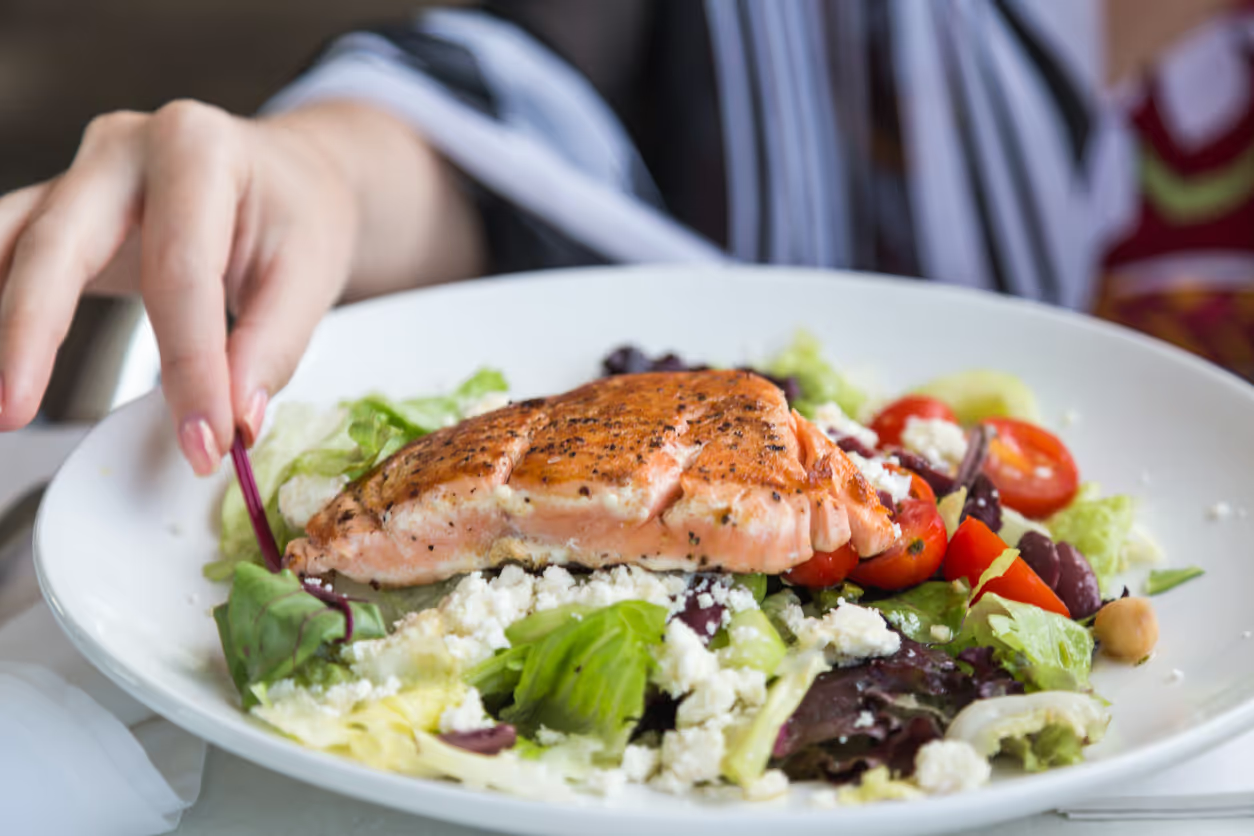
Baked salmon with roast potato, onion, and bell pepper.
Serve fish over boiled quinoa.
Add a leafy green salad with tomatoes, cucumber, feta cheese, and sunflower seeds.
Snacks
Roasted chickpeas; fresh apple slices with nut butter
Day 2
Breakfast
Bran bud cereal mixed with Cheerios, diced apple, and slivered almonds.
Use animal or plant-based milk.
Lunch
Whole grain pita wraps with egg salad (mayo, hard-boiled eggs, diced sweet onion), lettuce, freshly sliced tomato, and cheddar cheese slice.
Add a yogurt cup on the side with fresh fruit and mixed nuts.
Dinner
Black bean bowl served with ½ cup of boiled wheat berries, corn, diced red pepper, arugula, red onion, and feta cheese.
Dress with a mix of olive oil, red wine vinegar, fresh garlic, and salt and pepper to taste.
Snacks
Fresh-cut celery sticks with hummus; whole-grain crackers with sliced cheese.
Day 3
Breakfast
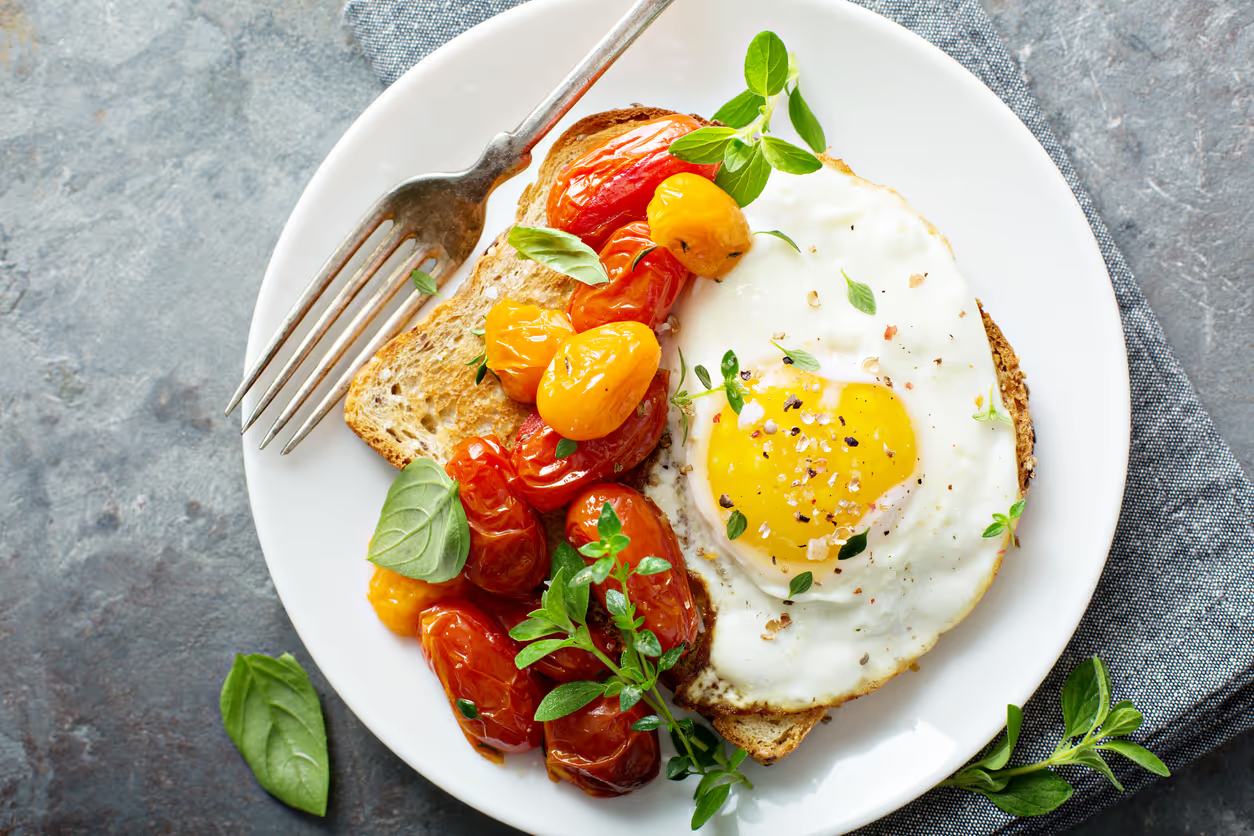
Breakfast sandwich with a whole grain English muffin, lightly fried egg, rocket, tomato, cheese, and red onion.
Spread mayo on the bread and season with black pepper.
Add a side of fresh-cut melon.
Lunch
Kale salad with white beans.
Add sliced fennel, apple, dried cranberries, pumpkin seeds, slivered almonds, and feta cheese to the salad.
Dress with olive oil, apple cider vinegar, maple syrup, garlic, and black pepper.
Dinner
Baked chicken thighs served over brown rice.
Add homemade slaw on the side by mixing shredded carrot, red cabbage, napa cabbage, and sweet onion.
Dress with olive oil and white vinegar.
Snacks
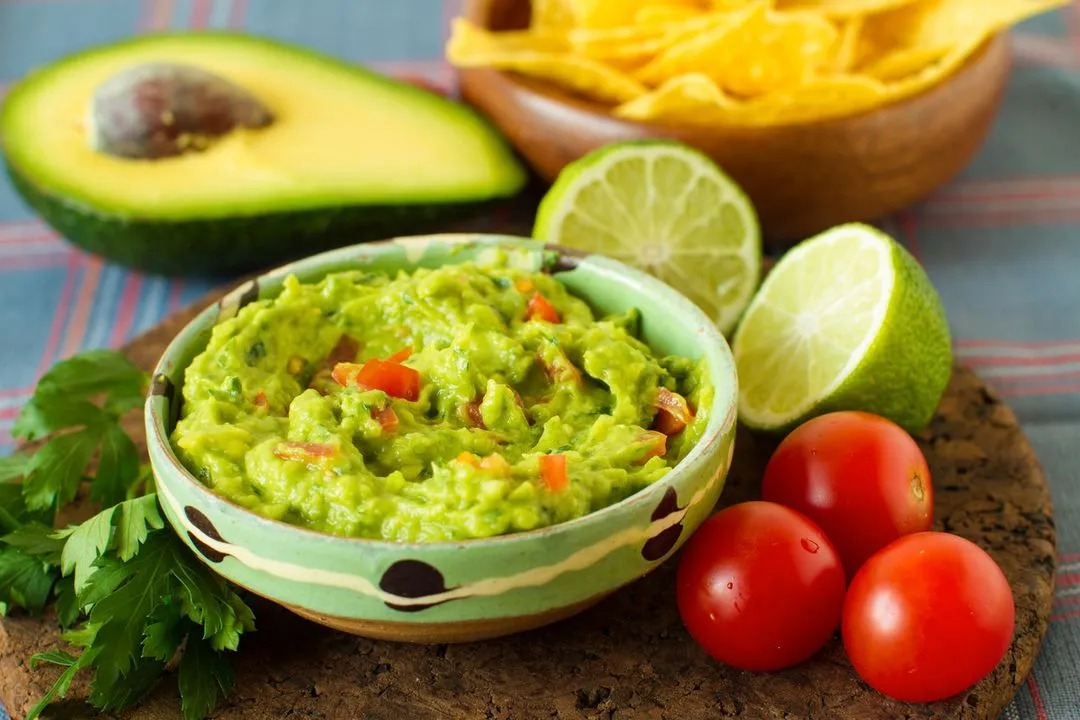
Carrot sticks with avocado dip; and air-popped popcorn.
Day 4
Breakfast
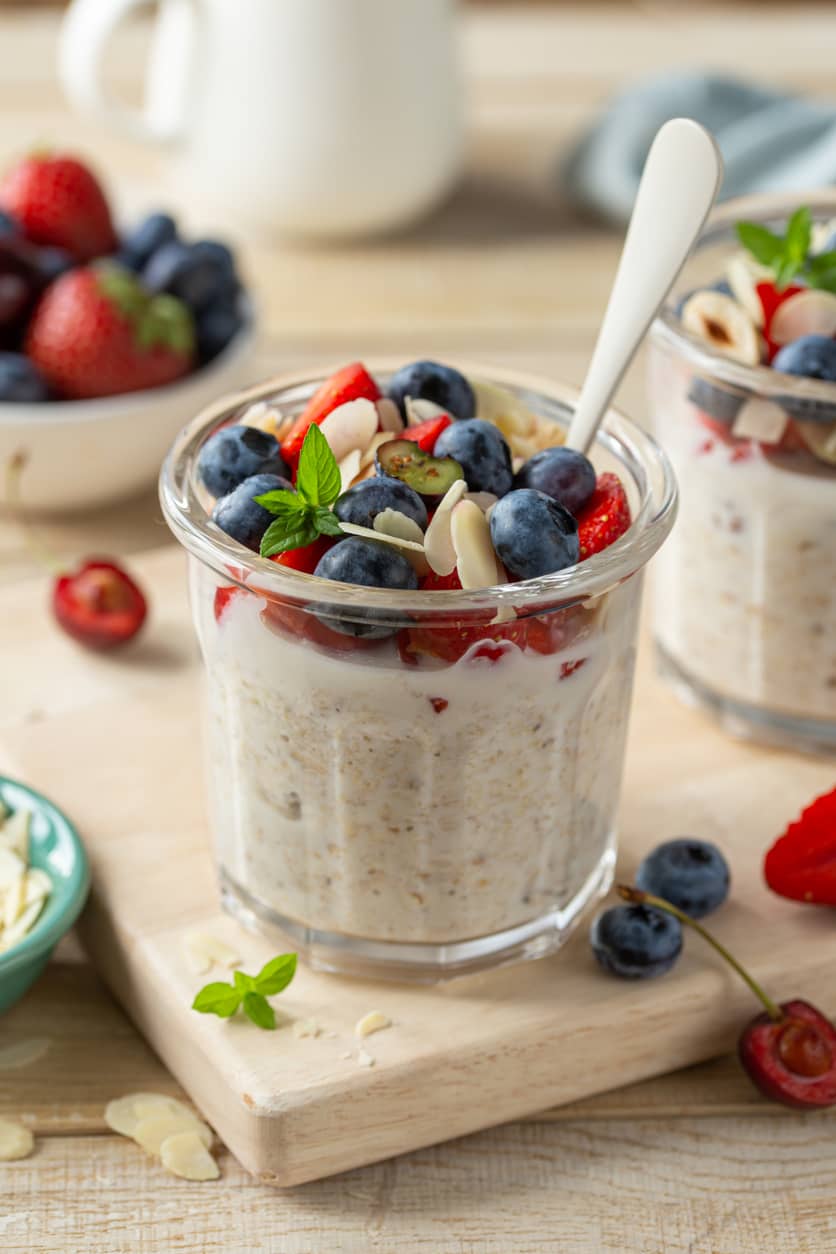
Overnight oats with oatmeal, chia seeds, nut butter, fresh mango, and ground flax seeds.
Make with plant or animal-based milk.
Lunch
Curried chickpea burgers (mash chickpeas, egg, panko crumbs, fresh mint, and parsley) served on a whole-grain bun.
Top with fresh lettuce, tomato, pickle, and red onion.
Dress your bean burger with mayo, ketchup, and mustard. Add fresh fruit on the side.
Dinner
Three-bean chili with black bean, kidney bean, and white bean.
Add diced tomato, dry quinoa, onion, garlic, carrots, green peppers, and corn.
Season with chili and garlic powder, and add one piece of dark chocolate for extra flavor.
Optional: serve chili with a whole grain bun.
Snacks
Soy nuts with fresh fruit; whole-grain crackers with leftover tuna salad.
Day 5
Breakfast
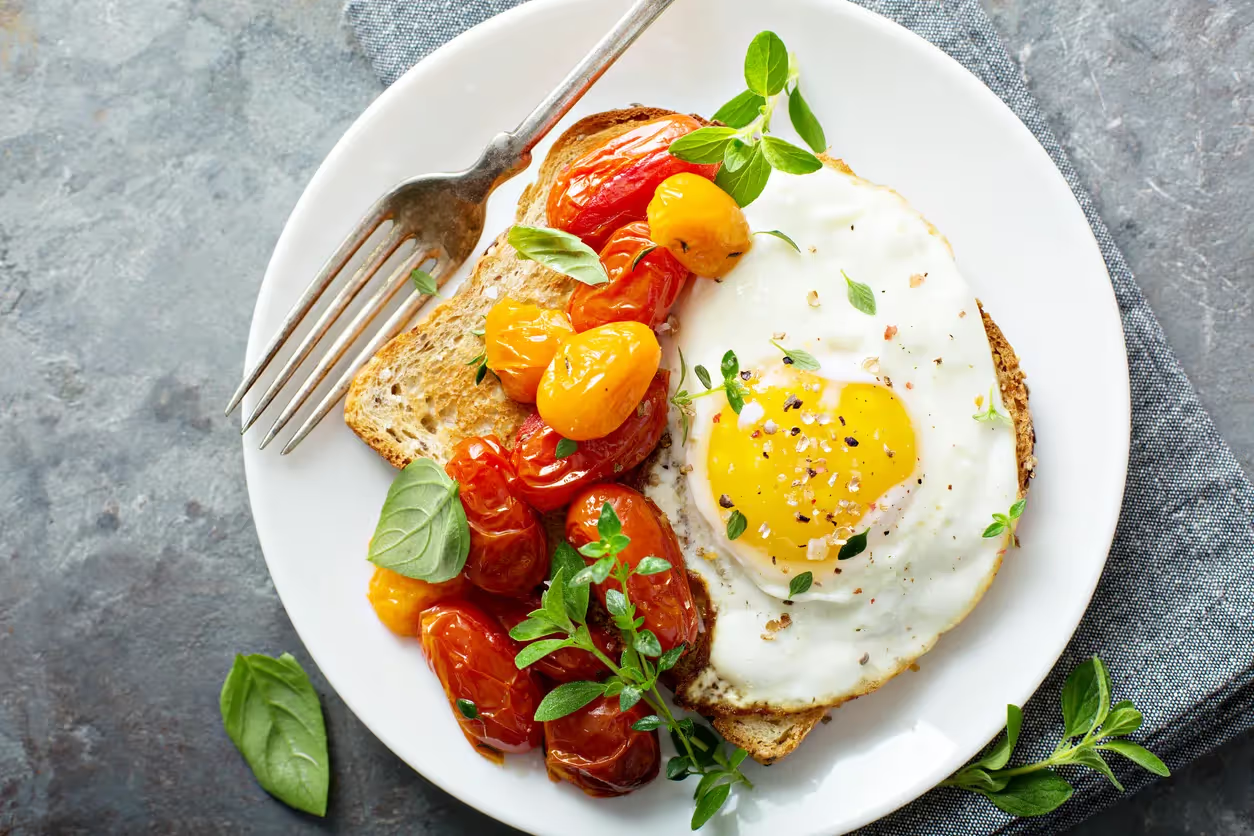
Egg omelet with spinach, sundried tomato, and onion.
Serve on whole grain toast with fresh fruit on the side.
Lunch
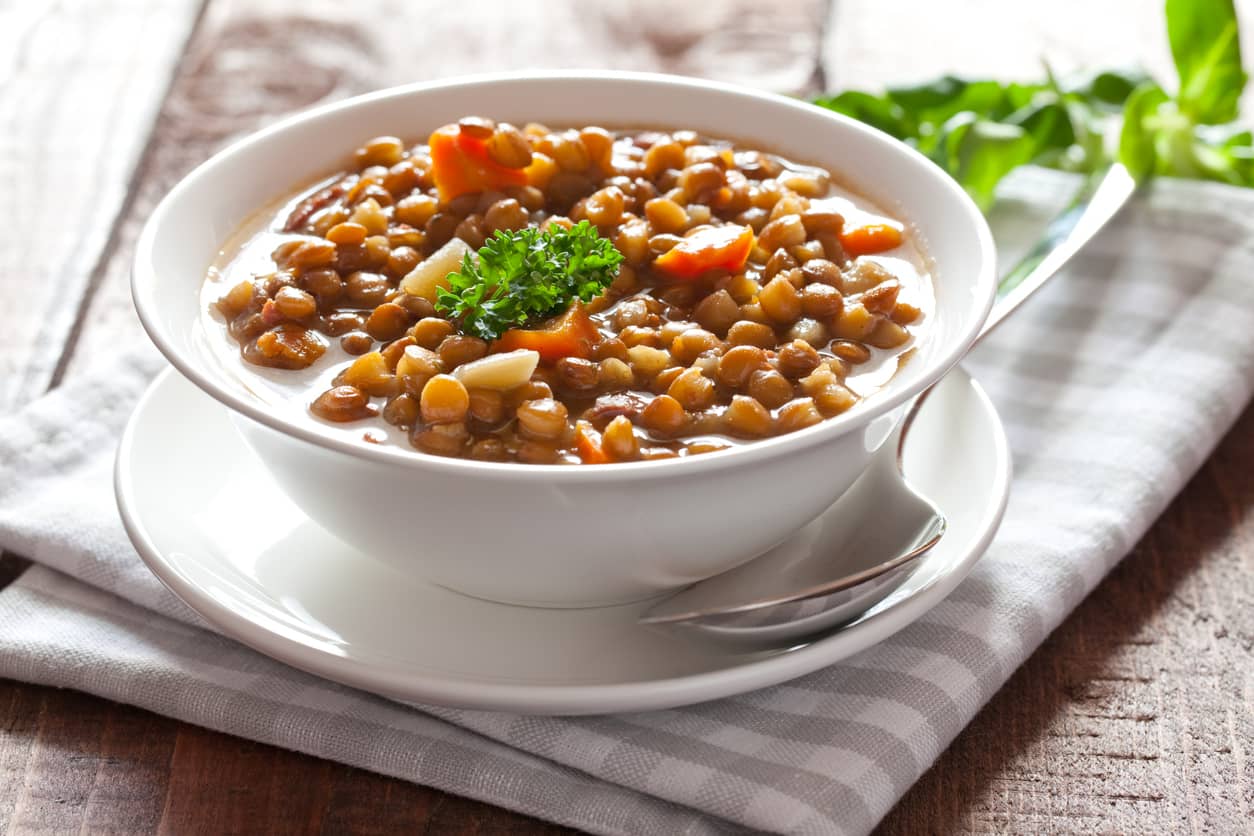
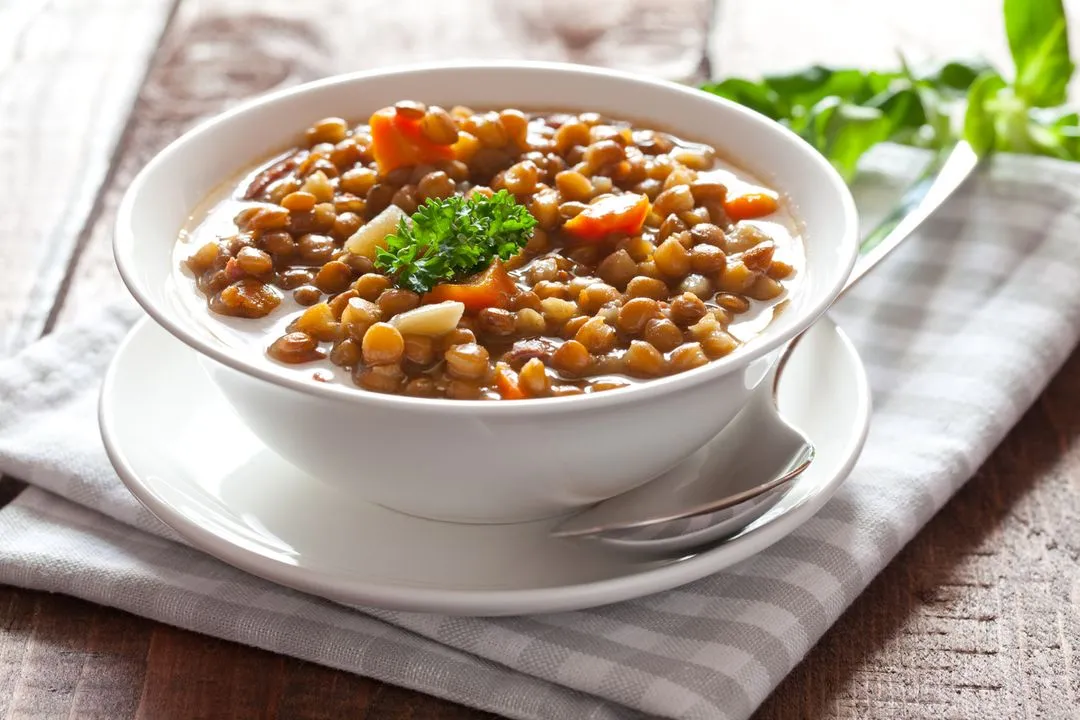
Lentil soup with onion, garlic, red pepper, sweet potato, lemongrass, almond butter, vegetable stock, and harissa spice blend (a Moroccan mix that includes minty and spicy flavors. If you can’t find this product, try red chili flakes).
Serve with a side of fresh-cut vegetables.
Dinner
Cabbage roll casserole with cabbage, extra lean ground beef, rice, salt and pepper, and onion powder.
Smother with store-bought or homemade tomato sauce.
Snacks
Roasted chickpeas; fresh red pepper with hummus.
Day 6
Breakfast
Avocado smoothie with mixed frozen berries, oatmeal, Greek yogurt, and ground flax seed.
You can add water or ice to thin your mix if needed.
Lunch
Whole grain wrap with sprouts, hummus, shredded carrots, spinach, and baked falafel.
Dress with tahini sauce and hot peppers if you enjoy spicy toppings. Serve with a side of fresh fruit.
Dinner
Edamame stir fry with shrimp, napa cabbage, red pepper, bok choy, sesame seeds, onion, and garlic.
Serve over brown rice.
Snacks
Air-popped popcorn; apple slices with nut butter.
Day 7
Breakfast
Millet porridge with mixed berries, almonds, and walnut pieces.
Add a dollop of plain Greek yogurt if you enjoy a creamier texture.
Lunch
A modified California salad with spinach, avocado, cucumber, strawberries, feta cheese (or blue cheese), toasted nuts, and bean sliders.
Dress with olive oil and balsamic vinegar mix.
Serve with a side of fresh fruit.
Dinner
Turkey meatballs served with whole wheat pasta.
Add vegetables to your red sauce, such as spinach, onions, diced zucchini, and eggplant. Garnish with parmesan cheese and fresh parsley.
Snacks
Whole grain cracker with hard-boiled egg; yogurt cup with fresh fruits and nuts.
Day 8
Breakfast
Whole wheat pancakes with hemp hearts, served with banana and mixed nuts.
Lunch
Whole wheat flatbread pizza with roasted eggplant, red pepper, sweet onion, goat cheese, and sliced chicken breast.
Drizzle olive oil, balsamic reduction, and fresh cilantro before eating.
Dinner
Sheet pan tofu with broccoli and asparagus.
Serve over brown rice and dress with a homemade sauce using sesame oil and seeds, chopped garlic, grated ginger, maple syrup, and hot sauce.
Snacks
Apple slices with nut butter; roasted chickpeas.
Day 9
Breakfast
Whole grain toast with sliced avocado, diced tomato, sprouts, lemon juice, black pepper, and hemp hearts.
Add fresh orange slices on the side.
Lunch
Minestrone soup with kidney beans, whole wheat shell pasta, tomato, carrots, onions, and garlic.
Season with fresh basil and grated parmesan cheese.
Add whole-grain crackers on the side with cheese.
Dinner
Slow-cooker pork roast served with baked Brussels sprouts, carrots, and broccoli.
Season vegetables with dry thyme, garlic powder, and freshly grated parmesan.
Serve over buckwheat, and add a pinch of salt to taste.
Snacks
Cauliflower florets with hummus; whole-grain crackers with black bean dip.
Day 10
Breakfast
Tofu scramble with shredded kale, diced tomatoes, ground flax, red onion, and basil.
Dress with tahini sauce and olive oil.
Serve with fresh fruit on the side.
Lunch
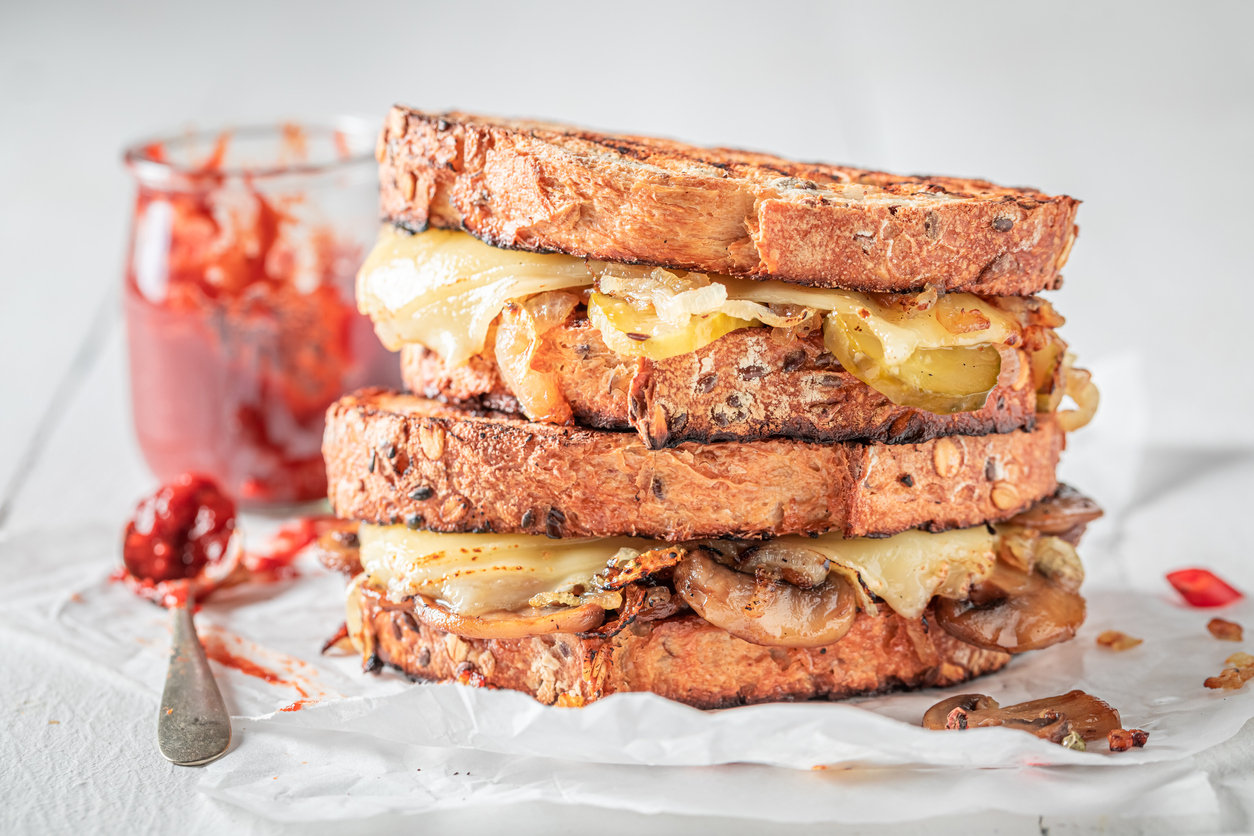
Grilled cheese sandwich using whole grain bread. Add sauerkraut or kimchi to the sandwich before grilling.
Serve with carrot and celery sticks and hummus.
Dinner
Grilled tilapia with mango salad, served with wild rice.
Add shredded kale salad and roasted sweet potato.
Snacks
Carrot sticks with avocado dip; air-popped popcorn.
For more gut-friendly meal ideas, read our 11 dietitian-approved gut health breakfast ideas.
{{splash}}
Takeaway
Eating fiber-rich foods can improve your digestive health by keeping you regular, maintaining a healthy gut microbiome, and allowing your body to absorb essential micronutrients necessary for optimal health.
Gradually increase your fiber intake so your digestive system has a chance to adjust, and be sure to drink plenty of water to help keep things moving along smoothly.
If you feel constipated or experience loose stools, gas, or bloating—you may need to ease off the fiber and make slower changes to your diet.
Work With a Dietitian
A registered dietitian is a nutrition expert and licensed healthcare professional.
They offer individualized nutrition advice to help you modify your diet and achieve your health goals.
Find a dietitian near you to start making nutrition changes that support a healthy digestive system.
Frequently Asked Questions
References
View all references
Nourish has strict sourcing policies and prioritizes primary sources, including medical organizations, governmental agencies, academic institutions, and peer-reviewed scientific journals. Learn more about our medical review process and editorial guidelines.










.jpg)




















.avif)

.avif)




















.avif)

%20(1).webp)





.avif)
.avif)