How To Eat Vegetables When You Hate Them

Medical Reviewer: Blair Kott, MDA, RD, LD

Author: Julia Zakrzewski, RD
Summary
- Vegetables are a staple in a balanced diet—but they also have intense flavors and unique textures you may not like.
- You don’t need to love all vegetables to be healthy, but trying new recipes might increase their appeal and help you eat them more regularly.
- If you gag when you eat vegetables (or any food group), you may want to consult a specialist to address potential sensory food aversions.
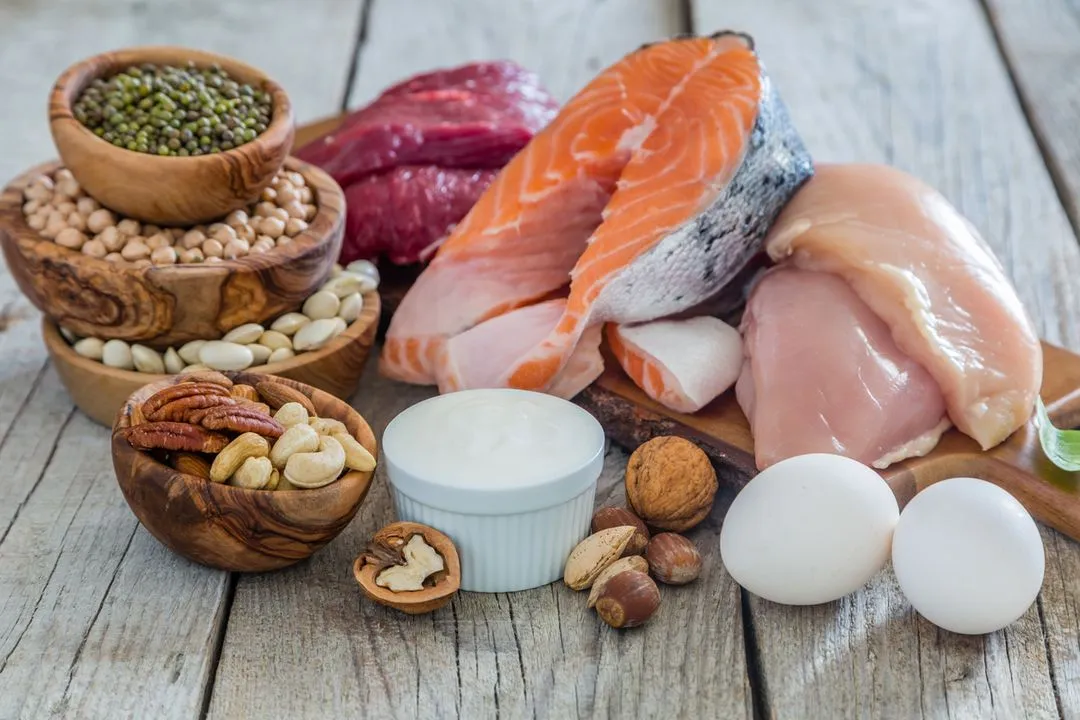
The USDA nutrition guidelines recommend eating a balanced diet to be healthy.
Meals should include lean protein, healthy fats, whole grains, fruits, and plenty of vegetables.
Research shows that a vegetable-rich diet (2-3 cups per day) supports a healthy immune system and decreases the risk of type 2 diabetes and cardiovascular conditions.
However, some people don’t like the taste and texture and struggle to eat them consistently.
Fortunately, there are many ways to prepare vegetables to enhance their appeal.
Baking, roasting, grilling, or blending them into sauces and smoothies are a few cornerstone techniques.
You might have to get your hands dirty to find a recipe you love, but the health benefits of eating more vegetables outweigh the potential mess you’ll make in the kitchen.
Keep reading to learn easy tips to eat more vegetables when you hate them.
{{splash}}
Tips for Incorporating More Vegetables Into Your Meals
Picky eating commonly develops in childhood and can stay with you into adulthood.
Picky behaviors include pushing your vegetables to the side of the plate and refusing to try new ones.
However, adding variety to your meals by incorporating more vegetables is essential for your long-term health.
Below are tips to get you started.
Convenience is King
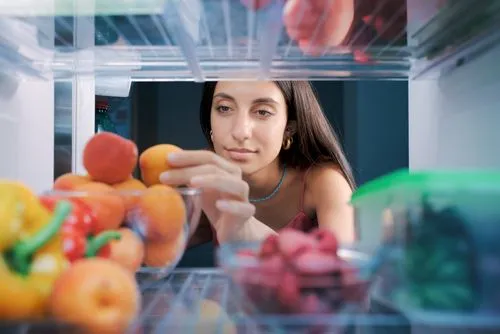
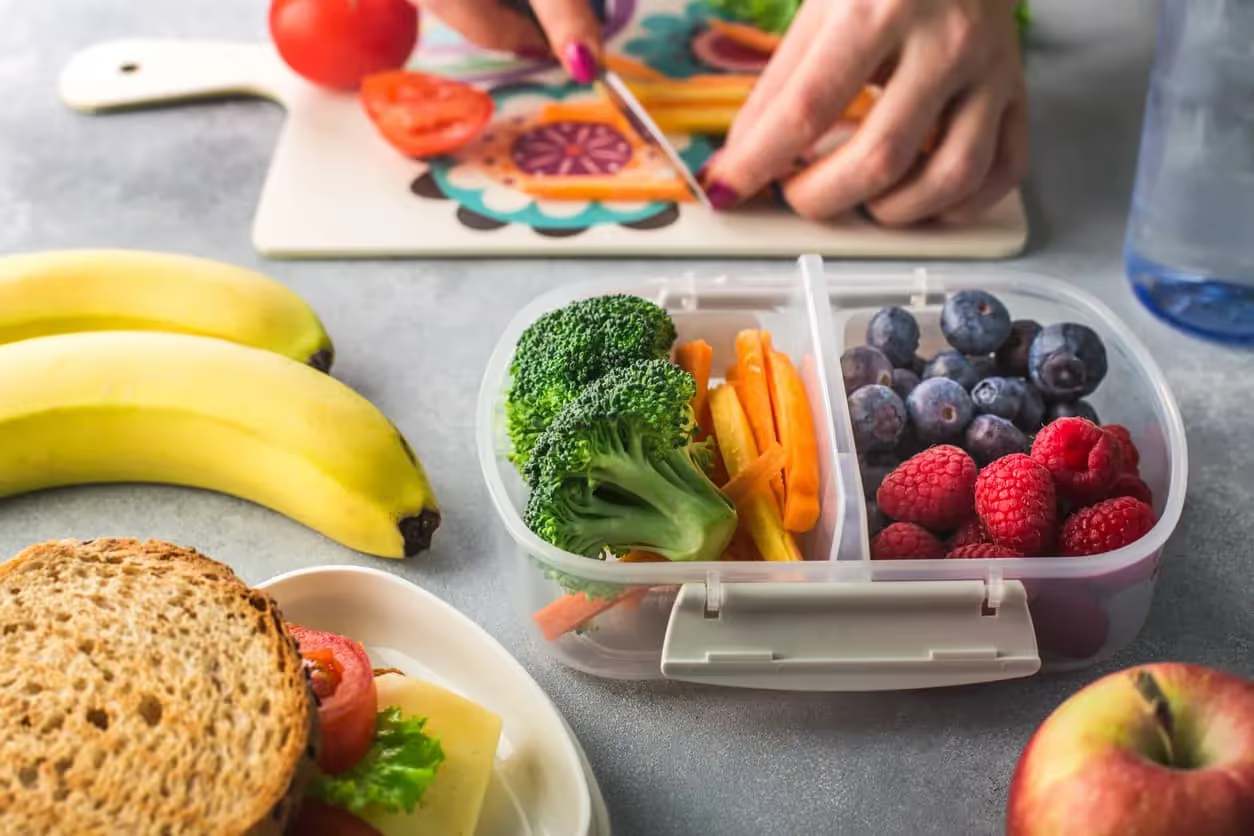
You’re more likely to eat nutritious foods when accessible, so make vegetables as convenient as possible.
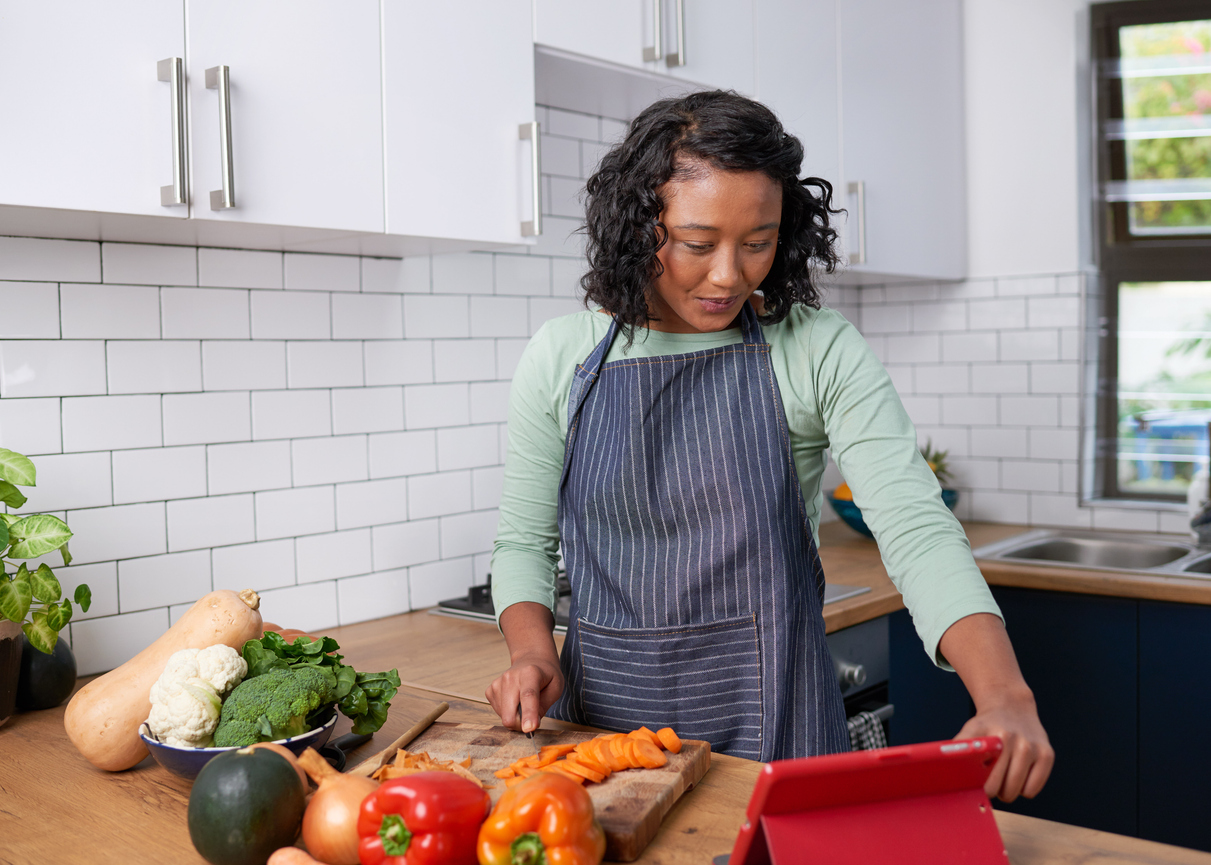
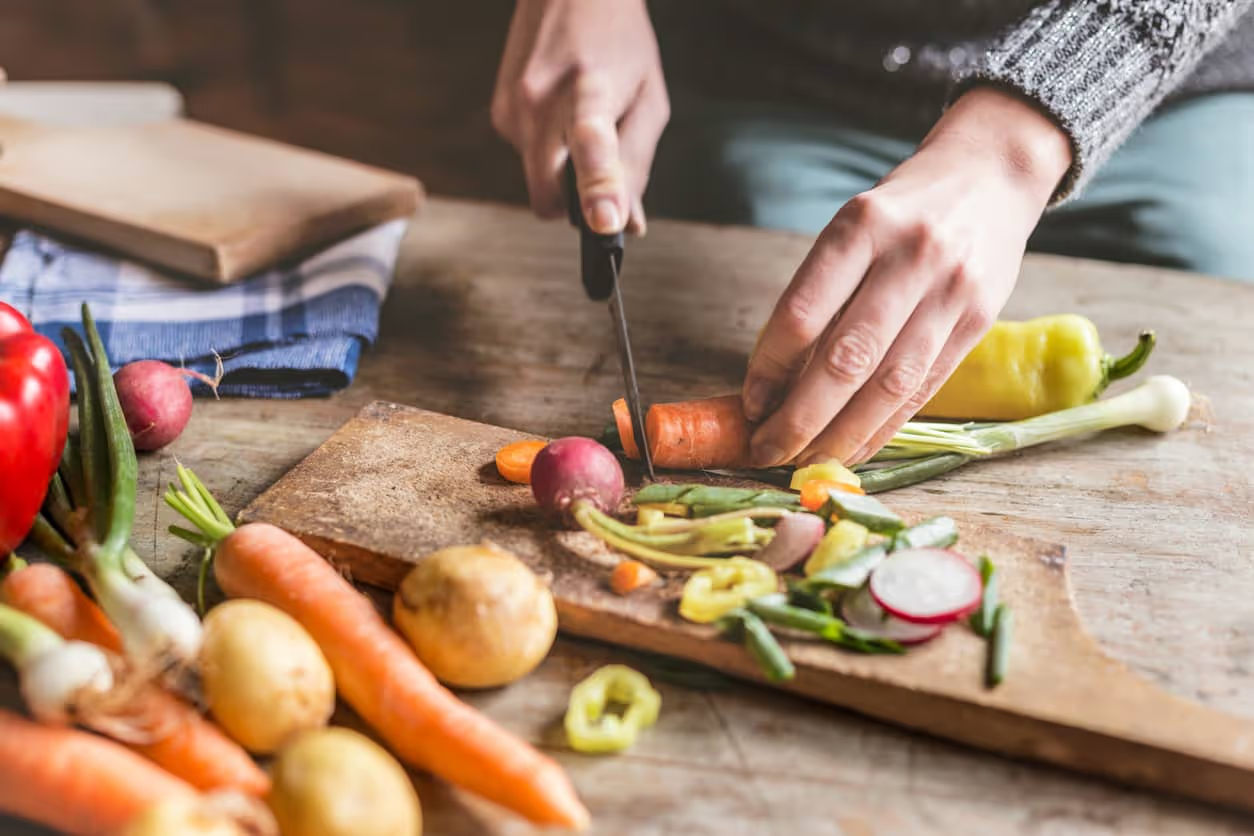
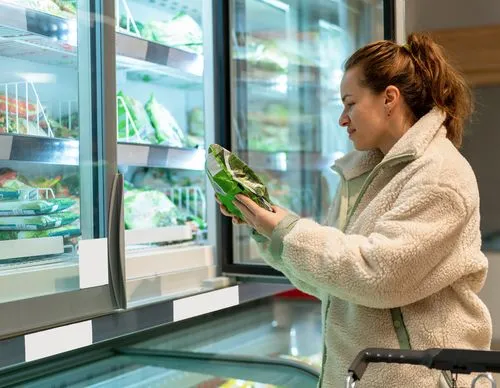
If you can’t stand washing and cutting vegetables (or physically can’t complete these tasks), buy frozen, canned, or freshly chopped options at the store.
Pair Them With Foods You Love
Feeling excited to eat your food is vital in a sustainable eating plan.
Instead of serving a plate of vegetables, pair them with other favorite foods so you’re excited to eat the whole meal.
Examples might include carrot sticks alongside crackers with peanut butter or a side salad served with pizza.
Choose Mild Flavors to Start
If you can’t tolerate intense flavors, try to pick mild-tasting vegetables more often.
Options include freshly sliced cucumber and crunchy sweet peas.
Contrastingly, strong-tasting vegetables are described as having a bitter undertone; examples include cabbage, Brussels sprouts, and kale.
Repetition Helps
Repeated exposure to vegetables may help you like them more.
Research suggests that children must be exposed at least seven times before accepting a new vegetable, and adults will be highly individualized.
Try to aim for a minimum of three attempts—if the first one doesn’t taste good, choose a new recipe and try again.
You may enjoy the vegetable once you learn how to prepare it.
{{splash}}
Think Outside the Box
You can add vegetables to any meal, including breakfast and dessert.
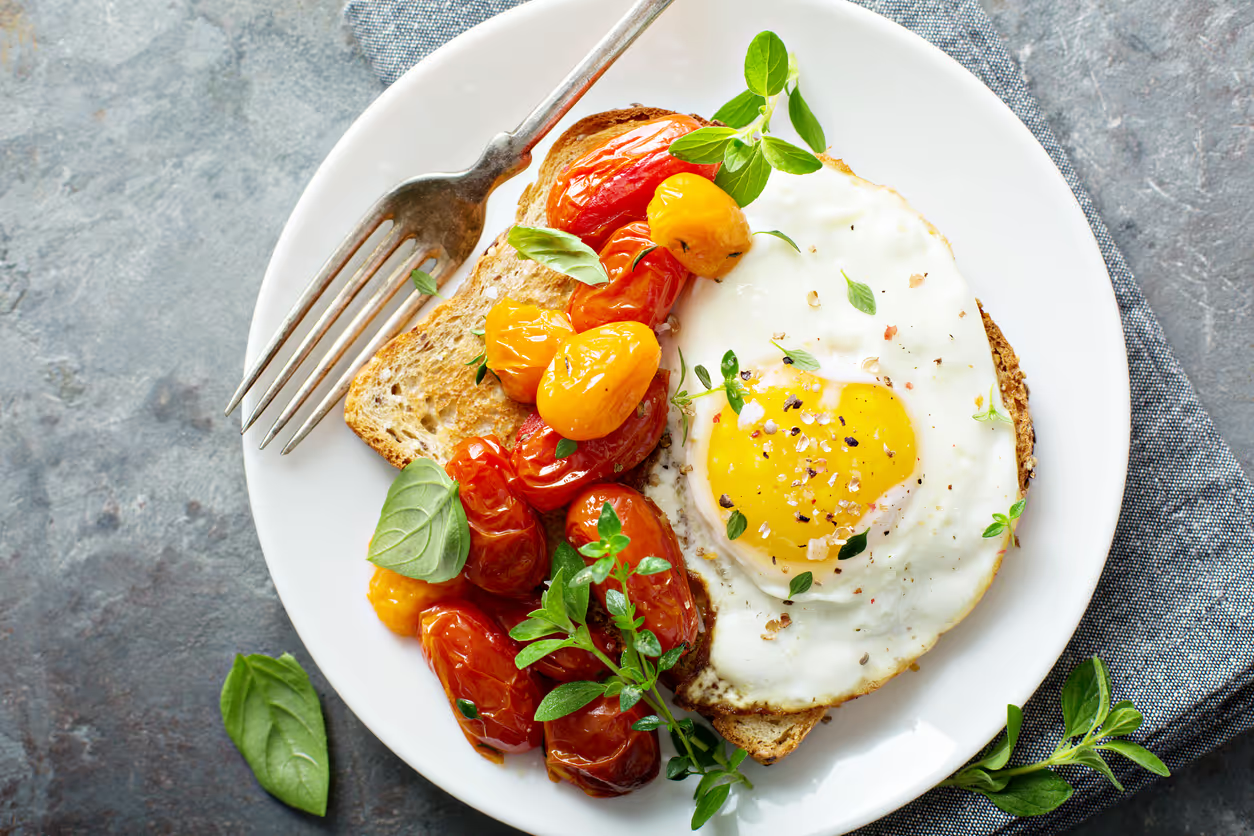
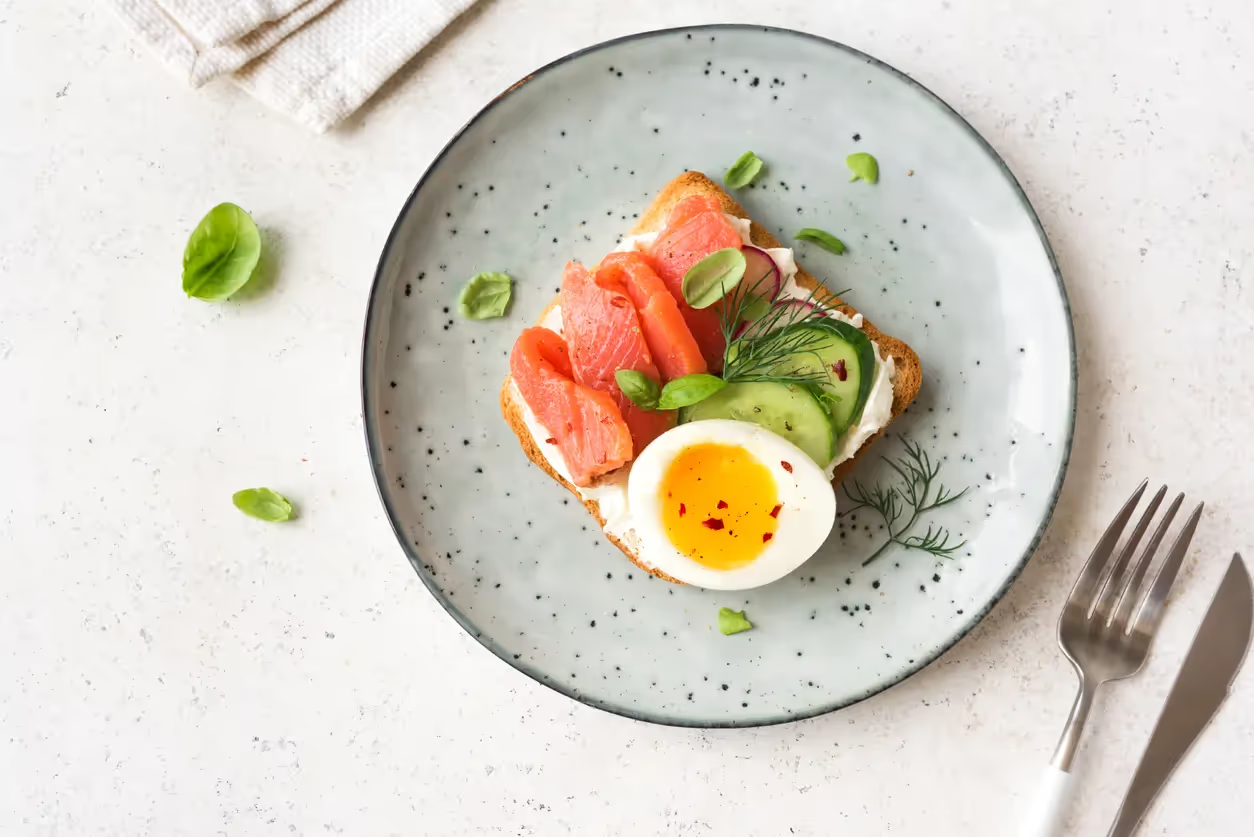
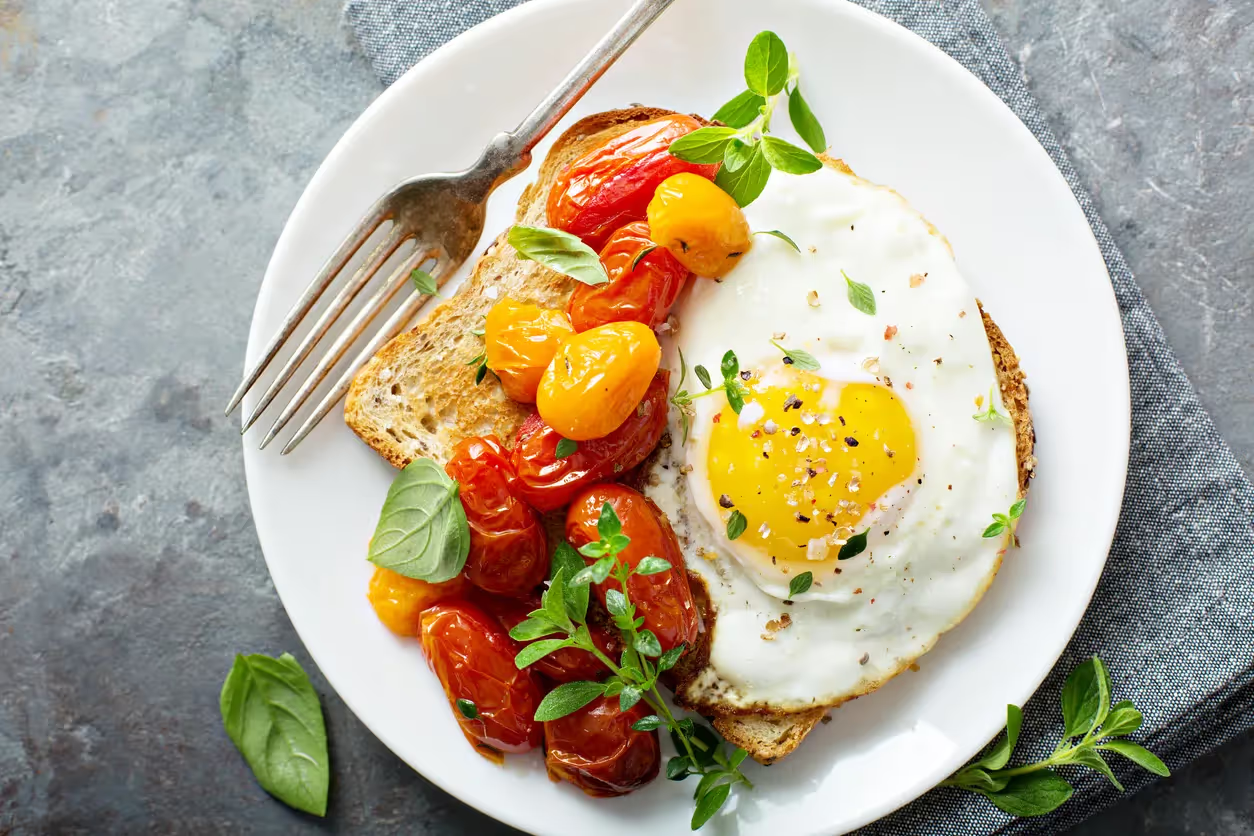
Add a slice of tomato to an egg sandwich, or add shredded vegetables to your muffins and loaves if you love baking.
Foods to Add Vegetables To
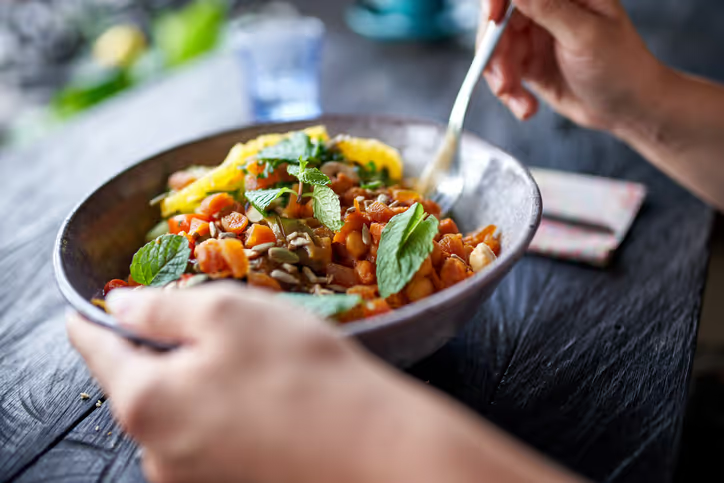
You can increase your vegetable intake by adding them to sauces, stews, and smoothies.
Here are dishes you can modify to increase your vegetable intake.
Soups
Try to add at least five different vegetables to every soup.
Hearty options include potato, cabbage, onion, celery, and carrot.
Other blends include:
- Bok choy, onion, bean sprouts, carrots, and garlic.
- Cauliflower, potato, garlic, onion, and tomato.
- Spinach, tomato, zucchini, carrot, garlic.
If you prefer smooth and creamy textures, use a hand blender to emulsify your soup.
Smoothies
Blending your ingredients into a drinkable smoothie is one of the quickest ways to add vegetables to your food.
Soft vegetables blend easily and lend a smoother texture.
Add spinach and other leafy greens, cucumber, and zucchini.
Salsa
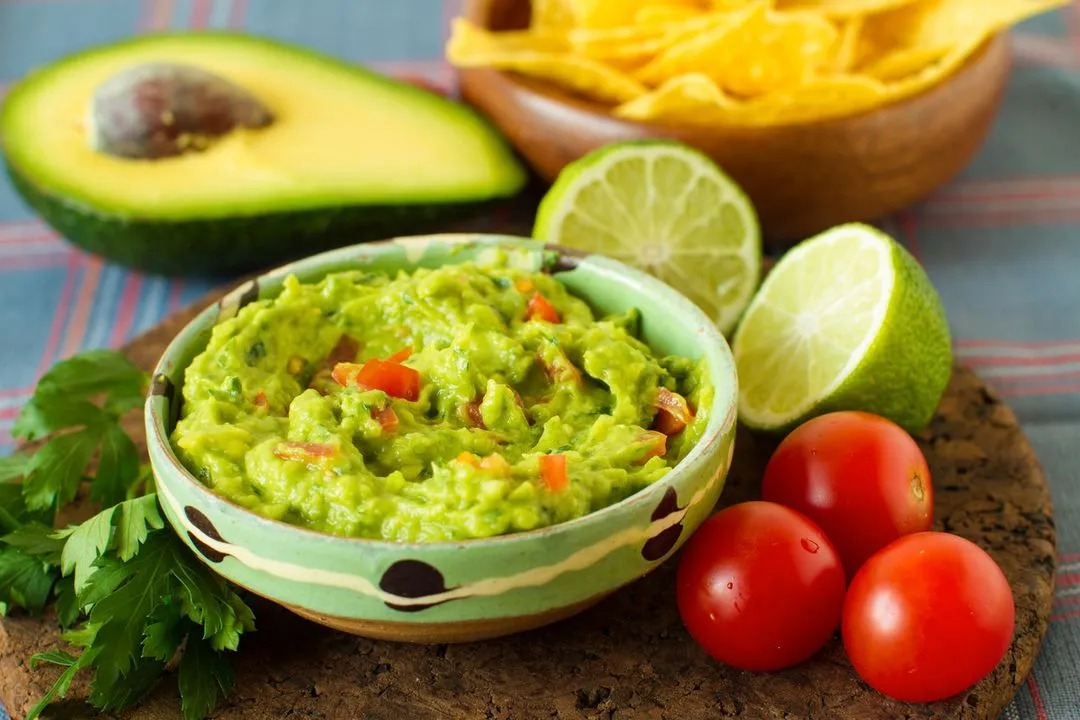
A salsa is a versatile tomato-based sauce that is loaded with vegetables.
Make salsa at home by processing tomato, jalapenos, roasted green pepper, sweet onion, cilantro, and lime juice.
Add salt to taste and spread this vegetable-rich sauce over a grainy burrito bowl or onto salads.
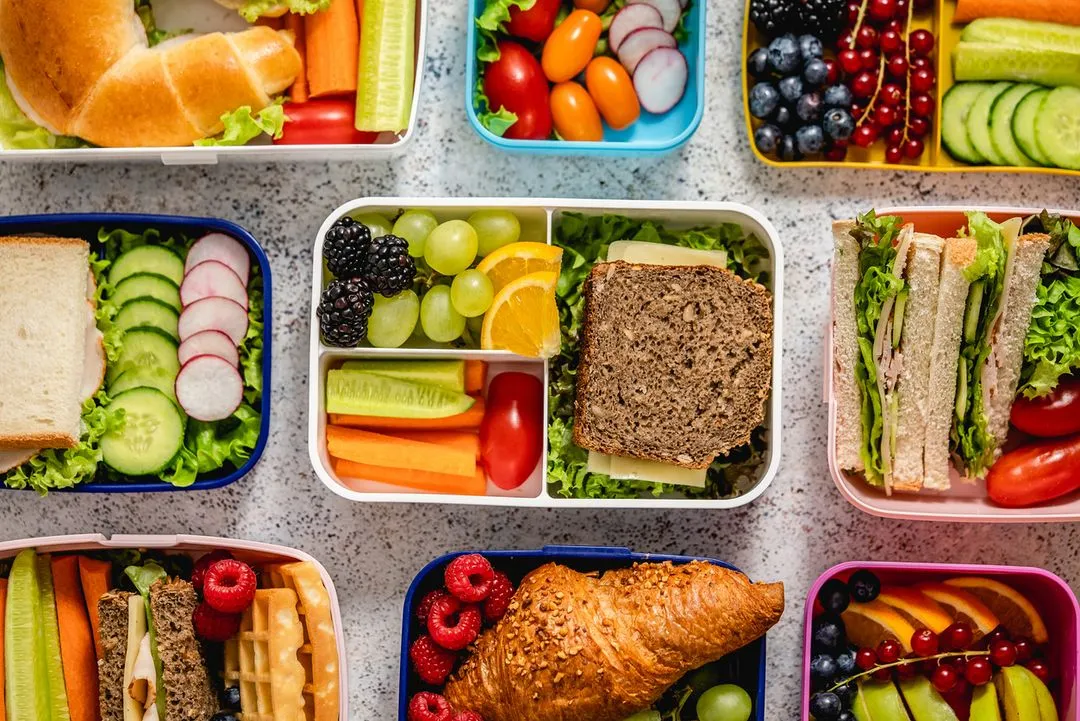
Sandwiches and wraps
Adding vegetables directly to handheld meals is another simple way to increase your intake.
Popular options include lettuce, tomato, bell pepper, cucumber, sprouts, and sliced mushrooms.
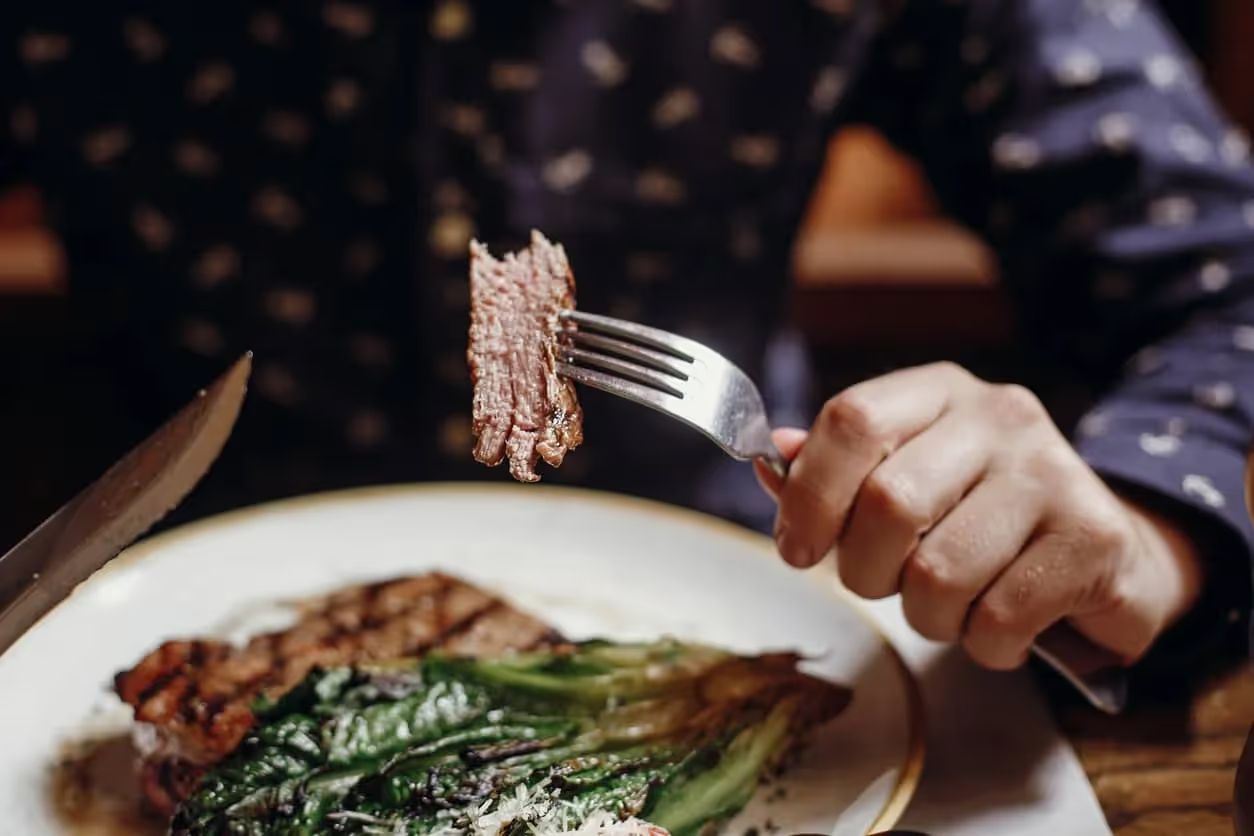
If you have time and like a smokey flavor, grill the vegetables before adding them to your sandwich.
Cook into Eggs
If you’re up for adding vegetables to your breakfast, try cooking them in one pan with your morning eggs.
You can make Mediterranean-inspired scrambled eggs using marinated red peppers, tomato, spinach, feta, and diced onion.
Pasta Sauce
Most pasta sauce recipes can accommodate extra vegetables.
Add chopped onions, garlic, asparagus, and mushrooms to your sauce to increase your vegetable servings for the meal.
Make Savory Waffles or Pancakes
Many people use sweet potatoes to make waffles, and several Asian countries use shredded vegetables (carrots, chives, scallions, cabbage, etc.) to create savory pancakes.
The finished product is delicious and a fun spin on a classic comfort dish.
{{splash}}
Creative Ways to Prepare Vegetables You May Enjoy
Experimenting with new cooking techniques can be a game-changer.
Many people love using an air-fryer to quickly crisp vegetables like potatoes, okra, and broccoli.
It’s a much leaner alternative to deep-frying, and you can add flavor by seasoning your vegetables before cooking.
If you prefer sweet-tasting vegetables, try roasting them in the oven.
Research suggests that roasted starchy vegetables (such as sweet potatoes) have higher levels of maltose (a chain of two sugar molecules) after baking.
Other vegetables that tend to sweeten in the oven include onions, carrots, and beets.
Drizzle them with olive oil and dill vinaigrette before serving to add brightness to the dish.
Lastly, your kitchen may or may not have space for another small appliance—but using fun tools to prep your vegetables could be a creative solution.
A spiralizer is a versatile tool that cuts vegetables into long noodle-shaped spirals.
You can add these to salads or use them in pasta dishes.
Another option is a mandolin, which cuts vegetables into thin slices, which you may tolerate better if you’re sensitive to textures.
Takeaway
Vegetables are an essential element of a balanced diet.
You may have had bad experiences eating them in childhood, but now you can find new ways of incorporating them into your meals.
Try blending them into soups or smoothies if you prefer consistent textures.
You can also grate them and bake them into muffins or loaves.
Continue experimenting with recipes until you find a dish you enjoy.
You don’t need to fall in love with all vegetables, but finding options you like benefits your long-term health.
{{splash}}
How a Dietitian Can Help
Find a registered dietitian near you to help you build an eating plan that includes a variety of nutritious foods to elevate your health so you feel your best.
You may not know what to expect if you’ve never met with a dietitian. Here are questions to ask:
- Are certain vegetables healthier than others?
- Is it okay to eat fruit (I hear they have a lot of sugar)?
- Are vegetable chips a good option?
- Are frozen vegetables nutritious?
Frequently Asked Questions
What vegetables should I eat if I don't like vegetables?
A vegetable's colorful flesh and peel contain vitamins, minerals, and antioxidants.
Aim to eat brightly colored options to maximize your nutrient intake.
The American Heart Association suggests one green and one red/orange vegetable daily.
Examples include:
- Grilled orange and green bell pepper
- Fresh celery and carrot sticks.
- Spinach salad with cherry tomatoes.
- Vegetable soup with kale and sweet potato.
- Stir-fried broccoli and red bell pepper.
How do I eat more vegetables if I don't like them?
Incorporating vegetables into meals you love can be a significant first step.
If you’re sensitive to textures, you can blend them into smoothies or use a hand blender for soups.
You can book an appointment with a registered dietitian for individualized support.
How do you eat vegetables without gagging?
If eating vegetables makes you gag, try different textures until you find one you enjoy.
Soft, mushy vegetables, like raw tomato, probably won’t be a good option.
Instead, try crunchy and crispy vegetables like snap peas, bell peppers, and carrot sticks.
Gagging while eating certain foods may indicate severe picky eating or sensory food aversions.
You should ask your doctor to be assessed.
References
View all references
Nourish has strict sourcing policies and prioritizes primary sources, including medical organizations, governmental agencies, academic institutions, and peer-reviewed scientific journals. Learn more about our medical review process and editorial guidelines.











.jpg)





















.avif)

.avif)



















.avif)

%20(1).webp)





.avif)
.avif)