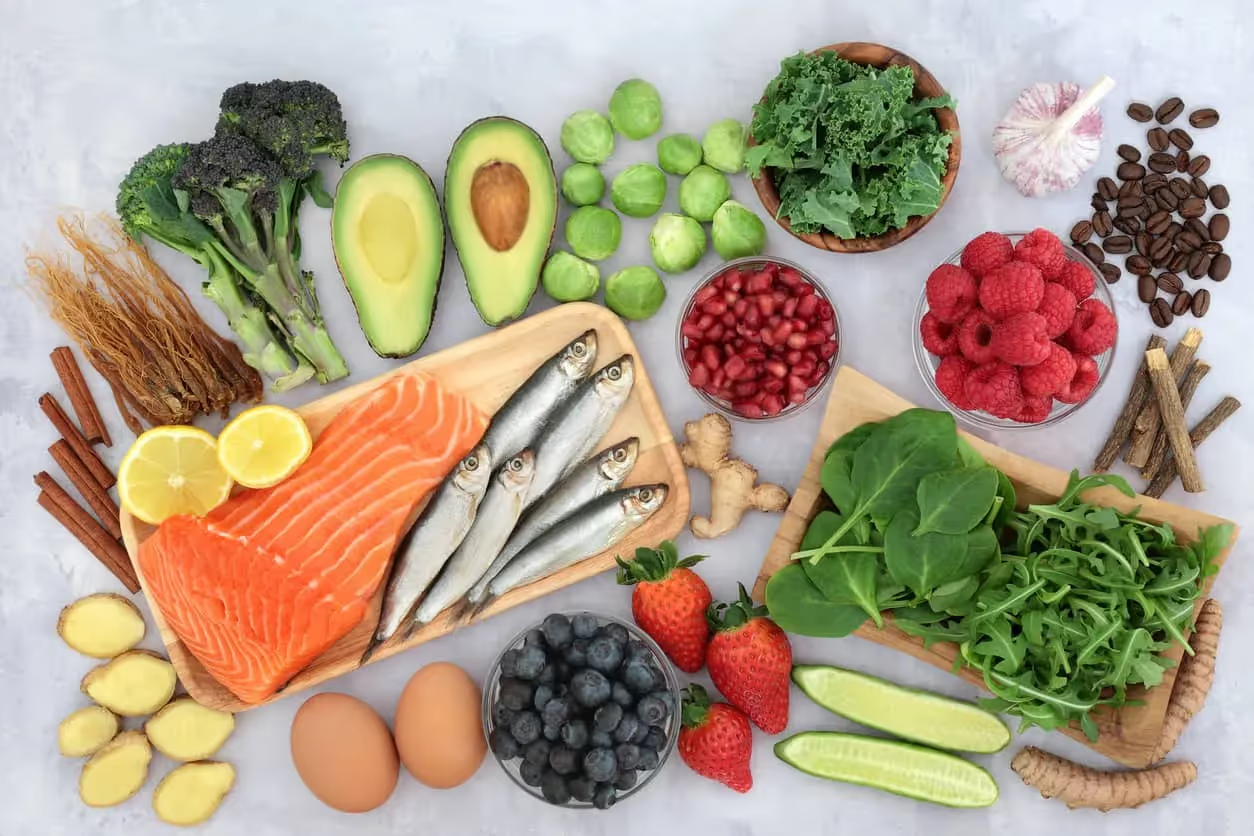
Low Sulfur Diet: Foods to Eat & Avoid

Medical Reviewer: Sarah Hormachea, MS, RD, CDCES, BC-ADM

Author: Heather Smith, RN, BSN

Summary
- Sulfur is an essential nutrient found in the amino acids of many foods. Most of the time, it’s healthy to have sulfur in your diet, but there may be times when it’s beneficial to eat less sulfur.
- Temporarily following a low-sulfur diet may help reduce your risk of some health conditions or help relieve symptoms linked with having too much sulfur (flushing, digestive discomforts, and wheezing).
- It’s important to work with a dietitian if you believe you have high sulfur and need to go on a low-sulfur diet.
Sulfur is an element found in many foods and has many necessary functions.
However, some people may have too much sulfur, such as those with small intestine bacterial overgrowth (SIBO), inflammatory bowel disease (IBD), or sulfur sensitivity, and may benefit from following a low-sulfur diet.
More research is needed to better understand how dietary sulfur affects overall health.
Currently, there aren’t strict recommendations on how much a person should eat (as is the case with many other trace elements).
Rather than attempting a low-sulfur diet on your own, it’s advised to work with a dietitian, as they specialize in nutrition and how nutrients affect the body.
Discover what a low-sulfur diet is, who needs to follow it, which foods to avoid on a low-sulfur diet, and which to enjoy.
What is A Low Sulfur Diet?
Sulfur is an element that is necessary for all life and is the seventh most prevalent element in the body.
The body converts dietary sulfur into sulfate, which can influence the immune system and produce vitamins, hormones, and proteins.
Excess sulfate is released from the body through urine.
However, sometimes, a person’s body may become overwhelmed with too much sulfur.
When this happens, it’s important to cut back on eating foods high in sulfur to help the body regain balance.
A low-sulfur diet is a nutritional approach that involves minimizing foods high in sulfur.
It’s a type of elimination diet that’s meant for short-term use.
After the elimination period, foods high in sulfur are slowly added back into the diet while closely monitoring any return of symptoms.
Who Should Eat A Low Sulfur Diet?
You consume sulfur through several amino acids found in foods.
Interestingly, U.S. studies indicate that most adults eat diets too high in dietary sulfur requirements.
While most amino acids are considered relatively safe, there’s growing evidence that having too many of the amino acids methionine (Met) and cysteine (Cys) (which both contain sulfur) may negatively affect overall health, including increasing your risk of type 2 diabetes and cardiovascular disease.
People with high cholesterol or who are at higher risk of type 2 diabetes may benefit from following a low-sulfur diet.
One study found that participants who ate lower levels of sulfur had lower cholesterol and better-balanced blood sugars and insulin sensitivity.
Additionally, several genetic abnormalities can lead to dysregulation of sulfur in the body, leading to higher than healthy levels of sulfur.
According to a study by the World Journal of Gastroenterology, people with IBD can exacerbate their condition if their intake of sulfur products is too high, and they may benefit from a low-sulfur diet.
People with SIBO may also benefit from a low-sulfur diet.
A study found that people with SIBO have higher amounts of sulfur pathways in their gut, and a dietary reduction of sulfur-containing foods may help.
Some people have a sensitivity to sulfur and may benefit from a low-sulfur diet.
Symptoms of sulfur sensitivity are often vague, however, and similar to other conditions making it difficult to diagnose.
They can include:
- Wheezing.
- Feeling short of breath.
- Nausea.
- Stomach cramps.
- Diarrhea.
- Hives.
- Profuse sweating.
- Generalized itching and swelling.
- Tingling sensations.
- Flushing.
- Low blood pressure.
Foods High In Sulfur To Avoid
Sulfur is present in foods in the amino acids methionine and cysteine.
Methionine is an essential amino acid that you can only get through your diet, while cysteine can be made inside your body but needs a supply of sulfur to do this.
It’s important to note that sulfites are different from sulfur.
Sulfites are preservatives added to food to make them last longer.
Some people have an allergic reaction to sulfites and experience symptoms when they eat foods containing them.
This, however, is different from the naturally occurring sulfur in food.
Before starting a low-sulfur diet, it’s best to talk with a dietitian who can help guide you through your specific circumstance and give guidance on how to follow a low-sulfur diet.
Here is a breakdown of foods high in methionine and cysteine.
Eliminating or limiting them may help lower your sulfur intake.
Proteins
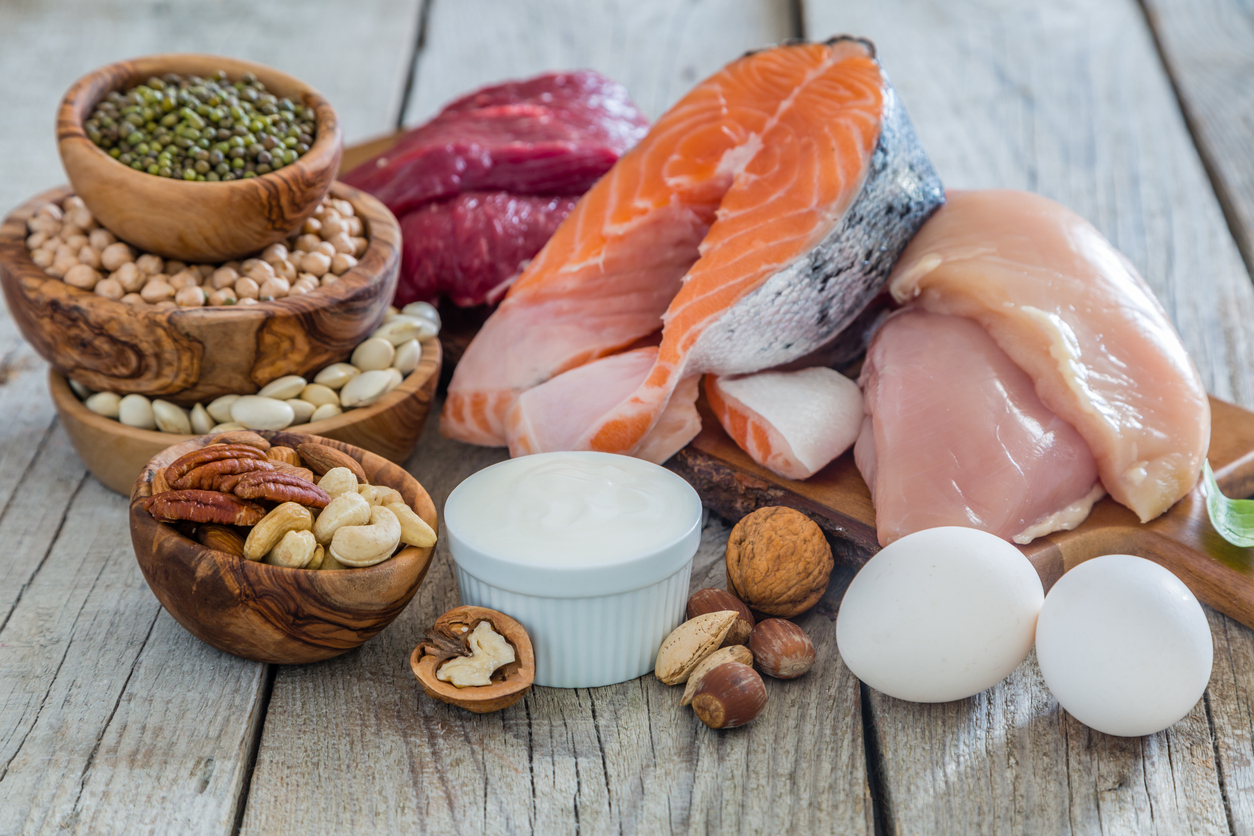
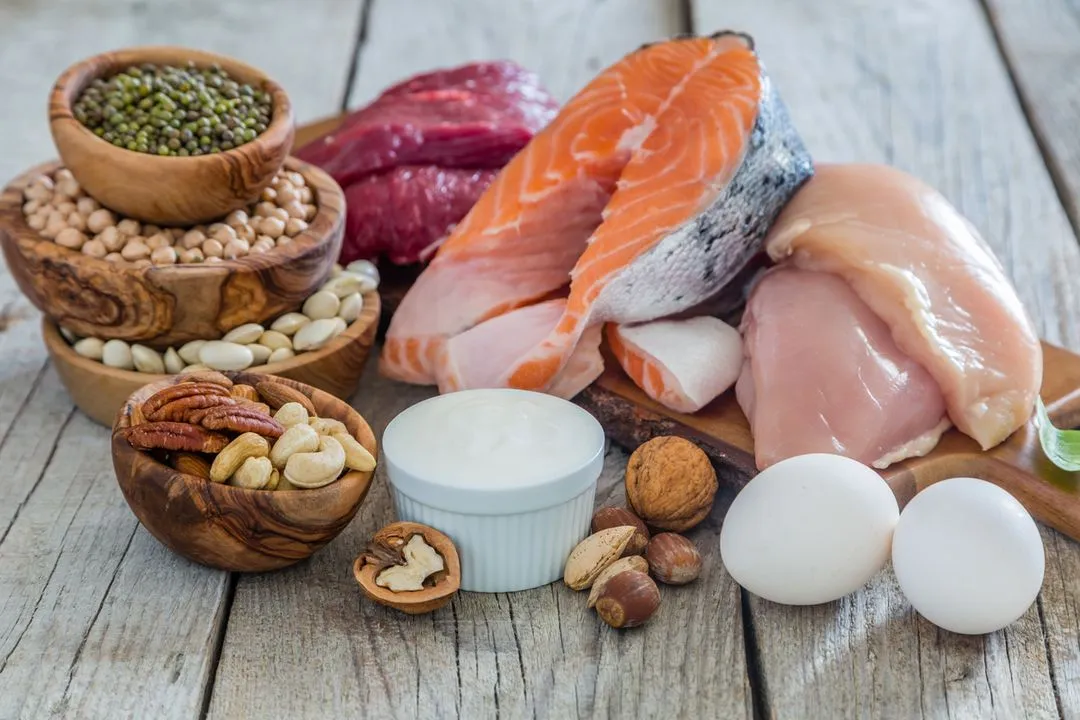
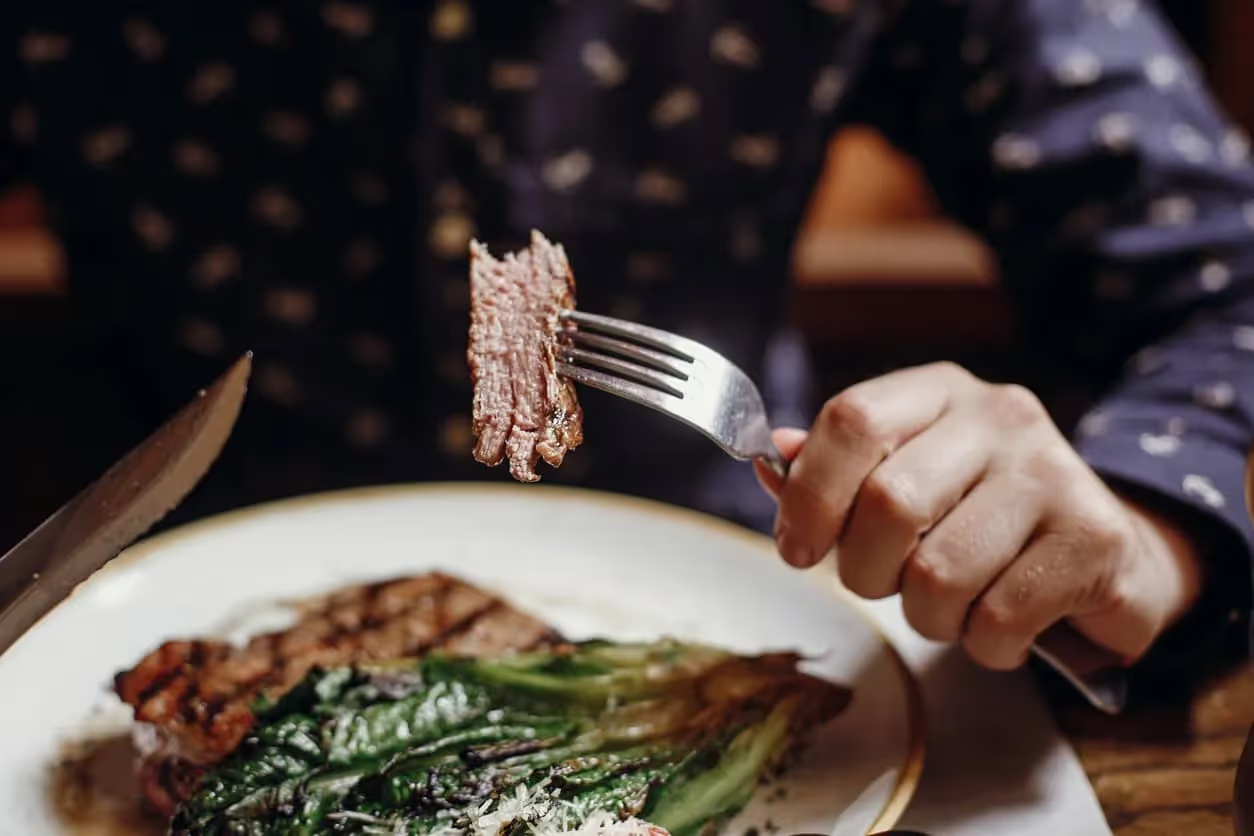
Beef, lamb, turkey, pork, fish, shellfish, soy, eggs, bone broth, whey powder, white poultry meat.
Dairy
Cheese, milk, yogurt.
Vegetables
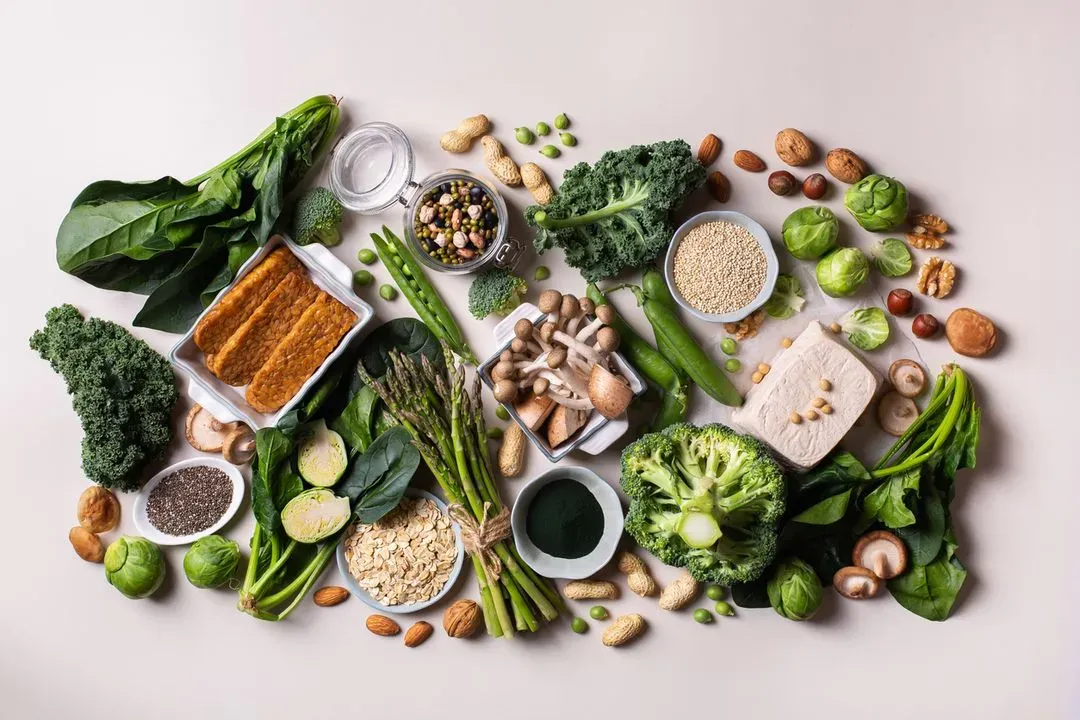
Arugula, asparagus, mustard greens, cauliflower, brussels sprouts, broccoli, cabbage, bok choy, and greens such as kale, turnips, garlic, onions, chives, leeks, shallots, seaweed, peas.
Fruits
Dried dates, raisins, apricots, prunes, coconut.
Pineapple, papaya.
Supplements, ingredients, additives
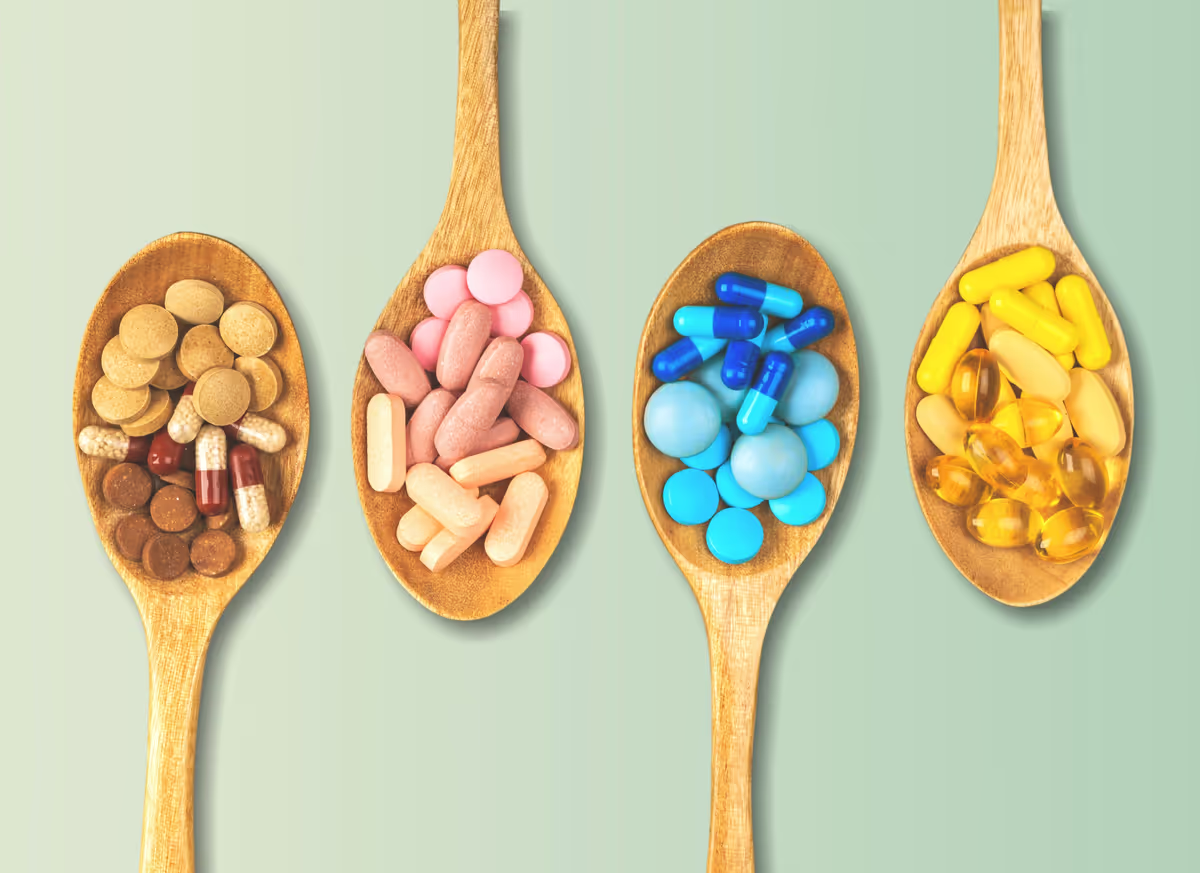
Alpha lipoic acid, glucosamine sulfate, glutathione, chondroitin sulfate, methylsulfonylmethane (MSM), carrageenan, any ingredient that mentions sulfur, sulfite, or sulfate (sodium bisulfite or potassium metabisulfite).
Beverages
Beer, red and white wine, cider, apple juice, tomato juice, grape juice, cow’s milk, and sometimes well water.
Nuts, seeds, beans, lentils, grains
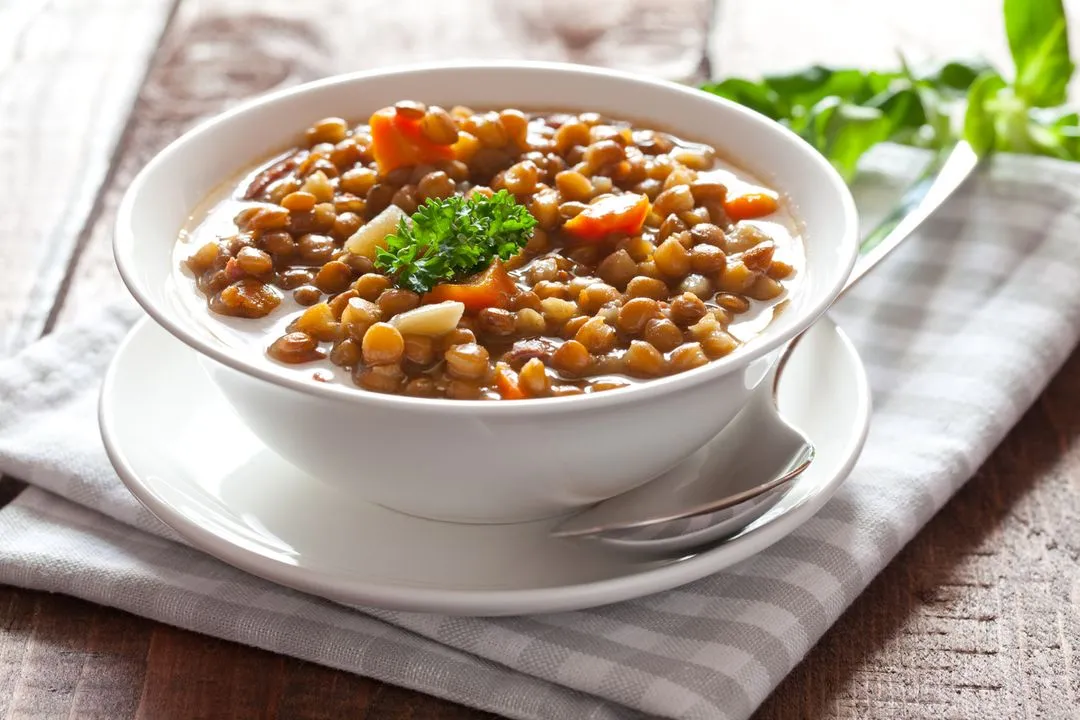
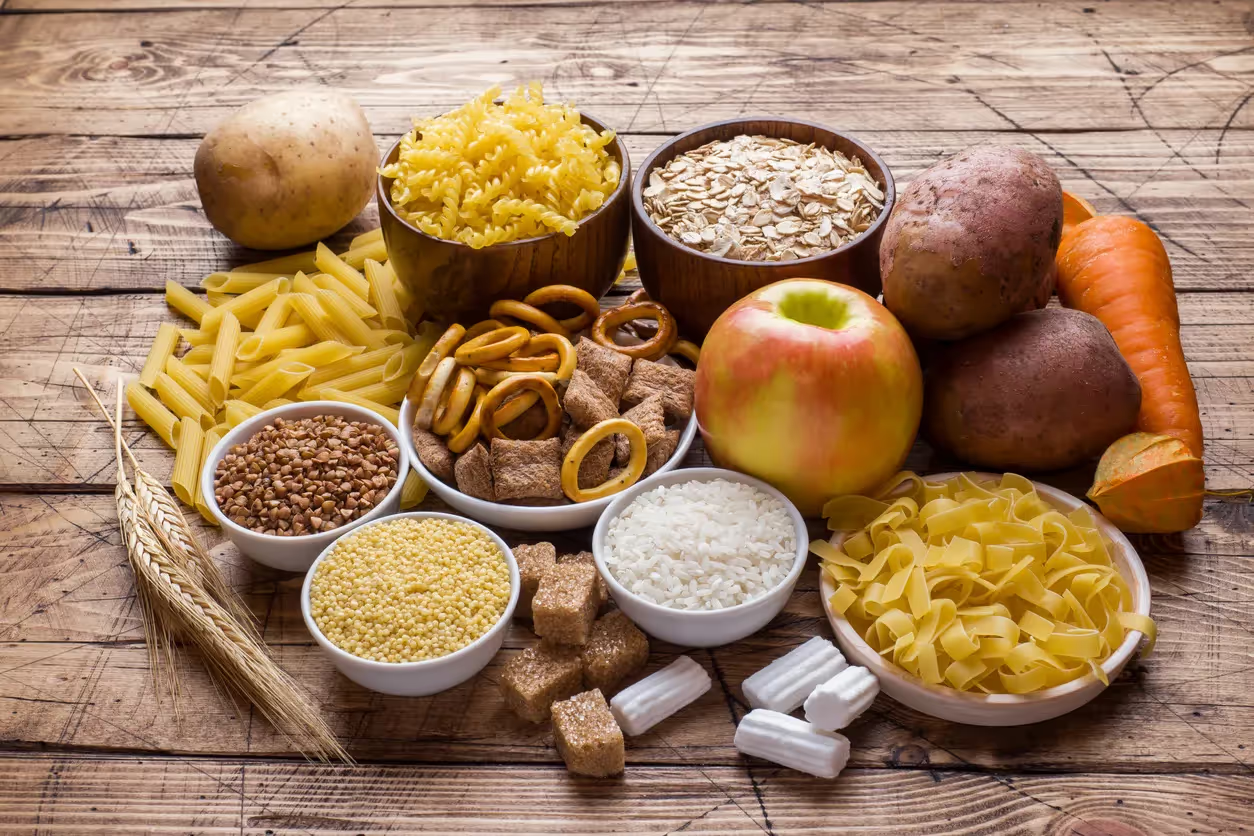
Brazil nuts, almonds, sesame seeds, peanuts, soybeans, whole grain, buckwheat, quinoa, all legumes.
Herbs/spices
Chives, cilantro, coriander, garlic powder, mustard, onion powder, tamarind.
Condiments
Chocolate, sugar, vinegar, yeast extract, mustard.
Foods Low In Sulfur To Include In Diet
The list of foods to avoid can seem quite long. Here is a list of foods low in sulfur that you can enjoy.
Proteins
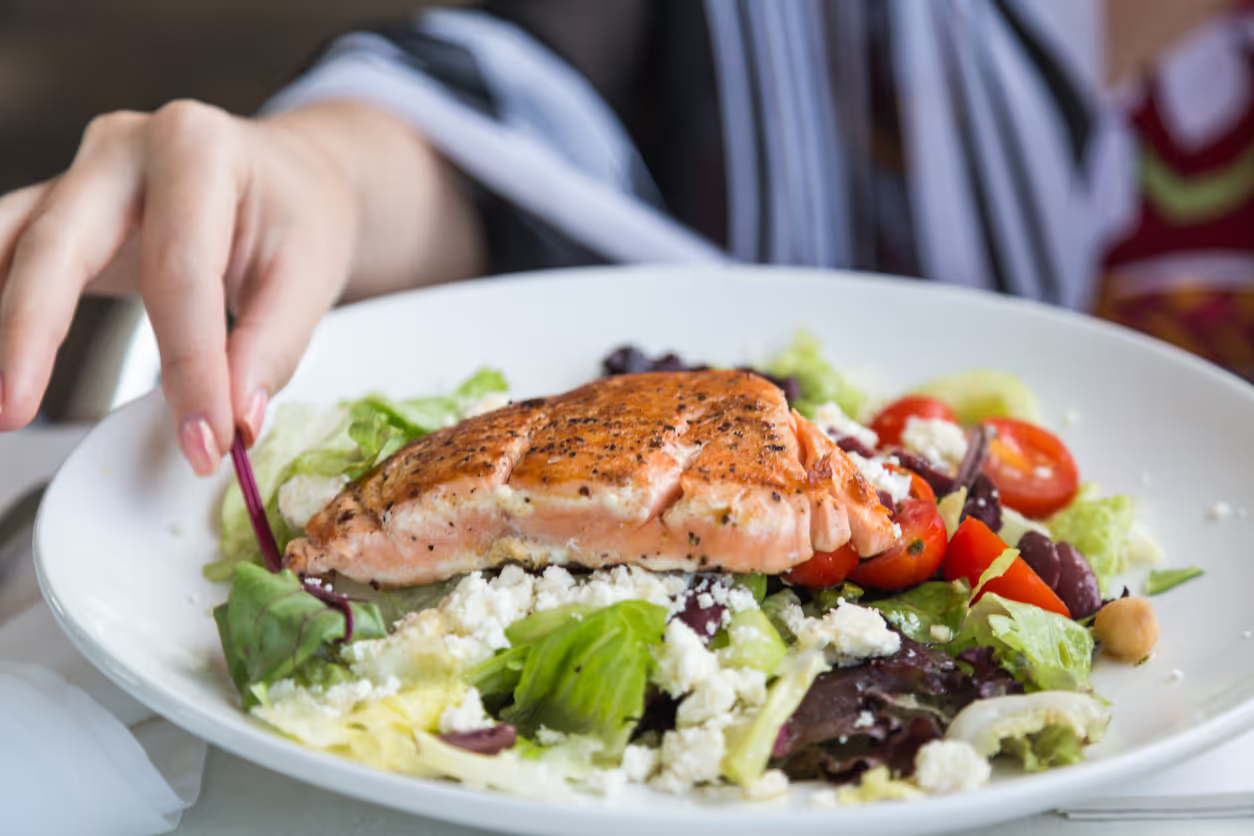
Salmon, sardine, pea protein, dark poultry meat, oysters, clams, herring, mackerel.
Dairy
Butter, organic ghee.
Vegetables
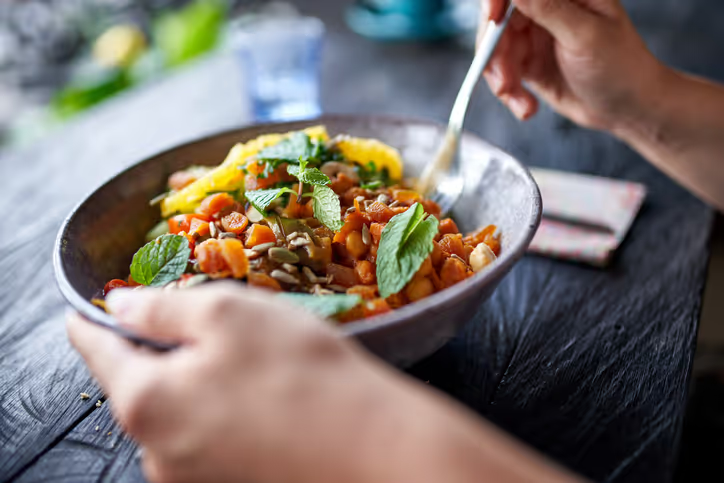
Artichoke, romaine lettuce, bell peppers, bamboo shoots, tomatoes, eggplant, beets, celery, cucumbers, carrots, butternut squash, spaghetti squash, sweet potato, potatoes, ginger, water chestnut, mushrooms, parsnips, yams, zucchini.
Fruits
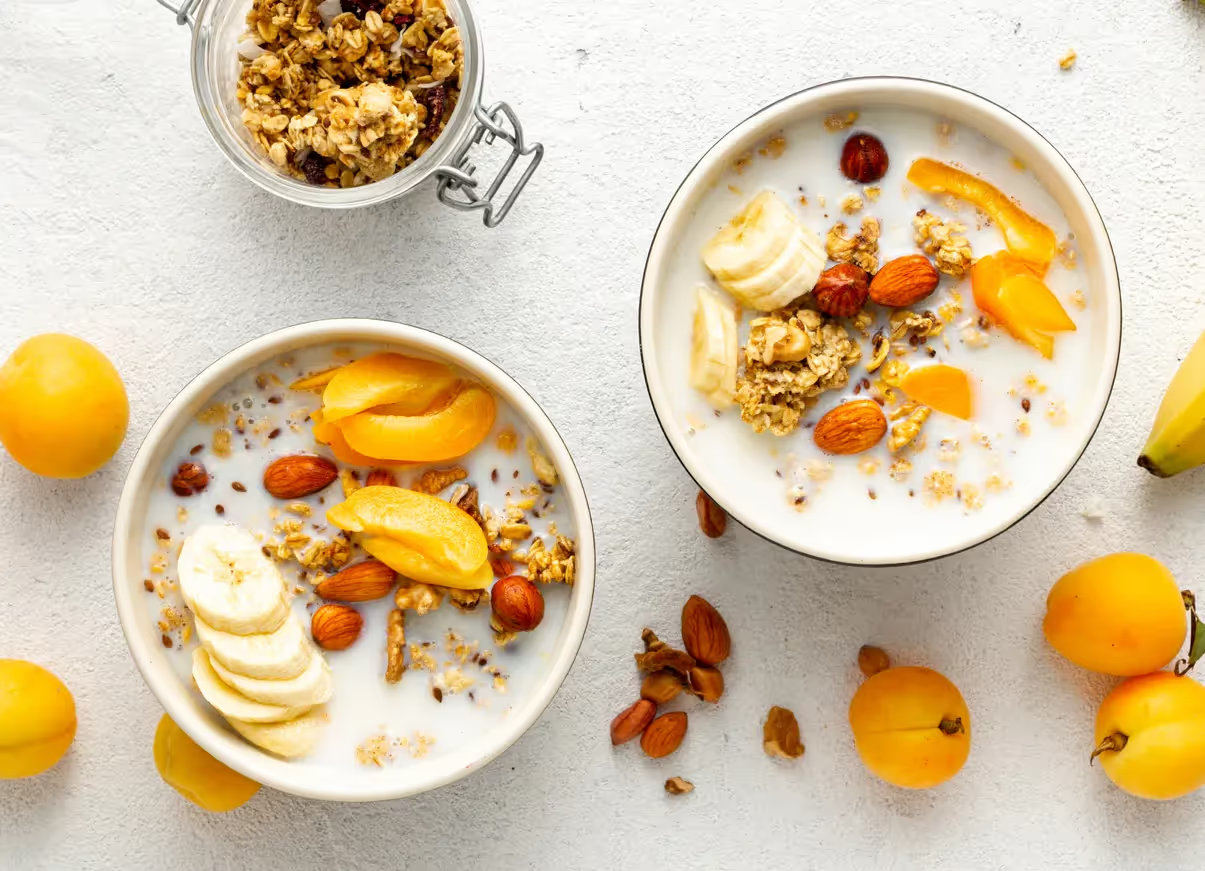
Avocado, mango, melons, peaches, pears, apples, watermelon, banana, oranges, lemons, cherries, blueberries, pumpkin, kiwi, grapefruit, nectarines, persimmons, plums.
Beverages
Herbal teas, water.
Nuts, seeds, grains
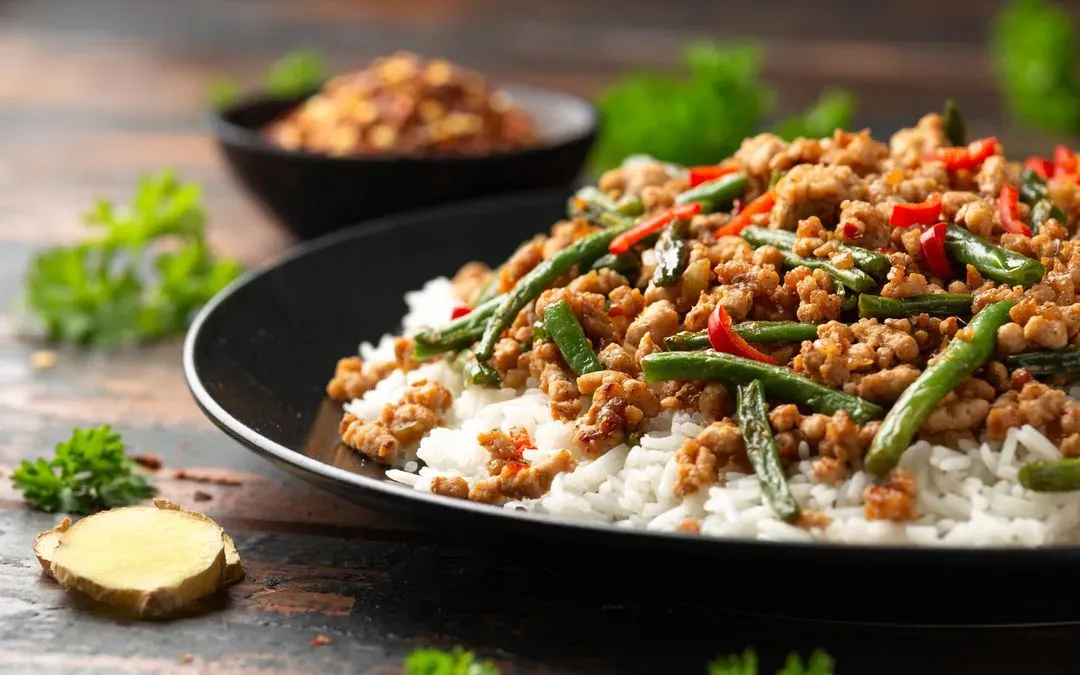
Macadamia, pumpkin seeds, long grain rice.
Herbs/spices
All herbs/spices except those on the avoid list.
Condiments
Extracts (vanilla, etc.), vinegar (sulfite-free), Worcestershire sauce, honey, jam (all fruit only), ketchup.
Remember that you should only follow a low-sulfur diet for a short amount of time.
Your dietitian will suggest a realistic timeline to experience benefits.
Takeaway
Following a low-sulfur diet may benefit people with sensitivities to sulfur, SIBO, IBD, and those at risk for diabetes or cardiovascular disease.
Because of the complications surrounding sulfur and how it affects the body, it’s important to work with a dietitian to correctly follow a low-sulfur diet.
How A Dietitian Can Help
Dietitians are nutrition professionals and have expert knowledge on the dietary management of digestive conditions.
They can assess your symptoms and review your current diet to determine if changes would be beneficial.
Find a dietitian that accepts insurance through Nourish.
Frequently Asked Questions
What food has the most sulfur?
Foods high in sulfur include most protein sources, dairy products, certain grains and legumes, as well as cruciferous vegetables like broccoli, cabbage, garlic, and onions.
What happens when you have too much sulfur in your body?
Too much sulfur in your body can lead to symptoms such as nausea, stomach cramps, diarrhea, shortness of breath, wheezing, and flushing.
People with sulfur sensitivity may experience symptoms when they consume foods high in sulfur.
What foods remove sulfur from the body?
While there are no specific foods known to remove sulfur, some foods are much lower in sulfur.
Eating these foods and avoiding foods high in sulfur may improve your overall health if you have too much sulfur or a sulfur sensitivity.
References
View all references
Nourish has strict sourcing policies and prioritizes primary sources, including medical organizations, governmental agencies, academic institutions, and peer-reviewed scientific journals. Learn more about our medical review process and editorial guidelines.











.jpg)





















.avif)

.avif)






















.avif)

%20(1).webp)






.avif)
.avif)