7-Day Hashimoto's Meal Plan For Thyroid Support, Approved By An RD

Medical Reviewer: John Markell, RDN, LDN, CDN, CPT

Author: Sarah Bullard, MS, RD

Summary
- Diet changes can help manage symptoms of Hashimoto’s disease.
- A balanced diet for Hashimoto’s disease includes anti-inflammatory foods such as fruits, vegetables, beans, whole grains, and fatty fish while reducing excessive intake of sugary, refined carbohydrates and saturated fats.
- This 7-day nutrient-dense meal plan helps support optimal thyroid health.
If you’ve been diagnosed with Hashimoto’s disease, diet changes can help you feel your best and reduce unpleasant symptoms.
There are no hard, set rules on what foods to eat or avoid.
In general, following a nutritious, balanced diet loaded with anti-inflammatory foods helps.
Some people with Hashimoto’s disease are also lactose or gluten-intolerant and find that eliminating or reducing their intake improves their symptoms.
Try this 7-day Hashimoto meal plan to help you consume nutrient-dense meals that reduce inflammation and provide necessary nutrients for thyroid health.
{{splash}}
Hashimoto's Disease Basics: Getting Started
Hashimoto’s thyroiditis, also called chronic lymphocytic thyroiditis, is an autoimmune condition of the thyroid gland.
In autoimmune conditions, the body mistakenly attacks healthy tissues, such as the thyroid gland.
Genetic factors account for 70 to 80% of Hashimoto’s disease, with environmental factors like viruses, smoking, and poor diet accounting for 20% to 30%.
Hashimoto’s is diagnosed depending on the amount of antibodies in the thyroid gland and white blood cells in the thyroid tissues.
Over time, the thyroid function declines, resulting in inadequate thyroid hormones.
Symptoms include chronic fatigue, nervousness, mood swings, and gastrointestinal and cardiovascular problems.
Treatment involves restoring thyroid levels with medication and incorporating anti-inflammatory foods to reduce thyroid inflammation and improve symptoms.
No specific diet has been proven to cure or reverse Hashimoto’s disease.
However, research shows that eliminating some components (like gluten, lactose, and pro-inflammatory foods) and following a nutritious diet improved the laboratory markers of many people with Hashimoto’s.
What To Eat With Hashimoto's Disease
Focusing on the foods you enjoy with potential benefits for Hashimoto’s disease is more positive and encouraging than dwelling on what you should avoid.
Try to fill up on all the foods you enjoy that benefit your health.
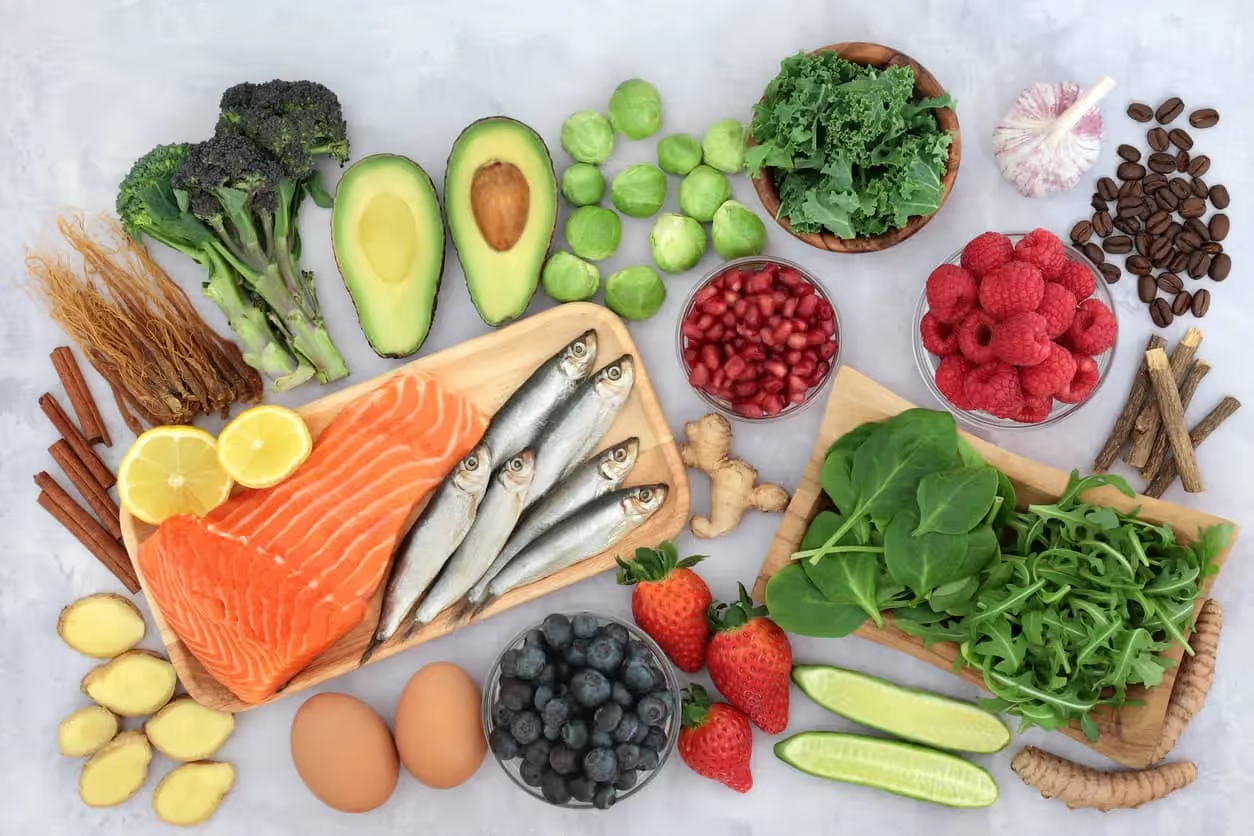
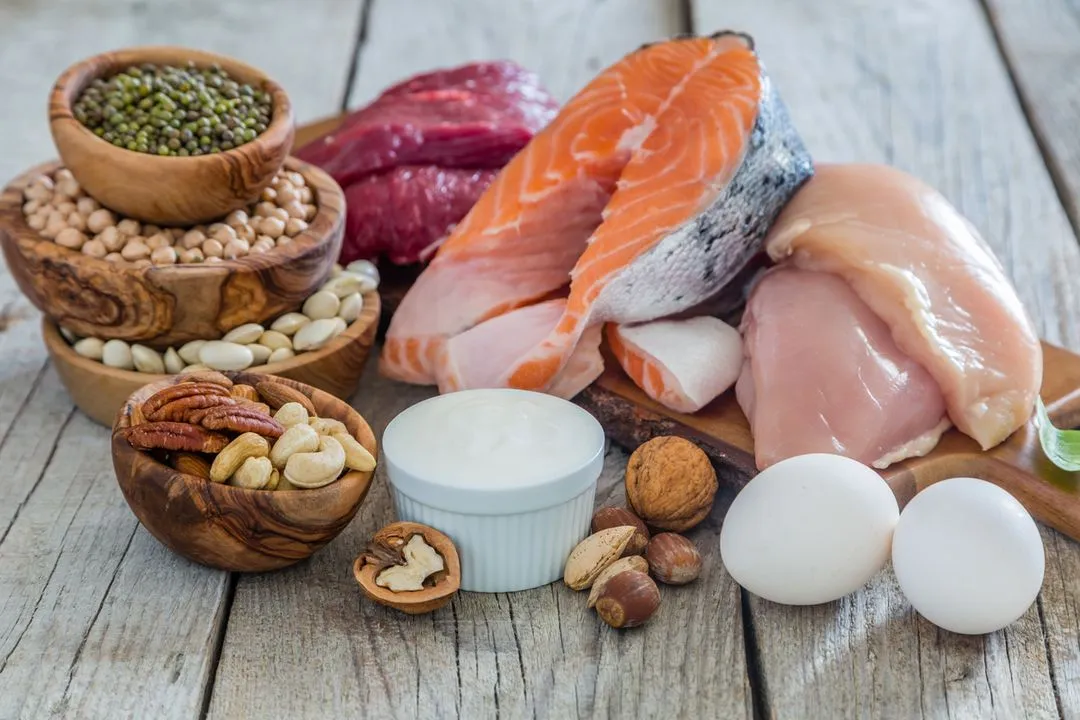
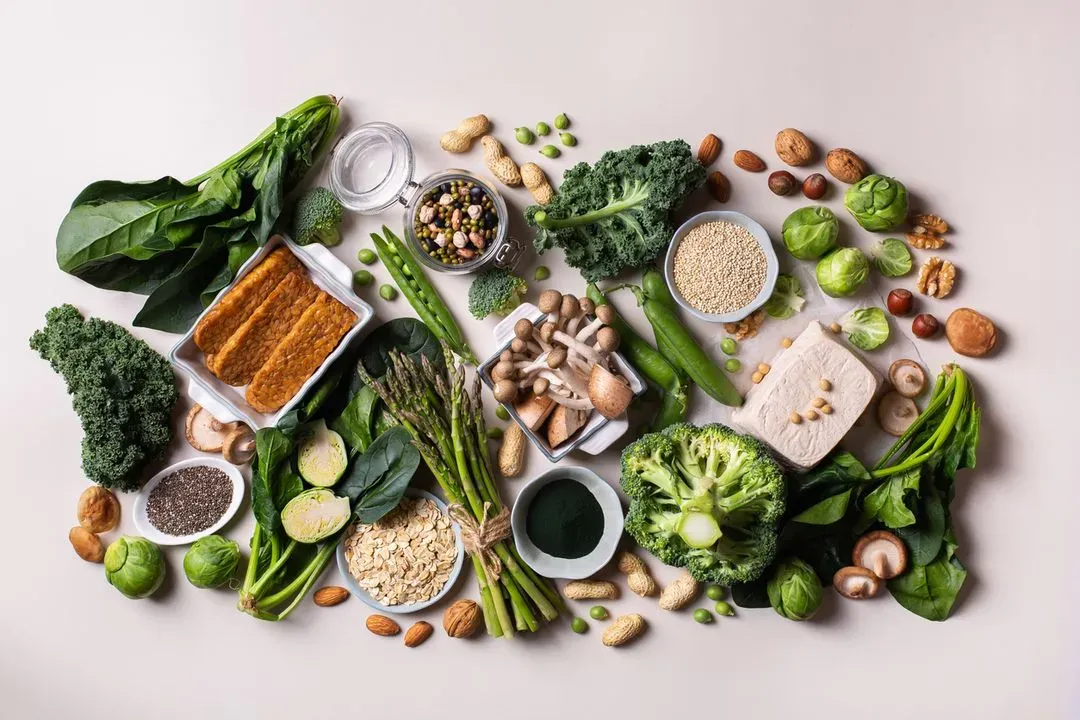
A balanced diet for Hashimoto’s disease includes anti-inflammatory foods such as fruits, vegetables, beans, and whole grains.
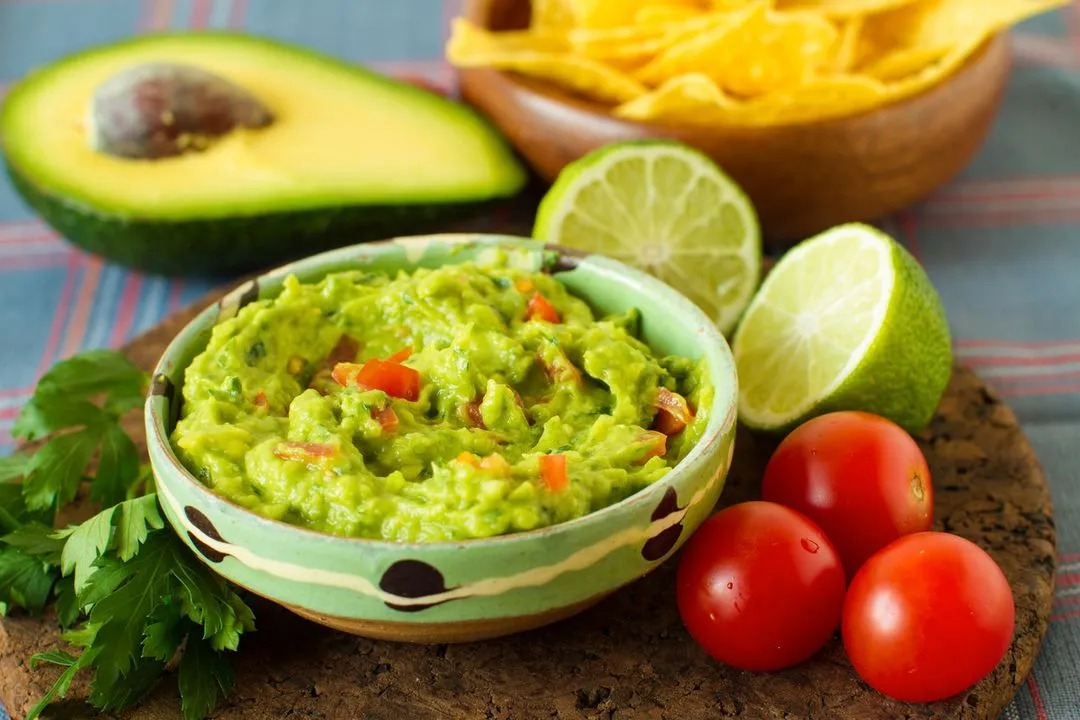
Healthy fats (mono- and poly-unsaturated fats) from seeds, nuts, minimally-processed nut and seed butters, olive or avocado oil, and certain types of fish are encouraged.
Key nutrients like vitamin D, magnesium, and zinc, plus anti-inflammatory foods and healthy fats, are important to reduce thyroid inflammation.
Foods containing selenium help your thyroid make hormones.
Additionally, consuming iron, folic acid, and vitamin B12 foods helps prevent anemia and heart conditions associated with Hashimoto’s thyroiditis.
The meal plan provided below includes balanced, nutrient-dense meals that prioritize these essential nutrients.
Foods To Avoid With Hashimoto’s
People with autoimmune conditions like Hashimoto’s are more likely to have other autoimmune conditions like celiac disease, which requires gluten avoidance.
Gluten is found in many grains, including wheat, rye, and barley.
Many people with Hashimoto’s may also be lactose intolerant; one study found at least 75% are lactose intolerant.
Lactose is found in many dairy-containing foods such as milk, yogurt, cream, cheese, and ice cream.
Lactose-free options are often available in most stores.
Yogurt, kefir, and hard cheeses are lower in lactose and are often tolerated well.
But, not all people with Hashimoto’s need to eliminate gluten or lactose-containing foods.
Working with a registered dietitian can help you determine whether to eliminate these foods and how to ensure you consume adequate amounts of nutrients they’d otherwise be giving you from other food sources, especially when removing gluten-containing foods.
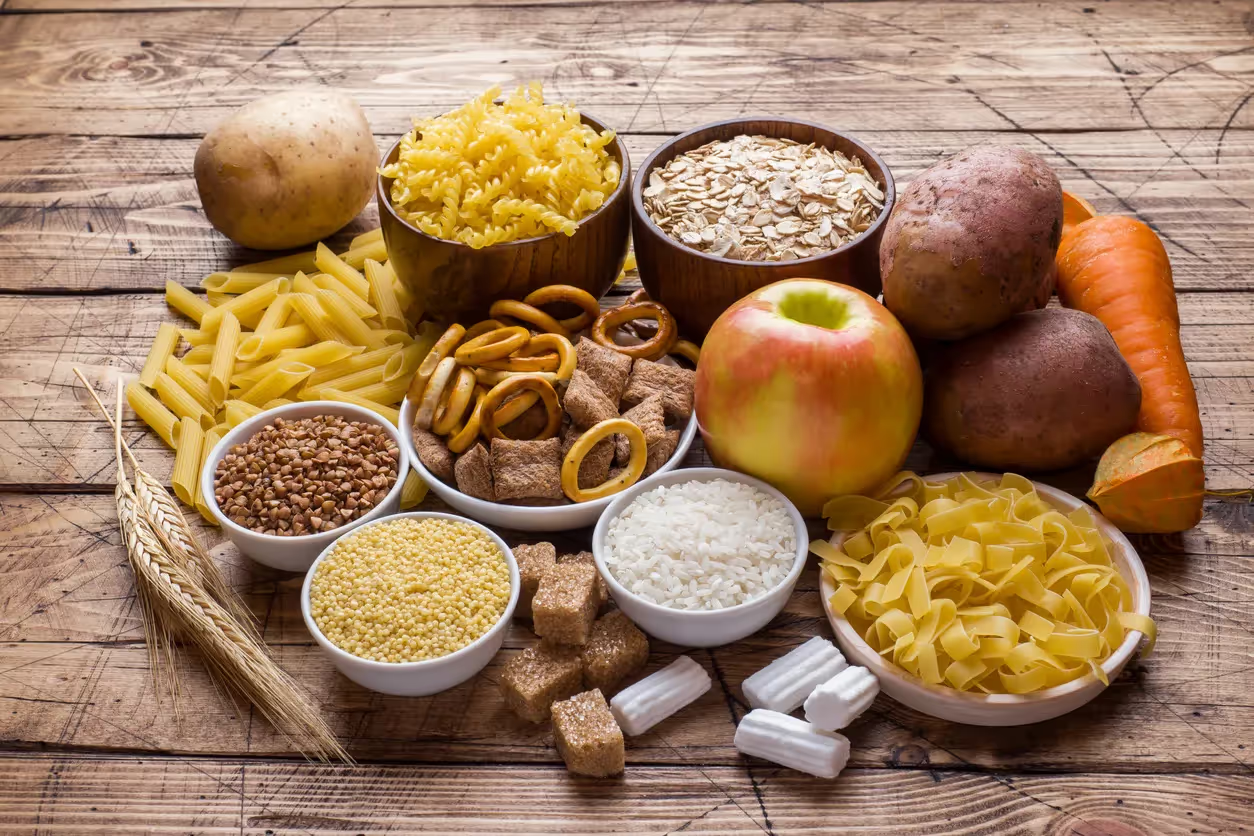
Pro-inflammatory foods, such as foods high in added sugar, refined carbohydrates, and certain saturated fats, can increase inflammation and lead to poor gut health, further exacerbating Hashimoto’s disease.
Avoid or reduce the following pro-inflammatory foods:
- Candy, cakes, cookies, pies, donuts, ice cream, sweetened yogurt, sugar-sweetened drinks (juice, soda, coffee, and tea).
- Low-fiber carbohydrates (white bread, white pasta, pastries, chips, crackers, many breakfast cereals, some baked goods and pizza crusts).
- High-saturated fats (in foods like butter, lard, cheese, fatty cuts of meat, whole milk, tropical oils like coconut and palm oil, and certain ice creams).
Lastly, some people may need to avoid foods high in goitrogens. Goitrogens are components naturally occurring in plant foods that can interfere with thyroid function when eaten in very large amounts. Most goitrogens are deactivated when cooked.
Foods like collards, Brussels sprouts, kale, broccoli, flaxseeds, cauliflower, millet, and cabbage are higher in goitrogens. Avoid very large servings of these vegetables in raw form.
Hashimoto’s Meal Plan
A Hashimoto’s meal plan can incorporate various foods and cooking styles.
Talk to your dietitian for customized recommendations.
We’ve included high-priority nutrients like selenium, vitamin D, magnesium, zinc, and vitamin and mineral-rich anti-inflammatory foods.
Day 1
Breakfast
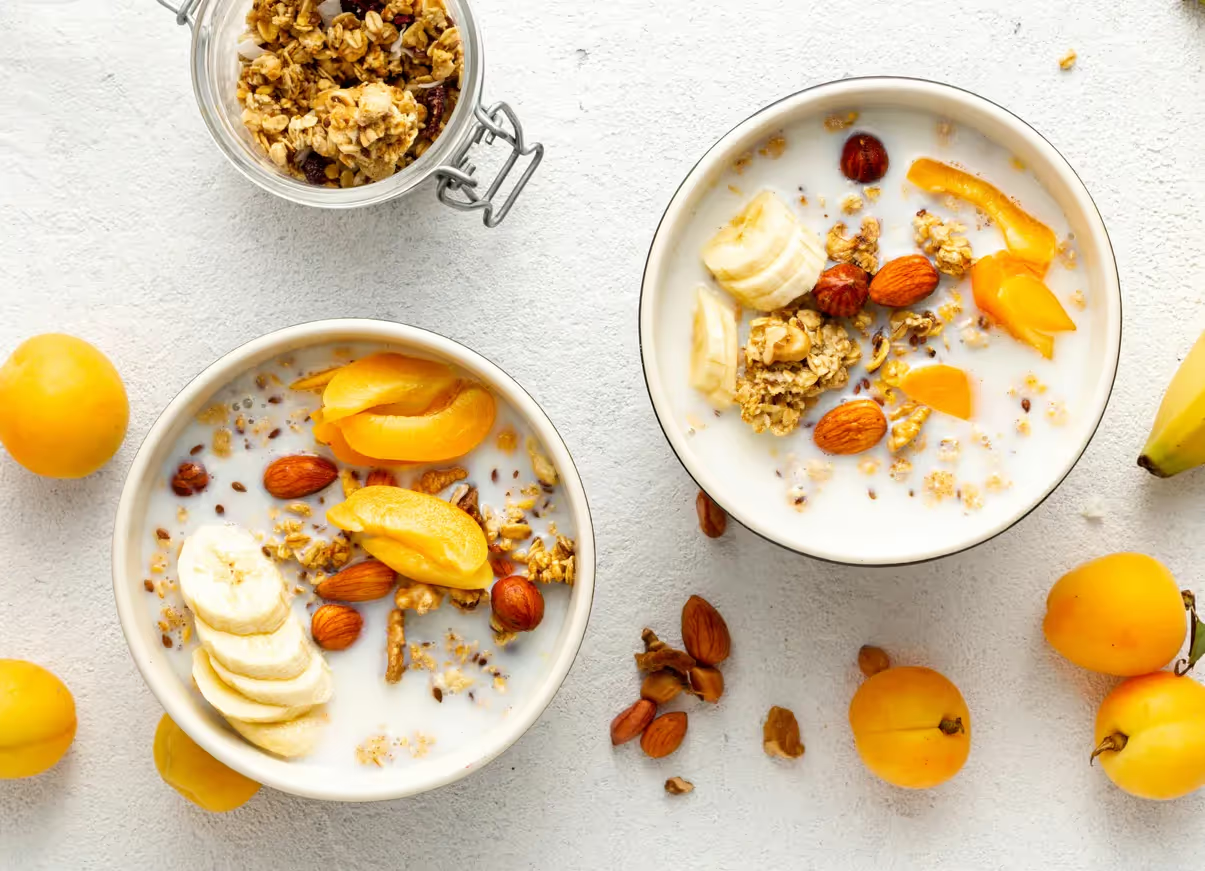
Microwaved old-fashioned oats with 1% lactose-free milk (or a low-fat, no-sugar added dairy alternative), cinnamon, blueberries, chia seeds, and a drizzle of honey if desired.
Lunch
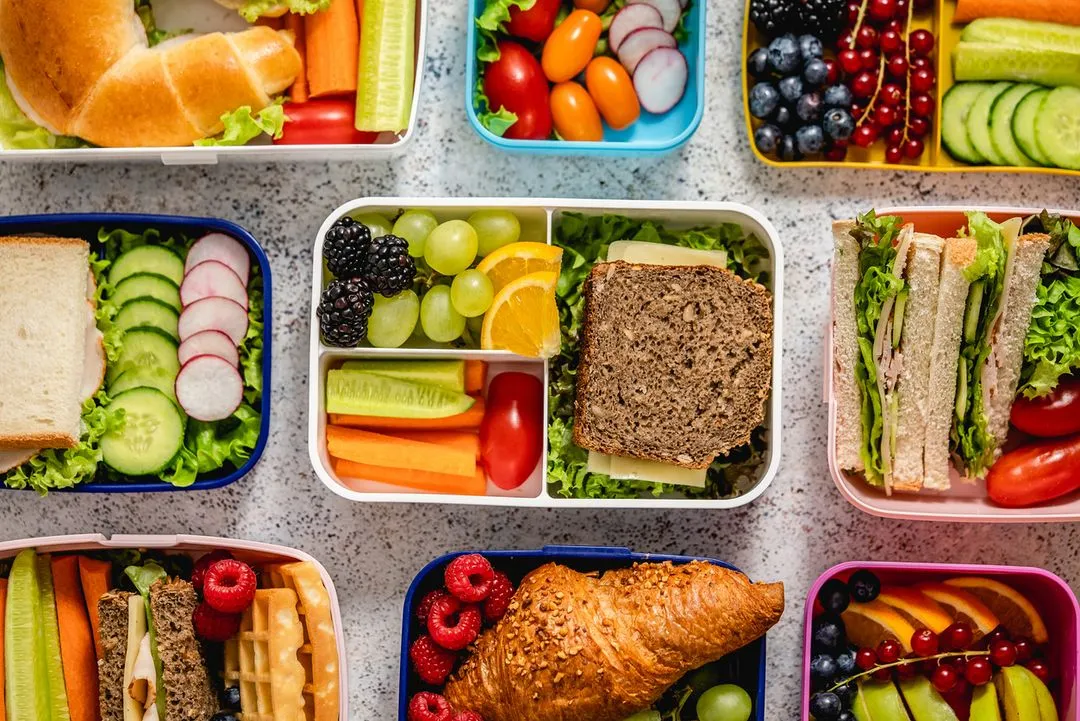
Sandwich made with whole-grain bread (or gluten-free whole grain bread).
Top with avocado, tuna canned in water, lettuce, tomato, and cheese.
Serve with pumpkin seeds and unsweetened dried fruit trail mix.
Dinner
Sheet-pan roasted skinless chicken breast with vegetables (gold potatoes, onions, peppers, broccoli, and cauliflower).
Season with garlic powder, pepper, and paprika. Serve with fresh peaches for dessert.
Snacks
Two or three Brazil nuts and raspberries; raw bell peppers with roasted chickpeas.
Day 2
Breakfast
Smoothie made with frozen spinach, banana, blueberries, kefir, 1% lactose-free milk, or a dairy alternative.
You can add chia or ground flaxseeds.
Lunch
Chickpea cold salad made with chickpeas, diced cucumbers, and tomatoes mixed with lemon juice, avocado or olive oil, pepper, and oregano.
Sprinkle with goat cheese or feta cheese.
Add leftover cooked chicken breast for more protein.
Dinner
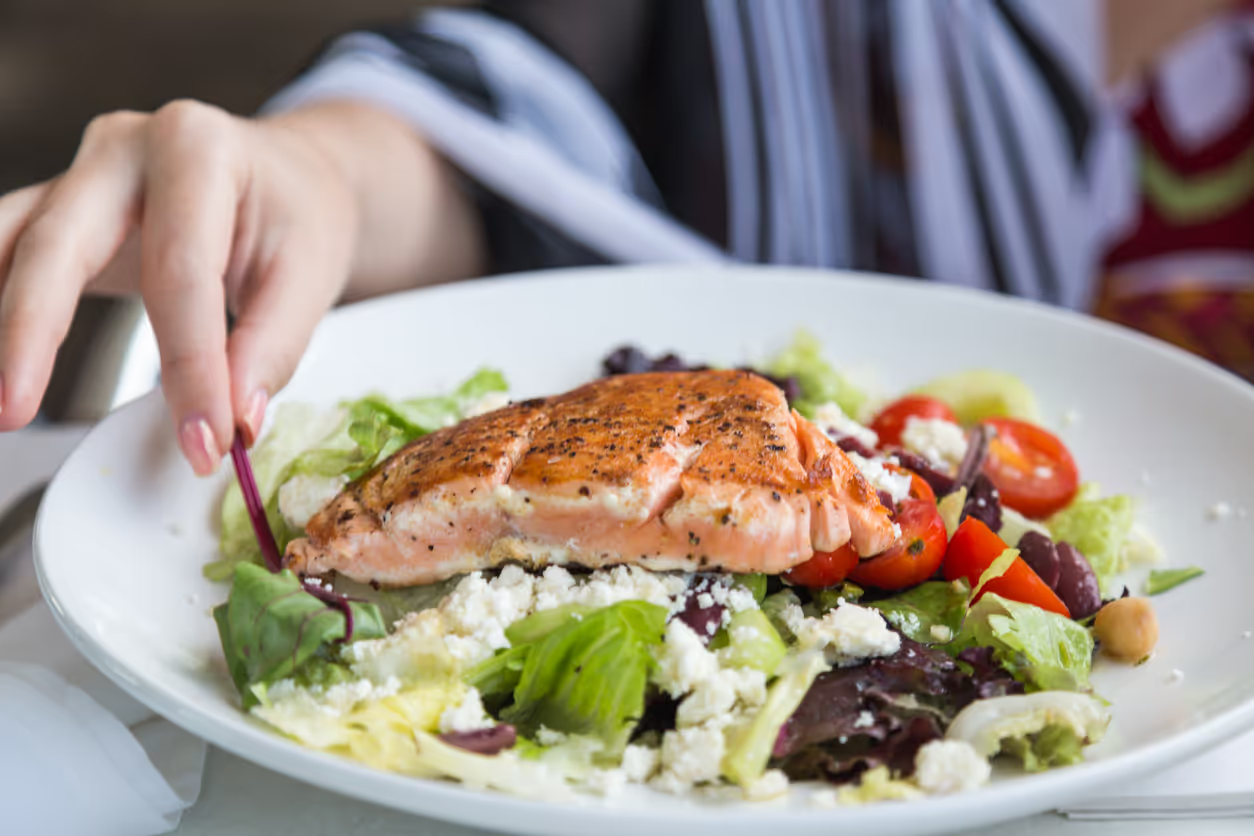
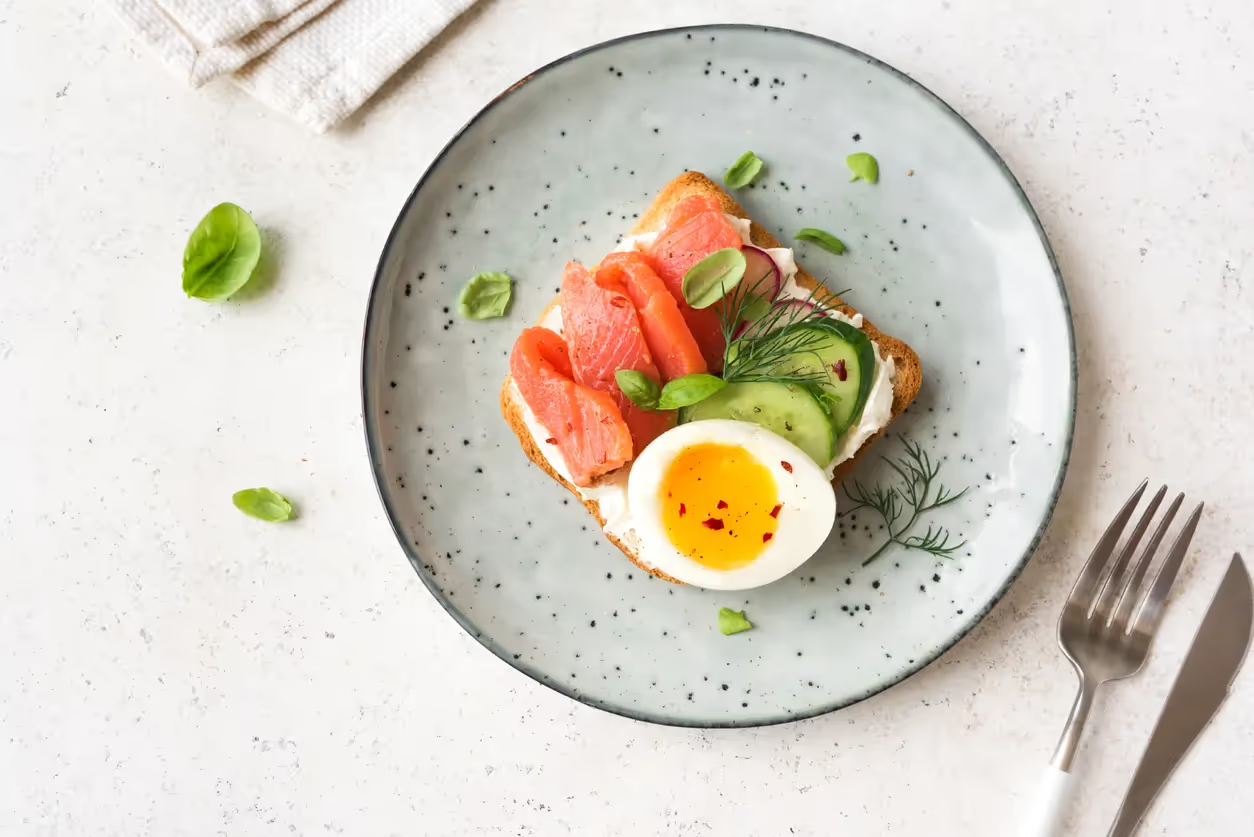
Baked salmon seasoned with garlic powder, pepper, and fresh-squeezed lemon juice.
Serve with roasted carrots and broccoli seasoned with your favorite seasoning.
Snacks
Carrots with hummus; unsalted walnuts, almonds, and grapes.
Day 3
Breakfast
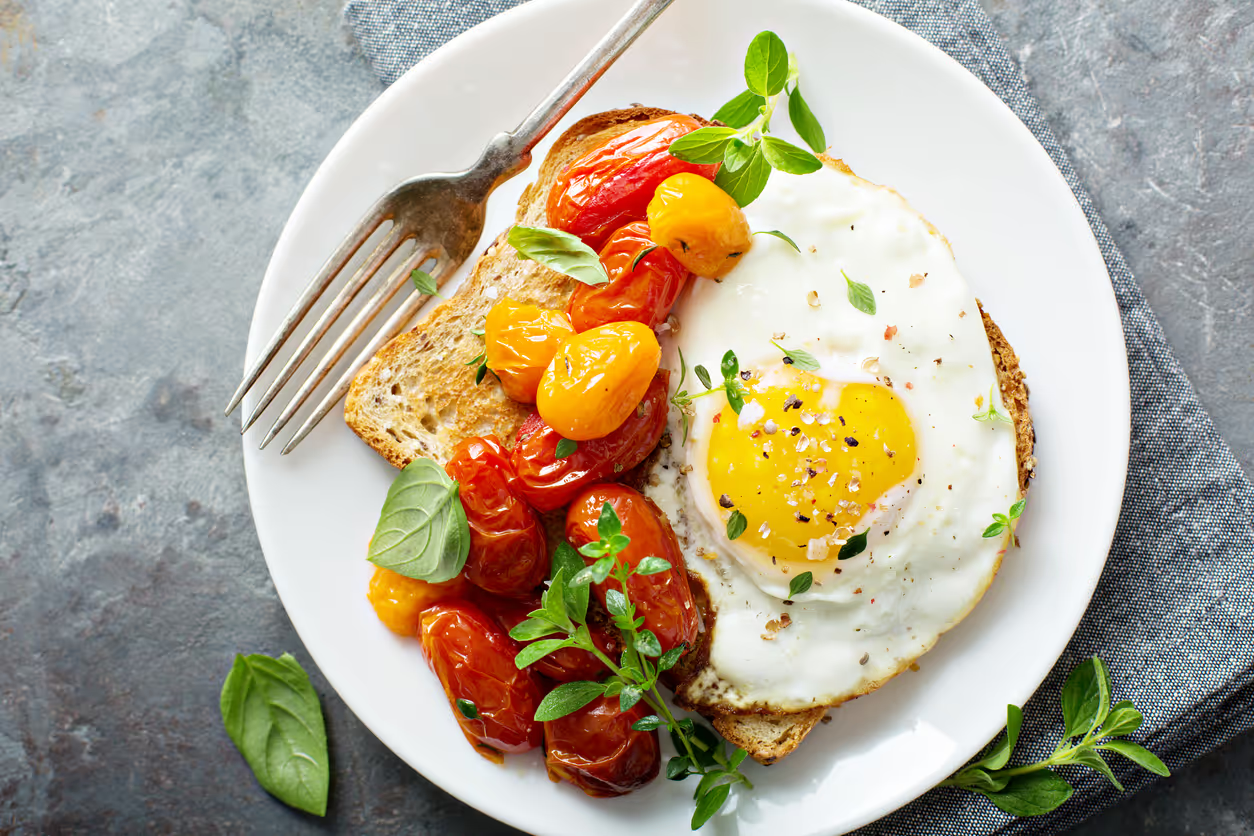
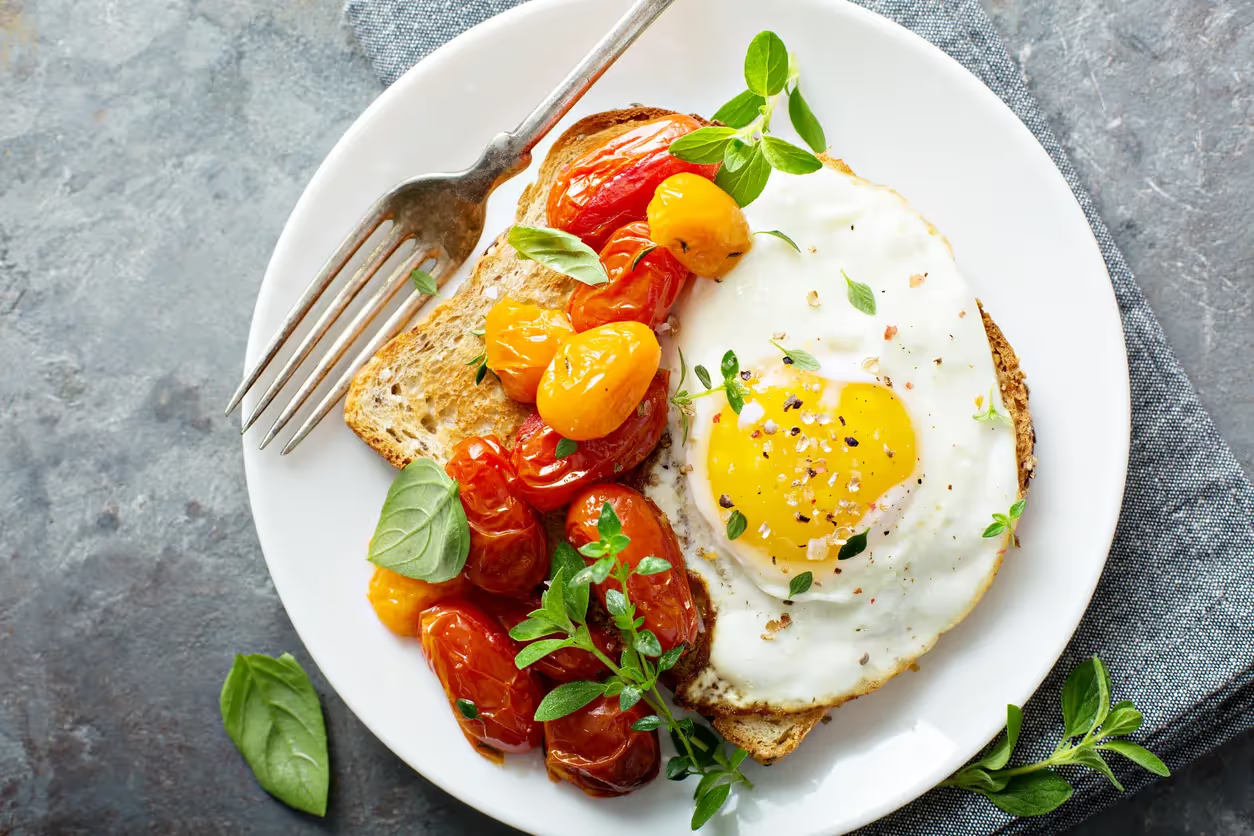
Egg scramble made with one egg and sauteed vegetables (utilize leftover cooked vegetables for less cooking time).
Serve with whole-grain toast (or gluten-free whole-grain bread) and low-sodium peanut butter or nut butter that doesn’t contain added oils or sugars.
Lunch
Leftover salmon and vegetables served over whole grains like brown or wild rice.
You can keep salmon cold if you (or your co-workers) don’t like the smell of reheated fish.
Just reheat rice and vegetables.
Dinner
Simple loaded salad: top kale and spinach with almonds, pumpkin seeds, tomatoes, peppers, cucumber, feta cheese, and canned tuna or salmon in water.
Drizzle an olive oil dressing on top.
Add leftover cooked and chilled rice or quinoa to the salad for a filling and nutritious carbohydrate source.
Snacks
Almonds and unsweetened nonfat Greek yogurt; hard-boiled egg and apple slices.
Day 4
Breakfast
Overnight pudding made with chia seeds, vanilla extract, cinnamon, 1% or fat-free lactose-free milk, or dairy alternative.
Top with fruit and sliced almonds.
Lunch
Chilled rice or quinoa bowl topped with leftover salad ingredients.
Served with unsweetened, nonfat Greek yogurt and raspberries.
Dinner
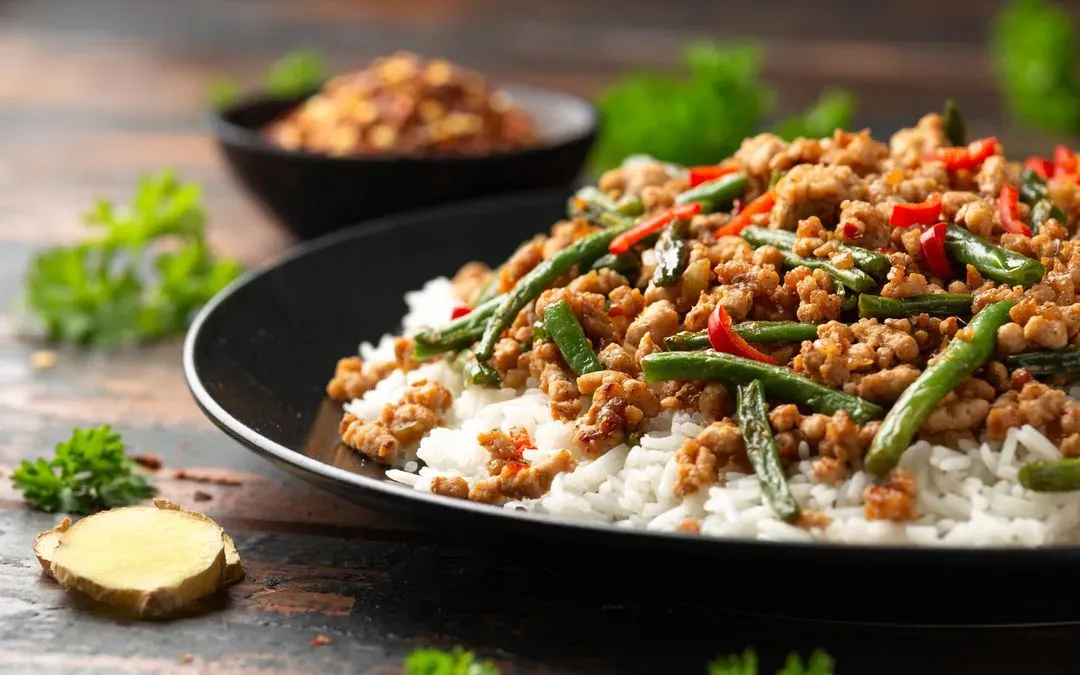
Southwest sweet potato hash made with lean ground turkey, roasted tomatoes, green chilies, onions, garlic, and pepper.
Serve with roasted green beans as a side.
Snacks
Edamame and clementines, unsweetened nonfat Greek yogurt ranch dip and carrot sticks.
Day 5
Breakfast
Nutrient-rich chocolate, peanut butter banana smoothie made with bananas, unsweetened cocoa powder, low-sodium natural peanut butter, kefir or unsweetened nonfat Greek yogurt, 1% or fat-free milk, or a dairy alternative.
Lunch
Leftover sweet potato hash. Add baby carrots as a side.
Dinner
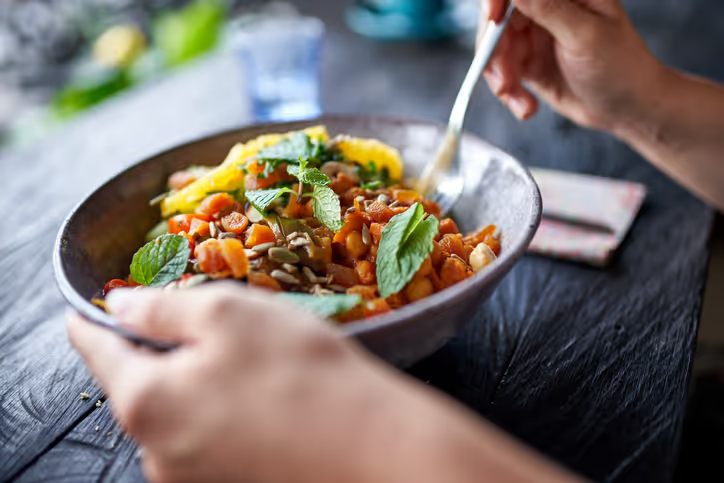
Vegetable-loaded chicken and chickpea curry with red peppers, tomatoes, cauliflower, curry powder, ginger, garlic, turmeric, spinach, and coconut milk (or lactose-free low-fat option or dairy-free alternative).
Canned tomatoes can also be used in place of coconut milk.
You can serve over whole grains like brown rice for a more filling option.
Snacks
Apple with melted nut butter; mangoes and low-fat, low-sodium cottage cheese.
Day 6
Breakfast
Low-sugar, nonfat Greek yogurt topped with sliced almonds and blueberries.
Hot coffee with a splash of 1% or fat-free lactose-free milk.
Lunch
Leftover chicken and vegetable curry served over whole-grain rice.
Dinner
Thin-crust Mediterranean-style pizza.
Top the whole grain or cauliflower-based crust with olive oil, garlic, mozzarella, spinach, tomatoes, olives, artichokes, red onions, and feta cheese.
Serve with a spinach salad and olive oil dressing.
Snacks
Carrot sticks with red pepper hummus; energy bites pre-made with old-fashioned oats, ground flax seed, low sodium nut or seed butter, vanilla extract, honey, and unsweetened dried fruit.
Day 7
Breakfast
Breakfast burrito made with sauteed black beans, tomatoes, and peppers wrapped in a whole-grain tortilla (or corn tortilla).
Pair with salsa and a sprinkle of low-fat shredded cheese. Add a scrambled egg for a heartier breakfast.
Lunch
Leftover pizza served with salad on the side.
Dinner
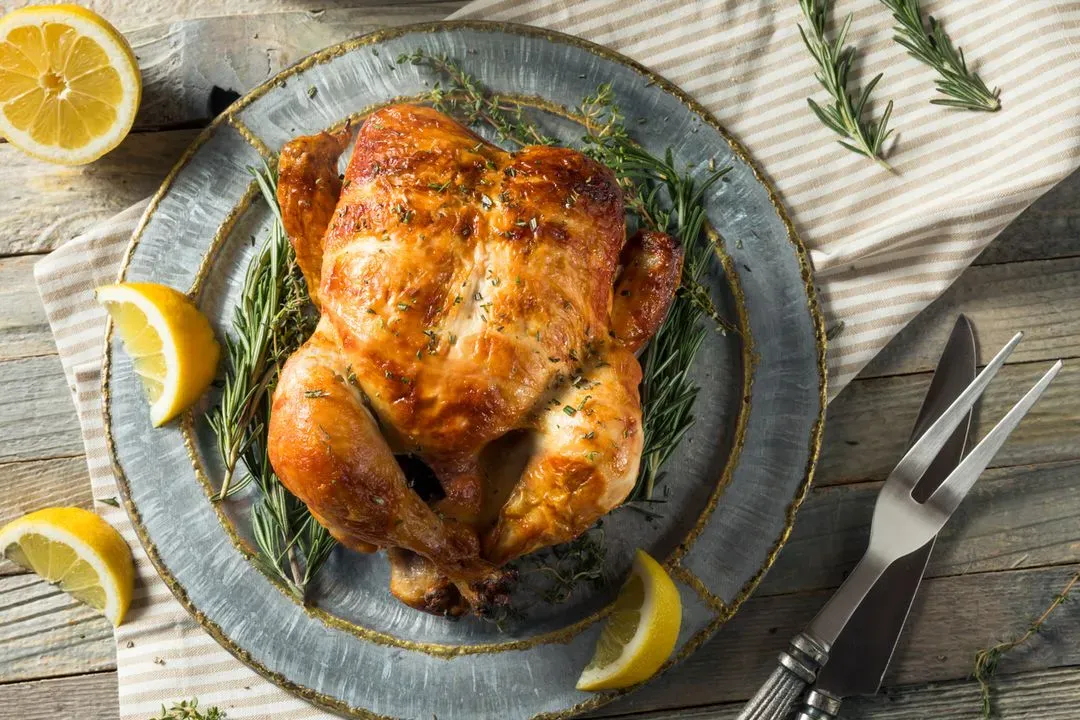
One pan lemon garlic chicken and potatoes.
Serve with your favorite cooked green vegetables, such as green beans, broccoli, or asparagus.
Snacks
Grapes and pistachios; trail mix made with almond, pumpkin seeds, walnuts, and unsweetened dried fruit.
{{splash}}
Tips For Staying Healthy With Hashimoto's Disease
- Prioritize foods like fruits, vegetables, grains, beans, nuts, seeds, lean protein, fish, and healthy fats.
- Reduce your intake of certain processed and packaged foods to help reduce the amount of added sugars, refined grains, and saturated fats you consume (which are pro-inflammatory).
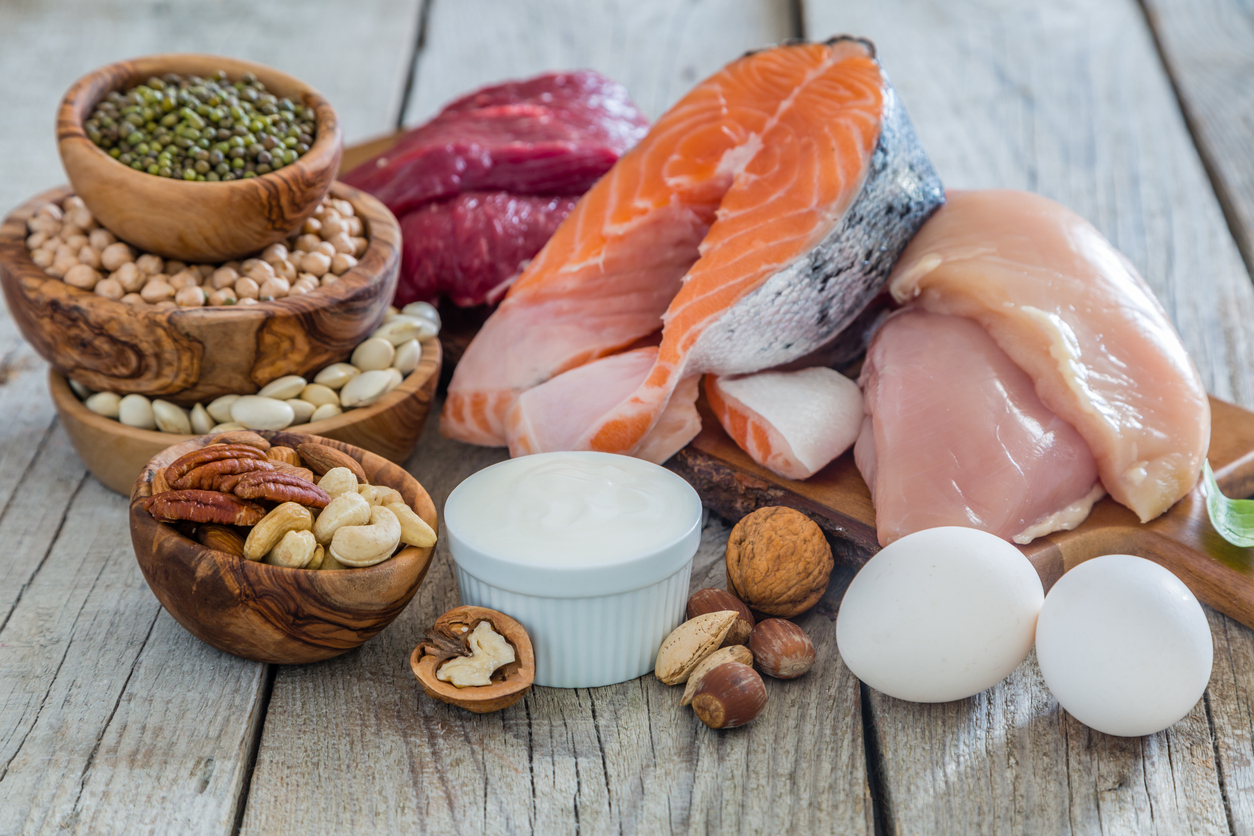
- Eating a wide variety of fruits, vegetables, nuts, beans, eggs, and lactose-free dairy can help ensure you consume vital nutrients like selenium, magnesium, zinc, and vitamin D.
- Keep anti-inflammatory staples on hand, such as canned options for chickpeas, black beans, and tomatoes. Choosing no salt added and/or low-sodium versions canned in water and rinsing them in water can help remove some added sodium.
- For a quick breakfast or snack, stock your kitchen with smoothie ingredients (frozen vegetables and fruits, lactose-free nonfat milk or yogurt, and seeds or ground flax seeds).
- Use moderate amounts of avocado or olive oil when cooking, roasting, or sauteing.
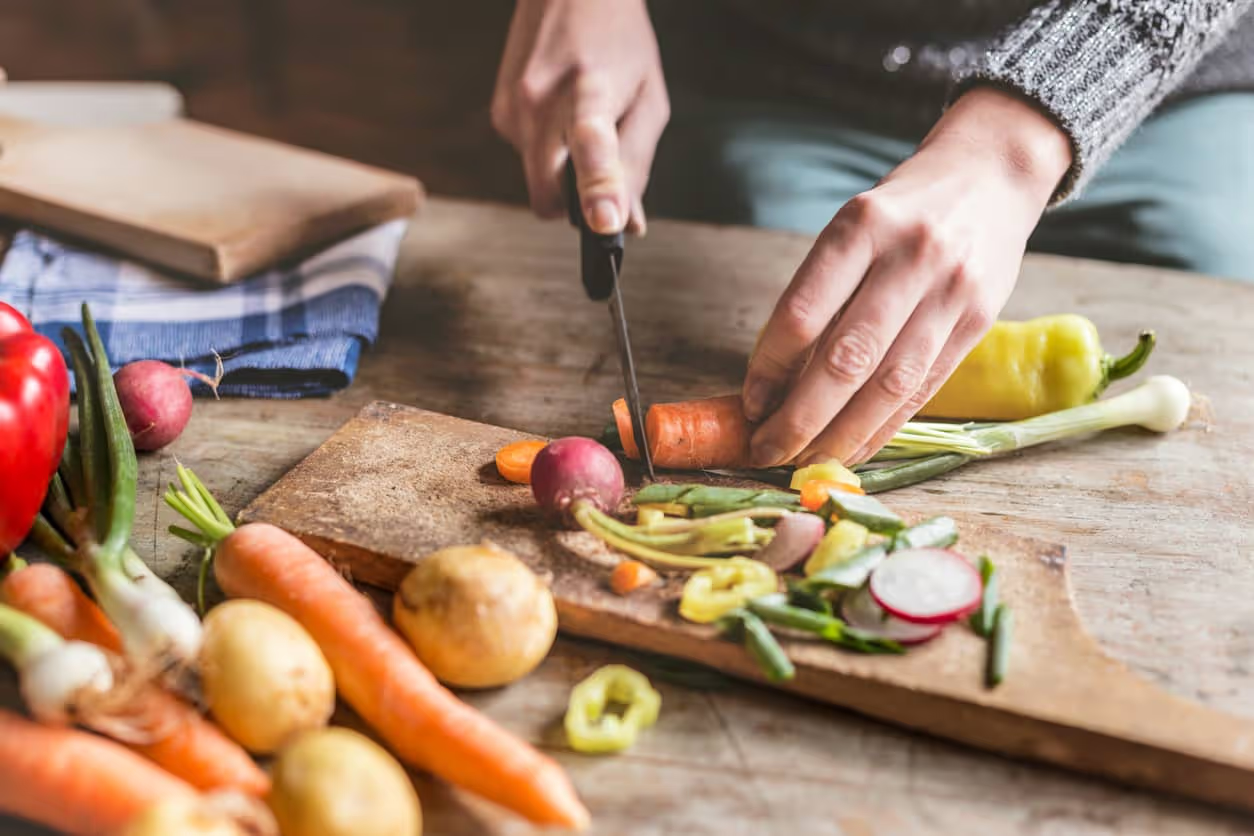
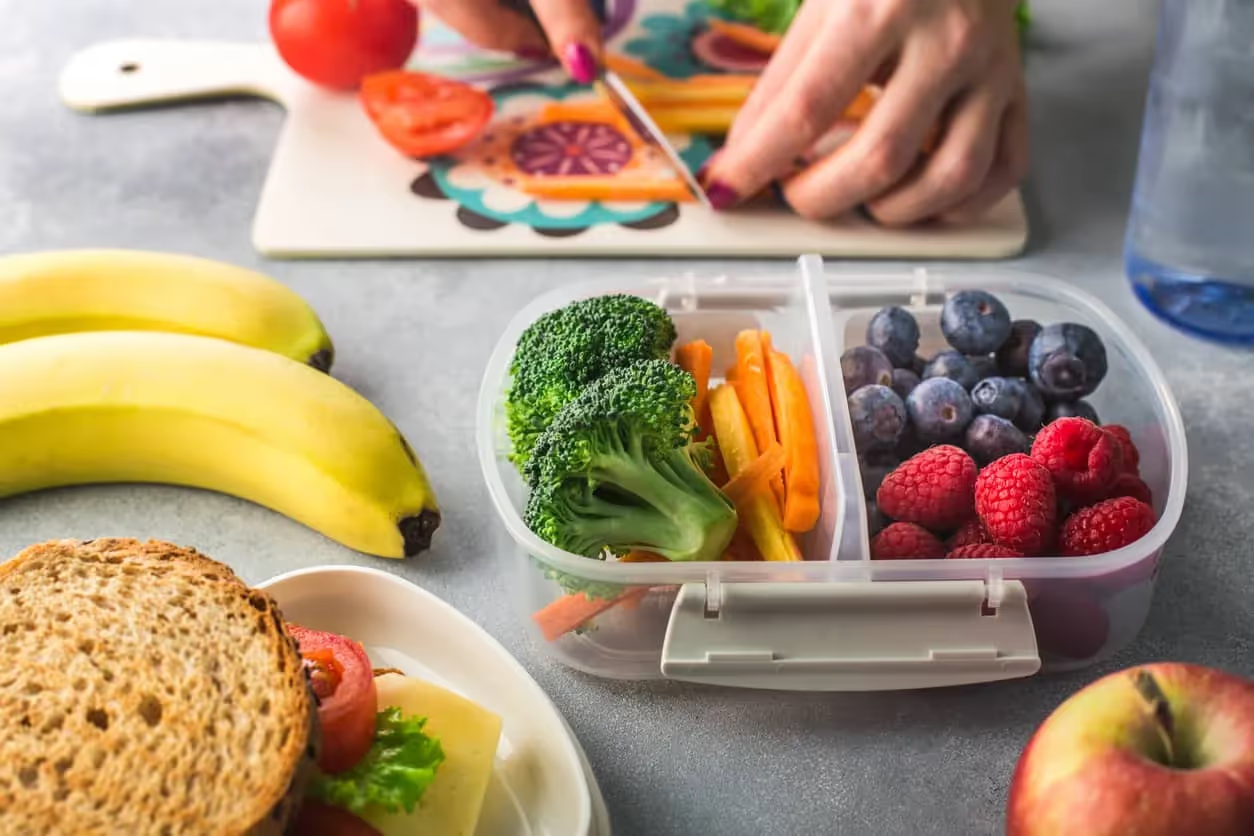
- Wash and cut vegetables once weekly so they are ready for meals or snacks.
- Prepare enough food at dinner for leftovers for breakfast, lunch, or an easy dinner the next day.
- Give your body time to adjust to the new foods and monitor for symptom improvement. Expect a couple of weeks after changing your diet.
Takeaway
This 7-day Hashimoto meal plan can help you incorporate nutrient-dense anti-inflammatory foods into your diet and might help reduce your symptoms.
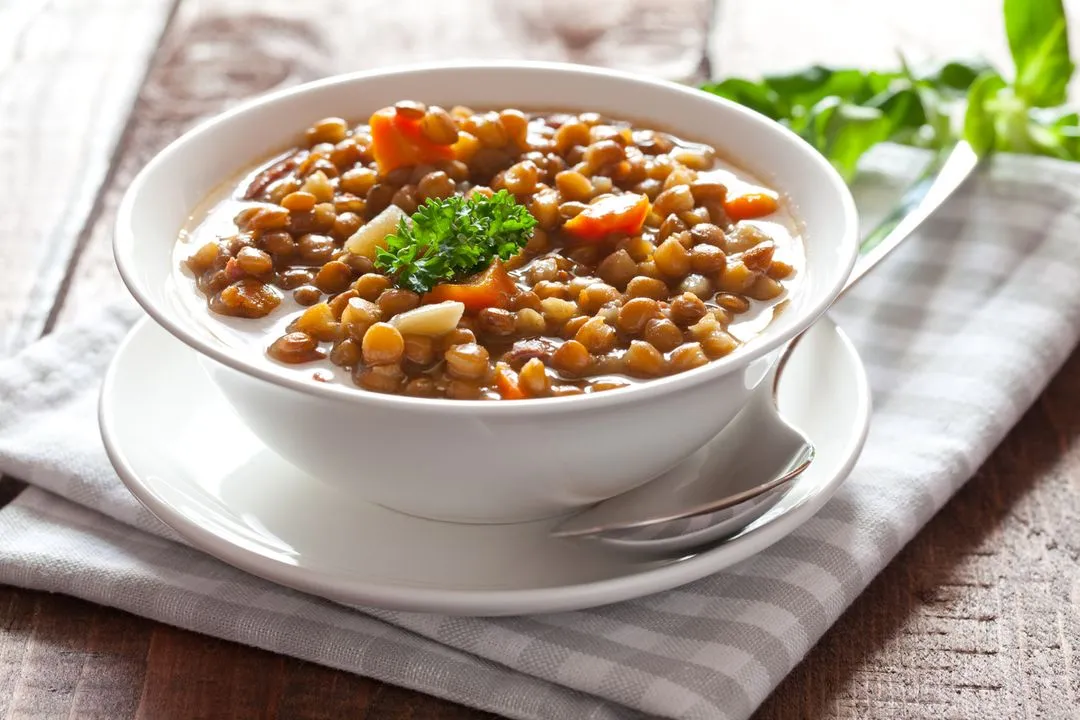
The meals and snacks prioritize vegetables (mostly cooked), plant-based protein options like beans and lentils, fruits, lean protein, or fish, and healthy fats like olive oil, avocadoes, nuts, and nut butters.
The choices also accommodate individuals avoiding gluten- or lactose-containing foods.
You can swap for gluten-free or low-lactose items if these do not aggravate your symptoms.
Working with a registered dietitian can help you determine nutrient-rich foods you enjoy eating while optimizing your thyroid health.
Find a dietitian who accepts insurance through Nourish.
Frequently Asked Questions
References
View all references
- Osowiecka K, Myszkowska-Ryciak J. The Influence of Nutritional Intervention in the Treatment of Hashimoto's Thyroiditis-A Systematic Review. Nutrients. 2023 Feb 20;15(4):1041.
- Hashimoto’s Disease. (2022, November 16). National Institute of Diabetes and Digestive and Kidney Diseases.
- Szczuko M, Syrenicz A, Szymkowiak K, Przybylska A, Szczuko U, Pobłocki J, Kulpa D. Doubtful Justification of the Gluten-Free Diet in the Course of Hashimoto's Disease. Nutrients. 2022 Apr 21;14(9):1727.
- University of Virginia. (2022). Lactose content of common dairy foods.
- Danailova Y, Velikova T, Nikolaev G, Mitova Z, Shinkov A, Gagov H, Konakchieva R. Nutritional Management of Thyroiditis of Hashimoto. Int J Mol Sci. 2022 May 5;23(9):5144.
- Manappallil RG, Muralidharan R, Shalu S, Haneef F. Hashimoto's thyroiditis aggravated by goitrogenic diet presenting as rhabdomyolysis worsened by alcohol intake. BMJ Case Rep. 2021 Jul 9;14(7):e243385.
Nourish has strict sourcing policies and prioritizes primary sources, including medical organizations, governmental agencies, academic institutions, and peer-reviewed scientific journals. Learn more about our medical review process and editorial guidelines.











.jpg)



















.avif)

.avif)



















.avif)

%20(1).webp)





.avif)
.avif)