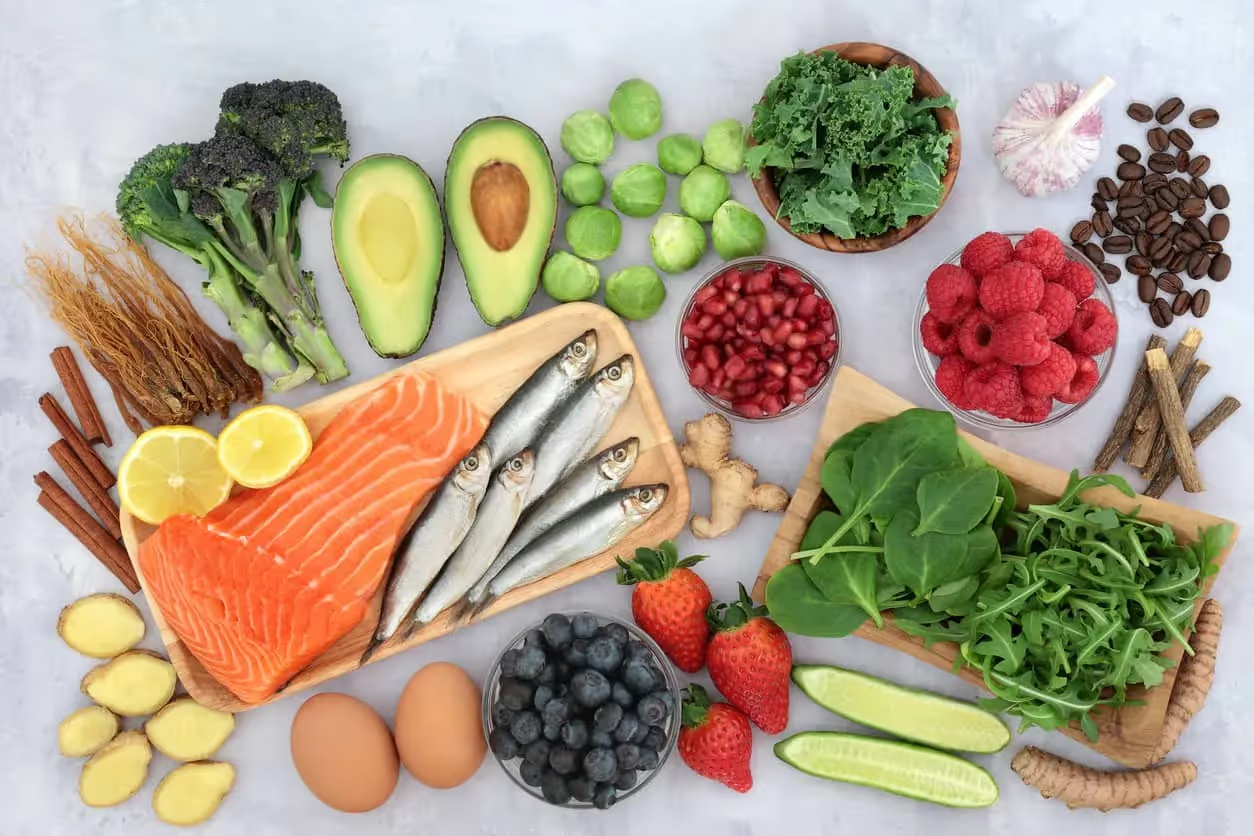
Cheap Meal Plan For A Week: Budget-Friendly And Nutritious Meals

Medical Reviewer: Renae Khalil RD, LDN

Author: Jennifer Huddy, MS, RD, LD

Summary
- Make a weekly budget, plan your meals, and purchase foods on sale to save money.
- Stock up on staples like frozen fruits and veggies, canned tuna, and brown rice.
- If your budget doesn’t cover the food you need, you may qualify for a government food assistance program.
With rising grocery costs, shopping for affordable ingredients to prepare nutritious meals for you and your family can feel overwhelming.
Budgeting, meal planning, shopping for in-season produce, and utilizing sales and coupons are strategies for saving money at the grocery store.
Depending on your income, you may qualify for government food assistance programs like SNAP (Supplemental Nutrition Assistance Program) or WIC (Women, Infants, and Children).
Continue reading to learn more about how to shop for affordable groceries and find a free 7-day budget-friendly meal plan.
{{splash}}
Cheap Meal Basics: Getting Started
Saving money on groceries may involve creating a food budget, writing out a weekly meal plan, and researching sales and seasonal produce.
Several free resources exist to help with each of these steps.
While this can be time-consuming up front, some of these steps can be streamlined.
For example, after creating several weeks of meal plans, you can begin cycling back through them.
Budgeting
The first step is to develop a weekly food budget based on your income and other expenses.
Iowa State University has a free tool to help you determine a grocery budget that will allow you to meet the nutritional needs of your family.
Meal Planning
Planning your meals before grocery shopping can help you save money by reducing food waste, cooking more at home, and taking advantage of coupons and sales.
Meal planning can feel overwhelming at first. Start by planning only a few days at a time.
Utilize leftovers as much as possible to cut back on the time spent in the kitchen.
Also, consider keeping a book or folder with all your favorite recipes.
You can add to it over time, making it easy to flip through and decide what you want to cook each week.
To simplify, try having a “theme” for each day of the week that you can repeat with different recipes.
For example, Monday is pasta, Tuesday is soup, Wednesday is a chicken dish, etc.
Grocery List
Create your grocery list based on the ingredients you’ll need to make the meals and snacks in your meal plan.
Sticking to your grocery list when you go shopping can help you save money by preventing impulse purchases and ensuring you have a plan for each item you buy.
However, it can help to be flexible depending on the sales.
You can adjust your meal plan while shopping if you don’t have time to review your store’s weekly ad in advance.
For example, if you planned to cook asparagus with dinner but it wasn’t on sale, you can substitute it with a similar vegetable that may be more affordable, such as green beans.
Budget-Friendly Foods to Eat
Certain food choices, such as frozen vegetables and dried beans, are generally affordable and can be staples of a cheap meal plan.
Consider the following budget-friendly options from each food group.
Proteins
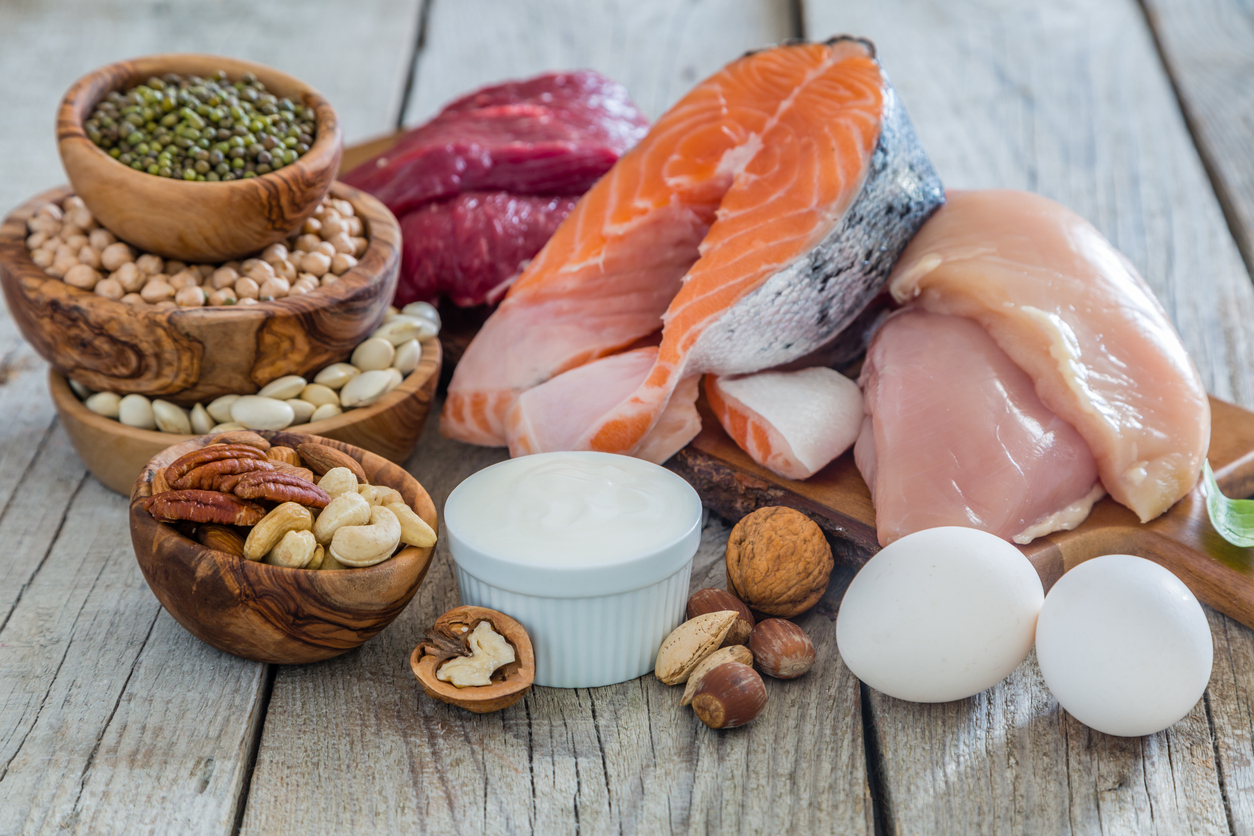
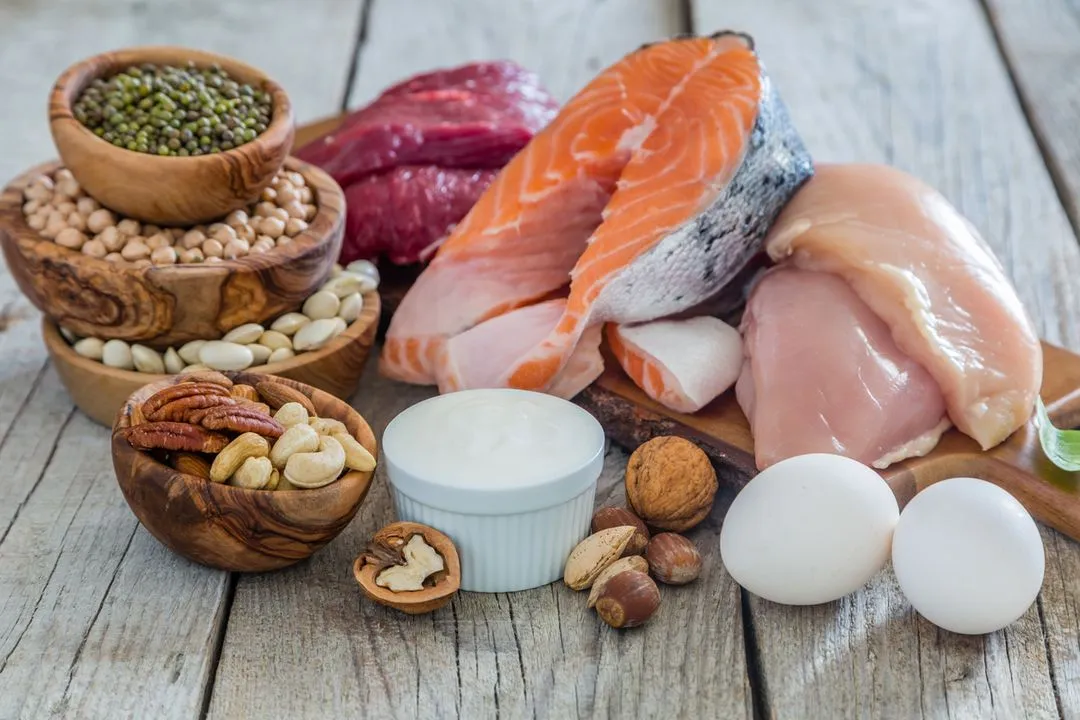
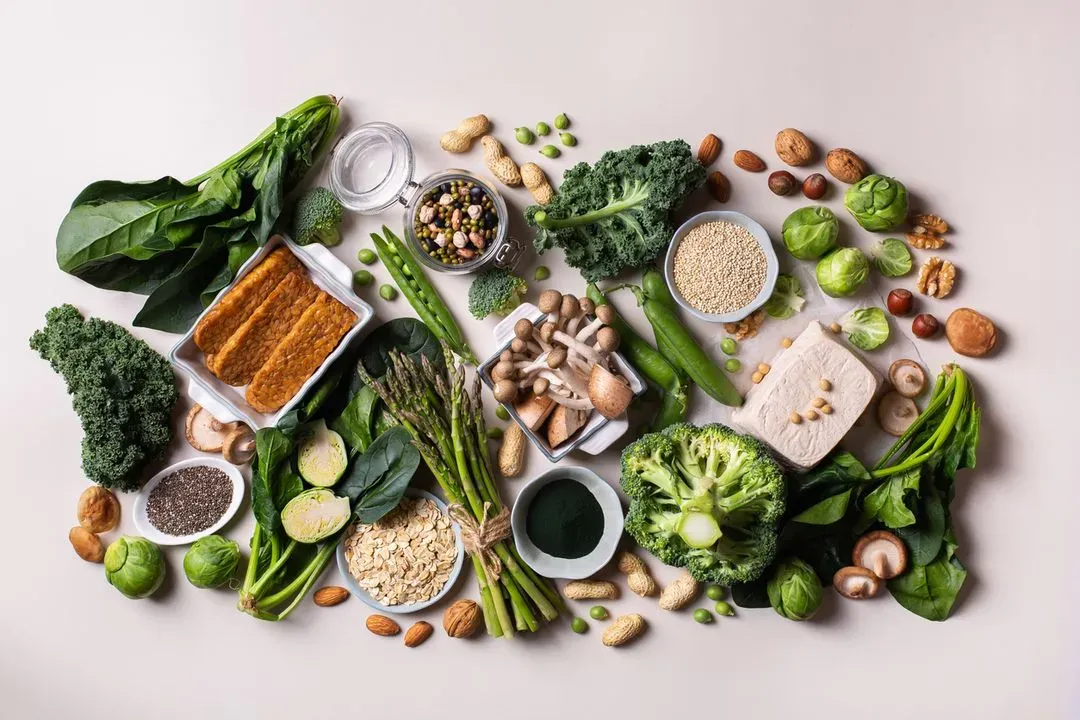
Plant-based proteins and canned proteins are often more affordable than meat. Include a variety of the following items on your grocery list:
- Canned or dried beans and lentils.
- Eggs.
- Canned seafood, like tuna and salmon.
- Lean ground beef or turkey.
- Chicken (purchase family-sized portions and freeze the extra).
- Peanut butter.
Fruits and Vegetables
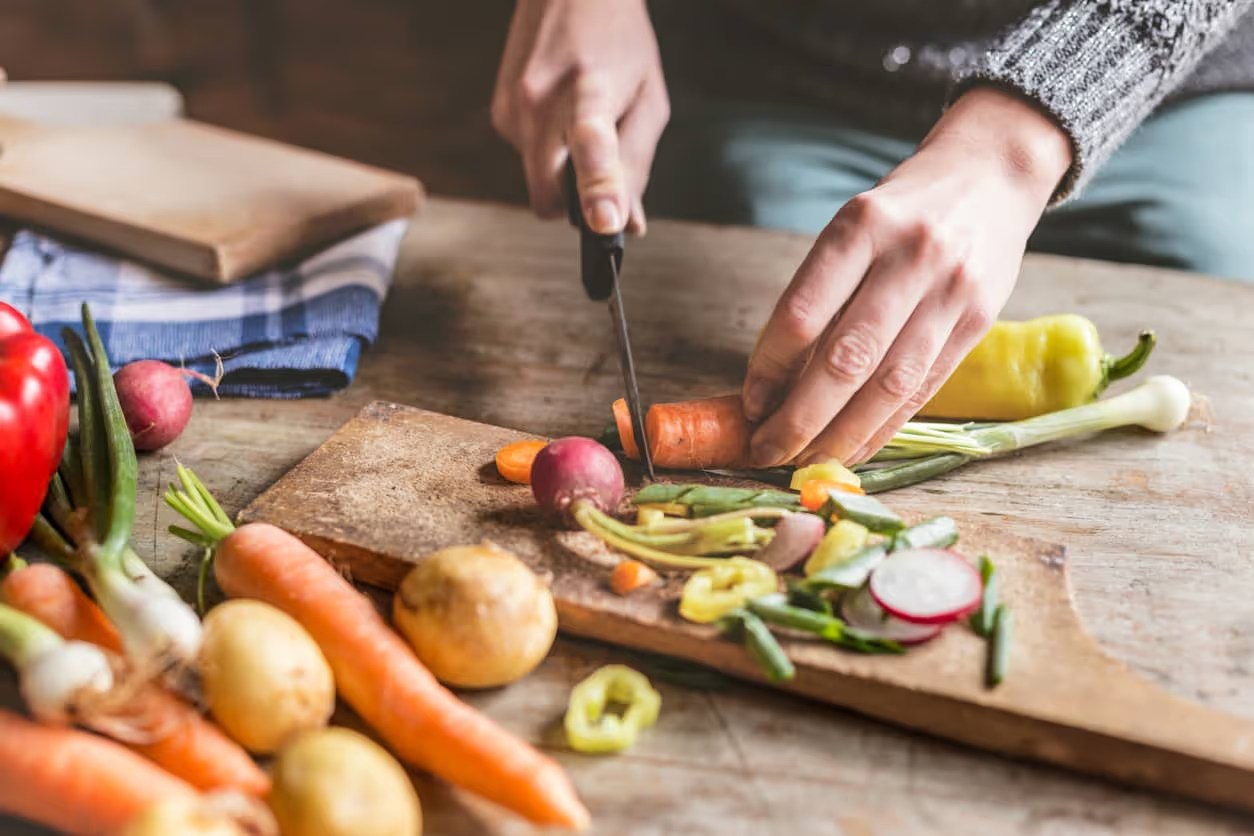
Canned and frozen produce are convenient, affordable, and nutritious.
Consider the following options for your grocery list:
- In-season fruits and vegetables (use this free guide to learn more about seasonal produce).
- Plain frozen fruits and vegetables (packaged without sauces and seasonings).
- Canned fruits packed in 100% fruit juice.
- Canned vegetables (look for “low-sodium or “no salt added” options).
Certain fresh fruits and vegetables tend to be affordable year-round, such as:
- Bananas.
- Apples.
- Oranges.
- Lettuce.
- Carrots.
- Green peppers.
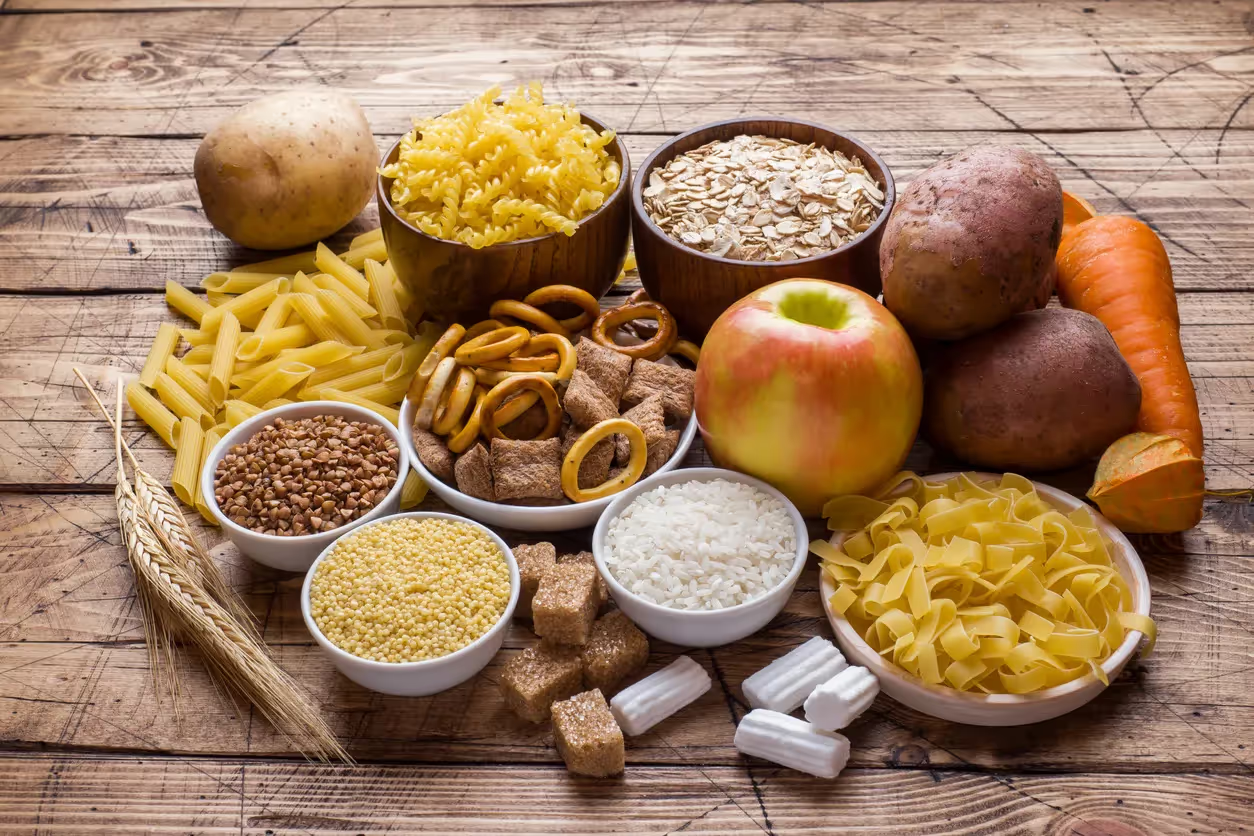
Grains and Starches
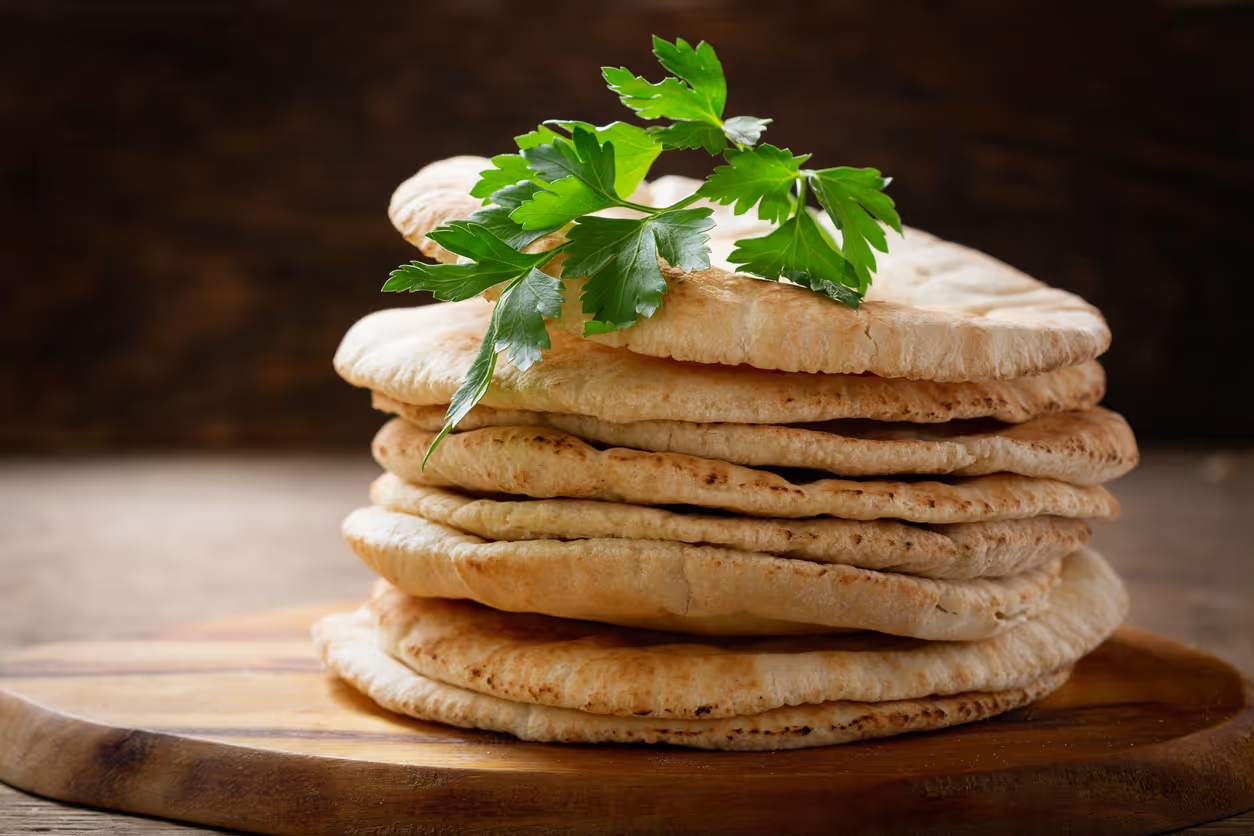
Experts recommend making half of your daily grains whole grains.
Dried whole grains are generally the most affordable.
- Dried grains, such as brown rice and barley.
- Whole grain pasta.
- Whole wheat bread.
- Hot cereals, like oats and cream of wheat.
- Popcorn kernels (instead of pre-popped popcorn).
- Potatoes.
- Corn tortillas.
- Whole grain flour and cornmeal (for homemade baked goods).
Dairy
Dairy has important nutrients, like calcium and vitamin D, and also provides protein.
Examples include:
- Greek yogurt (purchase the family-size instead of single-serve containers).
- Cow’s milk or soy milk.
- Cottage cheese.
- Cheese (purchase in blocks instead of shredded or sliced).
Cheap Meal Plan for a Week
Below is a free 7-day budget-friendly meal plan to help you get started. It includes different ideas for each meal to demonstrate a wide range of recipes.
However, batch cooking and utilizing leftovers several days in a row is a great way to save money and time in the kitchen.
If you receive SNAP benefits, you can find free recipes using foods that are eligible for purchase on the program.
Learn more about government food assistance programs here.
This meal plan is not intended to replace medical advice. For individualized meal recommendations and portion sizes, consider working with a registered dietitian (covered by insurance).
Day 1
Breakfast
Banana oat pancakes (made in the blender). Top with butter, sliced bananas, and a drizzle of maple syrup.
Lunch
Egg-fried rice made with frozen mixed vegetables.
Dinner
Chicken and black bean enchiladas. Serve with fajita vegetables (sliced peppers and onions tossed with oil and taco seasoning, then baked).
Snacks
Apple slices with peanut butter.
Homemade buttered microwave popcorn.
Day 2
Breakfast
Plain Greek yogurt layered with defrosted frozen berries, homemade granola, and a drizzle of honey.
Lunch
Tuna salad sandwich on whole grain bread. Serve with a side of sliced cucumbers and apples.
Dinner
Honey garlic salmon served with brown rice and roasted frozen broccoli.
Snacks
Cottage cheese with canned pineapple (canned in 100% juice).
Hard-boiled eggs and whole grain crackers.
Day 3
Breakfast
Scrambled eggs with whole-grain toast and orange slices.
Lunch
Buffalo chicken quesadillas with carrots and celery sticks
Dinner
Vegetarian twice-baked potatoes served with a side of steamed green beans.
Snacks
Small smoothie (made with frozen fruit, spinach, and yogurt).
Peanut butter and oat energy bites.
Day 4
Breakfast
Oatmeal cooked with milk, cinnamon, and raisins; topped with a spoonful of peanut butter.
Lunch
Chickpea pasta tomato soup with greens. Serve with whole wheat toast.
Dinner
Lettuce wrap burgers made with lean ground beef. Serve with a side of baked sweet potato fries.
Snacks
“Cookie dough yogurt” (plain Greek yogurt mixed with peanut butter, honey, vanilla extract, and chocolate chips).
String cheese with whole grain crackers.
Day 5
Breakfast
Breakfast casserole made with eggs, potatoes, and veggies.
Lunch
Vegetarian burrito bowl with black beans, brown rice, chopped romaine, and pico de gallo.
Dinner
Whole grain spaghetti with meat sauce and a side salad.
Snacks
Day 6
Breakfast
Overnight oats with walnuts, coconut flakes, and banana slices.
Lunch
“Egg roll in a bowl” made with sauteed shredded cabbage, ground turkey, and veggies.
Dinner
Stuffed bell peppers with ground turkey and rice.
Snacks
Homemade hummus with carrot sticks.
Homemade blueberry muffins made with frozen blueberries.
Day 7
Breakfast
Black bean breakfast tacos on corn tortillas.
Lunch
Peanut butter and jelly sandwich with carrot sticks and a string cheese.
Dinner
Stir-fried frozen vegetables, tofu, and brown rice.
Note: Purchase frozen stir-fry veggies without added sauce or flavorings (the recipe includes a simple homemade sauce).
Snacks
Lunchmeat roll-up with deli turkey, cheese, and a small tortilla.
Tips for Saving Money at the Grocery Store
In addition to shopping for seasonal produce, budgeting, and meal planning, you can utilize other tips to save money on your grocery bill.
Coupons and Sales
- Review your grocery store’s weekly ad to learn what will be on sale.
- Clip coupons when available.
- Sign up for your store’s free club or loyalty program and enter your phone number during checkout.
- Some stores have digital coupons in addition to their weekly ads. These can be found online or on the store’s smartphone app.
- Purchase store-brand items rather than name-brand.
- Check the clearance section (it usually has heavily discounted food items that will expire soon).
{{splash}}
Unit Price
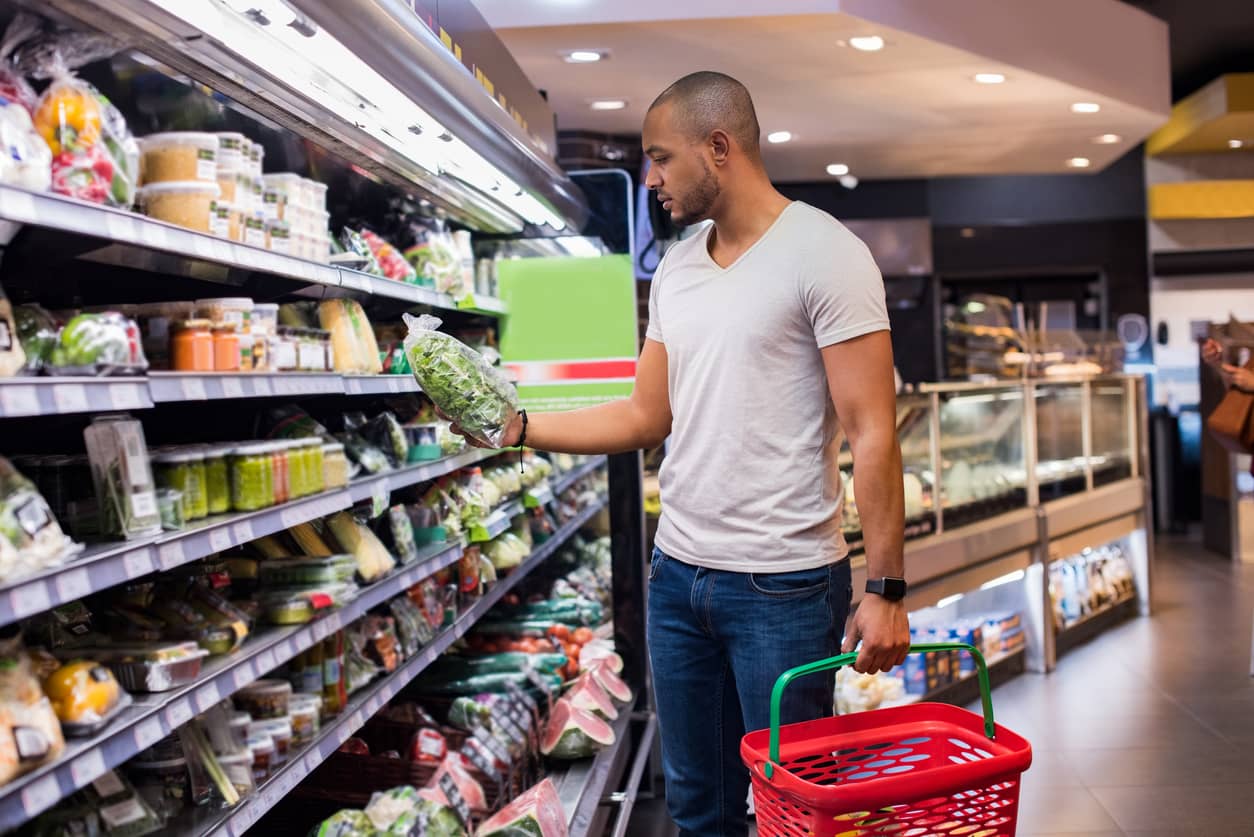
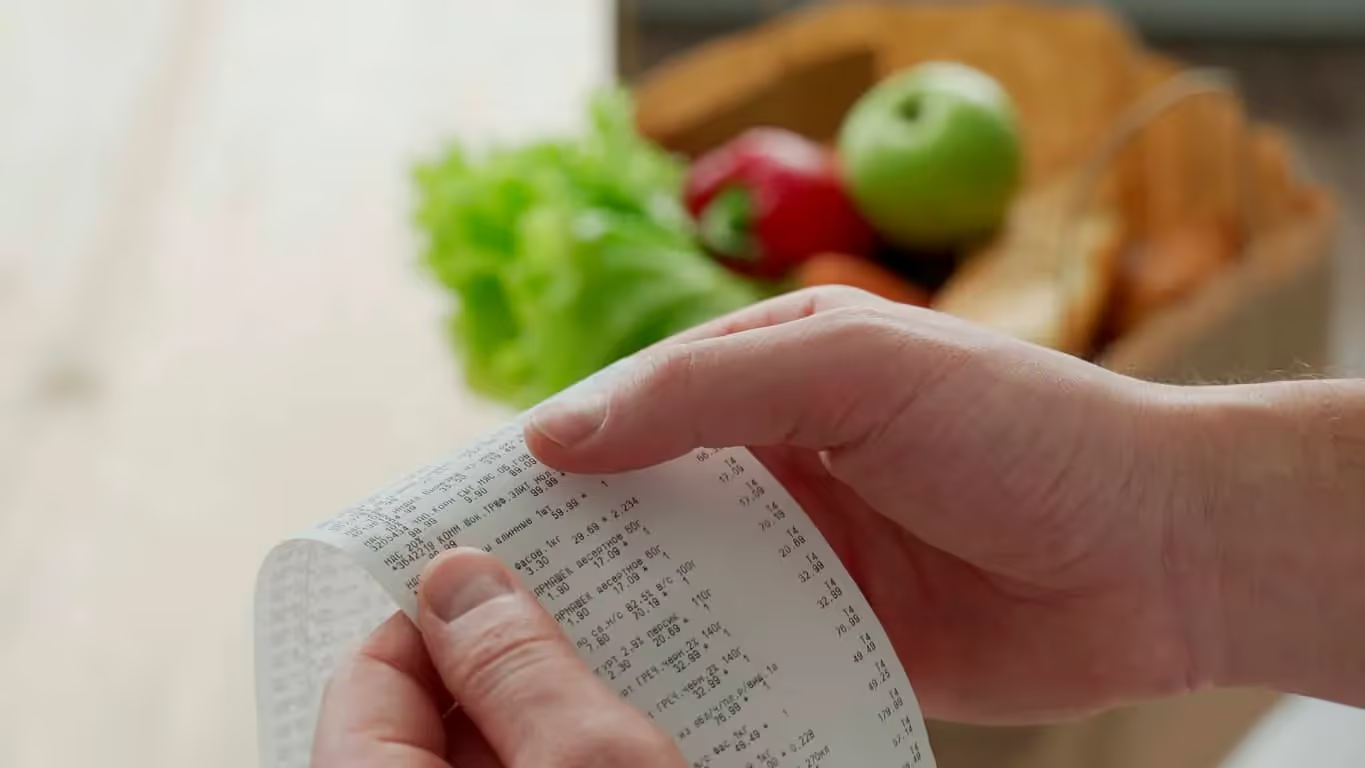
Understanding unit prices can help you save money and choose food items with the best value.
In the grocery store, most price tags include a retail price (the total cost of the item) and a unit price (the price per ounce).
For example, imagine you’re comparing two different yogurts:
- Yogurt #1 is 32 ounces, costs $3.99, and the unit price is $0.12 per ounce.
- Yogurt #2 is 6 ounces, costs $1.75, and the unit price is $0.29 per ounce.
In this case, even though yogurt #1 is more expensive, it’s the more cost-effective option because you’ll get more yogurt at a cheaper per-ounce cost than yogurt #2.
Takeaway
With some planning, you can save money on your grocery bill while providing nutritious meals for yourself and your family.
Set a weekly food budget and plan your meals before shopping based on ingredients that are on sale.
Utilize affordable staples like canned and frozen produce, canned seafood, eggs, brown rice, and oats.
Use free online resources for help with budgeting, meal planning, and low-cost recipes, and seek government food assistance programs when needed.
How an RD Can Help
Meal planning on a budget can be tricky, especially if you have a food allergy or other dietary restrictions.
A registered dietitian can teach you how to:
- Simplify meal planning.
- Identify budget-friendly ingredients and substitutions.
- Provide tips for reducing food waste.
- Find free resources for budgeting and meal planning.
- Identify government food assistance programs for which you may qualify.
Find a registered dietitian and book an appointment for zero dollars out of pocket (with insurance).
Frequently Asked Questions
References
View all references
Nourish has strict sourcing policies and prioritizes primary sources, including medical organizations, governmental agencies, academic institutions, and peer-reviewed scientific journals. Learn more about our medical review process and editorial guidelines.











.jpg)





















.avif)

.avif)

























.avif)
%20(1).webp)







.avif)
.avif)