How Can An Anti-Inflammatory Diet Help IBS?

Medical Reviewer: John Markell, RDN, LDN, CDN, CPT

Author: Caitlin Beale, MS, RDN

Summary
- Irritable bowel syndrome (IBS) is a digestive health condition that affects the stomach and intestines.
- An anti-inflammatory diet may help alleviate IBS symptoms by lowering gut inflammation and supporting growth of beneficial gut bacteria.
- A dietitian can help you manage IBS by providing nutritional guidance that’s customized to your health needs.
Updated by: Julia Zakrzewski
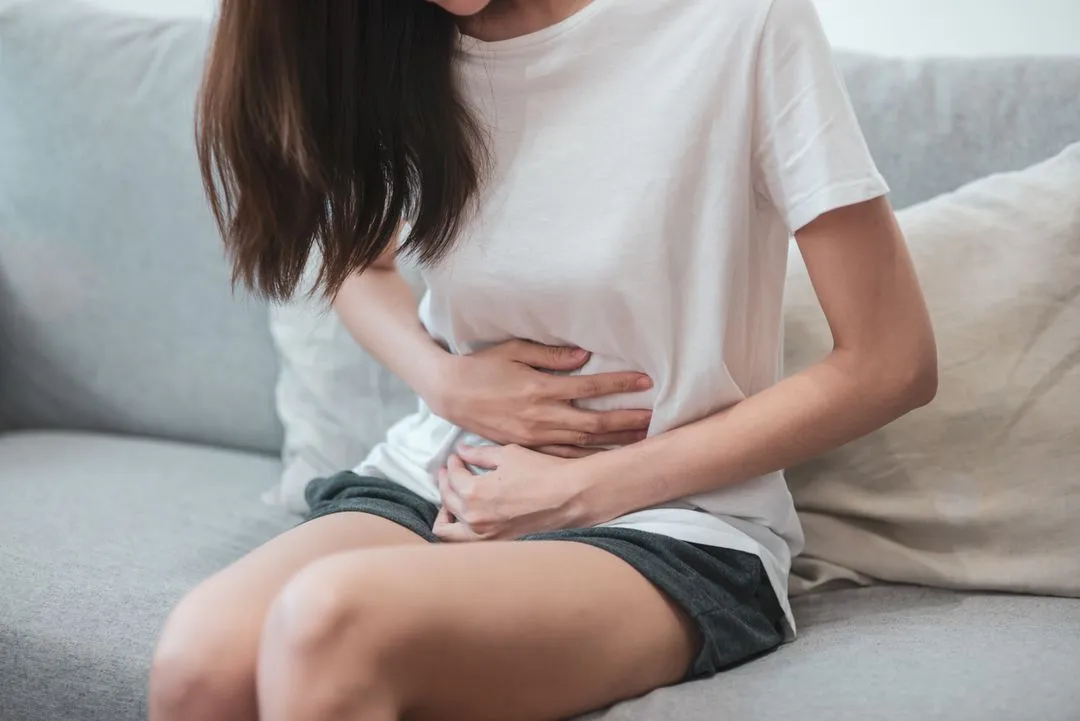
Irritable bowel syndrome (IBS) is a common gastrointestinal (GI) disorder characterized by irregular bowel habits, abdominal pain, and bloating.
No single factor causes IBS (genetics, gender, brain-gut connection, and diet may all contribute), but inflammation may play a key role.
Inflammation is a normal immune response to injury or infection.
It's how your body calls attention to damaged cells to trigger the healing process.
If inflammation persists for too long, it can lead to chronic health conditions.
In IBS, inflammation may play a role in the development of the condition and also be a consequence of it.
As a result, an anti-inflammatory diet may be able to help manage IBS symptoms.
Research suggests that eating certain foods—and avoiding others—can reduce inflammation and improve IBS symptoms.
Keep reading to learn how an anti-inflammatory diet could help with IBS and what foods to include.
{{splash}}
What is an Anti-Inflammatory Diet?
An anti-inflammatory diet focuses on eating foods to help reduce inflammation in the body.
It encourages you to consume more foods and drinks that contain nutrients like polyphenols, antioxidants, and fiber—all of which may address inflammation in the body.
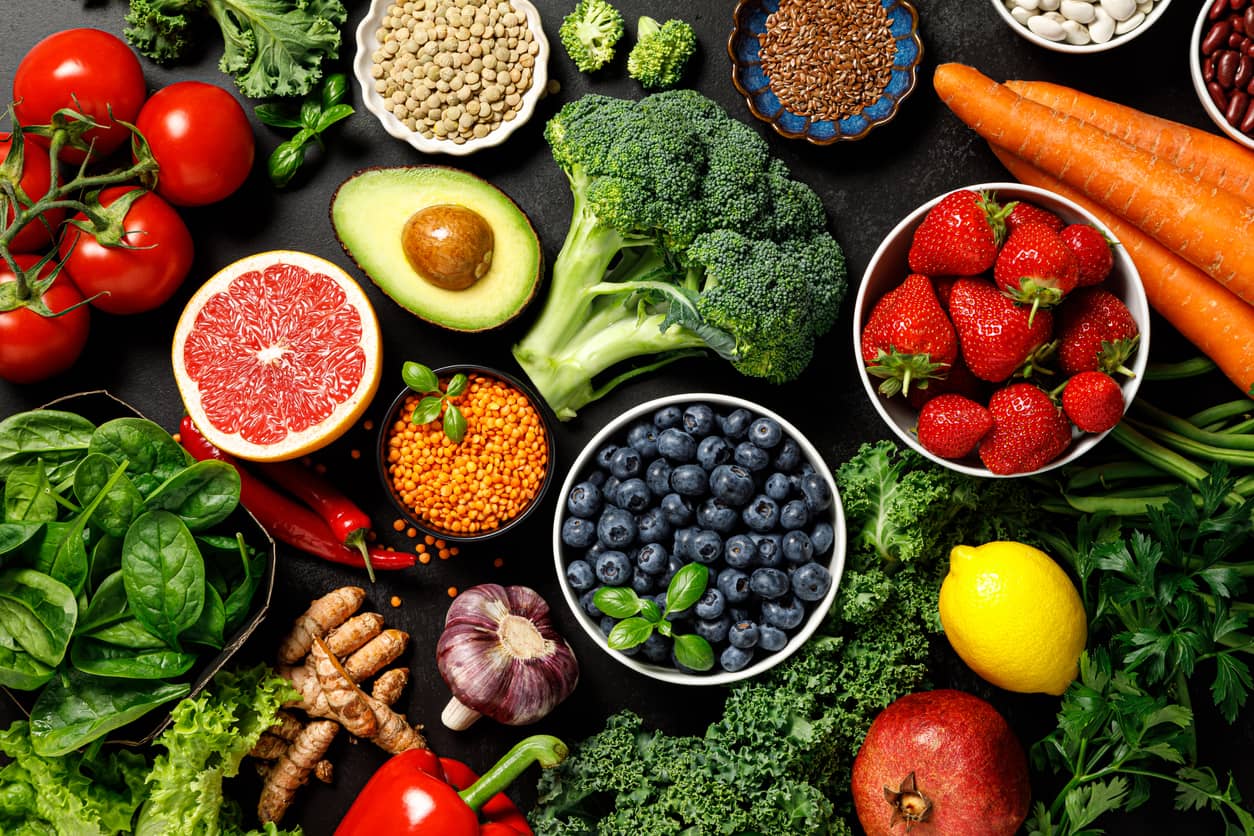
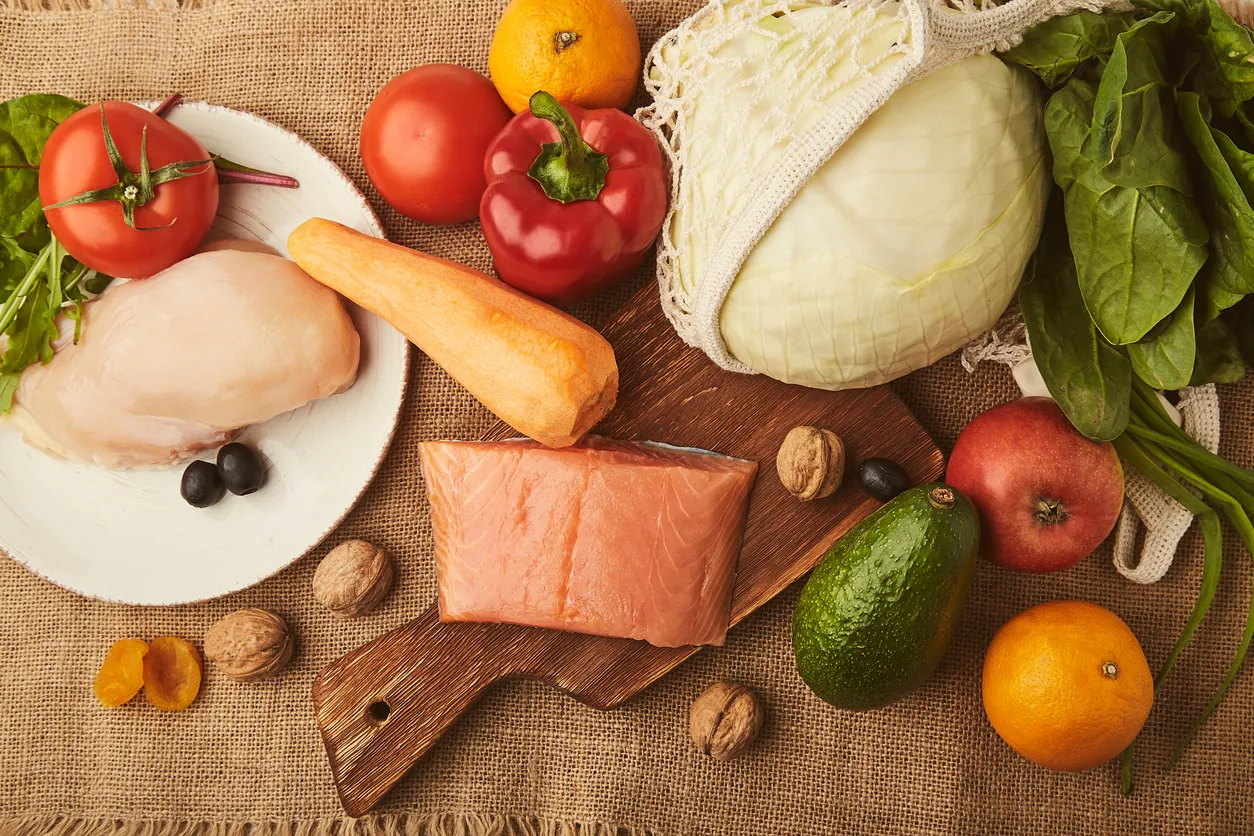
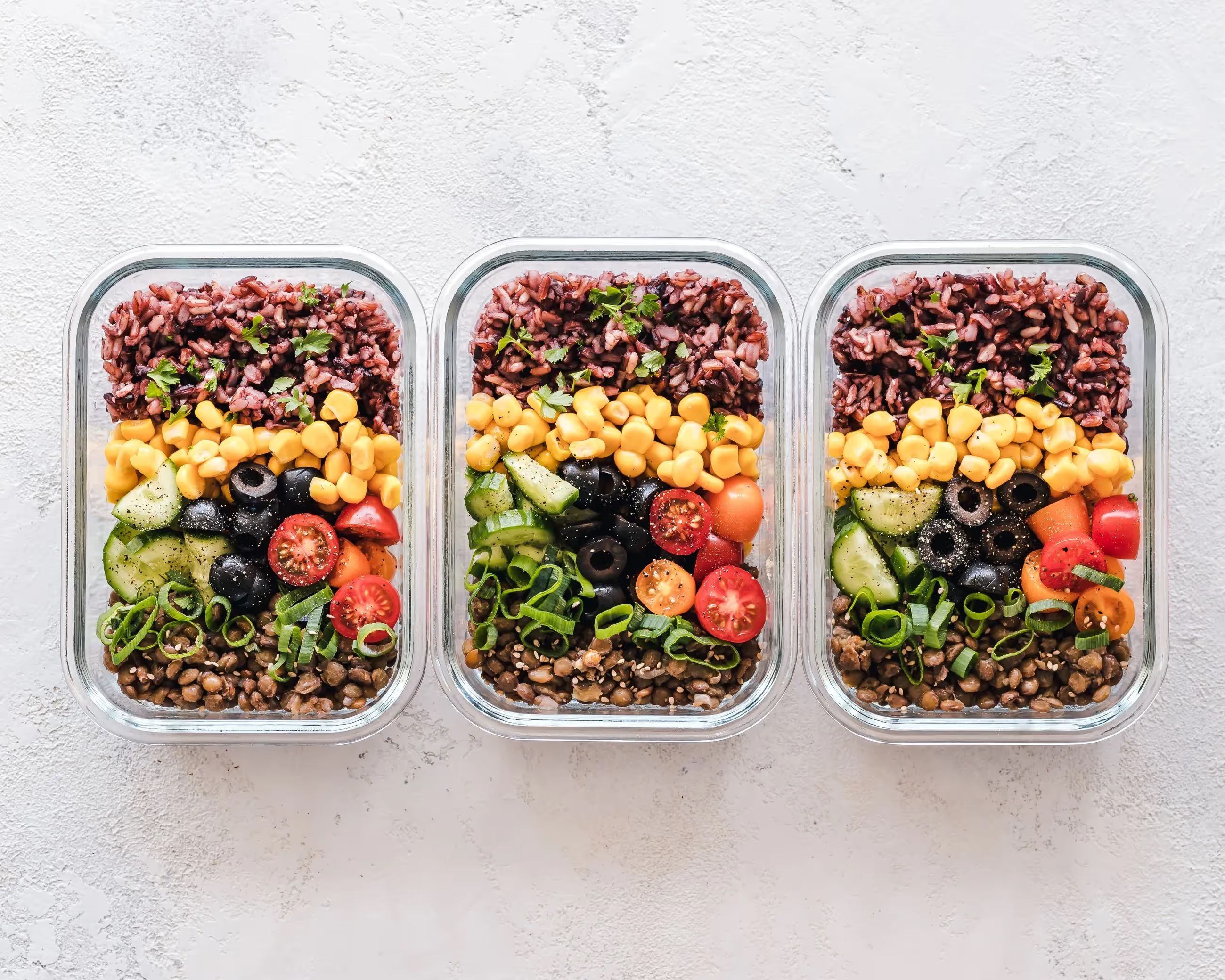
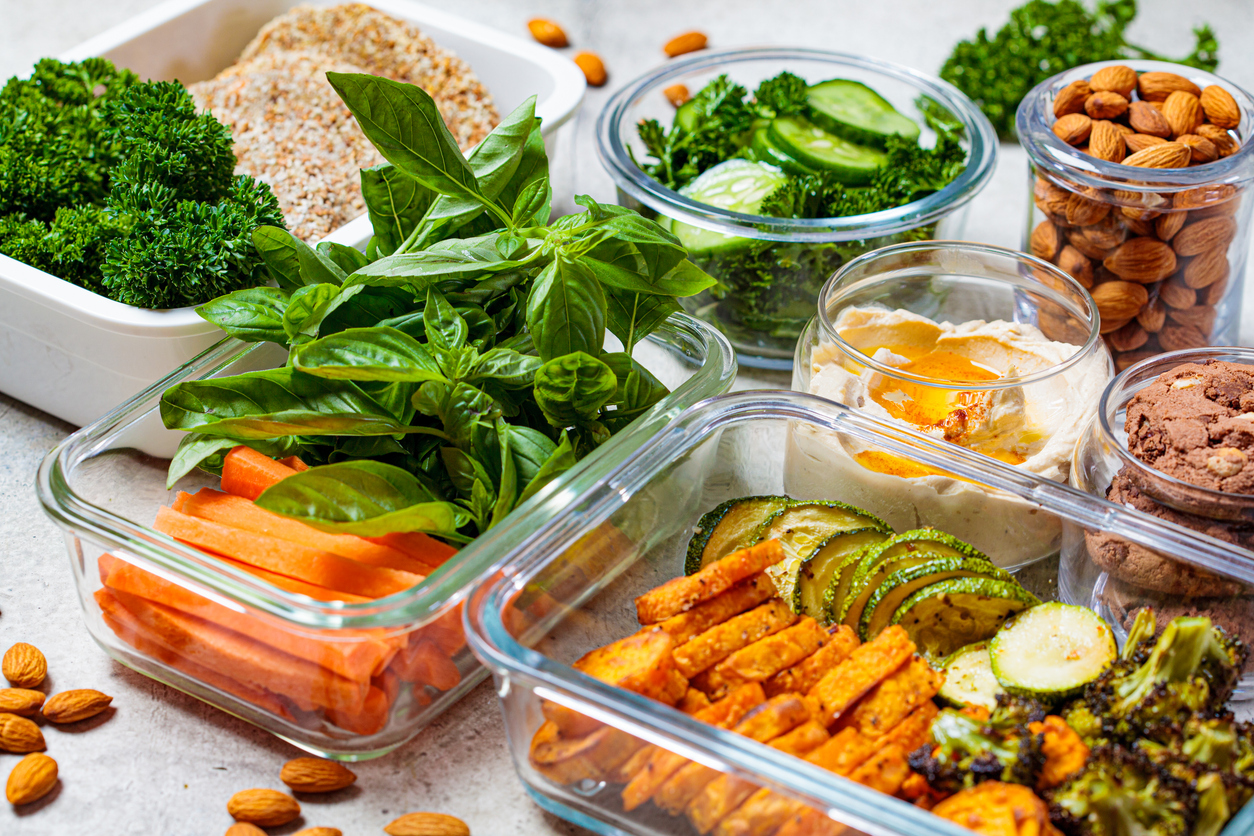
Foods that may be included in an anti-inflammatory diet include fruits, vegetables, fish, whole grains, nuts, seeds, legumes, herbs, and spices.
The Mediterranean Diet
A popular anti-inflammatory eating pattern is the Mediterranean diet.
The Mediterranean diet includes all of the above foods plus olive oil, small amounts of dairy, and red wine in moderation.
It's high in monounsaturated fats and fiber-rich plant-based foods, which studies show may help reduce inflammation in the body.
A registered dietitian can teach you to follow a mediterranean diet.
Can an Anti-Inflammatory Diet Help with IBS?
An anti-inflammatory diet may help with IBS symptoms and reduce the risk of developing IBS in the first place.
Individuals with IBS may experience symptoms due to inflammation, and evidence indicates that people with IBS tend to have elevated markers of inflammation.
Some research also suggests a close relationship between the intake of inflammatory foods, as seen in the typical Western diet patterns (high in saturated fats and processed foods), and increased risk of IBS.
Therefore, an anti-inflammatory diet is thought to help reduce symptoms and improve overall gut health for people with IBS.
An anti-inflammatory diet may help with IBS by:
Neutralizing free radicals
Foods high in antioxidants may lower inflammation in the gut.
Antioxidants remove free radicals that can cause inflammation and oxidative damage.
Antioxidants from food may also help lower inflammation by activating cellular pathways that help lower the inflammatory response.
Supporting beneficial bacteria
Anti-inflammatory diet patterns benefit healthy bacteria that are critical in managing inflammation in the gut.
Studies link IBS to dysbiosis or an imbalance in gut bacteria.
Anti-inflammatory diets provide fuel and nutrients that support beneficial bacteria while inhibiting the growth of harmful bacteria.
Increasing the production of SCFAs
Fiber, omega-3 fatty acids, and polyphenol-rich foods support the production of short-chain fatty acids (SCFA).
SCFAs are fermentation products that help maintain the balance of gut bacteria and regulate inflammation in the gut.
SCFAs are a source of energy for the cells of the large intestine, and they help protect the lining of the intestinal wall.
Evidence suggests that SCFA levels are altered in patients with IBS.
How to Personalize an Anti-Inflammatory Diet
Even anti-inflammatory diets need to be personalized to the individual.
It's estimated that almost 90 percent of people with IBS link symptoms like pain or bloating with food intake, and food triggers can vary from person to person.
This is why personalized elimination diets are important for gut conditions like IBS.
Here are some tips to help you personalize an anti-inflammatory diet:
- Book an appointment with a registered dietitian to receive professional guidance.
- Keep a food journal and track symptoms after eating or drinking.
- Modify your favorite recipes to better fit your IBS requirements.
What works for one person may not work for another—especially since there are different subtypes of IBS with varying symptoms.
Low-fiber or low-FODMAP (fermentable oligosaccharides, disaccharides, monosaccharides, and polyols) diets are often used to help with symptoms because these foods are often poorly absorbed by people with IBS, but they also temporarily remove many foods emphasized on an anti-inflammatory diet.
The goal for any elimination diet is to slowly reintroduce as many foods as possible, but it can take time for symptoms to subside.
In the meantime, even if a food is considered anti-inflammatory, it may not be right for you at that moment, but eventually, you may be able to tolerate it.
Anti-inflammatory Diet for IBS
You can use the following options to experiment and find which foods work best for your body.
If you know one of the ingredients in the recipe causes symptoms, leave it out or substitute it with another food.
Portion sizes and calories depend on your individual needs, so you can adjust as needed.
Breakfast
- Oatmeal or cream of rice with fresh berries and a sprinkle of cinnamon (stir in protein powder for added protein).
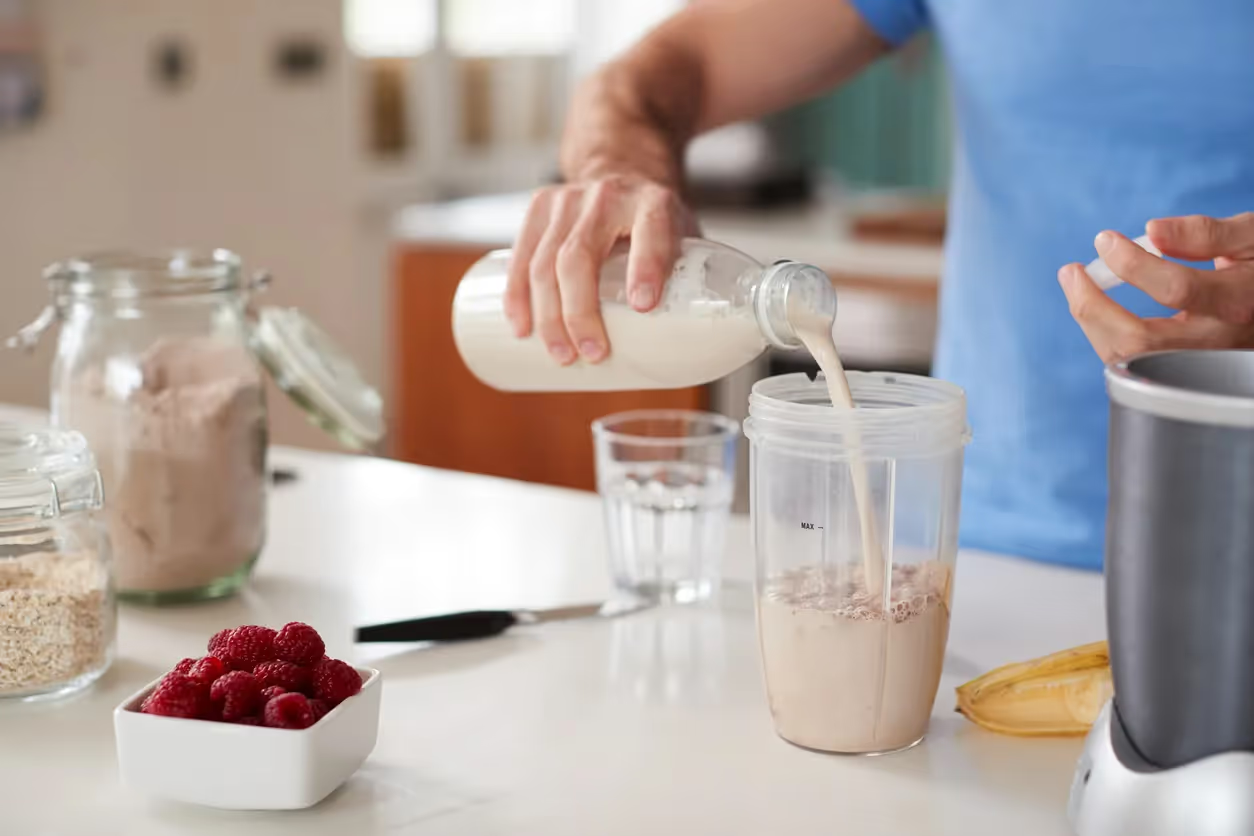
- Smoothie bowl made with non-dairy milk, protein powder, banana, spinach, and ground flaxseed.
- Scrambled eggs with sautéed kale and sweet potato hash.
- Chia seed pudding with almond milk, fresh fruit, and a drizzle of maple syrup.
- Whole grain (or gluten-free) toast with avocado, smoked salmon, and cucumber slices.
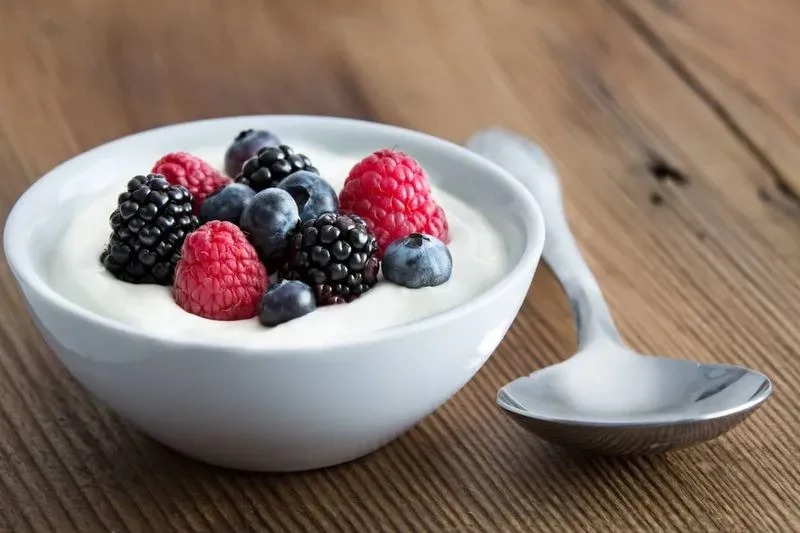
- Greek yogurt with granola, chopped nuts, and fresh fruit.
- Frittata with roasted vegetables and a side of mixed greens.
Lunch
- Quinoa salad with roasted vegetables, chickpeas, and a lemon-tahini dressing.
- Sushi rolls made with brown rice, avocado, cucumber, and cooked salmon.
- Grilled chicken salad with mixed greens, cherry tomatoes, and balsamic vinaigrette
- Baked sweet potato topped with black beans, chopped tomatoes, and cilantro.
- Salmon or tuna poke bowl with brown rice, avocado, edamame, and sesame seeds.
- Zucchini noodles with turkey meatballs and marinara sauce.
- Lettuce wraps filled with ground turkey, shredded carrots, and sliced cucumbers.
Dinner
- Grilled salmon with roasted veggies and sweet potato wedges.
- Brown rice pasta with tomato sauce, ground turkey, sautéed mushrooms, and spinach.
- Roasted chicken with broccoli and buckwheat.
- Stir-fry made with quinoa, snap peas, bell peppers, and shrimp.
- Grilled turkey burger with lettuce, tomato, and sweet potato fries.
- Vegetable fajitas made with grilled peppers and onions, black beans, and avocado served with corn tortillas.
Dessert
- Fresh fruit salad with a dollop of coconut cream.
- Baked apples with cinnamon and a drizzle of maple syrup.
- Dark chocolate squares with fresh berries.
- Chia seed pudding with almond milk, vanilla extract, and sliced almonds.
Snacks
- Rice cakes with peanut butter and sliced banana
- Carrots and cucumbers with hummus.
- Apple slices with almond butter and cinnamon.
- Roasted chickpeas seasoned with paprika and cumin.
- Mixed berries with a dollop of coconut yogurt.
- Homemade popcorn seasoned with nutritional yeast and sea salt.
- Turkey or beef jerky with raw veggies like celery and bell peppers.
- Hard-boiled eggs with a sprinkle of black pepper and sea salt.
{{splash}}
Takeaway
An anti-inflammatory diet can be an effective way to support IBS.
Focusing on nutrient-dense, anti-inflammatory foods that are easy to digest can reduce inflammation contributing to IBS.
Combining the principles of an anti-inflammatory diet with other IBS nutrition therapy guidelines could be an effective strategy to help with symptoms.
Have IBS symptoms? Take the IBS quiz to understand whether or not you have IBS.
Work with a Registered Dietitian to Manage Gut Health
Everyone responds differently to food, and personalization is critical for IBS.
Working with an IBS dietitian can help you identify your triggers and build a personalized diet plan that works best for your digestive health.
At Nourish, every registered dietitian appointment is done remotely.
Every session is fifty-five minutes long, which allows for plenty of time to review your progress and answer any questions.
In addition to receiving stellar nutrition care, you can use the Nourish app to access free resources and use the messenger function to stay connected with your dietitian between visits.
Find a dietitian near you that accepts insurance using Nourish.
Frequently Asked Questions
What are the best anti-inflammatory foods for IBS?
The best foods for IBS are personalized to your body.
Depending on your symptoms, they may be easy to digest or include anti-inflammatory foods such as fruits, vegetables, whole grains, lean protein sources, nuts, seeds, and healthy fats.
What foods reduce gut inflammation?
Foods that may reduce gut inflammation and support healthy digestion include whole, minimally processed, fiber-rich foods.
Examples include fruits, vegetables, legumes, whole grains, unsalted nuts and seeds.
You can ask your dietitian for more recommendations.
How do I get rid of IBS inflammation?
Your healthcare team may recommend any of these strategies for minimizing inflammation linked to IBS:
- Making dietary changes.
- Starting a prebiotic.
- Starting a probiotic.
- Making lifestyle changes (reduce stress, increase level of physical activity, etc.)
- Reducing your intake of high FODMAP foods.
- Mastering good sleep hygiene.
References
View all references
- Lacy, B. E., Pimentel, M., Brenner, D. M., Chey, W. D., Keefer, L. A., Long, M. D., & Moshiree, B. (2021). ACG Clinical Guideline: Management of Irritable Bowel Syndrome. The American journal of gastroenterology, 116(1), 17–44.
- Ng, Q. X., Soh, A. Y. S., Loke, W., Lim, D. Y., & Yeo, W. S. (2018). The role of inflammation in irritable bowel syndrome (IBS). Journal of inflammation research, 11, 345–349.
- Sinagra, E., Pompei, G., Tomasello, G., Cappello, F., Morreale, G. C., Amvrosiadis, G., Rossi, F., Lo Monte, A. I., Rizzo, A. G., & Raimondo, D. (2016). Inflammation in irritable bowel syndrome: Myth or new treatment target?. World journal of gastroenterology, 22(7), 2242–2255.
- Chen, L., Deng, H., Cui, H., Fang, J., Zuo, Z., Deng, J., Li, Y., Wang, X., & Zhao, L. (2017). Inflammatory responses and inflammation-associated diseases in organs. Oncotarget, 9(6), 7204–7218.
- Ng, Q. X., Soh, A. Y. S., Loke, W., Lim, D. Y., & Yeo, W. S. (2018). The role of inflammation in irritable bowel syndrome (IBS). Journal of inflammation research, 11, 345–349.
- Casas, R., Sacanella, E., & Estruch, R. (2014). The immune protective effect of the Mediterranean diet against chronic low-grade inflammatory diseases. Endocrine, metabolic & immune disorders drug targets, 14(4), 245–254.
- Kasti, A., Petsis, K., Lambrinou, S., Katsas, K., Nikolaki, M., Papanikolaou, I. S., Hatziagelaki, E., & Triantafyllou, K. (2022). A Combination of Mediterranean and Low-FODMAP Diets for Managing IBS Symptoms? Ask Your Gut!. Microorganisms, 10(4), 751.
- Aridi, Y. S., Walker, J. L., Roura, E., & Wright, O. R. L. (2020). Adherence to the Mediterranean Diet and Chronic Disease in Australia: National Nutrition and Physical Activity Survey Analysis. Nutrients, 12(5), 1251.
- Eslampour, E., Ghanadi, K., Aghamohammadi, V., Kazemi, A. M., Mohammadi, R., Vahid, F., & Abbasnezhad, A. (2021). "Association between dietary inflammatory index (DII) and risk of irritable bowel syndrome: a case-control study". Nutrition journal, 20(1), 60.
- Buscail, C., Sabate, J. M., Bouchoucha, M., Kesse-Guyot, E., Hercberg, S., Benamouzig, R., & Julia, C. (2017). Western Dietary Pattern Is Associated with Irritable Bowel Syndrome in the French NutriNet Cohort. Nutrients, 9(9), 986.
- Bolte, L. A., Vich Vila, A., Imhann, F., Collij, V., Gacesa, R., Peters, V., Wijmenga, C., Kurilshikov, A., Campmans-Kuijpers, M. J. E., Fu, J., Dijkstra, G., Zhernakova, A., & Weersma, R. K. (2021). Long-term dietary patterns are associated with pro-inflammatory and anti-inflammatory features of the gut microbiome. Gut, 70(7), 1287–1298.
- Menees, S., & Chey, W. (2018). The gut microbiome and irritable bowel syndrome. F1000Research, 7, F1000 Faculty Rev-1029.
- Akhtar, M., Chen, Y., Ma, Z., Zhang, X., Shi, D., Khan, J. A., & Liu, H. (2021). Gut microbiota-derived short chain fatty acids are potential mediators in gut inflammation. Animal nutrition (Zhongguo xu mu shou yi xue hui), 8, 350–360.
- Sun, Q., Jia, Q., Song, L., & Duan, L. (2019). Alterations in fecal short-chain fatty acids in patients with irritable bowel syndrome: A systematic review and meta-analysis. Medicine, 98(7), e14513.
- van Lanen, A. S., de Bree, A., & Greyling, A. (2021). Efficacy of a low-FODMAP diet in adult irritable bowel syndrome: a systematic review and meta-analysis. European journal of nutrition, 60(6), 3505–3522.
- The role of inflammation in irritable bowel syndrome (IBS) - PMC
Nourish has strict sourcing policies and prioritizes primary sources, including medical organizations, governmental agencies, academic institutions, and peer-reviewed scientific journals. Learn more about our medical review process and editorial guidelines.
More articles




.avif)
















.avif)