The 9 Best Supplements for Gut Health

Medical Reviewer: Christina Harris, RDN

Author: Sarah Glinski, RD

Summary
- Emerging research suggests that gut health can have a profound impact on our overall health, including our risk of developing some chronic diseases.
- Certain supplements may help to improve gut health, including probiotics, prebiotics, and omega-3 fatty acids.
- Lifestyle habits such as diet, exercise, and sleep can also support gut health.
Updated by: Maya De La Rosa-Cohen
Over the last decade, new research has emerged on how our gut health can affect our overall health.
These findings suggest that the gut microbiome, or the diversity of flora in the gut, may impact the risk of developing certain chronic conditions, including inflammatory bowel disease (IBD), type 2 diabetes, heart disease, and even cancer.
In response to these findings, there has been an increased interest in understanding how to improve gut health, including an increased interest in the use of supplements.
Though research is still developing, early findings show that some supplements, including probiotics, prebiotics, and omega-3 fatty acids, may help to improve the gut microbiome.
Read on to learn more about the research on the effectiveness of supplement use for gut health, what side effects to watch out for when taking supplements, and other strategies for promoting gut health.
But first, here are some supplements that are good for gut health.
{{splash}}
1. Probiotics
Probiotics are live microorganisms that have been shown to provide a diversity of benefits to human health, including improving the “good” bacteria in the body and gut.
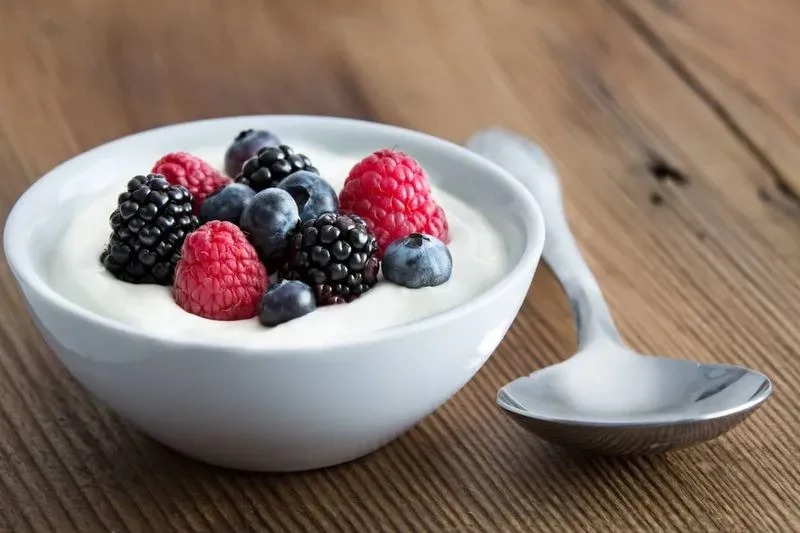
There are several foods that contain probiotics, including yogurt and fermented foods like sauerkraut, apple cider vinegar, or kimchi.
But you can also find them in supplement form.
Research suggests that probiotics can help with several digestive problems, including:
- Antibiotic-associated diarrhea: One meta-analysis of 36 studies found that the use of probiotics as early as possible during antibiotic therapy helped to prevent episodes of antibiotic-associated diarrhea in adults.
- Constipation: A systematic review and meta-analysis of 34 randomized controlled trials found that the probiotic Bifidobacterium lactis significantly helped to treat constipation and increase the frequency of bowel movements and constipation symptom scores.
- Irritable bowel syndrome (IBS): Another systematic review and meta-analysis of 17 randomized controlled trials found that probiotics increased the frequency of bowel movements and improved bowel movement consistency for people with constipation-predominant IBS. Another study found that a mixture of Lactobacillus, Bifidobacterium, and Streptococcus thermophilus significantly improved symptom severity in people with diarrhea-predominant IBS.
- Inflammatory bowel disease (IBD): Research suggests that the combination probiotic VSL#3 may help to reduce inflammation in the intestinal wall in people with Crohn’s disease and ulcerative colitis.
Importantly, there are many different strains of probiotics that can be used to treat different symptoms.
Choosing the correct strain for your needs is important.
If it’s your first time taking a probiotic supplement or you’re unsure which strain is best, consider consulting with your doctor or registered dietitian to choose the right strain for your symptoms.
2. Prebiotics
Prebiotics are nutrients found in foods and supplements that are broken down by the gut.
When broken down, they stimulate probiotic growth in the gut.
Though research is still emerging on how prebiotic supplements can benefit gut health, some studies have found evidence that certain prebiotics can help treat, and in some cases, prevent:
- IBS and Crohn’s disease.
- Colorectal cancer.
As with probiotics, it’s important to select the right prebiotic supplement for your individual needs.
If you don’t know where to start, consider speaking with a doctor or registered dietitian first.
3. Omega-3 Fatty Acids
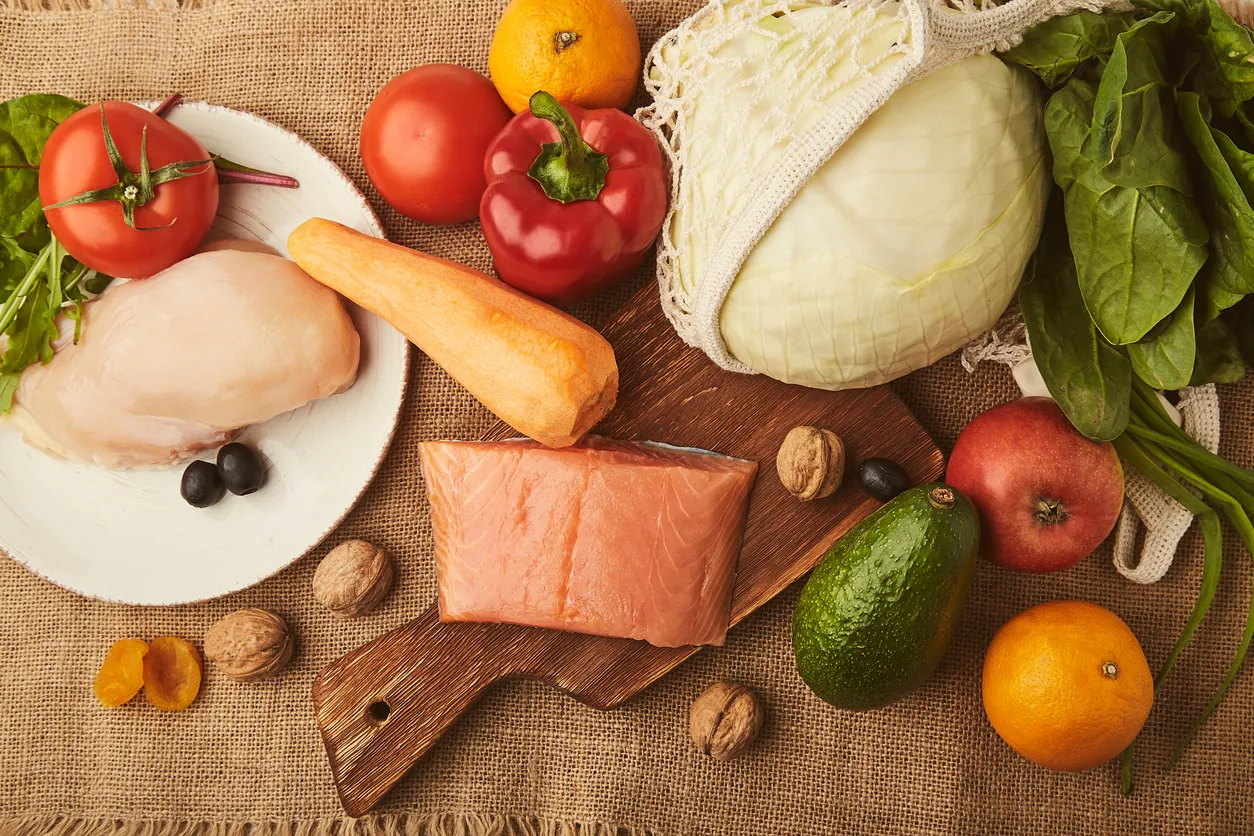
Omega-3 fatty acids, also called omega-3s, are essential fatty acids naturally found in several types of foods, including types of seafood like:
- Salmon.
- Mackerel.
- Tuna.
- Herring.
- Sardines.
Some plants also contain omega-3s, including flaxseed oil, soybean oil, canola oil, chia seeds, and walnuts.
Like probiotics and prebiotics, there are different types of omega-3s.
The three most common omega-3s are eicosapentaenoic acid (EPA), docosahexaenoic acid (DHA), and alpha-linolenic acid (ALA).
EPA and DHA are found in fatty fish, while ALA is found in plant foods.
Emerging evidence suggests there is a connection between omega-3 fatty acids and the gut microbiome.
Research shows that omega-3 fatty acids may affect the gut microbiota by:
- Influencing the type and amount of gut microbes.
- Altering the levels of compounds associated with inflammation.
- Increasing the production of short-chain fatty acids (SCFAs), anti-inflammatory compounds that act as an energy source for the cells of the large intestine.
{{splash}}
4. Digestive Enzymes
Digestive enzymes help the body to break down food to promote healthy digestion.
If you don’t produce enough of certain digestive enzymes, your body may have trouble breaking down certain foods.
One of the most common digestive enzyme deficiencies is lactose intolerance, in which the body doesn’t produce enough lactase, the enzyme that breaks down lactose found in dairy products.
For these people, taking digestive enzymes (specifically, lactase) before eating dairy products can improve gut health by reducing the symptoms of lactose intolerance.
Emerging research also shows that digestive enzymes could help people with IBS.
Digestive enzymes called galactooligosaccharides (GOS) can trigger symptoms in people with IBS.
A small study found that supplemental alpha-galactosidase (the enzyme needed to break down GOS) reduced overall symptoms and bloating for people with IBS who ate foods containing GOS.
5. Antioxidants and Vitamins
Antioxidants and vitamins are important components of a balanced diet.
Examples of vitamins that are dietary antioxidants include vitamin C, vitamin E, and beta-carotene (which is converted into vitamin A in the body).
One study shows that these specific vitamins can help to regulate the gut microbiome and improve intestinal barrier and immune system functions.
Research also shows that vitamins A and D may indirectly influence gastrointestinal health.
Most people meet their vitamin and antioxidant needs through their diet.
Before taking a vitamin supplement, consider consulting with your doctor about whether or not it’s right for you.
Some people who may benefit from vitamin supplementation include people who are:
- Pregnant or nursing.
- Managing a chronic health condition.
- Elderly.
- Vegan or vegetarian.
- Allergic to certain foods.
6. L-Glutamine
L-glutamine is an amino acid that acts as a building block for your cells.
It promotes the growth of intestinal cells, controls the “leakiness” of the gut wall, and reduces inflammation.
A small study looked at the effects of L-glutamine supplementation during the low FODMAP diet for people with IBS.
They found that L-glutamine supplementation significantly reduced IBS symptoms when combined with the low FODMAP diet.
But more research is needed to determine whether L-glutamine supplementation can offer benefits to people with other gastrointestinal disorders or if it’s useful for general gut health.
7. Ginger
Ginger has been used in traditional medicine to treat gut-related problems for centuries.
It’s a well-established antioxidant with anti-inflammatory properties and is commonly used to treat nausea and vomiting.
A small study looking at the effects of ginger juice found that when it was consumed, it increased the number of species of bacteria in the gut and changed the relative abundance of several types of bacteria.
Another review found that ginger supplementation may help treat some gut-related symptoms, such as:
- Nausea and vomiting.
- Dysphagia, or impaired swallowing function.
However, not enough evidence exists to determine whether or not ginger supplements can help improve overall gut health.
8. Turmeric
Like ginger, turmeric has been used medicinally in non-Western medicine for centuries, including in Ayurveda.
One of the biologically active components of the plant, curcumin, has more recently been studied for its anti-inflammatory, antioxidant, and neurotrophic (relating to the growth of nervous tissue) effects.
Research in animals suggests that curcumin and turmeric may improve gut microbial diversity and reduce intestinal inflammation, but more human studies are needed to determine these effects on people.
9. Vitamin D
Vitamin D plays an important role in promoting calcium absorption in the gut. It also helps to reduce inflammation in the body.
Emerging evidence suggests that vitamin D may also have an impact on the gut microbiome.
One study measuring the gut microbiota of 80 healthy women not deficient in vitamin D before and after supplementation found that vitamin D supplementation significantly increased gut microbial diversity.
Though more evidence is needed to understand vitamin D’s influence on gut health, there are some groups of people who may especially benefit from vitamin D supplementation:
- Breastfed infants.
- Older adults.
- People with dark skin.
- People with limited sun exposure.
- People with conditions that affect fat absorption, including:
- Cystic fibrosis.
- Celiac disease.
- Crohn’s disease.
- Ulcerative colitis.
Can Supplements Help Improve Gut Health?
Though more research is needed to determine their effects, some studies indicate that certain supplements may improve gut health, particularly if you have a gastrointestinal disorder like irritable bowel syndrome (IBS).
Further understand your digestive health by taking the gut health quiz!
Side Effects of Taking Supplements for Gut Health
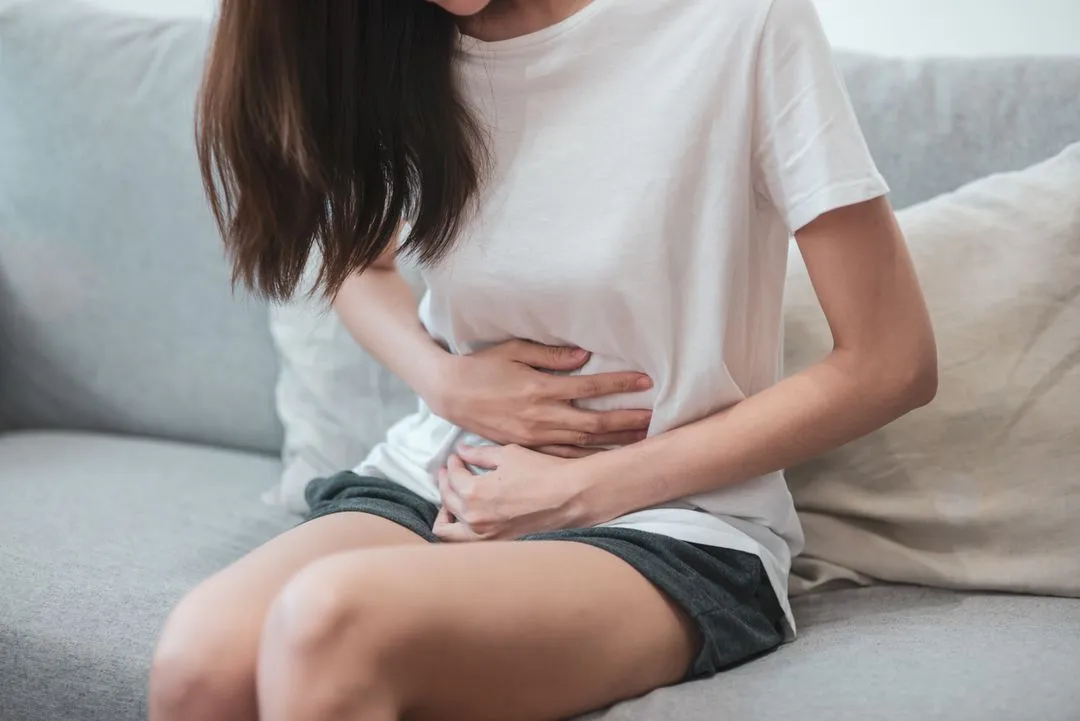
Taking supplements for gut health or other reasons can cause unwanted side effects, such as:
- Gas.
- Nausea.
- Bloating, belching, or flatulence.
- Abdominal pain.
- Constipation.
- Diarrhea.
- Unpleasant taste in your mouth.
- Bad breath.
- Bad-smelling sweat.
- Headaches.
- Heartburn.
- Mouth and throat irritation.
- Liver damage.
- Birth defects.
Before taking any new supplement, consult with your healthcare provider about possible side effects and their implications for your health.
How Do I Know Which Gut Health Supplements Are Right for Me?
It’s important to weigh all aspects of your health when considering taking a vitamin for gut health.
Some supplements may not be right for people with underlying conditions or who are on medication.
If you’re unsure about which supplement may be right for you, consult with your doctor or registered dietitian before use.
Other Ways to Support Gut Health
Supplements aren’t the only way to support gut health.
Making changes to your diet, exercise habits, and sleep can also help.
Diet
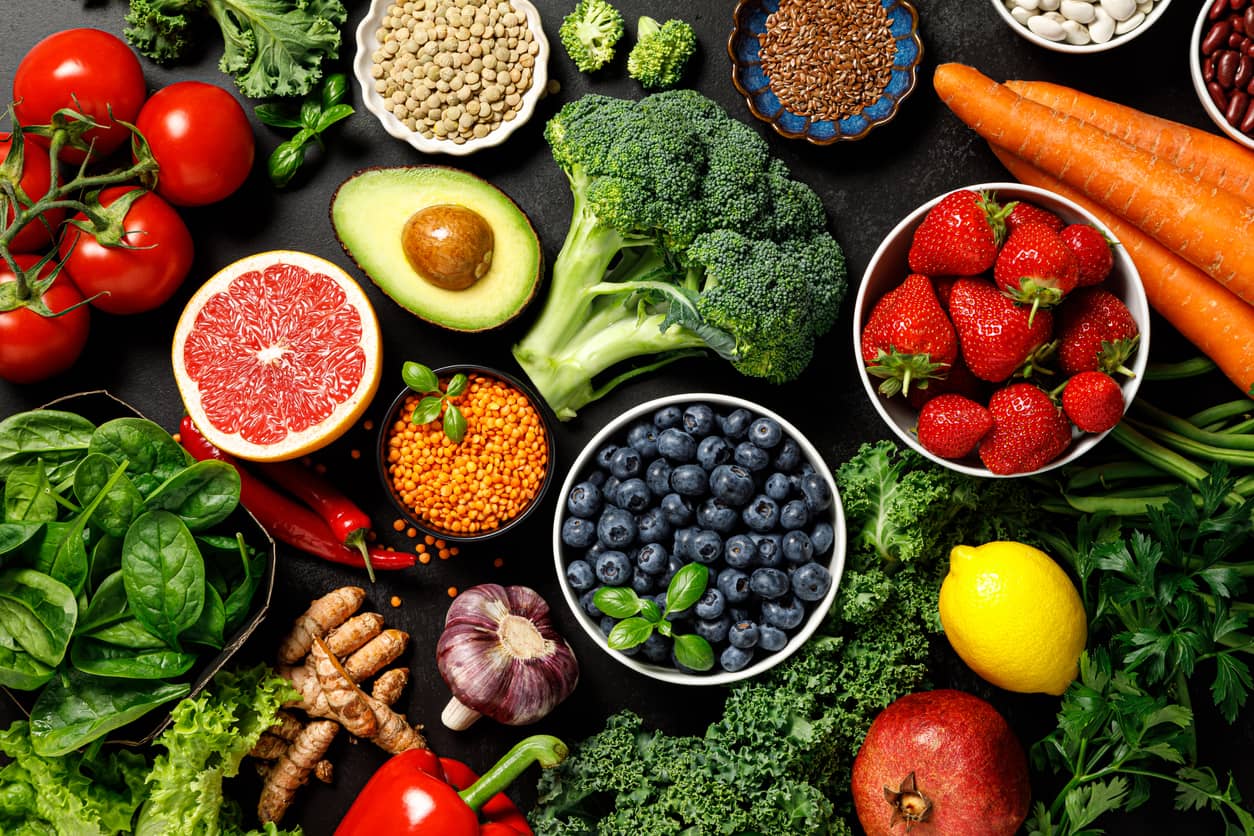
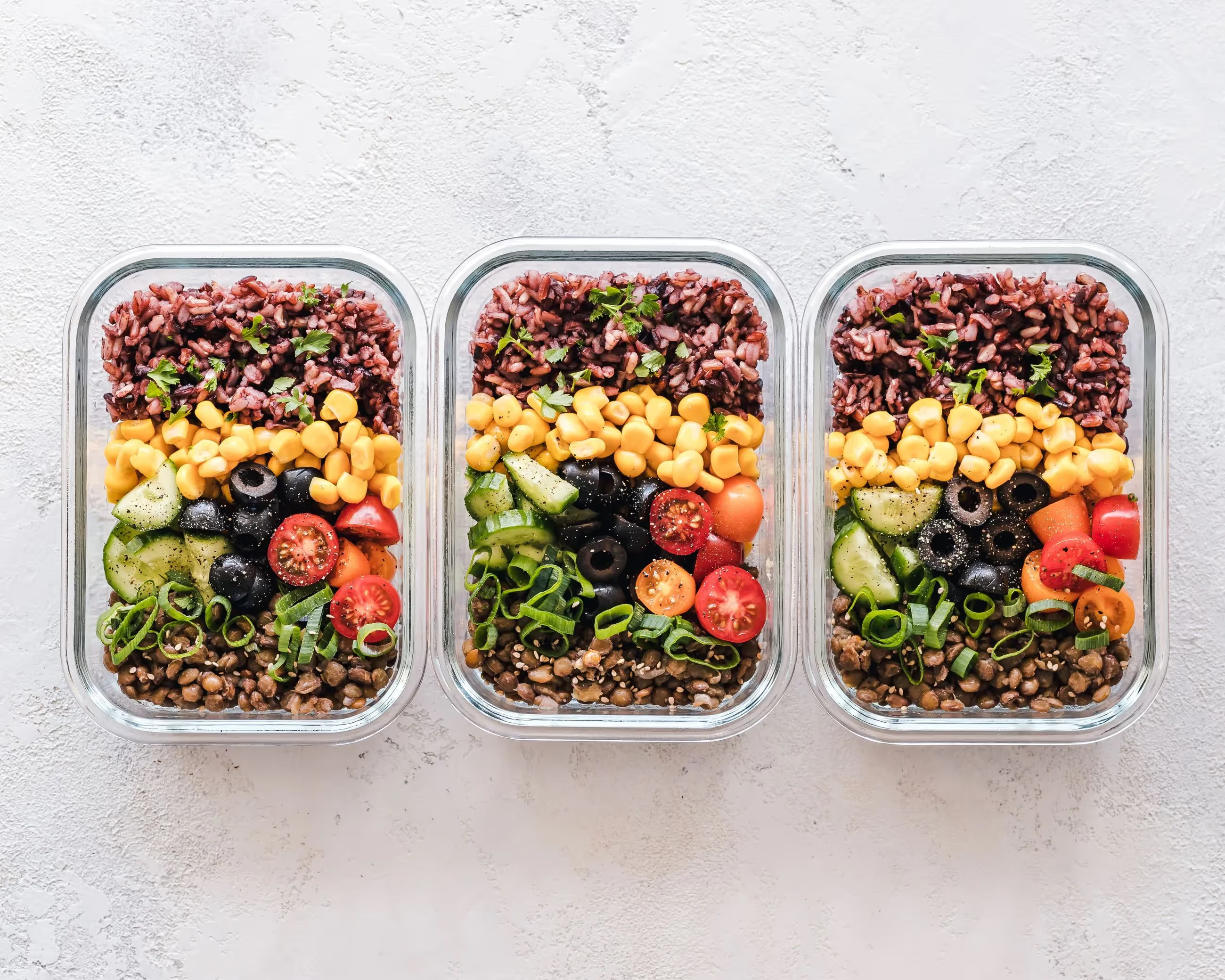
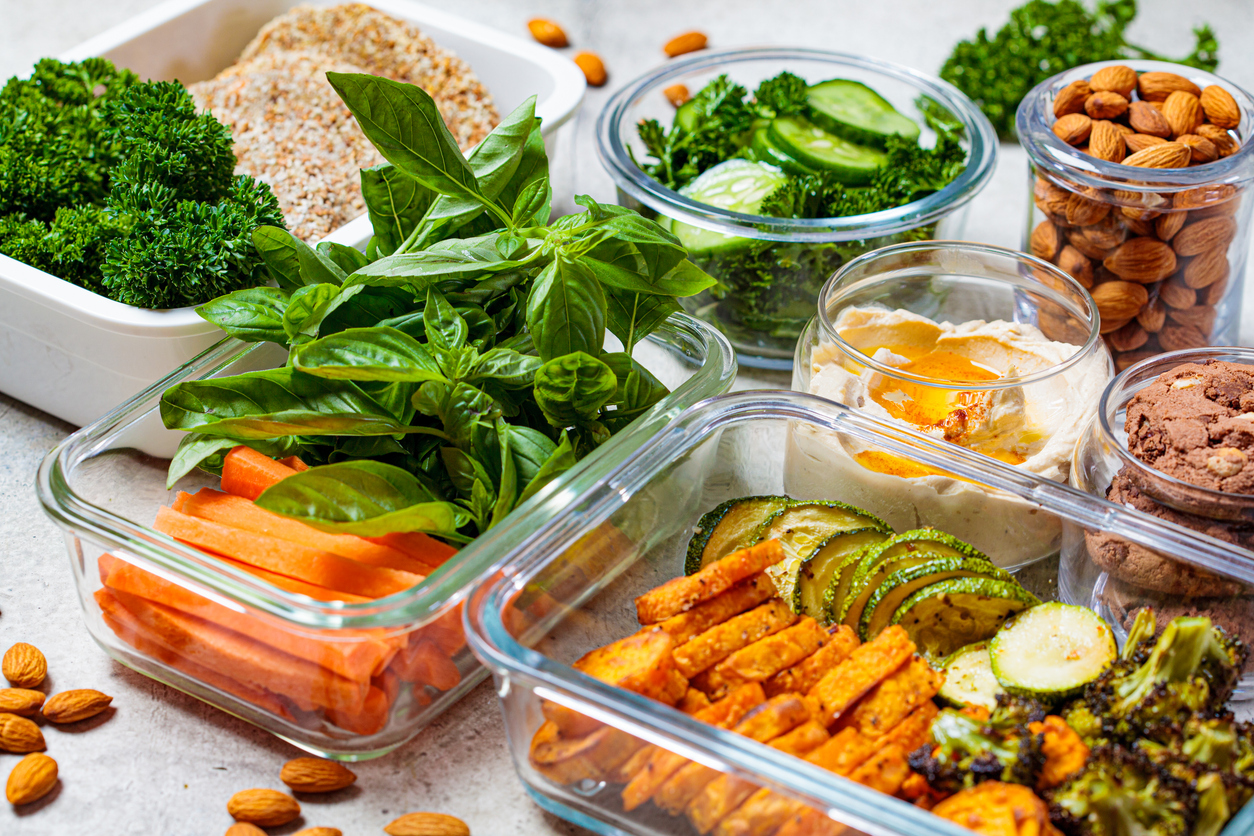
Studies show that eating a plant-based diet high in fiber can positively impact the gut microbiota and protect against developing inflammatory bowel disease (IBD).
You don’t need to cut out animal products entirely in order to reap the benefits of a plant-based diet.
Instead, focus on all the delicious plant-based foods you can add to your meal rotation.
Exercise
Exercise has been shown to reduce your risk of colon cancer, diverticulosis, and inflammatory bowel disease.
It may also reduce inflammation and protect the integrity of the gut lining.
One study of elite rugby players found that exercise enhanced gut microbiota diversity.
Sleep
A small study found that people who got better sleep had more diversity in their gut microbiota.
Since diversity is a marker of a healthy gut microbiota, getting enough sleep could be a key component of maintaining gut health.
Takeaway
Though research is still emerging, several supplements may help to improve your gut health.
If you’re unsure about which supplement to take, it’s a good idea to speak with a healthcare provider to know which type may be right for you.
While most supplements don’t cause severe side effects, it’s also important to consider whether or not a certain supplement may cause side effects or interfere with any medication you’re currently taking.
How a Gut Health Dietitian Can Help
Registered dietitians are trained in working with individuals on planning their meals to support their gut health and other health-related goals.
Whether or not you decide to include supplements in your diet, working with a dietitian can help you to incorporate nutritional changes that will support and improve your overall gut health.
Find a dietitian near you that accepts insurance using Nourish.
{{splash}}
Frequently Asked Questions
What is the best supplement for a healthy gut?
The best supplement for a healthy gut is a supplement with science to back up its use.
Some of the most popular evidence-based supplements for a healthy gut include probiotics, prebiotics, omega-3 fatty acids, vitamin C, vitamin E, beta-carotene, and L-glutamine.
Are gut health supplements worth it?
Overall, gut health supplements may only be worth it if you have a specific gut-related problem to treat (for example, irritable bowel syndrome).
If you’re an otherwise healthy person simply looking to improve your overall health, strategies such as eating ample plant-based foods, exercising regularly, and getting enough sleep are likely enough to keep your gut happy and healthy.
Can I reset my gut lining?
Depending on the cause of your gut lining problems, you may be able to reset it.
For example, your gut lining may be damaged if you have celiac disease and have been eating gluten.
Eliminating gluten will give your gut lining a chance to heal and reset.
Another situation in which your gut lining may be impaired is if you are not consuming enough L-glutamine.
Since L-glutamine regulates the “leakiness” of the gut, not getting enough could harm your gut lining. In this case, taking an L-glutamine supplement may help “reset” your gut.
References
View all references
- Singh RK, Chang HW, Yan D, Lee KM, Ucmak D, Wong K, Abrouk M, Farahnik B, Nakamura M, Zhu TH, Bhutani T, Liao W. 2017. Influence of diet on the gut microbiome and implications for human health. Journal of Translational Medicine. Apr 8;15(1):73. doi: 10.1186/s12967-017-1175-y.
- Asha M.Z., Khalil S.F.H. 2020. Efficacy and Safety of Probiotics, Prebiotics and Synbiotics in the Treatment of Irritable Bowel Syndrome: A systematic review and meta-analysis. Sultan Qaboos University Medical Journal, 20(1):e13-e24. doi: 10.18295/squmj.2020.20.01.003.
- Liao W, Chen C, Wen T, Zhao Q. 2021. Probiotics for the Prevention of Antibiotic-associated Diarrhea in Adults: A Meta-Analysis of Randomized Placebo-Controlled Trials. Journal of Clinical Gastroenterology. Jul 1;55(6):469-480. doi: 10.1097/MCG.0000000000001464.
- van der Schoot A, Helander C, Whelan K, Dimidi E. 2022. Probiotics and synbiotics in chronic constipation in adults: A systematic review and meta-analysis of randomized controlled trials. Clinical Nutrition. Dec;41(12):2759-2777. doi: 10.1016/j.clnu.2022.10.015.
- Wen Y, Li J, Long Q, Yue CC, He B, Tang XG. 2020. The efficacy and safety of probiotics for patients with constipation-predominant irritable bowel syndrome: A systematic review and meta-analysis based on seventeen randomized controlled trials. International Journal of Surgery. Jul;79:111-119. doi: 10.1016/j.ijsu.2020.04.063.
- Skrzydło-Radomańska B, Prozorow-Król B, Cichoż-Lach H, Majsiak E, Bierła JB, Kanarek E, Sowińska A, Cukrowska B. 2021. The Effectiveness and Safety of Multi-Strain Probiotic Preparation in Patients with Diarrhea-Predominant Irritable Bowel Syndrome: A Randomized Controlled Study. Nutrients. Feb 26;13(3):756. doi: 10.3390/nu13030756.
- You S, Ma Y, Yan B, Pei W, Wu Q, Ding C, Huang C. 2022. The promotion mechanism of prebiotics for probiotics: A review. Frontiers in Nutrition. Oct 5;9:1000517. doi: 10.3389/fnut.2022.1000517.
- Fu Y, Wang Y, Gao H, Li D, Jiang R, Ge L, Tong C, Xu K. 2021. Associations among Dietary Omega-3 Polyunsaturated Fatty Acids, the Gut Microbiota, and Intestinal Immunity. Mediators of Inflammation. Jan 2;2021:8879227. doi: 10.1155/2021/8879227.
- NIH. National Institutes of Health Office of Dietary Supplements. (2022, July 18). Omega-3 Fatty Acids Fact Sheet for Consumers. Retrieved August 16, 2023, from https://ods.od.nih.gov/factsheets/Omega3FattyAcids-Consumer/
- NIH National Institute of Diabetes and Digestive and Kidney Diseases. (2018, February). Definition & Facts for Lactose Intolerance. Retrieved August 16, 2023, from https://www.niddk.nih.gov/health-information/digestive-diseases/lactose-intolerance/definition-facts
- NIH National Institute of Diabetes and Digestive and Kidney Diseases. (2018, February). Treatment for Lactose Intolerance. Retrieved August 16, 2023, from https://www.niddk.nih.gov/health-information/digestive-diseases/lactose-intolerance/treatment
- Tuck CJ, Taylor KM, Gibson PR, Barrett JS, Muir JG. 2018. Increasing Symptoms in Irritable Bowel Symptoms With Ingestion of Galacto-Oligosaccharides Are Mitigated by α-Galactosidase Treatment. American Journal of Gastroenterology. Jan;113(1):124-134. doi: 10.1038/ajg.2017.245.
- Rastgoo S, Ebrahimi-Daryani N, Agah S, Karimi S, Taher M, Rashidkhani B, Hejazi E, Mohseni F, Ahmadzadeh M, Sadeghi A, Hekmatdoost A. 2021. Glutamine Supplementation Enhances the Effects of a Low FODMAP Diet in Irritable Bowel Syndrome Management. Frontiers in Nutrition. Dec 16;8:746703. doi: 10.3389/fnut.2021.746703.
- Li XY, Meng L, Shen L, Ji HF. 2023. Regulation of gut microbiota by vitamin C, vitamin E and β-carotene. Food Research International. Jul;169:112749. doi: 10.1016/j.foodres.2023.112749.
- Wang X, Zhang D, Jiang H, Zhang S, Pang X, Gao S, Zhang H, Zhang S, Xiao Q, Chen L, Wang S, Qi D, Li Y. 2021. Gut Microbiota Variation With Short-Term Intake of Ginger Juice on Human Health. Frontiers in Microbiology. Feb 23;11:576061. doi: 10.3389/fmicb.2020.576061.
- Drugs.com. (2022, August 29). What are the side effects of probiotics? Retrieved August 17, 2023, from https://www.drugs.com/medical-answers/side-effects-probiotics-3440711/
- Marteau P, Seksik P. 2004. Tolerance of probiotics and prebiotics. Journal of Clinical Gastroenterology. Jul;38(6 Suppl):S67-9. doi: 10.1097/01.mcg.0000128929.37156.a7.
- NIH National Center for Complementary and Integrative Health. (2018, May). Omega-3 Supplements: In Depth. Retrieved August 17, 2023, from https://www.nccih.nih.gov/health/omega3-supplements-in-depth#:~:text=Side%20effects%20of%20omega%2D3,higher%20risks%20of%20prostate%20cancer.
- Drugs.com. (2023, July 6). Lactase Side Effects. Retrieved August 17, 2023, from https://www.drugs.com/sfx/lactase-side-effects.html#other-side-effects
- Drugs.com. (2023, June 2). Alpha-d-galactosidase Side Effects. Retrieved August 17, 2023, from https://www.drugs.com/sfx/alpha-d-galactosidase-side-effects.html#other-side-effects
- NIH Office of Dietary Supplements. (2023, January 4). Dietary Supplements: What You Need to Know. Retrieved August 17, 2023, from https://ods.od.nih.gov/factsheets/WYNTK-Consumer/
- MedlinePlus. (2017, September 15). L-glutamine. Retrieved August 17, 2023, from https://medlineplus.gov/druginfo/meds/a617035.html#side-effects
- NIH National Center for Complementary and Integrative Health. (2020, December). Ginger. Retrieved August 17, 2023, from https://www.nccih.nih.gov/health/ginger
- Grosse CSJ, Christophersen CT, Devine A, Lawrance IC. 2020. The role of a plant-based diet in the pathogenesis, etiology and management of the inflammatory bowel diseases. Expert Reviews in Gastroenterology and Hepatology. Mar;14(3):137-145. doi: 10.1080/17474124.2020.1733413.
- Monda V, Villano I, Messina A, Valenzano A, Esposito T, Moscatelli F, Viggiano A, Cibelli G, Chieffi S, Monda M, Messina G. 2017. Exercise Modifies the Gut Microbiota with Positive Health Effects. Oxidative Medicine and Cellular Longevity. 2017:3831972. doi: 10.1155/2017/3831972.
- Smith RP, Easson C, Lyle SM, Kapoor R, Donnelly CP, Davidson EJ, Parikh E, Lopez JV, Tartar JL. 2019. Gut microbiome diversity is associated with sleep physiology in humans. PLoS One. 2019 Oct 7;14(10):e0222394. doi: 10.1371/journal.pone.0222394.
- Sestak K, Fortgang I. Celiac and Non-Celiac Forms of Gluten Sensitivity: Shifting Paradigms of an Old Disease. 2013. British Microbiology Research Journal. Oct;3(4):585-589. doi: 10.9734/BMRJ/2013/6083.
- Cheng, F., Pan, D., Chang, B., Jiang, M., & Sang, L. (2020). Probiotic mixture VSL#3: An overview of basic and clinical studies in chronic diseases. World Journal of Clinical Cases, 8(8), 1361–1384.
- Davani-Davari, D., Negahdaripour, M., Karimzadeh, I., Seifan, M., Mohkam, M., Masoumi, S. J., & Berenjian, A. (2019). Prebiotics: definition, types, sources, mechanisms, and clinical applications. Foods, 8(3), 92.
- Office of Dietary Supplements - Omega-3 fatty acids. (n.d.-b).
- Costantini, L., Molinari, R., Farinon, B., & Merendino, N. (2017). Impact of omega-3 fatty acids on the gut microbiota. International Journal of Molecular Sciences (Online), 18(12), 2645.
- Pham, V. T., Dold, S., Rehman, A., Bird, J. K., & Steinert, R. E. (2021). Vitamins, the gut microbiome and gastrointestinal health in humans. Nutrition Research (New York, N.Y.), 95, 35–53.
- Ballester, P., Cerdá, B., Arcusa, R., Marhuenda, J., Yamedjeu, K., & Zafrilla, P. (2022). Effect of ginger on inflammatory diseases. Molecules (Basel. Online), 27(21), 7223.
- Bodagh, M. N., Maleki, I., & Hekmatdoost, A. (2018). Ginger in gastrointestinal disorders: A systematic review of clinical trials. Food Science & Nutrition, 7(1), 96–108.
- Peterson, C. T., Vaughn, A. R., Sharma, V., Chopra, D., Mills, P. J., Peterson, S. N., & Sivamani, R. K. (2018). Effects of turmeric and curcumin dietary supplementation on human gut microbiota: a Double-Blind, Randomized, Placebo-Controlled pilot study. Journal of Evidence-based Integrative Medicine, 23, 2515690X1879072.
- Scazzocchio, B., Minghetti, L., & D’Archivio, M. (2020). Interaction between Gut Microbiota and Curcumin: A New Key of Understanding for the Health Effects of Curcumin. Nutrients, 12(9), 2499.
- Office of Dietary Supplements - Vitamin D. (n.d.).
- Akimbekov, N. S., Digel, I., Sherelkhan, D. K., Lutfor, A. B., & Razzaque, M. S. (2020). Vitamin D and the Host-Gut Microbiome: A brief overview. Acta Histochemica Et Cytochemica, 53(3), 33–42.
- Singh, P., Rawat, A. K., Alwakeel, M., Sharif, E., & Khodor, S. A. (2020). The potential role of vitamin D supplementation as a gut microbiota modifier in healthy individuals. Scientific Reports, 10(1).
Nourish has strict sourcing policies and prioritizes primary sources, including medical organizations, governmental agencies, academic institutions, and peer-reviewed scientific journals. Learn more about our medical review process and editorial guidelines.
More articles



.avif)

















.avif)