Can Overeating Cause Constipation?

Medical Reviewer: Blair Kott, MDA, RD, LD

Author: Heather Smith, RN, BSN

Summary
- Eating too much of certain foods can slow down your digestive system, causing your stool to become dry and hard to pass.
- All foods affect the digestive system in specific ways, making it sluggish or more efficient.
- Eating enough fiber, managing portion sizes, staying hydrated, and getting regular exercise can help prevent constipation from overeating.
Overeating can be common, especially during the holidays or times of celebration.
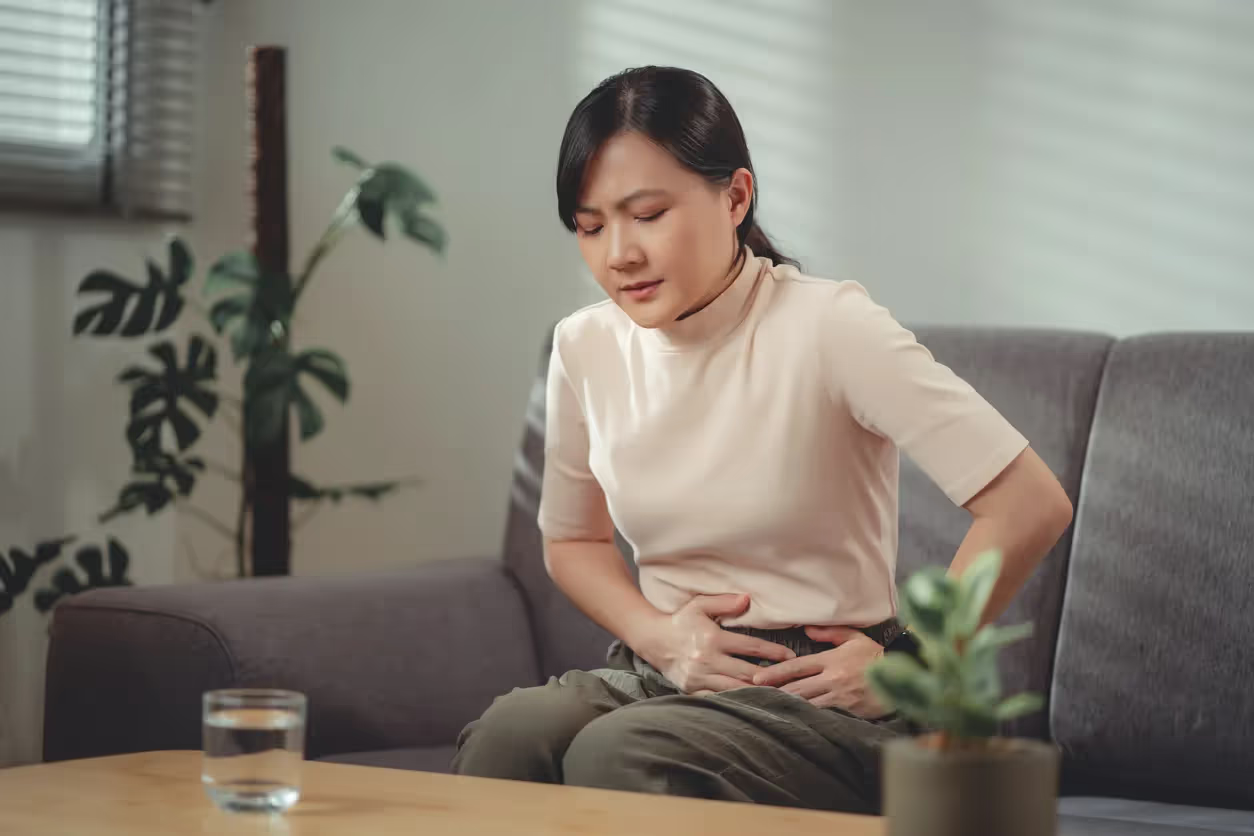
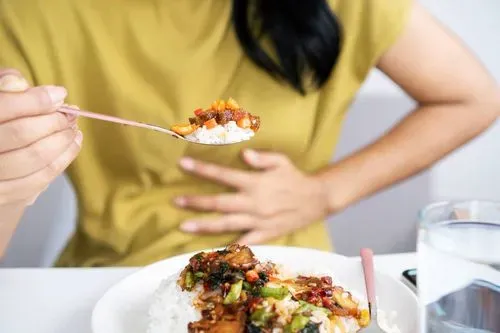
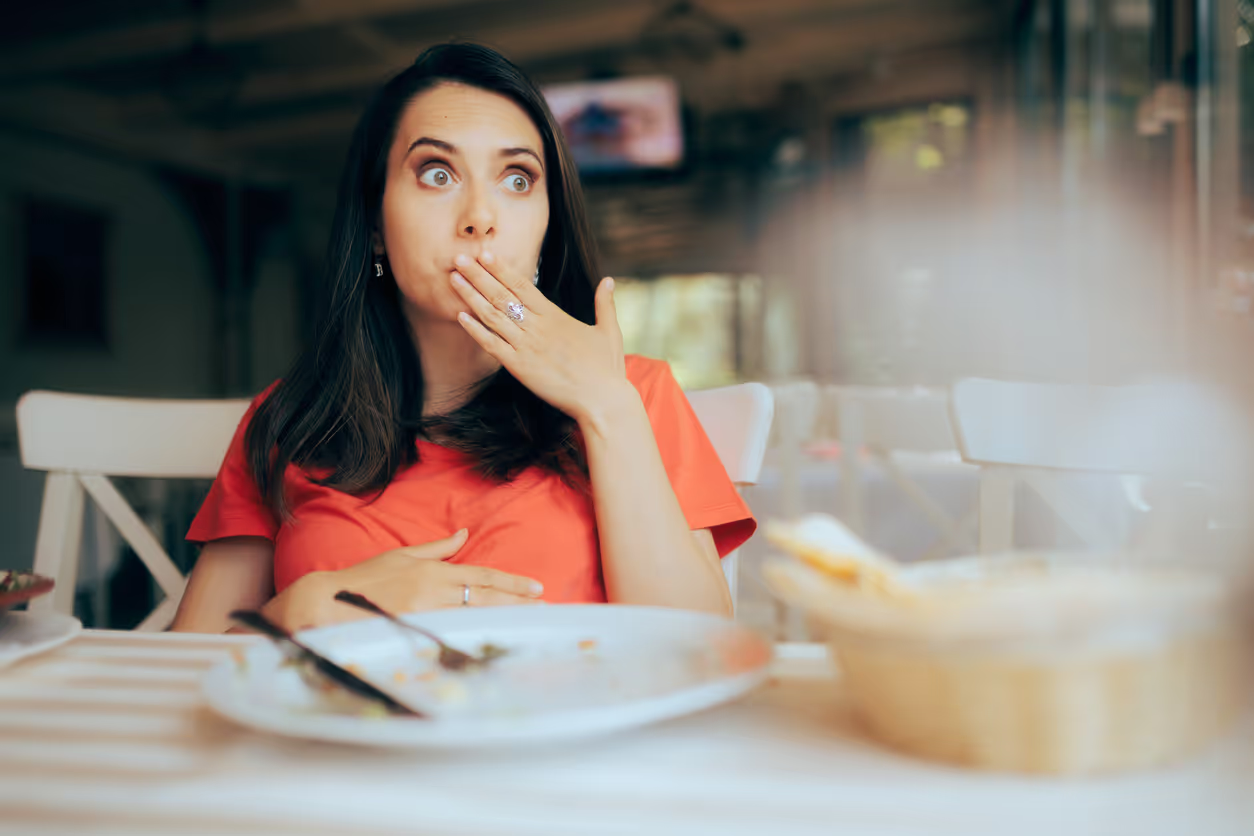
However, eating too much may lead to several uncomfortable digestive tract symptoms, including constipation.
Constipation is having three or fewer stools a week, having dry or hard-to-pass stools, or feeling like you can’t pass all your stool.
It’s often linked to inadequate fiber intake or being dehydrated.
This article explores how overeating may cause constipation and how you can improve symptoms by modifying your diet.
{{splash}}
Can Overeating Cause Constipation?
Overeating certain foods can cause constipation.
Foods high in salt and processed items that are low in fiber are the main culprits.
People who are lactose intolerant or who have certain food sensitivities may also experience constipation when they eat those foods.
Eating large amounts of food without eating fiber or staying hydrated can lead to constipation.
It's important for your digestive health to eat balanced meals that include each food group.
It’s important to note that many causes of constipation are unrelated to overeating.
Certain health conditions, medications, and lifestyle changes can also cause constipation.
Food's Effect on the Digestive System
Digestion is the process of breaking down food into smaller nutrients your body can use.
Every single tissue in your body is made from building blocks such as proteins, fats, vitamins, carbohydrates, water, and essential minerals.
Digestion starts in your mouth as you chew, and enzymes from your saliva start to break down the food.
When you swallow, peristalsis—a type of muscle contraction, moves food down to your stomach, where the food mixes with digestive enzymes and is churned before emptying into your small and then large intestines.
Your digestive system releases certain hormones to aid in digestion.
The types of foods you eat determine which hormones your body releases.
Some hormones may slow your digestion, while others make it work more smoothly.
Other factors that impact the efficiency of your digestion include your hydration and physical activity level.
{{splash}}
How Overeating Can Lead to Constipation
Overeating foods that slow digestion can cause an imbalance in your digestive system, making food travel sluggishly through the digestive tract.
Food moving slowly through the digestive tract is a common cause of constipation.
This is because the longer a stool is in your intestines, the more fluid is absorbed out of the stool, making it harder to pass.
Foods that may slow your digestion include:
- White rice.
- White bread.
- Potatoes.
- Pasta.
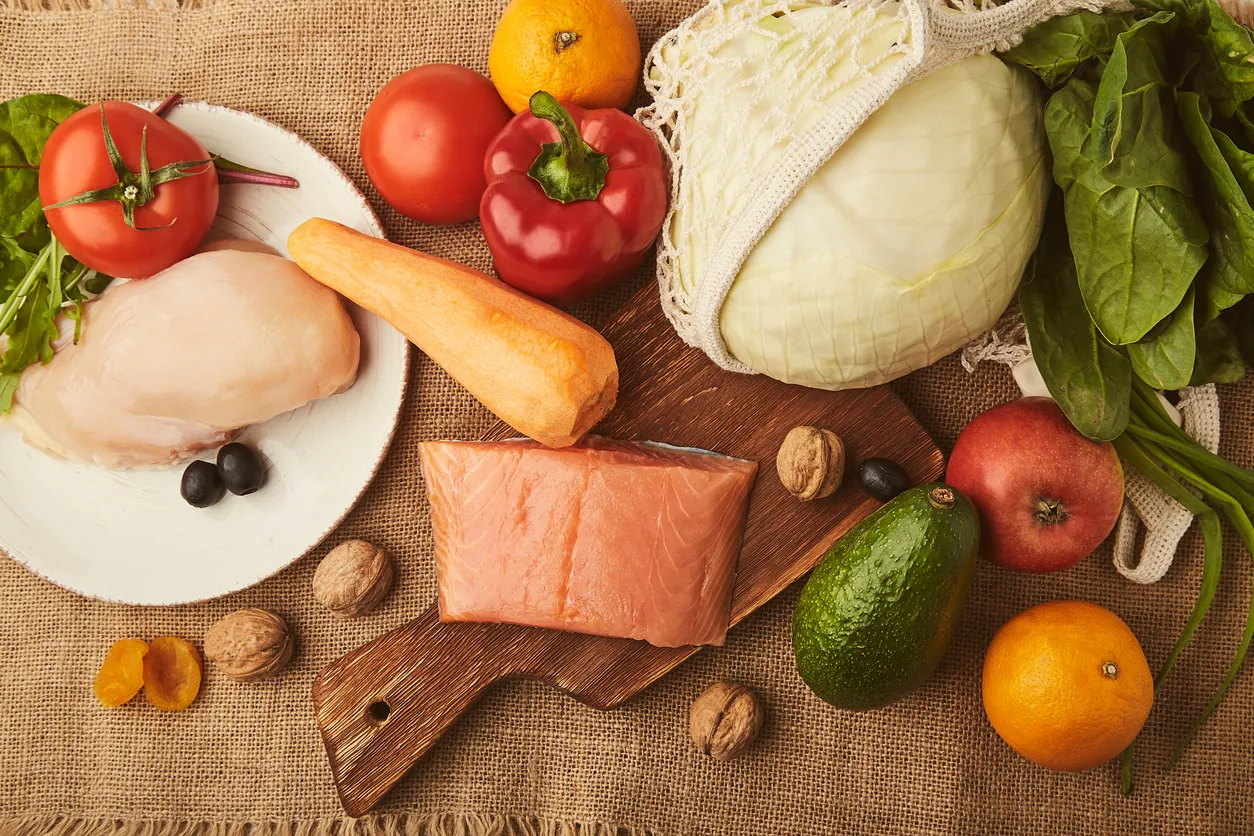
- Meats, poultry, and fish.
Common Symptoms of Constipation
Common symptoms of constipation include:
- Infrequent bowel movements: Having fewer than three bowel movements each week.
- Straining: Excessive straining while having a bowel movement.
- Hard and dry stool: Having stools that are dry, lumpy, hard, and difficult to pass.
- The feeling of incomplete bowel movement: Feeling like you can’t fully evacuate your bowel.
Some symptoms that people often associate with constipation, such as stomach pains, nausea, or loss of appetite, are not related to constipation but may be signs of an underlying condition.
Follow up with your doctor if you have any concerns.
How to Know if You're Overeating
It’s important to know when you are overeating to understand the potential link between overeating and constipation. Here are several signs you may be overindulging:
- Feeling stuffed: Feeling overly full or uncomfortable after eating a meal.
- Eating past fullness: Continuing to eat after you no longer feel hungry.
- Frequent snacking: Mindlessly eating throughout the day without considering portion sizes or hunger cues.
Foods that Promote Regular Bowel Movements
To prevent constipation from overeating, it’s important to include foods in your diet that promote regular bowel movements.
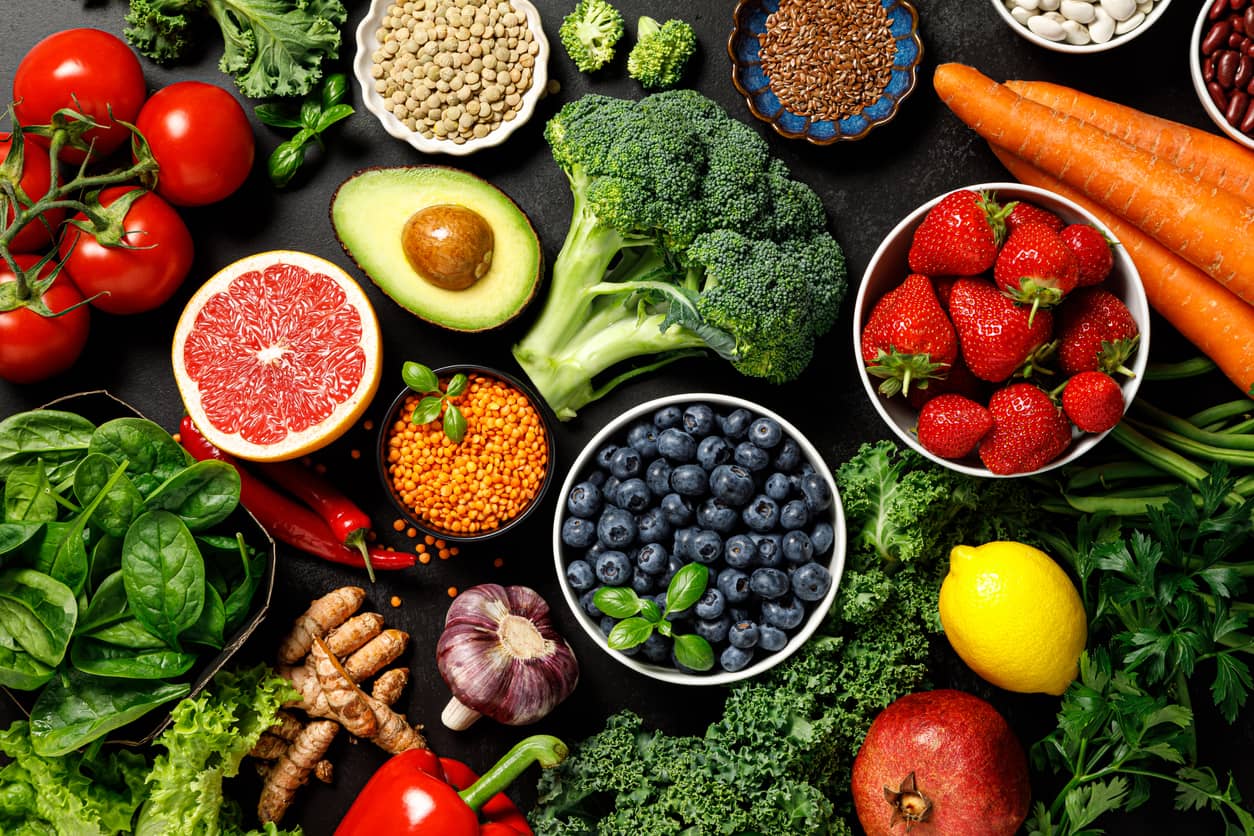
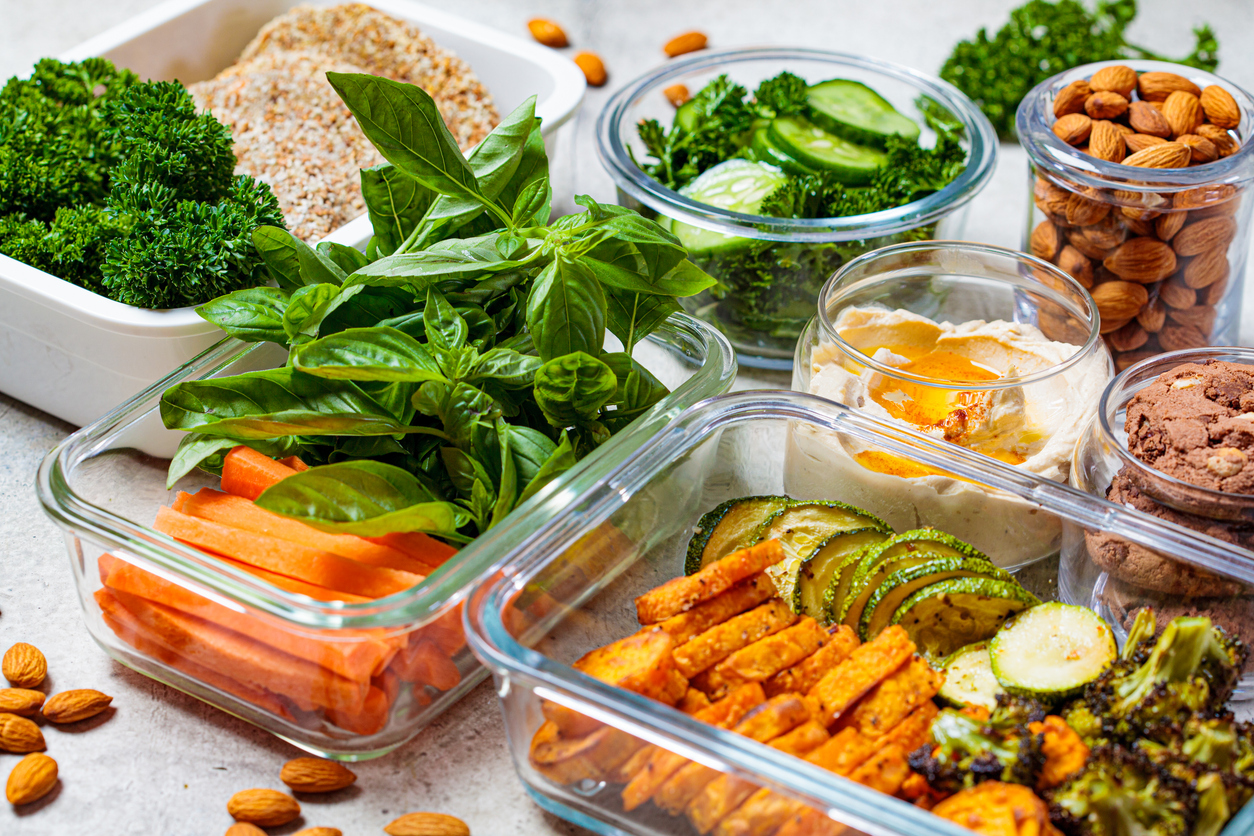
Foods that are high in dietary fiber can help prevent constipation.
These high-fiber foods do this by helping ease the passage through your intestines and preventing sluggish digestion.
Here are some high-fiber foods to include in your diet:
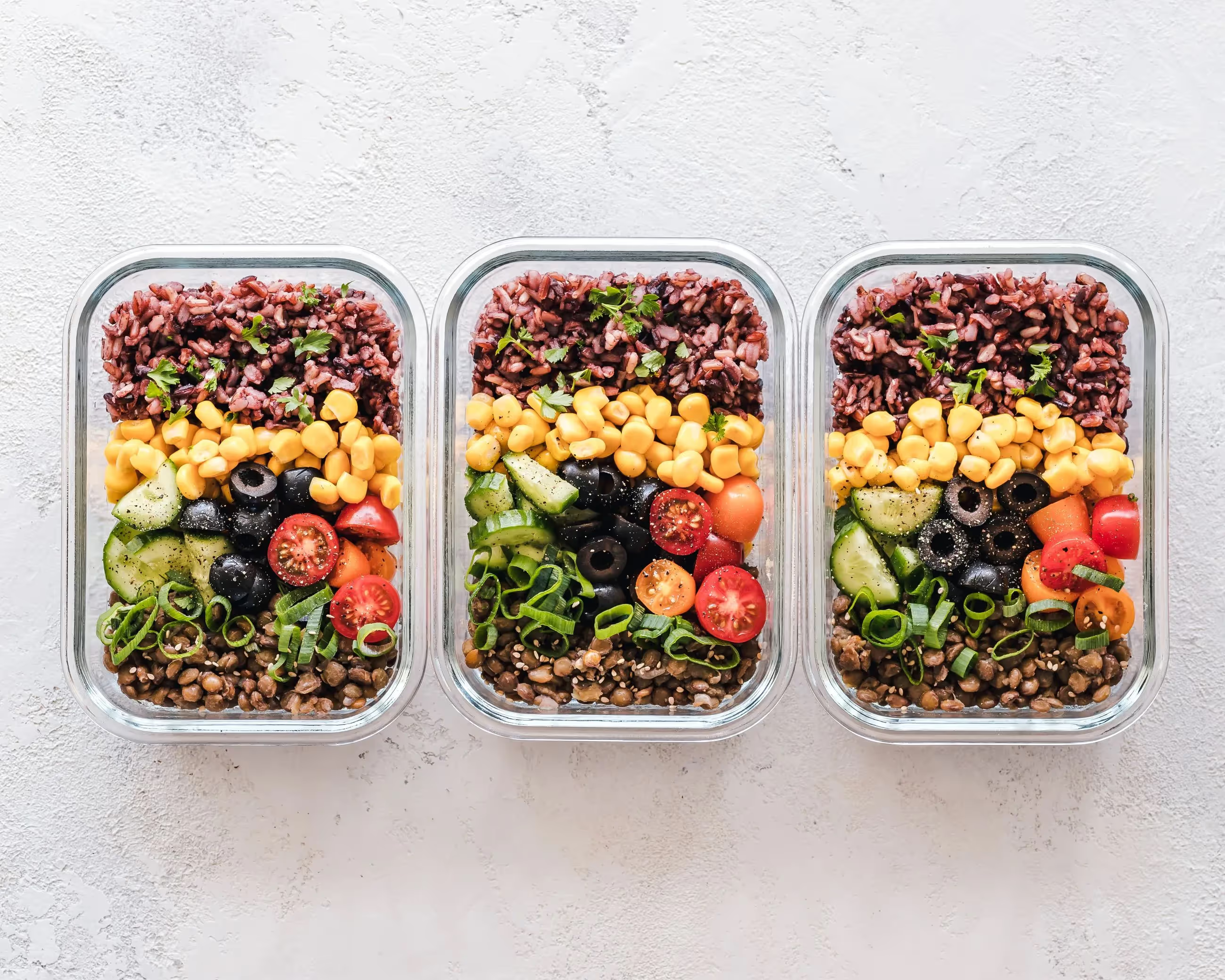
- Whole grains: Oat bran, whole wheat crackers, bulgar, spelt, whole-grain cereals, and whole wheat tortillas.
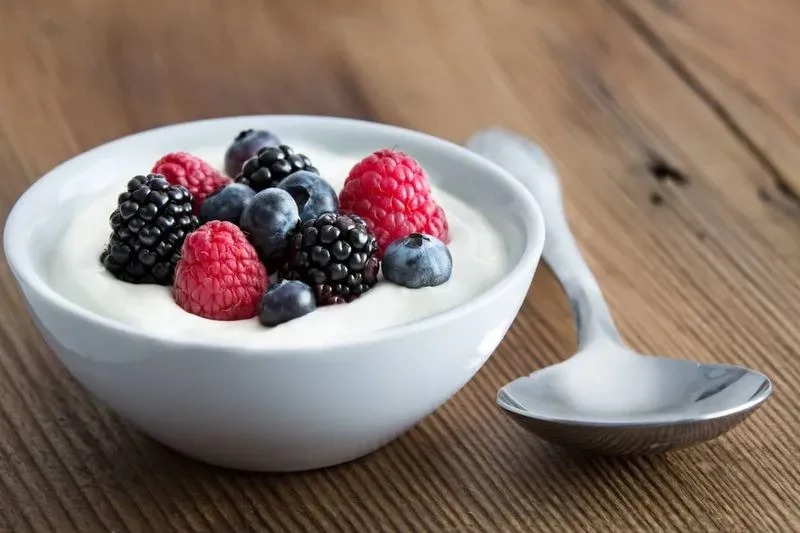
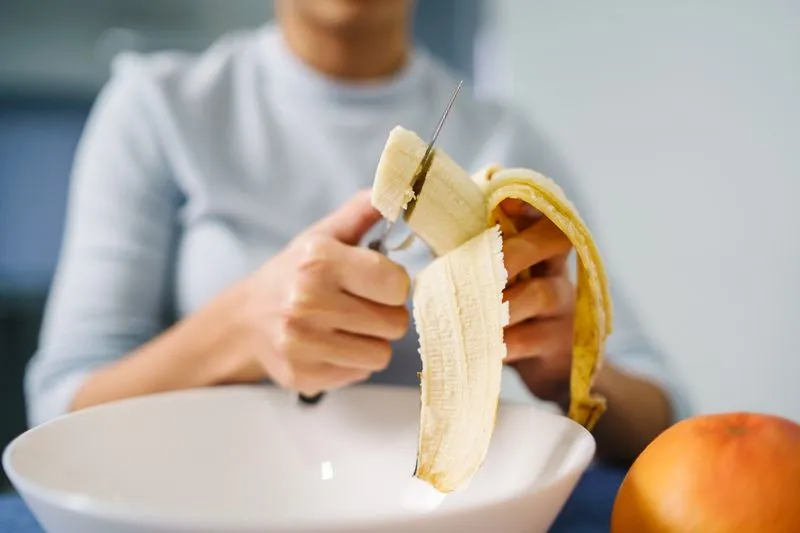
- Fruits: Raspberries, blackberries, pears, apples, grapefruit, blueberries, kiwi, oranges, strawberries, dates, and cherries.
- Vegetables: Beans, peas, lentils, brussels sprouts, sweet potatoes, winter squash, broccoli, cauliflower, avocados, collard greens, green beans, swiss chard, bell peppers, asparagus, and cabbage.
- Nuts and seeds: Pumpkin seeds, chia seeds, almonds, sunflower seeds, walnuts, pine nuts, pistachios, and flax seeds.
According to portion recommendations by My Plate, almost three-fourths of your plate should include whole grains, vegetables, and fruits, all of which contain dietary fiber to help prevent constipation.
{{splash}}
Other Tips for Avoiding Constipation from Overeating
Other than ensuring you eat adequate amounts of fiber each meal, there are several other ways to prevent constipation from overeating.
Mindful Eating
Mindful eating is the act of being aware of your eating experience.
It begins when you first start thinking about your meal and extends through the meal preparation process and, finally, consuming your meal.
Recognizing the difference between physical and emotional hunger cues is an important aspect of mindful eating.
This can help you determine whether your body needs food, which may prevent overeating.
It can also help you recognize when you are full and should stop eating.
Portion Control
Learning what portion sizes you should focus on eating depends on several factors, including your:
- Height and weight.
- Current age.
- Gender.
- Level of activity.
- Metabolism.
Stay Hydrated
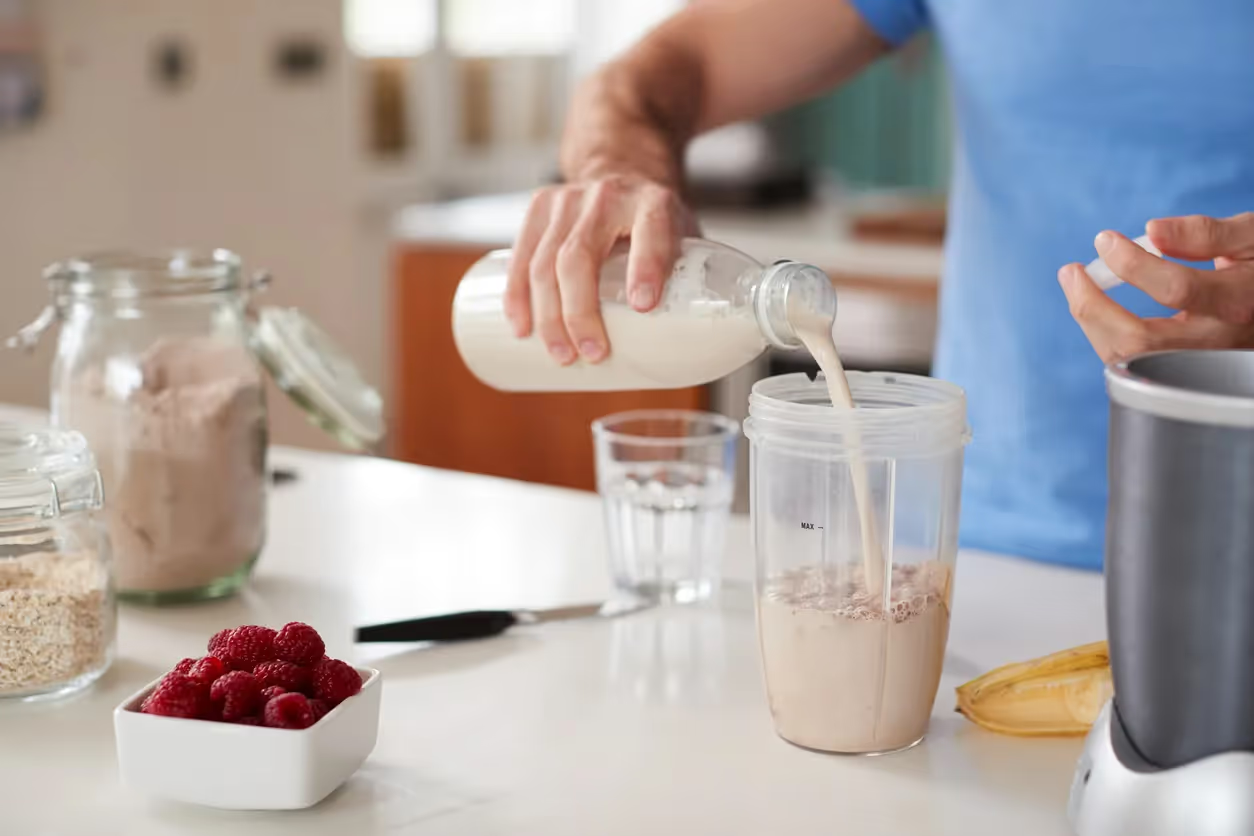
Drinking water and other fluids can prevent constipation by keeping your stools soft and easy to pass.
It’s also a good way to avoid dehydration and can improve your overall health.
High-fluid items include:
- Water.
- Broths and soups.
- Naturally sweetened fruit juice.
- Naturally sweetened vegetable juice.
Like portion sizes, how much water you need depends on several personal factors.
Get Regular Exercise
Getting regular exercise can also help prevent constipation.
Experts recommend adults get 150 minutes per week of moderate-intensity aerobic activity.
You can break your time up throughout the week but try to be active for at least 10 minutes at a time.
Exercises you can do include:
- Brisk walking.
- Biking.
- Swimming.
- Dancing.
- Chair aerobics.
Incorporating muscle-strengthening activities twice weekly into your schedule is also recommended for optimal health.
This may include lifting weights or working with resistance bands.
{{splash}}
Takeaway
Overeating foods that cause your digestive system to be sluggish and missing dietary fiber can lead to constipation.
Recognizing the symptoms of overeating, learning to balance your meals, and planning your portions are great ways to prevent constipation from overindulging.
Several lifestyle changes, such as learning mindfulness eating, staying hydrated, and exercising regularly, can also help prevent constipation.
How a Dietitian Can Help
Registered dietitians through Nourish can help you learn how to prevent constipation from overeating.
Through individualized counseling, you’ll learn which foods are beneficial for a healthy digestive system and keeping you regular.
They can also help you understand proper portion sizes based on your needs and health goals.
Find a dietitian near you to start making dietary changes to keep you regular.
Frequently Asked Questions
Why am I constipated after overeating?
Constipation can occur after eating too much food and not enough fiber.
This combination can cause your digestive tract to become sluggish, making the stool dry and hard to pass.
Why do I get constipated when I eat more?
Overeating too much processed food, meats, or foods high in salt can slow your digestive system and cause constipation.
Should I keep eating if I’m constipated?
If you’re constipated, it’s important to eat foods high in dietary fiber, increase your fluid intake, and complete physical activity to help restore balance to your digestive system.
References
View all references
Nourish has strict sourcing policies and prioritizes primary sources, including medical organizations, governmental agencies, academic institutions, and peer-reviewed scientific journals. Learn more about our medical review process and editorial guidelines.
More articles




.avif)















.avif)