Do Probiotics Make You Poop?

Medical Reviewer: Renae Khalil RD, LDN

Author: Julia Zakrzewski, RD
.avif)
Summary
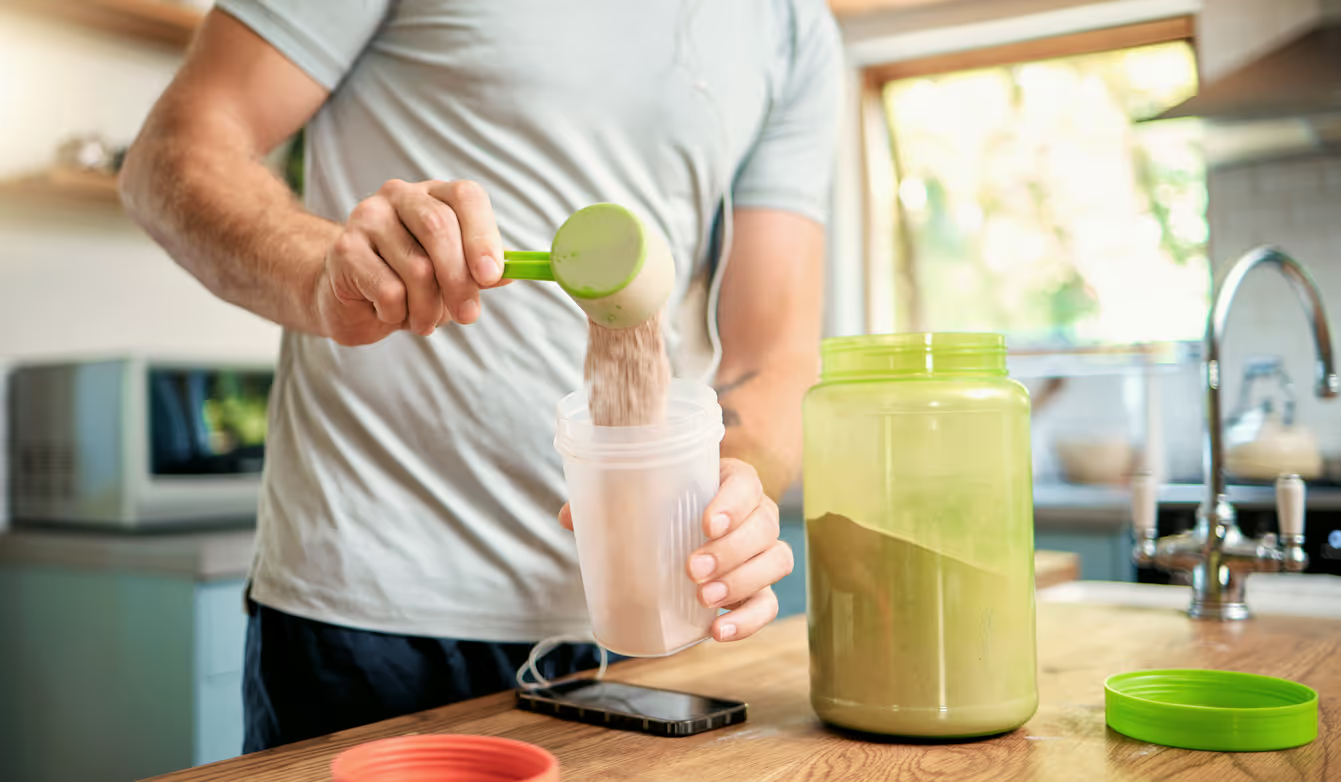
- Probiotic supplements contain billions of live microorganisms that help balance your gut flora.
- Although probiotics can help with constipation and diarrhea, they aren’t meant to help you poop when you’re already backed up.
- Laxatives are medications that help you go to the bathroom quickly, and probiotics could help you stay regular in the future.
Probiotics are health-promoting bacteria that live throughout your digestive tract.
They’re scientifically proven to aid digestive health, decrease IBS symptoms, improve immune function, and lower blood pressure.
Although it’s fascinating to learn how these microorganisms impact overall health, researchers agree they can’t help with everything and shouldn’t replace other viable treatments that could be more beneficial.
For example, if you're backed up, probiotic supplements won’t make you poop.
Instead, a laxative medication might be more appropriate for immediate relief, which your doctor and pharmacist can review with you.
Keep reading to learn more about the link between probiotics and bowel movements, why a laxative could be more helpful, and general tips on staying regular.
{{splash}}
Do Probiotics Make You Poop?
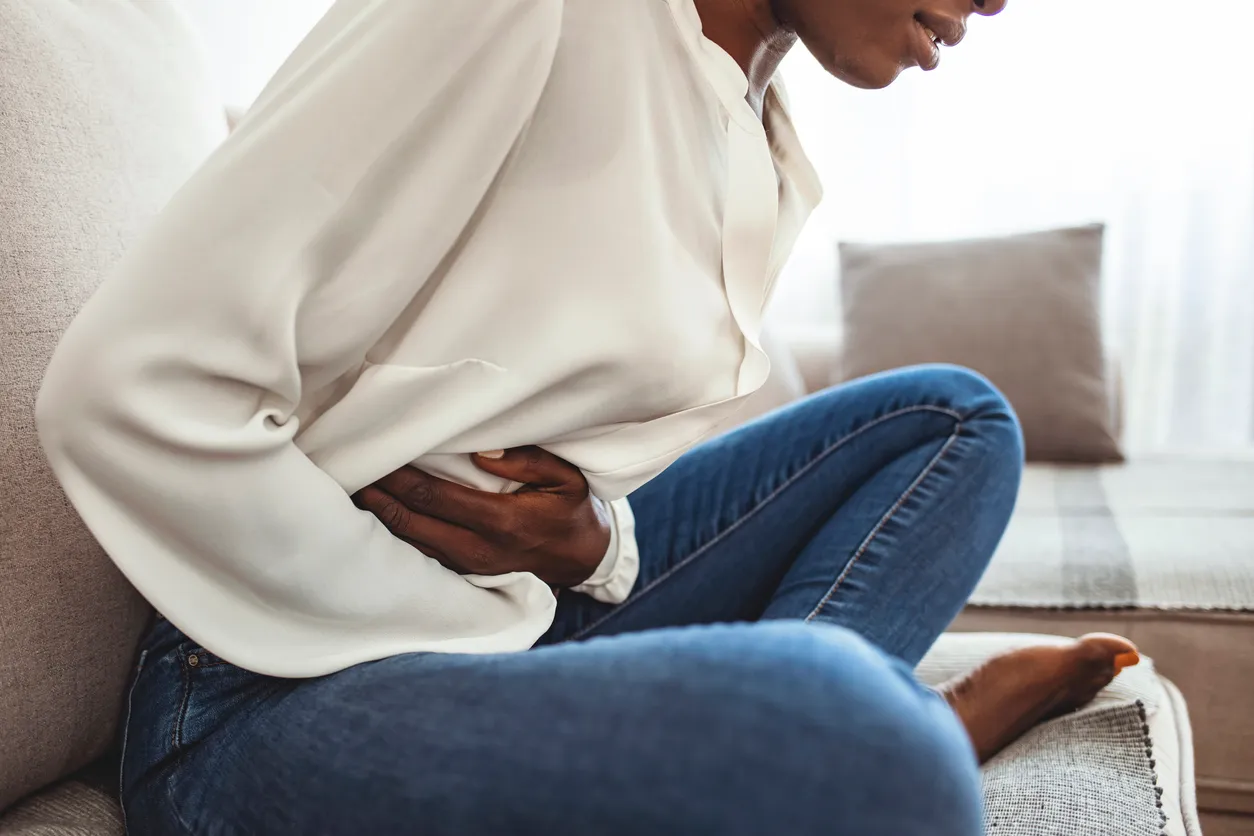
You might be experiencing a bout of constipation when you can’t pass a bowel movement.
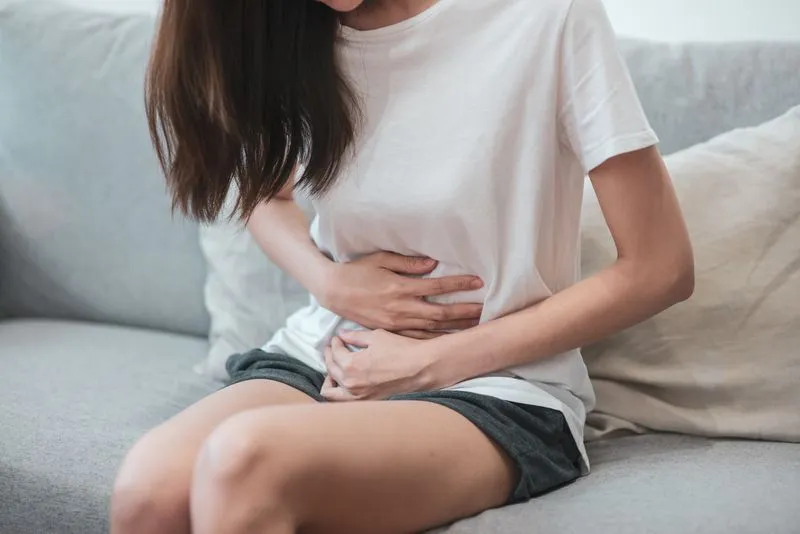
Physically, you might feel abdominal pain and discomfort, and mentally, it can be very frustrating to be unable to pass a stool despite feeling the urge “to go.”
If you haven’t gone after a few days, you might wonder if any supplements or foods could help you poop.
Although probiotic supplements may help digestive health—it’s unlikely they’ll make you have a bowel movement today.
Instead, the bacteria in probiotics help set the stage for long-term bowel health.
Over time, billions of bacteria try to rebalance the “good” bacteria in your gastrointestinal (GI) tract, which should increase mucus production to help stool pass easily.
So, don’t think of probiotics as something to help you poop when you’re already backed up—people experiencing chronic constipation may want to try probiotics as a preventative tool against future bouts of constipation.
The Link Between Probiotics and Bowel Movements
The number of bacteria in your gut flora (and the diversity of microorganisms) may influence your bowel movements.
Too many “bad” bacteria can alter your routine, and a probiotic supplement may increase the variety and quantity of “good” bacteria in your GI tract.
Probiotic supplements are most effective for overall digestive health when you:
- Take the correct strain.
- Take them consistently.
- Store them correctly to preserve delicate microorganisms. Some products prefer room temperature, while others need to be refrigerated.
- Make other healthy lifestyle choices.
Below are studies and examples of probiotics that may help regulate different types of bowel movements, such as constipation and diarrhea.
Probiotic Strains Proven For Constipation
Probiotic supplements may decrease constipation duration and frequency, although results vary per person.
Several studies suggest that consistently taking the right strain of probiotics can help stool pass through the GI tract more efficiently, resulting in more frequent bowel movements.
Proven strains include:
- Bifidobacterium animalis lactis CNCM I-2494 (Activia) can decrease stool transit time, helping you pass stool faster.
- Bifidobacterium lactis BB-12® (Align® Gut Health & Immunity Support) helps you go to the bathroom more frequently.
- Lactobacillus reuteri DSM 17939 (BioGaia® ProTectis) helps you pass stool more often.
- Lactobacillus casei Shirota (Yakult) relieves symptoms of constipation. The mechanisms are still being researched.
Research Supporting Probiotics for Diarrhea
Probiotics may ease diarrhea linked to GI infections or antibiotics.
GI infections have inflammatory effects on the intestinal lining of your digestive tract.
It can interfere with your small intestine's ability to absorb water, which can cause loose, watery stools and diarrhea.
Although most cases resolve independently, some people may need antibiotics to treat the infection.
Some probiotics (Saccharomyces boulardii and sometimes Lactobacillus rhamnosus GGt) can decrease the length of an infection, but most published research is on youth and children.
These strains could help with prolonged bouts of diarrhea, as acute cases commonly resolve themselves after a round of rehydration.
Taking antibiotics, mainly penicillin and erythromycin, can also cause diarrhea.
The medications wipe out harmful bacteria but also eliminate beneficial microorganisms, which can lead to antibiotic-associated diarrhea (AAD).
Adults and children taking Saccharomyces boulardii have a 9-12% decreased risk of AAD.
Taking the supplement two days before starting an antibiotic could produce better results.
Probiotics vs Laxatives
Laxatives are a type of medication that helps you pass stool.
There are several types, and each one functions differently in the digestive tract to help you go to the bathroom.
Some of these laxatives are available over the counter, while others require a prescription.
- Bulk-forming agents add bulk to the stool and draw in fluid. Examples include psyllium fiber or methylcellulose (Citrucel), which you can buy at grocery stores or pharmacies.
- Osmotic agents pull liquid into the bowel to soften stool, making it easier to pass. Magnesium milk is a popular osmotic agent you can buy over the counter.
- Prokinetic agents increase peristalsis (contractions along your GI tract) to move stool faster. Cisapride is a prokinetic agent that requires a prescription.
- Lubricants help stool pass easily through the intestines. A well-known example is mineral oil, which you can buy over the counter.
- Stimulants are strong laxatives that cause contractions to help push stool through the GI tract. Senna is a stimulant that can be purchased over the counter.
- Surface active agents make stool softer over a few days, so it’s easier to pass. An example is Docusate, which requires a prescription.
- Guanylate cyclase agonists are prescription medications that may relieve constipation linked to IBS or unknown causes (idiopathic constipation.)
- Chloride channel activator increases intestinal mucous secretion to help stool pass easily. It also requires a prescription.
Unlike laxatives, probiotics don’t cause bowel movements overnight.
It takes weeks for bacteria colonies to replenish your GI tract, and it can take a while before you feel symptom improvements.
Possible Side Effects of Probiotics
Probiotics are safe for most people unless you’re severely ill or immunocompromised.
This includes anyone receiving chemotherapy, being treated for pancreatitis, or having a central venous catheter.
Although probiotic bacteria are meant to be healthful, there’s a low risk they could lead to an infection if your immune system isn’t as strong.
Ask your doctor if probiotics are right for you if you have any concerns.
Other Benefits of Probiotics
It’s exciting to uncover all the benefits of probiotics.
Researchers have already made several connections between probiotic supplements and better health outcomes, including:
- Better immune function.
- Reduced allergic reactions.
- Preventing chronic bowel disease, such as Crohn’s disease or ulcerative colitis.
- Treating diarrhea.
- Reducing irritable bowel syndrome (IBS) symptoms.
- Preventing a urinary tract infection (UTI).
- Reducing cholesterol.
How to Choose the Right Probiotic Supplement
Hundreds of probiotic supplements are available at stores, but some are better quality than others.
To pick the right one, you’ll need to look at the number of bacteria per capsule (called colony-forming units) and the strain.
The colony-forming unit refers to the amount of bacteria in a probiotic supplement that can influence your health.
They’re typically listed on the front of a supplement bottle and 1 x 10⁹ for 1 billion CFU.
The product's bacteria strain(s) indicate the type of microorganisms in that supplement that could impact your health.
You’ll need to pick a well-researched strain proven to help your symptoms to get the best results.
A dietitian can help you find the best option.
Recommended Strains for Improving Bowel Movements
Interestingly, research suggests that single-strain probiotic supplements may be more effective than blended formulas with several strains.
There’s very little difference in stool changes based on a high dose or low dose, and users experience improvements as long as the supplement has no less than one billion CFUs.
Well-researched strains that may improve bowel movements are Bifidobacterium animalis lactis CNCM I-2494, Bifidobacterium lactis BB-12®, and Lactobacillus reuteri DSM 17939.
Probiotic supplements function best when combined with other lifestyle and dietary changes that support healthy digestion.
To stay regular, it’s recommended to increase your fiber and fluid intake, be active daily, limit your alcohol intake, reduce or quit smoking, and manage stress levels.
Other Factors to Consider When Purchasing
Before purchasing a probiotic, you’ll want to ensure they’re safe for you.
Generally, most people can tolerate a probiotic supplement without any side effects—but they aren’t recommended for anyone severely ill or immunocompromised.
Even though live microorganisms are considered beneficial, they can increase the risk of an infection if your immune system isn’t strong.
If you start a probiotic supplement, choose the type that’s easiest for you to take.
They’re usually available in oral supplements, drinkable yogurt-style products, or dried sachets that you’ll need to mix with liquid before consuming.
You must stay consistent to get results.
{{splash}}
Takeaway
Being backed up is uncomfortable, but fortunately, several evidence-based strategies could help you find relief.
These include increasing physical activity, adding fiber and fluid to your diet, and possibly using a laxative if your doctor thinks it’s necessary.
Laxatives are medications and aren’t the same as probiotics.
Probiotic supplements contain billions of microorganisms that support gut health, but they can’t make you go poop.
Knowing the distinction is essential to build a treatment plan that will set you up for success.
How a Dietitian Can Help
A registered dietitian specializing in gut health is a nutrition expert and a licensed healthcare professional.
They can help you stay regular by making dietary changes, like increasing your fiber and fluid intake to help stool pass more easily.
You may not know what to expect if you’ve never met with a dietitian.
Here are questions to ask:
- What are high-fiber foods I can eat more of?
- Which probiotics can help with IBS?
- Does constipation cause nausea?
- How do I decrease bloating?
Find a dietitian who accepts insurance through Nourish, and start making dietary changes to keep you regular.
Frequently Asked Questions
Is it normal to poop a lot after starting probiotics?
Experiencing an increase in bowel movements right after beginning probiotics isn’t expected.
The supplements typically take a few weeks to affect your gut flora.
Still, pooping more than usual could occur if you have an intolerance or allergy to an ingredient in the supplement (especially if you have cramping, pain, and other digestive symptoms).
Stop taking the supplement and follow up with your doctor if you experience unwanted side effects.
Do probiotics clean out your bowels?
Probiotics don’t clean out your bowels; they help populate more “good” bacteria throughout your gastrointestinal tract, which can support overall health.
Laxatives are medications that can stimulate bowel movements and make you go poop.
How do you know if probiotics are working?
You’ll know probiotics work if your symptoms resolve after a few weeks.
You might want to track your symptoms in a journal to measure progress.
References
View all references
Probiotics - Health Professional Fact Sheet
Shahrokhi, M. (2023, July 3). Probiotics. StatPearls - NCBI Bookshelf.
Sattar, S. B. A. (2023, August 8). Bacterial gastroenteritis. StatPearls - NCBI Bookshelf.
Clinical Guide to Probiotic Products Available in USA
Bashir, A. (2022, October 13). Laxatives. StatPearls - NCBI Bookshelf.
Bodke, H., & Jogdand, S. (2022). Role of Probiotics in Human Health. Cureus, 14(11).
Mawer, S. (2023, November 13). Physiology, defecation. StatPearls - NCBI Bookshelf.
Nourish has strict sourcing policies and prioritizes primary sources, including medical organizations, governmental agencies, academic institutions, and peer-reviewed scientific journals. Learn more about our medical review process and editorial guidelines.
More articles



.avif)