Can a Nutritionist Help with Bloating?

Medical Reviewer: Ellie Stamerjohn, MS, RDN, LD

Author: Sarah Bullard, MS, RD

Summary
- Bloating and stomach distention are the two most common GI symptoms after eating.
- A small amount of bloating after meals or drinks is normal.
- Many things can cause painful or excessive bloating, and a registered dietitian can help you solve your bloating issues.
Updated by: Caitlin Beale
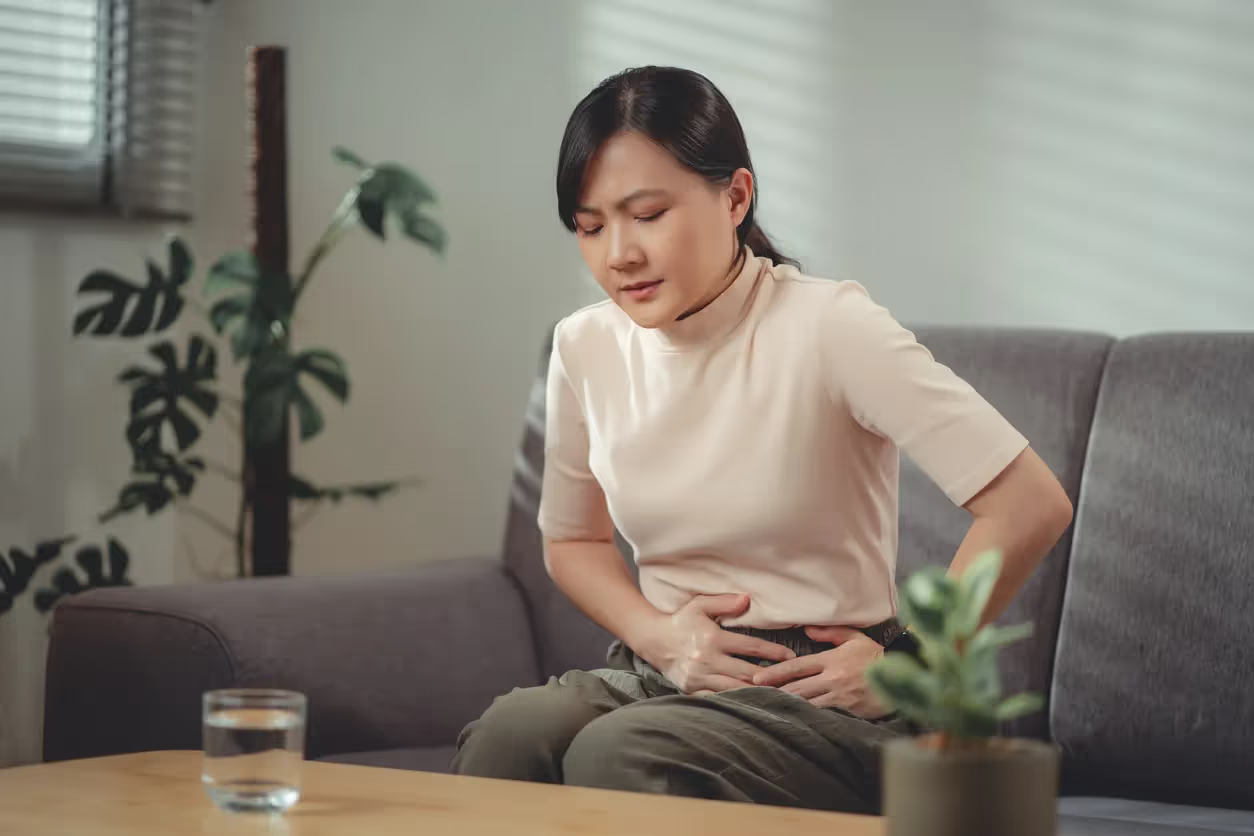
After eating, bloating and stomach distention (enlarged stomach) are the two most common gastrointestinal (GI or stomach) symptoms.
Other symptoms associated with bloating are nausea, heartburn, or burping.
Bloating affects 30% of the adult population and is characterized by having trapped gas or air, stomach pressure, and fullness.
Distention is a measurable increase in abdominal size; these symptoms can occur together or alone.
Some people may need to loosen their belts or switch to looser fitting clothing.
Pinpointing the cause of bloating can take time. Seeking expert and customized care can help you explore possible reasons, understand why bloating happens, and find effective solutions.
In this article, you’ll learn how a registered dietitian (RD) can help with bloating and five tips to prevent and manage the condition.
{{splash}}
Can a Dietitian Help with Bloating?
Registered dietitians are uniquely trained to help with bloating.
Food and digestion seem like a straightforward process of eating, digesting, and absorbing nutrients without excessive GI symptoms.
Our bodies respond differently to stress, foods, drinks, illness, or travel, which can disrupt the process.
A registered dietitian can help you determine if bloating can be managed by changes in diet, drinks, meal timing, adding pre and probiotic-rich foods, or exercise.
Additionally, they can guide you to supplementary medical help if needed.
What Causes Bloating?
Several factors can cause bloating, some more serious than others, including:
Hormone Shifts
Many women and people with cycles experience bloating in the days leading up to their period due to changing hormones, especially estrogen and progesterone.
This bloating is often accompanied by other symptoms like menstrual cramps or mood changes but should decrease once your period begins.
Food Sensitivities or Intolerances
Food sensitivities or intolerances, like lactose intolerance, can cause bloating.
This bloating occurs when the body has trouble digesting a specific food, causing gas build-up in the gut.
Stress
Stress is closely tied to your digestive system, and the flood of stress hormones can lead to symptoms like bloating, nausea, cramping, and diarrhea.
Medications
Certain medications like antibiotics, opioids, GLP-1 agonists, and even iron supplements can cause bloating or feelings of discomfort in the gastrointestinal tract.
Gastrointestinal Conditions
Digestive conditions like irritable bowel syndrome (IBS), small intestinal bacterial overgrowth (SIBO), chronic constipation, celiac, reflux, or gastroparesis can all cause bloating.
It’s always a good idea to visit your healthcare provider to rule these out.
High-Fiber Foods
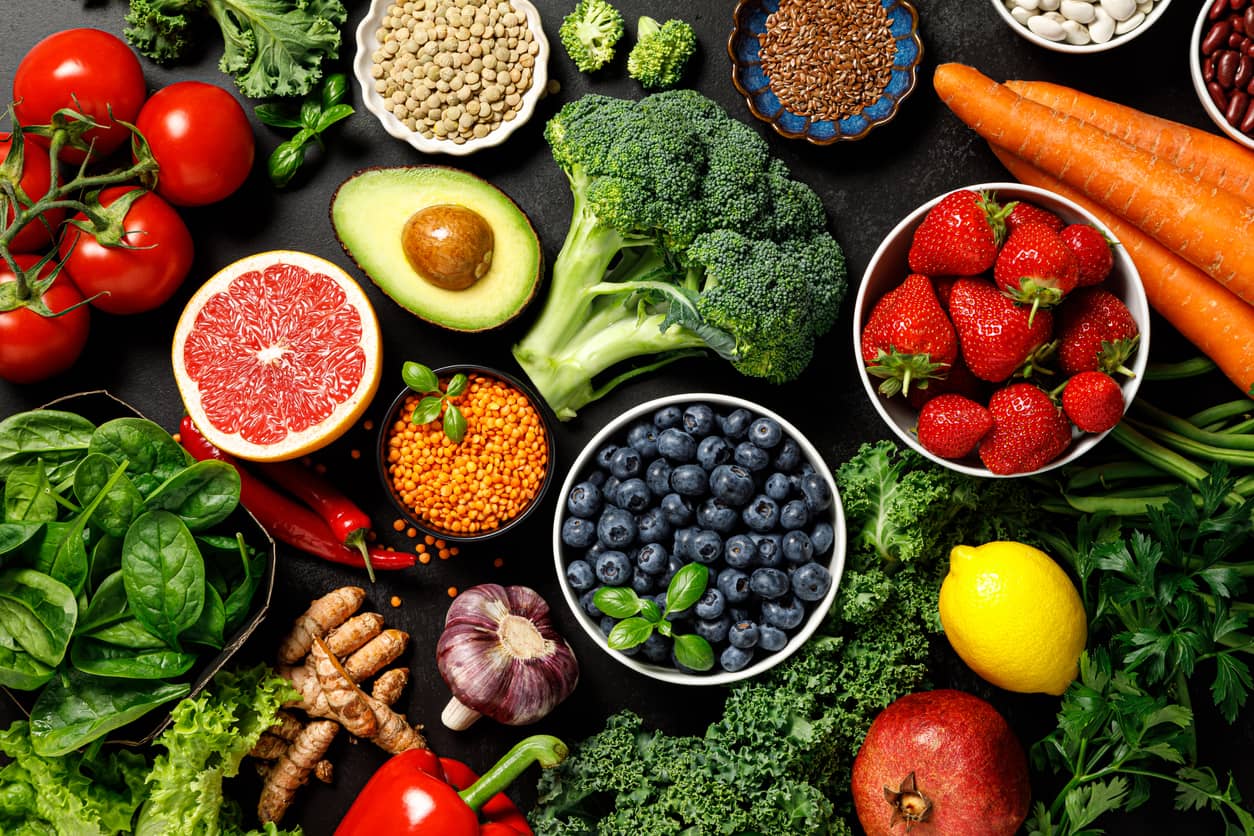
Foods that contain a lot of prebiotic fiber, such as beans, lentils, broccoli, and cabbage, act as fuel for your gut bacteria.
As the gut bacteria ferment these foods, they produce gas, which causes bloating.
Benefits of Working with a Registered Dietitian for Bloating
From evidence-based support to years of training, working with a registered dietitian for bloating has many benefits.
Here are some of the top reasons to choose a dietitian:
Registered dietitians have extensive training
A four-year degree with a specially designed nutrition curriculum is required.
RDs take courses on digestion, biology, chemistry, health conditions and how they relate to food, counseling, reading research studies, and nutrition.
They work with other healthcare providers to help you
RDs complete 1,200 hours of supervised practice with other healthcare professionals and experienced registered dietitians before becoming a dietitian.
This experience equips them to help you specifically!
Most dietitians have graduate degrees and special certifications
More than half of dietitians have a graduate degree, and all must complete continuing education, which allows you to get the best information and care.
Dietitians love to dig into the ‘why’s’ for you and get you answers.
How a Dietitian Can Help With Bloating
Since learning why an RD can help you, you may wonder what a visit looks like.
A visit includes looking at your medications, health history, conditions, and typical lifestyle and diet.
This information and clarifying additional questions allow an RD to look at the whole picture.
A dietitian then partners with you to create a custom, realistic eating plan to reduce your bloating (along with any other nutrition-related issues).
You trial the eating plan and provide feedback to the dietitian on what went well and what could be improved.
The eating plan is changed based on your response and needs.
Working together may take several sessions to lessen your bloating and find the best plan for you.
It also takes time to put new eating plans into practice.
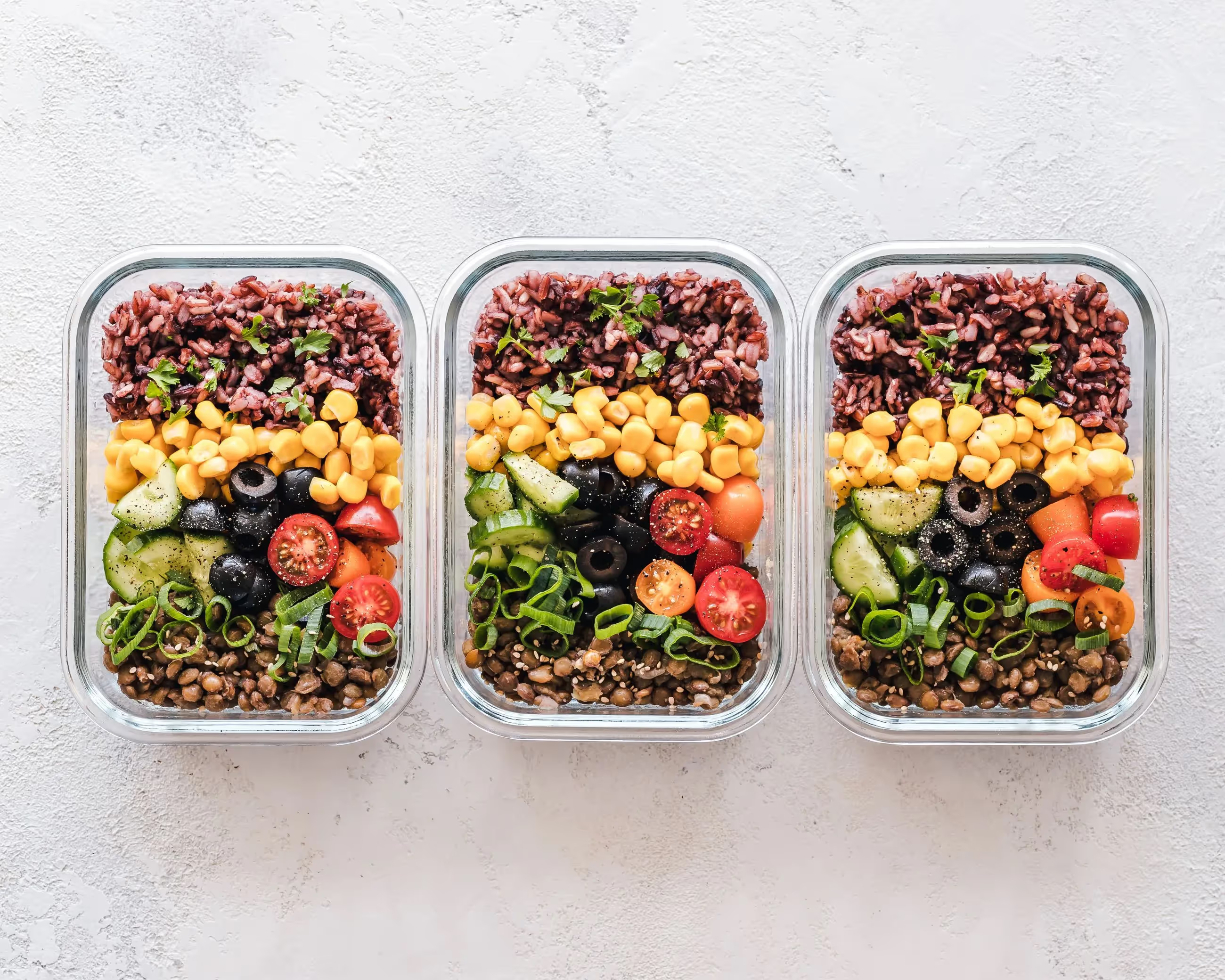
A dietitian will use creative and compassionate strategies to help with meal planning, grocery shopping, label reading, mindful eating, and tips for staying motivated.
5 Tips to Reduce Bloating
Here are some tips to help you find relief from bloating.
1. Choose the Right Foods for Relief
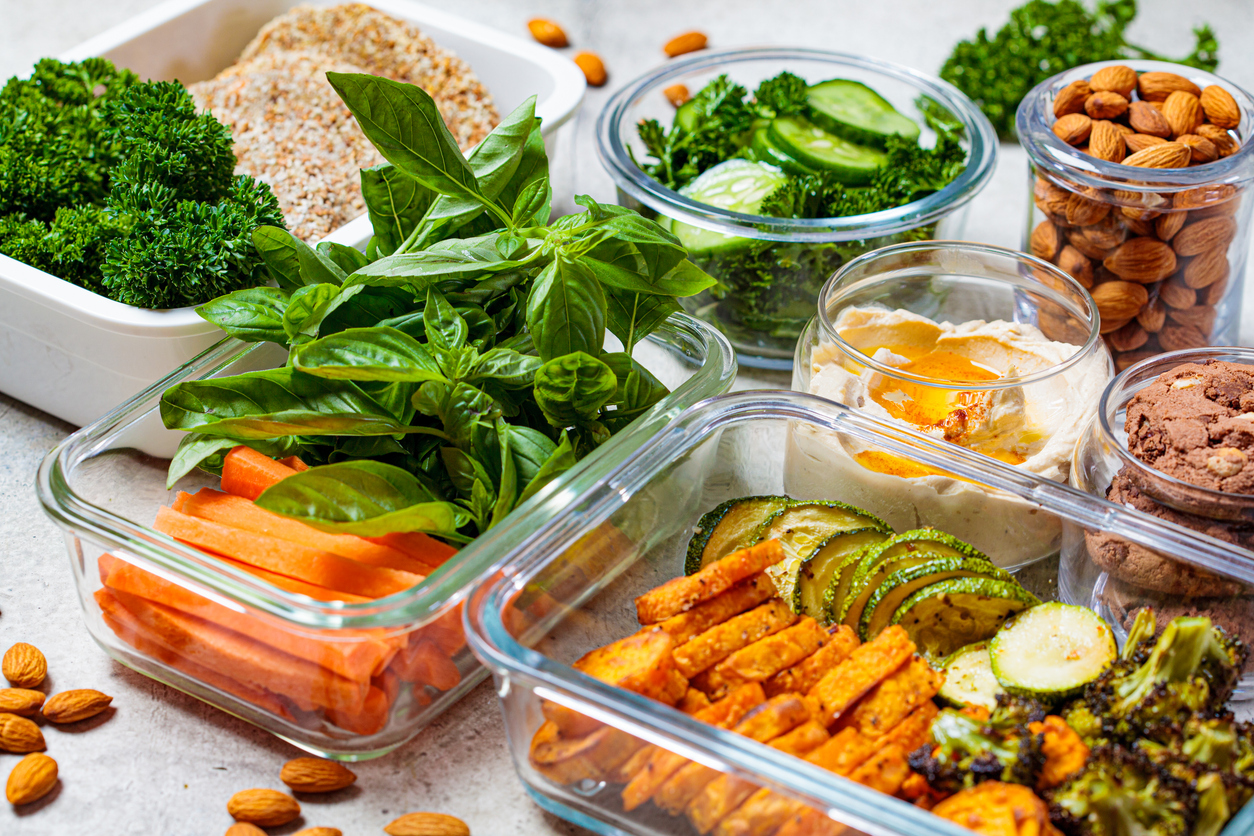
If you’re experiencing uncomfortable bloating, there are certain foods you can choose that may provide relief, or at least cut down on the discomfort. Foods to consider include:
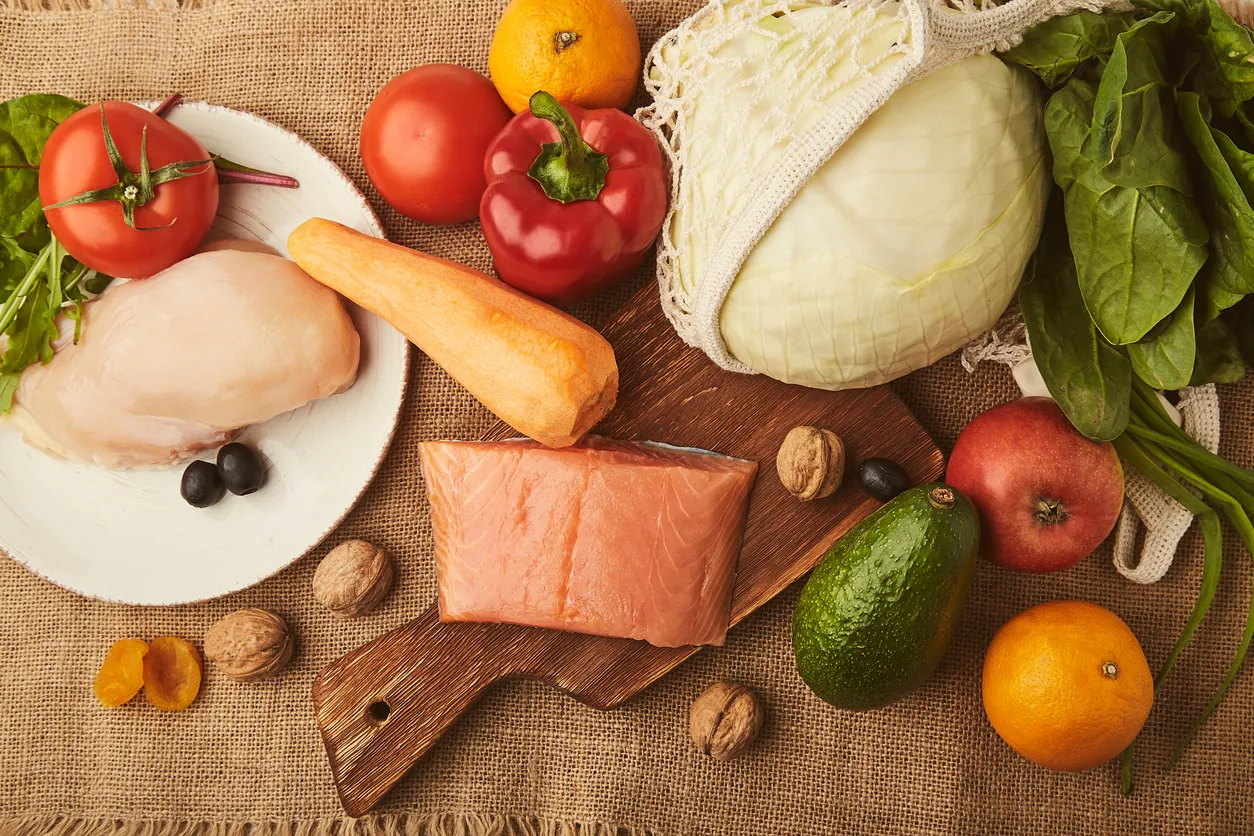
- Protein-rich foods like eggs, meats, fish, and poultry.
- Lactose-free dairy products.
- Rice or rice crackers.
- Potatoes.
- Berries.
- Avocados.
- Carrots.
Many of these foods are considered low FODMAP foods.
FODMAP stands for fermentable oligosaccharides, disaccharides, monosaccharides and polyols.
Digestion of these short-chain carbohydrates are more likely to be problematic for people with digestive issues and can cause bloating.
A 2019 study compared a low FODMAP diet to a simple reduction of common trigger foods among individuals with irritable bowel syndrome (IBS).
Participants following the low FODMAP diet reported reduced bloating, stomach pain, and discomfort.
A low FODMAP diet isn’t meant to be long-term and is best followed with the support of an experienced dietitian.
The goal is to follow the diet to remove common triggers while eating foods that typically provide relief, and then slowly reintroduce potential foods under the guidance of a dietitian.
2. Practice Mindful Eating
Mindful eating involves being aware of the present eating moment and shifting attention to the food and mind-body connection.
Simply changing how you eat can significantly reduce bloating.
Many of us multitask while eating and may barely chew before swallowing our food.
Taking time to eat slower can help you chew your food well and reduce the workload needed for your GI tract to digest.
Try chewing each mouthful 30 times and setting your utensil down between bites.
3. Eat Smaller Portions More Often
The United States Department of Agriculture (USDA) reports that Americans eat most of their food after noon (62% of their daily intake).
Spreading your daily intake into smaller meals and snacks can lessen digestive work, leading to less bloating.
Consider trialing three meals and two to three small snacks to see if you see improvement in bloating.
A timing change rather than a complete diet overhaul may allow for a comfortable, bloat-free day.
4. Keep a Log of Foods That May Cause Bloating
Nutrition changes are introduced at the beginning of a treatment plan for bloating.
Keep track of foods that seem to trigger or increase bloating.
Often, dairy or lactose can cause excessive bloating in individuals who are lactose intolerant.
Around two-thirds of the world is lactose intolerant.
Some foods can cause more bloating than others. Included on this list are:
- Wheat products such as bread, pasta, and cereal.
- A type of carbohydrate called fructans can increase bloating. Some high fructan foods include most forms of onions, Brussels sprouts, cabbage, broccoli, artichokes, and asparagus.
- High-fat foods.
- Fiber-rich foods or increasing your fiber intake rapidly.
- Poorly digested and absorbed carbohydrates such as those high in fiber or containing sugar alcohols.
Not all individuals experience bloating after these foods, so it’s best to simply observe your symptoms after eating to see if you have a tolerance issue.
Prematurely avoiding these foods is not recommended; instead, start by keeping a list of foods that cause bloating.
5. Eat More Soluble Fiber
Health professionals recommend increasing fiber intake to help with GI conditions.
Research shows that certain types of fiber result in lower gas production (less bloating).
In contrast, short-chain and fermentable dietary fiber (high FODMAP and the foods listed in the point above) can cause rapid bloating and discomfort.
Most foods have a mix of soluble and other fiber. Foods high in soluble fiber, including oats, bananas, strawberries, chia and flax seeds, nuts, green beans, and carrots, usually reduce bloating.
6. Exercise Regularly
Physical activity promotes healthy digestion and circulation.
Moving your body helps move gas through the digestive tract and stimulates peristalsis (the movement of food through the digestive tract).
One study found that walking (three times a week for 12 weeks) improved bloating for people with IBS.
Another study found that walking 10 to 15 minutes after meals significantly reduced symptoms for people with functional abdominal bloating─even more so than medication.
7. Try Peppermint
Peppermint is well-known for its ability to help with digestive discomfort, especially bloating.
Peppermint relaxes the smooth muscle of the intestinal tract to reduce cramping and bloating.
You can try peppermint tea or peppermint capsules that contain peppermint oil for a higher dose.
While peppermint is considered safe, it’s always a good idea to check with your dietitian before starting a new supplement.
Takeaways
Finding the cause(s) of your bloating will likely take patience and several approaches.
Start by trying the five tips above to reduce bloating and connect with a dietitian specializing in gut health.
Working with a registered dietitian will speed up your relief with expert advice and customized strategies.
How Nourish Can Help
Partner with a professional in managing GI health. Gut health dietitians are uniquely trained to help you reduce bloating with a custom diet and lifestyle plan and incorporate other nutrition-related health conditions.
{{splash}}
Find a dietitian near you that accepts insurance using Nourish.
Frequently Asked Questions
Should I see a dietitian for bloating?
A dietitian can help you fast-track progress with bloating and other health conditions. They can help you separate fact from fiction and create a customized plan for your lifestyle and needs.
Who to see to help with bloating?
A dietitian is an integral health professional to help with bloating. Dietitians can connect you with other health professionals like GI doctors for further testing or therapists to help you manage stress that may increase your bloating.
What nutrient deficiency is connected to bloating?
Vitamin B12 is often lower in individuals with GI conditions. Vitamin B12 is essential for the nervous system and healthy red blood cells. Speak with your doctor to learn more about vitamin B12 testing and work with a dietitian to replenish low vitamin B12.
References
View all references
- Lacy, B. E., Cangemi, D., & Vazquez-Roque, M. (2021). Management of Chronic Abdominal Distension and Bloating. Clinical gastroenterology and hepatology : the official clinical practice journal of the American Gastroenterological Association, 19(2), 219–231.e1.
- 10 Reasons to See an RDN. (n.d.).
- Patcharatrakul, T., Juntrapirat, A., Lakananurak, N., & Gonlachanvit, S. (2019). Effect of Structural Individual Low-FODMAP Dietary Advice vs. Brief Advice on a Commonly Recommended Diet on IBS Symptoms and Intestinal Gas Production. Nutrients, 11(12), 2856.
- Cherpak C. E. (2019). Mindful Eating: A Review Of How The Stress-Digestion-Mindfulness Triad May Modulate And Improve Gastrointestinal And Digestive Function. Integrative medicine (Encinitas, Calif.), 18(4), 48–53.
- Eliana Zeballos, Jessica E. Todd, and Brandon Restrepo. Frequency and Time of Day That Americans Eat: A Comparison of Data From the American Time Use Survey and the National Health and Nutrition Examination Survey, TB-1954, U.S. Department of Agriculture, Economic Research Service, July 2019.
- Mari, A., Abu Backer, F., Mahamid, M., Amara, H., Carter, D., Boltin, D., & Dickman, R. (2019). Bloating and Abdominal Distension: Clinical Approach and Management. Advances in therapy, 36(5), 1075–1084.
- Definition & Facts for Lactose Intolerance. (2022). National Institute of Diabetes and Digestive and Kidney Diseases.
- El-Salhy, M., Ystad, S. O., Mazzawi, T., & Gundersen, D. (2017). Dietary fiber in irritable bowel syndrome (Review). International journal of molecular medicine, 40(3), 607–613.
- Office of Dietary Supplements - Vitamin B12. (n.d.).
Nourish has strict sourcing policies and prioritizes primary sources, including medical organizations, governmental agencies, academic institutions, and peer-reviewed scientific journals. Learn more about our medical review process and editorial guidelines.
More articles




.avif)


















.avif)