What Are the Signs You Need Probiotics? How To Choose The Right One

Medical Reviewer: Sarah Hormachea, MS, RD, CDCES, BC-ADM

Author: Heather Smith, RN, BSN

Summary
- Probiotics are live microorganisms that may benefit your gut flora and improve several areas of your health. They can also be beneficial during and after antibiotic treatment.
- Having a weak microbiome can affect the strength of your digestive health, immune system, and impact skin, mood, food intolerances, and inflammation.
- A dietitian can help you discover what symptoms could be linked to a weakened microbiome and help you enhance it through probiotics and diet changes.
The health of your digestive tract greatly impacts the rest of your body.
To stay healthy, you need to maintain a robust microbiome, which consists of microbes such as fungi, bacteria, viruses, and their genes.
The types of food you eat, and environmental influences also impact your gut flora.
Without a strong microbiome, you become susceptible to illnesses such as diabetes, heart disease, neurological problems, allergies, and inflammatory bowel disease.
Probiotics are live microbes similar to the ones found in your gut. Taking a supplement may enhance your microbiome and overall health.
Read on to learn more about probiotics and seven signs that you may need them in your diet.
Also, discover how to choose the right probiotic for your health needs.
{{splash}}
What Are Probiotics?
Probiotics are a variety of live microorganisms.
The most common microorganisms in probiotics are bacteria belonging to the Lactobacillus and Bifidobacterium groups.
Other common organisms are yeasts, such as Saccharomyces boulardii.
Prebiotics are different than probiotics.
Prebiotics are food sources for the beneficial organisms in your gut.
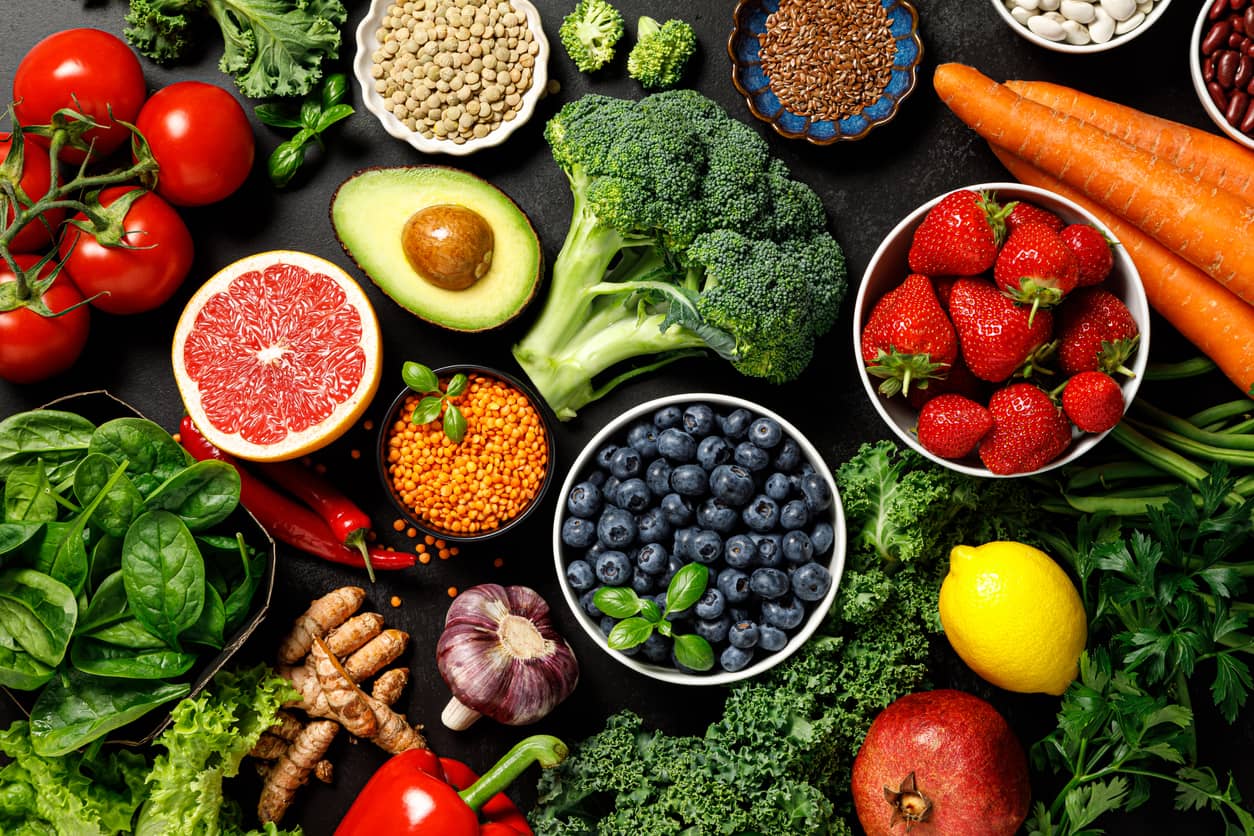
Fruits, vegetables, and whole grains are full of prebiotics in the form of fiber that your microbiome consumes.
You can find probiotics in several forms.
Some are for oral intake to help boost your gut microbiome, while others are applied on your skin to enhance your skin’s microbiome.
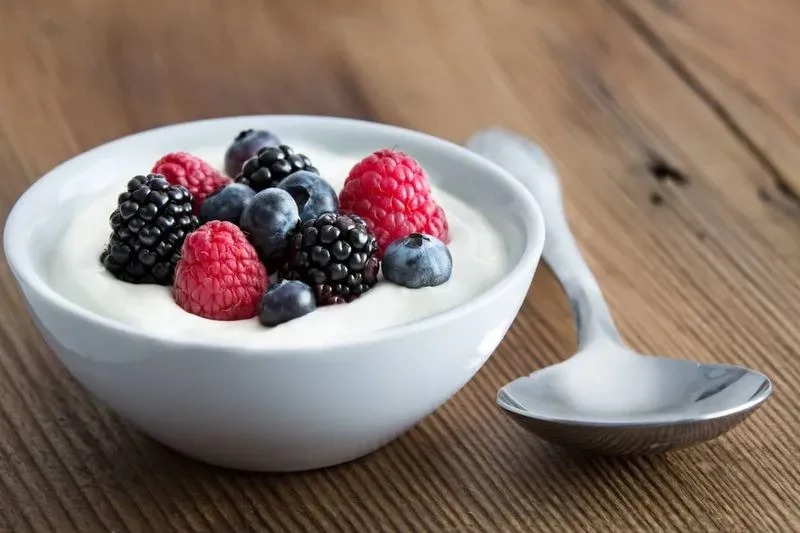
You can take a probiotic in supplement form, such as a capsule, or you can get probiotics through yogurt and fermented foods (although newer research suggests food sources may not have the same impact as supplements).
Many times, bacteria are villainized as being harmful “germs,” and while some of them can cause sickness and infection, other bacteria strains are essential for life.
Some bacteria help with digestion, destroying disease-causing pathogens, and producing vitamins.
Because each microorganism strain completes a unique function, it’s important to have a wide variety of them in your microbiome.
Benefits
While more research is needed, probiotics may have several benefits, including:
- Reducing the risk of atopic dermatitis in children.
- Managing infectious diarrhea.
- Reducing the risk of antibiotic-associated diarrhea.
- Reducing inflammatory bowel disease (IBD) symptoms.
- Reducing symptoms of irritable bowel syndrome (IBS).
- Decreasing cholesterol levels.
7 Signs You May Need Probiotics In Your Diet
Here are seven signs you may benefit from adding probiotics to your diet.
1. Digestive Issues
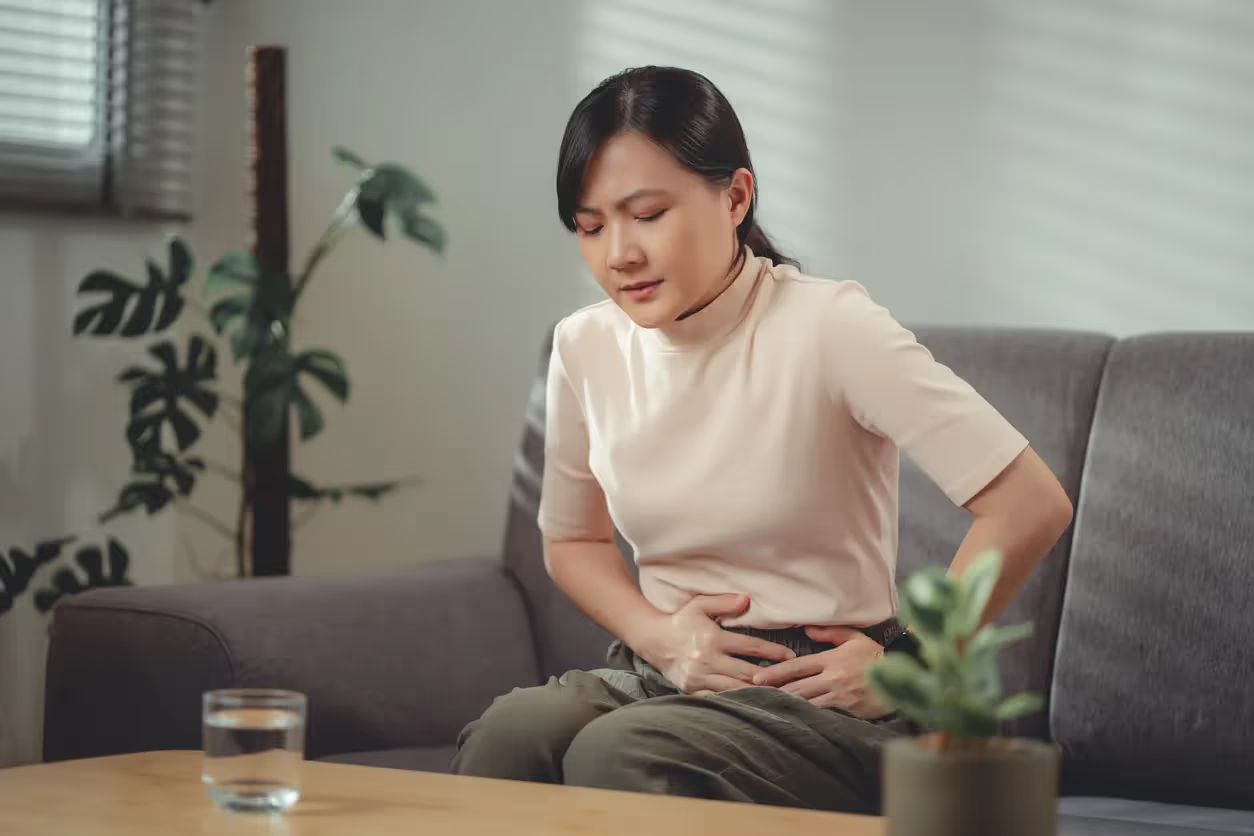
Irregularities in your digestive health may indicate your microbiome is unbalanced and you need probiotics.
Signs may include:
- Diarrhea.
- Constipation.
- Bloating.
- Abdominal discomfort.
Having short-term diarrhea may indicate food poisoning or another temporary condition, and occasional constipation could mean you need to increase your fluid and fiber intake.
However, frequent and chronic changes in your bowel habits, especially when joined with other symptoms like bloating and excess gas, may indicate your gut doesn’t have enough friendly bacteria.
2. Frequent Illnesses
Your microbiome plays a pivotal role in supporting your immune system.
A healthy collection of good bacteria in your gut creates an inhospitable environment to bad bacteria by keeping the pH at a certain level and not giving bad bacteria room to grow.
Research has found that a healthy human adult typically has more than 1000 species of bacteria in their microbiome and that 70–80% of immune cells live in the gut.
If you find yourself frequently getting sick with every bug that goes around, you may need to consider probiotics to enhance the strength of your microbiome.
A 2015 review of research found that people who took probiotics had fewer and shorter upper respiratory tract illnesses, such as:
- Ear infections.
- Common colds.
- Sinus infections.
- Throat infections.
3. Skin Problems
Your skin is often a reflection of the health of your insides.
It’s also your largest organ and is constantly encountering physical, chemical, and bacterial challenges.
A healthy microbiome is necessary to keep your skin healthy.
While research is still limited on this topic, skin disorders that have shown positive results due to probiotics include:
- Acne.
- Eczema.
- Atopic dermatitis.
- Allergic inflammation.
4. Mood Changes
It may come as a surprise, but the health of your gut can influence your mental health.
Researchers have established that there is a gut-brain axis through which diet, the microbiome, and digestive disorders can affect anxiety, depression, and even cognitive function.
While more research is needed in this area, several studies have demonstrated that probiotics have the potential to be part of the treatment plan for mental health disorders.
However, these studies were short in duration and had several aspects that decreased their strength.
If you’re interested in improving your mental health or mood changes, consider talking with your medical provider about probiotics as a possible treatment.
5. Food Intolerances
If you have a food intolerance, it means your immune system mistakenly believes molecules in certain foods are harmful and thus triggers an immune response.
Your food intolerance symptoms may include vomiting, diarrhea, blood in your stool, skin reactions, or other symptoms related to your digestive tract.
Some people have food allergies that are so severe they can go into shock, which may lead to death.
Some of the most common food intolerances or allergies include:
- Nuts.
- Dairy products.
- Eggs.
- Soybean products.
According to research, probiotics may be able to play a role in curing some food intolerances or allergies by healing the immune system disorder that is causing the allergy.
Probiotics may also assist with proper digestion and reduce food allergy symptoms.
However, current research on this topic is minimal, and not all probiotic strains are able to help with food intolerances.
Because of this and the dangers associated with food allergies, it’s important to discuss treating food intolerances or allergies with your medical provider before attempting to treat them on your own.
6. Antibiotic Use
Medical providers prescribe antibiotics for treating bacterial infections.
While these medications can be life-saving, they can also wreak havoc on your digestive system.
Antibiotics are designed to target and kill bacteria.
However, they don't differentiate between good bacteria and the bad bacteria that are causing your infection.
Because of this, part of your microbiome gets wiped out when you take antibiotics, putting you at risk for diarrhea.
It’s possible to get antibiotic-associated diarrhea at the start of antibiotic treatment, and it can last up to two months after completing treatment.
Some studies have had positive results when treating antibiotic-associated diarrhea with probiotics.
However, not all probiotic strains are the same, so it’s best to discuss this with the medical provider prescribing the antibiotic.
It’s also important to remember you need to separate your antibiotic dose and probiotic dose by at least two hours.
7. Chronic Inflammation
When your microbiome becomes imbalanced, your body responds by activating your immune response, which causes inflammation.
Inflammation is your body’s initial response to injury or infection and is meant to kick-start the healing process. However, inflammation that doesn’t resolve can lead to problems.
In addition, without enough beneficial bacteria in your gut, harmful bacteria start growing, which release toxins that harm the intestinal lining and thereby increase intestinal inflammation.
Researchers believe this to be a factor in the start of IBD.
Taking a probiotic may help boost the growth of healthy bacteria, which can crowd out the bad ones and lower the pH of the intestines, making it unsuitable for bad bacterial growth.
One study analysis demonstrates that Escherichia coli probiotic was beneficial in treating IBD, but several other strains did not.
Choosing The Right Probiotic For Your Needs
Several factors go into selecting the right probiotic for your needs because each strain serves a different function in your gastrointestinal tract.
Types Of Probiotics
Different strains of bacteria and yeast in probiotics have specific functions in your body.
Not all of them have been researched, and only some could be beneficial when treating specific conditions.
When selecting your probiotic, look at what genus, species, and strain(s) the probiotic contains.
As you look at the active ingredient list, the first part of the name is a genus, the second part is the species, and the third is the name of the strain.
Some manufacturers develop and patent their own strains.
Lactobacillus (abbreviated with an L) works in the small intestines, while Bifidobacterium (abbreviated with a B) works in the large intestines.
When looking for a probiotic, it’s a good idea to get a product that contains both of these species.
Another beneficial microbe is the yeast Saccharomyces boulardii, which has been proven to have several health benefits.
Choosing A High-Quality Supplement
While researching different probiotics, look for supplements that come from reputable brands that adhere to rigorous quality standards.
Third-party testing is an excellent way to ensure you are getting exactly what the label claims.
When considering the dose, look for probiotics that contain around 1 billion colony-forming units (CFUs)
Other things to consider:
- How is the probiotic stored?
- Does it contain allergens?
- Check the “use by” or expiration date.
Tips For Taking Probiotics
Below are some tips on how to take probiotics for optimal health benefits.
- Take on an empty stomach.
- Take daily for at least two weeks or up to two months (severe health issues may need longer).
- Separate antibiotic medication dose and probiotics by two hours.
- Continue taking probiotics for one to two weeks after completing antibiotics.
- Keep heat-dried formulations in the refrigerator.
{{splash}}
Incorporating Probiotic-Rich Foods Into Your Diet
Your diet is one of the most important ways you can boost your digestive health and microbiome.
A diet rich in fiber from fruits and vegetables is one of the best ways to support healthy bacteria growth and strengthen the intestinal lining.
Fermented foods may contain small amounts of probiotics, but they usually don’t have an impact on your overall health.
The delicate microorganisms typically don’t survive digestion, or food processing techniques.
However, they’re still delicious foods that can be included in a balanced diet.
Here are tasty fermented foods to try:
- Sauerkraut.
- Miso.
- Tempeh.
- Fermented pickles.
- Yogurt (with live cultures).
- Kefir.
- Kombucha.
Takeaway
Probiotics may benefit many health conditions.
While research is still new and limited, several studies have shown that some probiotic strains help enhance the gut microbiome and strengthen the intestinal lining, which helps decrease inflammation, boosts the immune system, and improves overall health.
Because there are many strains of probiotics, it’s important to talk with your medical provider or dietitian about what type of probiotic is best for your health needs.
How A Dietitian Can Help
By reviewing your health history and current diet, a gut health dietitian can help you learn ways to strengthen your microbiome to better your overall health.
Learn what foods or lifestyle choices may be harming your microbiome and how you can protect it.
Find a dietitian that accepts insurance through Nourish.
Frequently Asked Questions
How do I know if I need to take probiotics?
Consider taking probiotics if you are experiencing digestive issues such as irregular bowel movements, bloating, are frequently getting sick, have skin issues, food intolerances, or have recently been on antibiotics.
What are the symptoms of probiotic deficiency?
Unlike vitamins and minerals, there's no test to see if you have a "probiotic deficiency."
However, if your microbiome is weak, you may have symptoms related to your digestive system, skin, and immune health that give signs you need to strengthen your microbiome.
Is there a downside to taking probiotics?
Probiotics are generally considered to be safe.
Some people may experience an increase in digestive symptoms when they first start taking probiotics as their body adjusts.
Keep in mind that not all probiotics are created equal and may have no benefit for your health.
References
View all references
Keeping Your Gut In Check. (2017). NIH News In Health.
Probiotics – Fact Sheet For Health Professionals. (2023). National Institutes of Health.
Microbiome. (2023). National Institute of Environmental Health Sciences.
Diarrhea. (2016). MedlinePlus.
Constipation. (2016). MedlinePlus.
Roudsari MR., et al. (2015). Health effects of probiotics on the skin. Crit Rev Food Sci Nutr.
Madabushi, J. S., et al. (2023). Gut Biome and Mental Health: Do Probiotics Work? Cureus.
Inflammation. (2023). National Institute of Environmental Health Sciences.
Nourish has strict sourcing policies and prioritizes primary sources, including medical organizations, governmental agencies, academic institutions, and peer-reviewed scientific journals. Learn more about our medical review process and editorial guidelines.
More articles





.avif)















.avif)