Why Does My Stomach Hurt After I Eat? Causes and Remedies

Medical Reviewer: Renae Khalil RD, LDN

Author: Julia Zakrzewski, RD
Summary
- Stomach pain after eating can be a sign of indigestion, food intolerance, food poisoning, IBS—and many other reasons.
- Describing the pain and its location can help your healthcare team assess you and offer the best treatment.
- Some homemade remedies that may ease stomach pain after eating include drinking fluids (especially hot teas), completing light exercises, and stretching.
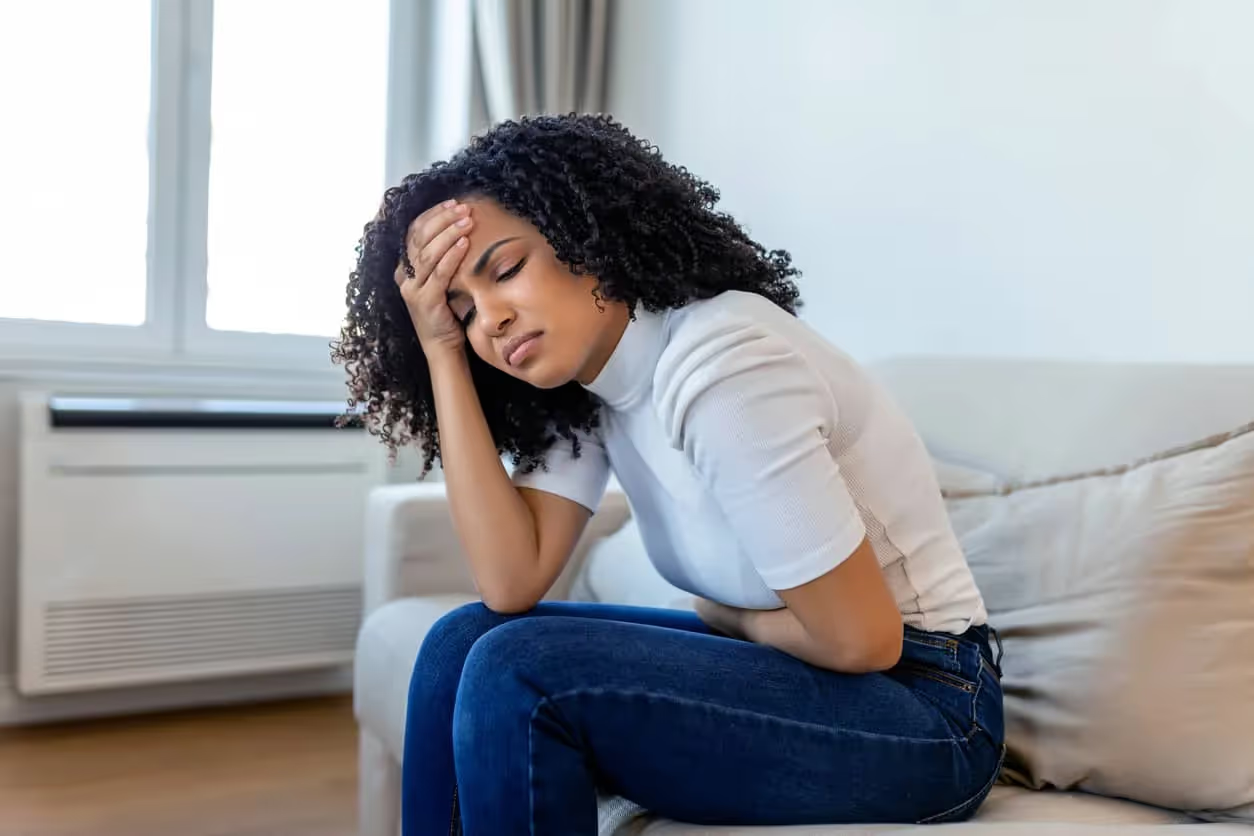
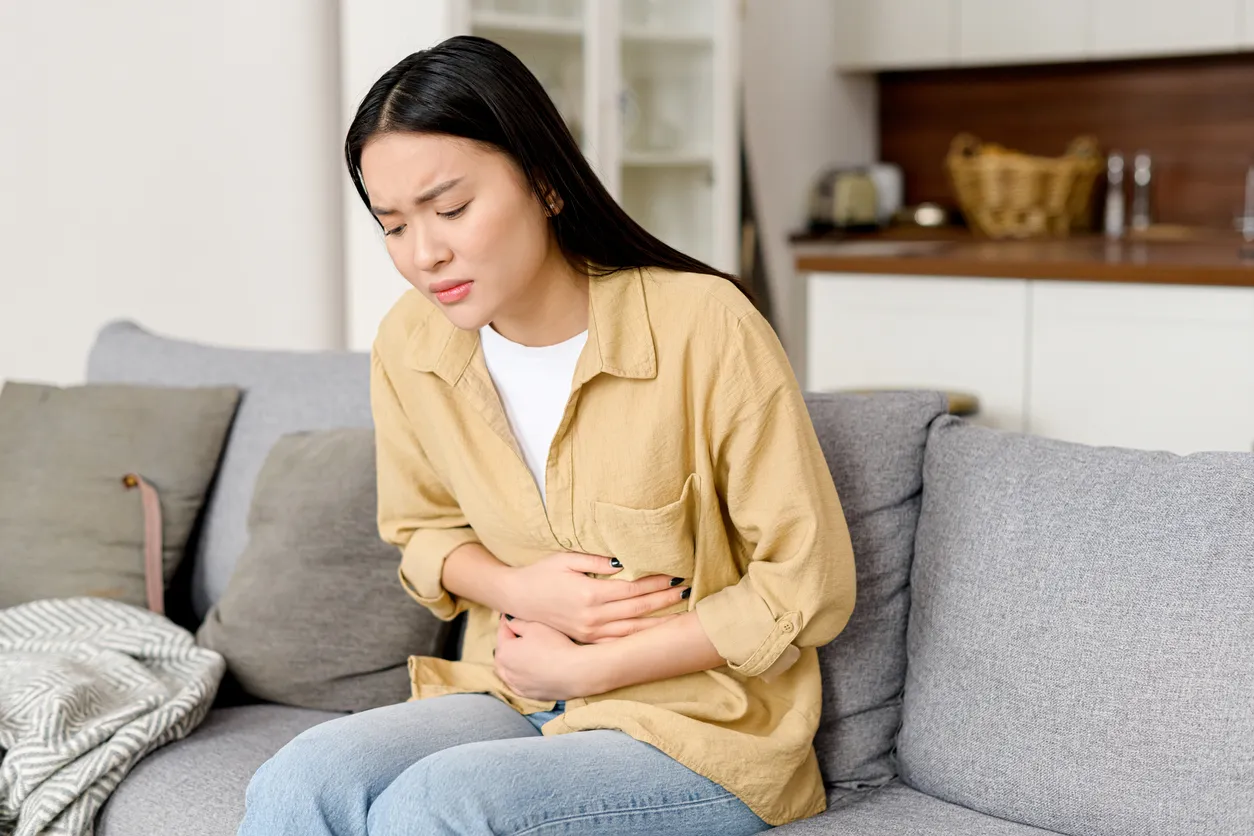
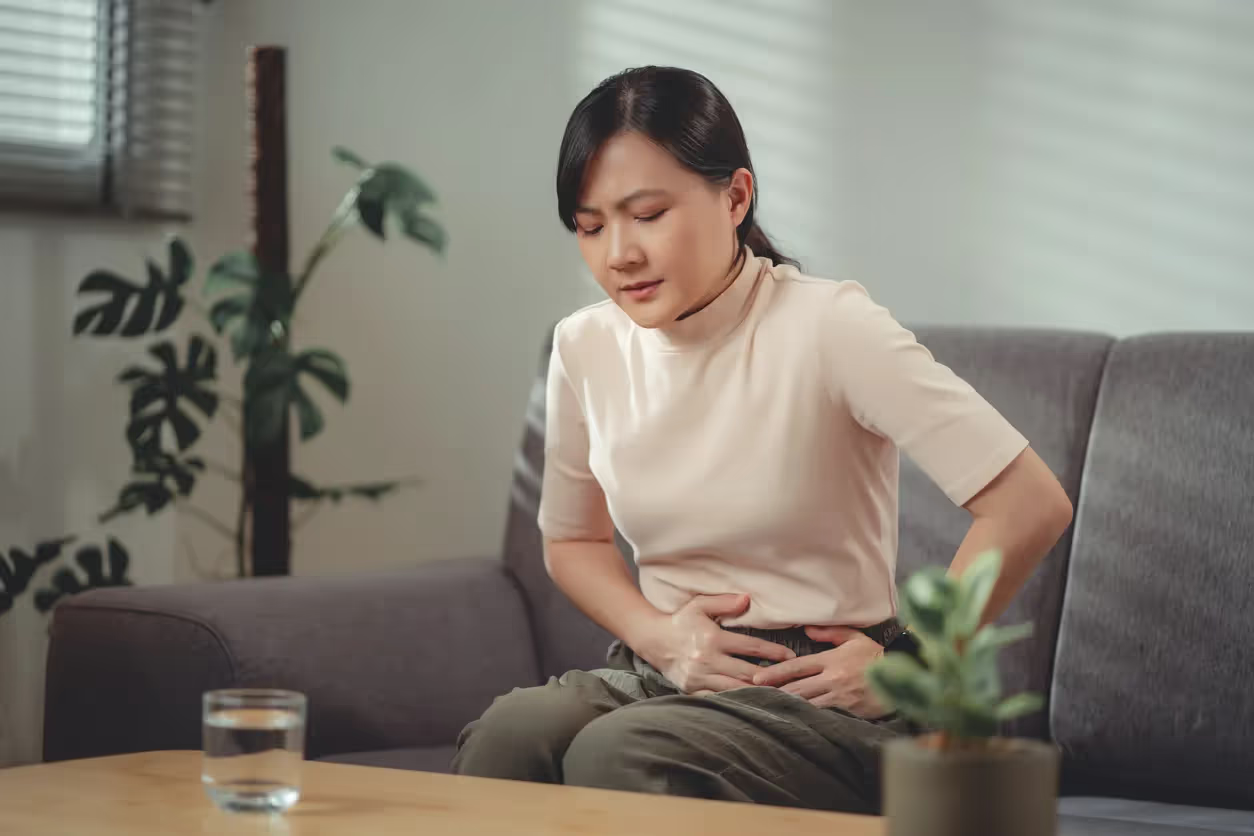
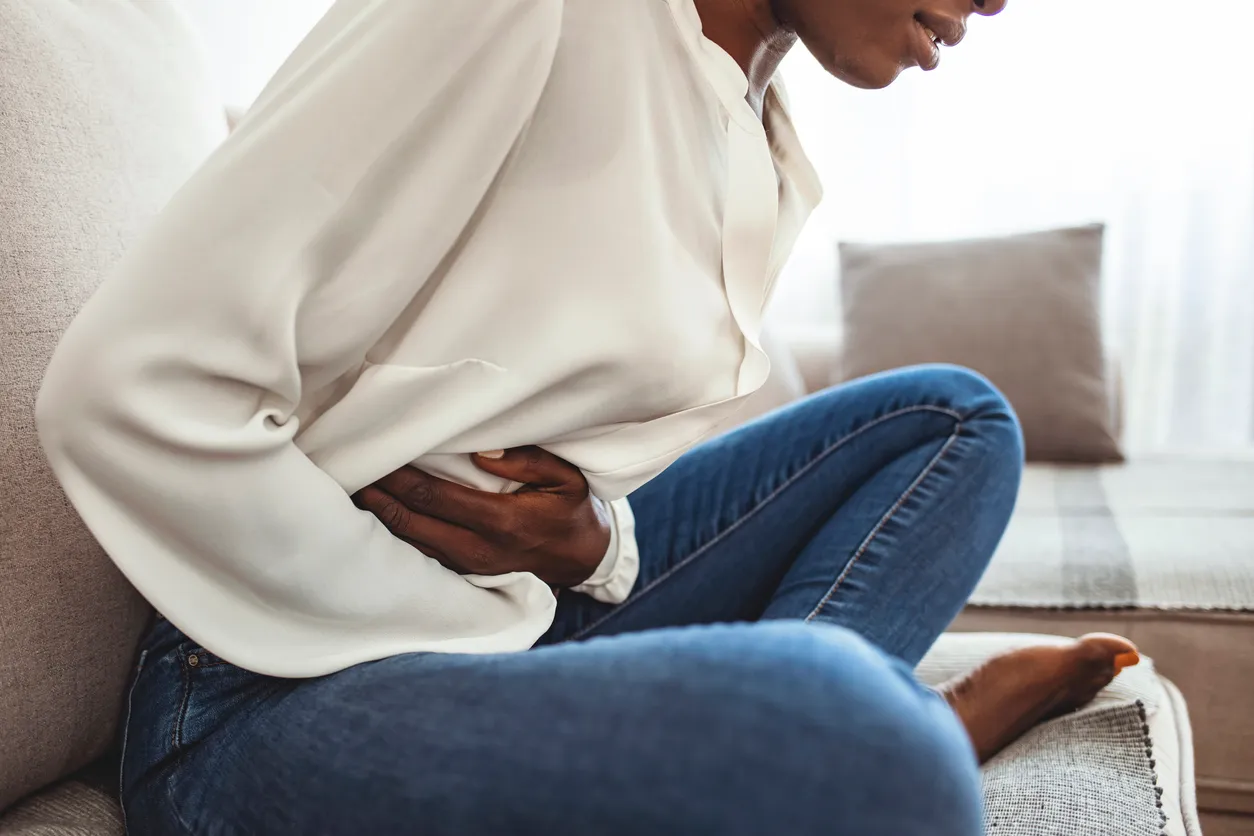
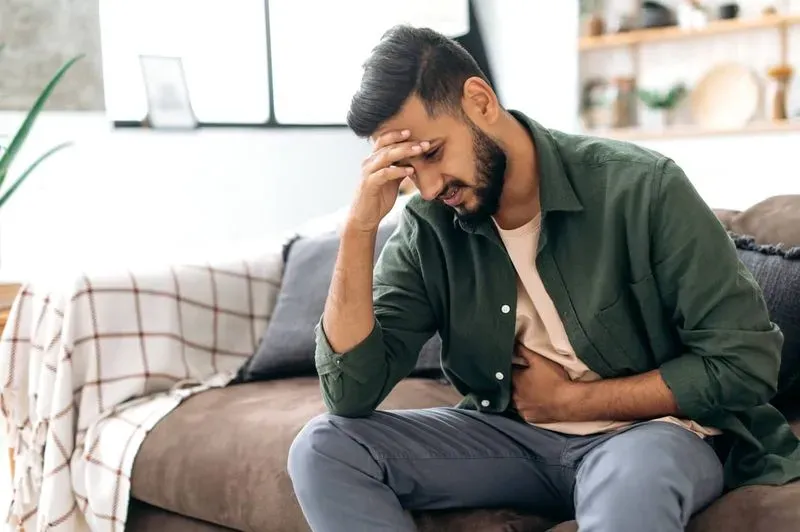
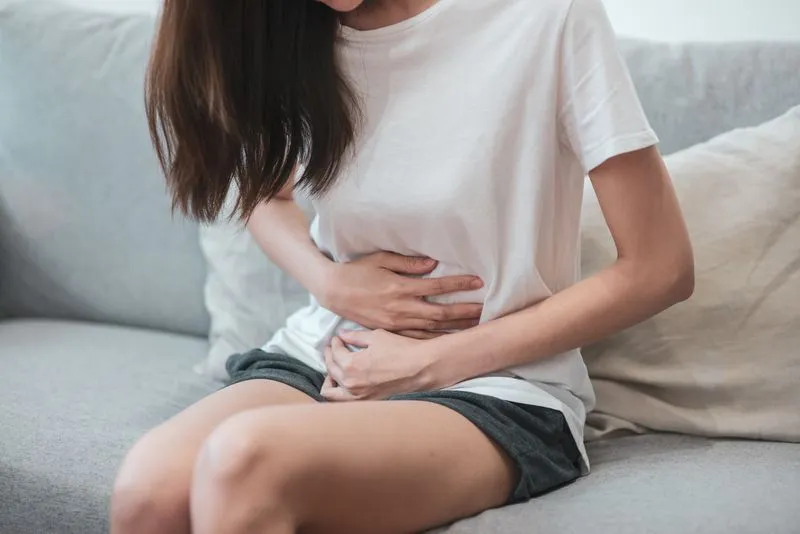
Ouch—stomach pain after eating is unpleasant and can detract from an otherwise positive dining experience.
Instead of appreciating the meal, you might be distracted by painful sensations like burning, cramping, or sharp stabbing pains.
There are several reasons your stomach may hurt after eating, with possible causes including eating too quickly, having gas, or experiencing indigestion.
More severe causes could be pancreatitis or a bowel flare-up.
Keep reading to learn how to identify different types of stomach pain and when to seek medical care.
We’ve also included some simple remedies you can try at home to find relief.
{{splash}}
Why Does My Stomach Hurt After Eating?
Pain receptors are embedded in your stomach lining and digestive tract.
They respond to mechanical and chemical stimuli, and when triggered, they alert your body by causing painful sensations such as stretching, contracting, or burning.
Understanding the features of your stomach pain can help your healthcare team develop a treatment plan.
When being assessed, your provider will likely ask:
- When did the pain start?
- Has the pain gotten worse?
- Are you hurting anywhere else?
- Can you describe the pain?
- How would you describe pain intensity on a scale from one to ten?
- What makes the pain better or worse?
Reviewing these details is essential for understanding the root cause of your stomach pain.
Types of Stomach Pain
It can be challenging to describe pain, especially if it’s your first time.
Three descriptions are commonly used for stomach pain in healthcare: burning, cramping, or sharp and stabbing pain.
It’s possible to experience several types of pain within a few hours, and you can share those details with your doctor.
Here’s a more in-depth summary of each type of stomach pain.
Learning these details may help you more accurately describe your symptoms while being assessed.
Burning Pain
Burning stomach pain can feel like your stomach is too acidic and hot.
Several digestive problems can cause this gnawing sensation, but it’s usually associated with gastric ulcers or dyspepsia (indigestion).
Other possible causes for burning pain include gastritis or an H. Pylori infection, which may increase your risk of an ulcer if left untreated.
Cramping Pain
Stomach cramping can be a sign your digestive system is having difficulty breaking down certain foods, or you might have eaten something contaminated (food poisoning).
This can lead to intestinal gas, which can worsen stomach pain.
The pain can spread across your stomach and lower abdomen.
It can be a standalone symptom, but it’s commonly associated with other digestive issues, such as:
- Food intolerances.
- Irritable bowel syndrome.
- Indigestion.
- Stomach flu.
Some people may experience cramping before having diarrhea, such as someone with lactose intolerance who accidentally ate dairy.
In these cases, going to the bathroom may help relieve some of the pain intensity.
Sharp and Stabbing Pain
Sharp pain strikes suddenly and can take your breath away.
It’s deeply uncomfortable and can be alarming when it catches you by surprise.
The sensation can be linked to heartburn but can also be a sign of something more severe, such as an infection or inflammation flare-up.
Other possible causes of sharp and stabbing stomach pain are:
- Constipation.
- Gas.
- GERD.
- IBS.
- IBD.
- Indigestion.
- Pancreatitis.
- Gallstone attack.
- Diverticulitis.
- Kidney stones.
If the pain intensifies, you should seek urgent medical care.
Other Sources of Pain
Pain in the lower abdomen may come from other body parts than the stomach.
Other possible reasons for experiencing pain are:
- Having a burst ovarian cyst.
- Living with endometriosis.
- Experiencing menstrual cramps.
- Having a urinary tract infection.
We weren’t exaggerating when we said there are many possible reasons you might experience stomach pain.
That’s why following up with your doctor is critical if you experience intense, lingering pain.
Causes of Stomach Pain After Eating
Not sure why your stomach hurts after eating?
Here’s a review of food intolerances, behaviors, and digestive disorders that could be responsible.
Food Intolerance
Foods and beverages can be challenging for your digestive system to break down if you have an intolerance, such as histamine or lactose.
Common dietary intolerances that may cause stomach pain after eating include lactose (a sugar molecule naturally found in animal-based dairy products) and other high-FODMAP foods.
Most people can successfully reduce their stomach pain by removing food intolerances from their meal plans.
These days, it’s easy to find lactose-free options at the store, although they can be more expensive.
Popular choices include lactose-free dairy products or plant-based dairy alternatives.
Additionally, you can try our low-FODMAP meal plan or elimination meal plan if you aren’t sure which foods are causing your symptoms.
Working with a registered dietitian is recommended for best results.
Digestive Disorders
A digestive disorder can impact your body’s ability to break down and absorb nutrients from food.
This may lead to a cascade of symptoms, including diarrhea, constipation, bloating, gas, and stomach pain.
The type and severity of the condition will influence care options, but many people feel better when they start following a personalized treatment plan.
Common digestive disorders in the US are (in order from most prevalent to least):
- Chronic constipation.
- Gallstones.
- Irritable bowel syndrome (IBS).
- Peptic ulcer disease.
- Hemorrhoids.
- Irritable bowel disease (IBD), such as ulcerative colitis and Crohn’s disease.
Acid Reflux
Your stomach acid (gastric acid) protects you from microorganisms that could make you sick if they enter the intestines.
To protect you against uninvited microbes, the volatile pH kills most of the bacteria before they can harm you.
The acidic fluid also has the added benefit of breaking down protein into smaller, easy-to-digest molecules.
However, sometimes acid can escape the safely coated stomach and enter the unprotected esophagus.
This can lead to acid reflux symptoms, like heartburn, belching, and pain in the upper abdomen.
You’ll probably benefit from reducing citrusy, spicy, and high-fat foods while managing acid reflux.
Your doctor may also suggest staying upright after eating and taking antacids when needed.
Overeating
Overeating can leave you feeling uncomfortable and in pain.
Some physical sensations linked with overeating include abdominal distention and bloating; some people may find it challenging to breathe deeply.
Eating fast can also lead to indigestion or worsen heartburn.
Intuitive eating is an evidence-based approach that can help you address overeating.
Practices include increasing mindfulness during meals, developing awareness of your hunger and satiety cues, and ditching food guilt after eating.
An intuitive eating dietitian can teach you more.
Poor Eating Habits
Your eating behaviors (or habits) may influence your eating patterns and food choices.
Poor eating habits might include:
- Eating hunched over in bed or a car instead of at a table.
- Eating too fast and poorly chewing food.
- Eating fast food and ultra-processed items excessively.
- Eating to cope with emotions (bored, stressed, angry, etc.)
It can take time to modify eating behaviors, but the journey is much easier when you have compassionate support from a registered dietitian.
Anxiety
You might be surprised to learn that your mental health can affect your digestive system.
Many people report stomach pain while feeling anxious or experiencing bouts of high stress.
Eating bland foods that are easy to digest may temporarily relieve symptoms, but addressing the root cause of your anxiety is important for your long-term digestive health.
Remedies for Stomach Pain After Eating
The right remedy will depend on the nature of your stomach pain.
If you have acute acid reflux, an antacid might be effective.
However, suppose you have pain caused by constipation.
In that case, your doctor may recommend laxatives to help you go, followed by nutrition education to prevent a recurrence.
To soothe gas, try doing light physical movements like walking or stretching.
Gently massaging your abdomen may also help.
Drinking water or hot tea can feel soothing, which might help you relax and pass gas more easily.
Similar strategies can be used to treat bloating as well.
Cramping pain may resolve after going to the bathroom.
If you feel the urge to use the toilet, go immediately.
Placing a hot water bottle on your abdomen may help soothe abdominal tightness, cramping, or dull aches.
{{splash}}
When to See Your Medical Provider
You should go to an emergency clinic if you experience a rapid onset of stomach pain that prevents you from comfortably resting, walking, or functioning.
Additionally, if you have constant, low-grade pain that doesn’t improve after 24-48 hours, you should book an appointment with your doctor.
Seek medical attention immediately if you experience any of these signs alongside stomach pain:
- Blood in stools or vomit.
- Fever.
- Fainting.
- Difficulty breathing.
Takeaway
Stomach pain after eating may occur for several reasons, including indigestion, heartburn, food intolerance(s), allergies, and eating too much or too quickly.
Frequent cramping, burning, and sharp stabbing pains in your abdomen are all signs that your digestive system isn’t functioning normally.
Your doctor and healthcare team can thoroughly review your symptoms and create a treatment plan to help you feel better.
How a Dietitian Can Help
A dietitian specializing in digestive health is the perfect healthcare provider to consult for dietary support.
They provide comprehensive nutrition counseling to help you make nutrition changes and meet your health goals.
You may not know what to expect if you’ve never met with a dietitian.
Here are questions to ask:
- Do I need a probiotic supplement?
- Should I try an elimination diet?
- How can I relieve IBS pain instantly?
- Do any vitamins help reduce bloating?
Find a dietitian who accepts insurance through Nourish to understand better how to lessen stomach pain after eating.
Frequently Asked Questions
Why does my stomach hurt after every meal?
There are many possibilities of why your stomach could hurt after every meal.
You might have difficulty digesting some ingredients, eat too quickly, eat more than you have room for, feel stressed or anxious, or have an undiagnosed digestive condition.
The best way to know why your stomach hurts is to get assessed by a medical professional.
How do you soothe stomach pain after eating?
Immediate steps you can take to reduce pain after eating include:
- Drinking hot tea.
- Taking a slow walk.
- Doing light stretches at home.
- Gently massaging your belly.
How do I know if my stomach pain is serious?
All pain should be taken seriously, and sometimes, home remedies might be enough to ease your symptoms.
However, some symptoms can require urgent medical attention.
Visit the nearest medical professional if you have stomach pain combined with a long-lasting fever, blood in stool or vomit, fainting, and difficulty breathing.
References
View all references
Causes of abdominal pain in adults - UpToDate.
Sherman, R. (1990). Abdominal pain. Clinical Methods - NCBI Bookshelf.
Abdominal pain. (n.d.). Mount Sinai Health System.
FODMAP food list | Monash FODMAP - Monash Fodmap. (n.d.).
Reflect, replace, reinforce. (2023, June 15). Centers for Disease Control and Prevention.
Nourish has strict sourcing policies and prioritizes primary sources, including medical organizations, governmental agencies, academic institutions, and peer-reviewed scientific journals. Learn more about our medical review process and editorial guidelines.
More articles


.avif)















.avif)