Resistant Starch vs. Fiber: Key Differences, Uses, And More

Medical Reviewer: Christina Harris, RDN

Author: Jennifer Huddy, MS, RD, LD

Summary
- Resistant starches are types of carbohydrates the small intestine can’t digest and are fermented by the gut bacteria in the large intestine instead.
- Dietary fiber is defined as indigestible carbohydrates, which include soluble and insoluble fiber.
- Though they have different chemical structures, both fiber and resistant starches can improve blood sugar levels, cholesterol, and gut health.
You may have heard of resistant starches and their associated health benefits.
Resistant starches have been linked with improvements in blood sugar management, gut health, and cholesterol levels.
Because a high-fiber diet can yield similar health benefits, you may wonder about the difference between resistant starch and fiber and which is healthier.
While they are very similar, there are a few differences.
Continue reading to learn more about fiber and resistant starch and how to maximize their benefits by including them in your diet.
{{splash}}
What is Resistant Starch?
To understand what a resistant starch is, it can be helpful to first review the concept of starchy carbohydrates.
Starches are long chains of sugar molecules and make up carbohydrate foods like bread, potatoes, and rice.
Many starches are primarily digested in the small intestine.
Resistant starches are “resistant” to being digested in the small intestine.
Instead, they move to the large intestine, where they’re fermented and broken down by the gut bacteria.
Food Sources of Resistant Starch
There are several types of resistant starches.
Certain carbohydrates naturally contain resistant starches, and others become resistant during processing.
Resistant starches are naturally found in:
- Whole grains, like brown rice, barley, and oats.
- Legumes, including lentils, garbanzo beans, and peas.
- Green bananas and plantains.
Interestingly, the process of cooking and then cooling certain carbohydrates can convert some of the original starches into resistant starch.
This is true for foods like:
- Pasta.
- Potatoes.
- Rice.
- Cornflakes (cooking and cooling occurs during processing).
You can get the resistant starch benefits by eating these cooked carbohydrates cold or reheated.
Lastly, resistant starches can be chemically produced and added to foods like baked goods.
You may find this on an ingredient list as phosphate distarch phosphate, which is a corn-based resistant starch.
What is Fiber?
Dietary fiber is an umbrella term for indigestible carbohydrates found in the cell walls of plants.
Fiber is known for several benefits, including satiety, gut health, and cholesterol management.
There are two main types of fiber: soluble and insoluble fiber.
Soluble Fiber
Soluble fiber forms a gel when mixed with water and moves through the small intestine without getting broken down.
In the large intestine, the gut bacteria ferment (digest) soluble fiber, producing beneficial by-products like short-chain fatty acids (SCFA).
You can find soluble fiber in foods like:
- Fruits.
- Oats.
- Legumes.
- Broccoli.
- Barley.
Insoluble Fiber
Insoluble fiber, on the other hand, doesn’t mix well with water.
Gut bacteria don’t ferment this type of fiber.
Instead, it passes through the digestive tract, aiding bowel movement regularity.
Foods containing insoluble fiber include:
- Whole grains.
- Nuts.
- Seeds.
- Fruit skins.
- Potatoes.
- Celery.
Resistant Starch vs. Fiber: What’s the Difference?
Resistant starch and fiber may sound very similar, and that’s because they are.
Resistant starch can be classified as a type of fiber because it meets the definition of “carbohydrate components the small intestine can’t digest.”
Specifically, resistant starches behave similarly to soluble fiber because both are fermented by the gut bacteria in the large intestine.
A primary difference between resistant starches and dietary fiber is their chemical makeup.
Resistant starches are made up of starch molecules, while dietary fiber is a non-starch polysaccharide found in the cell walls of plants.
Resistant starch and dietary fiber, which are often found in the same foods, have many overlapping health benefits.
Impact on Blood Sugar Levels
Because both resistant starch and dietary fiber slow the digestion process and the release of sugar into the bloodstream, they serve as valuable dietary tools for blood sugar management.
A meta-analysis from 2019 found that resistant starch supplementation improved insulin resistance and fasting glucose and insulin levels in people with diabetes and overweight or obesity.
Soluble fiber has been shown to improve the post-meal blood sugar and insulin response by slowing carbohydrate digestion and reducing the demand for insulin.
A high-fiber diet is also associated with a lower risk of developing type 2 diabetes.
Role in Gut Health
Soluble fiber and resistant starches both function as prebiotics because they are fermented by gut bacteria.
Prebiotics are food for healthy gut bacteria that help them thrive.
Byproducts are created during the fermentation process, which also benefit gut health.
For example, short-chain fatty acids like butyrate can support the health of the colon lining and help block harmful bacteria from growing.
Insoluble fiber helps digestive health by softening and adding bulk to bowel movements, which can help with regularity and minimize constipation.
Research shows that resistant starches can also improve bowel habits, reducing constipation and diarrhea.
Other Health Benefits
Fiber and resistant starch have been linked with several other health benefits, like lower cholesterol and weight management.
Soluble fiber can bind with cholesterol in the digestive tract and reduce the amount absorbed.
This can lower serum cholesterol levels and reduce the risk of heart disease.
A 2018 meta-analysis found that resistant starch supplementation can lower total cholesterol and LDL cholesterol.
Fiber is also known to have a satiating effect, helping you feel full for longer.
This can aid in weight management efforts.
Research shows that resistant starches may help increase satiety and reduce appetite and food intake.
Resistant starches lead to slower digestion and can alter digestive hormones, which may explain this phenomenon.
Potential Side Effects and Precautions
Some people experience mild gastrointestinal symptoms when first increasing their fiber intake.
This may include:
- Gas.
- Bloating.
- Abdominal cramping.
- Changes in bowel movement consistency or frequency.
However, the bowel movement changes are typically positive, like being more regular or having stools that are easier to pass.
Most people adjust to these symptoms within a few weeks of increasing their fiber intake.
People with certain digestive conditions may have difficulty tolerating a high-fiber diet.
For example, fiber may aggravate a Crohn’s disease flare-up in some individuals.
Irritable bowel syndrome is another condition that may make it challenging to digest certain types of fiber and resistant starches, especially those high in FODMAPs, like apples, wheat products, and lentils.
Ways to Increase Fiber Intake Through Food
The average adult in America consumes 15 grams of fiber per day, though experts recommend adults get between 25 and 38 grams daily.
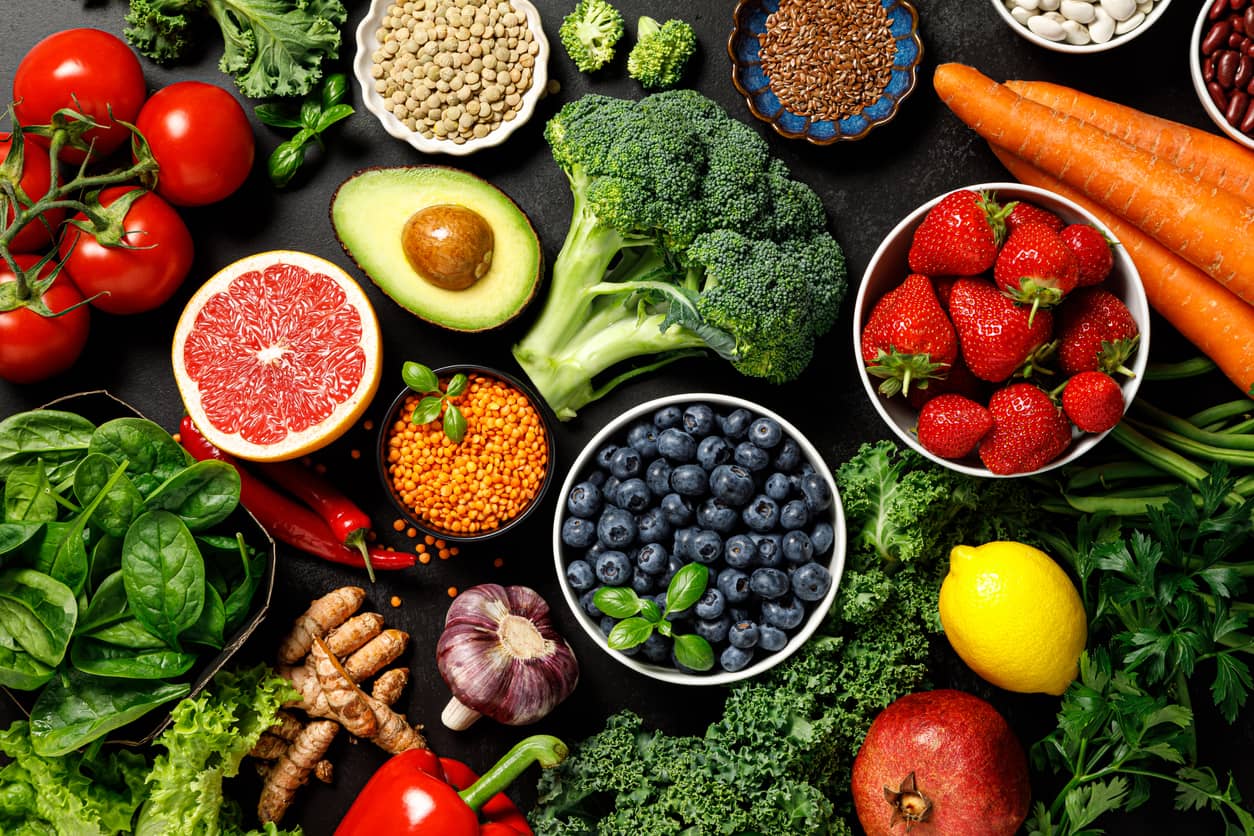
Most plant foods, including fruits, vegetables, whole grains, nuts, seeds, and legumes, are good fiber sources.
Slowly increase your fiber intake to build sustainable habits and limit any temporary gastrointestinal symptoms.
There are several swaps and additions you can make to increase your fiber intake, such as:
- Choose a high-fiber breakfast cereal, like All-Bran or Fiber One.
- Enjoy popcorn as a snack.
- Replace refined grains with whole grains, such as barley, quinoa, and whole wheat bread.
- Incorporate oatmeal with fruit and nuts into your breakfast rotation.
- Try recipes with beans and lentils, such as chili or lentil soup.
- Add a serving of vegetables to your dinner.
- Enjoy avocado toast on whole wheat bread.
- Try crispy roasted garbanzo beans as a snack.
- Make homemade chia seed pudding.
- Combine fresh fruit with nuts for a snack.
- Incorporate flax seeds in baking. One tablespoon of flaxseed meal mixed with three tablespoons of warm water can replace one egg.
- Make a fruit smoothie.
- Add nut butter to snacks, like toast with almond butter or apple slices with peanut butter.
How to Increase Resistant Starch Intake
In many cases, increasing your overall fiber intake will also increase the resistant starches in your diet.
For example, whole grains and beans contain both fiber and resistant starch.
Additionally, you can be more intentional about eating leftover starches, like potatoes, pasta, and rice.
Remember that cooking and cooling these foods converts some of the starch into resistant starch.
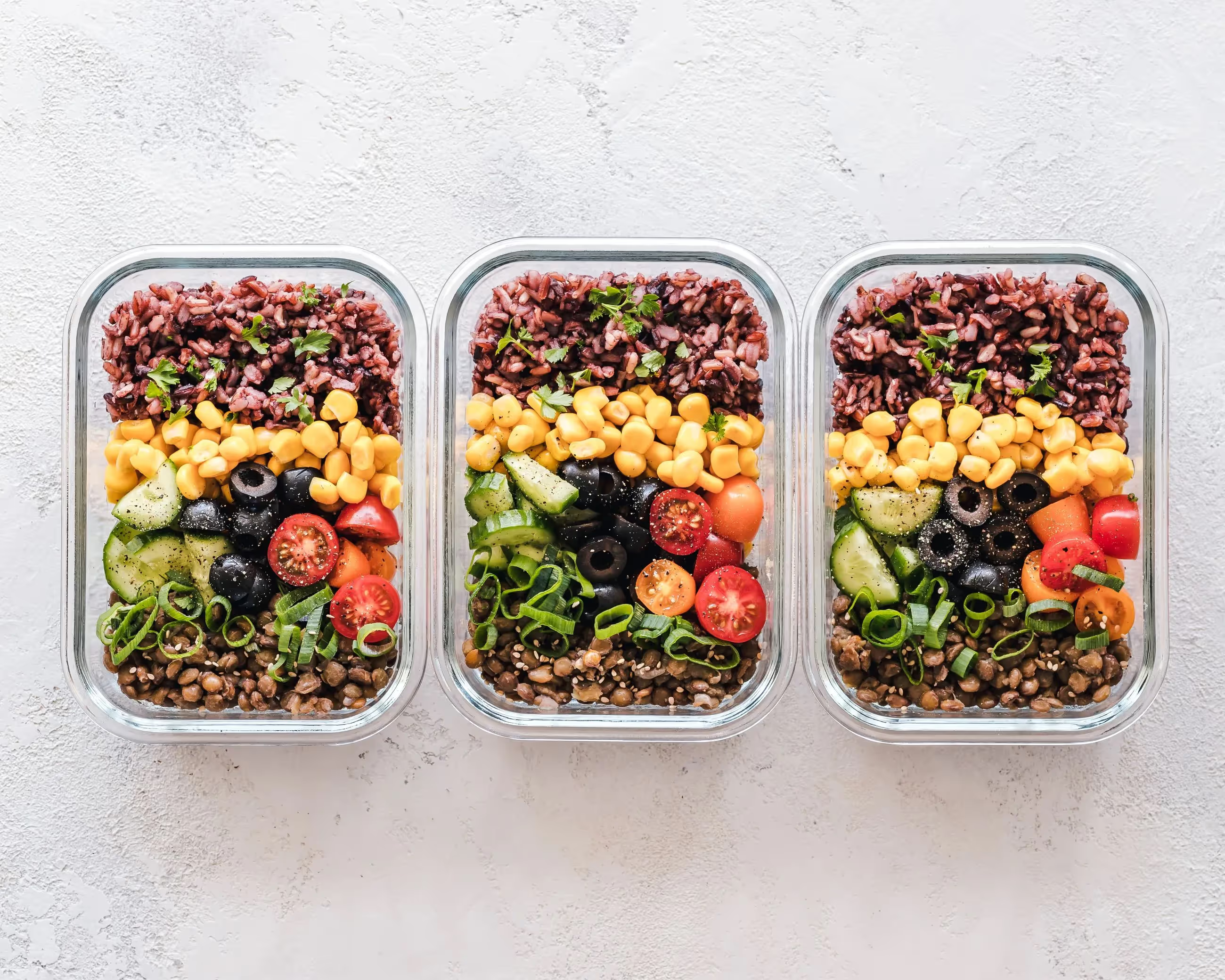
You can make this easy by batch cooking your carbohydrates several days in advance.
{{splash}}
Which Is Healthier?
If you want to improve your health, you may wonder which has more benefits to consume: fiber or resistant starch.
Both groups are linked with numerous health improvements, and because they’re found in many of the same foods, you can focus on simultaneously increasing fiber and resistant starch in your diet.
Fiber and resistant starch can also work together to promote health.
Research suggests that a diet rich in resistant starch and dietary fiber may have more significant impacts on gut health than fiber alone.
Takeaway
Resistant starch and fiber are both types of carbohydrates that the small intestine can’t digest.
Though they have different chemical structures, they have similar health benefits, including blood sugar management, lowering cholesterol levels, and improving gut health.
You can increase your fiber intake by eating more whole grains, fruits, vegetables, nuts, seeds, and legumes.
Some people experience short-term digestive discomfort when first increasing fiber intake.
Whole grains and legumes naturally contain resistant starch.
Cooking and cooling certain starches, like potatoes and rice, can increase their resistant starch content.
How a Dietitian Can Help
If you want to increase your intake of fiber and resistant starches, consider talking with a registered dietitian.
You’ll receive personalized recommendations based on your food preferences and health history.
Your session with a dietitian may include topics like:
- How much fiber you need each day.
- Easy food swaps to increase your fiber intake.
- Whether a fiber supplement would be beneficial.
- How to increase your resistant starch intake.
Find a registered dietitian for support with following a high-fiber diet and to learn other diet and lifestyle changes to improve your health.
Frequently Asked Questions
Is fiber the same as resistant starch?
Though fiber and resistant starch are both carbohydrate components that the small intestine can’t digest, they have different chemical structures.
Plant foods like whole grains, nuts, fruits, vegetables, legumes, and seeds are high in fiber.
Of these groups, whole grains and legumes contain resistant starches.
You can increase the resistant starch content by cooking and then cooling starches like potatoes and rice.
Fiber and resistant starch have similar health benefits, including blood sugar management, improved gut health, and lower cholesterol levels.
Who should avoid resistant starch?
Most people can reap the health benefits of resistant starch foods without side effects.
However, some individuals experience mild gas and bloating when first increasing their intake of fiber and resistant starches.
People with certain digestive conditions, like irritable bowel syndrome (IBS), may experience heightened digestive symptoms because several resistant starches are high in FODMAPs, carbohydrates that are generally not well tolerated by people with IBS.
Is Metamucil a resistant starch?
The primary ingredient in Metamucil is psyllium husk, which is a type of soluble fiber.
Soluble fiber and resistant starch have very similar properties as both are fermented by gut bacteria in the large intestine.
They have different chemical structures, so they’re not the same thing.
However, they do have very similar health benefits.
References
View all references
Nourish has strict sourcing policies and prioritizes primary sources, including medical organizations, governmental agencies, academic institutions, and peer-reviewed scientific journals. Learn more about our medical review process and editorial guidelines.
More articles





.avif)

















.avif)