10-Day Low FODMAP Meal Plan For Better Digestion

Medical Reviewer: Taylor Hawkins, RD, LD

Author: Sarah Glinski, RD
Summary
- The low FODMAP diet helps you determine foods that trigger irritable bowel syndrome (IBS) symptoms.
- The low FODMAP diet should be temporary and involves three phases: elimination, reintroduction, and maintenance.
- A registered dietitian can help guide you through the phases of the low FODMAP diet.
Updated by: Sarah Bullard
Irritable bowel syndrome (IBS) is one of the most commonly diagnosed gut disorders.
It involves abdominal pain or discomfort accompanied by changes in bowel habits such as diarrhea or constipation.
Certain food components can trigger IBS symptoms. Identifying and eliminating any triggers, alongside a long-term nutritious diet can improve IBS symptoms.
A large meta-analysis from 2021, including 4,537 people with IBS, concluded that a low-FODMAP diet can reduce IBS severity by 66% compared to a control diet.
Identifying the foods that trigger your IBS symptoms can be challenging without the proper support from a registered dietitian.
Try our 10-day low FODMAP meal plan to get started.
{{splash}}
Who Should Eat Low FODMAP?
Certain food components, such as FODMAPs, have been associated with triggering IBS symptoms and other related gut disorders like small intestinal bowel overgrowth (SIBO).
FODMAPs, which stands for fermentable oligosaccharides, disaccharides, monosaccharides, and polyols, are poorly absorbed carbohydrates and are highly fermentable in the gut.
The low FODMAP diet is a three-step diet used to determine food triggers and manage IBS symptoms.
It involves three phases: elimination, reintroduction, and maintenance.
During the elimination phase, you will need to avoid all high FODMAP foods.
If IBS symptoms improve, then you reintroduce specific groups of foods to determine exact triggers.
The low FODMAP diet is meant to be used temporarily to develop a customized long-term (or maintenance) diet that improves IBS symptoms.
The elimination phase of the low FODMAP diet is not recommended long-term (or past four to six weeks) due to its restrictive nature and potential for nutrient deficiencies.
Here are some grocery staples and a 10-day low FODMAP meal plan for ideas on how to make this eating style work as you determine your food triggers.
Grocery Staples for Low FODMAP
It’s important to be organized and have low FODMAP grocery staples on hand to successfully implement the low FODMAP diet.
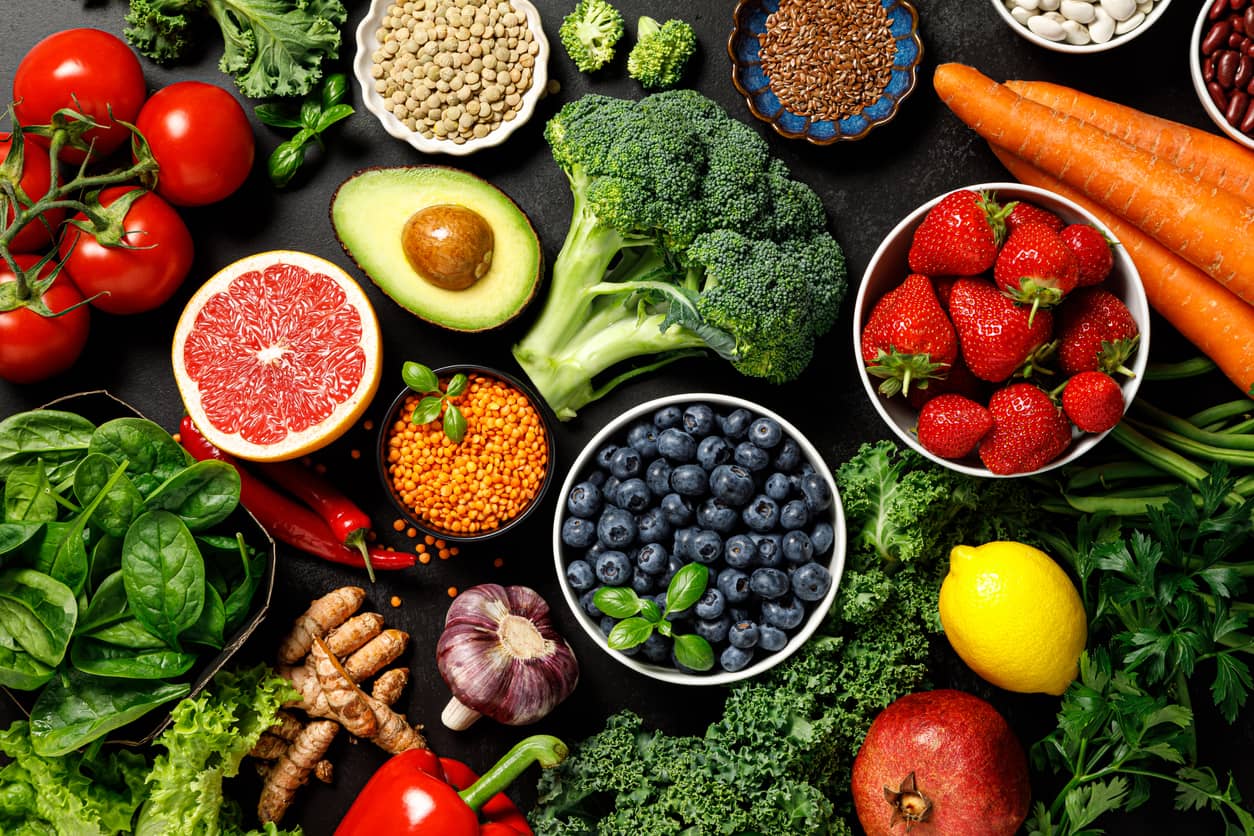
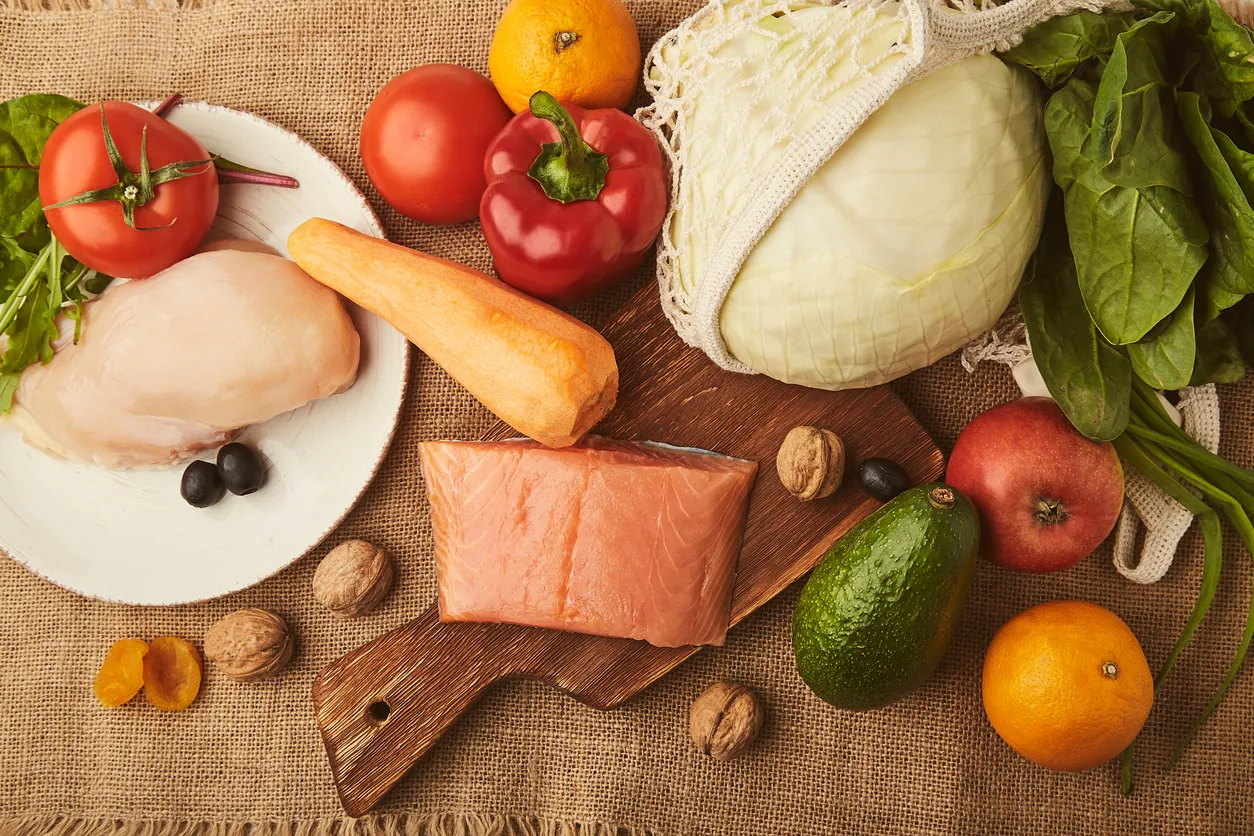
Below are some of the most common low FODMAP groceries to stock up on.
Grains:
- Quinoa.
- Oats.
- Rice.
- Rice noodles (vermicelli).
- Gluten-free bread.
- Gluten-free wraps.
- Gluten-free pasta.
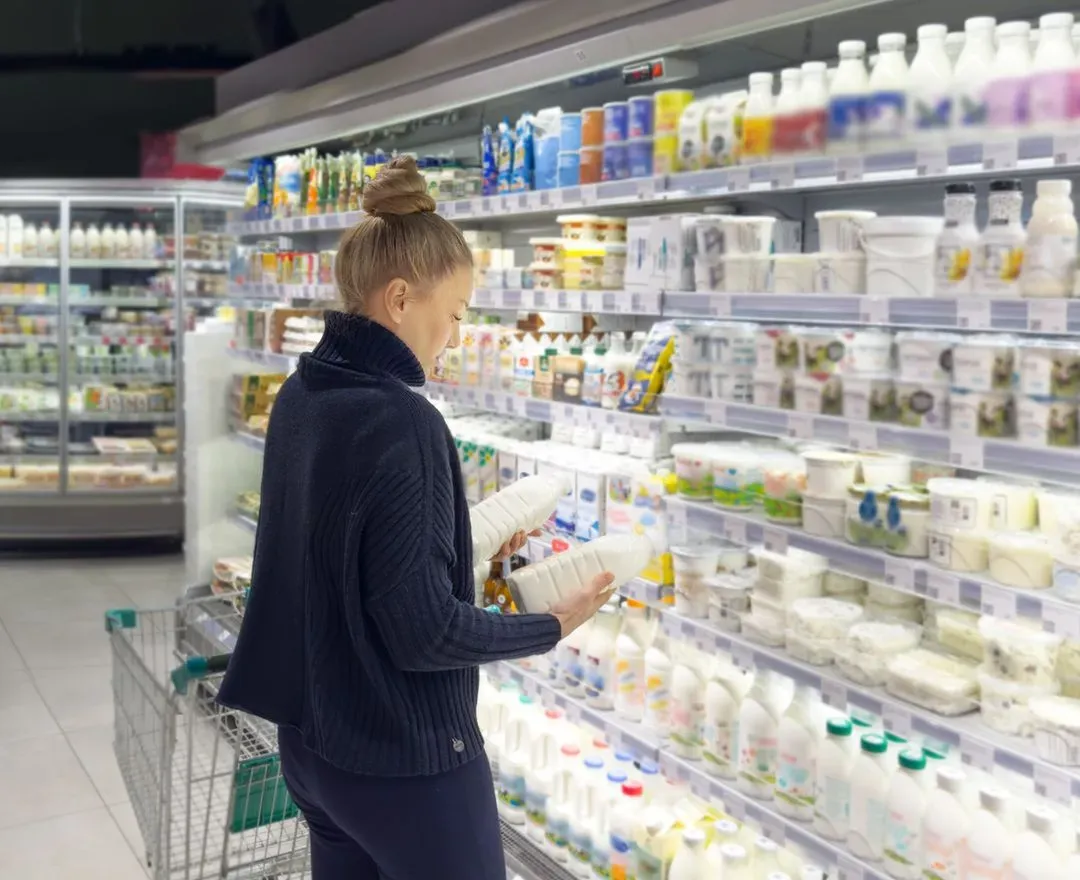
Milk and Milk Alternatives:
- Lactose-free milk.
- Lactose-free yogurt.
- Lactose-free cottage cheese.
- Firm cheeses like aged cheddar or mozzarella (these are naturally low in lactose).
Proteins:
- Unbreaded, un-marinated beef, pork, poultry, and fish.
- Eggs.
- Firm tofu.
- Canned chickpeas and lentils.*
- Seeds.
- Walnuts.
- Peanut butter.
*Check the Monash FODMAP app for low FODMAP serving sizes.
Vegetables:
- Leafy greens like lettuce and spinach.
- Green beans.
- Cucumber.
- Bell peppers.
- Carrots.
- Bok choy.
- Broccoli (heads only)
- Potatoes.
- Eggplant.
*Check the Monash FODMAP app for low FODMAP serving sizes for all vegetables, as they are often re-tested, and the low FODMAP serving size may change.
Fruits:
- Cantaloupe.
- Kiwi fruit.
- Oranges.
- Pineapple (fresh).
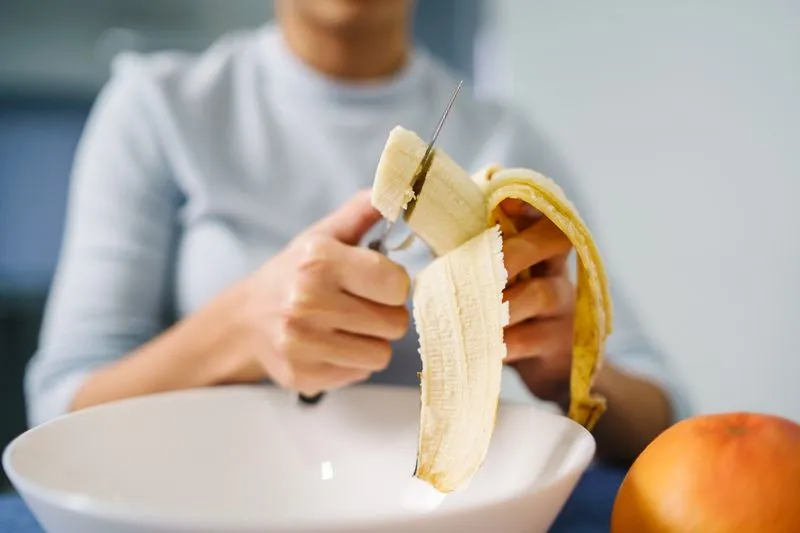
- Bananas (unripe).
- Blueberries.
*Check the Monash FODMAP app for low FODMAP serving sizes for all fruits, as they are often re-tested, and the low FODMAP serving size may change.
Condiments and Sauces:
- Garlic-infused olive oil.
- Mustard.
- Soy sauce.
- Vinegar.
- Miso paste.
Just because a food isn’t listed above doesn’t mean you can’t eat it while following the low FODMAP diet.
How Do I Know if a Food is Low FODMAP?
Use the grocery staples list above as an initial guide for common low FODMAP groceries and food groups.
You can also customize this meal plan as a blueprint for your weekly meals.
Keep in mind that many foods are low FODMAP at certain serving sizes and you can use the Monash FODMAP App to learn what portion sizes are appropriate for your health needs.
Nourish has dietitians that specialize in gut health and can provide expert guidance as you follow the FODMAP diet.
Nourish also has a partnership with the Fig app so you can use it alongside your dietitian to work together to find foods you can eat with IBS, other intolerances, allergies, and more.
What to Eat for Low FODMAP
Below are meals you can eat while following the elimination phase of the low FODMAP diet.
You may need to modify these recommendations to best suit your needs.
Ask your registered dietitian for serving size recommendations.
Certain foods in this meal plan become high FODMAP if consumed in amounts higher than the serving size listed in the meal plan.
If no serving size is listed, the food is considered low FODMAP, and portions can be adjusted based on personal preference and energy needs.
Low FODMAP Meal Plan
Day 1
Breakfast: Scrambled eggs with spinach and 3 cherry tomatoes in a gluten-free tortilla wrap.
Lunch: Grilled chicken salad with mixed greens, cucumber, red bell peppers (⅓ cup) and quinoa.
Dress with olive oil and lemon juice.
Dinner: Miso-glazed baked salmon, roasted sweet potatoes (½ cup), and steamed green beans (15 beans).
Snacks: Carrot sticks with hummus (ensure the hummus doesn’t contain onion or garlic).
Day 2
Breakfast: Oatmeal porridge (½ cup) made with lactose-free milk.
Top with chia seeds and strawberries (5 medium).
Lunch: Turkey, lettuce, and aged cheddar cheese (40 grams) in a gluten-free tortilla wrap.
Dinner: Grilled shrimp skewers with rice and a side salad of mixed greens.
Dress with a citrus vinaigrette.
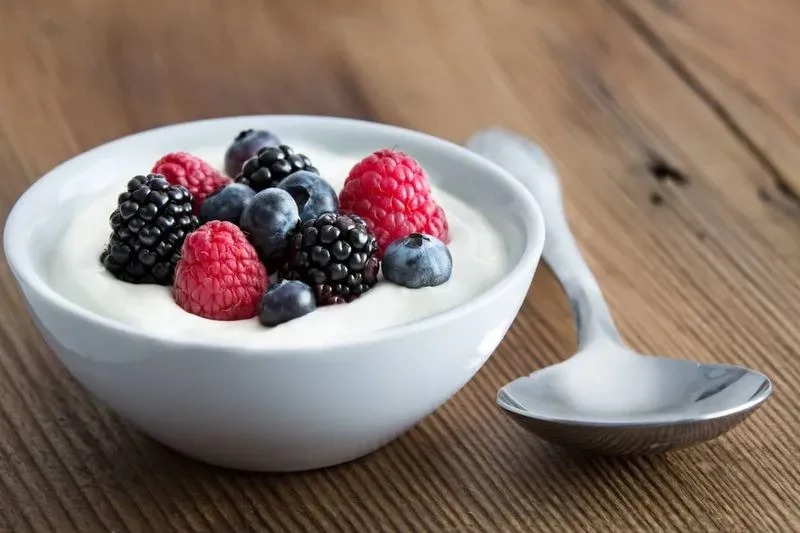
Snacks: Blueberries with lactose-free yogurt.
Day 3
Breakfast: Omelet with red bell peppers (⅓ cup), spinach, and feta cheese (3 tablespoons).
Gluten-free toast.
Lunch: Tuna salad with mixed greens, cucumber, quinoa, and a side of sliced cantaloupe (¾ cup).
Dinner: Stir-fried firm tofu (1 cup) with bok choy, carrots, and green bell peppers (½ cup) served over rice.
Snacks: Rice cakes with almond butter (1 tablespoon).
Day 4
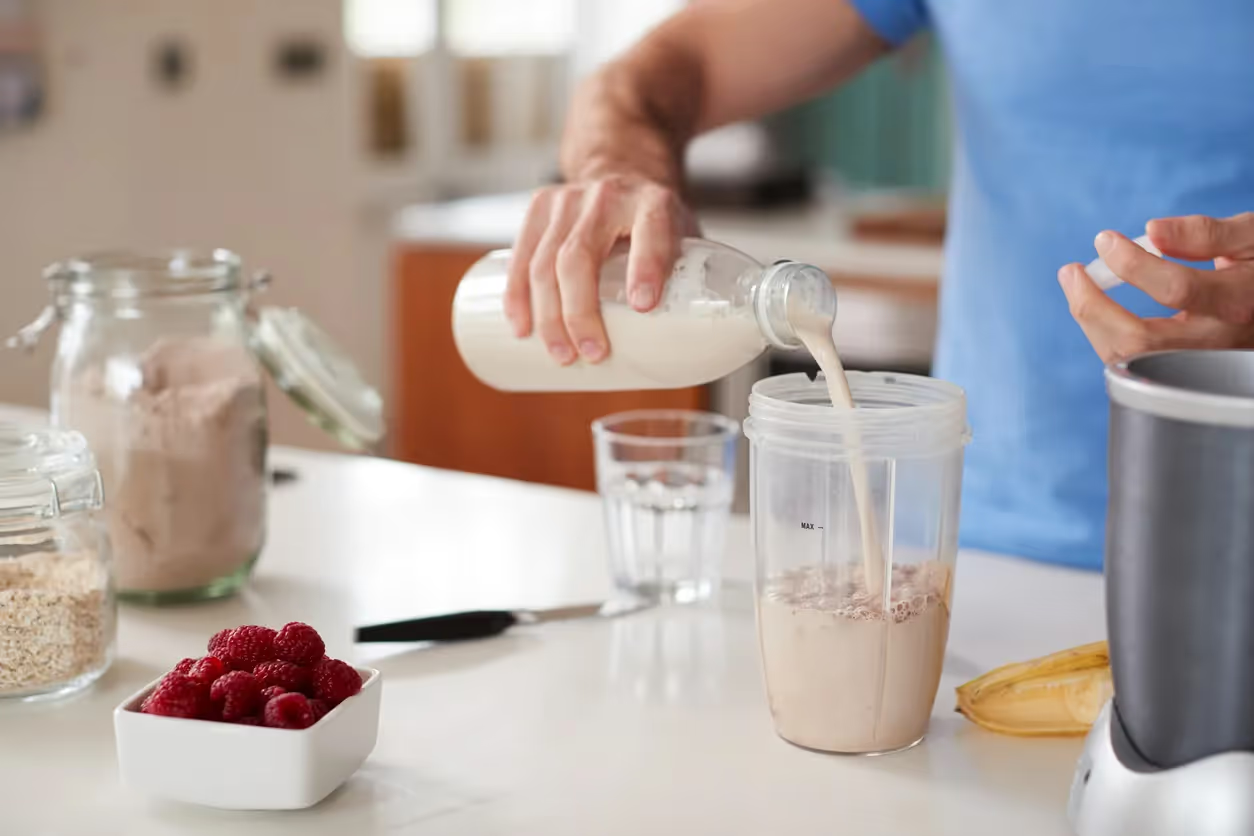
Breakfast: Smoothie with banana (unripe), strawberries (5 medium), lactose-free yogurt and lactose-free milk, gluten-free waffles (or bagel).
Lunch: Lemon and pepper baked cod with quinoa and roasted zucchini (⅓ cup).
Dinner: Grilled chicken and green bell pepper (½ cup) skewers served with rice.
Season chicken with paprika, salt, and pepper.
Snacks: Orange slices with a handful of walnuts.
Day 5
Breakfast: Lactose-free cottage cheese with fresh pineapple chunks (½ cup) and a sprinkle of sunflower seeds, gluten-free English muffin
Lunch: Egg salad in a gluten-free tortilla wrap with a side of sliced kiwi.
Dinner: Beef stir-fry with broccoli (heads only, ¾ cup), carrots, and snow peas (5 pods) served over rice.
Snacks: Rice crackers with aged cheddar cheese (40 grams).
Day 6
Breakfast: Blueberry and banana (unripe) smoothie with lactose-free yogurt and lactose-free milk, gluten-free toast.
Lunch: Salmon rice bowl with avocado (⅛ medium), cucumber, shredded carrots, and the green portions of spring onion.
Dinner: Grilled pork chops with mashed potatoes and sautéed green beans (15 beans).
Snacks: Cantaloupe (¾ cup) with lactose-free yogurt.
{{splash}}
Day 7
Breakfast: Pancakes made with gluten-free flour and topped with maple syrup, lactose-free yogurt, and strawberries (5 medium).
Lunch: Turkey and cranberry sandwich with lettuce on gluten-free bread.
Dinner: Chicken curry served with rice and a cucumber and lactose-free yogurt salad.
Snacks: Carrot sticks with hummus (ensure the hummus doesn’t contain onion or garlic).
Day 8
Breakfast: Oatmeal made with lactose-free milk, topped with sliced banana (unripe) and a spoonful of peanut butter.
Lunch: Lemon and pepper baked cod with roasted sweet potato wedges (½ cup) and steamed carrots.
Dinner: Grilled steak with quinoa and roasted zucchini (⅓ cup).
Snacks: Lactose-free yogurt with raspberries (⅓ cup).
Day 9
Breakfast: Frittata with cherry tomatoes (3), red bell peppers (⅓ cup) and feta cheese (3 tablespoons). Serve with gluten-free toast.
Lunch: Shrimp, avocado (⅛ medium), and quinoa salad with mixed greens and a citrus vinaigrette.
Dinner: Mediterranean-style pasta with drained canned chickpeas (¼ cup), roasted eggplant (1 cup), zucchini (⅓ cup), and red bell peppers (⅓ cup), served with gluten-free pasta.
Snacks: Banana (unripe) with a spoonful of peanut butter.
Day 10
Breakfast: Smoothie bowl with lactose-free yogurt, strawberries (5 medium), kiwi, and a sprinkle of chia seeds. Served with gluten free bagel or English muffin.
Lunch: Grilled chicken vermicelli bowl with shredded cucumber and carrots.
Dinner: Pork tenderloin with mashed potatoes and sautéed spinach.
Snacks: Hard-boiled eggs with carrots and cherry tomatoes (3).
For more gut-friendly meal ideas, read our 11 dietitian-approved gut health breakfast ideas.
Tips for Low FODMAP Meal Planning
Following an elimination diet like the low FODMAP diet takes some extra planning.
Batch cooking
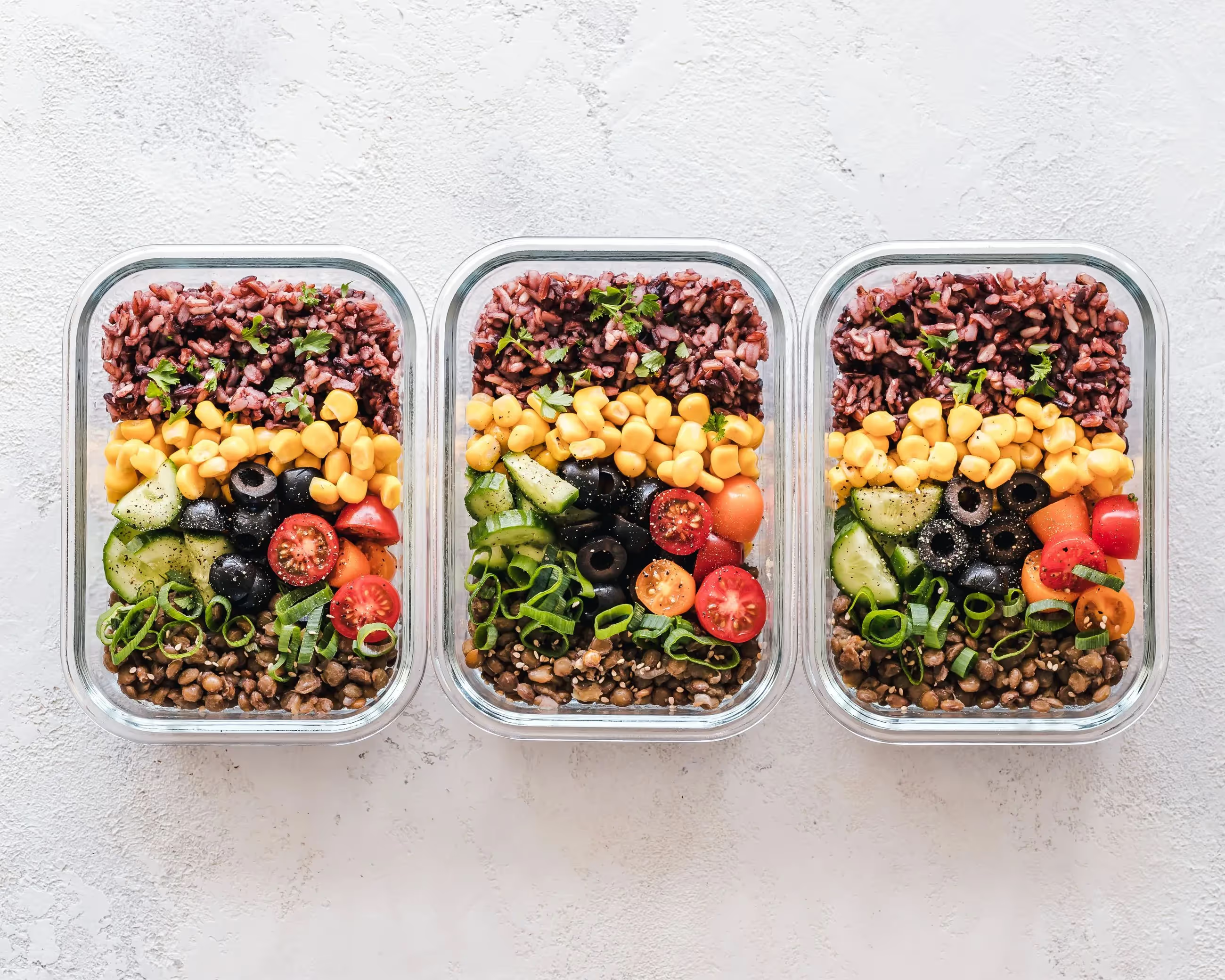
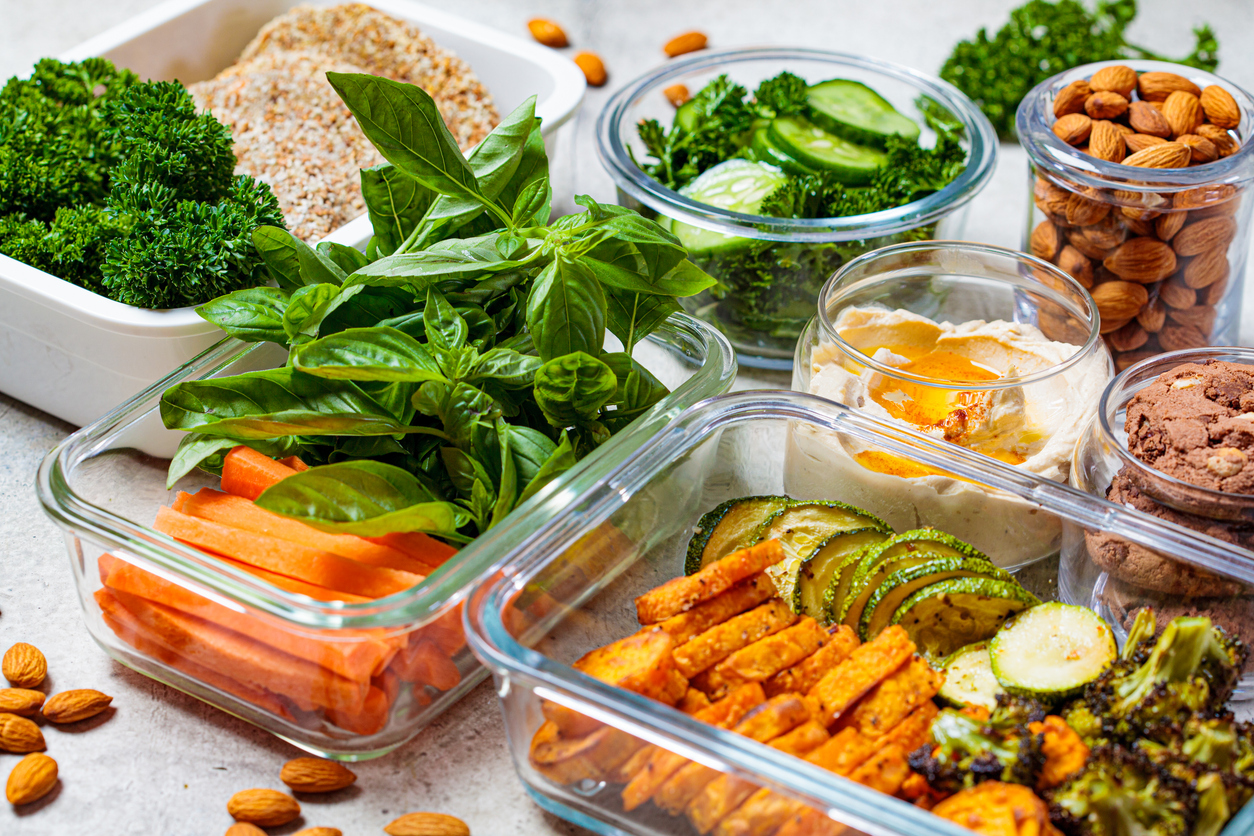
To reduce time spent in the kitchen, consider batch cooking a few times per week.
Cook three or four servings of a recipe at once and eat the leftovers during the week.
If you don’t eat the leftovers during the week, freeze them to last longer.
Batch cooking can also help prepare lunches.
Portion your food ahead of time
Portion your lunches into individual containers at the beginning of the week so they’re ready to load into your lunch bag.
Prepping fruits and vegetables can take time.
Consider buying pre-cut or frozen vegetables and fruits.
Frozen produce is just as nutritious as fresh produce.
Use your creativity
Get creative with herbs and spices.
Since onion and garlic are off-limits on the low FODMAP diet, experiment with different ways to enhance the flavor of your meals.
Educate yourself on label reading
Label reading can be helpful when trying to avoid high-FODMAP foods and ingredients.
Ingredients are listed in order of weight (items first on the list are highest in quantity).
Some people can eat foods with a FODMAP ingredient if it is listed towards the end of the list as a minor ingredient.
However, some people choose to avoid foods with any FODMAP ingredient to be safe. Using apps like the Fig app included with Nourish can help you to know the level of different FODMAPs.
{{splash}}
Takeaway
The low FODMAP diet is a great way to determine which foods trigger your IBS symptoms.
However, following a strict low FODMAP diet long-term is not recommended because it’s very restrictive.
If you need help reintroducing foods to your diet after you’ve completed the elimination phase of the low FODMAP diet, a dietitian trained in gut health can help.
Find a dietitian with Nourish to safely start your low FODMAP journey.
Frequently Asked Questions
What do I eat in a day on low FODMAP?
A low FODMAP diet is typically gluten-free and lactose-free.
People following the diet find it safer to cook at home and prepare most of their foods.
This helps to limit their accidental exposure to commonly used ingredients (like, dairy, gluten, garlic, and onion) at restaurants and in pre-packaged items.
Ideally, choose a protein, a grain, fruit, and vegetables from the grocery lists or use the sample meal plan above for a balanced meal.
What foods are not allowed on a low FODMAP diet?
Foods commonly not allowed on a low FODMAP diet are gluten-containing items, lactose-containing products (milk, cheese, yogurt, ice cream, creams), onions, garlic, certain fruits and vegetables, most condiments and sauces.
Why can’t you stay on a low FODMAP diet?
You shouldn’t stay on a low FODMAP diet for more than four to six weeks due to potentially damaging effects on the gut microbiome and vitamin, mineral, and fiber intake.
Also, the reintroduction of FODMAP-containing foods may help in the gradual restoration of intestinal gut flora by providing probiotics and prebiotics.
References
View all references
- Syed K, Iswara K. Low-FODMAP Diet. In: StatPearls [Internet]. Treasure Island (GL): StatPearls Publishing. 2023 Jan-. Available from https://www.ncbi.nlm.nih.gov/books/NBK562224/
- Patel N, Shackelford KB. Irritable Bowel Syndrome. In: StatPearls [Internet]. Treasure Island (FL): StatPearls Publishing; 2023 Jan-. Available from https://www.ncbi.nlm.nih.gov/books/NBK534810/
- Monash University. Starting the FODMAP diet. Retrieved December 8, 2023, from https://www.monashfodmap.com/ibs-central/i-have-ibs/starting-the-low-fodmap-diet/
- Klein L, Parks K. Home Meal Preparation: A Powerful Medical Intervention. Am J Lifestyle Med. 2020 Mar 1;14(3):282-285. doi: 10.1177/1559827620907344.
- Bouzari A, Holstege D, Barrett DM. Vitamin retention in eight fruits and vegetables: a comparison of refrigerated and frozen storage. J Agric Food Chem. 2015 Jan 28;63(3):957-62. doi: 10.1021/jf5058793.
- van Lanen, A. S., de Bree, A., & Greyling, A. (2021). Efficacy of a low-FODMAP diet in adult irritable bowel syndrome: a systematic review and meta-analysis. European journal of nutrition, 60(6), 3505–3522.
Nourish has strict sourcing policies and prioritizes primary sources, including medical organizations, governmental agencies, academic institutions, and peer-reviewed scientific journals. Learn more about our medical review process and editorial guidelines.
More articles




.avif)















.avif)