The Best Probiotics For Leaky Gut

Medical Reviewer: Ellie Stamerjohn, MS, RDN, LD

Author: Jennifer Huddy, MS, RD, LD
.avif)
Summary
- Leaky gut syndrome or “increased intestinal permeability” occurs when the spaces between the cells that make up the digestive tract lining become too large.
- Research shows that specific strains of probiotics may improve leaky gut syndrome by strengthening the digestive tract lining.
- However, many of these studies were done on animals or in test tubes. More human research is needed to fully understand the impact or probiotics leaky gut.
If you struggle with chronic digestive symptoms related to leaky gut syndrome, you may wonder which supplements could improve the health of your gut lining.
While human research on natural treatments is lacking, preliminary studies show that probiotics may be a treatment option for leaky gut syndrome.
Continue reading to learn more about the best strains of probiotics for leaky gut syndrome to look for when shopping for a probiotic supplement.
{{splash}}
Do Probiotics Help Leaky Gut?
Yes, some in vitro and animal studies have shown that probiotics (from food or supplements) can help heal a leaky gut.
To learn how probiotics are beneficial, it’s important first to understand what it means to have leaky gut syndrome.
What is Leaky Gut Syndrome?
Leaky gut syndrome is a term used to describe digestive symptoms associated with “increased intestinal permeability.”
While it’s not a medical diagnosis, leaky gut can occur as a symptom of many digestive diseases, including celiac disease, irritable bowel disease (IBS), and inflammatory bowel disease (IBD).
In a healthy digestive tract, the gut lining is made up of tightly packed epithelial cells.
Small gaps between these cells allow nutrients and water to pass through into the bloodstream.
Increased intestinal permeability means the gaps between these cells become larger.
As a result, harmful substances and pathogens that are usually filtered out can enter the bloodstream and cause disease or inflammation.
How Probiotics Help Leaky Gut
Probiotics are healthy strains of bacteria from fermented foods or supplements.
Consuming probiotics helps improve the gut microbiome by encouraging the growth of beneficial bacteria and crowding out harmful bacteria.
Research shows that probiotics can reduce intestinal permeability or “leaky gut” by strengthening the mucosal barrier of the gut lining and decreasing inflammation.
Additionally, probiotics produce beneficial short-chain fatty acids (SCFA) in the gut, such as butyrate.
Studies show that butyrate is extremely valuable for gut health and helps strengthen the gut lining.
Top 8 Probiotics for Leaky Gut
Research has identified specific probiotic strains that are especially beneficial for addressing leaky gut.
You can use this guide to help you read ingredient lists when shopping for probiotic supplements for leaky gut.
It’s important to remember that much of the evidence on probiotic strains and leaky gut is from animal and in vitro (test tube) studies.
More human studies are needed to understand the benefits of different probiotics fully.
1. Lactobacillus rhamnosus GG
This strain of Lactobacillus bacteria can improve leaky gut through a few mechanisms.
First, it creates a biofilm that adds extra protection to the gut lining.
Additionally, it reduces inflammation and decreases the rate of cell death in the intestinal lining.
Research shows that Lactobacillus rhamnosus GG supplements in combination with a low-FODMAP diet can significantly improve symptoms of irritable bowel syndrome (IBS), a condition associated with leaky gut.
2. Lactobacillus acidophilus
L. acidophilus is another member of the Lactobacillus family that may improve leaky gut.
A rat study found that L. acidophilus supplementation resulted in the production of occludin, a protein that helps decrease intestinal permeability.
Additionally, L. acidophilus may reduce the risk of colon polyps and have anti-inflammatory benefits.
Human studies have found that supplementation with this probiotic may help treat chronic diarrhea in adults.
3. Lactobacillus plantarum
Lactobacillus plantarum is a type of probiotic commonly used as a starter for making fermented foods, such as sauerkraut, kimchi, and sourdough.
L. plantarum has been shown to reduce intestinal permeability in animal studies.
Similar to L. acidophilus, it can encourage occludin production, which strengthens the tight junctions or spaces between the cells making up the gut lining.
Supplementation of Lactobacillus plantarum has also been shown to improve digestive symptoms in adults with IBS.
Animal research indicates that L. plantarum may help treat and prevent colitis.
4. Bifidobacterium infantis
Bifidobacterium infantis is a beneficial strain of bacteria common in the microbiomes of newborns, especially those who were breastfed or born vaginally.
It’s known to have anti-inflammatory properties and can help strengthen the gut lining.
Research shows that supplementation of B. infantis can improve clinical markers in children with Crohn’s disease.
It may also help infants with malnutrition gain weight.
A small 2019 study examined the effect of B. infantis supplementation in adults who developed IBS after drinking contaminated water.
After three months, the adults reported less pain and also experienced improvements in mental health and anxiety.
This demonstrates the fascinating connection between gut health and mental health.
5. Bifidobacterium animalis lactis BB-12
This strain of Bifidobacterium may help treat leaky gut by encouraging the production of tight junction proteins, which help reduce intestinal permeability.
It may also decrease inflammation in the digestive tract.
Supplementation of this strain of probiotics has been shown to help treat antibiotic-related diarrhea in adults.
Research also shows that it may also help improve bowel frequency and gut health in people with mild constipation.
6. Escherichia coli Nissle 1917
This strain of E. coli probiotics was discovered during World War I as a treatment for diarrhea.
More recent research shows it may also benefit leaky gut because it can strengthen the gut lining.
Through several mechanisms, E. coli Nissle 1917 can also help defend the gut lining against harmful pathogens.
Supplementation with this probiotic strain may help adults with ulcerative colitis (a type of IBD associated with leaky gut) stay in remission.
7. Saccharomyces boulardii
S. boulardii is a type of yeast with probiotic qualities.
It plays a role in maintaining the health of the gut lining, which may help leaky gut syndrome.
The probiotic yeast also has antimicrobial properties and helps protect the digestive tract against pathogens.
S. boulardii can be used for treating acute diarrhea.
It may also help prevent flare-ups of inflammatory bowel diseases (IBD) like Crohn’s disease and ulcerative colitis.
8. Saccharomyces cerevisae
S. cerevisae is another type of yeast, also known as baker’s yeast. While not all strains of this bacteria have probiotic qualities, S. cerevisae UFMG 905 may benefit leaky gut syndrome.
A 2010 study found that the supplementation of S. cerevisae UFMG 905 decreased intestinal permeability (leaky gut) in mice with intestinal obstructions.
Like all probiotics for leaky gut, more human studies are necessary to make clinical guidelines and recommendations.
Food Sources of Probiotics for Leaky Gut
While probiotic supplements are a great way to consume specific strains of healthy gut bacteria, fermented foods also contain bacteria that may benefit leaky gut.
For example, Lactobacillus plantarum and Saccharomyces cerevisia are found in many fermented foods and beverages.
However, fermented dairy and vegetables contain microorganisms, but many aren’t proven to be true probiotics.
The colonies may die during food processing techniques, or they don’t survive long enough in your gastrointestinal tract to have an impact.
However, they’re still delicious cultural staples and can be included in a balanced diet.
Other Treatments for Leaky Gut
In addition to probiotics, diet and lifestyle changes may help treat leaky gut naturally.
However, if you have an underlying digestive condition associated with leaky gut, managing that condition will be important in improving leaky gut syndrome.
Diet Changes
A Western diet rich in added sugars, saturated fats, and ultra-processed foods can increase intestinal permeability, contributing to leaky gut syndrome.
Limiting your intake of these foods is recommended to improve gut health.
On the other hand, adding certain types of foods to the diet may improve a leaky gut.
These include:
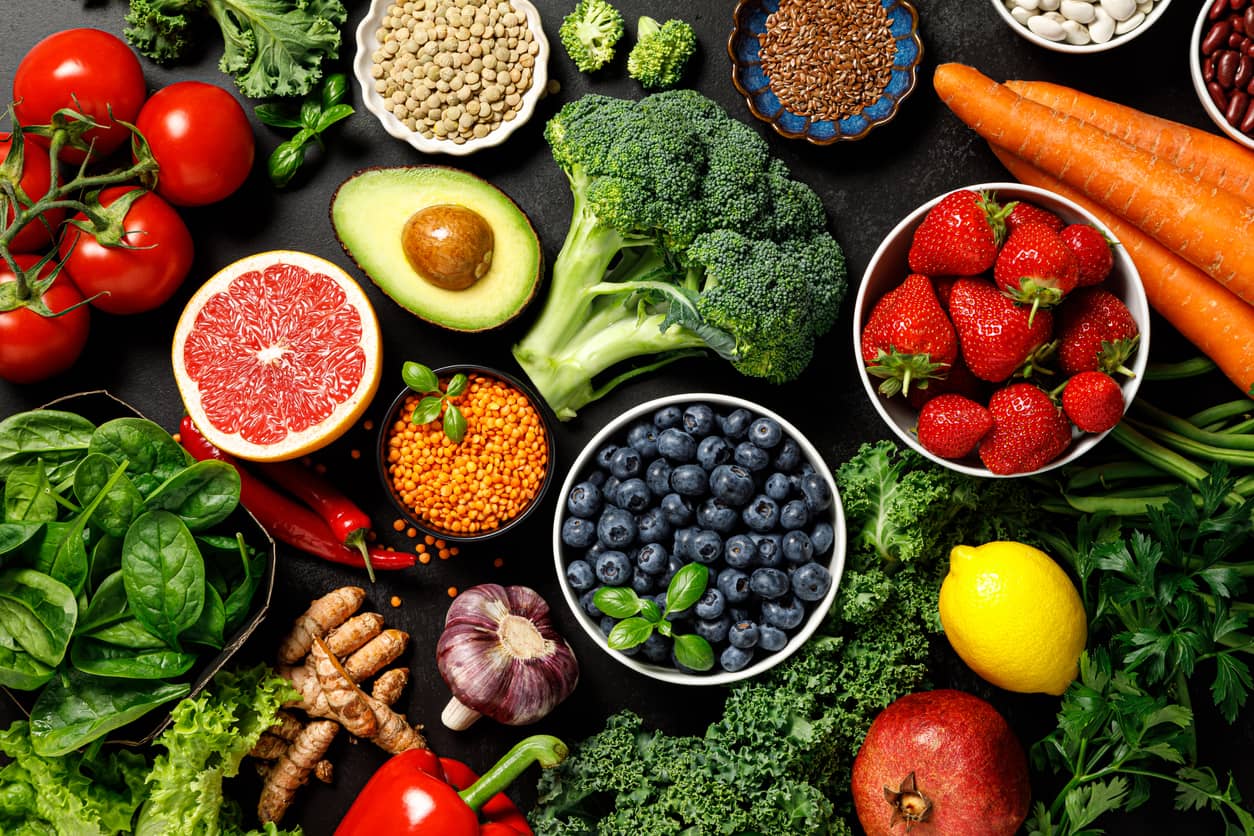
- Prebiotic fiber, found in oats, bananas, and asparagus.
- Polyphenol-rich foods, like berries, nuts, and green tea.
However, more human research is needed on this subject.
Lifestyle Changes
Certain lifestyle habits are associated with leaky gut. High stress levels increase cortisol, which may increase intestinal permeability.
Excessive alcohol intake can negatively impact the gut microbiome as well as the strength of the gut lining.
Other lifestyle changes can indirectly help leaky gut by improving gut dysbiosis, an imbalance of healthy versus unhealthy gut bacteria.
These include:
- Quitting smoking.
- Prioritizing sleep.
- Exercising regularly.
Supplements and Herbs
In addition to probiotics, other supplements, like glutamine, vitamin A, and vitamin D, may help improve impaired intestinal permeability.
Though some herbal supplements have been identified as possible treatments for leaky gut, human studies are lacking.
Talk to your doctor before starting any supplements.
{{splash}}
Takeaway
Leaky gut syndrome or “increased intestinal permeability” is not an official medical diagnosis, though it can be a symptom of many chronic conditions, like IBD, IBS, and celiac disease.
Certain strains of probiotics may decrease intestinal permeability, therefore improving leaky gut.
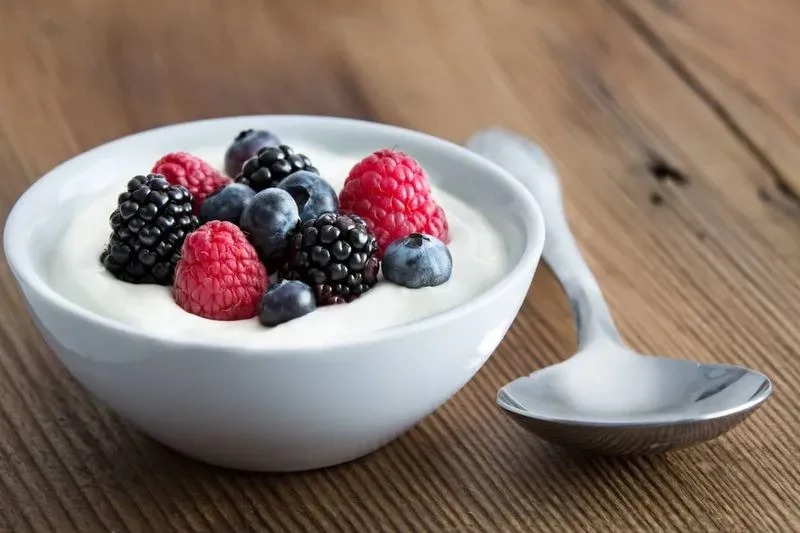
You can get these probiotics from supplements, and some can be found in fermented foods, like yogurt or sauerkraut.
Eating more fiber and polyphenol-rich foods, reducing added sugars and saturated fat, and working on healthy lifestyle habits like managing stress and prioritizing sleep can also help improve leaky gut syndrome.
How a Dietitian Can Help
There is a lot of inaccurate information online about treating leaky gut naturally.
Talk to a gut health dietitian for evidence-based recommendations to improve your gut health and reduce the symptoms of leaky gut.
You can find a dietitian that accepts insurance through Nourish.
Frequently Asked Questions
What is the best probiotic for leaky gut?
Numerous probiotics have been identified as potential treatments for leaky gut.
These work by strengthening the gut lining, reducing intestinal permeability, and decreasing inflammation.
Examples of probiotic strains to look for on the label of a probiotic supplement for leaky gut include:
- Lactobacillus rhamnosus GG
- Lactobacillus plantarum
- Bifidobacterium infantis
- Escherichia coli Nissle 1917
- Saccharomyces boulardii
It’s important to understand that most of the research on specific probiotic strains and leaky gut syndrome has been done on animals or in test tubes. More human studies are needed.
How do you fix a leaky gut fast?
The best way to heal a leaky gut is to treat and manage the underlying condition that is causing the increased intestinal permeability.
For example, Crohn's disease, ulcerative colitis, irritable bowel disease, and celiac disease are all associated with leaky gut.
In addition, you can consider diet and lifestyle changes that may strengthen the gut lining and improve digestive health, such as:
- Eating more fiber, probiotics, and polyphenol-rich foods (berries, nuts, green tea).
- Limiting saturated fat, added sugars, alcohol, and ultra-processed foods.
- Managing stress.
- Prioritizing sleep.
- Exercising regularly.
- Quitting smoking.
How long does it take for probiotics to work for leaky gut?
Probiotics can begin to change your gut microbiome within just one day.
However, you can expect to take probiotics for 1-2 months before you start noticing improvements in your gut health, GI symptoms, and digestive conditions like leaky gut or IBS.
Remember that the positive changes to your gut health are not permanent after you stop taking a probiotic supplement.
Therefore, it’s important to keep probiotics in your diet long-term to reap the benefits.
References
View all references
Nourish has strict sourcing policies and prioritizes primary sources, including medical organizations, governmental agencies, academic institutions, and peer-reviewed scientific journals. Learn more about our medical review process and editorial guidelines.
More articles





.avif)