The Best High-Fiber Foods for Constipation Relief, According to a Dietitian

Medical Reviewer: Blair Kott, MDA, RD, LD

Author: Julia Zakrzewski, RD
Summary
- Constipation is defined as a decrease in the frequency of bowel movements and can be caused by many factors, including a low-fiber intake.
- Fiber is a non-digestible carbohydrate that adds bulk to your stool. It helps your body pass bowel movements and waste efficiently.
- Gradually increasing your intake of high-fiber foods and drinking extra water may help relieve your constipation.
Constipation is the decreased frequency of bowel movements and is defined as passing fewer than three stools per week.
Lifestyle and dietary changes may improve your digestive health and help you find constipation relief.
Evidence-based practices to increase the frequency of bowel movements include increasing fiber intake, physical activity, and managing stress and anxiety.
In this article, you’ll learn about fiber, which foods may relieve constipation, and why working with a dietitian can benefit your overall digestive health.
{{splash}}
What Is Fiber?
Fiber is an essential non-digestible carbohydrate.
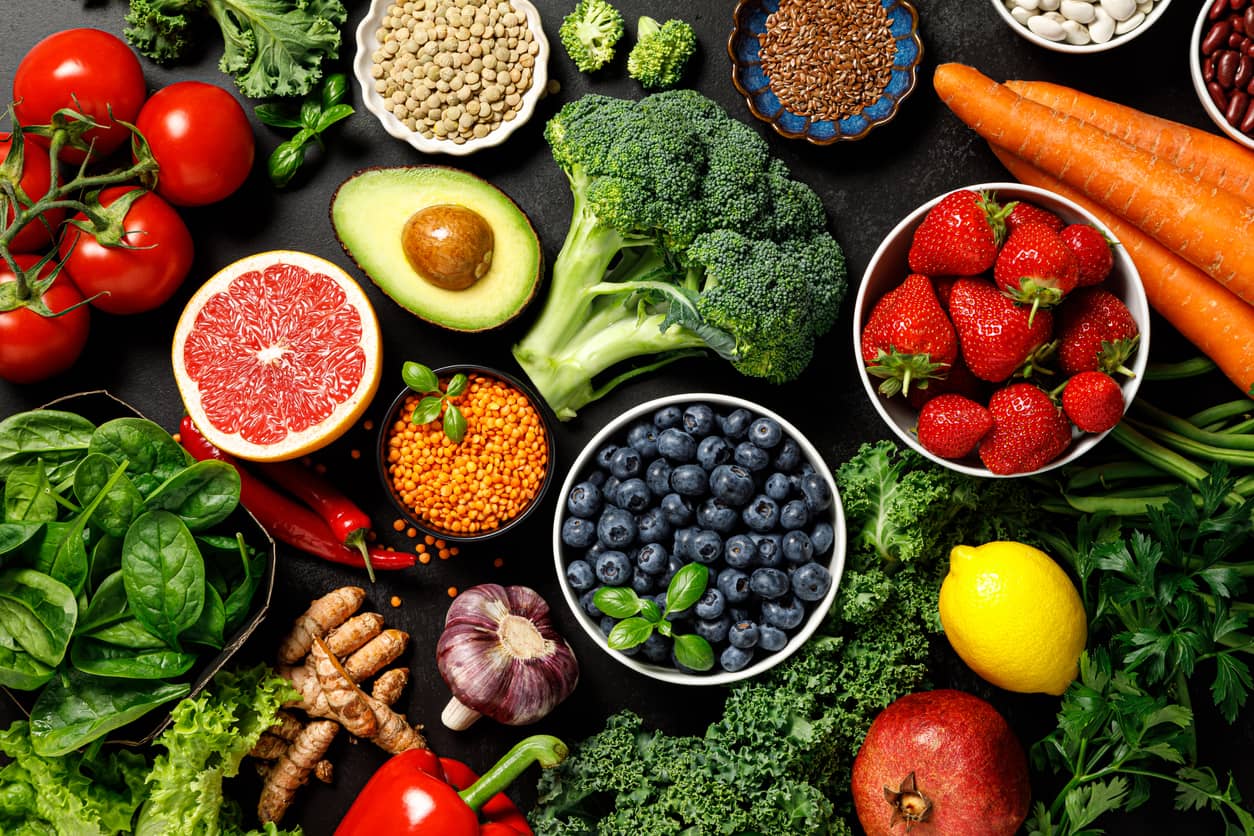
Eating high-fiber foods (whole grains, beans, nuts, seeds, fruits, and vegetables) may promote better blood sugar and cholesterol levels and reduce cancer risk.
Eating both fiber types (insoluble and soluble fiber) is recommended for healthy bowel movements.
They help with stool motility and bulking and nourish probiotic bacteria throughout the gastrointestinal tract.
- Insoluble fiber can reduce constipation by adding bulk to your stool and promoting regular bowel movements. Food sources include:
- Cereals.
- Whole grains.
- Nuts and seeds.
- Vegetables with high cellulose (complex carbohydrate) levels: celery, zucchini, green beans, cauliflower, etc.
- Fruit peels.
- Fruit with edible seeds: raspberries, kiwi, etc.
- Soluble fiber creates a gel-like texture after eating and softens stool—making it easier to pass. It aids with bacteria fermentation in the digestive tract, cholesterol uptake, blood pressure, and blood glucose.
Food sources include:
- Oats.
- Beans.
- Peas.
- Many fruits and vegetables: apples, bananas, broccoli, and root vegetables, including carrots, potatoes, turnips, etc.
How much fiber to eat
Women
- Ages 19-30: 28g fiber daily
- Ages 31-50: 25g fiber daily
- Ages 51+: 22g fiber daily
Men
- Ages 19-30: 34g fiber daily
- Ages 31-50: 31g fiber daily
- Ages 51+: 28g fiber daily
Why Is Fiber Important for Constipation?
Constipation can occur due to functional digestive disorders (IBS), medications, pelvic floor disorders, and slow movement through the colon.
Increasing your insoluble fiber intake should help waste travel faster through your colon and add bulk, making it easier to pass.
A newer 2023 study suggests that probiotic strains may help constipation, but the results are highly individualized depending on when and how much probiotics you take.
These findings are consistent with most digestive health recommendations that suggest unique tailoring to each individual.
A dietitian can help you find the right combination.
Other Benefits of a High-Fiber Diet
Here are well-documented health benefits related to fiber intake:
- Serves as prebiotics for your healthy gut bacteria (probiotics).
- Reduces your risk of colorectal cancer and possibly breast cancer.
- Supports healthy blood sugar levels by slowing down how quickly glucose molecules from food enter your bloodstream.
- Promotes satiety because fiber is digested slowly. This may contribute to weight management.
- Lowers cholesterol levels through soluble fiber intake (through food sources or supplements).
High-Fiber Foods
You can add hundreds of different fiber-rich foods to your meals and keep meals exciting by changing your selections.
Each food offers unique nutrients, and variety is necessary in a balanced diet.
If you’re unsure how to cook or prepare some of the foods listed below—ask your dietitian for guidance.
They can share recipes or cookbooks to help you get started.
{{splash}}
Whole Grains
Whole grains have three parts: the bran, germ, and nutrient-dense endosperm.
They’re rich in fiber and carbohydrates—your body’s preferred energy source.
You can include whole grains as a side dish, as an ingredient, or feature it as the star of the show.
Here are a few whole grains you can start enjoying (all serving sizes are 1 cup of cooked grain):
- Bulgur 8g of fiber.
- Teff 7g of fiber.
- Kamut 7g of fiber.
- Quinoa 5g of fiber.
- Amaranth 5g of fiber.
- Buckwheat groats 4g of fiber.
- Wild rice 3g of fiber.
- Millet 2g of fiber.
- Brown rice 2g of fiber.
Other noteworthy whole grains worth trying include oats, wheat berries, sorghum, popcorn, and rye.
Fruits and Vegetables
Fruits and vegetables taste phenomenal and are rich in fiber, vitamins, and minerals.
Additionally, the colorful peels and pulp of fruit and vegetables are rich in antioxidants—organic compounds that prevent disease and inflammation.
Add these delicious fiber-rich fruits and vegetables to your weekly menu (all serving sizes are 1 cup):
Fruits
- Kiwi 5g of fiber.
- Navel orange 4.5g of fiber.
- Blueberries 3.5g of fiber.
- Strawberries 3g of fiber.
- Cherries 3g of fiber.
- Pineapple 2g of fiber.
- Plum 2g of fiber.
Vegetables (all raw unless specified as cooked)
- Avocado 10g of fiber.
- Canned artichoke 9.5g of fiber.
- Boiled sweet potato 8g of fiber.
- Cooked asparagus 4g of fiber.
- Cooked beets 3.5g of fiber.
- Brussels sprouts 3g of fiber.
- Green beans 3g of fiber.
- Green cabbage 2g of fiber.
- Broccoli 2g of fiber.
You can enjoy other high-fiber leafy greens: collard greens, kale, and Swiss chard.
Legumes (Beans and Pulses)
Beans are rich in protein, micronutrients, and fiber and are a staple in a plant-based diet.
They’re highly versatile and blend easily with other bright-tasting ingredients, such as tomatoes, lemon juice, and fresh herbs.
You can enjoy them blended into a dip or featured in a salad, soup, or chili.
Here are some high-fiber beans you can enjoy (all serving sizes are 1 cup of canned beans):
- Black beans 16.5g of fiber.
- Lentils 13.5g of fiber.
- Chickpeas (garbanzo beans) 13g of fiber.
- Navy beans 13g of fiber.
- White beans 12.5g of fiber.
- Lima beans 11.5g of fiber.
- Kidney beans 11g of fiber.
Nuts and Seeds
Mini but mighty—nuts and seeds are loaded with energy, fiber, vitamins, and minerals and contain small amounts of protein.
The USDA nutrition guidelines recommend eating various unsalted nuts regularly to maintain good health (aim for ¼ cup daily).
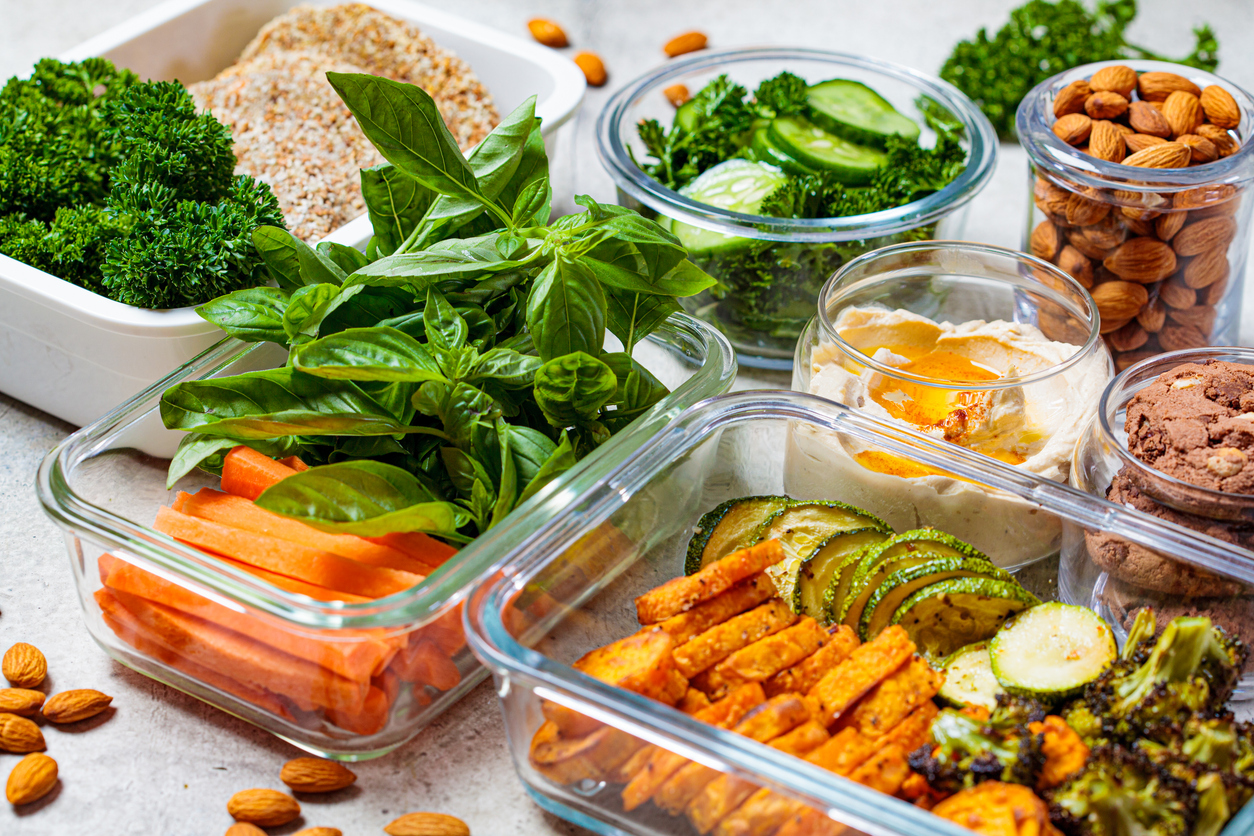
Add these high-fiber nuts and seeds to your soups, salads, and yogurt.
Roasting them will enhance their flavor without compromising their nutrition—as long as you don’t burn them (each serving is ¼ cup):
- Almonds 4.5g of fiber.
- Peanuts 3g of fiber.
- Pistachio 3g of fiber.
- Sunflower seeds 3g of fiber.
- Hazelnuts 2.75g of fiber.
- Pecans 2.5g of fiber.
- Pumpkin seeds 2g of fiber.
- Walnuts 2g of fiber.
Some seeds should be consumed in smaller quantities because their high fiber content can cause disruptive gastrointestinal symptoms (bloating, cramping, flatulence, changes in bowel habits, etc.)
A USDA article suggests two tablespoons daily for flax (approximately 30g), which is similar for chia seeds.
Water Intake Recommendations
Fiber absorbs fluid as it passes through the gastrointestinal tract.
To help keep things moving along, you should increase your water intake to accommodate the extra fiber.
Generally, most adults require nine to thirteen cups of water daily, depending on gender and age.
If you’re very active or live in a hot climate, your water needs may increase because more fluids are lost through sweat.
{{splash}}
Tips to Incorporate More Fiber into Your Diet
Adding fiber-rich options to your meals and snacks is an easy way to increase your fiber intake.
Here are some quick tricks you can try:
- Add nuts and seeds to salads, soups, cereals, or yogurts. You can do the same with fruits, like berries or diced mango.
- Mix lentils into your meaty spaghetti sauce. Add extra vegetables, like carrots or fennel, for more crunch.
- Cook quinoa into your chilis or ground meat dishes. It has a similar texture and will significantly increase the fiber.
- Add more vegetables to sandwiches, wraps, and other handheld foods (including pizza.)
Follow the USDA evidence-based MyPlate model to build balanced meals that are nutritious and filling.
Fill ½ your plate with vegetables and fruits, ¼ with lean protein, and the final ¼ with carbohydrates. Add dairy (or plant-based alternatives) to complete the meal.
Takeaway
Increasing your fiber intake may relieve functional constipation, but you should follow some precautionary steps to help your digestive system adjust.
- Increase your fiber intake gradually over a few weeks.
- Drink more water and fluids to keep stool soft and easy to pass.
- Stay attentive to other lifestyle behaviors that impact your gut health, such as stress, sleep, and anxiety.
How a Dietitian Can Help
A registered dietitian is a nutrition expert and healthcare professional.
They translate evidence-based practices into realistic strategies you can follow to improve your health.
You may not know what to expect if you’ve never met with a dietitian.
Here are questions to ask:
- How much fiber do I need?
- How often should I have bowel movements?
- Do I need a fiber supplement?
- Why do I feel bloated after eating certain foods?
Find a dietitian near you to better understand how dietary changes can prevent constipation.
Frequently Asked Questions
What are high-fiber foods?
High-fiber foods include whole grains, nuts and seeds, and fruits and vegetables.
It’s beneficial to have a variety of foods in your diet because they offer varying nutritional benefits, such as vitamins, minerals, antioxidants, and sometimes protein.
What foods immediately help with constipation?
Introducing high-fiber foods into your diet may help with constipation.
These include berries, kiwi, whole grains, beans, and lentils.
Drinking coffee may also stimulate a bowel movement in some people, although you shouldn’t drink more than three cups per day.
Every digestive system is unique, and you’ll have to try a few different foods to find which options work best for you.
What does 25g of fiber look like?
It’s easier to eat 25g of fiber than you think. Here’s what a day of eating could look like:
Breakfast: one cup of millet with ½ cup of mixed berries and ¼ cup of mixed nuts. Boil with warm milk and dress with cinnamon and a drizzle of honey. (6g of fiber)
Lunch: ½ cup of black beans with cucumber, tomatoes, avocado, olive oil, lime juice, jalapenos, feta cheese, and corn. Serve with a boiled egg and whole-grain crackers. (~18g of fiber)
Dinner: Baked chicken breast served with white rice and one cup of mixed green salad with roasted nuts (~4g of fiber).
If you ate a lower-fiber lunch, you could swap out the white rice at dinner for a higher-fiber option like wild or brown rice.
Remember, more fiber isn’t necessarily better; just try to hit your goals comfortably.
References
View all references
Akbar, A. (2023, May 1). High fiber diet. StatPearls - NCBI Bookshelf.
Healthy Eating Tips | DNPAO | CDC
Fiber: The Carb That Helps You Manage Diabetes.
FoodData Central. (n.d.). Bulgur.
FoodData Central. (n.d.). Teff.
FoodData Central. (n.d.). Quinoa.
FoodData Central. (n.d.). Amaranth.
FoodData Central. (n.d.). Buckwheat Groats.
FoodData Central. (n.d.). Kamut.
FoodData Central. (n.d.). Wild Rice.
FoodData Central. (n.d.). Millet.
FoodData Central. (n.d.). Brown Rice.
FoodData Central. (n.d.). Blueberry.
FoodData Central. (n.d.). Strawberry.
FoodData Central. (n.d.). Kiwi.
FoodData Central. (n.d.). Navel Orange.
FoodData Central. (n.d.). Cherries.
FoodData Central. (n.d.). Pineapple.
FoodData Central. (n.d.). Plum.
FoodData Central. (n.d.). Avocado.
FoodData Central. (n.d.). Canned Artichoke.
FoodData Central. (n.d.). Sweet Potato.
FoodData Central. (n.d.). Asparagus.
FoodData Central. (n.d.). Cooked Beets.
FoodData Central. (n.d.). Brussels Sprouts.
FoodData Central. (n.d.). Broccoli.
FoodData Central. (n.d.). Green Beans.
FoodData Central. (n.d.). Green Cabbage.
FoodData Central. (n.d.). Black beans.
FoodData Central. (n.d.). Lentils.
FoodData Central. (n.d.). Chickpeas.
FoodData Central. (n.d.). Navy Beans.
FoodData Central. (n.d.). White Beans.
FoodData Central. (n.d.). Lima Beans.
FoodData Central. (n.d.). Kidney Beans.
FoodData Central. (n.d.). Almonds.
FoodData Central. (n.d.). Peanuts.
FoodData Central. (n.d.). Hazelnuts.
FoodData Central. (n.d.). Pecans.
FoodData Central. (n.d.). Pistachio.
FoodData Central. (n.d.). Sunflower Seeds.
FoodData Central. (n.d.). Pumpkin Seeds.
FoodData Central. (n.d.). Walnuts.
The benefits of flaxseed : USDA ARS. (n.d.).
Nourish has strict sourcing policies and prioritizes primary sources, including medical organizations, governmental agencies, academic institutions, and peer-reviewed scientific journals. Learn more about our medical review process and editorial guidelines.




.avif)
















.avif)