




Key Takeaways
- Some apps can help you track your macronutrient intake.
- We’ve listed five (mostly free) apps to help you get started.
- Your macronutrient intake is the tip of the iceberg, and a dietitian can elevate your nutrition education to help you achieve your goals.
Keeping track of your nutritional intake can be a beneficial learning experience and may help you stay accountable for your health goals.
To adopt this practice, you can write your daily intake in a paper journal or go digital and use a macronutrient tracking app for instant nutritional information.
Keep reading to learn more about macros and the apps you can use to track your intake.
{{splash}}
What are Macros?
Macronutrients (macros) are essential to your diet because they provide energy.
You must consume them daily to function and feel your best.
Three primary macronutrients provide the bulk of energy in your diet:
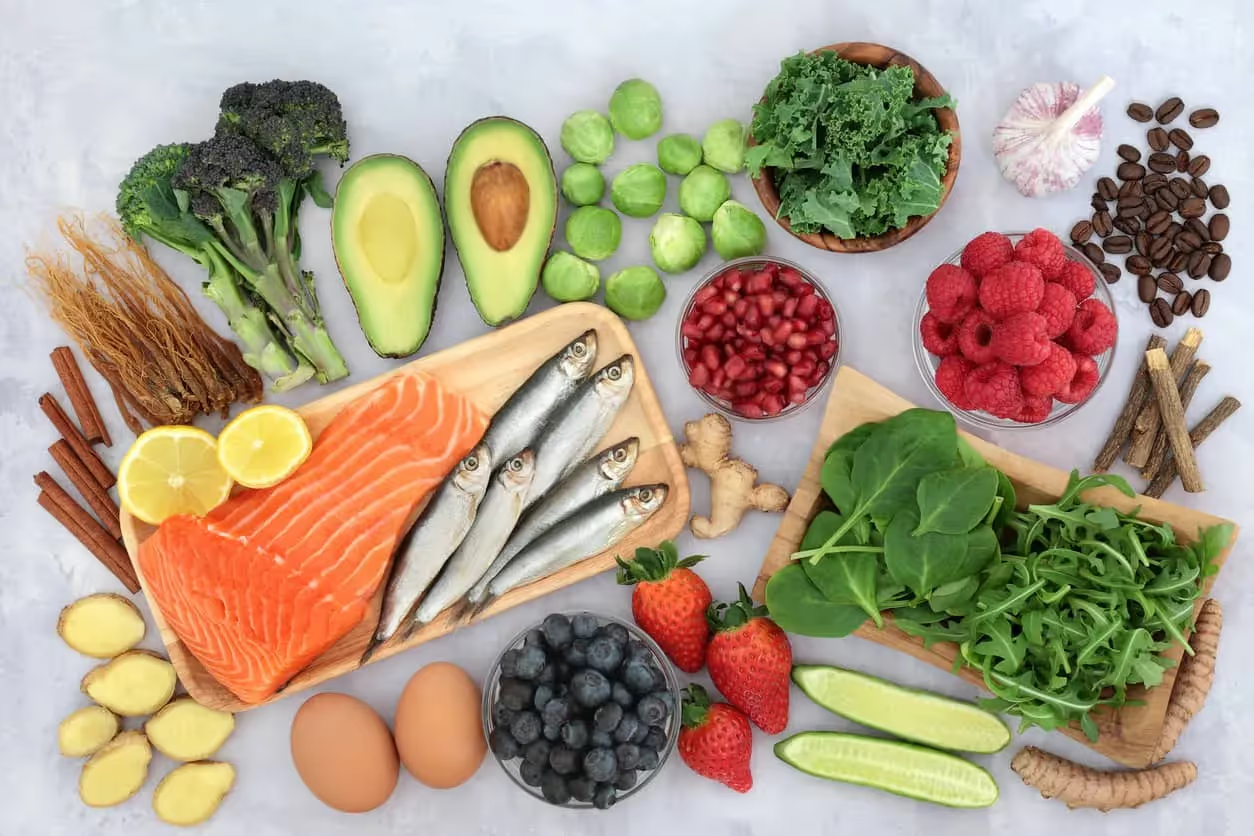
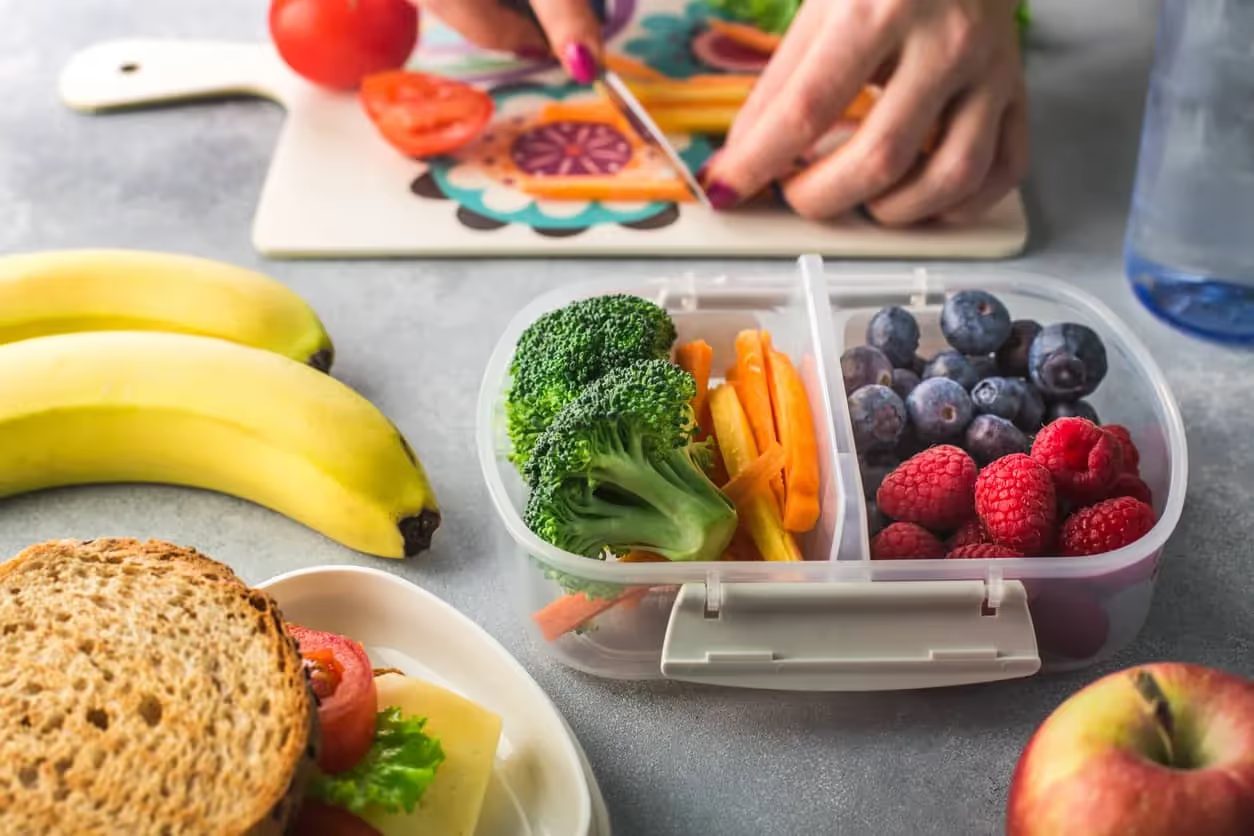
- Carbohydrates: grains, starchy vegetables, fruits, some dairy products (cow’s milk, ice cream), legumes, etc.
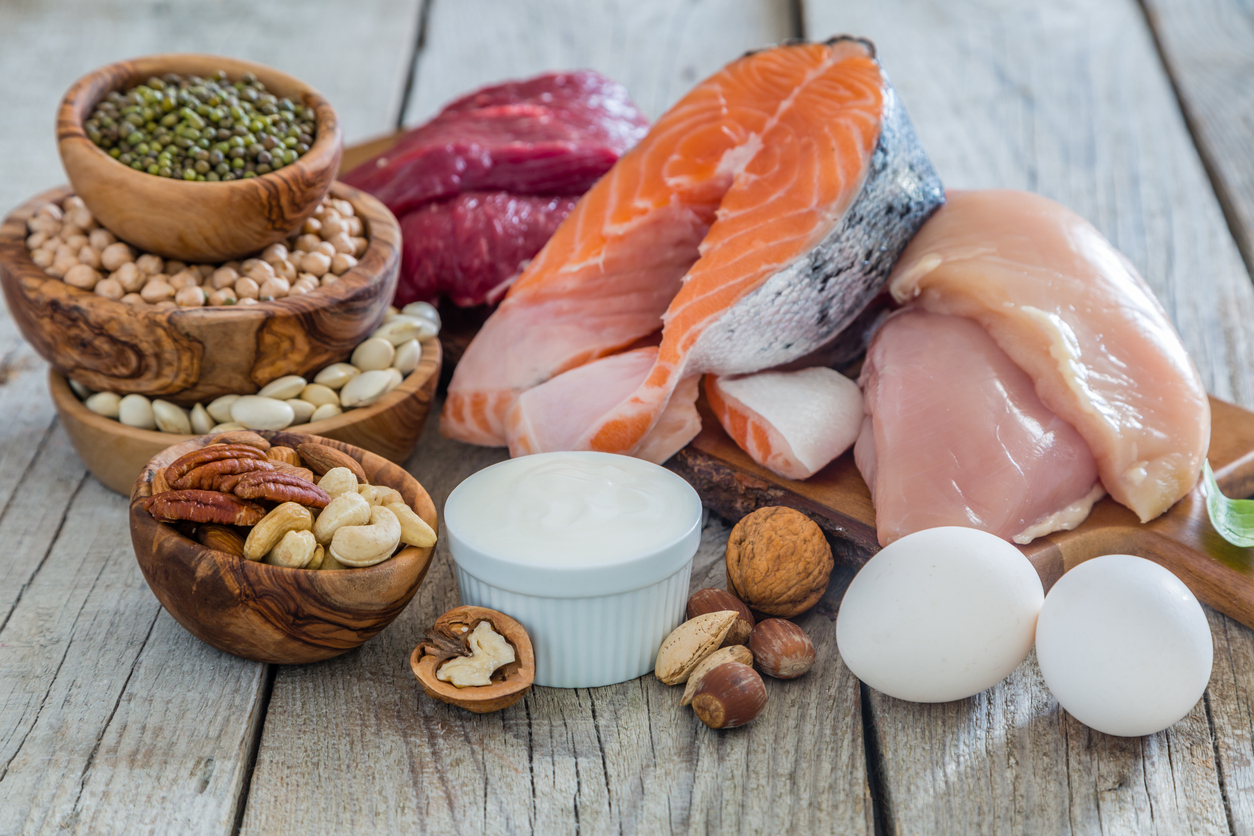
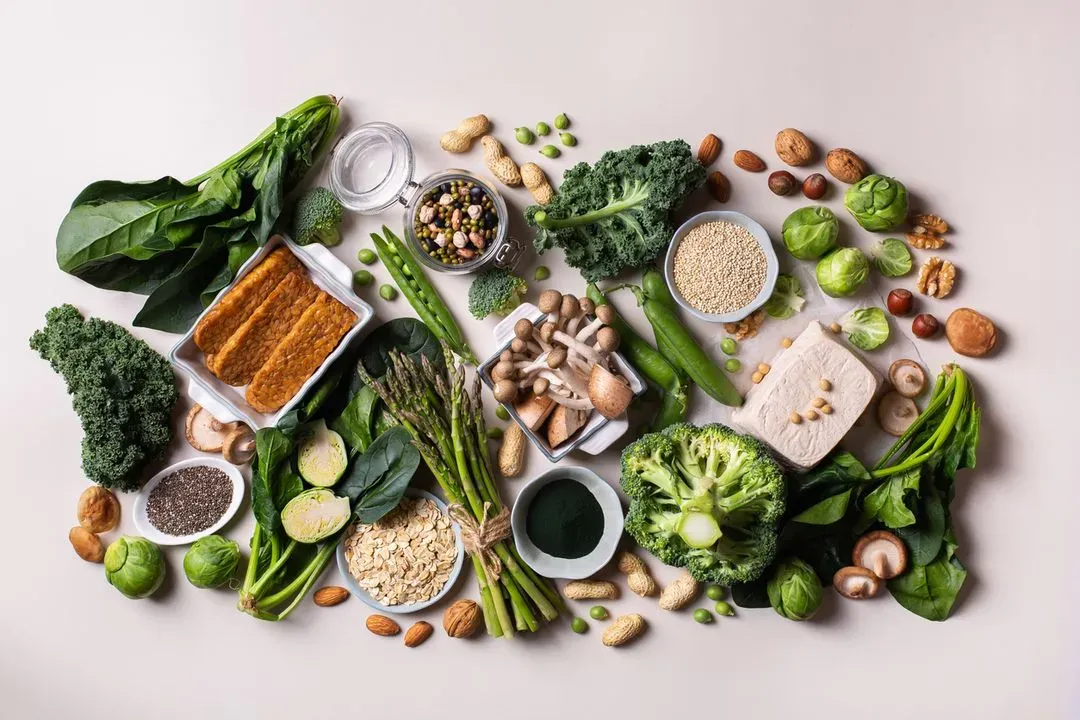
- Protein: meats, seafood, fish, legumes, eggs, some dairy products (cottage cheese, Greek yogurt), nuts, seeds, etc.
- Fat: nuts, seeds, avocado, plant-based oils, butter, some dairy products (cheddar cheese, brie cheese), etc.
In addition to providing you with energy, these macronutrients are also a source of essential nutrients like fiber, vitamins, minerals, and antioxidants.
How Much Do You Need?
It’s easy to estimate how many macros you need to eat every day by using the USDA MyPlate method.
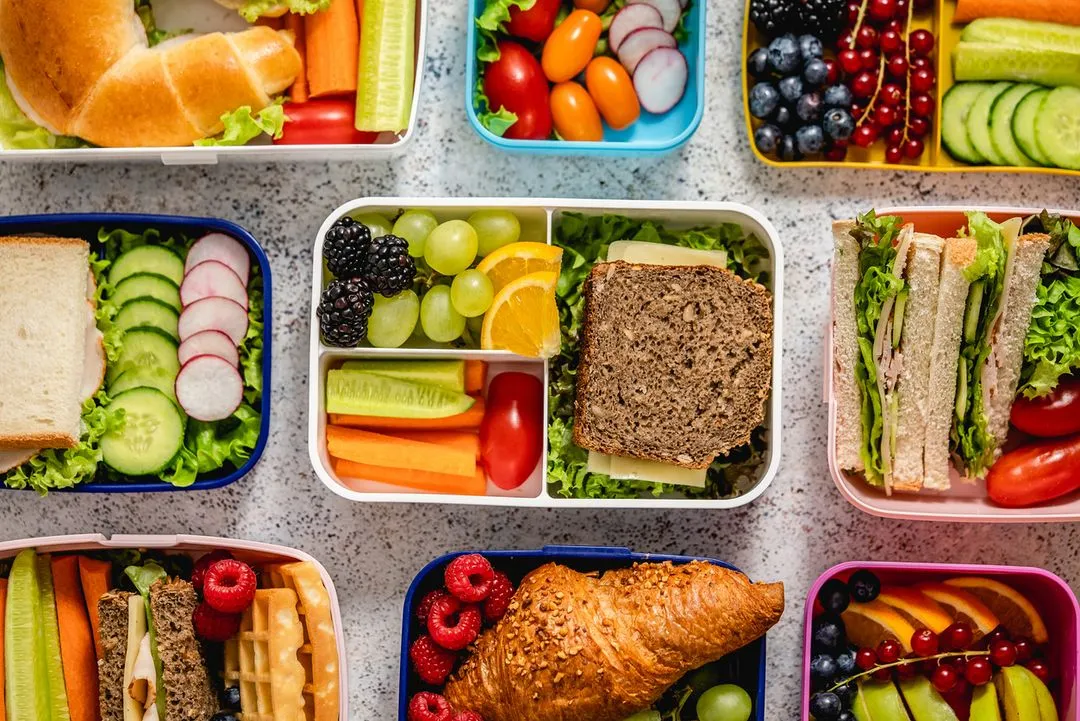
It’s an evidence-based approach that recommends people fill half their plate with fruits and vegetables, a quarter plate with lean proteins, and the final quarter with high-quality carbohydrates.
By following this ratio, you should get enough macronutrients throughout the day and satisfy your nutrient requirements.
For more personalized recommendations, ask your dietitian to calculate your daily macro needs.
Who Should Track Macros?
Tracking your macros might be helpful if you have specific nutrition goals. For example:
- You have dietary restrictions and wonder if you’re getting enough nutrients (like iron or vitamin B12 if you follow a vegan diet).
- You have fitness goals and elevated daily protein requirements.
- Your doctor has recommended that you reduce your dietary fat intake after being diagnosed with gallbladder disease.
- You have diabetes and need to modify your carbohydrate intake for better blood sugar control.
- You’re trying to lose weight and want to monitor your overall energy intake.
You don’t need to track your macros if you don’t feel like it.
This exercise should be helpful and goal-focused, and if it doesn’t feel like a good fit in your nutrition plan, your dietitian can recommend other strategies.
Benefits of Macro Tracking Apps
Some potential benefits of tracking your macros include:
- Having some form of accountability.
- Tracking your progress.
- Revealing trends in your food intake and eating behaviors (for example, when you don’t pack enough food for lunch, you pick up fast food on the way home because you’re too hungry to wait for dinner).
Also, by documenting your food choices, you can see if the ingredients in your meals and snacks align with your health goals and federal nutrition recommendations.
For example, the USDA recommends that at least 50% of one's carbohydrates be from whole grains for optimal health.
It’s also recommended to be more selective about your dietary fat intake, which can be a bit more complex depending on your health status.
By reviewing your food choices and macro app data, your dietitian can determine if you’re getting enough healthy fats (unsaturated) in your diet.
Drawbacks
Tracking macros is only the tip of the iceberg regarding your nutritional intake and may not account for budget restrictions and personal or cultural dietary preferences.
Additionally, you may start eating the same thing daily to make tracking easier (it can be tiring to write down every ingredient!), which can decrease the variety of your meals.
If you feel preoccupied with thoughts about tracking your intake (like you can’t eat a meal without worrying about the calories, nutrients, etc.), you may want to stop using a macro-tracking app. This practice is meant to be helpful—so if you’re constantly thinking about what you’re eating, it might be time to take a step back.
5 Best Macro Tracking Apps, According to an RD
We’ve reviewed macro tracking apps to find the best options for you.
We considered nutrition accuracy, user experience, and shareability—because sharing your logged data with your dietitian can enhance your goal-planning experience.
1. Cronometer
Overall, Cronometer offers the best value and user experience among free apps.
Cronometer was founded in 2005, making it nearly twenty years old.
Over the last two decades, the app has become faster and more robust but contains full-page ads (which may affect your experience).
Key Features
The Cronometer app is designed to help people “eat smarter and live better.” When using this app, you can:
- Set your macro targets and track your intake.
- Track your intake of 84+ nutrients.
- Log your exercise, sleep, mood, blood pressure, and overall nutrition.
- Gain dietary insights from nutrient reports (paid).
- Get diet support for plant-based eating, low-carb, and more.
- Use a barcode scanner for instant nutrition information.
- Access an online community.
- Sync your data with fitness tracking apps like Garmin or Fitbit.
Pros
- Verified nutrient database (nutritional information should be accurate).
- Free to download (with limited features).
Cons
- Has full-page ads, which can take time to load.
- Some premium features are behind a paywall.
{{local}}
2. MacroFactor
The MacroFactor app is tailored for people who want to lose weight and gain muscle.
It uses in-app algorithms to help you achieve your nutrition goals and focuses heavily on tracking exercise and energy expenditure.
Key Features
MacroFactor says its app can “adapt to your metabolism.” You can use these key features:
- Track macro and micronutrients.
- Calculate your weekly energy goals (using your logs, health data, weight fluctuations, etc.)
- Personalize many app components to fit your health goals.
- Use a barcode scanner for instant nutrition information.
- Access an online community.
- Track menstrual cycles, eating habits, and other body measurements.
Pros
- Food database verified by RDs
- Can dictate or type your daily logs.
Cons
- Offers a brief free trial period (7 days) and a $5.99 monthly subscription fee.
- Can only sync with Apple Health and Fitbit.
3. Food Noms
Food Noms is a newer app with features similar to other options on our list.
We like it because it can be fully customized to fit your health goals (and the name is pretty fun, too).
Key Features
Food Noms claims to be a “better nutrition tracking app.” Some key features include:
- Setting and tracking your macro intake.
- Shareable recipes and meals with others (a great feature if you have a friend who also wants to track their intake).
- A barcode and nutrition label scanner for instant nutrition information.
- Colorful and eye-catching widgets.
- Has an online community.
- Can be synced with the Apple Health app.
Pros
- Easy to use.
- Has a more extensive verified nutrient database (with the ability to add missing data using the barcode and nutrition label scanner).
- Tracks macronutrients.
Cons
- Not available for Android users.
4. MyFitnessPal
The MyFitnessPal (MFP) app is hugely popular and has existed for two decades.
People continue to use this app because it is already very popular and easy to find.
It tracks primary nutrition data and can be synchronized with over 35 other health apps.
Key Features
MyFitnessPal says it can help you “build healthy habits with an all-in-one food, exercise, and calorie tracker.” It comes with these key features:
- Tracking your macronutrient and calorie intake.
- Access its nutrition database, which contains over 18 million global foods.
- Add recipes and connect with friends using the app.
- Access online group forums to get help and find answers to your questions.
Pros
- Has free or paid options.
- Educational library filled with helpful articles and other resources (paid).
- Available for Apple and Android devices.
Cons
- User-uploaded recipes may not be accurate.
- Barcode scanner and some other features are behind a paywall.
5. Lose It!
The Lose It app is excellent for beginners who want to start tracking nutritional intake.
You should know this app is designed to help people with weight loss, which may or may not align with your interests.
Key Features
The Lose It app says it helps users achieve “weight loss that fits.” Within the app, you can:
- Track pre-set macronutrient targets (set by the app).
- Track your water intake as well as exercise and sleeping habits.
- Get weight loss advice from its resource library.
- Use a barcode scanner for instant nutrition information.
- Use the smart camera function and technology to calculate a photographed meal's nutritional value.
- Can be synced with other fitness apps and smart scales.
- Access an online community for support.
Pros
- Simple, beginner-friendly tracking.
- Easy to customize to fit your health goals.
Cons
- Firmly focused on weight loss, which may not appeal to everyone.
- You have to pay to personalize your macro targets.
How to Choose the Right Macro Tracking App for You
All of the options on this list are free to use (at least at the start), so there’s no harm in downloading and trying each one that’s compatible with your smart device.
Some apps focus more on weight loss or muscle building than others, and you’ll need to decide if those goals are important to you.
If not, there are other more neutral apps you can try.
Most importantly, when tracking your health behaviors and nutritional intake, you want to find an app that’s easy to use.
If an app is hard to use—you probably won’t use it often. So, choose a platform that works seamlessly for you.
{{splash}}
Takeaway
Macronutrients are the primary sources of fuel in your diet.
You need to consume adequate amounts of carbohydrates, proteins, and fats for energy and function.
You are probably doing better than you think, but if you want to assess your nutritional intake, you may benefit from logging your nutritional intake into a macro tracking app. Some apps we recommended are:
- Cronometer.
- Macrofactor.
- Food Noms.
- MyFitnessPal.
- Lose It!
How a Dietitian Can Help
Tracking your nutritional intake is no easy task, but it can feel simpler with the support of a registered dietitian.
At Nourish, every dietitian offers online nutrition counseling services that are covered by insurance.
You can send digital copies of your macro data to your dietitian before your appointment and review patterns, trends, and key takeaway messages when you meet.
Getting personalized advice on your nutritional intake can be immensely helpful.
Remember, tracking your macronutrients is the tip of the iceberg—looking deeper into eating behaviors and the nutritional quality of your foods can have even more impact on your health.
Find a dietitian who accepts insurance now.
Do you have any of these insurances?
Why Join Nourish's RD Network



Frequently Asked Questions
Many macro apps are free to download. We’ve recommended five options you can try—then you can decide which one is the best.
- Cronometer
- MacroFactor
- Food Noms
- MyFitnessPal
- Lose It!
MyFitness Pal is free to use, but some premium functions (more advanced features, no ads, customer support, etc.) are behind a paywall.
A digital app can be an easy way to track your macros.
However, no app can be 100% accurate, and it’s wise to review your nutritional analytics with a registered dietitian for expert nutrition feedback.















.jpg)
























.avif)

.avif)


























.avif)


%20(1).webp)







.avif)
.webp)