

Key Takeaways
- Leaky gut syndrome, though not a medical diagnosis, is also known as impaired or increased intestinal permeability.
- Increased intestinal permeability means the small gaps in the lining of the gastrointestinal tract have become too large, and unwanted molecules, like pathogens, are let through and can cause inflammation.
- A diet high in fiber and low in ultra-processed foods, saturated fat, and refined sugar can help improve intestinal permeability along with lifestyle changes and certain supplements.
Updated by Jennifer Huddy, MS, RD, LD
Leaky gut syndrome is often touted by alternative medicine practitioners as the cause of numerous digestive symptoms and other concerns, like brain fog, chronic fatigue, and eczema.
While leaky gut is not currently recognized as a medical diagnosis, some research shows that increased intestinal permeability may contribute to digestive symptoms and inflammation.
Continue reading to learn more about the science behind leaky gut syndrome and how to improve your gut health naturally.
{{splash}}
What Is Leaky Gut?
Leaky gut syndrome is a term used to describe increased or impaired intestinal permeability, but it’s not a medical diagnosis recognized by Western medicine.
Rather, it's known as a symptom of many conditions, from celiac disease to gastric ulcers.
The first step in understanding leaky gut syndrome is to learn about how a normal digestive tract lining functions.
Your gastrointestinal (GI) tract has a lining made up of epithelial cells that act as a barrier between the intestines and the bloodstream.
These cells are tightly packed together but have tiny gaps between them for nutrients and water to be absorbed.
When this lining works properly, it prevents pathogens and other harmful substances from entering the bloodstream, making it an important line of defense for your body.
In the case of certain chronic conditions and lifestyle factors, dysfunction of the GI tract lining can occur.
Increased intestinal permeability is when these gaps become larger and let other things, like bacteria, toxins, and undigested food proteins, “leak” into the bloodstream.
This can result in systemic inflammation and damage to the intestinal lining.
Researchers hypothesize that these harmful substances leaking out of the intestines may also impact hormone function, the immune system, and the nervous system, among others.
What Causes Leaky Gut Syndrome?
Impaired intestinal permeability is a complex topic that’s not fully understood, and more research is needed to learn the relationship between “leaky gut” and various disorders.
Some researchers suggest a two-way street in which certain conditions may cause intestinal permeability, and in other cases, a “leaky gut” may be a factor that contributes to the development of chronic inflammatory disorders.
However, current evidence does not support the idea that a leaky gut alone could be the sole cause of a disease.
Though leaky gut syndrome is not a medical diagnosis, increased intestinal permeability has been linked to certain conditions.
Many autoimmune disorders make up this list because the immune system attacks various body systems, including the intestines, causing inflammation of the digestive lining.
Digestive Conditions
A well-studied phenomenon is how certain gastrointestinal (GI) disorders can increase intestinal permeability.
The inflammation from these underlying conditions can damage the intestines and result in a “leaky gut.”
These are some of the digestive disorders that may increase intestinal permeability:
- Inflammatory bowel disease (IBD), including Crohn’s disease and ulcerative colitis.
- Inflammatory bowel syndrome (IBS.)
- Celiac disease.
- Small intestinal bacterial overgrowth (SIBO.)
- Nonalcoholic fatty liver disease (NAFLD.)
- Gastric ulcers.
- Infectious diarrhea.
- Food allergies.
Other Conditions
Other non-digestive conditions have been associated with impaired intestinal permeability, but this relationship is not yet fully understood.
- Type 1 diabetes mellitus.
- Obesity.
- Chronic obstructive pulmonary disease (COPD.)
- Congestive heart failure (CHF.)
- Infections.
- Autoimmune diseases, such as multiple sclerosis and lupus.
- HIV/AIDS.
- Graft vs. host disease.
Gut Microbiome
Gut bacteria dysbiosis has also been linked with leaky gut syndrome. Dysbiosis occurs when more harmful bacteria are in the digestive tract than healthy bacteria.
This imbalance may increase intestinal permeability, contributing to a leaky gut.
Gut dysbiosis is also associated with inflammation and an increased risk of certain chronic diseases, such as diabetes and obesity.
{{local}}
Symptoms of Leaky Gut
The symptoms of leaky gut syndrome are difficult to generalize because they depend on the underlying condition contributing to impaired intestinal permeability.
For example, research shows that people with irritable bowel disease (IBS) who had a leaky gut experienced more severe diarrhea and digestive pain symptoms.
Possible symptoms of leaky gut based on the core symptoms of its underlying conditions, including inflammatory bowel disease (IBD), celiac disease, and IBS include:
- Bloating.
- Chronic diarrhea.
- Constipation.
- Gas.
- Nausea.
- Vomiting.
- Abdominal pain.
- Fatigue.
- Joint pain.
- Appetite loss.
Can You Heal Leaky Gut Naturally?
While there are lifestyle steps you can take to improve intestinal permeability, there’s no evidence that healing leaky gut will result in recovery from the underlying condition, like Crohn’s disease or IBS.
However, it may help improve symptoms.
It’s best to talk with your doctor before trying any natural remedies if you have chronic digestive symptoms or feel you may have a leaky gut.
Food to Eat with Leaky Gut
Research has identified that some foods can impair intestinal permeability while others can improve it.
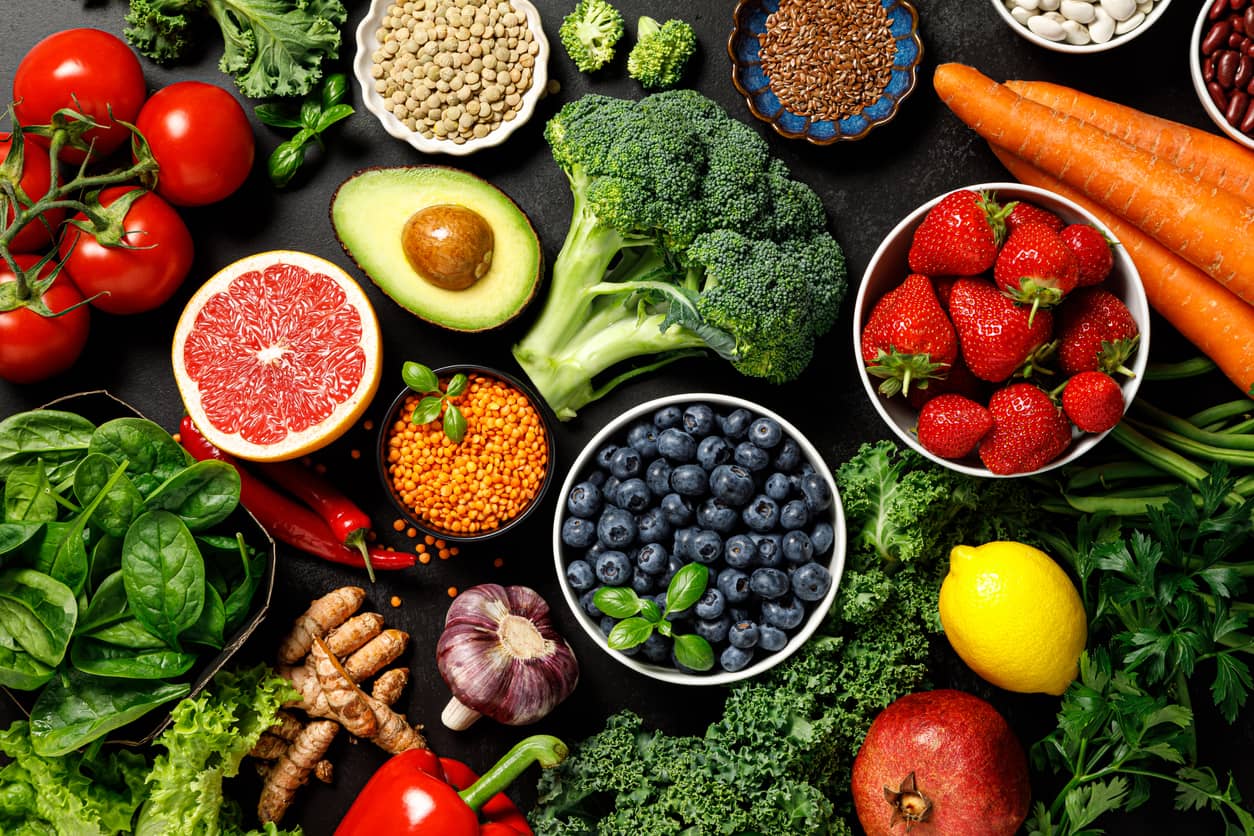
Generally, a high-fiber diet rich in prebiotics, probiotics, and polyphenols is recommended for treating leaky gut syndrome.
Remember, if you have an underlying digestive condition, you may need to follow different dietary recommendations to manage your symptoms.
Prebiotic Fiber
Prebiotics are types of fiber that are fermented by your gut bacteria.
As a result, short-chain fatty acids (SCFA) are produced. These SCFA are important for maintaining the health of the gut lining and can decrease intestinal permeability.
Prebiotics are found in many plant foods, such as:
- Oats.
- Barley.
- Bananas.
- Asparagus.
- Onions.
- Legumes.
However, if you have irritable bowel syndrome (IBS), eating more of these fermentable fibers or “FODMAPs” may increase your digestive symptoms.
Talk to a registered dietitian before making significant changes to your fiber intake.
{{splash}}
Probiotic-Rich Foods
Probiotics are healthy gut bacteria you can consume through supplements or fermented foods.
In vitro and animal rResearch shows that probiotics can strengthen the gut lining, which improves leaky gut.
Similar to high-fiber foods, probiotics can help produce short-chain fatty acids that contribute to reduced intestinal permeability.
You can find probiotics in fermented foods, like:
- Yogurt.
- Kefir.
- Sauerkraut.
- Kimchi.
Polyphenol-Rich Foods
Polyphenols are beneficial plant compounds with antioxidant qualities.
Though the mechanism isn’t well understood, research shows that a diet rich in polyphenols can improve leaky gut.
Polyphenol-rich foods include:
- Nuts.
- Berries.
- Turmeric.
- Red wine.
- Green tea.
Mushrooms
Mushrooms are a functional food rich in prebiotics and other beneficial compounds.
They have been shown to improve leaky gut by reducing inflammation, helping healthy gut bacteria grow, and encouraging SCFA production.
Specific types of mushrooms that may benefit leaky gut include:
- Chaga.
- Turkey tail.
- Lion’s mane.
- Shiitake.
{{splash}}
Foods to Avoid with Leaky Gut
Research shows that a Western diet high in added sugars, saturated fat, and ultra-processed foods can contribute to leaky gut syndrome.
Refined Sugar
Studies show that simple sugars may contribute to increased intestinal permeability.
The inflammation caused by sugar is thought to play a role in this.
Limiting your intake of added sugars is a great place to start. Common sources of added sugars include soda, desserts, flavored dairy products, and breakfast cereal.
Saturated Fat
Though human studies are needed, preliminary research has identified that a diet high in saturated fats may increase intestinal permeability and contribute to gut dysbiosis.
Saturated fat is found in animal and some plant products and processed foods, such as:
- Red meat.
- Processed meats, like bacon and sausage.
- Butter.
- Cheese.
- Fried foods.
- Coconut oil.
Ultra-Processed Foods
Ultra-processed foods (UPF) are generally high in refined sugar, saturated fat, and food additives, which can increase inflammation and are linked with leaky gut syndrome.
Common ultra-processed foods include soda, chips, ice cream, and fast food.
Gluten
Gluten, a protein found in wheat, is a somewhat controversial topic when it comes to leaky gut.
Research shows that gluten activates a protein called zonulin in the gut, which may increase intestinal permeability.
However, this occurs primarily in people with celiac disease and, to a lesser extent, in some people with non-celiac gluten sensitivity.
Talk to your doctor or dietitian about whether or not gluten is appropriate for your diet.
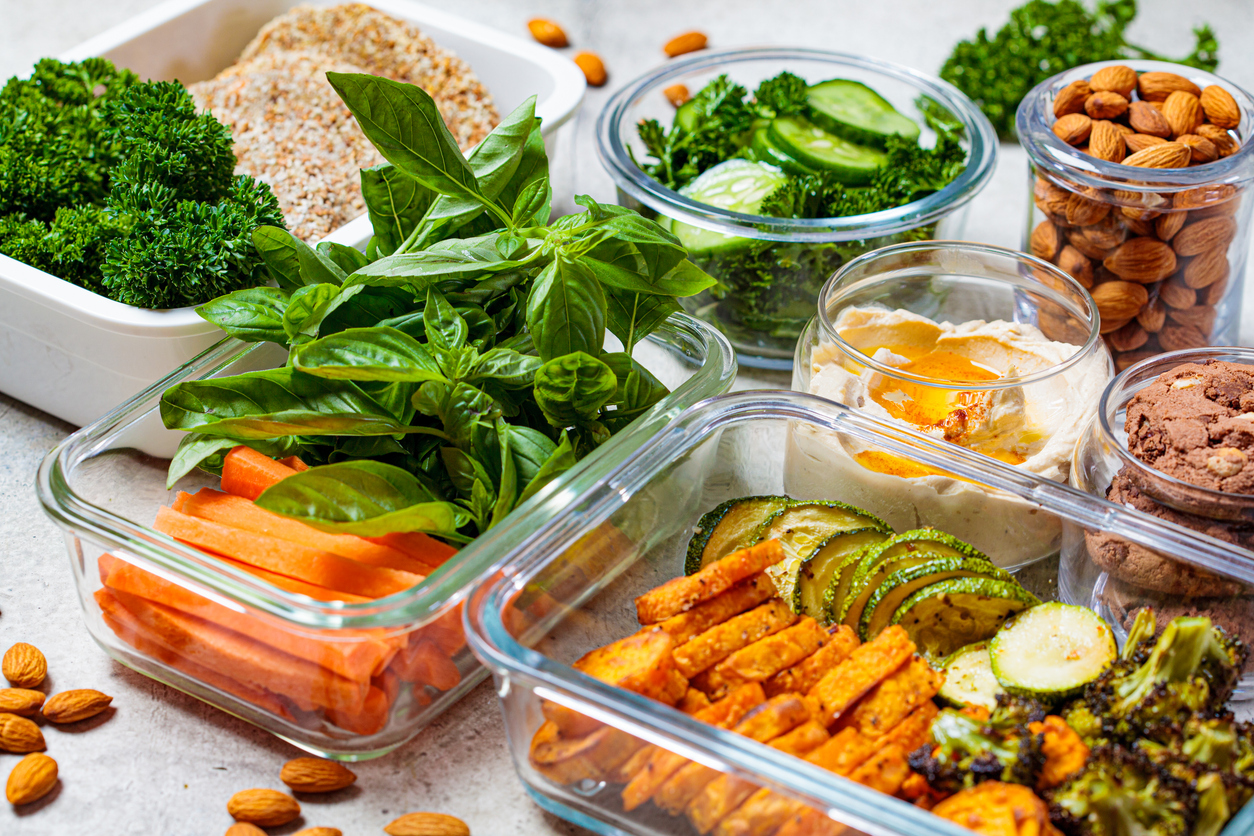
Sample Meal Plan for Leaky Gut
If you’re looking for a place to start, try this sample meal plan for leaky gut.
Remember to clarify the specifics of your diet with your dietitian before making any significant changes.
Breakfast
Oatmeal cooked with milk and topped with blueberries and nuts.
Snack
Hummus with carrots.
Lunch
Grain bowl with quinoa, roasted vegetables, crispy garbanzo beans, sauerkraut, and tahini dressing. .
Snack
Unsweetened yogurt with raspberries.
Dinner
Stir fry with chicken, broccoli, shiitake mushrooms, and brown rice.
How to Heal Leaky Gut Naturally
In addition to changing your diet, other changes, like lifestyle habits and supplements, may help you heal leaky gut naturally.
Herbal Remedies
Researchers have identified some medicinal herbs that may help heal the intestinal lining in leaky gut syndrome.
However, much of this research is from animal studies, and there are no clear guidelines for humans at this time.
Especially since impaired intestinal permeability is associated with many different conditions, generalizing treatment is challenging.
Talk to your doctor about herbal remedies that may be safe and effective for you.
Supplements
Leaky gut syndrome has been linked with certain vitamin and mineral deficiencies, and taking supplements may be a strategy to improve impaired intestinal permeability.
Supplements to consider include:
- Vitamin D.
- Vitamin A.
- Zinc.
- Glutamine.
- Probiotics.
The appropriate supplements for you will depend on your vitamin status and any underlying conditions you may have. Talk to your doctor and dietitian before starting any new supplement regimen.
Lifestyle Changes
Numerous lifestyle factors have been associated with increased intestinal permeability.
Practicing the following healthy habits can improve your gut health and overall well-being.
- Stress management.
- Quit smoking.
- Reduce alcohol intake.
- Practice regular exercise.
- Limit NSAIDs, like ibuprofen.
How to Improve Gut Health
Because a healthy gut involves a strong digestive lining, the recommendations for improving general gut health are similar to those for healing leaky gut.
Additionally, these changes help increase the ratio of healthy vs unhealthy gut bacteria as well as improve the diversity of your gut bacteria.
Overall, a high-fiber diet rich in probiotics and polyphenols and low in saturated fat, added sugars, and heavily processed foods can improve your gut health.
Lifestyle changes like getting good sleep, managing stress, and exercising regularly also support general gut health.
When to See a Doctor about Leaky Gut Syndrome
It’s best to see a doctor if you experience chronic digestive symptoms and don’t know the underlying cause.
Examples include abdominal pain, diarrhea, constipation, nausea, vomiting, and bloating.
You may have a gastrointestinal condition that requires medical monitoring and treatment.
Treating your symptoms at home with dietary changes, herbs, and supplements can often worsen the problem.
There is a lot of misinformation online regarding leaky gut syndrome, especially natural remedies.
If you have concerns about your gut health, it’s best to talk to your doctor and consider working with a registered dietitian.
Takeaway
Though leaky gut syndrome is not a medical diagnosis, increased intestinal permeability may result from certain conditions, mainly gastrointestinal (GI) disorders like IBD, celiac disease, and IBS.
It’s always best to talk with your doctor about your chronic GI symptoms before attempting any home remedies.
Possible natural treatments for leaky gut include dietary and lifestyle interventions and, in some cases, supplements.
How a Dietitian Can Help
If you have chronic digestive symptoms or concerns about your gut health, a registered dietitian can work with you and your doctor to help identify the root cause of the problem.
Your dietitian will guide you in identifying foods to help manage your symptoms in the long term.
Find a dietitian specializing in digestive health to get started on your journey to healing leaky guts syndrome.
Find a dietitian near you that accepts insurance using Nourish
Do you have any of these insurances?
Why Join Nourish's RD Network



Frequently Asked Questions
If you suspect you have a leaky gut, the first step is to talk to your doctor. You may have an underlying condition causing your symptoms that requires medical management or a special diet.
Certain dietary and lifestyle habits can help improve leaky gut (also known as impaired intestinal permeability). Eating a high-fiber diet rich in probiotic and prebiotic foods while limiting highly processed foods, saturated fats, and added sugars can be beneficial.
Lifestyle factors like stress management, physical activity, and smoking cessation also play a role in improving gut health.
Talk to your doctor or dietitian before trying home remedies for leaky gut. In some cases, you can improve your gut health and strengthen the intestinal barrier by changing your diet and lifestyle, including:
- High fiber diet including probiotic and prebiotic-rich foods.
- Limit saturated fat, refined sugar, ultra-processed foods, and alcohol.
- Take certain vitamin supplements if you are deficient, like vitamin D and zinc.
- Manage stress levels, exercise regularly, and quit smoking if you smoke tobacco.
While herbal remedies for leaky gut syndrome may be touted online, most of the evidence is from animal studies. There are not currently guidelines for human treatment.
Certain foods can increase intestinal permeability, resulting in a “leaky gut.” Foods high in saturated fat and refined sugar may contribute to leaky gut syndrome, along with ultra-processed foods like soda and fast food.
Gluten intake is associated with leaky gut syndrome in people with celiac disease and non-celiac gluten sensitivity.







.avif)

















.avif)